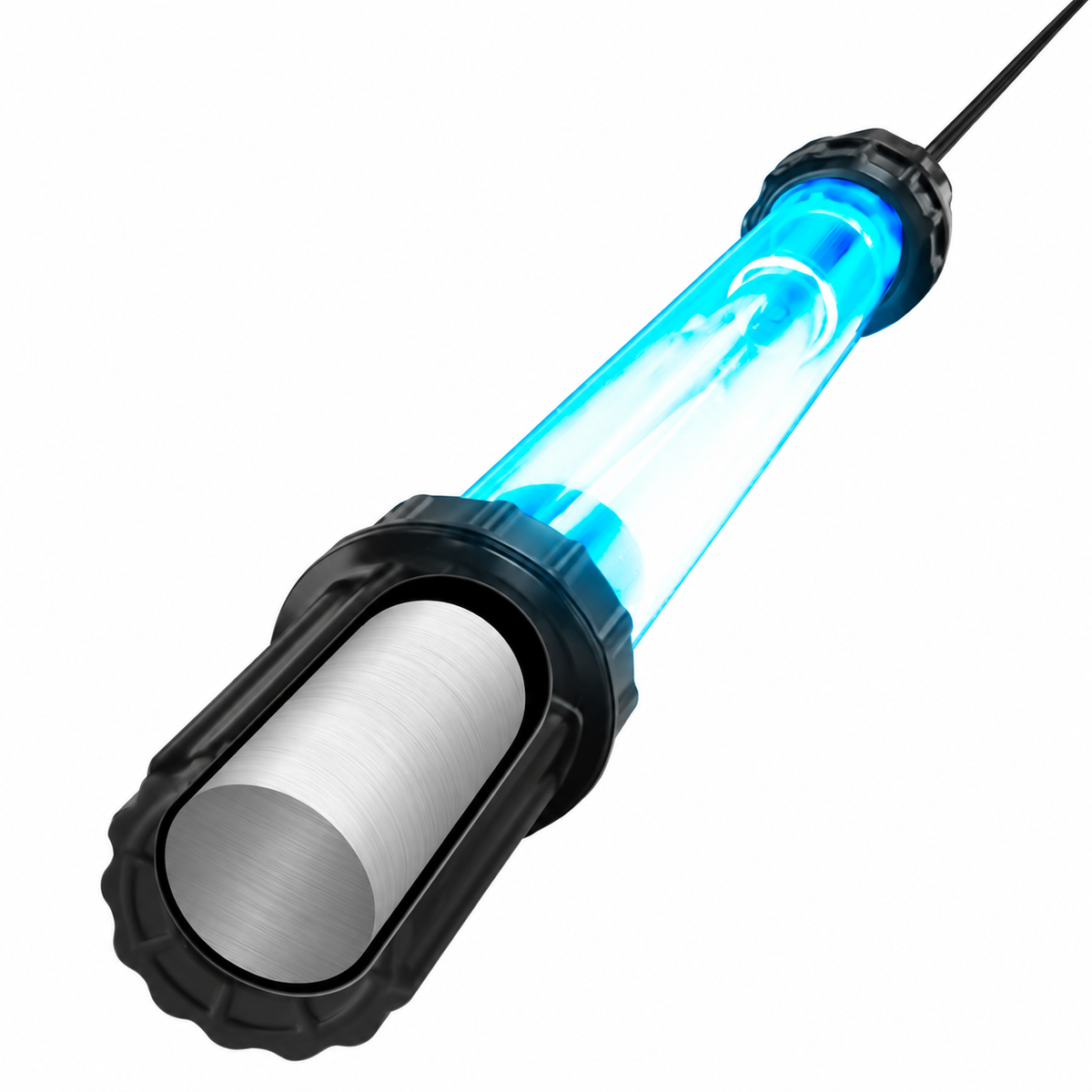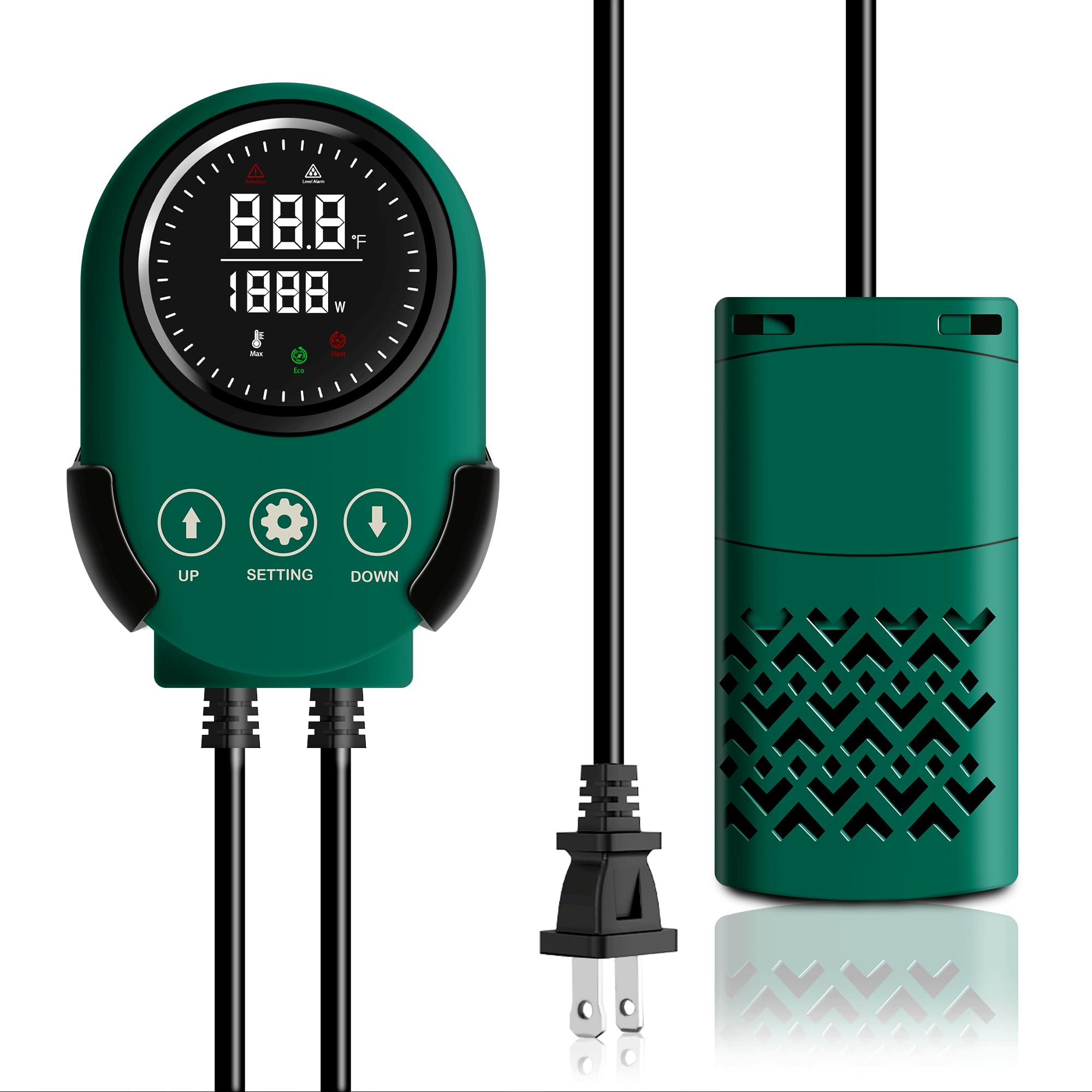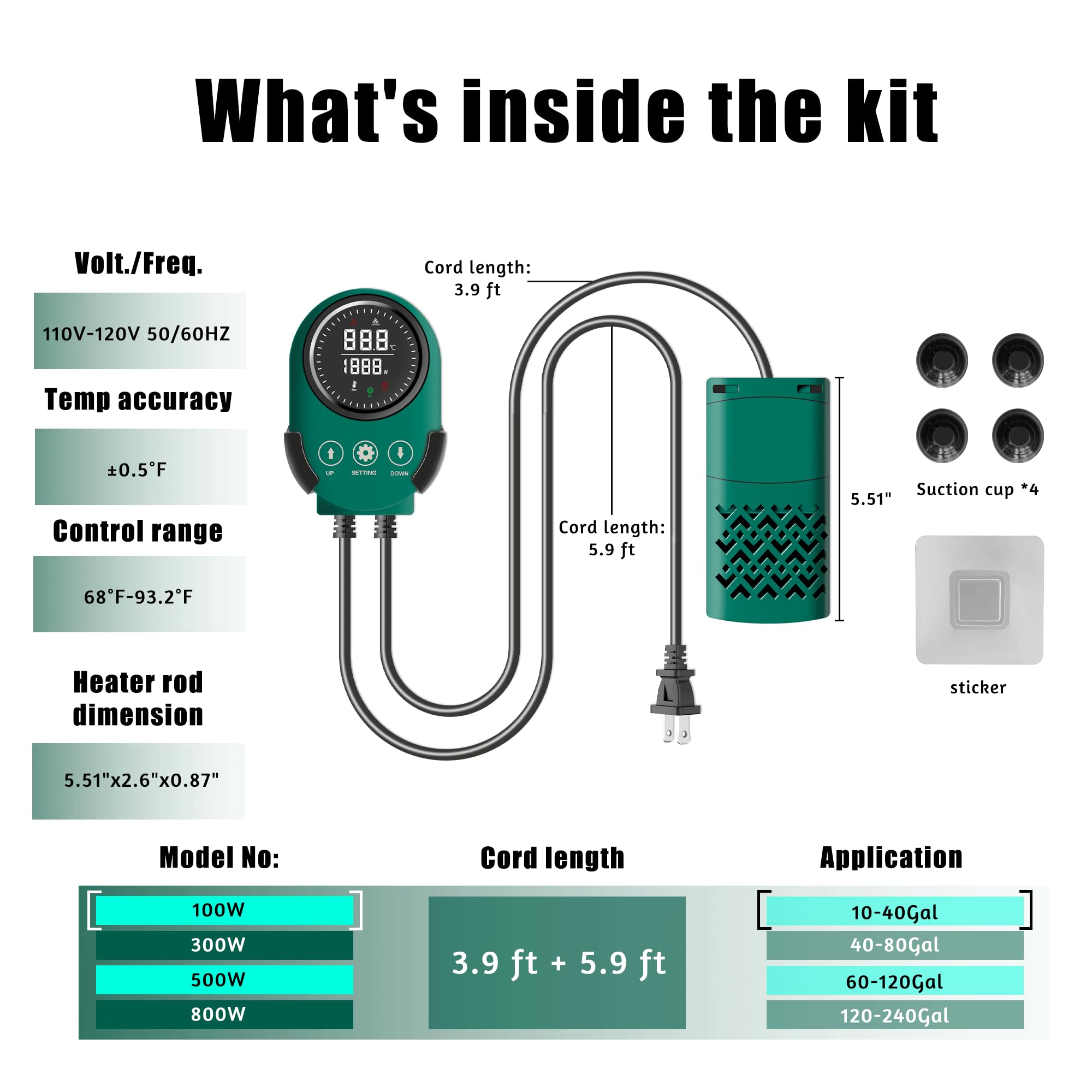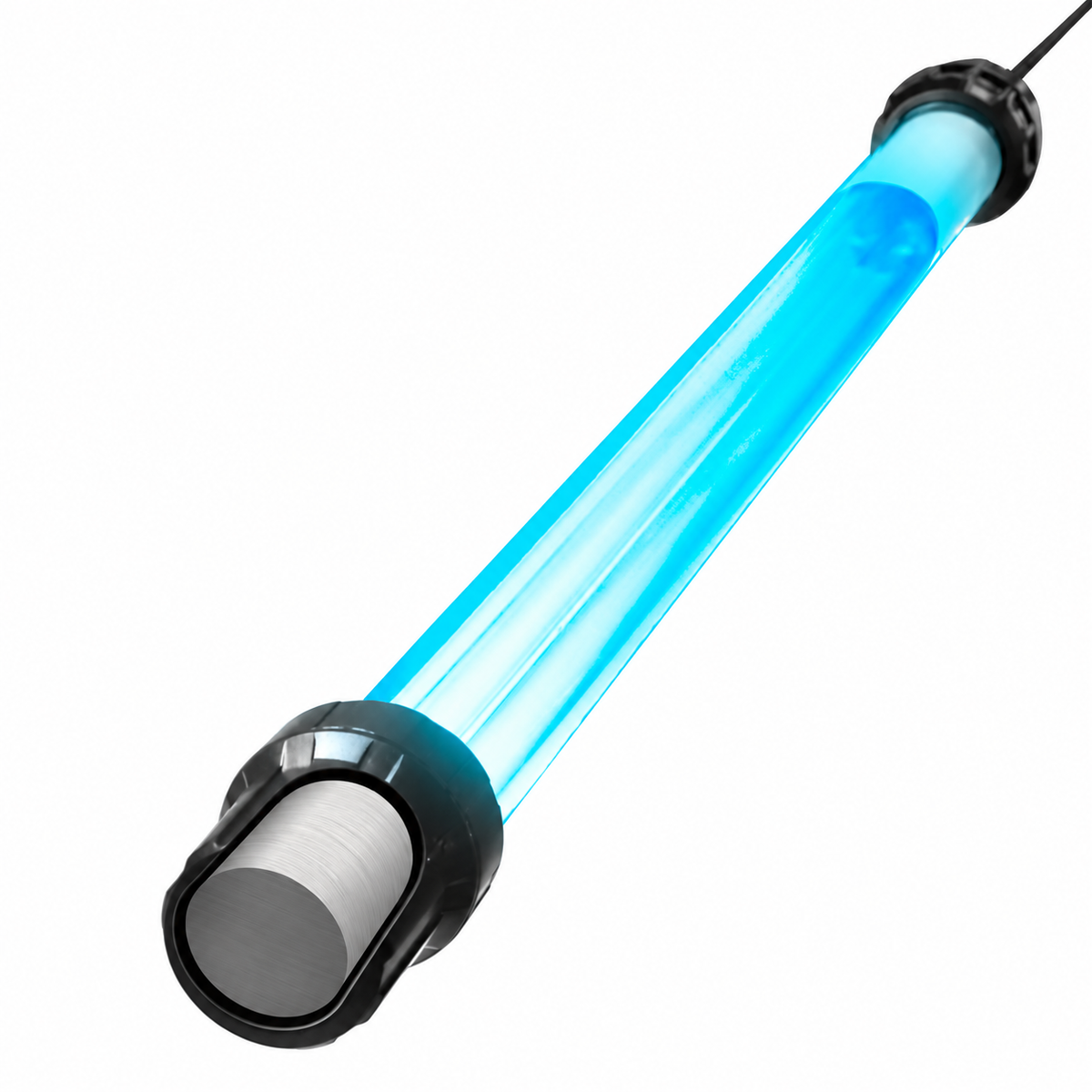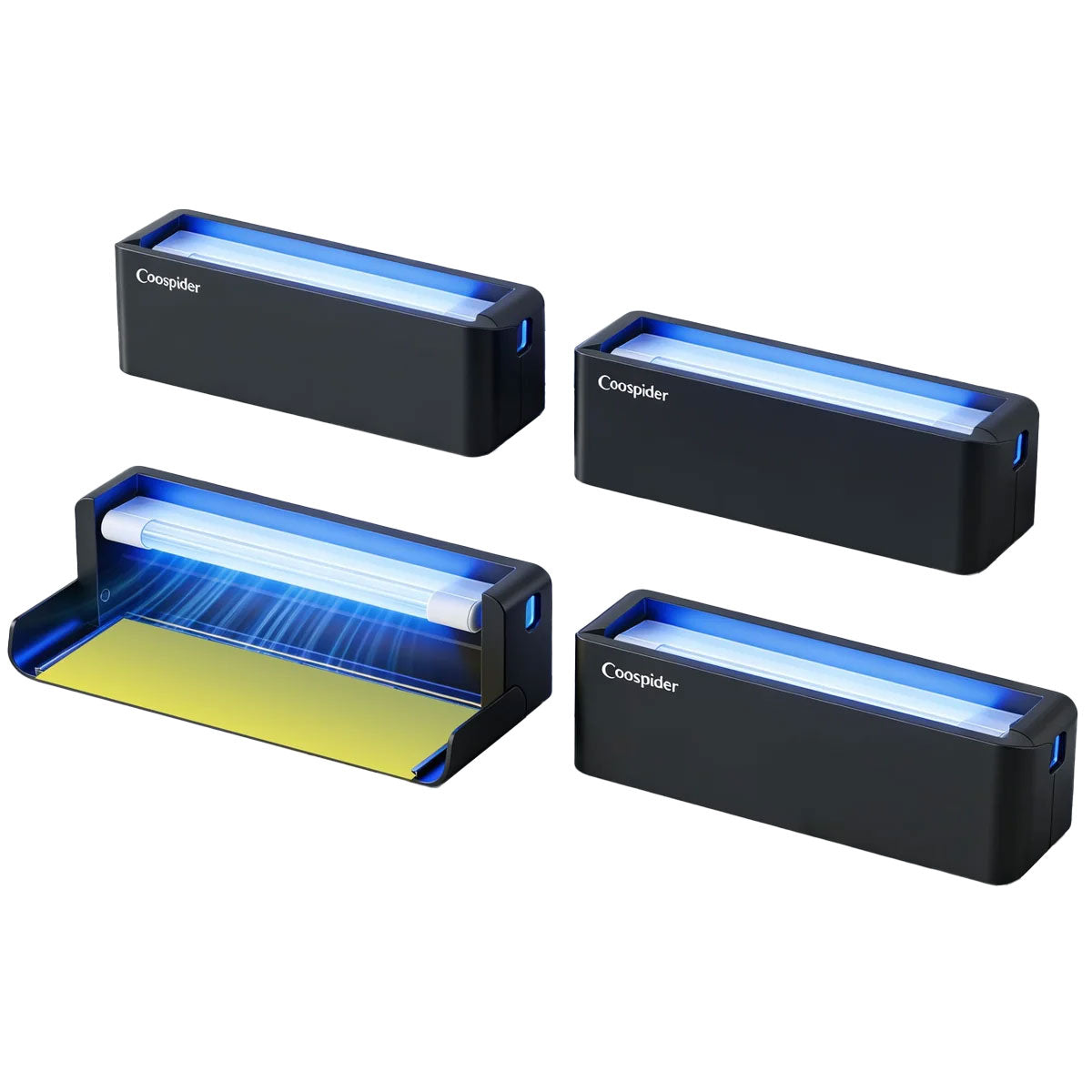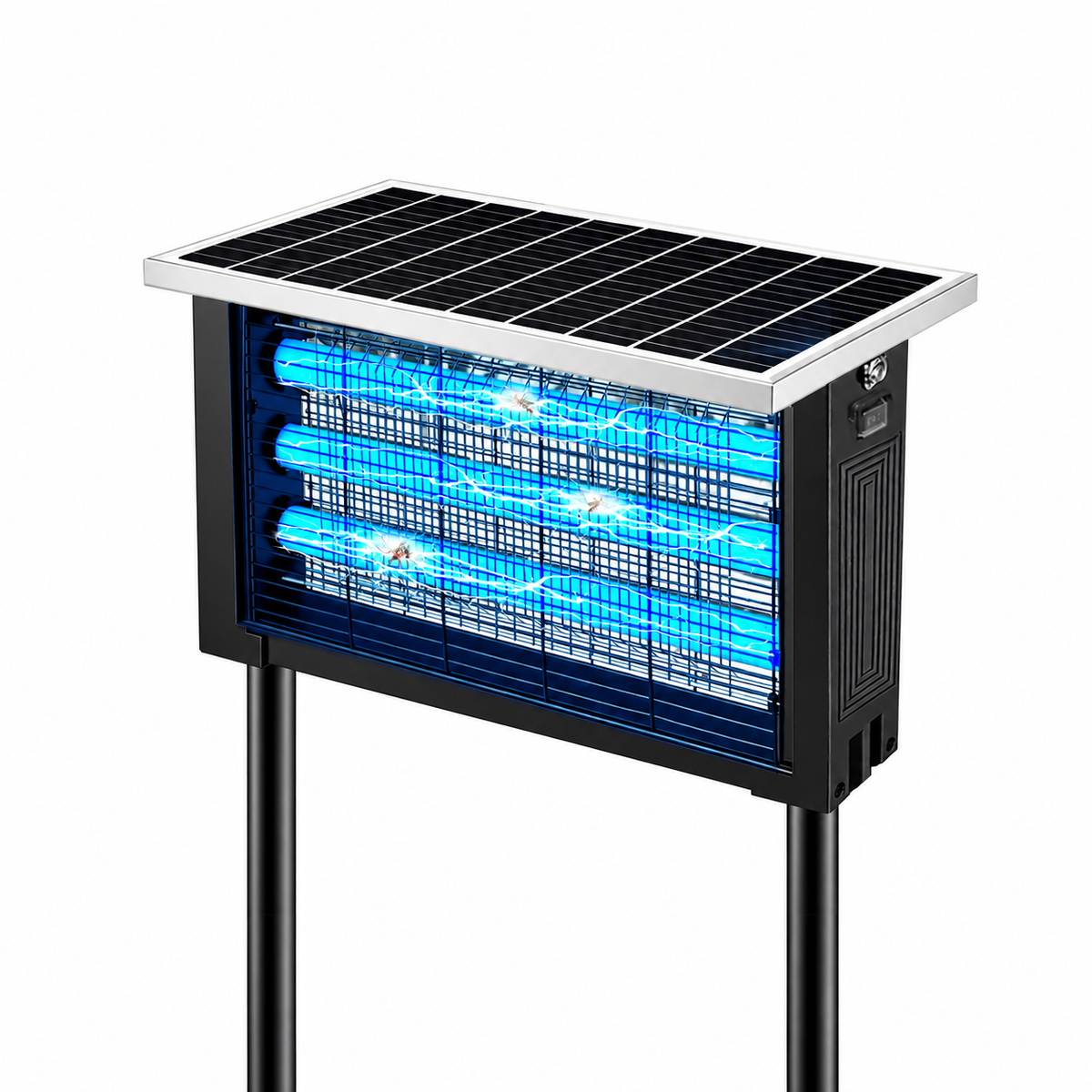
When summer fades and cooler weather rolls in, most people pack away patio furniture, outdoor cushions, grills, and gardening tools. But one category of seasonal equipment is often overlooked — outdoor mosquito control devices.
From UV mosquito lamps and propane traps to electric zappers and rechargeable repellents, these tools work hard during warm months. Yet surprisingly, many fail not because of poor manufacturing or heavy use, but because of incorrect off-season storage.
Every year, homeowners pull their devices out of storage only to discover corrosion, reduced effectiveness, battery failure, cracked housings, or complete malfunction. In most cases, the damage happened quietly during storage — long before the device was used again.
Proper seasonal storage isn’t complicated, but it requires understanding what these devices are sensitive to and how environmental factors affect electronic and chemical components over time.
This guide explains the three most damaging storage mistakes, why they happen, and how to store mosquito control equipment correctly so it performs like new next season.
Why Seasonal Storage Matters More Than You Think
Outdoor mosquito control devices combine multiple vulnerable elements:
-
Electronic circuits
-
UV light components
-
Batteries or fuel systems
-
Plastics exposed to heat and UV radiation
-
Chemical attractants or repellents
Unlike simple tools, these systems depend on precise functionality. Even minor degradation can significantly reduce mosquito attraction or killing efficiency.
A device may still power on after storage but perform at only 40–60% effectiveness — something many users mistake for aging or poor product quality.
In reality, storage conditions often determine lifespan more than usage hours.
Understanding What Mosquito Devices Are Sensitive To
Before discussing mistakes, it helps to understand what damages these devices during storage.
1. Moisture and Humidity
Humidity causes:
-
Internal corrosion
-
Oxidation of electrical contacts
-
Mold growth
-
Battery leakage
-
Circuit board degradation
Even devices labeled “outdoor waterproof” are not designed for months of stagnant moisture exposure.
2. Temperature Extremes
Both heat and cold create problems:
High heat
-
Warps plastic housings
-
Degrades insulation
-
Weakens adhesives
-
Accelerates battery aging
Freezing temperatures
-
Damage lithium batteries
-
Crack seals
-
Condense moisture internally when warmed again
3. Dust and Organic Debris
Mosquito devices attract insects — which means organic residue accumulates inside grills, fans, and collection trays.
During storage, this residue becomes:
-
Mold food
-
Corrosion catalysts
-
Odor sources that attract pests
Now let’s examine the most common and destructive mistakes.
Storage Mistake #1: Storing Devices Without Cleaning Them First
This is by far the most widespread problem.
Many people unplug their mosquito device at the end of the season and place it directly into a garage or storage box. Unfortunately, this traps contamination inside.
What Actually Happens Inside a Dirty Device
During operation, mosquito traps accumulate:
-
Dead insects
-
Body oils
-
Dust particles
-
Pollen
-
Moisture residue
These materials begin decomposing almost immediately.
Inside a sealed environment, decomposition produces acids and moisture — both extremely harmful to electronics.
Over several months, this can lead to:
-
Rusted metal grids
-
Sticky fan motors
-
Blocked airflow channels
-
Electrical short risks
Even small residue buildup can prevent proper airflow, which many mosquito traps rely on for suction or scent distribution.
Why UV Lamps Are Especially Vulnerable
UV mosquito lamps depend on light wavelength precision.
When insect residue coats bulbs or reflective surfaces:
-
UV output decreases
-
Attraction range shrinks
-
Energy efficiency drops
Users often assume the bulb has aged when the real problem is contamination left during storage.
Proper Cleaning Procedure Before Storage
Follow this sequence:
Step 1: Disconnect Power Completely
Never clean while connected to electricity or fuel sources.
Step 2: Remove Collection Trays
Dispose of all insect remains outdoors.
Wash trays using:
-
Warm water
-
Mild soap
-
Soft brush
Avoid harsh chemicals that may damage coatings.
Step 3: Clean Internal Surfaces
Use:
-
A soft paintbrush or microfiber cloth
-
Compressed air for vents and fans
Do not spray water directly into electronics.
Step 4: Dry Thoroughly
Allow at least 24 hours of air drying before storage.
Moisture sealed inside a device is one of the fastest ways to destroy it.
Step 5: Inspect Components
Check for:
-
Loose wiring
-
Cracked plastic
-
Corroded contacts
Fix small issues now rather than discovering them next season.
Pro Tip: Perform a Final Test Run
After cleaning, run the device for 5–10 minutes.
This ensures:
-
Internal moisture evaporates
-
Fans operate smoothly
-
Electrical systems remain functional
Only store once fully cooled.
Storage Mistake #2: Leaving Batteries Installed During the Off-Season
If there is one habit that dramatically shortens device lifespan, it is storing equipment with batteries still inside.
Why Batteries Become Dangerous During Storage
All batteries slowly discharge over time.
When left unused:
-
Voltage drops unevenly
-
Internal chemistry destabilizes
-
Leakage risk increases
Battery leakage releases corrosive compounds that destroy metal contacts and circuit boards.
Even premium batteries can leak after months of inactivity.
Lithium vs. Alkaline: Different Risks
Alkaline Batteries
Most prone to leakage during long storage.
They often ruin battery compartments permanently.
Rechargeable Lithium Batteries
Less likely to leak but sensitive to:
-
Deep discharge
-
Extreme temperature
-
Long-term full charge storage
Improper storage reduces capacity permanently.
Signs of Battery Storage Damage
When spring arrives, you may notice:
-
Device powers on briefly then shuts off
-
Charging failures
-
Reduced runtime
-
Corroded terminals
These issues are frequently caused months earlier during storage.
Correct Battery Storage Method
For Removable Batteries
-
Remove all batteries.
-
Clean battery contacts gently.
-
Store batteries separately in a dry container.
-
Keep at room temperature (50–70°F ideal).
For Built-In Rechargeable Devices
Follow this rule:
Store at 40–60% charge level.
Why?
-
Fully charged batteries degrade faster.
-
Fully empty batteries may enter irreversible deep discharge.
Recharge briefly every 2–3 months if storing long term.
Avoid the Garage Mistake
Garages experience extreme temperature swings.
Instead, store batteries indoors where climate conditions remain stable.
Storage Mistake #3: Using the Wrong Storage Environment
Many people assume outdoor devices belong in outdoor storage spaces. Ironically, this is often what damages them most.
The Worst Storage Locations
1. Damp Basements
High humidity leads to:
-
Condensation buildup
-
Mold growth
-
Metal corrosion
2. Uninsulated Garages
Temperature fluctuations create condensation cycles:
Warm air → cooling → internal moisture formation.
This repeated process slowly damages circuitry.
3. Outdoor Sheds
Even waterproof devices suffer when exposed to months of:
-
Humidity swings
-
Rodents
-
Dust infiltration
The Ideal Storage Environment
Aim for conditions similar to indoor electronics storage:
-
Temperature: 50–77°F
-
Humidity: below 60%
-
Stable airflow
-
Minimal dust
A closet, storage cabinet, or indoor utility room works well.
Use Protective Storage Materials
Recommended setup:
-
Breathable fabric storage bag or original box
-
Silica gel packets for moisture control
-
Elevated shelf placement
Avoid airtight plastic containers unless moisture absorbers are included.
Why Plastic Bags Can Backfire
Sealing devices inside plastic traps microscopic moisture.
Temperature changes then cause condensation droplets inside the bag — essentially creating a miniature greenhouse effect.
Pest Protection Matters Too
Stored devices may attract:
-
Spiders
-
Rodents
-
Nesting insects
Cover ventilation openings with breathable cloth to prevent infestation.
Bonus Storage Mistakes Most People Don’t Realize
Although the three main mistakes cause most failures, several smaller habits also reduce device lifespan.
Storing Chemical Attractants Inside the Device
Many mosquito traps use scent cartridges or attractant pads.
These degrade over time and can:
-
Harden
-
Leak oils
-
Produce residue
Always remove cartridges before storage.
Wrapping Power Cords Too Tightly
Sharp bends damage internal wiring.
Use loose loops instead.
Forgetting Documentation and Accessories
Store together:
-
Chargers
-
Mounting hardware
-
Remote controls
-
Manuals
This prevents compatibility headaches next season.
Preparing Devices for Next Season
When warm weather returns:
-
Inspect housing and vents.
-
Reinstall batteries.
-
Replace UV bulbs if needed.
-
Test indoors briefly.
-
Clean once more before outdoor placement.
This routine restores peak performance quickly.
How Proper Storage Extends Device Lifespan
Correct storage can:
-
Double operational lifespan
-
Maintain mosquito attraction efficiency
-
Reduce replacement costs
-
Improve safety
-
Preserve battery health
Many high-quality mosquito control systems are designed to last multiple seasons — but only when protected during downtime.
Building a Seasonal Storage Habit
The easiest way to prevent mistakes is creating a simple checklist.
End-of-Season Checklist
-
Clean device thoroughly
-
Dry completely
-
Remove batteries
-
Remove attractants
-
Inspect components
-
Store indoors in controlled conditions
Completing this process usually takes less than 30 minutes but saves significant expense later.
The Bigger Picture: Treating Outdoor Electronics Like Indoor Technology
Modern mosquito control devices are no longer simple bug zappers. They integrate airflow engineering, UV science, rechargeable power systems, and smart circuitry.
Treating them like basic outdoor tools leads to preventable failure.
Instead, think of them as seasonal electronics — closer to cameras or small appliances than garden equipment.
This mindset shift alone dramatically improves long-term reliability.
Final Thoughts: Small Storage Choices, Big Performance Differences
Most mosquito device failures don’t occur during summer nights filled with insects. They happen silently in winter storage.
The three storage mistakes to avoid are simple:
-
Storing without cleaning
-
Leaving batteries installed
-
Choosing unstable storage environments
Correcting these habits protects your investment, ensures stronger mosquito control next season, and eliminates the frustration of devices that suddenly “stop working.”
A few careful steps at the end of each season can mean years of dependable outdoor comfort — fewer replacements, better performance, and a patio ready for relaxation the moment warm weather returns.