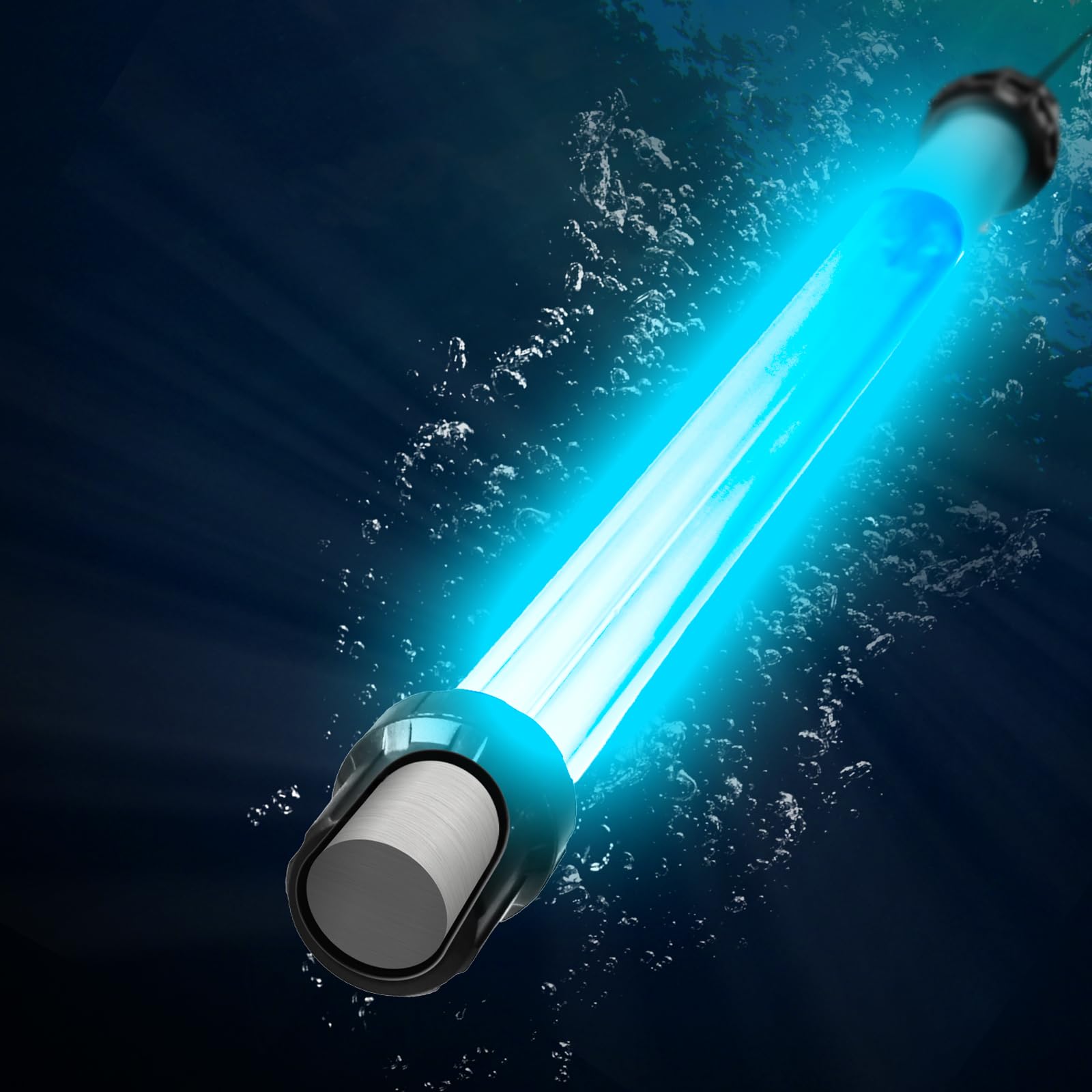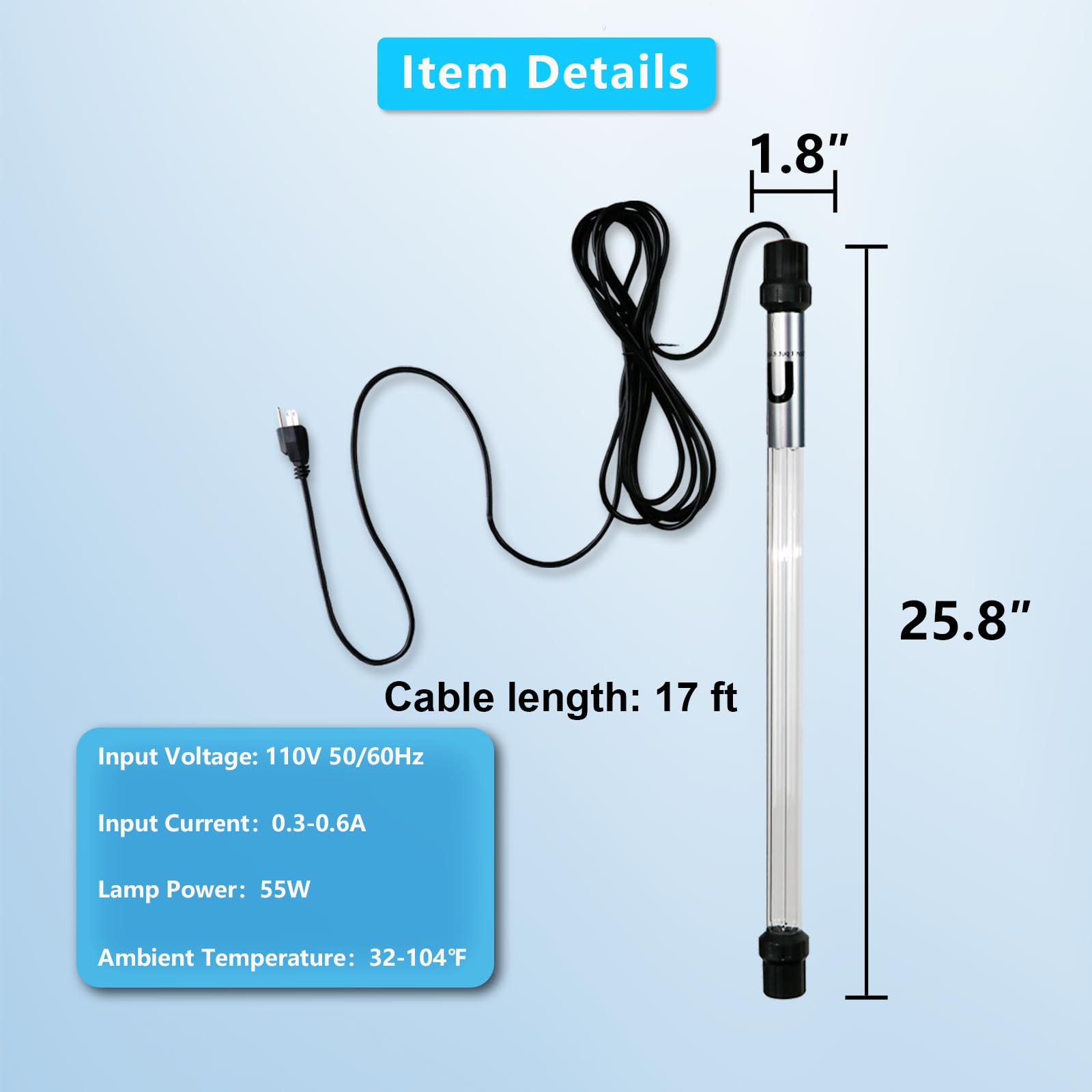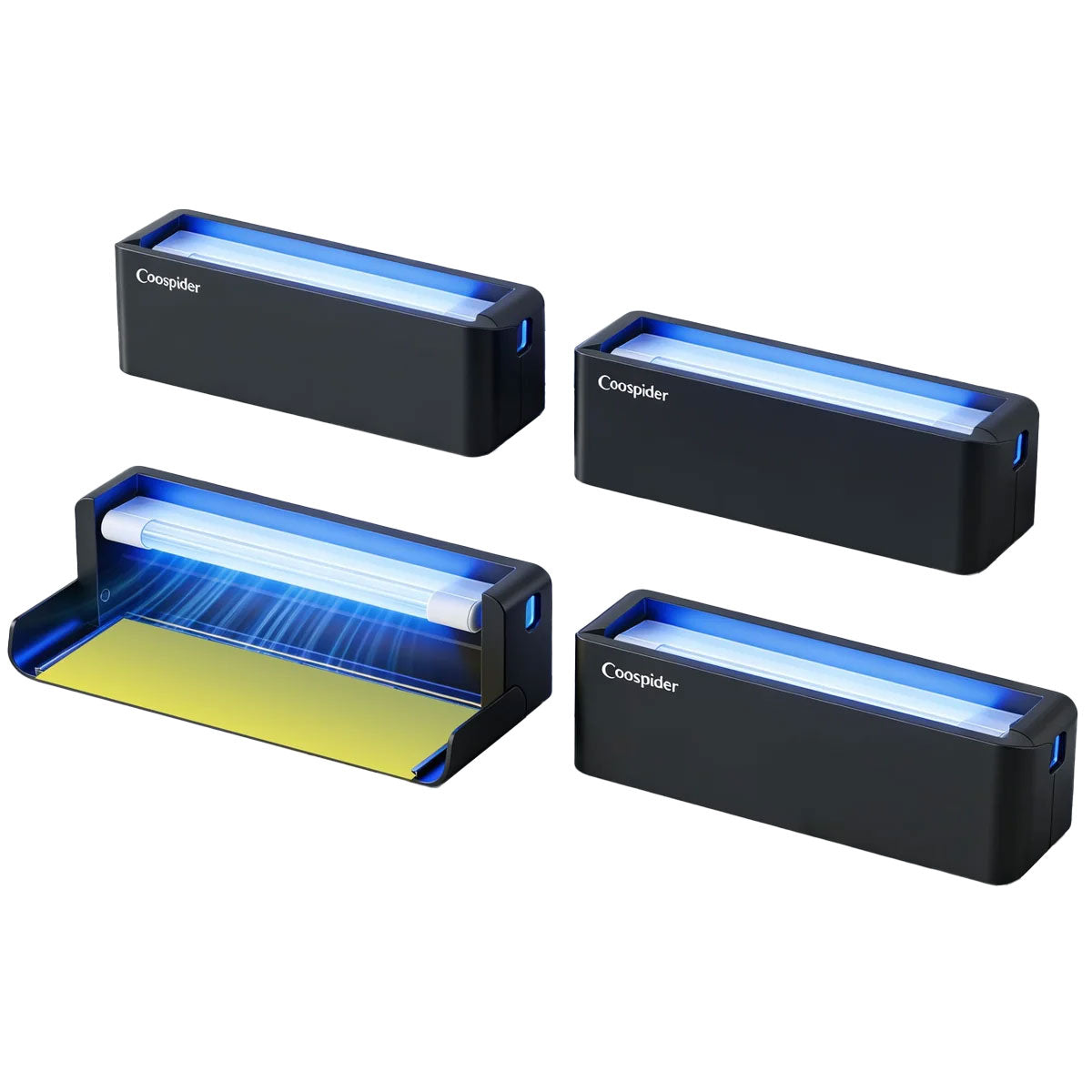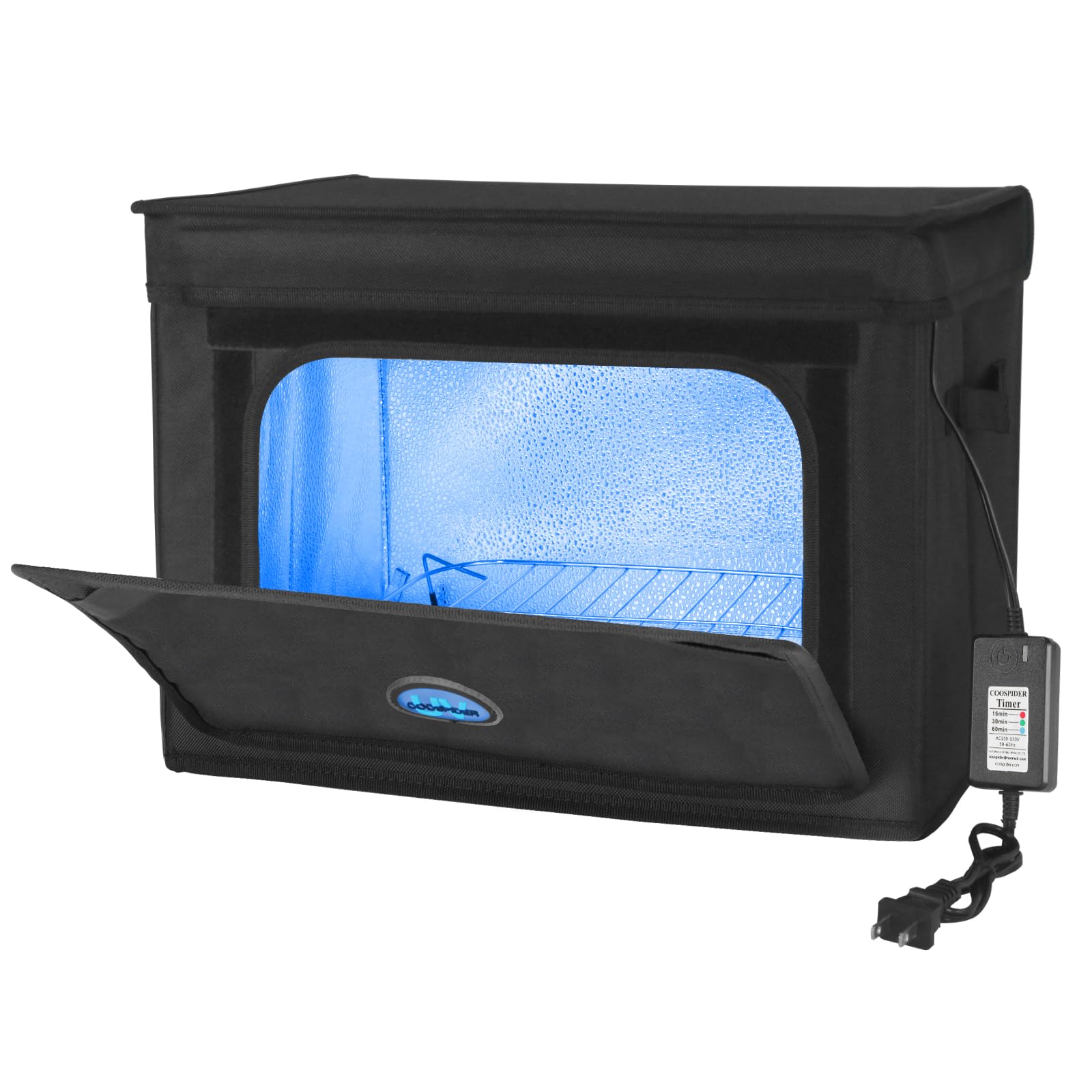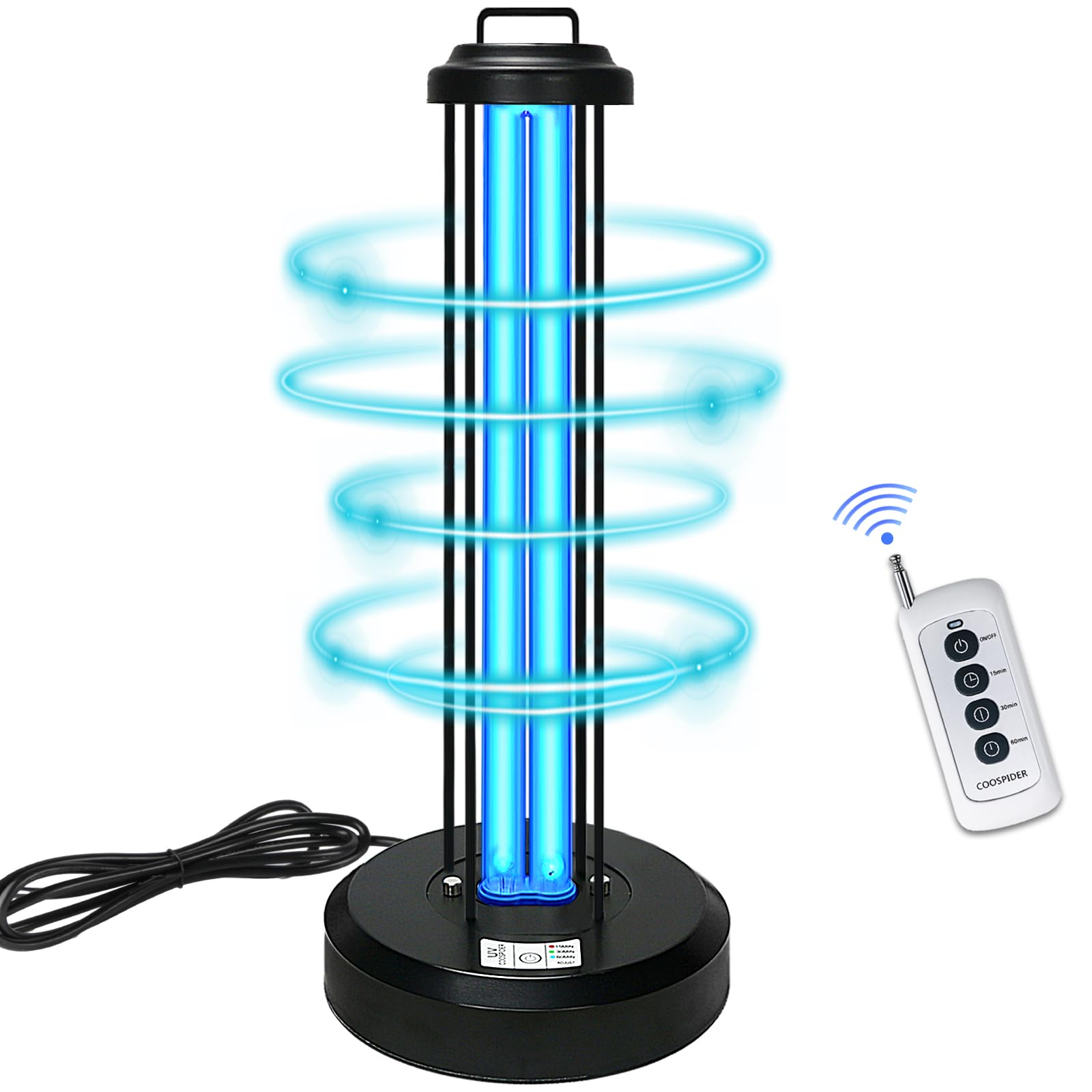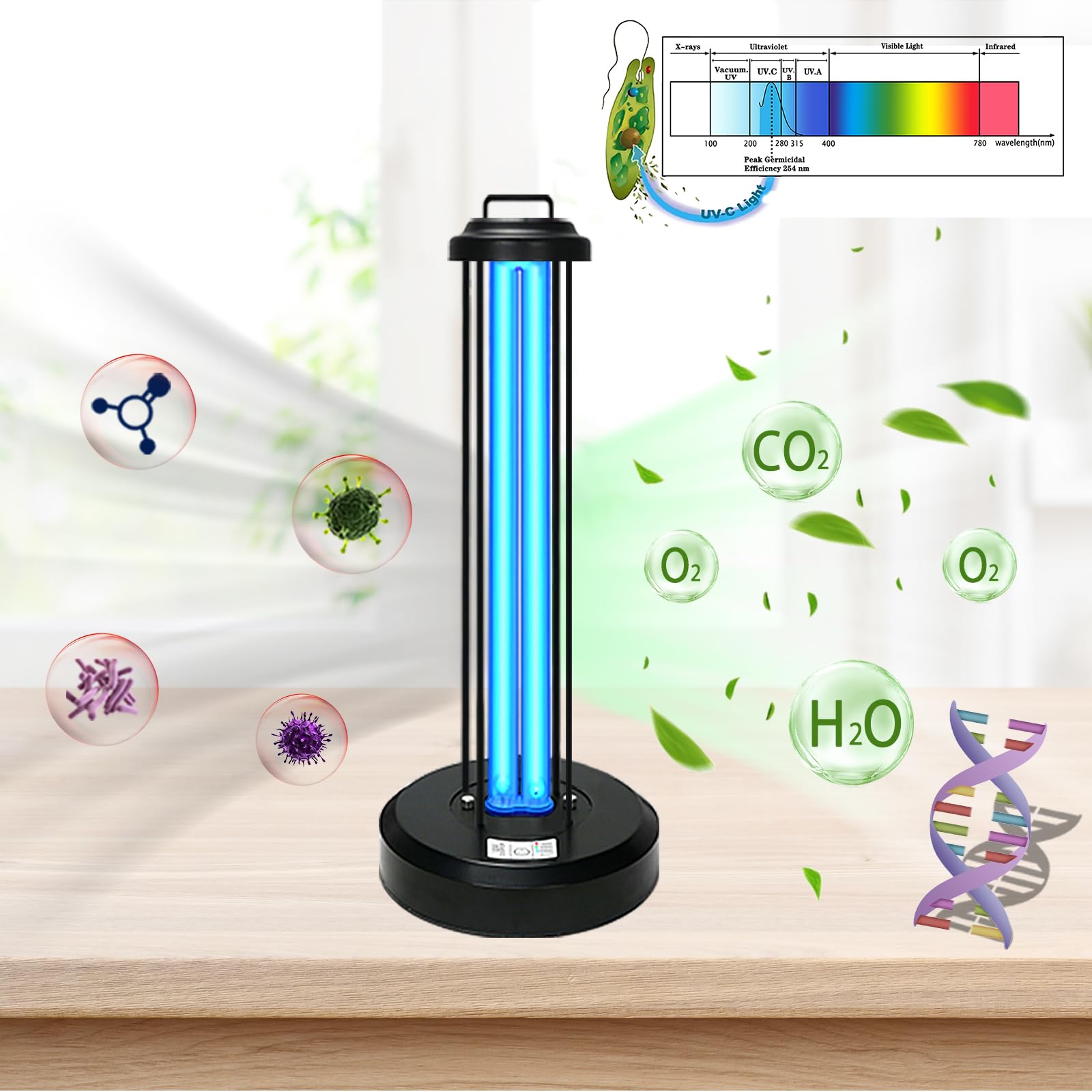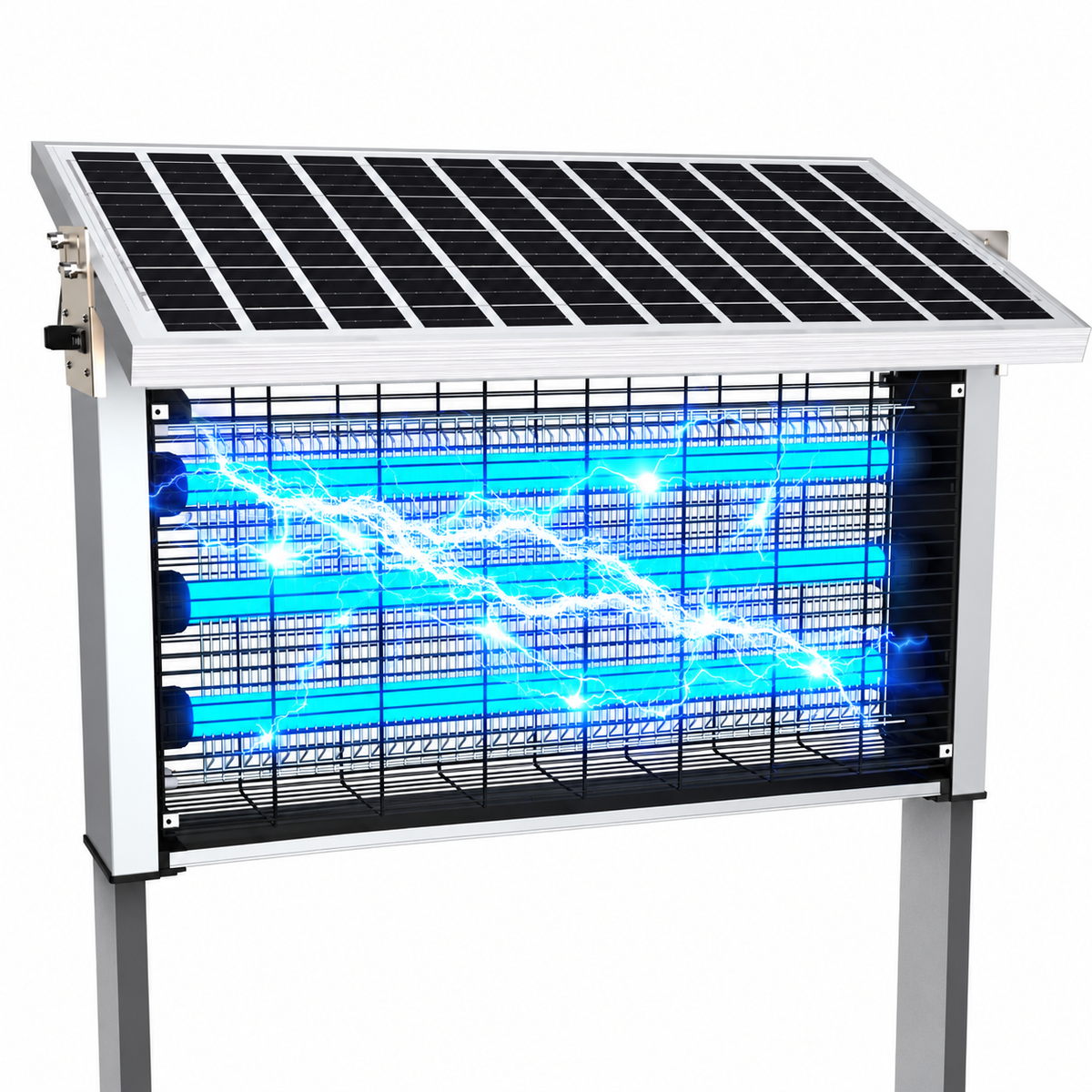
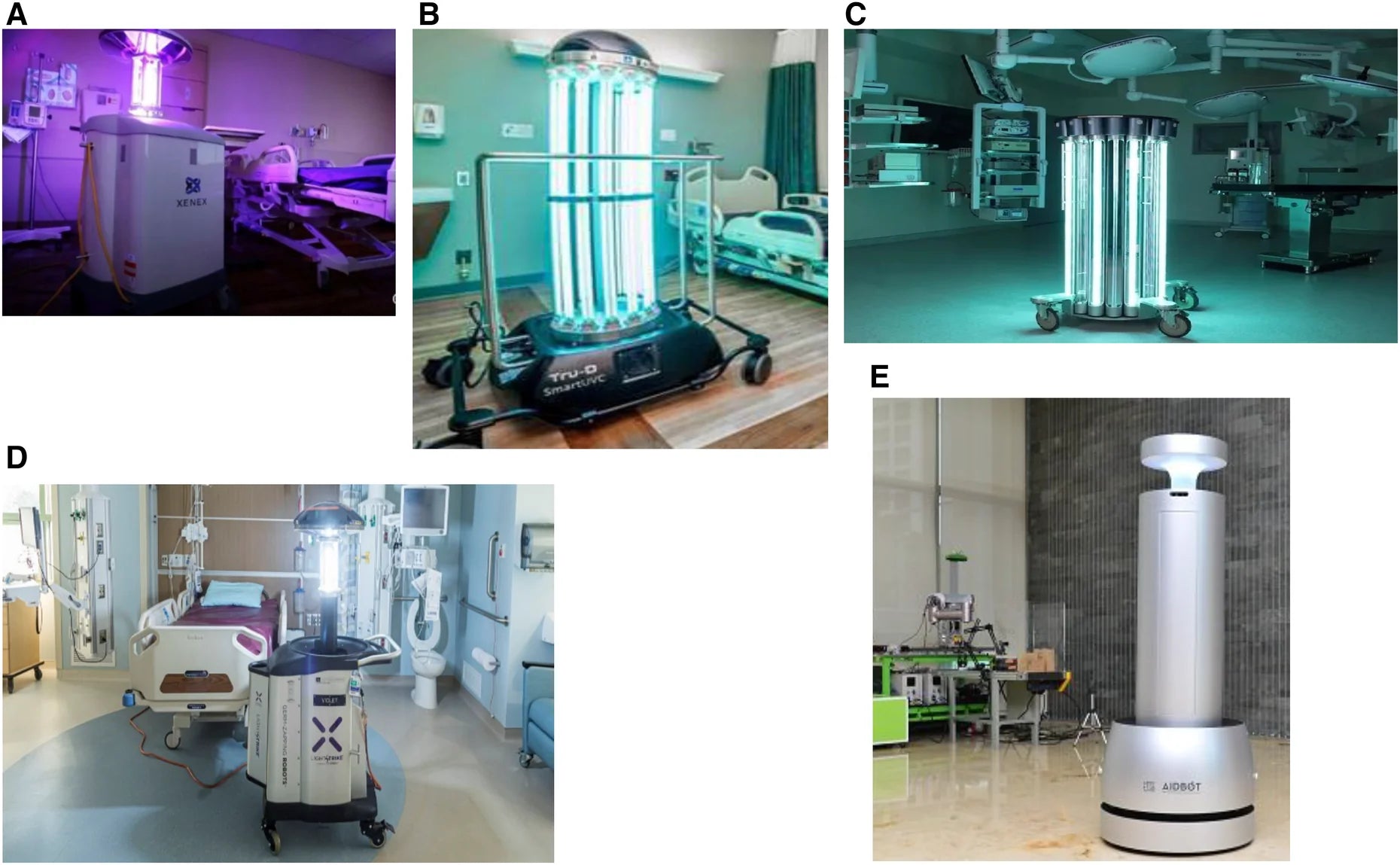
Ultraviolet (UV) disinfection technology has come a long way from simple germicidal lamps mounted on walls or installed inside industrial equipment. Once considered a specialized solution for hospitals, laboratories, and water treatment facilities, UV disinfection has rapidly expanded into commercial buildings, manufacturing plants, transportation systems, hospitality, schools, offices, and even residential spaces.
In 2026, however, the biggest transformation is no longer about producing stronger UV light. Instead, innovation is focused on making UV disinfection systems smarter, safer, more efficient, and more autonomous.
Modern UV devices are increasingly equipped with intelligent sensors, automated timing systems, wireless connectivity, occupancy detection, cloud monitoring, predictive maintenance, and artificial intelligence-assisted control. These technologies are changing how organizations approach infection control, equipment management, workplace safety, and energy efficiency.
As businesses seek higher operational efficiency while maintaining strict hygiene standards, smart UV disinfection systems are becoming an essential component of intelligent buildings and automated facilities.
This article explores the major technology trends shaping UV disinfection equipment in 2026, explains how intelligent features improve safety and performance, and discusses what buyers should consider when investing in next-generation UV solutions.
The Shift from Traditional UV Lamps to Smart UV Systems
Traditional UV disinfection devices were relatively simple.
Users manually switched the lamps on and off, set timers, and relied on operators to ensure that no people remained inside the treatment area during operation.
Although effective, this approach had several limitations.
Common challenges included:
-
Human error
-
Accidental exposure
-
Energy waste
-
Inconsistent disinfection cycles
-
Limited monitoring
-
Difficult maintenance scheduling
Today's intelligent UV systems solve many of these problems through automation.
Instead of simply generating ultraviolet light, modern systems continuously monitor their surroundings, adjust operating conditions, record performance data, and communicate with facility management platforms.
The result is a safer and far more efficient disinfection process.
Why Smart Technology Is Becoming Essential
The increasing adoption of UV disinfection coincides with the rapid growth of smart buildings and industrial automation.
Facility managers now expect equipment to provide much more than basic functionality.
They want systems that can:
-
Operate automatically
-
Reduce labor costs
-
Improve workplace safety
-
Generate performance reports
-
Support remote management
-
Integrate with existing building systems
-
Reduce energy consumption
-
Extend equipment lifespan
UV equipment manufacturers are responding by incorporating intelligent control systems into nearly every product category.
Intelligent Occupancy Detection
Perhaps the most important safety innovation is occupancy sensing.
Traditional UV-C systems can be hazardous if people are exposed directly during operation.
To minimize this risk, modern equipment now uses multiple sensing technologies.
These include:
-
Passive infrared (PIR) sensors
-
Microwave radar sensors
-
Ultrasonic motion detectors
-
Time-of-flight sensors
-
Vision-assisted detection
-
Multi-sensor fusion
If movement is detected inside the treatment area, the system immediately shuts off the UV source.
Some systems also trigger audible alarms and flashing warning lights before activation.
This significantly reduces the possibility of accidental exposure.
Multi-Level Safety Verification
Safety systems have become much more sophisticated.
Instead of relying on a single sensor, advanced UV equipment now performs multiple safety checks before beginning a disinfection cycle.
Typical verification includes:
-
Door status confirmation
-
Motion detection
-
Timer verification
-
Remote authorization
-
Environmental monitoring
-
Equipment self-diagnosis
Only after every condition is satisfied will the system activate.
This layered approach greatly improves operational reliability.
Adaptive Timing Instead of Fixed Timers
Older UV systems generally relied on simple countdown timers.
While functional, fixed schedules often resulted in either insufficient disinfection or unnecessary energy consumption.
Smart timing systems work differently.
Modern controllers analyze multiple variables before determining operating duration.
Factors may include:
-
Room size
-
Lamp output
-
Distance to surfaces
-
Historical usage
-
Occupancy patterns
-
Environmental conditions
The system automatically selects the appropriate exposure duration rather than relying on a preset number of minutes.
This optimization improves both effectiveness and efficiency.
Environmental Sensors Improve Performance
Environmental conditions directly influence UV performance.
Today's intelligent systems continuously monitor surrounding conditions through built-in sensors.
Common measurements include:
Temperature
Lamp output varies depending on operating temperature.
Smart controllers automatically compensate for temperature changes to maintain stable UV intensity.
Humidity
High humidity can reduce disinfection effectiveness in certain environments.
Some systems automatically adjust operating parameters when humidity exceeds predefined thresholds.
Airflow
For air purification equipment, airflow sensors help optimize exposure time and maximize pathogen reduction.
Ambient Light
Some commercial systems coordinate UV operation with room lighting conditions to avoid unnecessary runtime.
Artificial Intelligence Is Entering UV Control
Artificial intelligence is beginning to influence UV disinfection equipment in meaningful ways.
Instead of operating according to static rules, AI-assisted systems learn from historical operating data.
They can identify:
-
Peak occupancy hours
-
Frequently used rooms
-
High-risk zones
-
Seasonal operating trends
-
Maintenance patterns
Based on these observations, the system automatically adjusts scheduling without requiring manual intervention.
Although still an emerging technology, AI is expected to become a standard feature in premium UV equipment over the next several years.
Internet of Things (IoT) Connectivity
Connectivity has become one of the defining characteristics of modern UV equipment.
Most commercial systems now support wireless communication through technologies such as:
-
Wi-Fi
-
Ethernet
-
Bluetooth
-
Zigbee
-
LoRaWAN
-
Cellular networks
This enables remote monitoring from smartphones, tablets, or desktop dashboards.
Facility managers can:
-
View operating status
-
Start or stop cycles
-
Receive alerts
-
Access maintenance records
-
Monitor multiple locations simultaneously
Cloud connectivity has dramatically simplified equipment management.
Cloud-Based Fleet Management
Organizations operating dozens or hundreds of UV devices benefit enormously from centralized management.
Instead of inspecting each machine individually, cloud platforms display the status of every connected device from a single dashboard.
Administrators can instantly see:
-
Equipment availability
-
Lamp operating hours
-
Current operating mode
-
Error notifications
-
Maintenance schedules
-
Energy consumption
-
Historical usage reports
Large hospitals, manufacturing facilities, airports, hotels, and educational campuses increasingly rely on these centralized systems.
Predictive Maintenance Reduces Downtime
One of the biggest improvements in 2026 is predictive maintenance.
Conventional maintenance follows fixed schedules.
Unfortunately, this often means replacing lamps too early—or too late.
Smart UV systems continuously monitor:
-
Lamp output
-
Ballast performance
-
Power consumption
-
Internal temperature
-
Cooling fan operation
-
Switching frequency
When performance begins to decline, the system predicts when maintenance will likely be required.
Technicians receive notifications before equipment performance becomes unacceptable.
This reduces unexpected downtime while lowering maintenance costs.
UV Intensity Monitoring
Many older systems assumed the lamp always produced the expected UV output.
Reality is different.
Lamp intensity naturally decreases over time.
Modern systems include UV intensity sensors that continuously measure actual radiation output.
If intensity falls below acceptable levels, the controller can:
-
Extend exposure time
-
Notify maintenance personnel
-
Recommend lamp replacement
-
Record performance history
This ensures consistent disinfection quality.
Automatic Usage Reporting
Documentation has become increasingly important across healthcare, hospitality, food processing, and pharmaceutical industries.
Smart UV systems automatically generate detailed reports that include:
-
Start time
-
End time
-
Duration
-
UV intensity
-
Alarm events
-
Operator identification
-
Sensor status
-
Maintenance records
These reports simplify compliance documentation and operational audits.
Voice Control and Mobile Applications
Many manufacturers now offer dedicated mobile applications.
Users can:
-
Schedule operation
-
Receive push notifications
-
Monitor equipment remotely
-
Review historical reports
-
Update firmware
Some premium systems even support voice assistants within secure environments, allowing authorized users to initiate predefined cleaning routines without touching equipment.
Integration with Smart Buildings
Perhaps the biggest trend is integration.
Rather than functioning independently, UV equipment increasingly communicates with building management systems.
Integrated automation allows UV systems to coordinate with:
-
HVAC systems
-
Air quality sensors
-
Security systems
-
Occupancy controls
-
Smart lighting
-
Access control
-
Emergency alarms
For example, when a meeting room becomes vacant, the building management system can automatically initiate a UV disinfection cycle before the next reservation begins.
This level of automation dramatically improves operational efficiency.
Energy Efficiency Through Smart Control
Energy efficiency has become a major purchasing consideration.
Smart systems reduce electricity consumption by:
-
Eliminating unnecessary operating time
-
Adjusting lamp output automatically
-
Entering standby mode when idle
-
Optimizing schedules
-
Monitoring power consumption
These improvements lower operating costs without sacrificing disinfection performance.
Better User Experience
Modern UV systems are also much easier to use.
Instead of complex control panels, many devices feature:
-
Large touchscreens
-
Guided setup
-
Visual operating status
-
QR-code service information
-
Remote firmware updates
-
Automatic diagnostics
This reduces training requirements and minimizes operator mistakes.
Enhanced Cybersecurity
As UV systems become connected devices, cybersecurity has become increasingly important.
Manufacturers now implement:
-
Encrypted communication
-
Multi-factor authentication
-
Secure firmware updates
-
User access management
-
Role-based permissions
-
Audit logs
These measures help protect operational data and prevent unauthorized control.
Industries Driving Smart UV Adoption
Several industries are accelerating demand for intelligent UV equipment.
Healthcare facilities require automated documentation and reliable room disinfection.
Food processing plants value continuous monitoring and traceable sanitation records.
Hotels appreciate automated guest room disinfection between check-ins.
Schools seek safer classrooms with minimal manual intervention.
Manufacturing facilities integrate UV systems into automated production lines.
Office buildings increasingly combine UV technology with intelligent HVAC systems to improve indoor environmental quality.
What Buyers Should Look for in 2026
When evaluating modern UV disinfection equipment, buyers should consider more than lamp power alone.
Important features include:
-
Occupancy detection
-
Intelligent timing
-
UV intensity monitoring
-
Cloud connectivity
-
Predictive maintenance
-
Mobile management
-
Environmental sensing
-
Building integration
-
Automated reporting
-
Energy optimization
-
Expandable software
-
Reliable technical support
Investing in intelligent functionality often produces long-term operational savings that outweigh higher initial purchase costs.
Looking Ahead: The Future Beyond 2026
The evolution of UV disinfection technology is far from complete.
Over the next several years, we can expect continued advances in automation, artificial intelligence, robotics, and connected infrastructure. Future systems will likely become even more adaptive, capable of analyzing environmental data in real time, coordinating with autonomous cleaning equipment, and optimizing disinfection schedules across entire facilities with minimal human involvement.
Machine learning algorithms may further improve efficiency by predicting occupancy patterns, identifying areas with higher sanitation demands, and automatically adjusting UV intensity based on environmental conditions. Integration with digital twins and smart facility management platforms will allow organizations to visualize, monitor, and optimize every aspect of their disinfection strategy.
As sustainability continues to influence purchasing decisions, manufacturers are also expected to focus on lower energy consumption, longer-lasting UV sources, recyclable components, and environmentally responsible product design.
Final Thoughts
The UV disinfection industry in 2026 is no longer defined solely by ultraviolet output or germicidal performance. Instead, intelligent control, automation, safety, connectivity, and data-driven decision-making have become the new standards.
Smart sensors, adaptive timing, predictive maintenance, cloud management, and AI-assisted optimization are transforming UV equipment into highly intelligent systems capable of delivering consistent, efficient, and safer disinfection across a wide range of environments.
For businesses, institutions, and facility managers planning future investments, choosing a smart UV disinfection solution means more than adopting new technology—it means improving operational efficiency, reducing maintenance costs, enhancing workplace safety, and preparing for the increasingly connected facilities of tomorrow.
As intelligent buildings continue to evolve, UV disinfection systems will play an increasingly important role within broader automation ecosystems. Organizations that embrace these innovations today will be better positioned to meet future hygiene standards, operational demands, and sustainability goals while maintaining a safer environment for employees, customers, patients, students, and visitors.
Have questions about smart UV disinfection solutions or need help selecting the right equipment for your application? Feel free to leave a message or contact us for a customized recommendation and quotation.