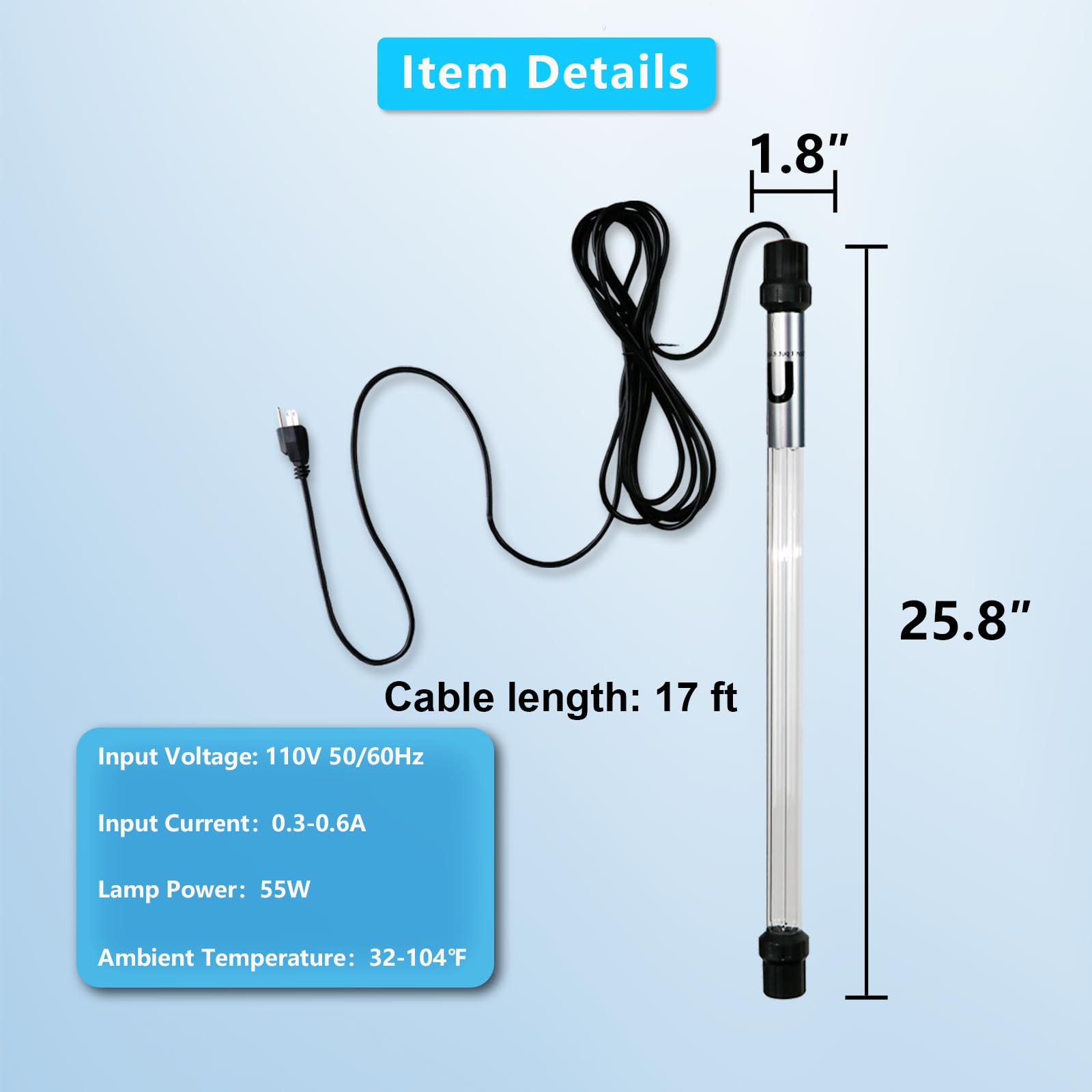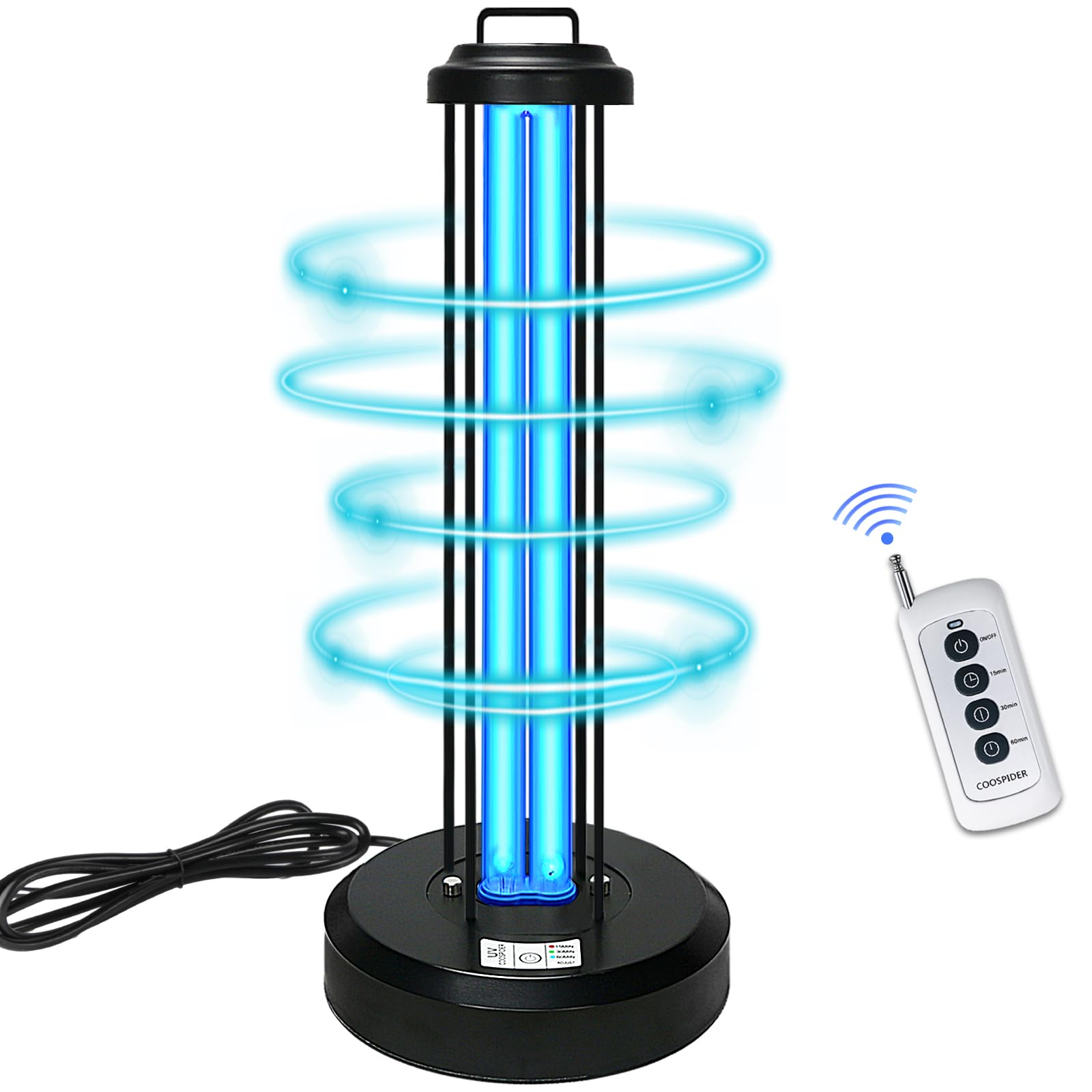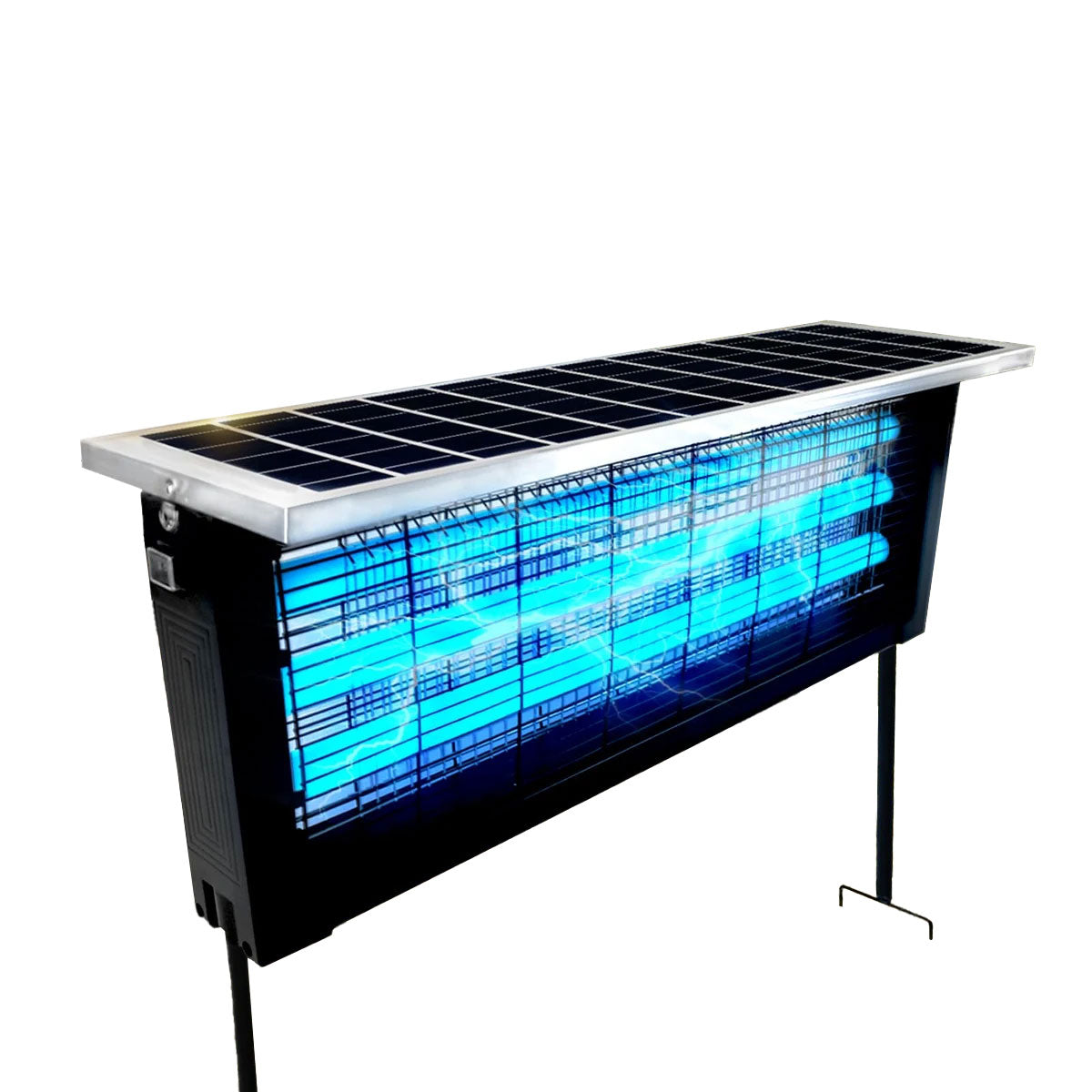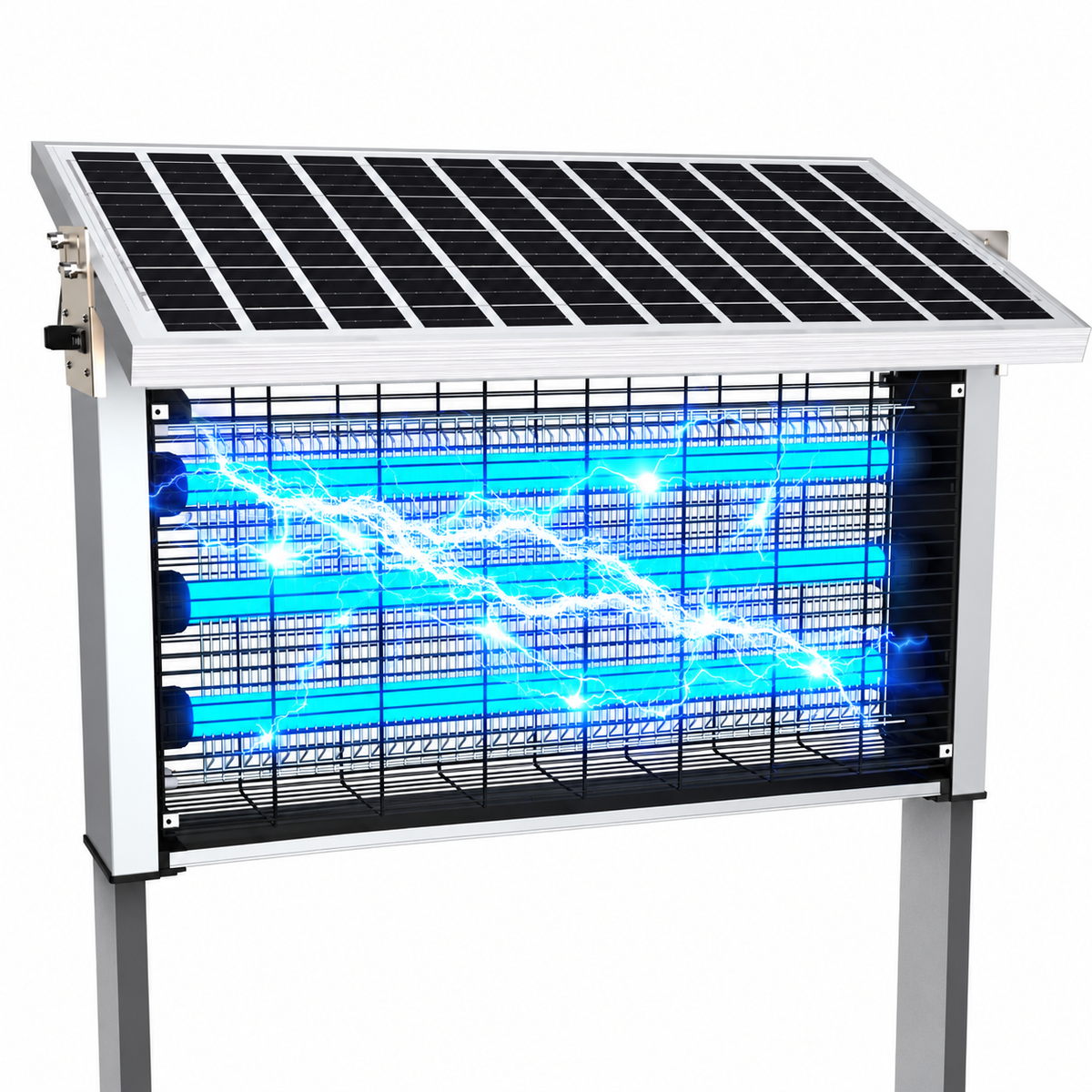
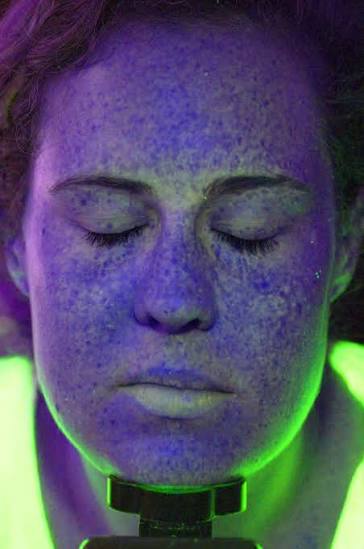
Ultraviolet (UV) lamps are often marketed as modern miracles. They disinfect surfaces, sanitize tools, and are widely used in salons, clinics, warehouses, nail studios, and even homes. The promise is simple: powerful germ-killing light without chemicals, sprays, or residue.
But behind that convenience lies a serious and often underestimated danger. UV lamps don’t just kill bacteria and viruses—they can also damage human skin and eyes in ways that are cumulative, irreversible, and in some cases, permanently disabling.
The problem is not theoretical. It is physical, well-documented, and increasingly relevant as UV-based devices become more common in everyday environments.
This article breaks down what UV lamps actually do to the human body, why the risk is often misunderstood, and how exposure—especially repeated or unprotected exposure—can quietly build into long-term health consequences.
Understanding UV Light: The Science Behind the Risk
To understand the danger, we first need to understand what UV light actually is.
Ultraviolet light is a form of electromagnetic radiation that sits just beyond visible light on the spectrum. It is invisible to the human eye, but its effects on biological tissue are very real.
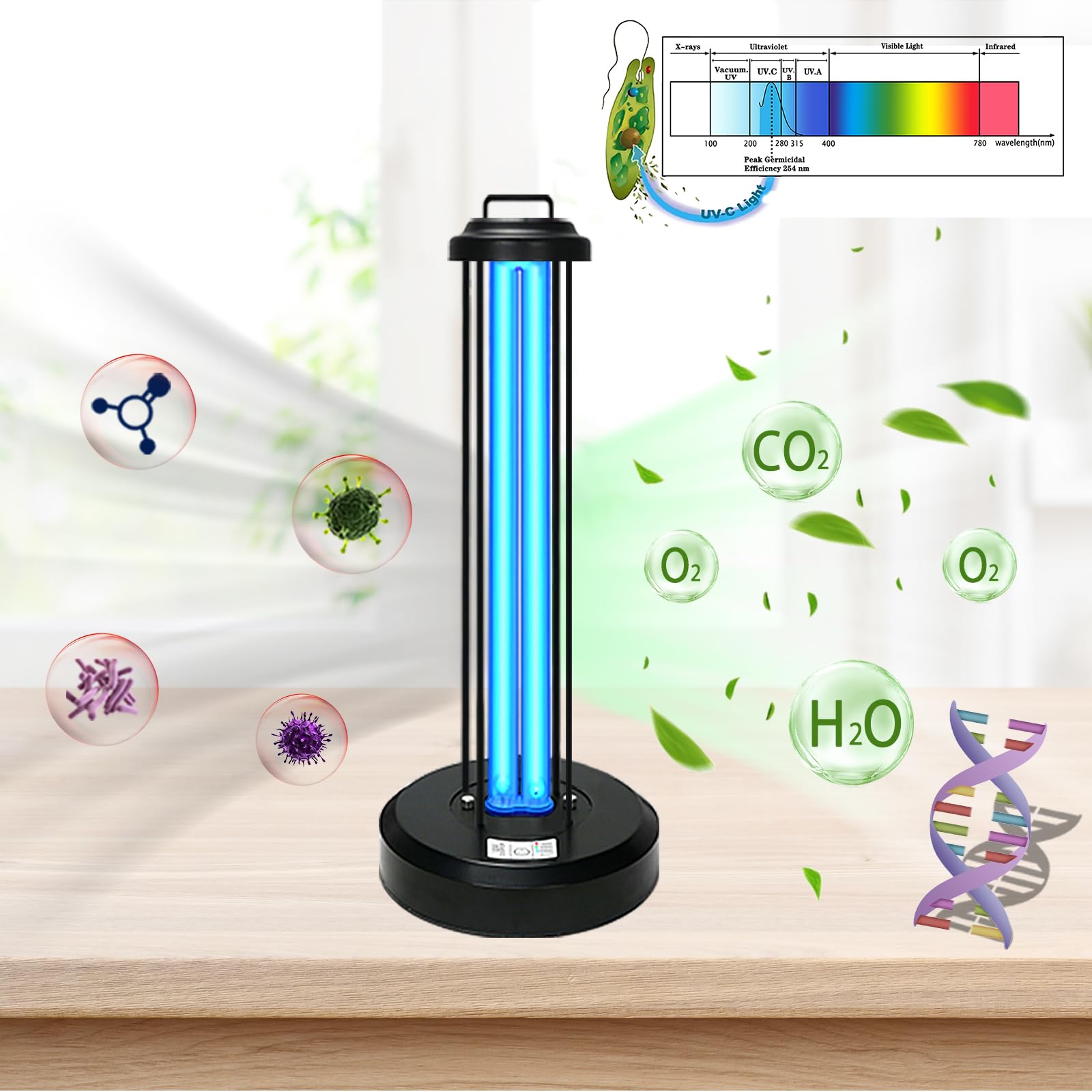
Ultraviolet radiation is generally divided into three categories:
-
UVA (320–400 nm): Long-wave UV, penetrates deep into the skin
-
UVB (280–320 nm): Medium-wave UV, responsible for sunburn and DNA damage
-
UVC (100–280 nm): Short-wave UV, the most energetic and germicidal type
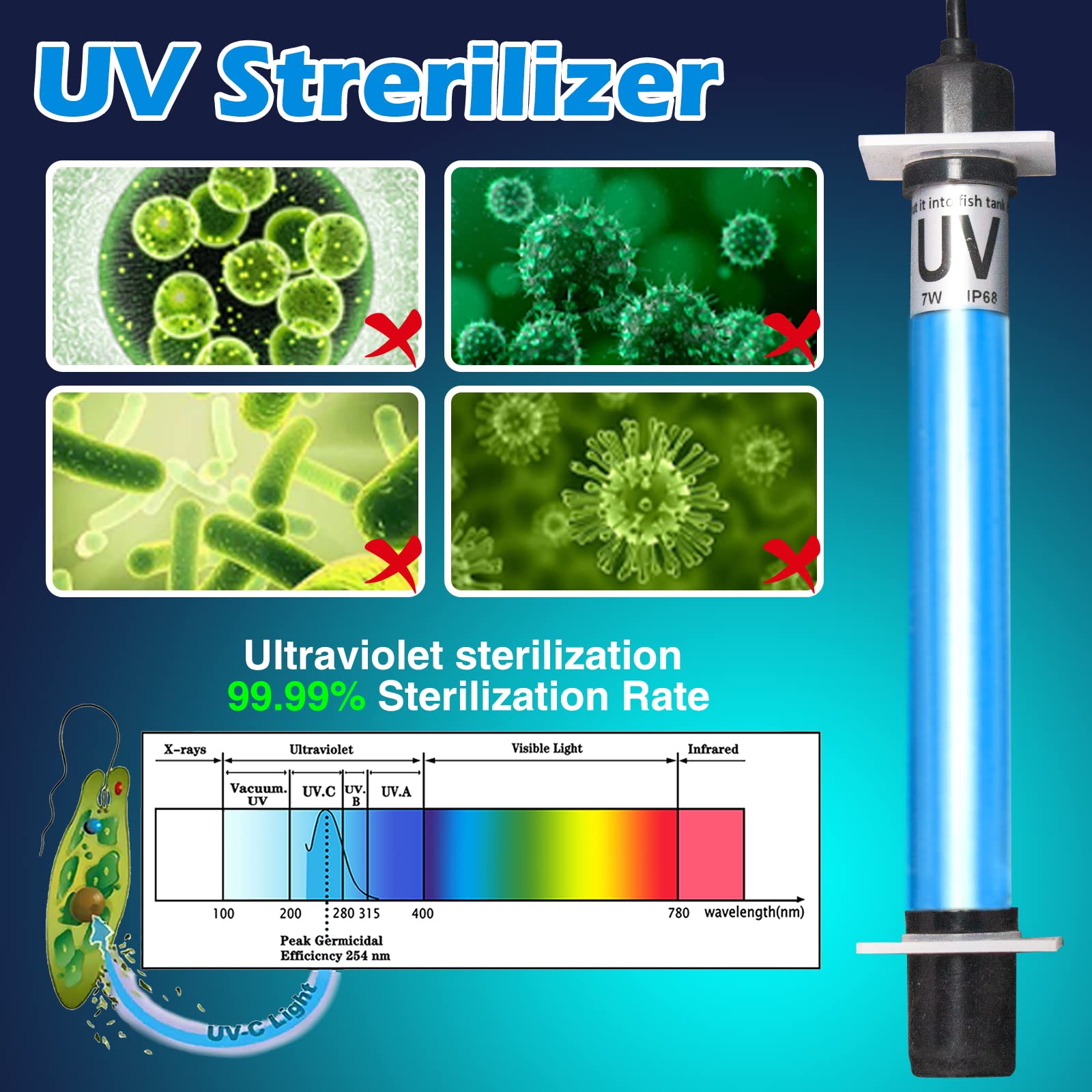
Most UV lamps used for disinfection rely heavily on UVC or enhanced UVB wavelengths because they are extremely effective at destroying microbial DNA and RNA. That same mechanism, however, does not discriminate between a virus cell and human tissue.
Why UV Lamps Are So Effective—and So Dangerous
UV lamps work by disrupting genetic material. In microbes, this prevents replication, effectively killing or neutralizing pathogens.
But human cells also rely on DNA replication and repair systems. When UV exposure damages this system faster than the body can repair it, mutations begin to accumulate.
This is where the danger becomes long-term rather than immediate.
Unlike heat or chemical burns, UV damage often has no immediate pain signal. You may not feel anything during exposure. Symptoms can appear hours later—or years later in the form of skin aging, eye damage, or cancerous changes.
The Skin: Slow Damage That Builds Over Time
The skin is the body’s first line of defense, but it is not immune to UV radiation.
Short-term exposure to high-intensity UV light can cause redness, irritation, and inflammation similar to sunburn. But repeated exposure—even at lower levels—causes deeper biological changes.
DNA Damage and Skin Aging
UV radiation damages collagen and elastin, the proteins responsible for skin structure and elasticity. Over time, this leads to:
-
Premature wrinkles
-
Loss of skin elasticity
-
Pigmentation changes
-
Uneven texture
More importantly, UV exposure causes mutations in skin cell DNA. These mutations accumulate silently over years.
Skin Cancer Risk
One of the most serious consequences of repeated UV exposure is an increased risk of Skin cancer.
This includes multiple forms such as basal cell carcinoma, squamous cell carcinoma, and melanoma. While not every UV exposure leads to cancer, cumulative exposure significantly increases risk.
The danger is that UV lamps used indoors can sometimes deliver concentrated doses of radiation to small areas of skin at close range—often much more intensely than natural sunlight over the same period.
The Eyes: The Most Vulnerable Target
If the skin is vulnerable, the eyes are even more sensitive.
The cornea and lens of the eye are highly susceptible to UV damage because they are transparent tissues designed to let light pass through. That same transparency allows UV rays to penetrate and cause injury.
Photokeratitis: “UV Burn of the Eye”
One of the most common acute effects of UV exposure is Photokeratitis.
This condition is sometimes compared to a sunburn on the eye. It can occur after even brief exposure to intense UV light sources, including disinfection lamps.
Symptoms typically include:
-
Severe eye pain
-
Sensitivity to light
-
Tearing and redness
-
A gritty sensation, as if sand is in the eyes
-
Temporary vision loss or blurriness
Photokeratitis often appears several hours after exposure, making it difficult for people to connect the cause with the effect.
Cataracts and Long-Term Eye Damage
Long-term UV exposure is also associated with Cataract.
Cataracts develop when proteins in the eye’s lens break down and clump together, reducing transparency. While aging is a major factor, UV exposure accelerates the process.
In severe or prolonged cases, UV damage can also affect the retina indirectly through oxidative stress, contributing to long-term vision decline.
Why UV Lamp Exposure Is Different From Sun Exposure
Many people assume UV exposure indoors is less dangerous than sunlight. This is a dangerous misconception.
Outdoor sunlight contains a mix of UVA and UVB, but intensity is spread over a wide area and moderated by atmospheric conditions. UV lamps, however, often:
-
Emit concentrated UV radiation at close range
-
Target small surfaces or hands directly
-
Operate in enclosed environments with reflection from nearby surfaces
-
Deliver consistent exposure without natural interruption
This creates a scenario where a person may receive a high dose of UV radiation in a short time without realizing it.
In some industrial or salon settings, exposure is repeated multiple times per day, increasing cumulative risk.
Common Situations Where UV Lamp Exposure Occurs
UV lamps are used in a wide range of environments, often without adequate awareness of safety risks:
1. Nail Salons
UV curing lamps are used to harden gel polish. Hands are placed under UV light repeatedly, often for minutes at a time.
2. Medical and Dental Clinics
UV devices are used for sterilization of instruments and surfaces.
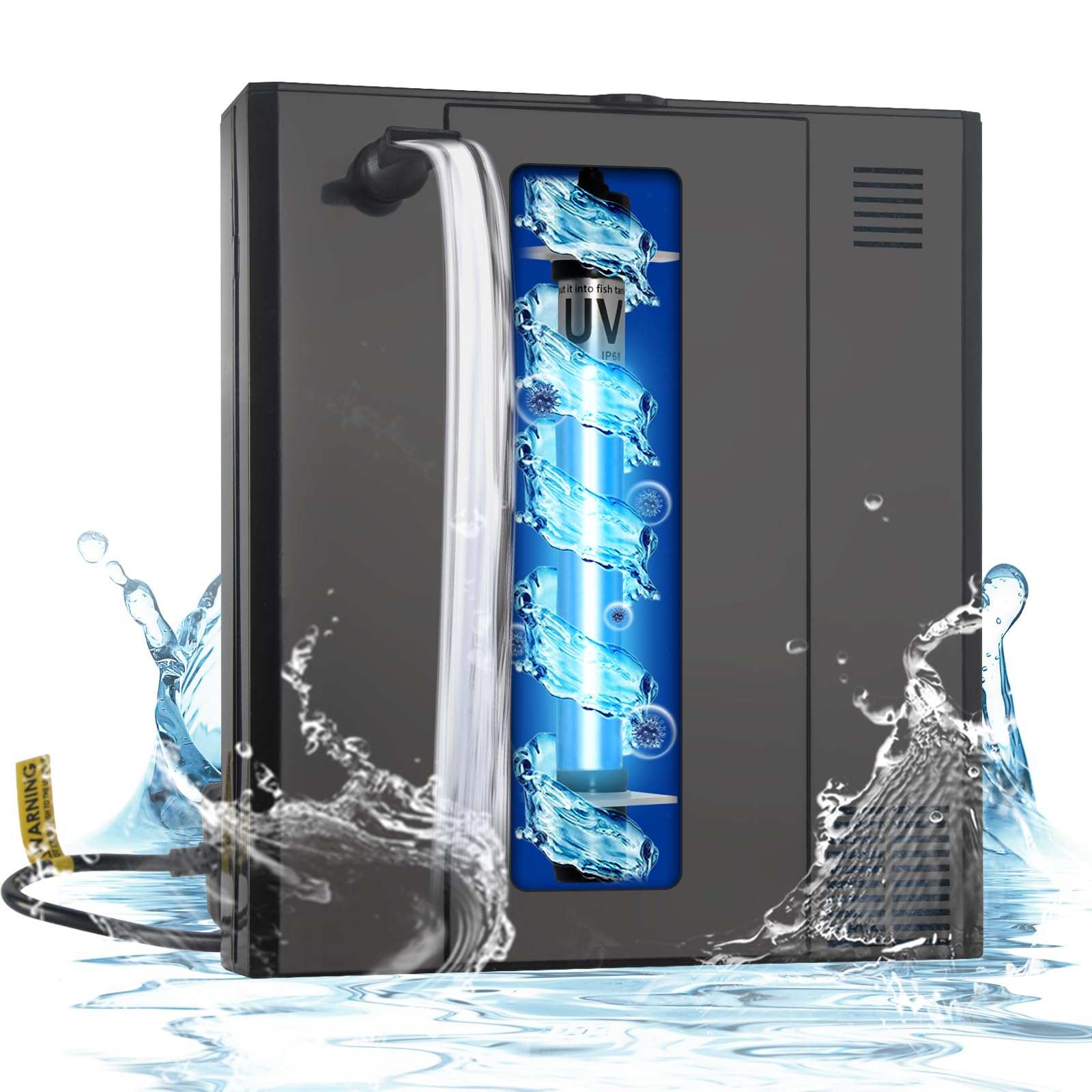
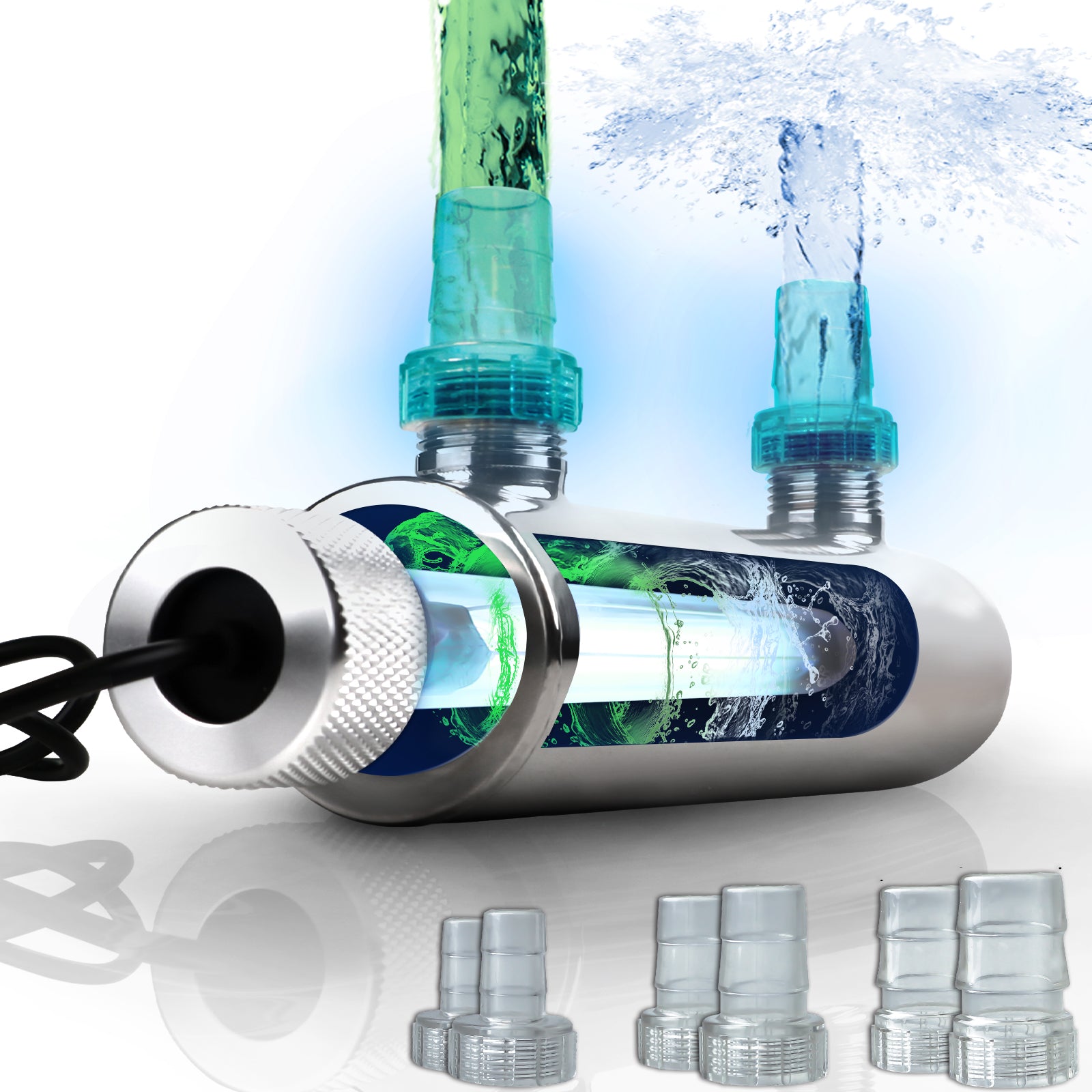
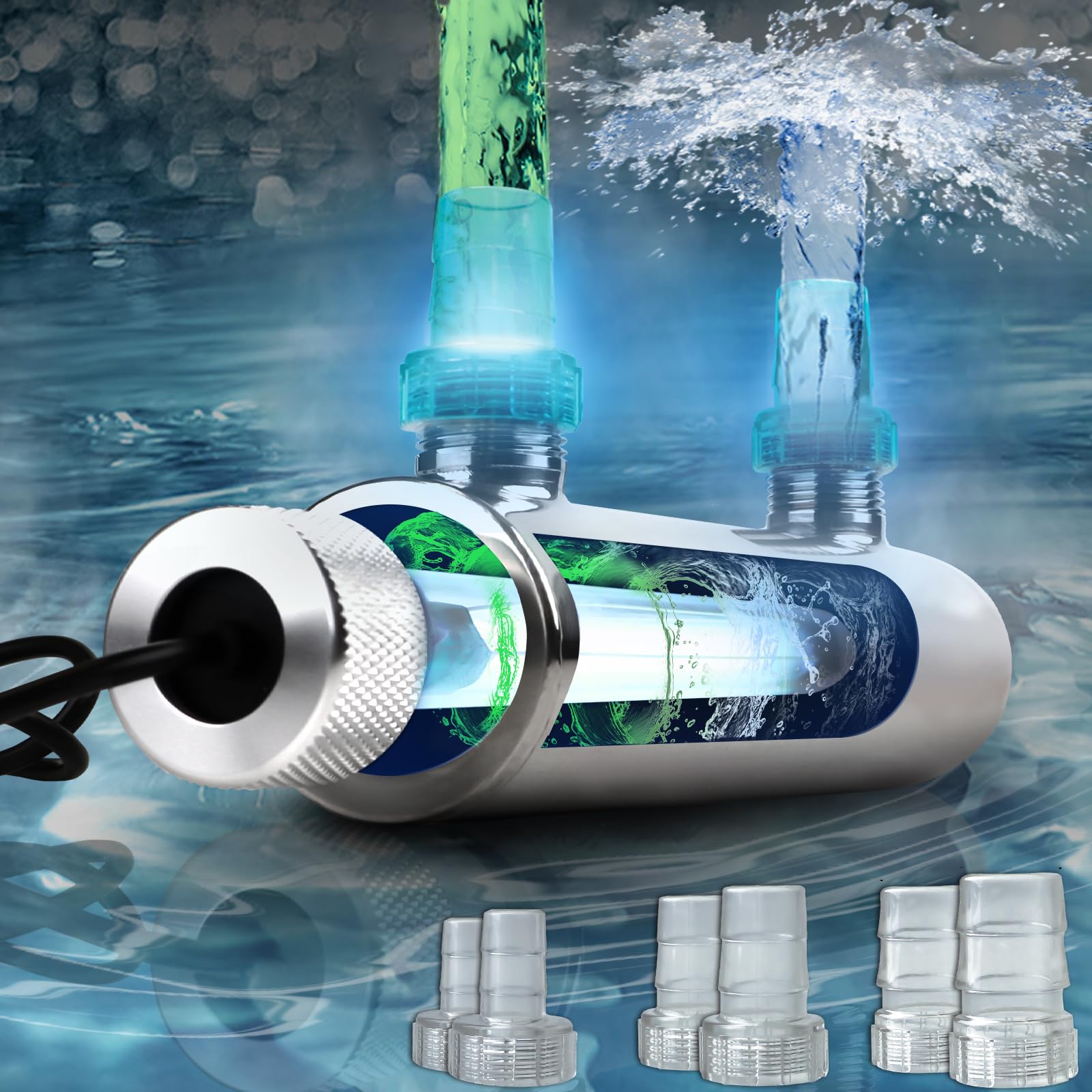
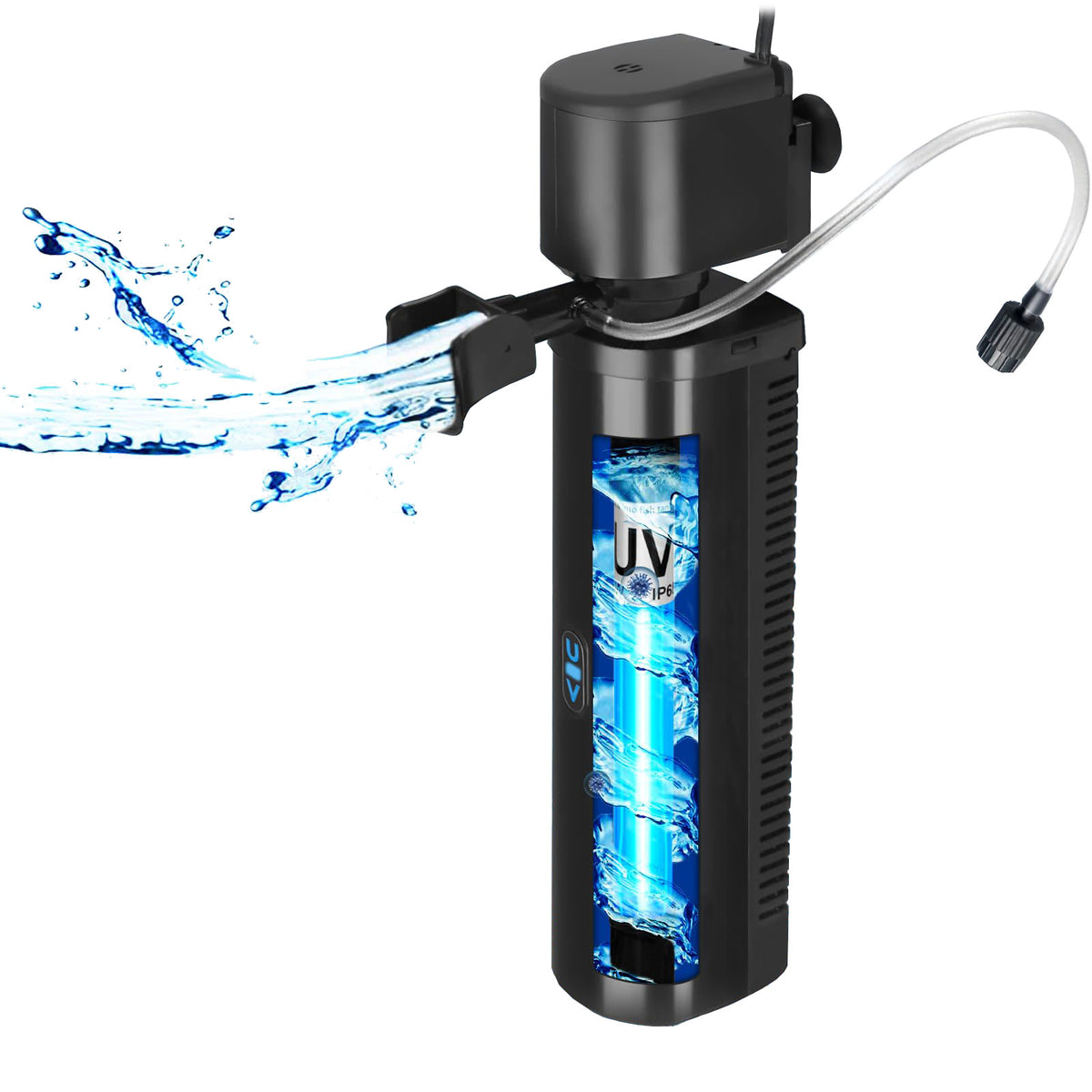
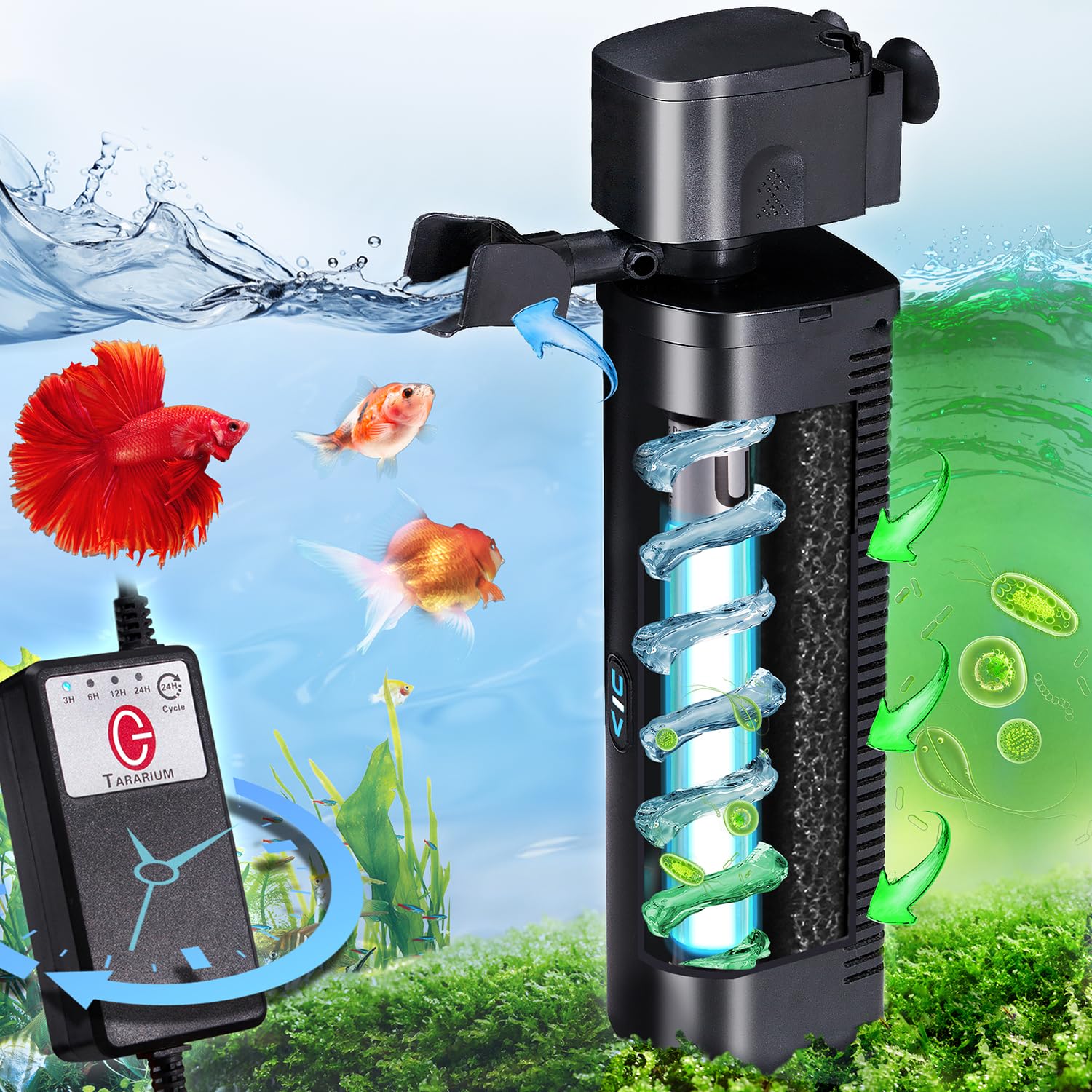
3. Water and Air Purification Systems
Some systems use UV chambers to kill microorganisms in water or circulating air.
4. Home Sterilization Devices
Portable UV wands and boxes have become popular for disinfecting personal items.
5. Industrial Workspaces
UV curing is used in printing, adhesives, coatings, and manufacturing processes.
In all these environments, exposure may be considered “safe” under normal operating guidelines—but only when proper protective measures are followed.
The Myth of “Safe UV” Devices
One of the most dangerous misconceptions is that certain UV lamps are inherently safe for human exposure.
There is no such thing as completely safe UV exposure at high intensity. The safety depends entirely on:
-
Distance from the source
-
Duration of exposure
-
Wavelength used
-
Protective barriers (glasses, shielding)
-
Proper training and usage protocols
Even devices labeled as “low risk” can cause harm if used incorrectly or excessively.
Early Warning Signs of UV Overexposure
UV damage is often subtle at first. Early warning signs include:
-
Dry or irritated eyes after exposure
-
Mild redness or skin warmth
-
Headache or fatigue after using UV devices
-
Sensitivity to bright light
-
Delayed eye pain (especially at night after exposure)
Because symptoms may be delayed, many people underestimate the connection between UV devices and discomfort.
Long-Term Risks You Should Not Ignore
Repeated or unprotected exposure to UV lamps can contribute to:
-
Accelerated skin aging
-
Permanent pigmentation changes
-
Increased risk of Skin cancer
-
Chronic eye irritation
-
Increased risk of Cataract
-
Episodes of Photokeratitis
-
Possible immune suppression effects in exposed skin regions
The key issue is cumulative exposure. Each individual session may seem harmless, but the biological damage adds up over time.
Who Is Most at Risk?
Certain groups face higher risk due to frequency or intensity of exposure:
-
Nail technicians and salon workers
-
Laboratory and healthcare staff
-
Industrial workers in UV curing environments
-
Individuals using UV devices at home frequently
-
People with light-sensitive skin conditions
-
Individuals with minimal eye protection habits
Even short daily exposures can become significant over months or years.
Protective Measures That Actually Matter
UV protection is not complicated, but it must be consistent.
1. Eye Protection
Use UV-blocking goggles designed specifically for the wavelength being used. Regular sunglasses may not be sufficient.
2. Skin Barriers
Gloves, protective sleeves, or physical barriers can reduce direct exposure during UV treatments.
3. Exposure Time Control
Minimize exposure duration whenever possible. Follow manufacturer guidelines strictly.
4. Shielding Devices
Many professional UV systems include shields or enclosed chambers. These should always be used as intended.
5. Maintenance and Calibration
UV output can increase or become uneven if equipment is faulty. Regular inspection matters.
The Bigger Picture: Convenience vs. Safety
UV lamps represent a broader trend in modern technology: replacing chemical or manual processes with invisible energy-based systems.
They are efficient, fast, and often cost-effective. But invisibility creates a psychological blind spot. Because UV light cannot be seen, people tend to underestimate it.
Unlike visible hazards like fire or sharp objects, UV radiation does not trigger instinctive caution. That makes education and awareness even more important.
Final Thoughts
UV lamps are powerful tools. They have real benefits in sanitation, manufacturing, and healthcare. But they are not harmless light sources.
The same mechanism that destroys microorganisms can also damage human tissue at the cellular level. The effects may not be immediate, but they can be cumulative and irreversible.
Understanding the risks is not about avoiding UV technology altogether. It is about respecting it, using it correctly, and recognizing that invisible does not mean safe.
Protecting your skin and eyes from UV exposure is not optional—it is a long-term investment in your health.