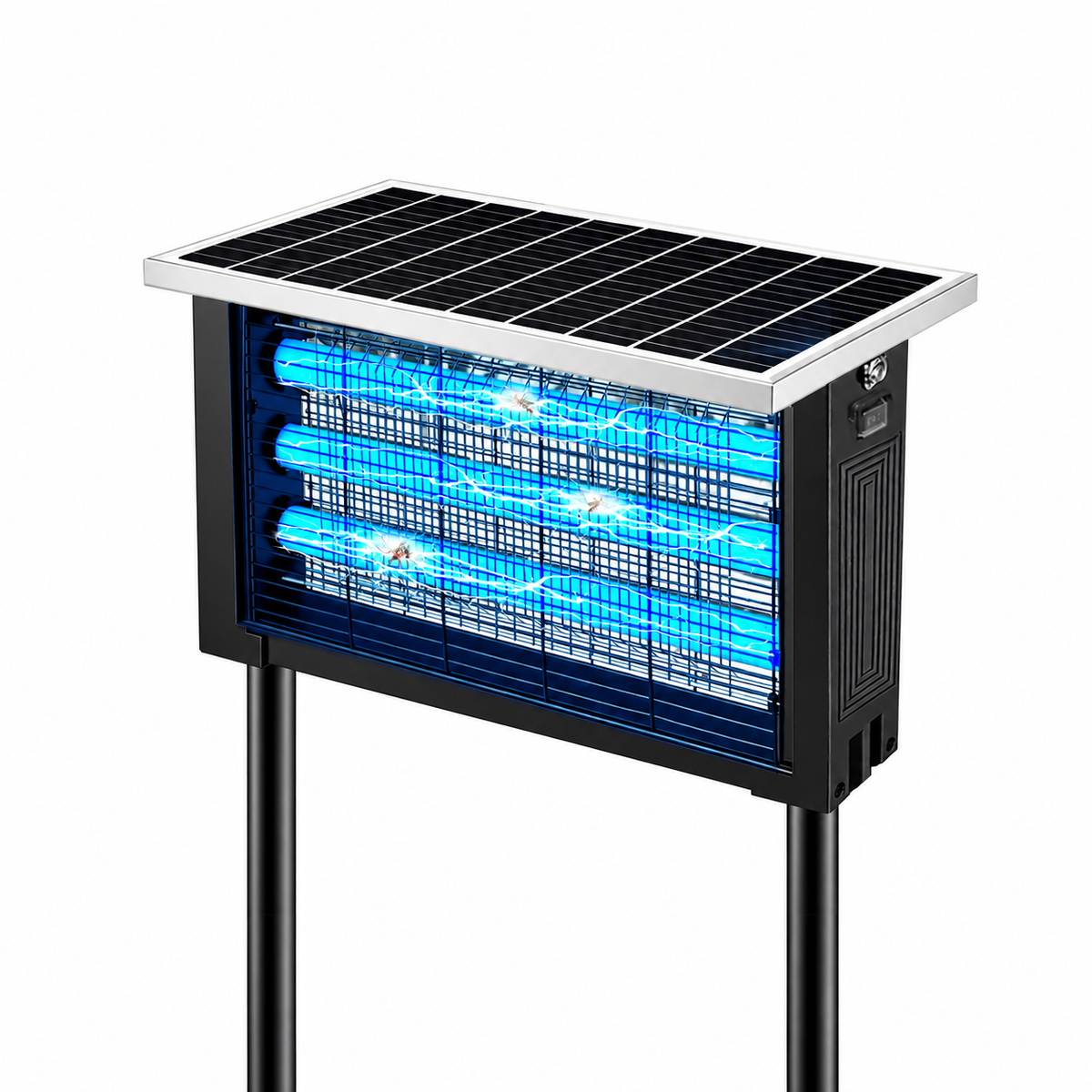

As winter fades and temperatures begin to rise, outdoor enthusiasts eagerly return to campgrounds, forests, lakesides, and national parks. Spring camping offers fresh air, blooming landscapes, and fewer crowds compared to peak summer months. However, along with warmer weather comes an unavoidable companion: mosquitoes.
Many campers focus on tents, cooking equipment, and sleeping systems while overlooking one of the most important aspects of outdoor comfort—mosquito protection. After months of storage, mosquito control devices may not perform as expected. Small maintenance issues that developed during the off-season can quickly turn into major frustrations once you arrive at a campsite.
The good news is that preparing your mosquito defense system does not require complicated tools or technical expertise. By carefully checking three key areas before your first spring trip, you can dramatically improve effectiveness, safety, and reliability.
This guide explains the three most important details to inspect in your mosquito control equipment before heading outdoors, helping ensure a comfortable and bite-free camping experience.
Why Spring Is a Critical Time for Mosquito Preparation
Spring creates ideal conditions for mosquito activity.
Melting snow, seasonal rain, and warming temperatures produce standing water—perfect breeding environments for mosquitoes. Early-season insects are often more aggressive because predators and environmental controls have not fully stabilized yet.
At the same time, camping gear has typically been unused for several months. During storage, equipment may experience:
-
dust accumulation
-
moisture exposure
-
battery degradation
-
clogged fuel systems
-
worn components
Even devices that worked perfectly last season may underperform without inspection.
A short pre-trip check helps avoid uncomfortable nights spent swatting insects instead of enjoying nature.
The Three Details That Matter Most
While mosquito control equipment varies widely—from portable traps to fuel-powered repellents and electronic lanterns—most systems share similar functional components.
The three areas that deserve the most attention are:
-
Power and energy systems
-
Delivery or dispersion components
-
Protective structure and airflow
These elements determine whether your equipment works efficiently in real outdoor conditions.
Detail One: Power Systems — The Hidden Source of Failure
Power issues are the most common reason mosquito devices fail during camping trips.
After months of inactivity, batteries and electrical connections often degrade silently.
Inspecting Rechargeable Batteries
Rechargeable batteries naturally lose capacity over time, especially when stored improperly.
Before your trip:
-
Fully charge all batteries.
-
Check charging time compared to normal performance.
-
Observe whether devices power off unexpectedly.
If runtime feels significantly shorter than last season, the battery may need replacement.
Cold winter storage accelerates battery aging, particularly in garages or sheds exposed to freezing temperatures.
Checking Battery Contacts
Corrosion on battery terminals can interrupt power flow.
Look for:
-
white or green residue
-
discoloration
-
loose contacts
Clean contacts gently using a dry cloth or approved electrical cleaner.
Reliable electrical contact ensures consistent operation throughout the night.
Backup Power Planning
Camping environments are unpredictable.
Consider bringing:
-
spare batteries
-
power banks
-
alternative charging cables
Mosquito protection often becomes most important after sunset, when recharging options may be limited.
Detail Two: Dispersion Components — Where Performance Really Happens
Mosquito control devices work by dispersing repellent, light attraction, heat, or airflow. Any blockage or imbalance in this system reduces effectiveness dramatically.
Fuel and Cartridge Systems
Portable repellent devices commonly use replaceable cartridges or fuel cells.
Before camping:
-
confirm cartridges are not expired
-
check for leaks or residue
-
ensure proper installation
Old fuel may evaporate or degrade, leading to weak protection zones.
Replacing cartridges before the season begins provides consistent performance.
Nozzles and Vents
Spray-based or misting devices rely on tiny openings to distribute repellent evenly.
Even microscopic debris can affect output.
Inspect for:
-
visible dust buildup
-
dried residue
-
uneven spray patterns
Cleaning nozzles with warm water or compressed air restores proper flow.
Fans and Airflow Systems
Many mosquito traps and repellent devices use fans to circulate attractants or create protective zones.
Turn the device on and listen carefully.
Warning signs include:
-
unusual noise
-
reduced airflow
-
vibration
Dust accumulation during storage often slows fan performance.
Cleaning vents and airflow paths improves efficiency significantly.
Detail Three: Structural Integrity and Environmental Protection
Outdoor equipment faces challenging environments including humidity, wind, uneven surfaces, and temperature changes.
Structural issues may not be obvious until the device is used outdoors.
Housing and Frame Inspection
Examine the device body carefully.
Look for:
-
cracks in plastic components
-
loose panels
-
weakened hinges
-
warped sections from temperature exposure
Even small cracks allow moisture or insects to enter internal components.
Weather Seals and Covers
Rubber seals protect sensitive electronics from moisture.
Over time, seals may dry out or lose flexibility.
Check that seals remain soft and intact.
If removable covers no longer fit tightly, moisture protection may be compromised.
Mounting and Stability
Camping environments often include uneven terrain.
Ensure stands, hooks, or mounting systems remain stable.
A device that tips over easily may stop functioning or become damaged.
Testing Before You Leave Home
Never wait until arriving at the campsite to test mosquito equipment.
Run each device for at least 10–15 minutes at home.
During testing, observe:
-
startup time
-
noise levels
-
heat generation
-
consistent operation
Testing reveals hidden problems while solutions are still convenient.
Packing Strategy for Mosquito Equipment
Proper packing protects devices during travel.
Helpful tips include:
-
wrapping equipment in soft cloths
-
separating fuel cartridges from electronics
-
storing small parts in labeled bags
-
avoiding heavy pressure on delicate components
Well-organized packing prevents damage before the trip even begins.
Environmental Considerations for Spring Camping
Spring weather changes quickly.
Mosquito activity may vary depending on:
-
proximity to water sources
-
wind conditions
-
temperature swings
-
campsite elevation
Bringing versatile mosquito protection provides flexibility.
Combining personal repellents with area-based devices often produces the best results.
Creating a Protective Zone Around Camp
Proper placement matters as much as equipment condition.
Position devices:
-
slightly upwind of seating areas
-
near entry points of tents
-
away from food preparation surfaces
Allow time for protective zones to establish before peak mosquito activity at dusk.
Common Mistakes Campers Make Each Spring
Many campers unknowingly reduce their protection effectiveness through simple oversights.
Frequent mistakes include:
-
using last year’s fuel cartridges
-
forgetting to charge batteries
-
blocking airflow with gear placement
-
activating devices too late in the evening
Avoiding these habits dramatically improves results.
Extending Equipment Life Through Seasonal Care
Spring inspection also contributes to long-term durability.
Routine checks help identify wear early, preventing larger failures later.
Consistent maintenance leads to:
-
longer device lifespan
-
reliable performance
-
reduced replacement costs
Outdoor gear performs best when treated as a system rather than a seasonal afterthought.
Building a Pre-Camping Routine
Experienced campers often develop a repeatable preparation checklist.
A simple routine might include:
-
Charge all devices.
-
Replace consumables.
-
Clean airflow paths.
-
Perform operational testing.
-
Pack backup supplies.
Completing these steps takes less than an hour but can transform the camping experience.
The Comfort Factor: Why Preparation Matters
Mosquito discomfort affects more than convenience.
Persistent bites can disrupt sleep, reduce relaxation, and shorten outdoor activities.
Well-maintained mosquito equipment allows campers to focus on what truly matters:
-
enjoying nature
-
spending time with friends and family
-
relaxing without constant irritation
Preparation turns prevention into peace of mind.
Final Thoughts
Spring marks the exciting return of camping season, but it also signals the return of mosquitoes. Before heading outdoors, taking time to inspect your mosquito control equipment ensures reliable protection when you need it most.
By focusing on three critical areas—power systems, dispersion components, and structural integrity—you can prevent most common equipment failures.
A short inspection at home can mean the difference between a peaceful evening under the stars and a frustrating night spent battling insects.
As you prepare tents, sleeping bags, and cooking gear for your first trip of the season, don’t forget the equipment that protects your comfort. With proper preparation, your mosquito defense system will be ready to work quietly in the background, letting you fully enjoy the beauty and freedom of spring camping.