As temperatures drop and outdoor activities slow down, most people naturally stop thinking about mosquitoes. The buzzing evenings of summer feel far away, and mosquito control equipment is often stored away without much preparation. However, how you store and maintain your outdoor mosquito prevention gear during the off-season has a significant impact on how well it performs next year.
Improper storage can lead to clogged systems, degraded components, battery damage, and reduced effectiveness when warm weather returns. On the other hand, a thoughtful winter maintenance routine can extend equipment lifespan, improve safety, and save money by preventing avoidable repairs or replacements.
Think of winter storage as “hibernation” for your mosquito control system. Just as outdoor furniture and garden tools require seasonal care, mosquito control devices benefit from cleaning, inspection, and proper preservation before months of inactivity.
This guide walks through a comprehensive winter preparation checklist covering common outdoor mosquito control equipment—from traps and lanterns to large misting systems—so everything is ready to perform when spring arrives.
Why Winter Maintenance Matters
Many mosquito control products are designed for seasonal use. During colder months, they may sit unused for several months, exposed to environmental changes such as humidity, temperature fluctuations, and dust accumulation.
Without proper preparation, several problems may occur:
-
Fuel degradation inside reservoirs
-
Pump seals drying out
-
Batteries losing capacity
-
Nozzles becoming clogged
-
Electrical contacts corroding
-
Plastic components becoming brittle
These issues often remain unnoticed until the first warm evening of spring—when equipment suddenly fails to operate.
Preventive maintenance reduces these risks and ensures a smooth restart next season.
Step 1: Perform a Complete System Inspection
Before cleaning or storing anything, begin with a full inspection.
Check each piece of equipment carefully and look for signs of wear or damage.
Key inspection points include:
-
cracked housings or frames
-
loose connectors or fittings
-
worn cables
-
rust or corrosion
-
insect debris buildup
-
leaking reservoirs
Documenting small issues now allows time for repairs before next season rather than discovering problems when mosquitoes return.
Step 2: Clean All External Surfaces
Outdoor equipment collects dust, pollen, and insect residue throughout the summer.
Cleaning external surfaces prevents long-term damage and keeps moving parts functioning properly.
Recommended Cleaning Process
-
Disconnect power sources or remove batteries.
-
Use a soft brush to remove loose debris.
-
Wipe surfaces with a damp cloth and mild soap solution.
-
Dry thoroughly before storage.
Avoid harsh chemical cleaners that may degrade plastics or protective coatings.
Pay special attention to vents and airflow openings, as blocked ventilation can lead to overheating when devices are used again.
Step 3: Empty Fuel and Chemical Reservoirs
One of the most common mistakes is leaving fuel or mosquito repellent solution inside equipment during winter.
Liquids stored for long periods may:
-
separate chemically
-
thicken or crystallize
-
clog pumps and tubing
-
create residue buildup
Always empty tanks completely before storage.
After draining, run the system briefly (if applicable) using clean air or manufacturer-approved cleaning solution to remove remaining liquid from internal lines.
This step is especially important for misting systems and fuel-powered devices.
Step 4: Flush Pumps, Tubes, and Nozzles
For systems that spray or vaporize repellent, internal cleaning is essential.
Residual fluid inside tubing can dry and block flow paths.
Basic Flushing Method
-
Use clean water or approved flushing fluid.
-
Run liquid through the system briefly.
-
Allow components to dry fully.
Nozzles are particularly sensitive to clogging. Even microscopic residue can affect spray patterns next season.
If removable, detach nozzles and soak them in warm water before drying.
Step 5: Battery Care and Storage
Many outdoor mosquito devices rely on rechargeable or replaceable batteries.
Improper battery storage is one of the leading causes of equipment failure after winter.
Best Practices
-
Remove batteries before long-term storage.
-
Clean battery contacts gently.
-
Store batteries in a cool, dry environment.
-
Avoid fully depleted or fully charged storage states for rechargeable batteries.
Extreme temperatures accelerate battery degradation, so avoid garages or sheds that freeze during winter.
Instead, store batteries indoors when possible.
Step 6: Protect Electrical Components
Moisture is a major threat during the off-season.
Even small amounts of humidity can lead to corrosion on electrical contacts.
Preventive measures include:
-
ensuring devices are completely dry before storage
-
using silica gel or moisture absorbers in storage containers
-
covering connection ports with protective caps
These small steps significantly reduce oxidation and electrical issues.
Step 7: Clean and Replace Consumable Parts
Certain components naturally wear out during regular use.
Winter is an ideal time to evaluate consumables such as:
-
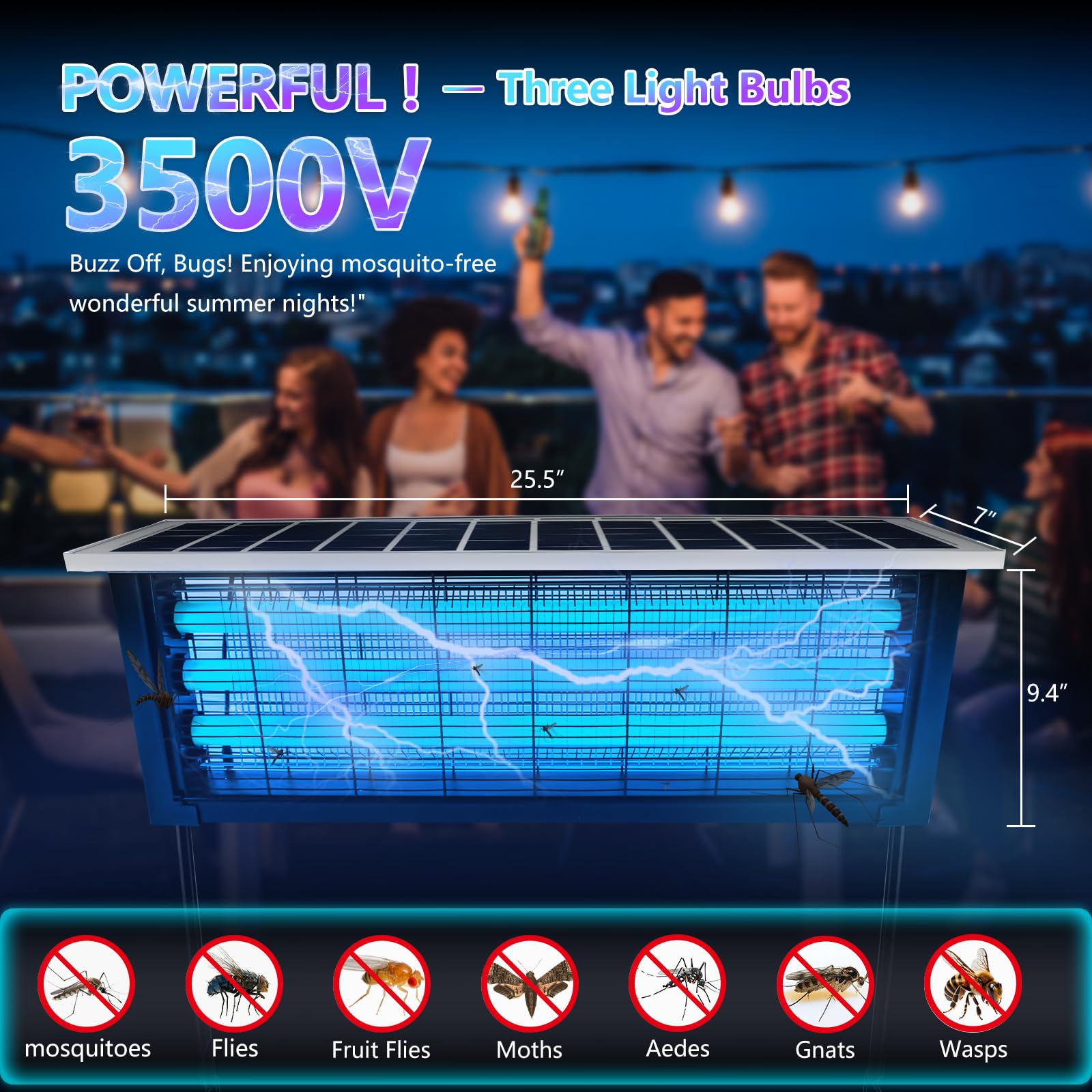
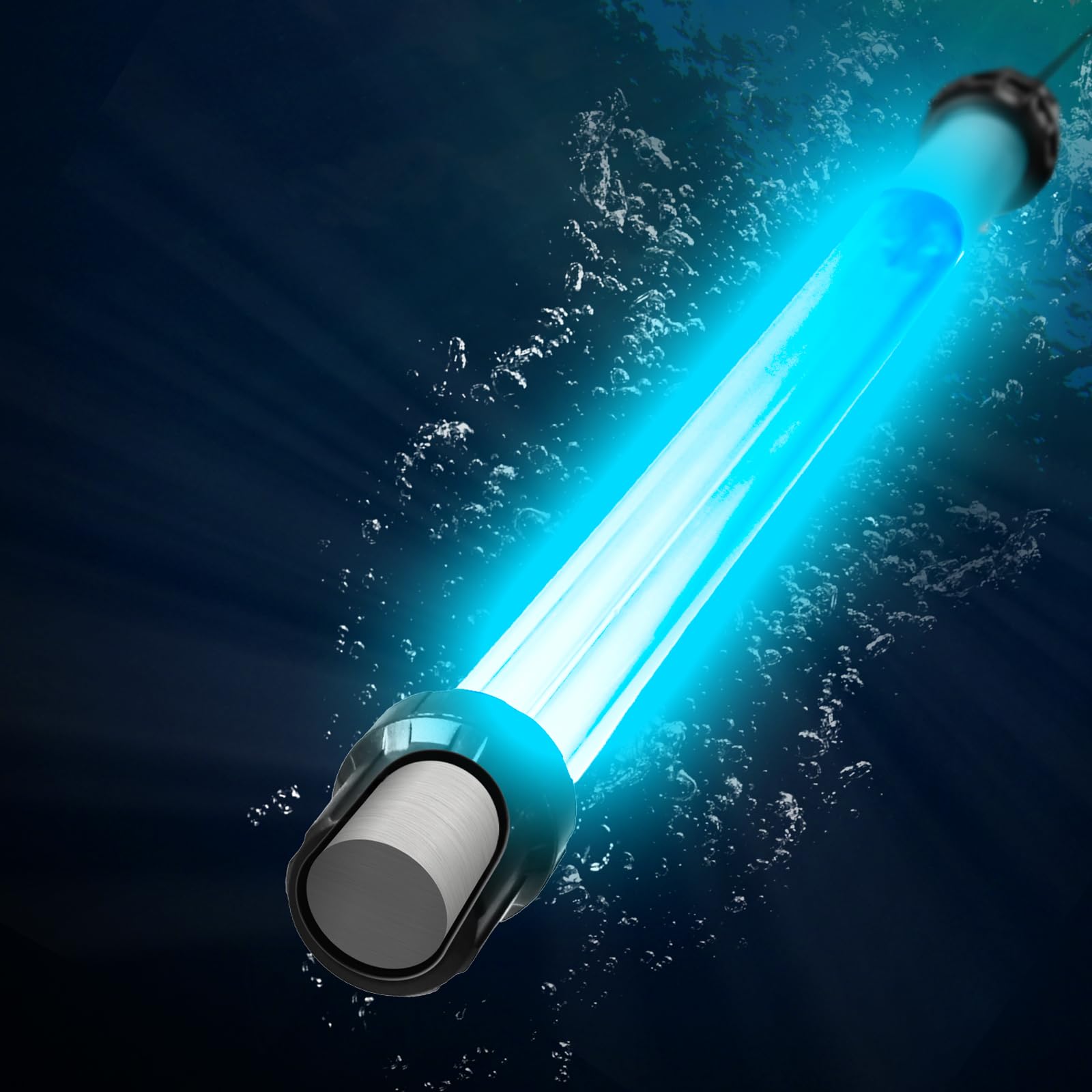
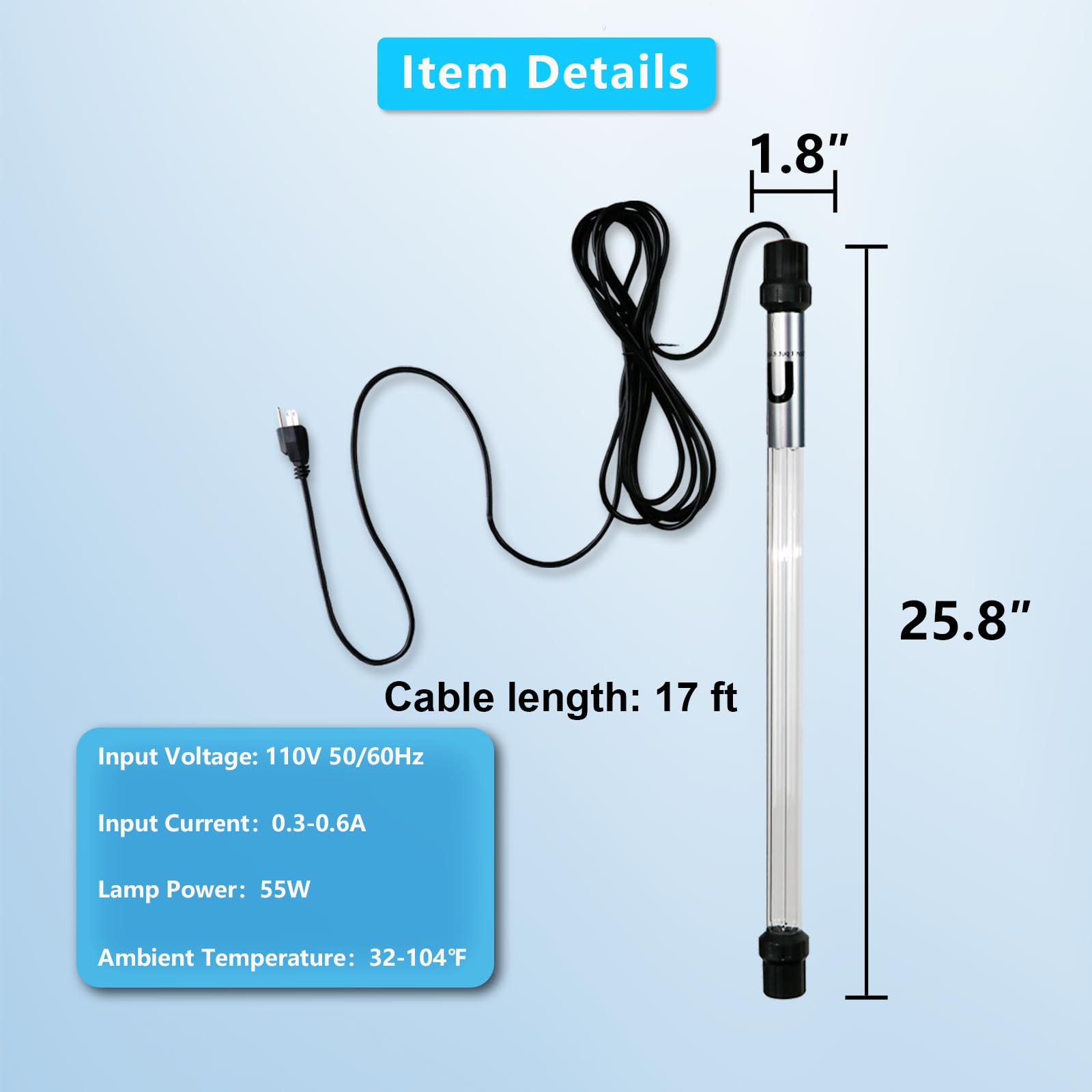
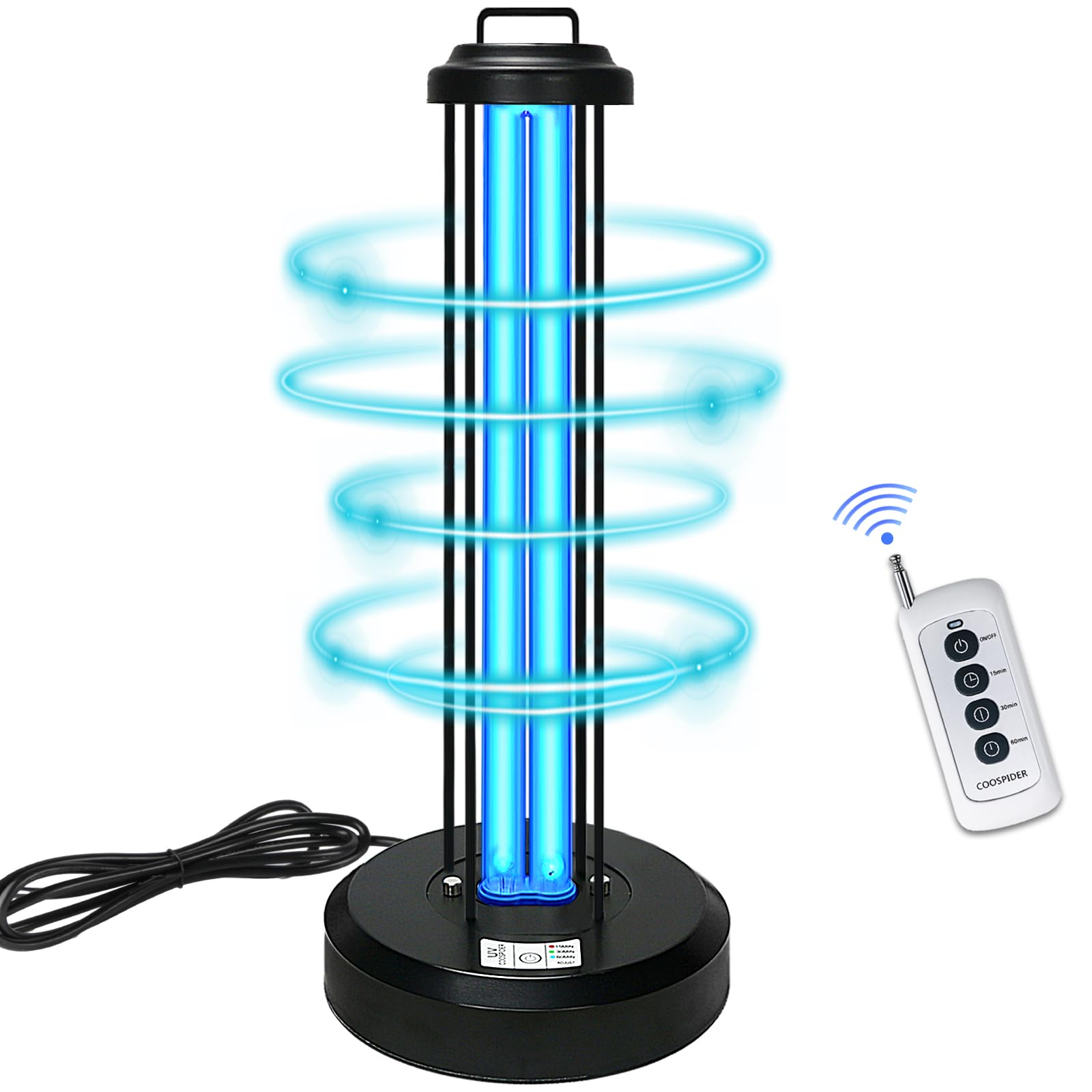
UV bulbs in mosquito traps
-
filters and screens
-
attractant cartridges
-
wicks or pads
Replacing worn parts now ensures equipment works immediately when needed.
UV bulbs, for example, may still glow even after losing effectiveness. Replacing them annually maintains optimal performance.
Step 8: Lubricate Moving Parts
Devices with fans, pumps, or mechanical joints benefit from light lubrication before storage.
Use manufacturer-recommended lubricants only.
Lubrication helps prevent:
-
seal drying
-
motor strain
-
stiffness caused by inactivity
Avoid over-lubrication, which can attract dust.
Step 9: Proper Storage Location
Where equipment is stored matters as much as how it is prepared.
Ideal storage conditions include:
-
dry environments
-
stable temperatures
-
protection from direct sunlight
-
minimal dust exposure
Avoid placing devices directly on concrete floors, which can transfer moisture.
Using shelves or storage bins provides better protection.
Step 10: Protect Against Rodents and Insects
Ironically, mosquito equipment stored improperly can attract other pests during winter.
Rodents may chew cables or build nests inside devices.
Preventive actions include:
-
sealing storage containers
-
covering vents with breathable mesh
-
avoiding storage near food sources
Periodic inspection during winter helps catch problems early.
Step 11: Organize Accessories and Spare Parts
Spring setup becomes much easier when accessories are stored systematically.
Group items together such as:
-
power adapters
-
mounting hardware
-
replacement cartridges
-
instruction manuals
Labeling storage containers prevents frustration months later.
Step 12: Document Maintenance and Setup Notes
Keeping simple records improves long-term equipment care.
Write down:
-
last cleaning date
-
replaced parts
-
observed issues
-
recommended upgrades for next season
This information helps streamline future maintenance routines.
Common Winter Storage Mistakes
Even experienced users sometimes overlook small details that cause big problems later.
Common mistakes include:
-
storing equipment while still damp
-
leaving chemicals inside tanks
-
forgetting battery removal
-
sealing devices without airflow
-
exposing equipment to freezing temperatures
Avoiding these errors greatly improves reliability.
Preparing for a Smooth Spring Restart
Winter maintenance is not just about storage—it is about preparation.
When warm weather returns, properly maintained equipment should require only minimal setup:
-
reinstall batteries
-
refill reservoirs
-
perform quick operational tests
This readiness eliminates the frustration of troubleshooting during peak mosquito season.
Extending Equipment Lifespan
Outdoor mosquito control systems represent an investment.
Consistent seasonal care can extend product lifespan significantly.
Benefits include:
-
fewer repairs
-
consistent performance
-
reduced replacement costs
-
safer operation
Over several years, proper maintenance can save both time and money.
Creating a Seasonal Routine
The easiest way to maintain equipment is to build a repeatable seasonal habit.
Consider setting a reminder each year at the end of mosquito season.
A structured checklist ensures nothing is overlooked.
Over time, winter preparation becomes a quick and efficient routine rather than a complicated task.
Final Thoughts
As outdoor spaces transition into winter dormancy, mosquito control equipment deserves the same attention given to garden tools or patio furniture.
Preparing devices for seasonal “hibernation” protects internal components, preserves performance, and ensures readiness for the next warm season.
By inspecting, cleaning, draining, protecting, and storing equipment properly, homeowners can avoid many common problems that appear after months of inactivity.
When spring arrives and outdoor life begins again, well-maintained mosquito control systems will be ready to work immediately—quietly and effectively—allowing you to enjoy your outdoor spaces without interruption.
A little effort before winter can make all the difference when mosquito season returns.