After a refreshing rainstorm, your yard may look clean, green, and revived—but beneath that calm surface, a hidden problem can quickly take shape. Small pools of standing water, often overlooked, can turn your outdoor space into a thriving mosquito nursery within days.
Mosquitoes are more than just a nuisance. They can disrupt your sleep, ruin outdoor gatherings, and in some regions, even pose health risks. The key to keeping them under control isn’t just reacting after they appear—it’s preventing them from breeding in the first place.
And that starts with one simple habit: inspecting your yard after every rainfall.
This guide will walk you through why standing water is such a powerful attractant for mosquitoes, how quickly infestations can develop, and most importantly, a detailed, practical checklist to help you eliminate breeding sites before they become a problem.
Why Standing Water Is So Dangerous
Mosquitoes rely on water to reproduce. Female mosquitoes lay their eggs in or near water, and once those eggs hatch, the larvae live entirely in water until they mature into adults.
What makes this process alarming is how fast it happens.
Under the right conditions, a mosquito can go from egg to adult in as little as 7 to 10 days. That means a puddle left unattended for just a week can produce a new generation of biting insects.
Even more surprising? Mosquitoes don’t need large bodies of water. Many species can breed in as little as:
-
A bottle cap of water
-
A clogged gutter
-
A plant saucer
-
A forgotten bucket
If water sits still long enough, it becomes a potential breeding ground.
The Post-Rain Reality: Why Timing Matters
After rainfall, your yard temporarily becomes filled with water-holding opportunities:
-
Soil depressions fill up
-
Containers collect runoff
-
Drainage systems get overwhelmed
This creates a short but critical window. If you act within 24–48 hours after rain, you can break the mosquito life cycle before it begins.
Wait longer, and you may already be hosting hundreds of larvae—completely unnoticed.
The Essential Backyard Inspection Checklist
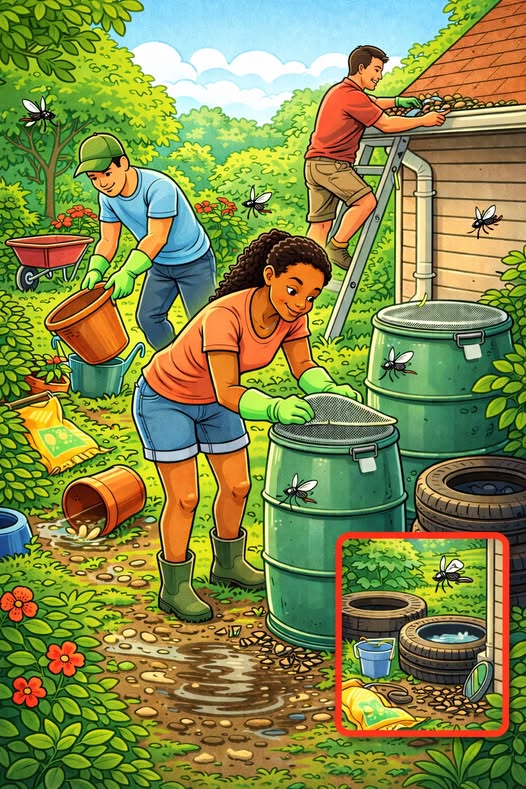
To effectively control mosquitoes, you need a systematic approach. Below is a comprehensive checklist you can follow after every rainstorm.
1. Empty All Containers
Start with the most obvious culprits: anything that can hold water.
Check for:
-
Buckets
-
Flower pots and trays
-
Watering cans
-
Toys
-
Trash cans and lids
-
Tarps or plastic covers
Even items that seem dry may have small pockets of water hidden inside.
Pro tip: Store containers upside down when not in use.
2. Inspect Gutters and Downspouts
Clogged gutters are one of the most common and overlooked mosquito breeding sites.
Look for:
-
Leaves and debris blocking water flow
-
Sagging sections where water pools
-
Improper drainage at downspouts
Clean gutters regularly and ensure water flows freely away from your home.
3. Check Low Spots in the Yard
Walk around your yard and look for areas where water naturally collects.
Common trouble spots include:
-
Uneven lawns
-
Footpaths
-
Areas near foundations
If puddles persist after rain, consider:
-
Filling with soil
-
Improving grading
-
Installing drainage solutions
4. Examine Plant Areas Carefully
Your garden can unintentionally harbor standing water.
Pay attention to:
-
Plant saucers
-
Dense foliage that traps moisture
-
Tree holes or hollow branches
Empty saucers regularly and avoid overwatering.
5. Look at Outdoor Furniture
Furniture is often designed with small crevices that collect water.
Inspect:
-
Chair frames
-
Table surfaces
-
Umbrella bases
Wipe down surfaces or reposition items to prevent pooling.
6. Evaluate Drainage Systems
Poor drainage is a long-term contributor to mosquito problems.
Check:
-
French drains
-
Yard drains
-
Gravel areas
Make sure water is moving efficiently and not stagnating.
7. Inspect Roof and Structural Features
Water doesn’t just collect on the ground—it can accumulate above you.
Look for:
-
Flat roof sections
-
Blocked roof drains
-
Awning pockets
Addressing these areas can prevent hidden breeding zones.
8. Check Water Features
If you have decorative water elements, they need special attention.
Examples include:
-
Birdbaths
-
Fountains
-
Ponds
To keep them mosquito-free:
-
Change water frequently
-
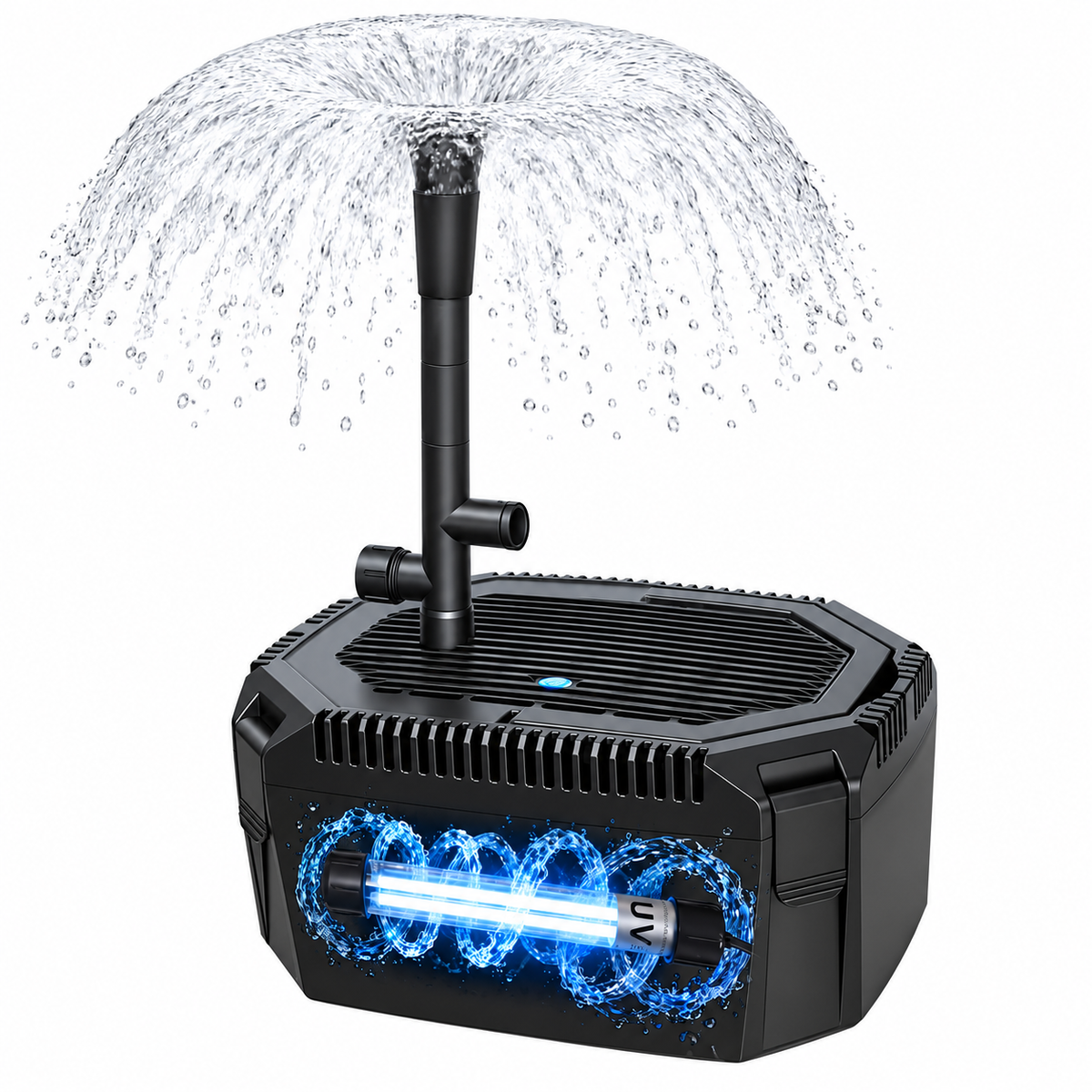
Use pumps to keep water moving
-
Consider safe biological controls if needed
9. Examine Hidden and Overlooked Items
Some of the worst offenders are the least obvious.
Don’t forget to check:
-
Old tires
-
Plastic bags
-
Construction materials
-
Unused equipment
These items often collect water unnoticed.
10. Look Along Fences and Edges
Water can accumulate along boundaries where airflow is limited.
Inspect:
-
Fence bases
-
Corners of the yard
-
Areas with heavy shade
These spots tend to dry more slowly.
How to Make Inspection a Habit
Consistency is everything.
Instead of treating inspections as a chore, integrate them into your routine:
-
Walk your yard the day after rain
-
Combine it with gardening or maintenance
-
Set reminders during rainy seasons
The more often you check, the less likely mosquitoes will gain a foothold.
Beyond Inspection: Strengthening Your Defense
While eliminating standing water is the most effective strategy, combining it with additional measures can enhance your results.
Improve Air Circulation
Mosquitoes are weak flyers and prefer still air.
Using outdoor fans on patios or decks can significantly reduce their presence.
Maintain Your Lawn
Keep grass trimmed and bushes pruned.
Overgrown vegetation provides shade and moisture—ideal resting spots for mosquitoes.
Use Proper Lighting
Some outdoor lights attract insects.
Switching to warmer-colored bulbs can reduce attraction.
Encourage Natural Predators
Birds, dragonflies, and certain beneficial insects help keep mosquito populations in check.
Creating a balanced ecosystem can provide passive control.
Common Mistakes to Avoid
Even well-intentioned homeowners can make errors that invite mosquitoes.
Avoid these pitfalls:
-
Assuming large water sources are the only problem
-
Ignoring small, hidden containers
-
Delaying inspection after rain
-
Relying solely on sprays instead of prevention
Prevention always outperforms reaction.
The Bigger Picture: Protecting Comfort and Health
A mosquito-free yard isn’t just about comfort—it’s about reclaiming your outdoor space.
Whether you’re hosting gatherings, relaxing in the evening, or letting kids play outside, reducing mosquito populations makes a noticeable difference.
And it all starts with something simple: paying attention after it rains.
Final Thoughts
Rain brings life to your garden—but it can also quietly invite mosquitoes if you’re not careful.
Standing water, no matter how small, creates the perfect environment for rapid mosquito breeding. The good news is that with a consistent inspection routine and a clear checklist, you can stop the problem before it starts.
By taking just a few minutes after each rainfall to walk your yard, empty containers, and address problem areas, you transform your outdoor space from a mosquito haven into a comfortable, enjoyable environment.
The next time it rains, don’t just admire your refreshed yard—inspect it. That simple habit is one of the most effective defenses you have against mosquitoes.