There’s something deeply satisfying about stepping into a backyard that feels alive—lush greenery, subtle fragrances in the air, and a sense of calm that only nature can provide. But that experience can be quickly ruined by one persistent nuisance: mosquitoes.
While sprays, traps, and chemical repellents can help, many homeowners are looking for a more natural, long-lasting solution—something that blends seamlessly into their outdoor environment. That’s where mosquito-repellent plants come in.
These plants don’t just add beauty to your yard; they can also help create a subtle, plant-based barrier that discourages mosquitoes from settling in. While no plant can completely eliminate mosquitoes on its own, the right combination can significantly reduce their presence when paired with good yard maintenance.
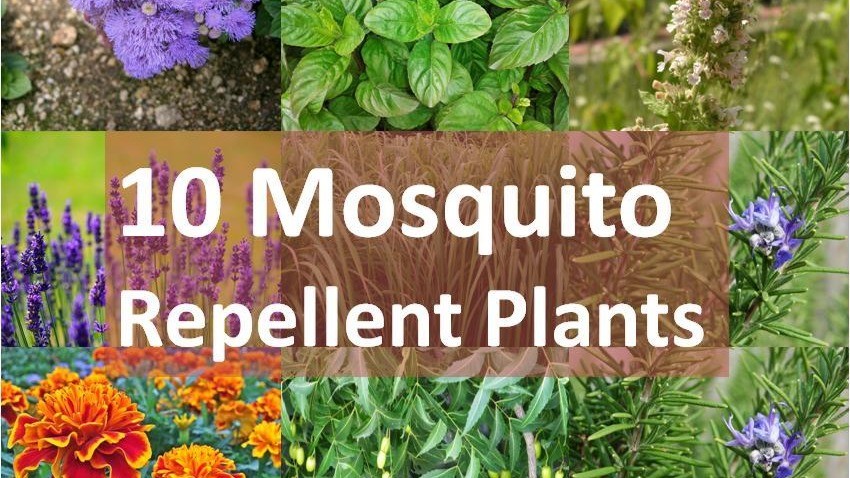
In this guide, we’ll explore how these plants work, how to use them effectively, and introduce 10 outdoor plants that are both visually appealing and helpful in keeping mosquitoes at bay.
Do Mosquito-Repellent Plants Really Work?
Let’s clear up a common misconception first.
Plants labeled as “mosquito-repellent” don’t actively chase mosquitoes away like a spray or device. Instead, they contain natural compounds and essential oils that mosquitoes tend to avoid—such as citronella, linalool, eugenol, and geraniol.
However, these compounds are typically released when the plant is:
-
Crushed
-
Brushed against
-
Heated (like in sunlight)
This means placement and interaction matter. Simply planting them in a distant corner won’t have much effect. But when strategically placed around seating areas, walkways, and entry points, they can help create a less inviting environment for mosquitoes.
Designing a Natural Mosquito Barrier
Before diving into specific plants, it’s important to think about layout.
To maximize effectiveness:
-
Cluster plants rather than spreading them thin
-
Place them near patios, decks, and doorways
-
Combine different species for a layered effect
-
Integrate with good drainage practices to eliminate standing water
Think of it as building a “soft barrier”—not a wall, but a zone that mosquitoes are less eager to enter.
1. Citronella Grass
Often considered the poster plant for mosquito control, citronella grass contains high levels of citronellal, a compound widely used in natural repellents.
This tall, clumping grass adds a tropical feel to landscapes and works especially well in large containers or as a border plant.
Best use:
-
Around patios
-
Near outdoor seating areas
2. Lavender
Lavender isn’t just loved for its calming scent—it also contains compounds that mosquitoes tend to avoid.
Its soft purple blooms and silvery foliage make it a favorite for both ornamental and functional gardening.
Bonus: It also attracts pollinators like bees and butterflies.
Best use:
-
Garden borders
-
Walkways
-
Entry paths
3. Marigolds
Bright and cheerful, marigolds do more than add color. They contain pyrethrum, a natural compound used in many insect repellents.
Their strong scent can help deter not only mosquitoes but also other garden pests.
Best use:
-
Vegetable gardens
-
Container arrangements
-
Edging plants
4. Basil
This kitchen staple doubles as a mosquito deterrent thanks to its strong aroma.
Unlike some herbs, basil doesn’t need to be crushed to release its scent, making it particularly useful.
Best use:
-
Patio pots
-
Outdoor dining areas
5. Rosemary
With its woody fragrance and needle-like leaves, rosemary is both drought-tolerant and functional.
When heated (such as on a hot day or when used in cooking), it releases a scent that mosquitoes dislike.
Best use:
-
Near grills
-
Along pathways
-
In raised beds
6. Mint
Mint is vigorous, fragrant, and highly versatile. Its menthol-like scent is refreshing to humans but unpleasant to mosquitoes.
Important note: Mint spreads aggressively, so it’s best grown in containers.
Best use:
-
Potted arrangements
-
Patio corners
7. Lemongrass
Closely related to citronella, lemongrass contains similar mosquito-repelling compounds.
It has a clean, citrusy scent and adds height and texture to garden designs.
Best use:
-
Large containers
-
Landscape accents
8. Catnip
Surprisingly, catnip has been found to be highly effective at repelling mosquitoes due to a compound called nepetalactone.
It’s easy to grow and produces small, delicate flowers.
Best use:
-
Garden edges
-
Naturalized areas
9. Geraniums (Scented Varieties)
Certain scented geraniums, especially those with a lemon fragrance, are known for their mosquito-repelling properties.
They’re also visually striking, with vibrant blooms and textured leaves.
Best use:
-
Hanging baskets
-
Window boxes
-
Patio containers
10. Sage
Sage offers both culinary and practical benefits. When its leaves are burned slightly (such as in a fire pit), it releases a strong scent that helps deter mosquitoes.
Best use:
-
Fire pit areas
-
Herb gardens
How to Use These Plants Effectively
Having the right plants is only part of the equation. How you use them makes all the difference.
Create Functional Zones
Instead of scattering plants randomly, group them around areas where you spend the most time:
-
Seating areas
-
Outdoor kitchens
-
Entryways
Combine with Movement
Mosquitoes prefer still air. Pairing plants with:
-
Outdoor fans
-
Open layouts
can significantly boost effectiveness.
Encourage Interaction
Lightly brushing against plants like lavender, mint, or rosemary helps release their oils.
This small interaction enhances their natural properties.
Maintain Healthy Plants
Stressed or unhealthy plants produce fewer essential oils.
Ensure proper:
-
Watering
-
Sunlight
-
Pruning
to keep them thriving.
Limitations to Keep in Mind
It’s important to stay realistic.
Mosquito-repellent plants:
-
Won’t eliminate mosquitoes entirely
-
Work best as part of a broader strategy
-
Require proper placement and care
For best results, combine them with:
-
Eliminating standing water
-
Maintaining your yard
-
Using additional protective measures when needed
A Holistic Approach to Outdoor Comfort
Creating a mosquito-resistant yard isn’t about a single solution—it’s about layering strategies.
By combining:
-
Smart landscaping
-
Natural plant barriers
-
Good maintenance habits
you can dramatically reduce mosquito activity while enhancing the beauty of your space.
Final Thoughts
Mosquito control doesn’t have to rely solely on chemicals or devices. With thoughtful planning, you can turn your garden into a space that’s both inviting to people and less attractive to pests.
These 10 plants offer more than just functionality—they bring color, texture, fragrance, and life to your outdoor environment.
So the next time you’re planning your garden or refreshing your patio, think beyond aesthetics. Choose plants that work for you, not just visually, but practically.
A well-designed natural barrier won’t just look good—it will help you enjoy your outdoor space the way it was meant to be: peaceful, comfortable, and refreshingly mosquito-light.