If you’ve ever wiped down your phone with an alcohol pad and felt proud of yourself—congratulations, you’re already ahead of most people.
But here’s the uncomfortable truth:
Your phone is not the dirtiest thing in your home.
Not even close.
In fact, many of the most bacteria-infested surfaces in your house are the ones you never think to clean—and no amount of wiping with a cloth will truly solve the problem.
From remote controls and door handles to light switches, sink drains, and fabric surfaces, modern homes are full of hidden germ zones. These areas don’t look dirty, but they quietly accumulate bacteria, viruses, and mold day after day.
That’s where UV light disinfection changes the game.
In this article, we’ll break down why traditional cleaning methods fall short, where household germs really hide, and why UV light is proving to be up to 10 times more reliable than a cloth when it comes to disinfecting hard-to-reach, high-risk areas.
1. The “Phone Disinfection” Myth: Clean Device, Dirty Home
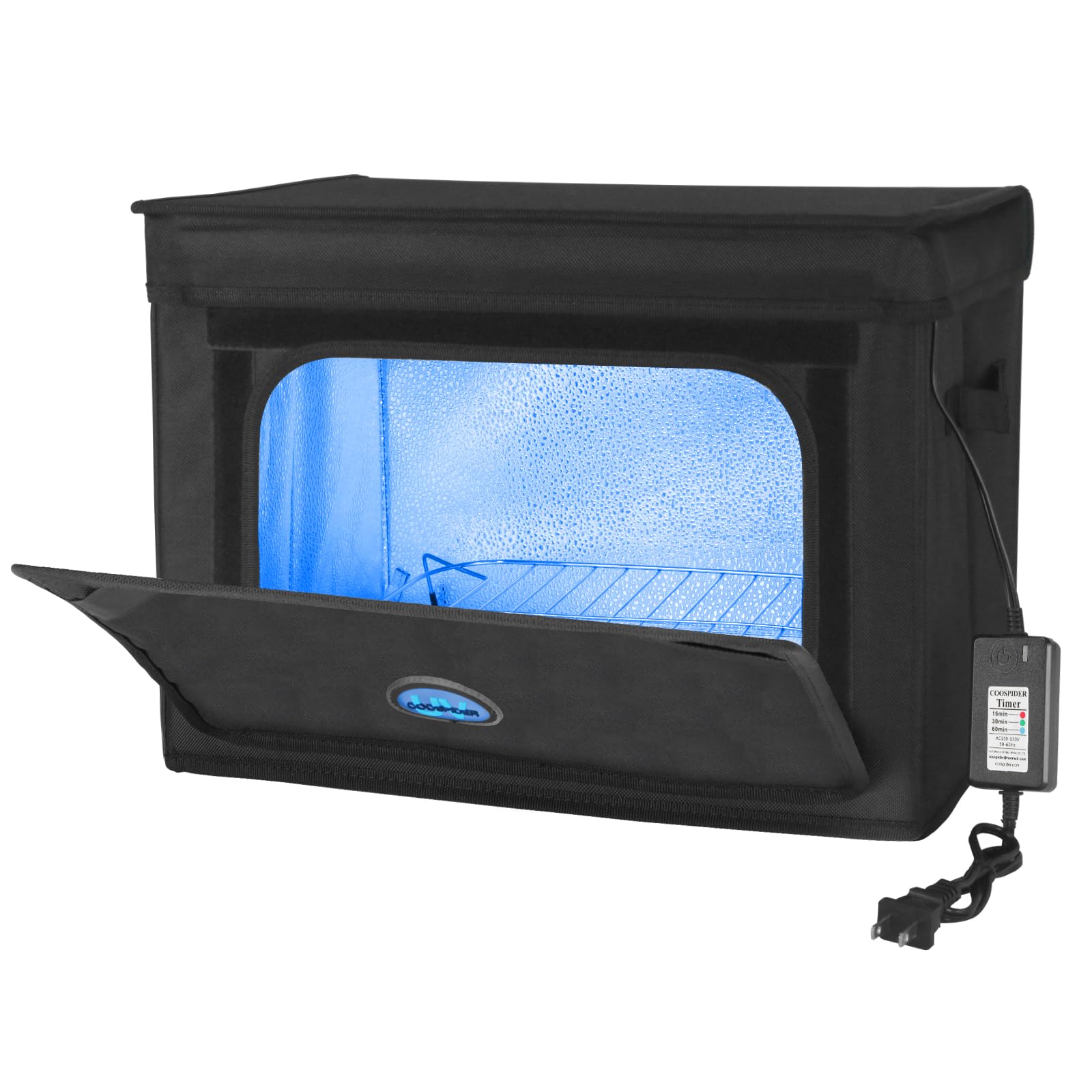
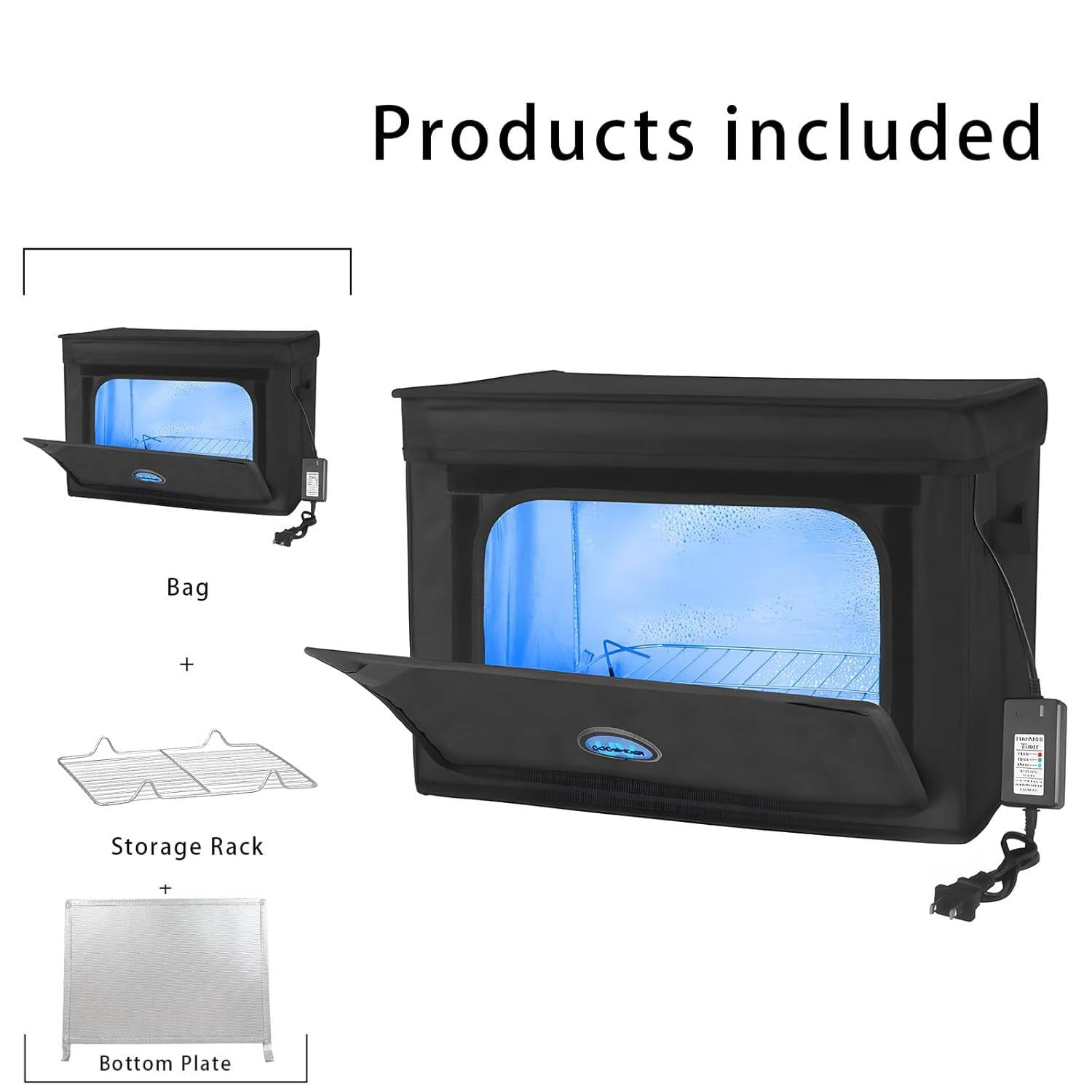
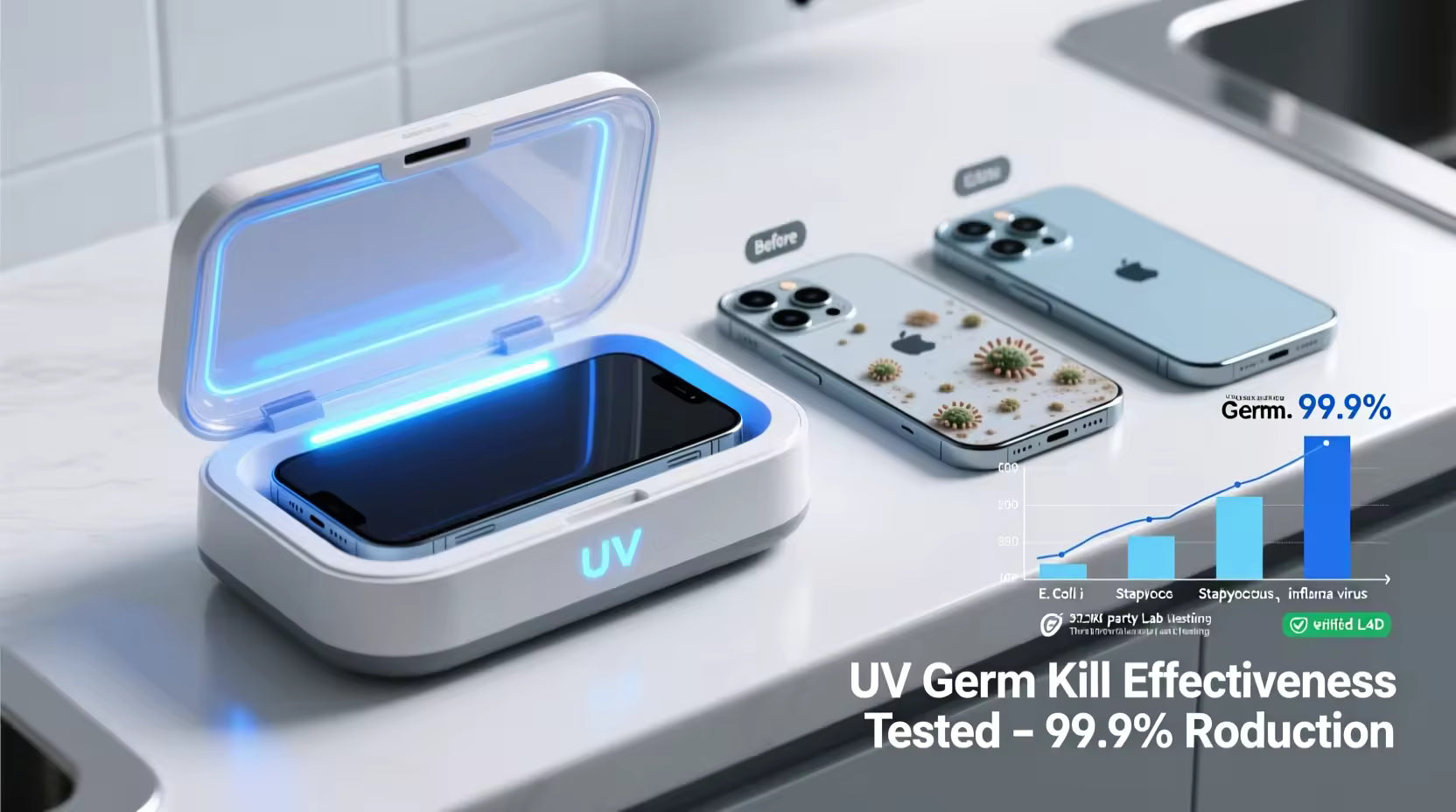
Over the past few years, phone disinfection has become almost second nature. UV phone boxes, alcohol wipes, and antibacterial sprays are everywhere.
But while you’re busy sanitizing a device you touch a few hundred times a day, you’re still touching:
-
Door handles
-
Light switches
-
Faucet knobs
-
Cabinet pulls
-
Sofa armrests
-
Remote controls
-
Toilet flush buttons
All without a second thought.
Studies consistently show that many of these surfaces carry equal or higher bacterial loads than smartphones—yet they’re cleaned far less frequently.
2. Why Cleaning Cloths Are Overrated (and Sometimes Dangerous)
Cleaning cloths feel effective. You see dust disappear. Surfaces look shiny.
But from a microbiological perspective, cloth cleaning has serious limitations.
Problem #1: Wiping ≠ Disinfecting
A cloth removes visible dirt—but:
-
It doesn’t kill most bacteria
-
It doesn’t neutralize viruses
-
It doesn’t affect mold spores
Unless combined with proper disinfectants (and correct contact time), wiping alone is cosmetic.
Problem #2: Cross-Contamination
One cloth. Multiple surfaces.
Without realizing it, you may be:
-
Moving bacteria from the kitchen to the living room
-
Spreading bathroom germs onto countertops
-
Redistributing microbes instead of eliminating them
Problem #3: Hard-to-Reach Areas Stay Untouched
Think about:
-
Keyboard gaps
-
Remote control buttons
-
Sink drains
-
Vent grilles
-
Fabric seams
A cloth simply can’t reach these spaces.
3. The Real Germ Hotspots You’re Ignoring at Home
Let’s talk about the places that matter most.
Remote Controls
-
Shared by everyone
-
Rarely cleaned
-
Covered in button crevices
Remote controls often carry more bacteria than toilet seats.
Light Switches
-
Touched dozens of times daily
-
Cleaned maybe once a month (if ever)
-
Perfect for pathogen transfer
Door Handles and Cabinet Pulls
-
High-frequency contact points
-
Overlooked during routine cleaning
Sink Drains and Faucet Bases
-
Constant moisture
-
Organic residue
-
Ideal for bacterial and mold growth
Fabric Surfaces
-
Sofa arms
-
Headboards
-
Curtains
-
Upholstery
These trap microbes deep inside fibers—far beyond the reach of wipes.
4. Why Germs Love “Clean-Looking” Homes
Modern homes often look clean, but that’s exactly why germs thrive.
-
Climate-controlled temperature
-
Moderate humidity
-
Frequent human contact
-
Minimal sunlight indoors
Bacteria and viruses don’t need dirt to survive. They need stable environments, and your home provides exactly that.
5. Enter UV Light: Cleaning Without Touching
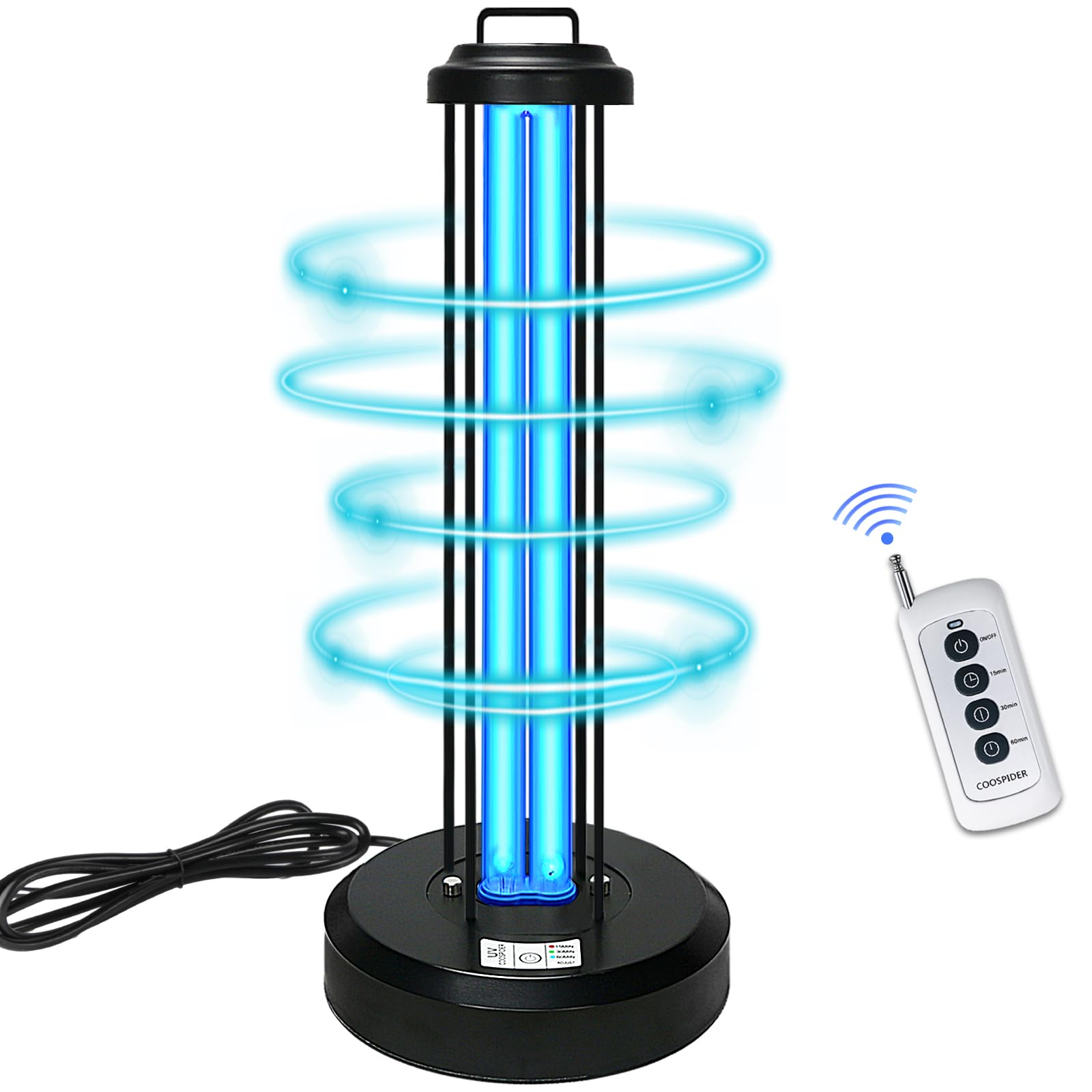
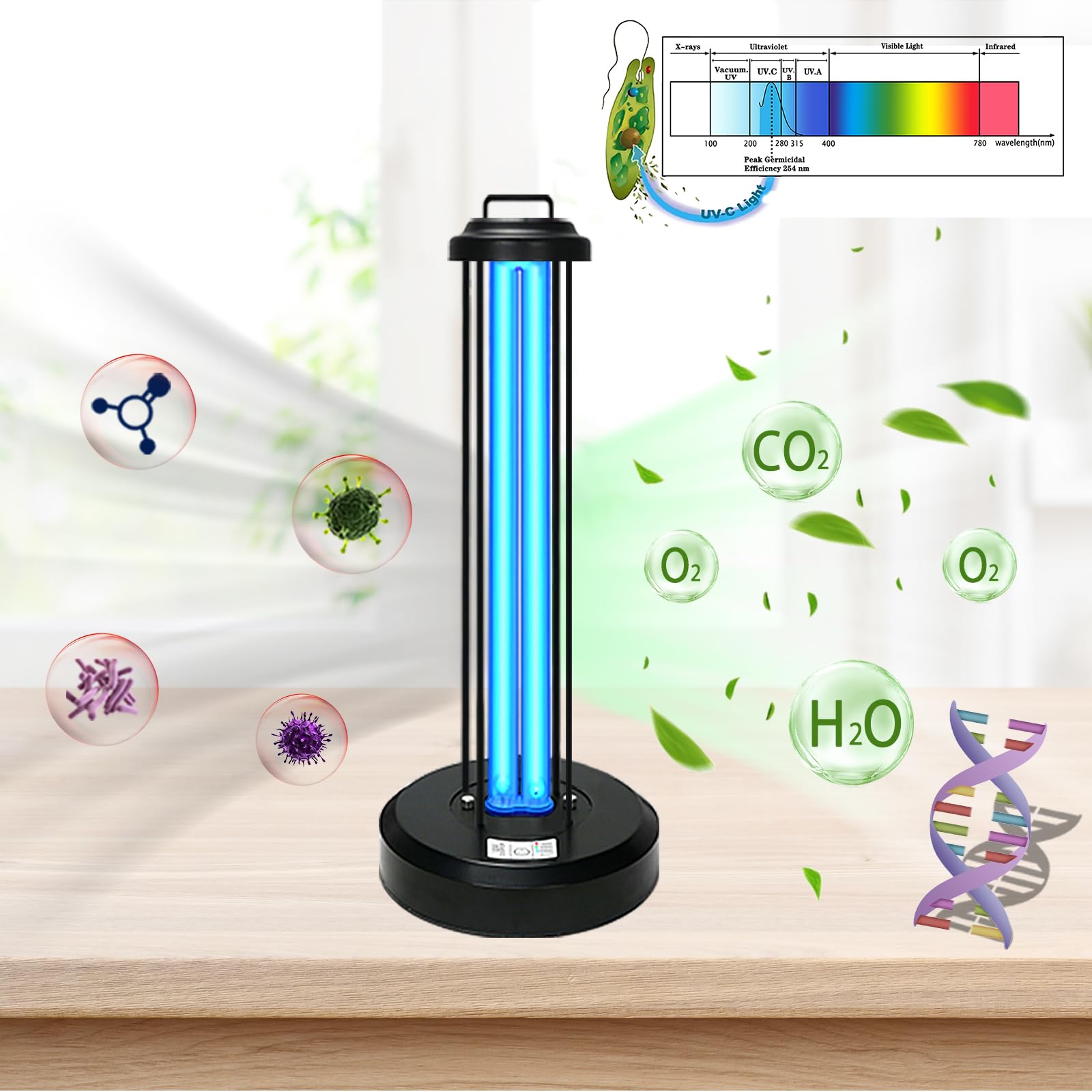
UV (ultraviolet) light—specifically UV-C—has been used for decades in hospitals, laboratories, and food processing facilities.
Why?
Because UV light doesn’t just move germs around.
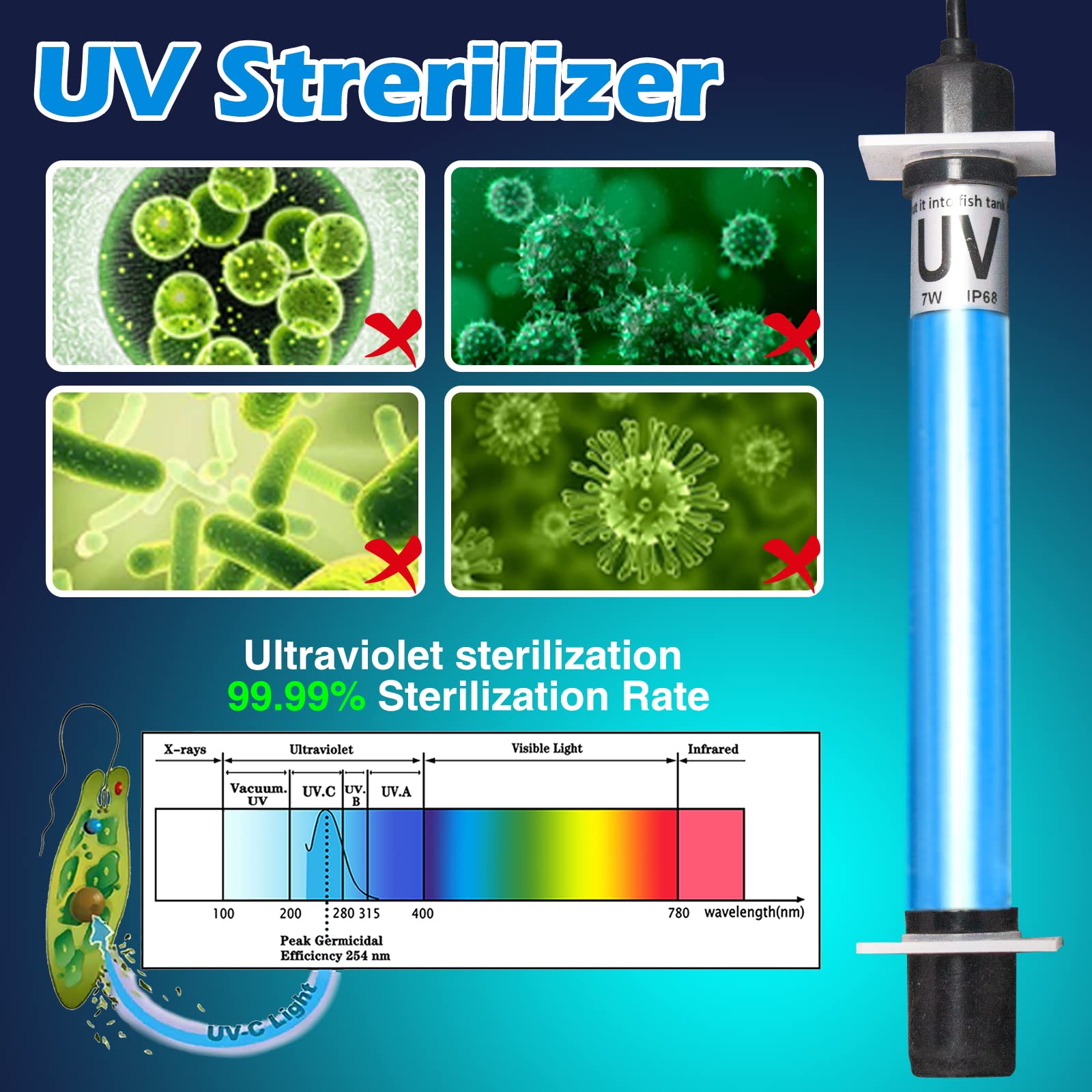
It inactivates them at the DNA and RNA level.
6. How UV Light Actually Works (In Plain English)
UV-C light penetrates microorganisms and damages their genetic material.
This means:
-
Bacteria can’t reproduce
-
Viruses lose their ability to infect
-
Mold spores become inactive
No chemicals.
No moisture.
No residue.
Just light doing what cloths can’t.
7. Why UV Light Is 10× More Reliable Than Wiping
1. No Contact = No Cross-Contamination
UV light doesn’t touch the surface.
So there’s no risk of spreading germs elsewhere.
2. Reaches Crevices and Gaps
Light reaches:
-
Button edges
-
Cracks
-
Textured surfaces
-
Irregular shapes
Places cloths miss entirely.
3. Consistent Results
A cloth depends on:
-
Pressure
-
Technique
-
Cleanliness of the cloth itself
UV delivers consistent exposure every time.
4. Chemical-Free Disinfection
Ideal for:
-
Homes with children
-
Pet owners
-
Allergy sufferers
-
People sensitive to cleaning products
8. UV Light vs Chemical Disinfectants
| Feature | Chemical Cleaners | UV Light |
|---|---|---|
| Residue | Yes | None |
| Odor | Often | None |
| Fabric-safe | Limited | Yes |
| Electronics-safe | Risky | Safe |
| Long-term use | Can irritate | Gentle |
UV light doesn’t replace cleaning—it upgrades it.
9. Where UV Light Shines the Most at Home
Electronics
-
Remote controls
-
Game controllers
-
Keyboards
-
Mouse devices
Kitchen Areas
-
Cutting board storage
-
Appliance handles
-
Sink surroundings
Bathroom Surfaces
-
Toilet flush buttons
-
Faucet handles
-
Shower controls
-
Drain covers
Entryway Items
-
Keys
-
Wallets
-
Sunglasses
-
Door handles
10. UV Light and Fabric Surfaces: The Game Changer
Fabric is one of the hardest surfaces to disinfect.
UV light helps by:
-
Neutralizing surface bacteria
-
Reducing odor-causing microbes
-
Suppressing mold growth
While UV won’t penetrate deep foam layers, regular use dramatically improves surface hygiene.
11. Is UV Light Safe for Home Use?
Yes—when used correctly.
Basic Safety Rules
-
Never expose skin or eyes directly
-
Use devices with shields or timers
-
Keep pets and children away during use
-
Follow manufacturer guidelines
Modern consumer UV devices are designed with safety in mind, but awareness is essential.
12. How Often Should You Use UV Light at Home?
-
High-touch surfaces: 2–3 times per week
-
Shared electronics: weekly
-
Bathrooms and kitchens: weekly
-
During flu season: increase frequency
UV works best as preventive maintenance, not emergency cleanup.
13. Common Misconceptions About UV Cleaning
“UV replaces cleaning.”
No—it complements it.
“All UV lights disinfect.”
False—only proper UV-C wavelengths are effective.
“One session is enough.”
Disinfection is a routine, not a one-time fix.
14. Why UV Light Is Becoming a Home Hygiene Standard
As awareness grows, consumers are demanding:
-
Chemical-free solutions
-
Deeper cleaning
-
Invisible protection
UV light fits modern lifestyles where time, health, and convenience matter.
15. The Psychological Side of a Truly Clean Home
There’s a difference between:
-
Looking clean
-
Being clean
Knowing your home is disinfected at a microbial level brings:
-
Peace of mind
-
Reduced anxiety
-
Better overall comfort
16. Who Benefits Most from UV Home Disinfection?
-
Families with kids
-
Pet owners
-
Allergy sufferers
-
Elderly households
-
Anyone who values health-conscious living
17. The Future: UV as a Household Essential
Just like air purifiers and water filters, UV disinfection is becoming part of everyday home wellness.
Expect:
-
More compact UV devices
-
Smart integration
-
Wider adoption across homes
Conclusion: Clean Smarter, Not Harder
Disinfecting your phone is a good start—but stopping there is like washing one plate in a dirty sink.
Your home has dozens of hidden germ zones that cloths can’t reach and chemicals can’t always handle safely.
UV light doesn’t replace cleaning—it makes it smarter, deeper, and more reliable.
If you want real hygiene—not just the illusion of it—it’s time to let light do the work.