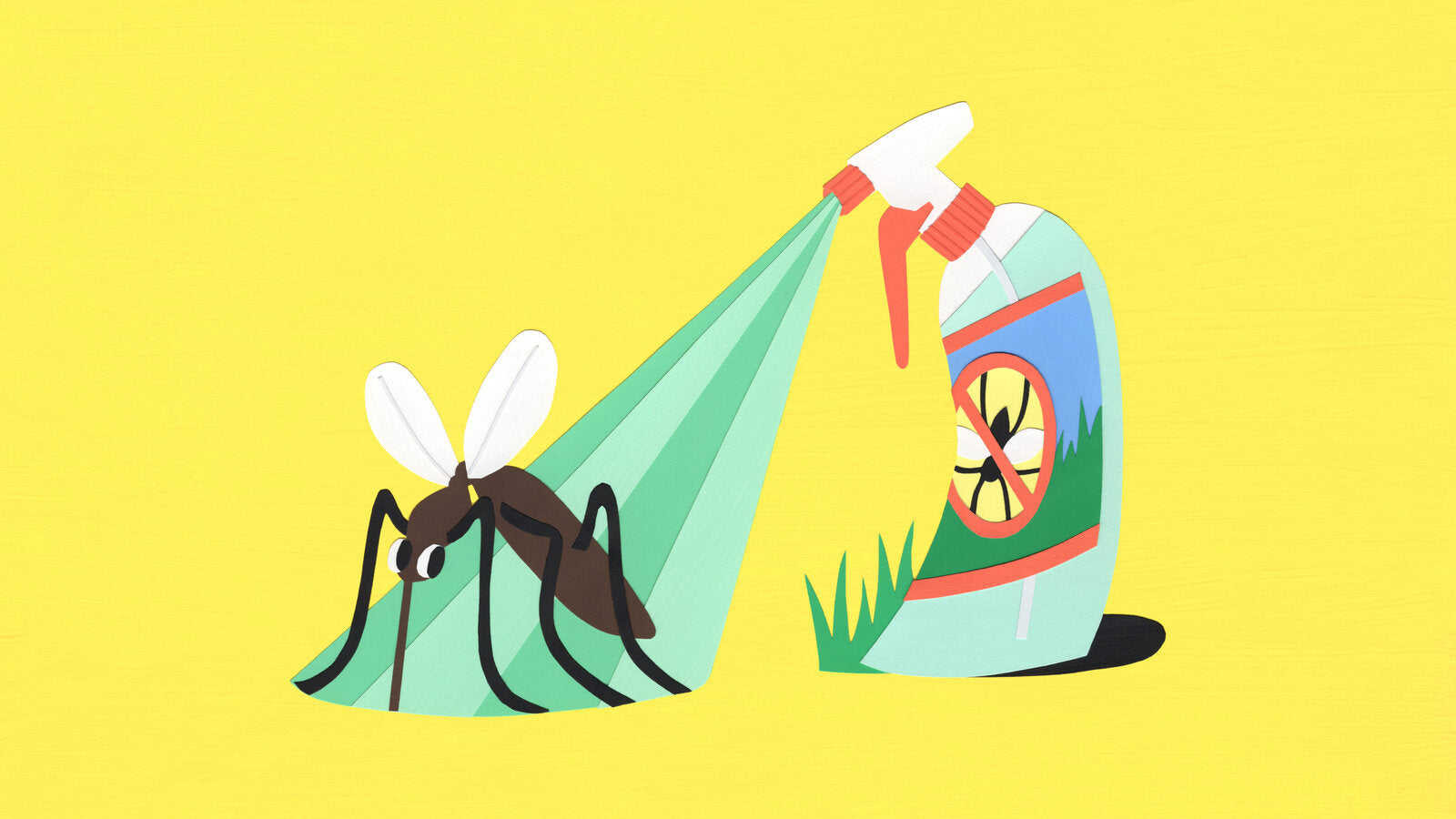
Nothing destroys a relaxing outdoor vacation faster than mosquitoes.
You spend months planning the perfect summer getaway — beach trips, mountain camping, tropical resorts, lakeside cabins, hiking adventures, backyard barbecues, or international travel — only to end up covered in itchy bites, struggling to sleep, and constantly swatting insects away.
That’s why mosquito sprays have become one of the most essential travel and outdoor protection products worldwide.
But here’s the problem: many people use mosquito repellents incorrectly.
In fact, some of the most common mosquito spray habits actually reduce protection effectiveness dramatically. Even worse, these mistakes can create a false sense of security, leaving travelers exposed to mosquitoes despite believing they are protected.
The result?
-
More bites
-
Ruined vacations
-
Interrupted sleep
-
Outdoor discomfort
-
Increased disease exposure risk
-
Wasted money on ineffective protection
Whether you’re traveling internationally, camping outdoors, hiking in humid forests, visiting tropical destinations, or simply spending time in your backyard, understanding how mosquito sprays actually work is critical.
This guide breaks down five of the most common mosquito spray myths and usage mistakes people make — and explains how to protect yourself properly so mosquitoes don’t ruin your next trip.
Why Mosquito Protection Matters More Than Ever
Mosquitoes are not just annoying insects.
They are among the world’s most dangerous disease carriers.
Depending on the region, mosquitoes may transmit illnesses such as:
-
Dengue fever
-
Malaria
-
Zika virus
-
West Nile virus
-
Chikungunya
-
Yellow fever
Even in areas without major disease concerns, mosquito bites can still cause:
-
Allergic reactions
-
Severe itching
-
Skin irritation
-
Sleep disruption
-
Secondary infections from scratching
Meanwhile, climate change and warming temperatures are expanding mosquito populations into new regions and extending mosquito seasons longer each year.
That means effective mosquito protection is becoming increasingly important for travelers and outdoor enthusiasts alike.
How Mosquito Sprays Actually Work
Before discussing common mistakes, it’s important to understand how mosquito repellents function.
Most mosquito sprays do not kill mosquitoes directly.
Instead, they interfere with the mosquito’s ability to locate humans.
Mosquitoes find people using signals such as:
-
Body heat
-
Carbon dioxide
-
Skin odors
-
Sweat compounds
Repellents disrupt these detection systems, making humans harder for mosquitoes to identify and target.
This distinction matters because many users incorrectly assume sprays create an invisible “force field” that blocks all insects completely.
In reality, mosquito protection depends heavily on:
-
Proper application
-
Ingredient strength
-
Coverage consistency
-
Environmental conditions
-
Reapplication timing
Myth #1: “One Quick Spray Is Enough for the Entire Day”
This is one of the biggest and most common mosquito protection mistakes.
Many travelers apply mosquito spray once in the morning and assume they are protected all day long.
Unfortunately, repellents gradually lose effectiveness over time.
Why Repellents Wear Off
Mosquito sprays degrade because of:
-
Sweat
-
Heat
-
Humidity
-
Water exposure
-
Skin oils
-
Friction from clothing
-
Evaporation
High temperatures and tropical climates accelerate this process significantly.
Different Ingredients Last Different Amounts of Time
Not all repellents provide the same duration of protection.
Common active ingredients include:
-
DEET
-
Picaridin
-
Oil of lemon eucalyptus
-
IR3535
Protection time varies depending on:
-
Concentration levels
-
Climate conditions
-
Physical activity
-
Individual skin chemistry
Why Vacation Conditions Increase Repellent Failure
Vacations often involve:
-
Swimming
-
Hiking
-
Sweating
-
Outdoor dining
-
Beach exposure
-
High humidity
All of these factors reduce repellent longevity.
The Correct Approach
Always follow label instructions regarding reapplication intervals.
In general:
-
Reapply after swimming
-
Reapply after excessive sweating
-
Reapply during extended outdoor exposure
-
Carry travel-size repellent for touch-ups
Long outdoor days often require multiple applications.
Why Overconfidence Causes Problems
The biggest danger is not simply ineffective protection.
It’s believing you’re protected when you’re no longer adequately covered.
This false confidence often leads travelers to stay outdoors longer during peak mosquito activity periods.
Myth #2: “Natural Repellents Are Always Safer and Work Just as Well”
Natural mosquito repellents have become extremely popular in recent years.
Many consumers prefer products marketed as:
-
Natural
-
Botanical
-
Plant-based
-
Chemical-free
However, there are several misconceptions here.
Natural Does Not Automatically Mean Harmless
Many natural ingredients can still cause:
-
Skin irritation
-
Allergic reactions
-
Sensitivity
-
Eye irritation
Poison ivy, for example, is natural — but certainly not harmless.
The same principle applies to some essential oils.
Common Natural Repellent Ingredients
Natural repellents may contain:
-
Citronella
-
Peppermint oil
-
Lemongrass oil
-
Eucalyptus oil
-
Cedarwood oil
-
Lavender oil
Some provide temporary mosquito deterrence, but performance varies widely.
Why Natural Repellents Sometimes Fail
Many plant-based repellents evaporate faster than synthetic ingredients.
This often means:
-
Shorter protection duration
-
More frequent reapplication
-
Reduced effectiveness in humid environments
The “Chemical-Free” Myth
Everything is made of chemicals — including water and essential oils.
The important question is not whether a product contains chemicals, but whether the ingredients are:
-
Properly tested
-
Safe when used correctly
-
Effective for the intended environment
DEET Misunderstandings
DEET has been heavily studied for decades.
When used according to instructions, it remains one of the most effective mosquito repellents available.
Problems usually occur because of:
-
Misuse
-
Overapplication
-
Incorrect concentration assumptions
rather than the ingredient itself.
The Best Solution Is Context-Based Protection
The ideal repellent depends on factors such as:
-
Destination
-
Mosquito density
-
Activity level
-
Skin sensitivity
-
Duration outdoors
-
Disease risk level
For low-risk backyard use, mild botanical repellents may be sufficient.
For tropical travel or high-risk mosquito regions, stronger protection may be more appropriate.
Myth #3: “Mosquito Spray Works Better If You Spray More”
Some people assume excessive repellent application improves protection.
This is incorrect.
Applying large amounts does not necessarily increase effectiveness.
Why Overapplication Can Backfire
Using too much spray may cause:
-
Sticky skin
-
Strong odors
-
Skin irritation
-
Eye irritation
-
Breathing discomfort
especially in enclosed or poorly ventilated areas.
More Product Does Not Equal Longer Protection
Repellent effectiveness depends more on:
-
Even coverage
-
Proper concentration
-
Timely reapplication
than sheer quantity.
The Goal Is Consistent Coverage
Mosquitoes often target uncovered skin areas.
Missing small spots may reduce overall protection.
Commonly missed areas include:
-
Ankles
-
Behind knees
-
Elbows
-
Neck
-
Ears
-
Hands
How to Apply Repellent Correctly
Spray Evenly
Apply a light, consistent layer over exposed skin.
Avoid Oversaturation
Skin should not appear dripping or soaked.
Apply to Hands First for the Face
Never spray directly into the face.
Spray onto hands first, then carefully apply.
Avoid Broken Skin
Do not apply repellent to cuts or irritated areas.
Why Clothing Treatment Matters
Some repellents are designed for:
-
Skin application
-
Clothing application
-
Gear treatment
These are not always interchangeable.
Always follow label directions carefully.
Myth #4: “If Mosquitoes Are Out During the Day, Sprays Don’t Matter Much”
Many people believe mosquitoes are mainly a nighttime problem.
That’s only partially true.
Different Mosquito Species Are Active at Different Times
Some mosquito species bite primarily:
-
At dusk
-
At dawn
-
During nighttime
But others are highly aggressive during daytime hours.
Day-Biting Mosquitoes Are a Serious Concern
Mosquitoes associated with diseases such as dengue and Zika often bite during the day.
This surprises many travelers.
Vacation Activities Increase Exposure
Outdoor daytime activities such as:
-
Hiking
-
Sightseeing
-
Beach trips
-
Golf
-
Fishing
-
Outdoor dining
can create significant exposure risk.
Why People Underprotect During the Day
Many travelers skip repellent because they associate mosquitoes only with nighttime.
This leaves them vulnerable during peak daytime activity periods.
Mosquitoes Love Certain Conditions
Mosquitoes are especially active around:
-
Standing water
-
Humid vegetation
-
Shade
-
Marshes
-
Lakes
-
Forest edges
These environments are common vacation destinations.
Smart Protection Requires Timing Awareness
Use repellent proactively, not reactively.
Don’t wait until mosquitoes become noticeable.
Apply protection before entering high-risk environments.
Myth #5: “Mosquito Spray Alone Is Enough Protection”
This may be the most important misconception of all.
Mosquito spray works best as part of a layered protection strategy.
Why Single-Layer Protection Fails
Even excellent repellents have limitations.
Factors such as:
-
Sweat
-
Wind
-
Rain
-
Missed skin areas
-
Heavy mosquito populations
can reduce effectiveness.
The Best Mosquito Defense Is Multi-Layered
Strong protection often combines:
-
Repellent sprays
-
Protective clothing
-
Environmental awareness
-
Mosquito nets
-
Timing strategies
-
Airflow management
Clothing Is One of the Most Underrated Tools
Long sleeves and lightweight pants can dramatically reduce bites.
Modern outdoor clothing is increasingly designed to remain:
-
Breathable
-
Lightweight
-
UV protective
-
Comfortable in hot weather
while improving insect protection.
Airflow Helps Reduce Mosquito Activity
Mosquitoes are weak fliers.
Fans and breezy environments help reduce mosquito presence significantly.
This is why patios with fans often feel more comfortable.
Eliminate Standing Water Whenever Possible
Mosquitoes breed in standing water.
Common breeding sites include:
-
Buckets
-
Flower pots
-
Bird baths
-
Gutters
-
Coolers
-
Pool covers
Even small water sources can support mosquito populations.
Why Timing Matters
Mosquito activity often peaks during:
-
Dawn
-
Dusk
-
Humid evenings
Reducing exposure during peak hours improves protection significantly.
Common Travel Mosquito Protection Mistakes
Beyond the five major myths, travelers often make additional errors.
Waiting Until Arrival to Buy Repellent
Some destinations may have:
-
Limited product selection
-
Higher prices
-
Unfamiliar ingredients
Bring trusted products with you when possible.
Forgetting to Pack Enough
Outdoor trips often require more repellent than expected.
Travel-size bottles run out quickly during extended activities.
Ignoring Children’s Protection Needs
Children may require:
-
Age-appropriate formulas
-
Different concentrations
-
More careful application
Always check product age recommendations.
Applying Sunscreen and Repellent Incorrectly
When using both:
-
Apply sunscreen first
-
Allow it to absorb
-
Apply repellent second
This improves effectiveness.
Why Mosquitoes Bite Some People More Than Others
Many people notice mosquitoes seem attracted to certain individuals.
Research suggests mosquitoes may respond to:
-
Carbon dioxide output
-
Body heat
-
Skin bacteria
-
Sweat composition
-
Movement
-
Clothing color
This means some travelers naturally require stronger protection strategies.
The Growing Importance of Travel Mosquito Awareness
Global travel has increased exposure to mosquito-borne illnesses worldwide.
At the same time:
-
Urban mosquito populations are growing
-
Tropical tourism is expanding
-
Climate conditions are changing
Mosquito protection is no longer just a camping issue.
It has become an essential part of modern travel preparation.
How to Choose the Right Mosquito Spray
The best product depends on your specific situation.
For Backyard Use
Milder formulas may work well for short outdoor exposure.
For Hiking and Camping
Longer-lasting protection is usually preferable.
For Tropical Travel
Higher-performance repellents are often recommended.
For Sensitive Skin
Look for dermatologist-tested or fragrance-free options.
For Children
Use age-appropriate formulas only.
Understanding Mosquito Behavior Improves Protection
People often focus entirely on products while ignoring mosquito behavior itself.
But understanding mosquito habits helps improve prevention dramatically.
Mosquitoes Prefer:
-
Warm environments
-
Moisture
-
Still air
-
Dark clothing
-
Human scent trails
Adjusting these factors where possible can reduce attraction.
Why Education Matters More Than Marketing Claims
Many mosquito spray advertisements oversimplify protection.
Real-world effectiveness depends on:
-
User behavior
-
Application technique
-
Environmental conditions
-
Reapplication discipline
Even the best repellent cannot compensate for poor usage habits.
Final Thoughts
Mosquito sprays can be extremely effective — but only when used correctly. Unfortunately, many travelers unknowingly reduce their protection through common myths and improper application habits.
Believing that one spray lasts all day, assuming natural products always work equally well, overapplying repellent, ignoring daytime mosquito exposure, or relying entirely on spray alone can all lead to ineffective protection and a miserable vacation experience.
The good news is that mosquito prevention becomes far more effective once you understand how repellents actually work and how mosquitoes behave.
Smart protection is not about fear. It’s about preparation.
By combining proper repellent use with layered outdoor strategies, environmental awareness, and realistic expectations, travelers can dramatically reduce mosquito problems and enjoy outdoor adventures more comfortably and safely.
Your vacation should be filled with memories, not mosquito bites.