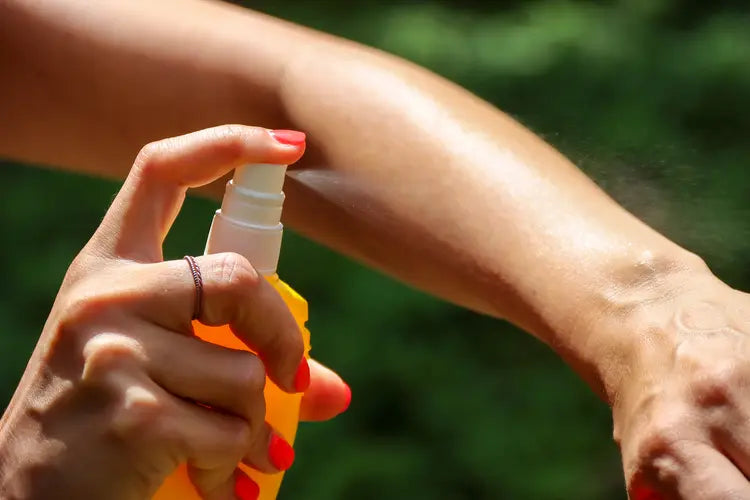
For people with sensitive skin, mosquito season can feel like an impossible trade-off.
On one side, mosquitoes cause itching, swelling, redness, allergic reactions, and potential disease risks. On the other side, many mosquito repellents contain ingredients that may trigger irritation, dryness, burning, breakouts, or flare-ups in already delicate skin.
As a result, people with sensitive skin often face a frustrating dilemma:
How do you stay protected from mosquitoes without damaging your skin barrier?
The good news is that effective mosquito protection and healthy skin are not mutually exclusive. With the right ingredients, application methods, skincare habits, and environmental strategies, it’s possible to create a balanced approach that minimizes irritation while still providing strong mosquito defense.
This guide explores how mosquito repellents interact with sensitive skin, what ingredients to watch for, how to strengthen your skin barrier during mosquito season, and how to choose safer, smarter protection strategies for outdoor living, travel, hiking, camping, and everyday summer activities.
Why Sensitive Skin Reacts More Easily to Mosquito Repellents
Sensitive skin is not just “easily irritated skin.”
It often involves a weakened or compromised skin barrier.
What Is the Skin Barrier?
The skin barrier is the outermost protective layer of the skin.
Its job is to:
-
Retain moisture
-
Block irritants
-
Protect against bacteria
-
Reduce inflammation
-
Maintain overall skin health
When the barrier becomes damaged, skin becomes more vulnerable to irritation and environmental stress.
Common Signs of a Weak Skin Barrier
People with compromised skin barriers may experience:
-
Redness
-
Tightness
-
Burning
-
Dryness
-
Flaking
-
Itching
-
Increased sensitivity
-
Stinging reactions
Even products labeled “gentle” may cause discomfort.
Why Mosquito Sprays Can Trigger Skin Problems
Mosquito repellents are designed to remain active on the skin surface and evaporate gradually to repel insects.
However, some formulations contain ingredients that may disrupt sensitive skin balance.
Potential triggers include:
-
Alcohol-based solvents
-
Fragrances
-
Preservatives
-
Essential oils
-
Strong active ingredients
-
Aerosol propellants
Heat, sweat, and friction during outdoor activities can worsen reactions.
Why Mosquito Protection Still Matters
Some people with sensitive skin avoid repellents entirely because they fear irritation.
Unfortunately, this may increase exposure to mosquito bites and mosquito-borne illnesses.
Mosquitoes are more than just annoying insects.
Depending on the region, they may carry diseases such as:
-
Dengue fever
-
West Nile virus
-
Zika virus
-
Malaria
-
Chikungunya
Even without disease concerns, mosquito bites themselves can severely irritate sensitive skin.
Why Sensitive Skin Often Reacts Worse to Mosquito Bites
People with reactive skin frequently experience:
-
Larger welts
-
Longer-lasting itching
-
More inflammation
-
Post-inflammatory discoloration
-
Increased scratching damage
In some cases, scratching may weaken the skin barrier even further.
Understanding the Main Mosquito Repellent Ingredients
Choosing the right repellent starts with understanding active ingredients.
DEET
DEET remains one of the most widely used and effective mosquito repellent ingredients worldwide.
Why DEET Works Well
DEET interferes with mosquitoes’ ability to detect humans through scent and body signals.
It provides reliable protection in:
-
High mosquito environments
-
Tropical regions
-
Camping settings
-
Long outdoor exposure
DEET and Sensitive Skin
DEET itself is not automatically harmful to sensitive skin, but higher concentrations and certain formulations may increase irritation risk.
Potential issues include:
-
Dryness
-
Burning sensations
-
Eye irritation
-
Stinging on damaged skin
Lower Concentrations May Help
For many people with sensitive skin, moderate DEET concentrations may provide a better balance between effectiveness and tolerability.
Higher percentages do not necessarily mean dramatically stronger protection — often they simply extend duration.
Picaridin
Picaridin has become increasingly popular among sensitive-skin users.
Why Picaridin Is Often Preferred
Picaridin is generally:
-
Less greasy
-
Lower odor
-
Gentler-feeling on skin
-
Less likely to damage fabrics
Many users report it feels lighter and less irritating than some traditional formulations.
Oil of Lemon Eucalyptus
Oil of lemon eucalyptus is commonly marketed as a plant-based alternative.
Natural Does Not Always Mean Gentler
Some natural ingredients may still irritate sensitive skin.
Essential oil-based repellents may trigger:
-
Allergic reactions
-
Burning
-
Fragrance sensitivity
-
Dermatitis
Especially in people with eczema or rosacea.
Fragrance Sensitivity and Mosquito Sprays
Fragrance is one of the most common skincare irritants overall.
Both synthetic and natural fragrances may cause problems for sensitive skin.
Why Fragrance-Free Matters
Fragrance-free mosquito repellents reduce unnecessary exposure to potential irritants.
This becomes especially important for people with:
-
Eczema
-
Rosacea
-
Psoriasis
-
Allergic skin conditions
-
Compromised barriers
Alcohol-Based Repellents and Skin Dryness
Many mosquito sprays use alcohol for fast drying and product distribution.
However, alcohol-heavy formulas may increase:
-
Dryness
-
Tightness
-
Barrier disruption
especially after repeated use.
Why Summer Conditions Make Irritation Worse
Mosquito season often overlaps with environmental conditions that already stress the skin.
These include:
-
Heat
-
Humidity
-
Sweat
-
Sun exposure
-
Chlorinated pools
-
Saltwater
-
Frequent showering
Combined with repellent use, sensitive skin can become overwhelmed quickly.
The Importance of Layering Skincare Correctly
Many people accidentally increase irritation through poor product layering.
Should You Apply Moisturizer Before Mosquito Spray?
For sensitive skin, lightweight moisturization beforehand may help reduce direct irritation.
A healthy moisturized barrier is often more resilient.
Ideal Layering Order
A common outdoor skincare sequence may look like:
-
Gentle cleanser
-
Lightweight moisturizer
-
Sunscreen
-
Allow absorption
-
Mosquito repellent
This helps reduce excessive barrier disruption.
Why Sunscreen and Repellent Interactions Matter
Many people use both products simultaneously during outdoor activities.
Incorrect layering may reduce comfort or effectiveness.
Important Application Rule
Generally:
-
Apply sunscreen first
-
Let it absorb
-
Apply repellent afterward
Avoid aggressively rubbing products together repeatedly.
Sensitive Skin and Aerosol Sprays
Aerosol repellents may irritate sensitive skin because of:
-
Propellants
-
Inhalation exposure
-
Uneven application
-
Overapplication
Some people tolerate lotions or pump sprays better.
Lotion vs Spray Repellents
Lotions often allow:
-
More controlled application
-
Better targeting
-
Reduced airborne irritation
while sprays offer convenience and speed.
Sensitive skin users may benefit from experimenting carefully with different formats.
Why Patch Testing Matters
Before using any new mosquito repellent extensively:
-
Apply a small amount to a limited skin area
-
Wait 24 hours
-
Observe for reactions
This simple step may prevent major irritation during travel or outdoor events.
Outdoor Sweat and Friction Increase Sensitivity
Sweating changes skin conditions dramatically.
Heat and friction may increase:
-
Ingredient penetration
-
Skin reactivity
-
Chafing
-
Irritation
This is especially common during:
-
Hiking
-
Camping
-
Running
-
Beach activities
Clothing as a Skin-Friendly Mosquito Defense
One of the best ways to reduce repellent exposure is to reduce exposed skin itself.
Why Protective Clothing Helps Sensitive Skin
Protective clothing reduces the need for excessive product application.
Lightweight long sleeves and pants can provide excellent mosquito protection while minimizing direct chemical contact.
Modern Outdoor Fabrics Are More Comfortable
Today’s outdoor apparel often includes:
-
Breathable fabrics
-
UV protection
-
Moisture-wicking technology
-
Lightweight construction
making coverage more practical even in warm weather.
Loose Clothing Reduces Mosquito Access
Mosquitoes can bite through tight fabric more easily.
Looser clothing creates additional distance from the skin.
Why Color Choice Matters
Mosquitoes are often more attracted to darker colors.
Lighter-colored clothing may help reduce attraction slightly.
Environmental Mosquito Control Reduces Skin Exposure
People often focus only on repellent products while ignoring environmental strategies.
Reducing mosquito density lowers the need for heavy skin application.
Eliminate Standing Water
Mosquitoes breed in standing water sources such as:
-
Flower pots
-
Gutters
-
Buckets
-
Bird baths
-
Pool covers
Use Fans Outdoors
Mosquitoes are weak fliers.
Air circulation from fans can significantly reduce mosquito activity around patios and outdoor seating areas.
Avoid Peak Mosquito Hours
Mosquitoes are often most active during:
-
Dawn
-
Dusk
-
Humid evenings
Limiting exposure during these times reduces bite risk.
Why Sensitive Skin Requires Better Aftercare
Even with careful protection, outdoor exposure stresses the skin.
Post-exposure skincare becomes extremely important.
Step 1: Gentle Cleansing
Wash off sunscreen, sweat, and repellent carefully after outdoor activity.
Use:
-
Mild cleansers
-
Lukewarm water
-
Non-stripping formulas
Avoid harsh scrubbing.
Step 2: Restore Moisture
Barrier-supportive moisturizers help calm irritated skin.
Look for ingredients such as:
-
Ceramides
-
Glycerin
-
Hyaluronic acid
-
Colloidal oatmeal
-
Panthenol
Step 3: Reduce Inflammation
Cooling products may help calm reactive skin after outdoor exposure.
Why Overwashing Can Worsen Problems
Frequent harsh cleansing may further damage the skin barrier.
This creates a cycle of:
-
Irritation
-
Dryness
-
Increased sensitivity
Balance is essential.
Sensitive Skin Conditions and Mosquito Protection
Different skin conditions may require additional caution.
Eczema-Prone Skin
Eczema sufferers often experience:
-
Higher irritation risk
-
Increased itching
-
Barrier weakness
Gentle, fragrance-free formulas become especially important.
Rosacea-Prone Skin
Rosacea may flare with:
-
Heat
-
Fragrance
-
Alcohol
-
Sun exposure
Cooling and calming approaches help minimize triggers.
Acne-Prone Sensitive Skin
Heavy or oily repellents may worsen breakouts.
Lightweight non-comedogenic options are preferable.
Children With Sensitive Skin
Children’s skin barriers are more delicate than adults’.
Parents should:
-
Use age-appropriate products
-
Avoid overapplication
-
Choose gentle formulations
-
Monitor reactions carefully
Why “Hypoallergenic” Labels Can Be Misleading
The term “hypoallergenic” is not always strictly regulated.
Products labeled this way may still contain ingredients that trigger sensitive individuals.
Always read ingredient lists carefully.
The Importance of Minimalism in Sensitive Skin Care
People with sensitive skin often benefit from simpler routines.
During mosquito season, avoid overwhelming the skin with:
-
Excessive exfoliation
-
Strong acids
-
Retinoids
-
Multiple fragranced products
especially before extended outdoor exposure.
Travel Tips for Sensitive Skin and Mosquito Protection
Travel often introduces:
-
Climate changes
-
New products
-
Higher humidity
-
Increased insect exposure
which can destabilize sensitive skin quickly.
Bring Familiar Products
Avoid experimenting with new repellents during important trips.
Pack Barrier Repair Products
Travel kits should include:
-
Gentle moisturizer
-
Barrier cream
-
Mild cleanser
-
Anti-itch treatment
Keep Skin Hydrated
Dehydrated skin becomes more reactive.
Hydration supports barrier resilience.
Why Stress Can Worsen Skin Sensitivity
Travel stress, poor sleep, and environmental changes may increase skin reactivity.
Skin health is influenced by both physical and emotional stress factors.
Building a Balanced Mosquito Protection Strategy
The best sensitive-skin mosquito defense usually combines multiple approaches rather than relying entirely on heavy repellent use.
A Balanced Protection Plan May Include:
-
Gentle repellent formulas
-
Protective clothing
-
Outdoor fans
-
Timing awareness
-
Moisturizing skincare
-
Environmental mosquito reduction
-
Careful product layering
This reduces both bite exposure and skin irritation.
The Future of Sensitive-Skin Mosquito Protection
As consumers become more ingredient-conscious, the industry is evolving toward:
-
Fragrance-free repellents
-
Barrier-friendly formulations
-
Skin-sensitive delivery systems
-
Lightweight textures
-
Hybrid skincare-repellent products
The demand for effective yet gentle protection continues growing.
Final Thoughts
For people with sensitive skin, mosquito protection can feel like a frustrating balancing act between avoiding bites and avoiding irritation. But effective outdoor protection does not require sacrificing skin health.
Understanding how different repellents interact with the skin barrier, choosing gentler formulations, strengthening the skin through proper skincare, and reducing mosquito exposure through environmental strategies can dramatically improve comfort and protection at the same time.
The goal is not to eliminate every possible skin reaction or avoid all outdoor activity. It is to create a smart, balanced system that allows you to enjoy travel, camping, hiking, backyard gatherings, and summer adventures without overwhelming your skin.
Healthy skin and effective mosquito defense can absolutely coexist — when protection is approached thoughtfully, strategically, and with long-term skin health in mind.