For many homeowners and gardening enthusiasts, summer is the most rewarding season of the year. Lawns become lush and green, flowers bloom in full color, vegetable gardens thrive, and outdoor spaces transform into relaxing personal retreats. But along with the beauty of summer gardening comes one of the season’s most frustrating problems: mosquitoes.
Few things ruin a peaceful afternoon of lawn care faster than constant itching, buzzing, and swatting. Whether you are mowing the grass, trimming hedges, watering plants, pulling weeds, or planting flowers, mosquitoes can turn simple yard work into an uncomfortable battle.
Many gardeners joke about getting “eaten alive” outside, but the problem goes beyond irritation. Mosquito bites can disrupt concentration, reduce enjoyment of outdoor activities, and in some regions even carry health risks.
The good news is that effective mosquito prevention for gardening and lawn maintenance is absolutely possible. By understanding mosquito behavior, choosing the right clothing, adjusting yard maintenance habits, and using smart outdoor protection strategies, gardeners can dramatically reduce bites while enjoying their outdoor spaces more comfortably.
This complete guide explores practical, realistic, and highly effective ways to stay mosquito-free while mowing lawns and working in the garden during summer.
Why Mosquitoes Love Gardens and Lawns
Your yard may look beautiful to you, but to mosquitoes, it can look like paradise.
Mosquitoes thrive in environments that provide:
-
Moisture
-
Shade
-
Standing water
-
Dense vegetation
-
Humidity
-
Organic debris
Unfortunately, many well-maintained gardens naturally contain all of these elements.
Common mosquito-friendly areas include:
-
Overwatered lawns
-
Birdbaths
-
Flower pots
-
Gutters
-
Compost piles
-
Shrubbery
-
Decorative ponds
-
Wet mulch
-
Tall grass
-
Dense hedges
Even a small amount of standing water can become a mosquito breeding site.
Why Lawn Mowing Triggers Mosquito Activity
Many people notice mosquitoes seem to appear the moment lawn work begins.
This is not your imagination.
Mowing and trimming disturb:
-
Grass
-
Moist soil
-
Low vegetation
-
Shaded resting spots
Mosquitoes hiding during the daytime suddenly become active and swarm upward when their shelter is disturbed.
At the same time, mowing creates:
-
Increased body heat
-
Sweat
-
Carbon dioxide output
-
Movement
All of these attract mosquitoes.
Understanding Mosquito Behavior in Residential Yards
Mosquitoes are weak flyers that prefer calm, shaded environments.
They usually rest:
-
Under leaves
-
Inside bushes
-
In tall grass
-
Near damp soil
-
Beneath decks
-
Around fences
Mosquitoes are especially active:
-
Early morning
-
Around sunset
-
After rainfall
-
On humid days
-
In shaded areas
Timing yard work strategically can reduce mosquito exposure significantly.
Best Times to Mow the Lawn to Avoid Mosquitoes
Timing matters more than many homeowners realize.
Avoid Dawn and Dusk
Mosquitoes become most aggressive during:
-
Sunrise
-
Sunset
-
Early evening
If possible, mow lawns:
-
Mid-morning
-
Early afternoon
-
During sunny conditions
Direct sunlight and heat reduce mosquito activity temporarily.
Why Wind Helps
Mosquitoes struggle in moving air.
Mowing during breezy conditions helps because:
-
Airflow disrupts mosquito flight
-
Human scent disperses faster
-
Mosquitoes avoid exposed windy zones
Even mild wind can make a noticeable difference.
Choosing the Right Clothing for Yard Work
One of the most effective mosquito defenses is proper clothing.
Many gardeners mistakenly wear:
-
Tank tops
-
Shorts
-
Thin T-shirts
-
Sandals
These provide almost no protection.
Wear Lightweight Long Sleeves
Modern outdoor fabrics allow gardeners to stay covered without overheating.
Ideal gardening shirts should be:
-
Breathable
-
Moisture-wicking
-
Lightweight
-
Loose fitting
Long sleeves dramatically reduce exposed skin.
Why Loose Clothing Works Better
Mosquitoes can bite through tight clothing.
Loose fabrics create space between:
-
Fabric
-
Skin
This makes successful bites more difficult.
Best choices include:
-
Relaxed-fit gardening pants
-
Loose outdoor shirts
-
Lightweight utility jackets
Fabric Density Matters
Thin fabrics are poor mosquito barriers.
Mosquitoes easily penetrate:
-
Thin cotton
-
Stretch athletic wear
-
Damp clothing
Better materials include:
-
Nylon blends
-
Ripstop fabrics
-
Dense polyester weaves
Protecting Ankles and Lower Legs
Mosquitoes frequently target:
-
Ankles
-
Calves
-
Sock lines
These areas sit close to grass and shaded vegetation.
Use:
-
Tall socks
-
Boots
-
Closed shoes
-
Tucked pant cuffs
Avoid flip-flops and exposed ankles while gardening.
Best Colors to Wear While Gardening
Mosquitoes are more attracted to dark colors.
Avoid:
-
Black
-
Dark blue
-
Deep green
Better choices include:
-
Khaki
-
Beige
-
Light gray
-
White
-
Pale green
Light-colored clothing also reflects heat better.
How Sweat Attracts Mosquitoes
Gardening and mowing quickly increase sweating.
Mosquitoes detect:
-
Body heat
-
Lactic acid
-
Skin bacteria
-
Sweat odor
This explains why outdoor labor often attracts more bites.
Reducing Sweat Exposure
Helpful strategies:
-
Stay hydrated
-
Take cooling breaks
-
Wear breathable fabrics
-
Use moisture-wicking materials
The cooler and drier you stay, the less attractive you become to mosquitoes.
Using Mosquito Repellent Effectively
Repellent remains an important tool for gardeners.
However, many people apply it incorrectly.
Best Areas to Apply Repellent
Focus on exposed areas:
-
Wrists
-
Ankles
-
Neck
-
Arms
-
Behind knees
Do not forget transition zones where mosquitoes often attack.
DEET vs Picaridin for Gardening
DEET
Advantages:
-
Strong protection
-
Long-lasting performance
-
Effective in heavy mosquito conditions
Drawbacks:
-
Can feel greasy
-
May damage plastics
Picaridin
Advantages:
-
Lightweight feel
-
Minimal odor
-
Safe around outdoor equipment
-
Comfortable in hot weather
Many gardeners prefer picaridin for regular yard use.
Permethrin-Treated Gardening Clothing
Permethrin-treated clothing has become increasingly popular for outdoor work.
Benefits:
-
Long-lasting protection
-
Reduced mosquito landing
-
Excellent for repeated yard work
Ideal treated items:
-
Gardening pants
-
Outdoor hats
-
Work gloves
-
Long sleeves
Permethrin creates passive protection while you work.
How to Mosquito-Proof Your Yard
Personal protection helps, but reducing mosquito populations around your property creates long-term improvement.
Eliminate Standing Water
Mosquitoes only need tiny amounts of water to breed.
Check regularly:
-
Buckets
-
Plant trays
-
Wheelbarrows
-
Kiddie pools
-
Birdbaths
-
Clogged gutters
Even bottle-cap-sized water collections matter.
Maintain Proper Drainage
Poor drainage creates hidden mosquito habitats.
Improve:
-
Soil grading
-
Lawn drainage
-
Gutter flow
-
Downspout direction
Trim Dense Vegetation
Mosquitoes rest in cool shaded plants during daytime.
Trim:
-
Overgrown hedges
-
Tall weeds
-
Thick shrubs
-
Dense ivy
Improved airflow discourages mosquito activity.
Keep Grass Properly Maintained
Overgrown lawns increase:
-
Humidity retention
-
Shade
-
Mosquito shelter zones
Regular mowing reduces resting areas.
Mulch Management and Mosquitoes
Wet mulch retains moisture and creates humid microclimates.
Avoid:
-
Excessive mulch thickness
-
Constant oversaturation
Allow airflow around planting beds.
Watering Practices That Reduce Mosquitoes
Improper watering contributes heavily to mosquito activity.
Water Early in the Morning
Morning watering allows soil and grass to dry during daylight hours.
Avoid evening watering because:
-
Moisture remains overnight
-
Humidity rises
-
Mosquito activity increases
Avoid Overwatering
Soggy lawns and muddy beds create mosquito-friendly conditions.
Healthy gardens need balanced irrigation—not constant saturation.
Mosquito-Repelling Plants: Do They Really Work?
Some plants are marketed as mosquito repellents.
Popular examples include:
-
Citronella grass
-
Lavender
-
Basil
-
Rosemary
-
Mint
-
Marigolds
While these plants may provide mild localized benefits, they are not powerful enough alone to eliminate mosquitoes.
However, they can still support a layered defense strategy.
Using Fans During Outdoor Gardening
Fans are surprisingly effective against mosquitoes.
Mosquitoes:
-
Fly weakly
-
Struggle in moving air
Outdoor fans help by:
-
Disrupting flight
-
Reducing scent concentration
-
Creating cooling airflow
Portable fans work especially well on:
-
Patios
-
Gardening benches
-
Covered workspaces
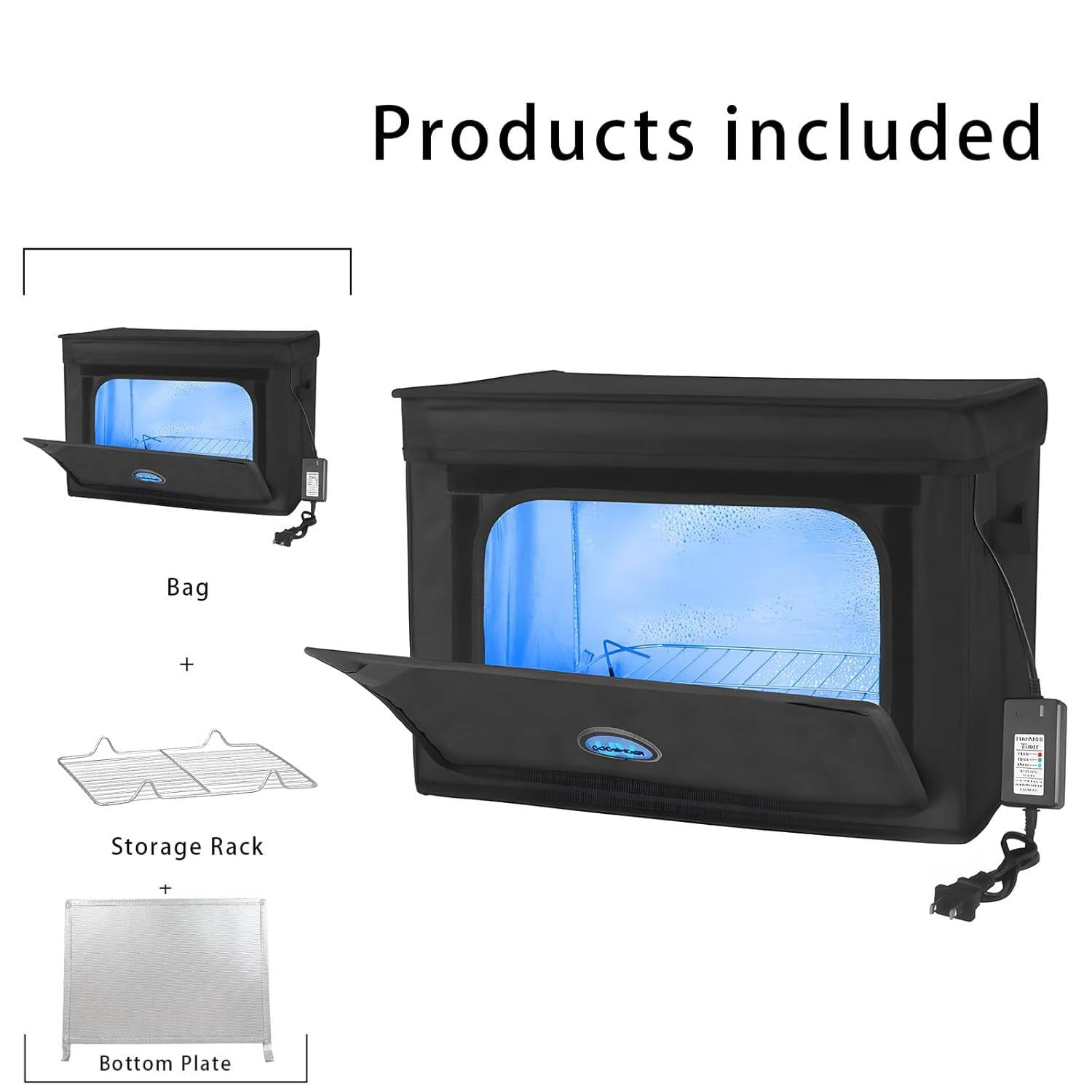
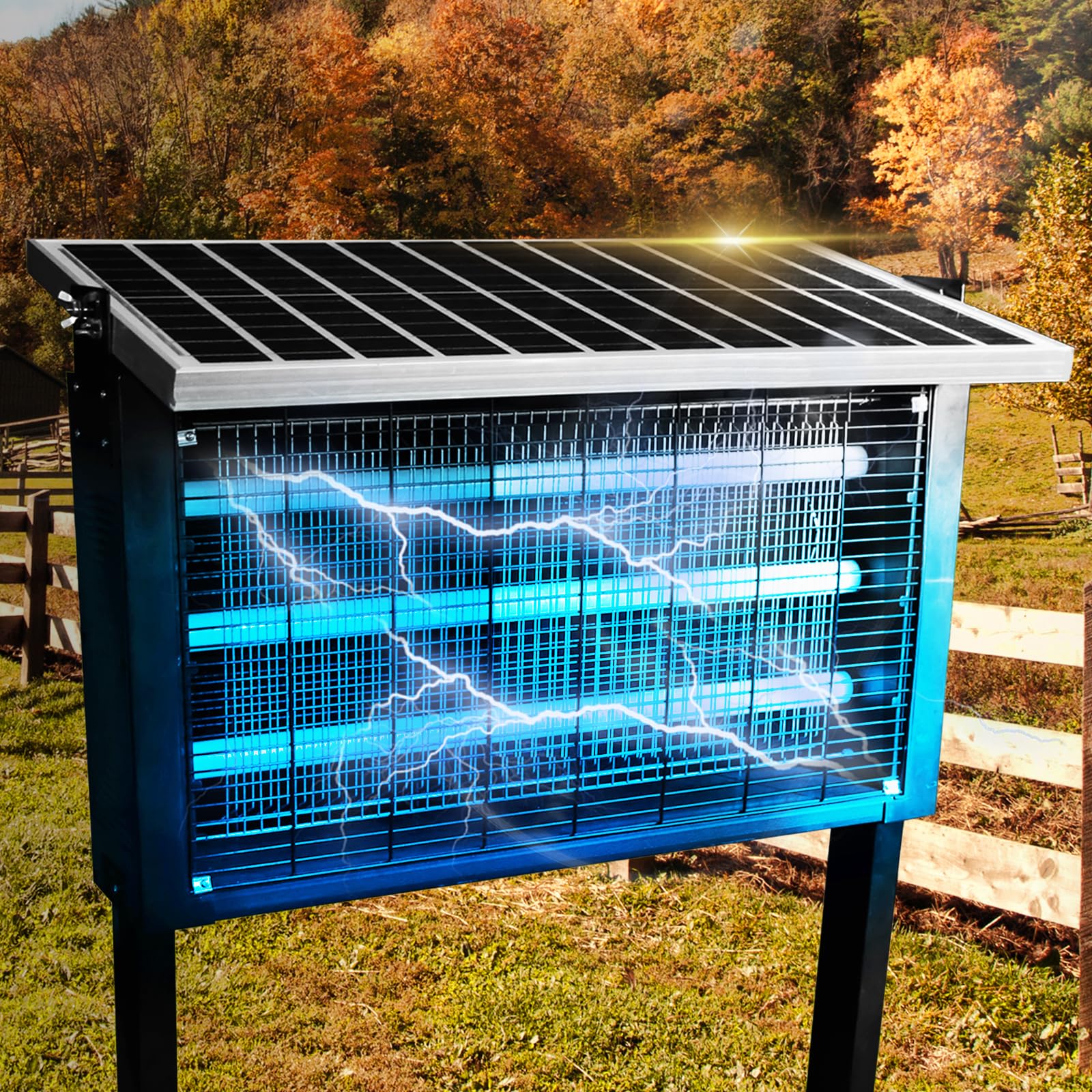
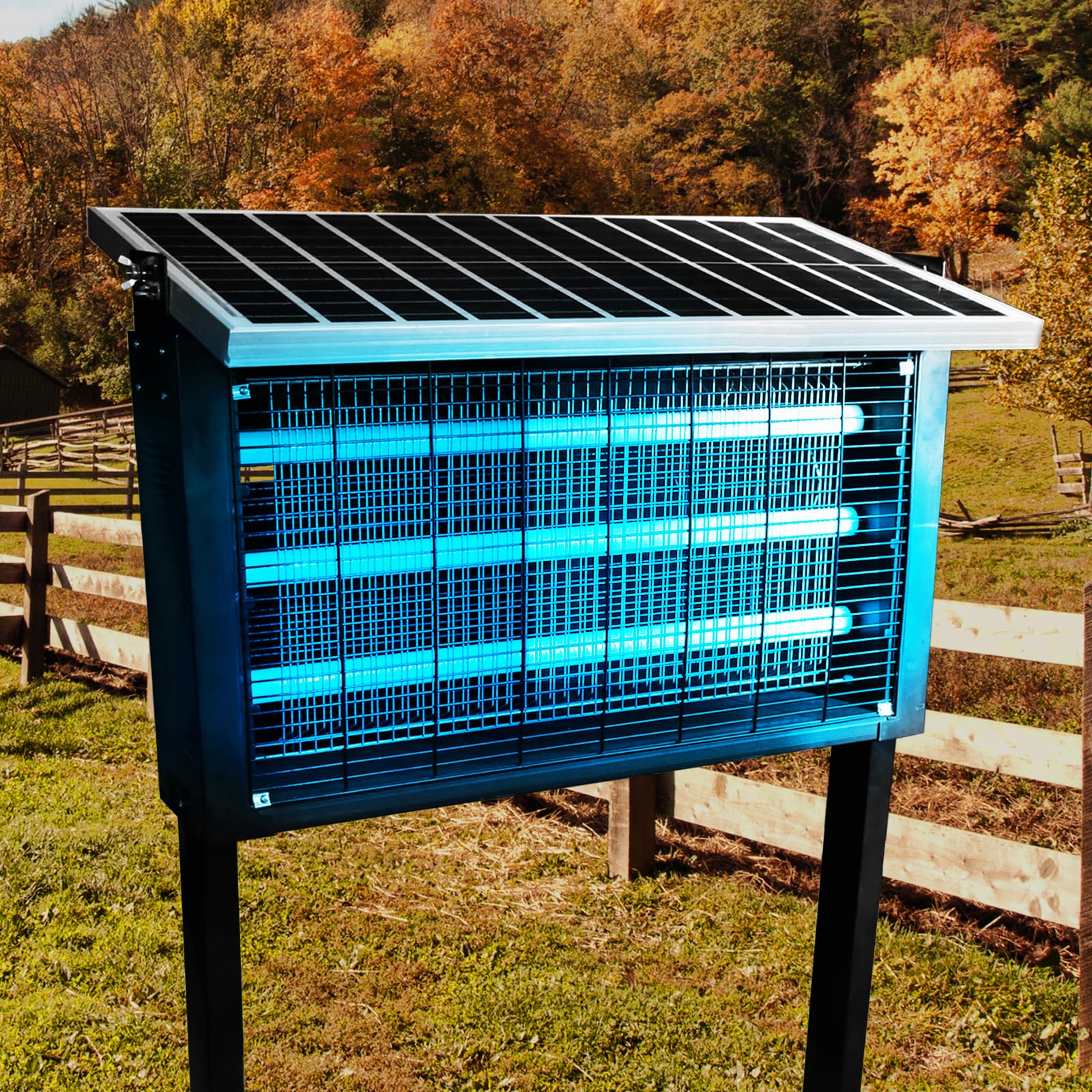
Outdoor Mosquito Control Systems
Some homeowners use additional mosquito management tools.
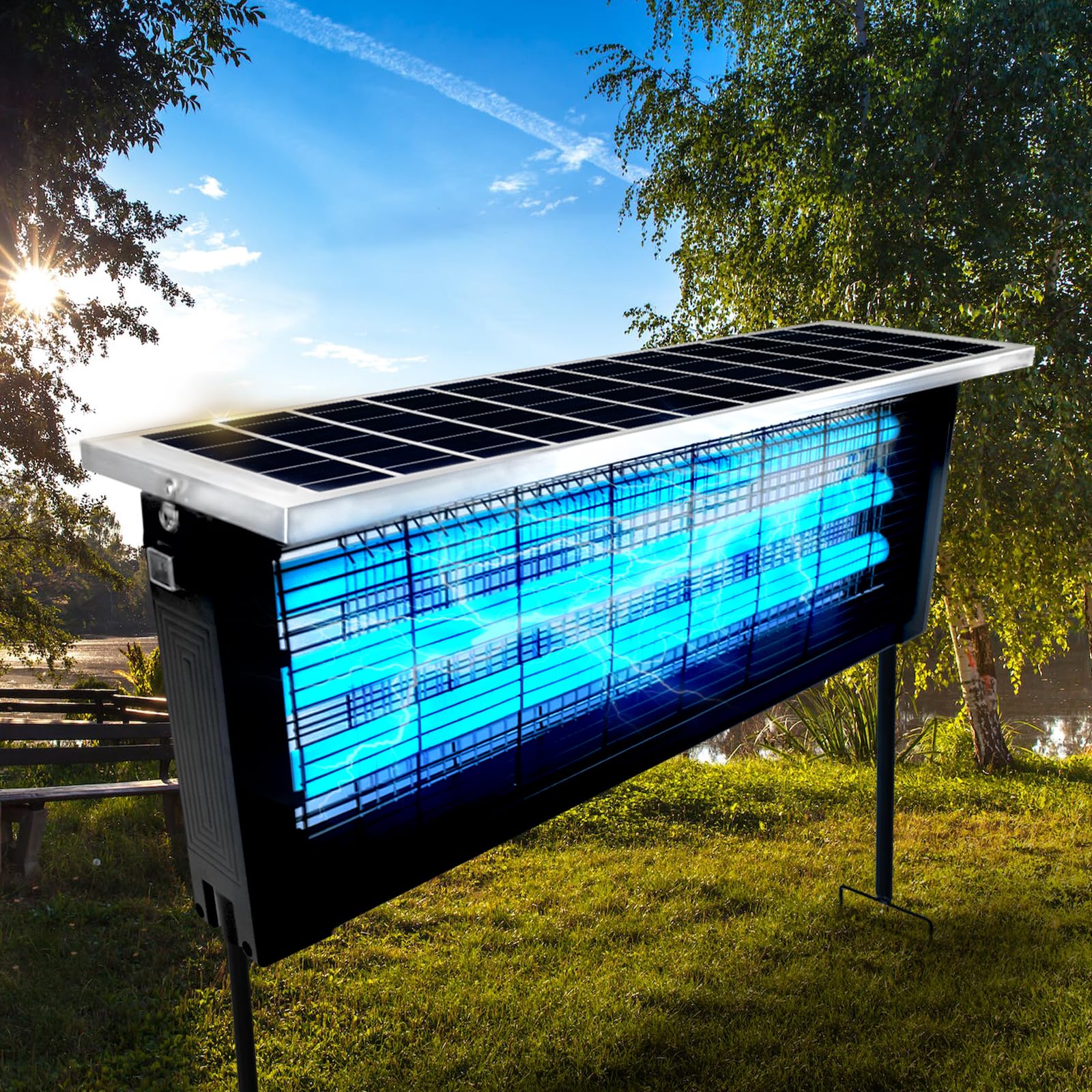
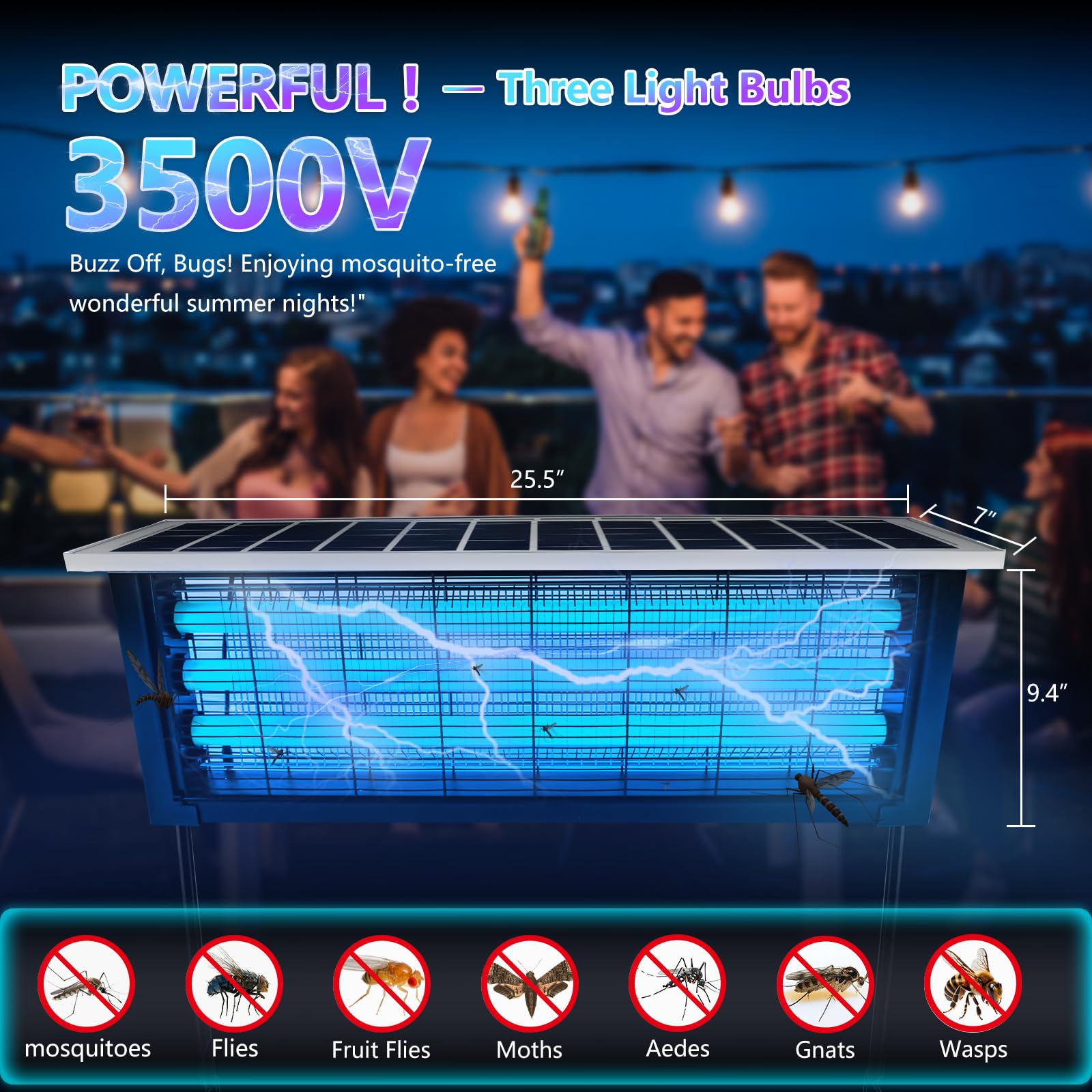
Mosquito Traps
These devices attract mosquitoes using:
-
Heat
-
CO2 simulation
-
Light
-
Scent
Effectiveness varies depending on:
-
Yard size
-
Mosquito density
-
Placement
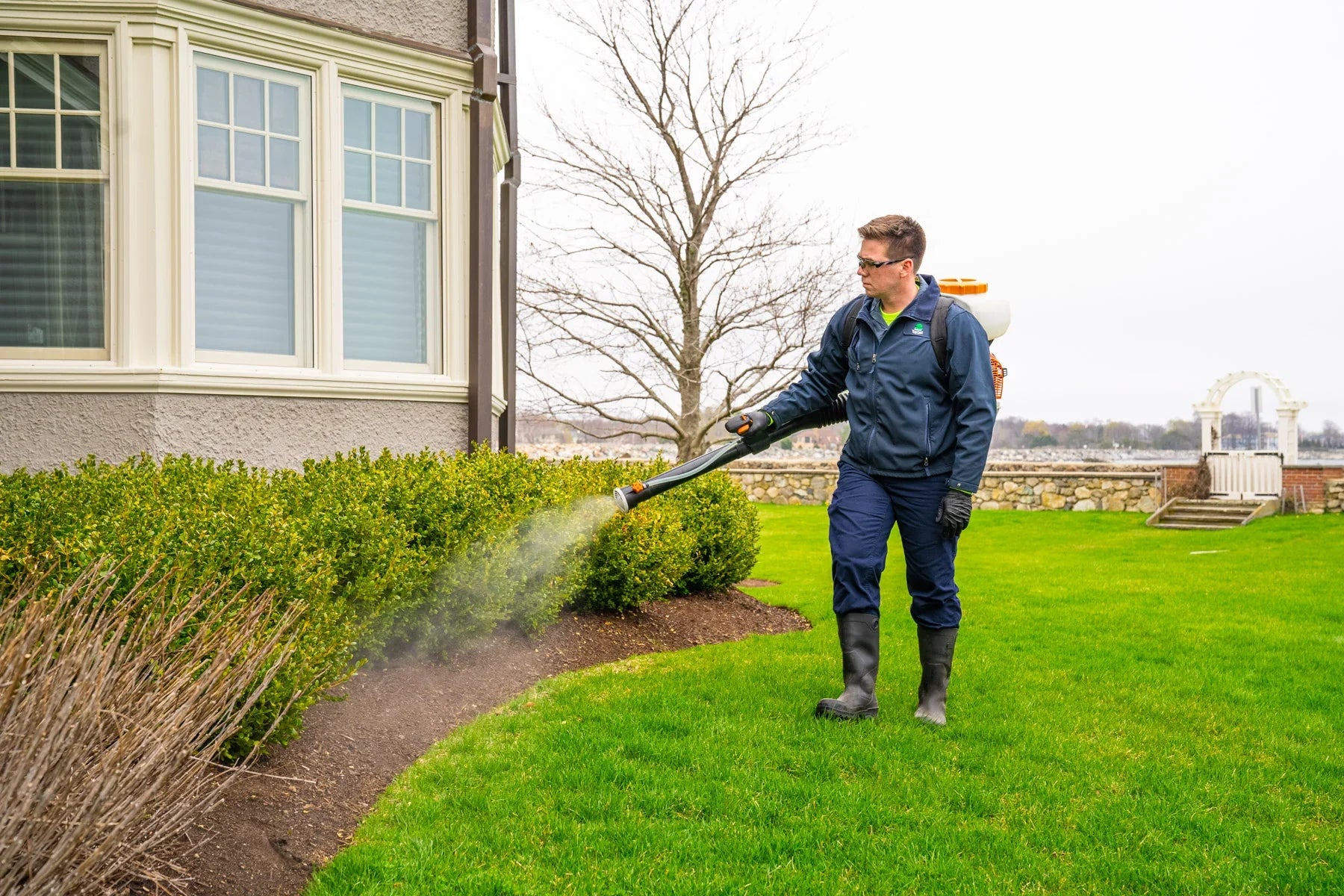
Backyard Fogging Systems
Foggers can temporarily reduce mosquito populations.
However:
-
Results are temporary
-
Repeated treatment may be necessary
-
Environmental impact should be considered
Thermacell-Style Devices
Portable repellent systems create localized mosquito-free zones.
Useful for:
-
Gardening stations
-
Patio work
-
Outdoor seating
Especially effective during calm weather.
Protecting Yourself During Specific Gardening Tasks
Different tasks create different mosquito risks.
Hedge Trimming
High mosquito exposure due to:
-
Dense shade
-
Disturbed vegetation
Wear:
-
Gloves
-
Long sleeves
-
Neck protection
Weeding
Ground-level work exposes:
-
Ankles
-
Arms
-
Lower back
Use kneeling pads and full leg coverage.
Compost Handling
Compost piles retain heat and moisture, attracting insects.
Wear:
-
Gloves
-
Closed shoes
-
Long sleeves
Watering Gardens
Standing water and damp soil increase mosquito activity.
Use quick-draining watering techniques.
Gardening After Rainfall
Mosquito activity spikes dramatically after rain.
Why?
-
New breeding water appears
-
Humidity rises
-
Vegetation stays damp
After rain:
-
Delay yard work if possible
-
Wear maximum protection
-
Expect heavier mosquito pressure
Common Mistakes Gardeners Make
Wearing Shorts During Evening Yard Work
This almost guarantees mosquito bites.
Ignoring Lower Legs
Most lawn-level mosquito attacks occur near the ground.
Leaving Water in Equipment
Common hidden breeding sites:
-
Empty pots
-
Lawn mower covers
-
Tarps
-
Garden carts
Using Fragranced Products
Strong perfumes and scented lotions may attract insects.
Choose unscented outdoor products.
How Mosquito Bites Affect Gardening Enjoyment
Mosquitoes reduce more than physical comfort.
Constant biting affects:
-
Focus
-
Patience
-
Productivity
-
Relaxation
This often shortens outdoor sessions and reduces enjoyment of gardening itself.
Creating a Long-Term Mosquito Reduction Strategy
The best mosquito control combines:
-
Personal protection
-
Smart yard maintenance
-
Moisture control
-
Clothing strategy
-
Repellent use
-
Environmental awareness
No single method works perfectly alone.
Layered defense works best.
Mosquito Protection for Family Gardening
Children and older adults may react more strongly to bites.
For family gardening:
-
Use protective clothing
-
Avoid peak mosquito hours
-
Create shaded airflow areas
-
Inspect yards regularly for standing water
Comfort encourages healthier outdoor habits.
Why Modern Gardening Clothing Has Improved
Today’s outdoor apparel is far more advanced than traditional workwear.
Modern gardening gear offers:
-
UV protection
-
Breathability
-
Insect resistance
-
Moisture management
-
Lightweight comfort
This makes full-body coverage far more practical during hot weather.
Preparing for Extreme Mosquito Seasons
Some summers produce unusually heavy mosquito populations due to:
-
High rainfall
-
Flooding
-
Warm winters
-
Humid weather patterns
During severe mosquito seasons:
-
Increase protective coverage
-
Maintain stricter water management
-
Use multiple mosquito-control methods together
The Future of Mosquito-Defense Gardening Gear
Outdoor innovation continues improving mosquito protection.
Emerging technologies include:
-
Insect-shield fabrics
-
Cooling protective clothing
-
Smart ventilation systems
-
Advanced outdoor repellents
-
Eco-friendly mosquito barriers
Future gardening apparel will likely become:
-
Cooler
-
More breathable
-
More insect resistant
-
More comfortable for all-day use
Final Thoughts
Summer gardening should feel relaxing and rewarding—not like feeding time for mosquitoes. While lawns, flower beds, shrubs, and watering systems naturally attract insects, effective mosquito prevention can dramatically improve outdoor comfort and reduce bites during yard work.
The key is understanding that mosquito control is not just about spraying repellent. Real protection comes from combining:
-
Smart lawn maintenance
-
Proper drainage
-
Strategic timing
-
Protective clothing
-
Moisture control
-
Layered outdoor defense
Whether you are mowing the lawn, trimming hedges, planting vegetables, or maintaining flower beds, these strategies help you stay productive and comfortable without becoming covered in itchy bites.
With the right approach, gardeners can spend more time enjoying summer outdoors—and far less time scratching mosquito bites afterward.