Mosquitoes are more than just a seasonal nuisance. Whether you are hiking through humid forests, fishing beside still water, camping in the backcountry, gardening in the backyard, or traveling to tropical destinations, mosquitoes can quickly turn an enjoyable outdoor experience into an uncomfortable battle.
For years, most people relied heavily on sprays, candles, coils, and topical repellents to avoid bites. But in recent years, a growing number of outdoor enthusiasts, travelers, anglers, hikers, and even casual commuters have started focusing on something much more reliable: mosquito-defense clothing.
Unlike traditional bug sprays that wear off after a few hours, protective clothing creates a physical and sometimes chemical barrier between your skin and biting insects. Modern mosquito-resistant apparel has evolved far beyond thick military uniforms or uncomfortable rain gear. Today’s insect-defense clothing combines lightweight comfort, breathability, UV protection, moisture management, and advanced insect-blocking technologies into wearable daily protection.
From permethrin-treated fabrics to tightly woven textile engineering, certain clothing designs essentially come with “built-in defense power.” Understanding how these systems work can help you choose smarter outdoor clothing and dramatically reduce mosquito exposure without constantly reapplying repellent.
This comprehensive guide explores the science, materials, technologies, and real-world strategies behind mosquito-defense clothing—and why fabric structure matters just as much as chemical treatment.
Why Clothing Matters More Than Most People Realize
Many people underestimate how easily mosquitoes can bite through ordinary clothing.
A common misconception is that simply covering the skin prevents bites. In reality, mosquitoes can penetrate:
-
Thin cotton shirts
-
Lightweight leggings
-
Stretch athletic wear
-
Loose-knit fabrics
-
Damp clothing
Mosquitoes use a needle-like mouthpart called a proboscis, which can pass through surprisingly thin textiles.
This is why some people still get bitten even while wearing long sleeves and pants.
Effective mosquito-defense clothing relies on multiple protective elements:
-
Fabric density
-
Material thickness
-
Surface texture
-
Loose vs tight fit
-
Chemical treatment
-
Moisture management
-
Color selection
The best mosquito-resistant outfits combine several of these factors simultaneously.
Understanding How Mosquitoes Detect Humans
To understand mosquito-defense clothing, it helps to know how mosquitoes locate their targets.
Mosquitoes are attracted by:
-
Carbon dioxide
-
Body heat
-
Sweat
-
Lactic acid
-
Skin bacteria
-
Movement
-
Dark colors
Once mosquitoes land on fabric, they search for areas where:
-
The textile is thin
-
The weave is open
-
The material touches skin directly
This explains why tight athletic clothing often performs poorly against mosquitoes despite covering the body.
What Is Permethrin and Why Is It So Popular?
One of the most important developments in insect-defense clothing is permethrin treatment.
What Is Permethrin?
Permethrin is a synthetic version of pyrethrin, a natural insecticidal compound derived from chrysanthemum flowers.
It is commonly used to treat:
-
Outdoor clothing
-
Military uniforms
-
Camping gear
-
Mosquito nets
-
Hiking apparel
Unlike topical insect repellents that are applied to skin, permethrin is applied directly to fabric.
How Permethrin Works
Permethrin affects the nervous systems of insects upon contact.
Instead of simply masking human scent, it:
-
Repels insects
-
Disorients mosquitoes
-
Reduces landing behavior
-
Incapacitates many insects
This creates a highly effective passive defense system.
Mosquitoes often avoid treated clothing entirely after brief contact.
Why Outdoor Professionals Trust Permethrin
Permethrin-treated clothing is widely used by:
-
Military personnel
-
Forest workers
-
Field researchers
-
Hunters
-
Anglers
-
Hikers
-
Wildlife photographers
These groups spend long hours in high-insect environments where traditional sprays alone are insufficient.
How Long Does Permethrin Treatment Last?
The durability depends on how the treatment was applied.
Factory-Treated Clothing
Professionally treated garments may remain effective through:
-
50–70 washes
-
Several months of heavy use
These treatments are bonded more deeply into the fabric.
DIY Spray Treatments
Consumer sprays usually last:
-
4–6 washes
-
Several weeks depending on usage
Proper application and drying are critical for effectiveness.
Is Permethrin Safe for Humans?
When used properly on clothing, permethrin is generally considered low-risk for humans.
However:
-
It should never be applied directly to skin
-
Wet permethrin is highly toxic to cats
-
Treated clothing must fully dry before wearing
Once dried, treated fabric is considered safe for normal outdoor use.
The Importance of Fabric Density
Chemical treatment alone is not enough.
Fabric density is one of the most overlooked yet important mosquito-defense factors.
What Is Fabric Density?
Fabric density refers to how tightly threads are woven together.
A tighter weave creates:
-
Smaller gaps
-
Greater bite resistance
-
Better physical barriers
Mosquitoes struggle to penetrate densely woven textiles.
Why Thin Stretch Fabrics Fail
Many athletic garments prioritize:
-
Stretch
-
Breathability
-
Ultra-lightweight comfort
Unfortunately, these often create larger openings between fibers when stretched.
Examples include:
-
Yoga pants
-
Compression wear
-
Thin polyester shirts
-
Stretch leggings
When fabric stretches tightly against skin, mosquitoes can easily bite through it.
Best Fabric Types for Mosquito Protection
Not all fabrics perform equally.
Nylon
Nylon is highly effective because it:
-
Maintains structure well
-
Offers tight weave potential
-
Resists stretching
-
Dries quickly
Common in:
-
Hiking pants
-
Outdoor jackets
-
Technical shirts
Polyester Blends
Polyester works well when tightly woven.
Advantages:
-
Lightweight
-
Fast drying
-
Durable
-
Moisture-wicking
However, thin polyester mesh fabrics may provide poor bite resistance.
Ripstop Fabrics
Ripstop textiles use reinforced weaving patterns.
Benefits include:
-
Improved durability
-
Better bite resistance
-
Reduced tearing
Popular in:
-
Tactical gear
-
Travel clothing
-
Outdoor adventure apparel
Softshell Fabrics
Softshell materials offer excellent mosquito protection because of their thickness and dense construction.
Drawback:
-
Can feel hot in humid weather
Loose Fit vs Tight Fit: Which Is Better?
Loose-fitting clothing provides better mosquito defense in most situations.
Why?
Even if mosquitoes penetrate the fabric, they may not reach the skin underneath.
Tight clothing eliminates this protective air gap.
The Science of Air Gaps in Mosquito Protection
One hidden advantage of loose clothing is distance.
Mosquito mouthparts are relatively short.
A loose shirt or relaxed-fit pants create spacing that often prevents successful bites.
This is why:
-
Loose hiking pants outperform leggings
-
Relaxed long sleeves outperform compression shirts
Color Choices That Affect Mosquito Attraction
Color surprisingly influences mosquito behavior.
Mosquitoes are more attracted to:
-
Black
-
Dark blue
-
Deep red
-
Dark green
Lighter colors reflect more heat and are less visually attractive to mosquitoes.
Best clothing colors include:
-
Beige
-
Khaki
-
Light gray
-
Pale green
-
White
UV-Protective Clothing Often Performs Better Against Mosquitoes
Many UPF-rated garments also offer improved mosquito resistance.
Why?
UV-protective fabrics often feature:
-
Denser weaves
-
Technical synthetic fibers
-
Structured textile engineering
This unintentionally improves bite resistance.
Moisture Management Matters
Sweaty clothing increases mosquito attraction.
Mosquitoes are highly responsive to:
-
Body heat
-
Sweat
-
Moisture buildup
High-performance mosquito-defense clothing should include:
-
Moisture-wicking capability
-
Ventilation zones
-
Fast-drying fabrics
Staying cooler helps reduce mosquito targeting.
Why Mesh Ventilation Must Be Designed Carefully
Some outdoor shirts include mesh ventilation panels.
Poorly designed mesh can become a mosquito entry point.
Ideal mosquito-defense ventilation:
-
Uses ultra-fine mesh
-
Maintains dense structure
-
Limits direct skin contact
Integrated Insect Shield Technology
Some modern brands integrate proprietary insect-defense technologies directly into clothing.
These systems often combine:
-
Permethrin treatment
-
Specialized weaving
-
Lightweight technical fabrics
Benefits include:
-
Reduced need for skin sprays
-
Long-duration protection
-
Improved convenience
Popular among:
-
Travelers
-
Safari tourists
-
Backpackers
-
Tropical adventurers
Best Mosquito-Defense Clothing for Different Activities
Different environments require different strategies.
Hiking and Backpacking
Best choices:
-
Loose nylon pants
-
Permethrin-treated shirts
-
Breathable gaiters
-
Wide-brim hats
Priorities:
-
Breathability
-
Weight reduction
-
Tick protection
Fishing
Anglers benefit from:
-
Lightweight long sleeves
-
Neck gaiters
-
Fingerless gloves
-
Thin but dense woven fabrics
Waterfront environments demand all-day protection.
Tropical Travel
Tropical regions often require maximum protection.
Recommended:
-
Full-length pants
-
Treated socks
-
Lightweight overshirts
-
Ventilated but tightly woven fabrics
Gardening and Backyard Use
Casual users may prefer:
-
Lightweight bug jackets
-
Treated work shirts
-
Breathable outdoor pants
Comfort becomes especially important during summer heat.
Mosquito-Defense Accessories That Matter
Protection goes beyond shirts and pants.
Neck Gaiters
Mosquitoes frequently target:
-
Necklines
-
Ears
-
Jaw areas
Lightweight gaiters provide excellent coverage.
Gloves
Hands are often exposed during:
-
Fishing
-
Photography
-
Camping setup
Thin outdoor gloves reduce bites significantly.
Socks and Footwear
Mosquitoes love ankles because:
-
Blood vessels sit close to skin
-
Fabric often fits tightly here
Tall socks and loose pant cuffs help reduce ankle bites.
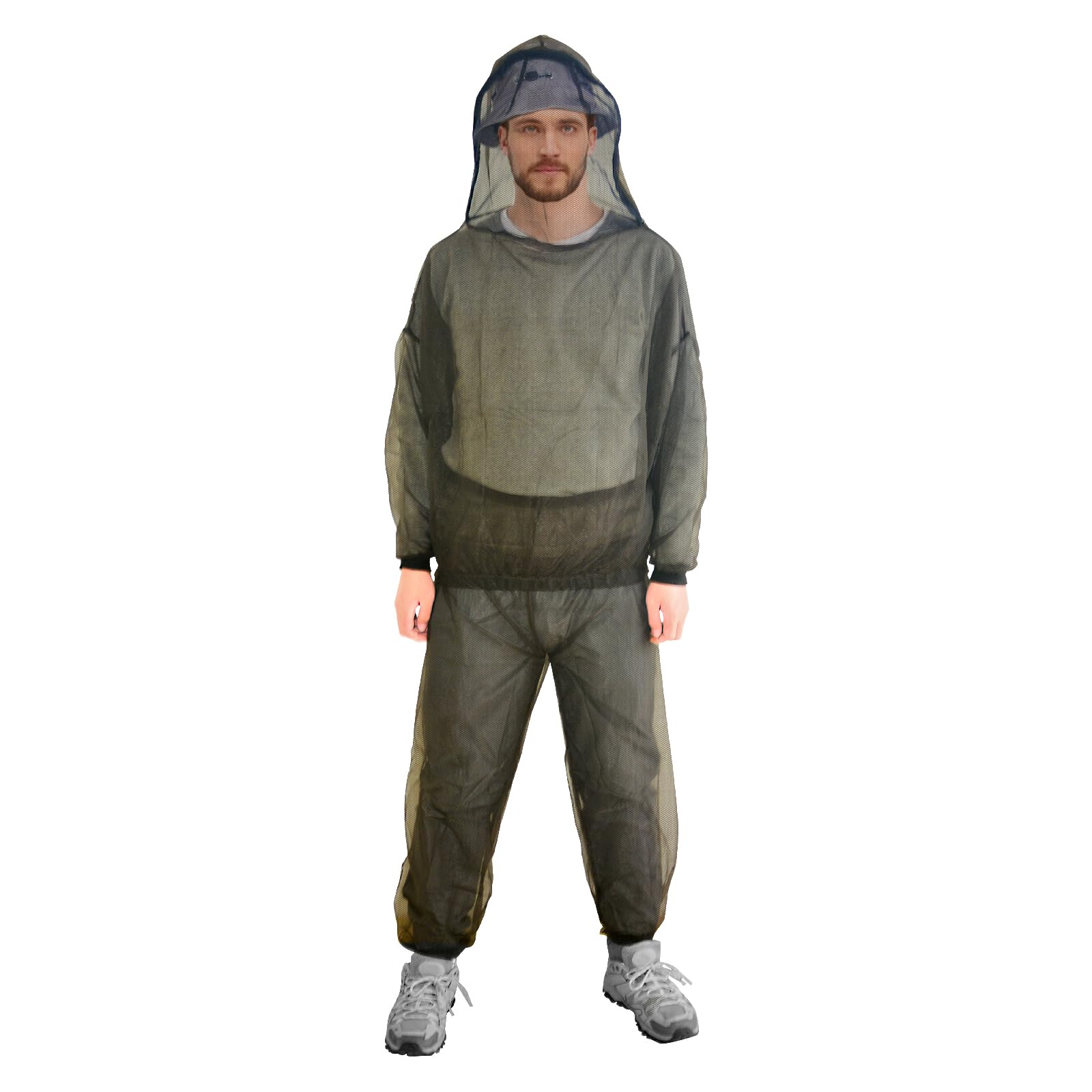
Bug Jackets and Full Mesh Systems
For extreme mosquito conditions, bug jackets become highly effective.
These systems use:
-
Fine mesh barriers
-
Oversized fits
-
Breathable spacing
Especially useful in:
-
Arctic fishing zones
-
Wetlands
-
Dense forests
Why Everyday Fashion Often Performs Poorly
Modern casual fashion prioritizes:
-
Stretch
-
Thin materials
-
Slim fits
Unfortunately, these are poor mosquito-defense characteristics.
Common weak points:
-
Leggings
-
Thin joggers
-
Tight athletic shirts
-
Fashion denim with stretch blends
The Hidden Problem With Wet Clothing
Wet fabric clings closer to skin.
This makes mosquito penetration easier.
After:
-
Rain
-
Sweat buildup
-
Water sports
Mosquito bites often increase dramatically.
Fast-drying fabrics are therefore essential.
Combining Clothing With Repellents
Even excellent mosquito-defense clothing works best as part of a layered strategy.
Combine:
-
Protective fabrics
-
Topical repellents
-
Campsite awareness
-
Smart timing
-
Portable airflow
No single solution is perfect alone.
Common Mistakes People Make With Mosquito Clothing
Assuming All Long Sleeves Work
Thin fabric still allows bites.
Wearing Tight Athletic Clothing Outdoors
Stretch fabrics often fail under mosquito pressure.
Ignoring Ankles and Neck Areas
Mosquitoes exploit exposed transition zones.
Forgetting Re-Treatment
DIY permethrin treatments eventually fade.
Choosing Fashion Over Function
Outdoor performance fabrics usually outperform casual clothing.
How to Test Whether Clothing Is Mosquito Resistant
A simple visual test:
-
Hold fabric toward bright light
If large amounts of light pass through easily, mosquitoes may also penetrate more easily.
Another indicator:
-
Stretch the fabric
If the weave opens dramatically, bite risk increases.
The Future of Mosquito-Defense Apparel
Outdoor textile innovation continues evolving rapidly.
Emerging technologies include:
-
Embedded insect-repelling fibers
-
Advanced cooling fabrics
-
Smart ventilation systems
-
Nano-weave structures
-
Biodegradable treatments
Future mosquito-defense clothing will likely become:
-
Lighter
-
More breathable
-
More durable
-
Less chemically dependent
Why Mosquito-Defense Clothing Is Becoming Mainstream
Insect-protective clothing is no longer limited to survivalists or extreme adventurers.
Growing concerns about:
-
Outdoor comfort
-
Tick exposure
-
Tropical travel
-
Climate-related mosquito expansion
have pushed mosquito-defense apparel into mainstream outdoor fashion.
Even casual outdoor users now seek clothing that balances:
-
Comfort
-
Breathability
-
Sun protection
-
Insect resistance
Final Thoughts
Mosquito-defense clothing has evolved into one of the most effective and practical ways to reduce insect bites in outdoor environments. From advanced permethrin treatment to high-density woven fabrics, today’s protective apparel combines science, engineering, and outdoor functionality into wearable defense systems.
The best mosquito-resistant outfits do more than simply cover the skin. They strategically use:
-
Tight fabric structures
-
Loose ergonomic fits
-
Moisture management
-
Smart color selection
-
Insect-repelling technologies
to create layered protection against biting insects.
Whether you are hiking remote trails, fishing beside wetlands, traveling through tropical regions, camping in humid forests, or simply spending summer evenings outdoors, choosing the right clothing can dramatically improve comfort and reduce mosquito exposure.
In many cases, the most powerful mosquito defense is not the spray bottle in your backpack—it is the clothing you wear before you even step outside.