Winter can be one of the most challenging seasons for aquarium owners. As outdoor temperatures drop, indoor heating systems begin working harder, rooms may experience temperature fluctuations, and tap water can become significantly colder than the water inside an aquarium. These seasonal changes create an often-overlooked problem: the temperature difference between aquarium water and replacement water during routine water changes.
Many fishkeepers understand the importance of removing waste, controlling ammonia, and maintaining clean aquarium water. However, they sometimes overlook how quickly a sudden temperature change can affect fish. Adding cold replacement water directly to a warm aquarium may cause fish to experience temperature shock, weaken their natural defenses, and become more vulnerable to disease.
Even fish that appear healthy can become stressed after an improperly performed water change. Symptoms may include rapid breathing, reduced activity, loss of appetite, clamped fins, unusual swimming behavior, and increased susceptibility to common aquarium diseases.
The good news is that winter water changes do not have to be dangerous. With proper preparation, accurate temperature measurements, gradual water addition, and a consistent maintenance routine, aquarium owners can keep their tanks clean without exposing their fish to unnecessary temperature stress.
In this guide, we will explain why temperature differences matter, how to prepare replacement water, how to match water temperatures safely, and which winter water-changing mistakes every fishkeeper should avoid.
1. Why Are Winter Aquarium Water Changes More Dangerous?
Water temperature is one of the most important environmental factors affecting aquarium fish. Unlike mammals, fish cannot maintain a stable internal body temperature independently of their surroundings. Their metabolism, immune function, digestion, and activity levels are strongly influenced by the temperature of the water around them.
When replacement water is much colder than aquarium water, fish may experience a sudden environmental change that their bodies cannot adjust to comfortably.
1.1 Winter Tap Water Is Often Much Colder
During warmer months, tap water may naturally be relatively close to the temperature maintained in a tropical aquarium. In winter, however, underground water pipes, municipal water supplies, and household plumbing can deliver significantly colder water.
For example, a tropical aquarium may be maintained at 78°F, while winter tap water may be only 45°F to 55°F.
If a fishkeeper adds several gallons of this cold water directly into the aquarium, the overall temperature may drop quickly.
The actual temperature change depends on several factors:
-
The volume of replacement water.
-
The total volume of the aquarium.
-
The temperature of the incoming water.
-
The circulation rate inside the aquarium.
-
The efficiency of the aquarium heater.
-
The amount of insulation around the tank.
A small aquarium is especially vulnerable because a relatively small quantity of cold water can produce a noticeable temperature change.
1.2 Fish Are Sensitive to Sudden Temperature Fluctuations
Different fish species have different temperature requirements and tolerances. Tropical fish such as bettas, guppies, neon tetras, and many freshwater community fish generally require relatively stable water temperatures.
Sudden temperature fluctuations can interfere with normal physiological processes.
Potential consequences include:
-
Increased physiological stress.
-
Changes in metabolic activity.
-
Reduced feeding behavior.
-
Impaired immune responses.
-
Respiratory distress.
-
Increased vulnerability to opportunistic infections.
A temperature drop does not automatically cause a specific disease. However, stress can make fish less capable of coping with pathogens already present in their environment.
This is why a fish that seemed perfectly healthy before a water change may begin showing unusual symptoms afterward.
1.3 Aquarium Heaters Cannot Always Compensate Immediately
Some aquarium owners assume that their heaters will quickly restore the correct temperature after cold water is added.
Unfortunately, this is not always true.
An aquarium heater has a limited heating capacity. If a large quantity of cold water enters the tank, the heater may need considerable time to restore the original temperature.
During that period, fish remain exposed to changing environmental conditions.
Repeatedly relying on the heater to correct large temperature differences is not a good winter maintenance strategy. It is much safer to prepare replacement water before introducing it into the aquarium.
2. What Happens When Fish Experience Temperature Shock?
Temperature shock is a common term used by aquarium hobbyists to describe the stress or physiological disruption associated with rapid temperature changes.
It is important to understand that fish do not all react in exactly the same way. A hardy goldfish may tolerate a particular temperature fluctuation better than a sensitive tropical fish.
Nevertheless, sudden changes can affect fish in several important ways.
2.1 Changes in Metabolism
Fish metabolism is closely connected to water temperature.
When water becomes colder, many fish experience reduced metabolic activity. Digestion slows, swimming may become less energetic, and feeding behavior can change.
A sudden temperature drop can disrupt the fish's ability to adjust smoothly to these changes.
If the water temperature fluctuates repeatedly, fish may have difficulty maintaining normal physiological balance.
2.2 Increased Respiratory Stress
Temperature changes can influence oxygen availability and fish respiration.
Cold water generally holds more dissolved oxygen than warm water, but this does not mean a sudden temperature drop is harmless.
Fish must still adjust to the new environmental conditions. Rapid temperature changes may contribute to abnormal breathing, particularly when other water-quality problems are present.
If fish begin gasping near the surface, breathing rapidly, or gathering around filter outlets, investigate dissolved oxygen, ammonia, nitrite, and other possible causes rather than assuming temperature is the only problem.
2.3 Reduced Resistance to Disease
Stress is one of the major factors that can contribute to health problems in aquarium fish.
When fish experience repeated environmental disturbances, their ability to cope with pathogens may be compromised.
Common conditions that may become more noticeable after periods of stress include:
-
Ich, also known as white spot disease.
-
Fin deterioration associated with bacterial infections.
-
Fungal growth on damaged tissue.
-
Opportunistic bacterial infections.
-
Secondary infections following skin or gill irritation.
It is important to remember that temperature differences do not directly create parasites or bacteria. Instead, poor environmental conditions and stress can increase the likelihood that existing pathogens will cause problems.
Maintaining stable aquarium conditions is therefore an essential part of disease prevention.
3. How to Determine the Correct Temperature for Replacement Water
Before performing a winter water change, the first step is to determine the current aquarium temperature.
Never rely entirely on how the water feels when touched. Human hands are not accurate temperature-measuring instruments.
A difference of several degrees Fahrenheit may be difficult to recognize by touch, especially when the room itself is cold.
3.1 Measure the Aquarium Temperature
Use a reliable aquarium thermometer to check the water temperature.
Several options are available:
Digital aquarium thermometers: These provide convenient numerical readings and are easy to monitor.
Glass thermometers: Traditional aquarium thermometers are inexpensive and generally reliable when used correctly.
Temperature controllers: These devices can monitor aquarium temperature and help regulate compatible heating equipment.
For better accuracy, place the thermometer in an area with good water circulation rather than directly beside the heater.
Record the temperature before starting the water change.
3.2 Measure the Replacement Water Separately
Prepare replacement water in a clean container reserved for aquarium use.
Measure its temperature before adding it to the tank.
For example:
-
Aquarium temperature: 78°F.
-
Replacement water temperature: 52°F.
-
Temperature difference: 26°F.
This difference is too large for direct addition to a tropical aquarium.
The replacement water should be brought close to the aquarium's existing temperature before it is introduced.
3.3 Aim for a Small Temperature Difference
For most routine water changes involving tropical freshwater fish, matching replacement water as closely as reasonably possible is the safest approach.
A practical target is to keep the difference within approximately 1–2°F whenever possible.
Some hardy species may tolerate slightly larger differences, but sensitive species, fry, and fish already under stress may require even more careful temperature management.
The ideal approach is not to test how much temperature variation fish can tolerate. It is to minimize unnecessary changes.
For coldwater species, the target temperature should reflect their actual care requirements rather than automatically matching tropical aquarium recommendations.
4. Step-by-Step Guide to Matching Replacement Water Temperature
Preparing replacement water correctly is one of the easiest ways to make winter aquarium maintenance safer.
Follow these steps before every routine water change.
Step 1: Prepare a Dedicated Water Container
Choose a clean container that has never been used to store detergents, cleaning products, chemicals, or other household substances.
Even small traces of cleaning chemicals can be dangerous to aquarium fish.
A food-grade plastic bucket or dedicated aquarium water container is usually suitable.
Make sure the container is large enough to hold the amount of replacement water you need.
Step 2: Add the Correct Water Source
Fill the container with tap water or another appropriate water source.
If you use tap water, remember that temperature is not the only consideration.
Municipal water may contain chlorine or chloramine, both of which can harm fish.
Use a suitable aquarium water conditioner according to the manufacturer's instructions.
If your local water supply contains chloramine, simply allowing water to stand overnight is not a reliable substitute for proper treatment.
Step 3: Adjust the Temperature Gradually
If the replacement water is too cold, gradually bring it toward the aquarium's target temperature.
You can use several methods:
-
Allow the water container to stand in a warmer indoor area.
-
Use an appropriately rated, fully submerged aquarium heater in the prepared water.
-
Mix suitable water sources to reach the desired temperature, provided all water is properly conditioned and chemically safe.
-
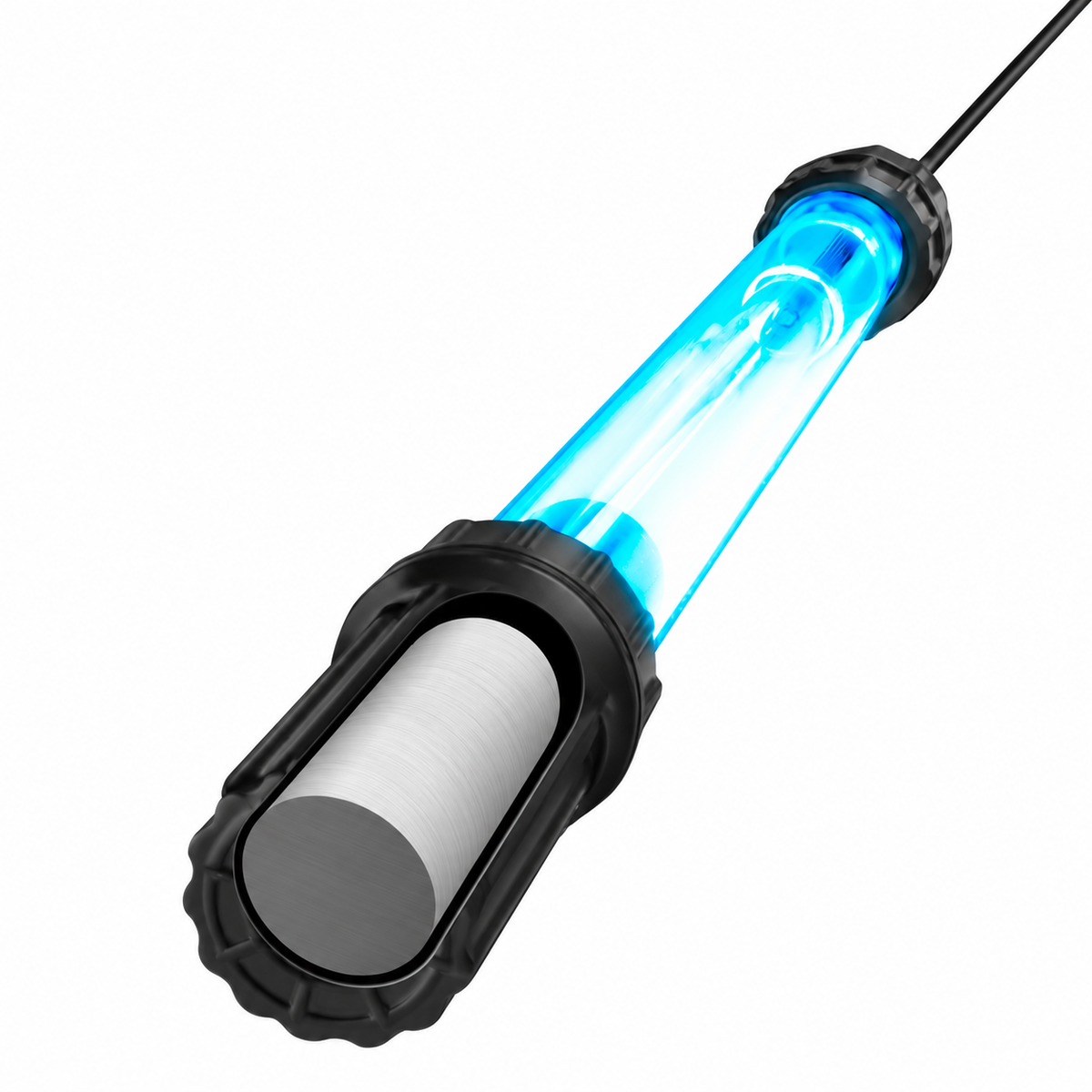
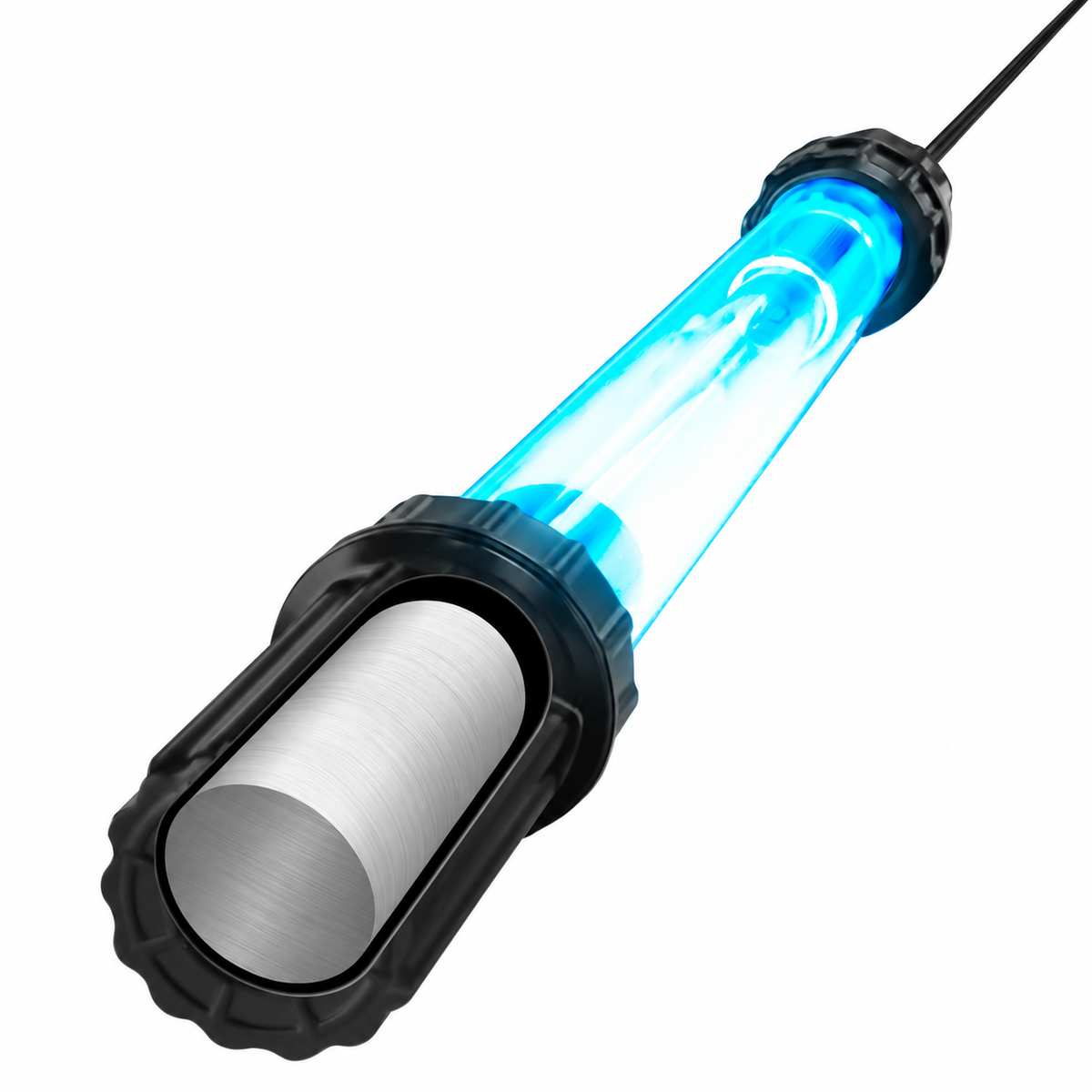
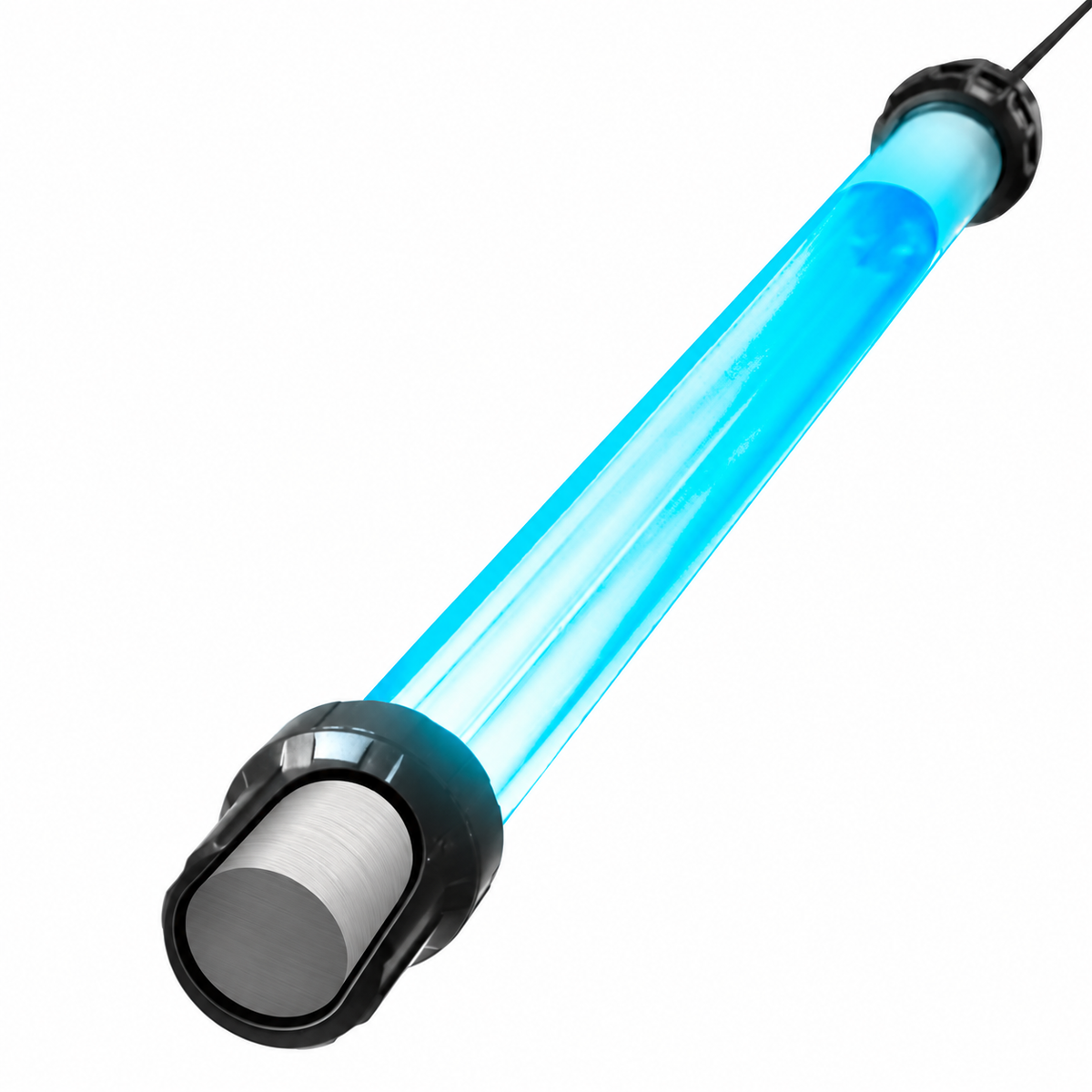
Use a dedicated temperature-controlled water preparation system.
If using a heater, make sure it is designed for the container's water volume and follow all safety instructions.
Never operate a heater outside the water or allow it to run dry.
Avoid pouring boiling water directly into the replacement water container. Extremely hot water can create localized temperature differences and may damage plastic containers.
Step 4: Stir and Recheck the Water
Water in a preparation bucket may not have a uniform temperature.
The area near a heater may be warmer than the water at the opposite end.
Gently circulate or stir the water and measure its temperature again.
This helps ensure that the entire batch is close to the desired temperature.
Step 5: Confirm Water Quality and Temperature
Before adding the replacement water, confirm the following:
-
The temperature is close to the aquarium temperature.
-
The water conditioner has been added correctly.
-
The water source is appropriate for the fish.
-
The container is free of contaminants.
-
The water has been adequately mixed.
Once these conditions are satisfied, the replacement water is ready for use.
5. How to Add Replacement Water Without Causing Temperature Shock
Matching water temperature is essential, but the way replacement water enters the aquarium also matters.
Pouring a large amount of water rapidly into one location can create localized temperature changes and disturb fish.
A controlled addition process is preferable.
5.1 Add Water Slowly
Use a clean pitcher, small bucket, or aquarium water-change hose to introduce replacement water gradually.
For small aquariums, adding water in several portions can help reduce sudden changes.
For larger tanks, a controlled hose system can make the process more convenient.
The objective is to prevent sudden environmental changes rather than simply completing the water change as quickly as possible.
5.2 Avoid Pouring Directly Onto Fish
Never pour replacement water directly onto fish, delicate plants, or sensitive decorations.
Direct water flow can frighten fish, disturb the substrate, and create unnecessary turbulence.
Instead, direct the incoming water toward a suitable area of the aquarium.
You can also pour water onto a clean aquarium-safe plate or another suitable surface to distribute the flow more gently.
5.3 Maintain Appropriate Water Circulation
Keep the filter operating during a normal water change whenever practical.
Water circulation helps distribute the replacement water throughout the aquarium.
However, always follow the manufacturer's instructions for the filter and heater.
If the water level drops below a heater's minimum operating level, turn the heater off before exposing it to air.
Some heaters can crack if exposed to air and then suddenly returned to cold water.
Follow the required cooling period before removing or handling the heater.
5.4 Monitor the Temperature After Refilling
Once the water change is complete, check the aquarium temperature again.
Observe whether the heater is functioning normally and whether the water temperature remains stable.
Avoid repeatedly adjusting the heater's thermostat in response to every minor temperature variation.
Allow the system to stabilize and investigate any unexpected or persistent temperature changes.
6. How Much Water Should You Change During Winter?
Another important winter maintenance question is how much water should be replaced at one time.
There is no universal percentage that works for every aquarium.
The correct amount depends on fish stocking density, feeding habits, filtration capacity, nitrate accumulation, water quality, and the aquarium's overall maintenance needs.
6.1 Routine Partial Water Changes
For many established freshwater aquariums, a weekly partial water change of approximately 10%–25% can be a reasonable starting point.
However, this is not a strict rule.
Some lightly stocked aquariums may need less frequent maintenance, while heavily stocked aquariums may require more frequent or larger changes.
Test the water regularly and adjust your maintenance schedule according to actual water conditions.
6.2 Avoid Unnecessary Large Water Changes
Large water changes are not automatically harmful.
In some situations, they are necessary to correct serious water-quality problems.
However, replacing a large proportion of aquarium water without preparing the replacement water properly can produce substantial changes in temperature and water chemistry.
For routine maintenance, smaller and consistent water changes are often easier to manage during winter.
6.3 Do Not Skip Water Changes Completely
Some aquarium owners become concerned about cold tap water and decide to avoid winter water changes altogether.
This can create another problem.
Fish continuously produce waste, uneaten food decomposes, and biological processes contribute to nitrate accumulation.
Without proper maintenance, aquarium water quality can deteriorate.
The solution is not to stop changing water. It is to prepare replacement water correctly.
7. Special Considerations for Different Types of Aquarium Fish
Not all aquarium fish have identical temperature requirements.
Understanding the needs of your particular species is important when preparing replacement water.
7.1 Tropical Community Fish
<PRIVATE_PERSON> Guppies, mollies, platies, and many common community fish are generally maintained in relatively warm water.
For these species, consistency is important.
Sudden temperature drops can cause unnecessary stress, particularly in smaller aquariums.
Prepare replacement water close to the established aquarium temperature and avoid adding large quantities of cold water.
7.2 Betta Fish
Bettas are tropical fish that benefit from stable, appropriately warm water.
Because many bettas are kept in relatively small aquariums, temperature changes can occur more quickly than in larger systems.
Small-volume aquariums require particular attention during winter.
Use a reliable heater where appropriate, monitor the water temperature, and prepare replacement water carefully.
7.3 Goldfish
Goldfish are generally more tolerant of cooler temperatures than many tropical fish.
However, this does not mean they should experience abrupt temperature fluctuations.
Goldfish still benefit from stable environmental conditions and properly prepared replacement water.
Their temperature requirements also vary with variety, age, health, and living conditions.
Avoid automatically using tropical aquarium temperature recommendations for goldfish.
7.4 Discus Fish
Discus are often considered more sensitive to water-quality and environmental fluctuations.
They require particularly careful aquarium management.
When changing water in a discus aquarium, pay close attention to temperature, pH, hardness, and other relevant water parameters.
Replacement water should be prepared in advance and introduced gradually.
7.5 Shrimp and Other Sensitive Invertebrates
Freshwater shrimp and certain aquarium invertebrates can be sensitive to changes in water chemistry and temperature.
For these aquariums, matching only the temperature may not be sufficient.
Differences in pH, general hardness, carbonate hardness, and total dissolved solids can also create stress.
Prepare replacement water carefully and avoid introducing large amounts of water with significantly different parameters.
8. Five Common Winter Water-Changing Mistakes to Avoid
Even experienced aquarium owners can make mistakes when performing water changes in cold weather.
Understanding these common problems can help prevent unnecessary fish stress.
Mistake 1: Adding Cold Tap Water Directly
This is one of the most common winter maintenance mistakes.
Cold tap water may be much colder than the aquarium water.
Adding it directly can create sudden temperature fluctuations.
Better approach: Prepare replacement water in advance, treat it appropriately, and bring it close to the aquarium temperature before use.
Mistake 2: Guessing Water Temperature by Touch
Touching the water with your hand is not an accurate way to determine whether two water sources have similar temperatures.
Your hands may adapt quickly to temperature changes, making differences difficult to recognize.
Better approach: Use a reliable thermometer to measure both aquarium water and replacement water.
Mistake 3: Adding Too Much Water Too Quickly
Even when the replacement water is correctly conditioned, rapid addition can disturb the aquarium environment.
This is especially important in small tanks and aquariums containing sensitive species.
Better approach: Add water gradually and distribute the flow gently.
Mistake 4: Using Hot Water Without Checking Its Quality
Some aquarium owners use household hot tap water to warm replacement water.
However, hot-water plumbing can introduce additional water-quality considerations, including possible metal contamination depending on the plumbing system.
Water from household hot-water systems should not automatically be assumed safe for aquariums.
Better approach: Use a safe, tested water source and warm the prepared water in a dedicated container with an appropriate heater or another controlled method.
Mistake 5: Ignoring Water Chemistry
Matching temperature does not guarantee that replacement water is safe.
Differences in pH, hardness, chlorine, chloramine, and dissolved substances can also affect fish.
Better approach: Test and condition replacement water according to the needs of your aquarium.
Temperature control and water-quality management should always work together.
9. What Should You Do If You Accidentally Add Cold Water?
Mistakes happen, especially during busy winter mornings or when aquarium maintenance is performed in a hurry.
If you accidentally add replacement water that is significantly colder than the aquarium, remain calm.
The next steps depend on the size of the temperature difference, the amount of water added, and the condition of the fish.
Step 1: Check the Actual Water Temperature
Use a thermometer to determine the current aquarium temperature.
Do not assume that the temperature has dropped significantly just because the replacement water felt cold.
Measure first.
Step 2: Observe the Fish
Look for signs of unusual behavior, including:
-
Rapid breathing.
-
Sudden loss of activity.
-
Clamped fins.
-
Loss of appetite.
-
Erratic swimming.
-
Unusual hiding behavior.
-
Gathering near the surface or filter outlet.
These symptoms can have several possible causes, so do not automatically attribute them to temperature alone.
Step 3: Restore the Appropriate Temperature Gradually
If the aquarium temperature has dropped below the appropriate range, allow a properly functioning heater to restore the temperature gradually.
Avoid attempting to correct the situation by pouring hot water directly into the aquarium.
Rapidly raising the temperature can create additional stress.
Step 4: Check Other Water Parameters
Test ammonia and nitrite, and check nitrate and pH where appropriate.
Also verify that the filter is operating correctly and that there is sufficient water movement.
If fish show severe distress, consult an experienced aquatic veterinarian or qualified aquarium professional.
Step 5: Avoid Additional Unnecessary Changes
Do not immediately perform another large water change simply because the first one was stressful.
Instead, identify the problem, stabilize the aquarium, and determine whether additional intervention is actually necessary.
If ammonia or nitrite is elevated, appropriate corrective water changes may still be required. In that situation, prepare replacement water carefully and match its relevant parameters as closely as possible.
10. How to Maintain Stable Aquarium Temperatures Throughout Winter
Preventing temperature shock starts before water-changing day.
A stable aquarium environment makes routine maintenance easier and reduces unnecessary stress.
10.1 Choose an Appropriate Aquarium Heater
A reliable aquarium heater is an important piece of equipment for most tropical freshwater aquariums.
When selecting a heater, consider:
-
Aquarium water volume.
-
Room temperature.
-
Desired aquarium temperature.
-
Heater wattage.
-
Product quality.
-
Safety features.
-
Manufacturer recommendations.
A heater that is too weak may struggle to maintain the desired temperature during cold weather.
On the other hand, an improperly selected or malfunctioning heater may overheat the aquarium.
For larger tanks, multiple appropriately sized heaters may provide more even heating and some redundancy, provided the setup is designed safely.
10.2 Use a Separate Thermometer
Never rely entirely on the heater's built-in temperature display.
A separate thermometer provides an additional way to verify actual water temperature.
This is especially useful when a heater thermostat becomes inaccurate or begins malfunctioning.
10.3 Keep the Aquarium Away From Cold Drafts
Avoid placing aquariums near:
-
Frequently opened exterior doors.
-
Uninsulated windows.
-
Air-conditioning vents.
-
Exterior walls with poor insulation.
-
Areas exposed to direct cold airflow.
These locations can contribute to temperature fluctuations.
Moving an aquarium away from a cold draft may improve temperature stability without requiring additional heating equipment.
10.4 Consider Aquarium Covers and Insulation
A suitable aquarium lid can help reduce heat loss and evaporation.
Some aquariums may also benefit from external insulation on appropriate surfaces.
However, never block ventilation, electrical equipment, or areas that require airflow.
Do not place insulating materials directly against heater components unless the equipment manufacturer specifically allows it.
10.5 Monitor Room Temperature
Aquarium temperature is influenced by the surrounding environment.
If the room becomes significantly colder overnight, the aquarium heater may need to work harder.
Monitoring room temperature can help explain unexpected changes in aquarium temperature.
For fishkeepers who travel during winter, temperature alarms or monitoring systems can provide additional peace of mind.
11. How to Make Winter Water Changes Easier With the Right Equipment
A simple water-preparation setup can make aquarium maintenance safer and more efficient.
You do not need an expensive system to perform good winter water changes, but a few reliable tools can make a meaningful difference.
11.1 Digital Thermometer
A digital thermometer provides quick readings and helps you compare aquarium water with replacement water.
For households maintaining multiple aquariums, having a dedicated thermometer for water preparation can make maintenance more organized.
11.2 Dedicated Water-Preparation Bucket
A dedicated container prevents accidental contamination from household cleaning products.
Choose a container with clear volume markings if possible.
This makes it easier to prepare consistent quantities of replacement water.
11.3 Aquarium Water Conditioner
A suitable water conditioner helps neutralize chlorine and chloramine according to the product's instructions.
Always select a product appropriate for your water source and follow the recommended dosage.
Do not assume that every conditioner works in exactly the same way.
11.4 Water Heater for Preparation
A separate aquarium heater can be used to bring replacement water toward the desired temperature before it enters the tank.
Choose equipment appropriate for the water volume and container.
Never leave heating equipment operating unattended unless it is designed and approved for that use.
11.5 Water Testing Kit
A reliable testing kit helps you understand whether the aquarium is experiencing problems beyond temperature fluctuations.
Important measurements may include:
-
Ammonia.
-
Nitrite.
-
Nitrate.
-
pH.
-
General hardness.
-
Carbonate hardness.
Testing replacement water can also help identify differences between the source water and aquarium water.
12. A Practical Winter Aquarium Water-Change Routine
Consistency is often more important than complicated maintenance procedures.
Creating a repeatable routine helps reduce mistakes and makes it easier to recognize unusual aquarium conditions.
Here is a practical routine for a typical tropical freshwater aquarium.
Before the Water Change
-
Check the aquarium temperature.
-
Measure the temperature of the replacement water.
-
Prepare the required amount of replacement water.
-
Add an appropriate water conditioner.
-
Adjust the replacement water temperature gradually.
-
Check other relevant water parameters.
-
Prepare clean equipment for removing and adding water.
During the Water Change
-
Remove the planned amount of aquarium water.
-
Avoid disturbing the substrate unnecessarily.
-
Keep fish away from direct water flow.
-
Add prepared replacement water slowly.
-
Avoid sudden changes in water level.
-
Follow heater and filter safety instructions.
After the Water Change
-
Check the aquarium temperature again.
-
Confirm that the filter is working properly.
-
Verify that the heater is operating normally.
-
Observe fish behavior.
-
Check for signs of unusual stress.
-
Record maintenance details if necessary.
Keeping a simple maintenance log can be surprisingly useful.
Record the date, amount of water changed, aquarium temperature, replacement water temperature, and any unusual fish behavior.
Over time, this information can help you identify patterns and improve your winter maintenance routine.
13. Frequently Asked Questions About Winter Aquarium Water Changes
Q1: Can I Change Aquarium Water During Winter?
Yes. Winter does not mean aquarium water changes should stop.
Regular water changes remain important for removing accumulated waste, controlling nitrate, and maintaining suitable water quality.
The key is to prepare replacement water correctly and avoid sudden temperature or chemical changes.
Q2: How Much Temperature Difference Is Safe During a Water Change?
For most tropical freshwater aquariums, aiming for a difference of no more than approximately 1–2°F is a practical precaution.
More sensitive species may benefit from even closer temperature matching.
The safest approach is to minimize the difference rather than relying on fish to tolerate fluctuations.
Q3: Can I Use Hot Tap Water to Warm Aquarium Replacement Water?
It is generally preferable to use a known-safe water source and warm it in a dedicated preparation container.
Household hot-water plumbing may introduce additional contaminants depending on the materials and condition of the plumbing system.
If you mix hot and cold tap water, make sure the resulting water is safe for aquarium use and has been properly conditioned.
Q4: Should I Turn Off the Aquarium Heater During a Water Change?
It depends on the water level and the heater design.
If the water level may fall below the heater's minimum operating level, switch it off before the water drops.
Follow the manufacturer's instructions regarding cooling time and handling.
Never allow an exposed heater to operate outside water.
Q5: Can Cold Water Changes Cause Ich?
Cold water does not directly create Ich.
Ich is caused by a parasitic organism, not by temperature differences alone.
However, sudden environmental changes can stress fish and may make existing infections more difficult for them to resist.
Stable water conditions, quarantine practices, and proper disease management are important for prevention.
Q6: Is It Better to Change Less Water in Winter?
Not necessarily.
The correct water-change amount should be based on aquarium conditions rather than the season alone.
If nitrate or other waste products are accumulating, reducing water changes simply because the weather is cold may make the problem worse.
Prepare replacement water properly and maintain an appropriate schedule.
Q7: Do Small Aquariums Need More Care During Winter?
Small aquariums can experience faster temperature and water-quality fluctuations because they contain less water.
A small amount of cold replacement water may have a greater effect on a small tank than on a large aquarium.
For this reason, accurate temperature measurement and gradual water addition are particularly important in smaller systems.
Q8: Should I Add Water Slowly Even If the Temperature Matches?
Yes.
Matching the temperature is only one part of safe water replacement.
Slow addition also reduces sudden changes in water movement and helps prevent unnecessary disturbance.
This is especially useful for aquariums containing sensitive fish, shrimp, or young fish.
14. Final Thoughts: Stable Temperature Is the Foundation of Healthy Winter Aquarium Maintenance
Winter aquarium maintenance requires more attention than simply removing old water and replacing it with fresh water.
When outdoor temperatures fall, replacement water can become much colder than the aquarium environment. If it is introduced without preparation, sudden temperature fluctuations may stress fish, interfere with normal behavior, and increase their vulnerability to health problems.
Fortunately, these risks are largely preventable.
The most important practices are straightforward:
-
Measure aquarium and replacement water temperatures with a reliable thermometer.
-
Prepare replacement water in a dedicated, clean container.
-
Use an appropriate water conditioner.
-
Match replacement water temperature as closely as possible.
-
Add water gradually rather than pouring it in all at once.
-
Maintain a consistent water-change schedule.
-
Monitor fish behavior and overall water quality.
-
Keep heaters, filters, and other aquarium equipment operating safely.
Remember that healthy aquarium fish depend on stable environmental conditions, not simply clean-looking water.
A little extra preparation before each winter water change can make a substantial difference in fish health and aquarium stability.
Instead of allowing cold tap water to become an unexpected source of stress, turn water preparation into a regular part of your aquarium maintenance routine. With accurate temperature control and careful water replacement, your fish can enjoy a cleaner, healthier, and more stable environment throughout the coldest months of the year.