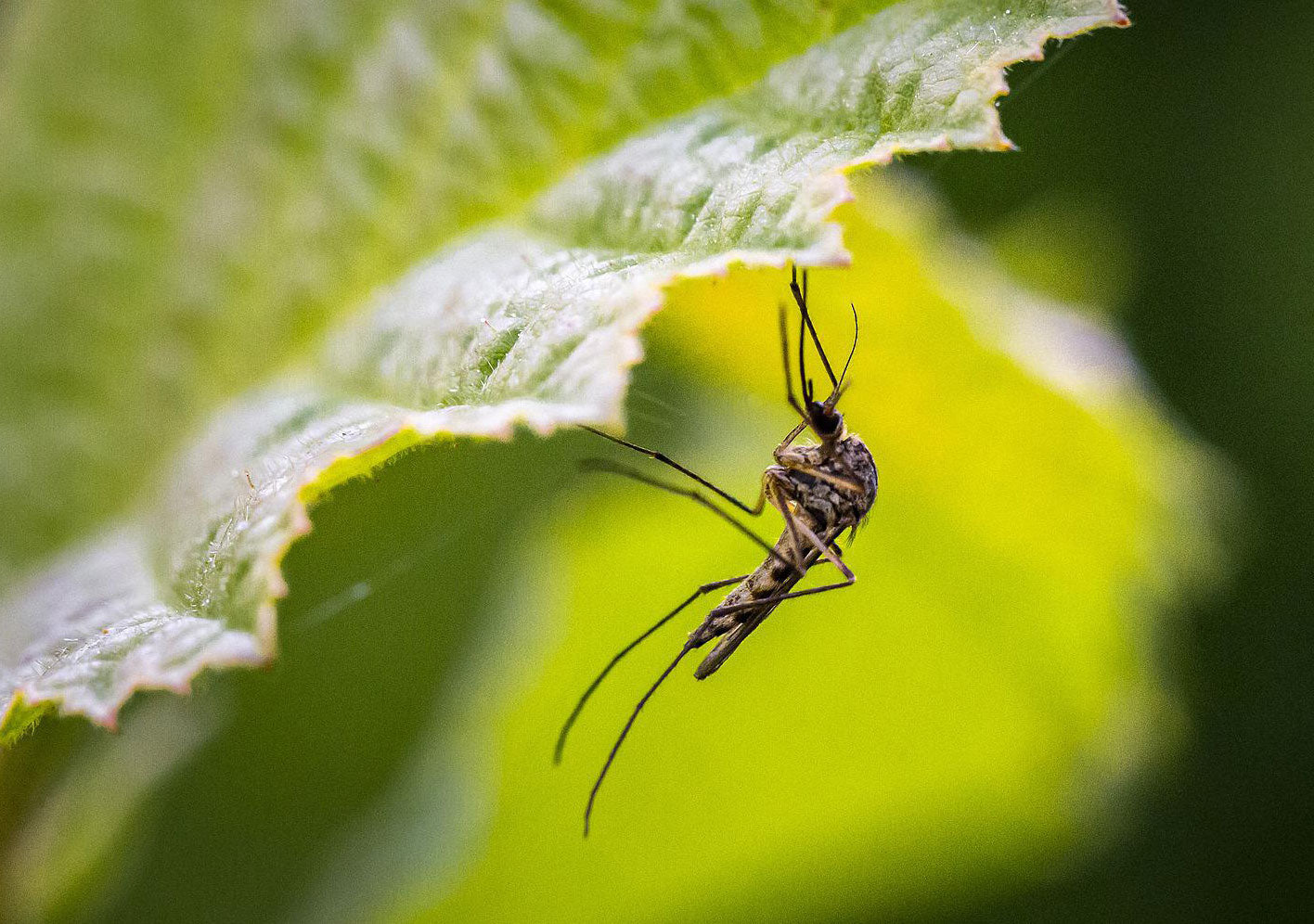
Few things ruin a great camping trip faster than mosquitoes. You can have the perfect site, ideal weather, and a carefully planned menu—but once the bugs show up, everything changes. Meals get rushed, hikes feel miserable, and sleep becomes a battle.
If you’ve ever packed a “popular” repellent only to discover it barely works in the woods, you already know this: not all mosquito repellents are created equal—especially in outdoor environments where humidity, vegetation, and standing water create ideal breeding conditions.
This in-depth guide is designed to help campers avoid common mistakes and choose a mosquito repellent that actually works in real-world conditions. From understanding active ingredients to choosing the right format for your trip, you’ll learn exactly how to protect yourself without wasting money or compromising comfort.
Why Camping Changes the Mosquito Game
Mosquito control in your backyard is one thing. The wilderness is another.
In the wild, you’re dealing with:
-
Higher mosquito populations
-
More aggressive species
-
Limited shelter and airflow
-
Increased exposure (long hikes, open campsites)
-
Sweat, dirt, and water exposure
A repellent that works fine on your patio might completely fail at a lakeside campsite or deep in the forest.
That’s why choosing the right product isn’t optional—it’s essential.
The Most Common Mistakes Campers Make
Before we dive into solutions, let’s look at the biggest mistakes people make when choosing mosquito repellents.
1. Choosing Based on Scent Alone
Many campers prioritize “pleasant smell” over effectiveness. Unfortunately, the best-smelling products are often the least effective in high-pressure environments.
2. Relying Only on Natural Solutions
Natural repellents can work—but usually for short periods and in low-bug conditions. In the wild, they often require constant reapplication.
3. Ignoring Duration
Some products last 2 hours, others 10+. If you don’t check, you’ll end up reapplying constantly.
4. Not Matching the Repellent to the Activity
A spray that works for sitting around camp may not hold up during a sweaty hike.
5. Underestimating the Environment
Wetlands, forests, and lakes require stronger protection than dry, open areas.
Avoiding these mistakes already puts you ahead of most campers.
Understanding Active Ingredients: What Actually Works
The effectiveness of a mosquito repellent depends primarily on its active ingredient. Here are the most important ones to know:
1. DEET (The Gold Standard)
DEET has been used for decades and remains one of the most effective repellents available.
Pros:
-
Long-lasting protection (up to 10–12 hours depending on concentration)
-
Highly effective in dense mosquito environments
-
Works against multiple biting insects
Cons:
-
Can feel greasy
-
May damage certain plastics or synthetic materials
-
Strong odor (in some formulations)
Best for:
-
Deep woods camping
-
High mosquito density areas
-
Long hikes without frequent reapplication
2. Picaridin (The Modern Alternative)
Picaridin offers similar effectiveness to DEET with a more user-friendly experience.
Pros:
-
Odorless or very mild scent
-
Non-greasy feel
-
Safe for most fabrics and gear
-
Effective for 8–12 hours
Cons:
-
Slightly less well-known (but rapidly growing in popularity)
Best for:
-
General camping
-
Travelers who dislike DEET
-
Families and casual campers
3. Oil of Lemon Eucalyptus (PMD)
A plant-based option with proven effectiveness.
Pros:
-
Derived from natural sources
-
Effective for moderate durations (4–6 hours)
-
Pleasant scent
Cons:
-
Shorter protection time
-
Not suitable for very young children
-
Less effective in extreme conditions
Best for:
-
Light to moderate bug environments
-
Day trips and short outings
4. IR3535
Another synthetic option often used in Europe.
Pros:
-
Good safety profile
-
Moderate effectiveness
Cons:
-
Shorter duration than DEET or picaridin
Best for:
-
Mild conditions
-
Urban or suburban outdoor use
5. Essential Oils (Citronella, Lavender, etc.)
These are the most common “natural” DIY solutions.
Pros:
-
Pleasant smell
-
Perceived as safer
Cons:
-
Very short protection time (often under 2 hours)
-
Limited effectiveness in the wild
Best for:
-
Supplementary use
-
Low-risk environments
Choosing the Right Concentration
For ingredients like DEET and picaridin, concentration matters.
-
10–20%: Light protection (short outings)
-
20–30%: Balanced protection (most camping trips)
-
30–50%: Extended protection (high-risk areas)
Higher concentration doesn’t mean stronger—it means longer-lasting.
Repellent Formats: Which One Fits Your Trip?
The format of your repellent is just as important as the ingredient.
1. Sprays
Pros:
-
Easy to apply
-
Good coverage
-
Widely available
Cons:
-
Can be affected by wind
-
May require careful application
Best for:
-
General use
-
Quick application before hikes
2. Lotions
Pros:
-
Precise application
-
Longer-lasting on skin
-
Less waste
Cons:
-
Takes more time to apply
Best for:
-
Long hikes
-
High-exposure areas
3. Wipes
Pros:
-
Portable
-
Convenient for travel
Cons:
-
Limited quantity
-
Not ideal for full-body coverage
4. Wearable Repellents (Clips, Bracelets)
Pros:
-
Hands-free
-
No skin contact
Cons:
-
Limited effectiveness
-
Only protect a small area
These should never be your primary defense in the wild.
5. Treated Clothing (Permethrin)
Permethrin is not applied to skin—it’s used on clothing.
Pros:
-
Long-lasting (through multiple washes)
-
Highly effective against ticks and mosquitoes
-
Reduces reliance on skin-applied repellents
Cons:
-
Requires pre-treatment
-
Not for direct skin application
Best for:
-
Serious campers
-
Tick-heavy environments
-
Multi-day trips
Matching Repellent to Your Camping Style
Car Camping
-
Comfort matters
-
Choose picaridin or low-odor DEET
-
Consider area repellents (lanterns, coils)
Backpacking
-
Weight and efficiency are critical
-
Use concentrated formulas
-
Lotion or small spray bottles work best
Lakeside or Wetland Camping
-
High mosquito density
-
Use DEET or high-strength picaridin
-
Combine with protective clothing
Family Camping
-
Prioritize safety and ease of use
-
Picaridin is often the best balance
-
Use lower concentrations for children
Environmental Factors You Should Never Ignore
Sweat
Sweat reduces effectiveness by washing repellent off your skin.
Solution:
-
Reapply after heavy sweating
-
Use longer-lasting formulas
Rain and Water Exposure
Swimming or rain can remove protection quickly.
Solution:
-
Reapply immediately after getting wet
Temperature and Humidity
Hot, humid environments increase mosquito activity.
Solution:
-
Use higher concentrations
-
Apply more thoroughly
Layering Your Protection (The Smart Strategy)
Relying on a single method is risky.
A better approach is layered protection:
-
Skin repellent (DEET or picaridin)
-
Treated clothing (permethrin)
-
Physical barriers (long sleeves, socks)
-
Campsite management (avoid standing water)
This combination dramatically reduces your chances of getting bitten.
How to Apply Repellent Correctly
Even the best product won’t work if applied incorrectly.
Do:
-
Apply evenly to exposed skin
-
Cover ankles, wrists, and neck
-
Reapply as directed
Don’t:
-
Spray directly on your face (use hands instead)
-
Overapply (more isn’t always better)
-
Forget high-risk areas
Safety Tips Every Camper Should Know
-
Wash hands after application
-
Avoid contact with eyes and mouth
-
Keep repellents away from food
-
Store products properly in your pack
For children:
-
Adults should apply repellent
-
Avoid hands and face
Budget vs. Performance: What’s Worth It?
Cheaper repellents often:
-
Contain lower concentrations
-
Require frequent reapplication
-
Provide inconsistent protection
Spending a bit more on a reliable product can:
-
Reduce usage
-
Improve comfort
-
Prevent bites and potential illness
In most cases, mid- to high-quality repellents offer better value over the course of a trip.
Common Myths About Mosquito Repellents
“Natural means safer and better”
Not always—effectiveness matters, especially in high-risk areas.
“More repellent means better protection”
Overapplication doesn’t increase effectiveness.
“Mosquitoes aren’t that bad in the woods”
They can be significantly worse than in urban areas.
When to Upgrade Your Protection
If you experience:
-
Frequent bites despite using repellent
-
Long outdoor exposure
-
Camping in high-risk regions
…it’s time to switch to a stronger or more comprehensive solution.
Final Thoughts
Choosing the right mosquito repellent for camping isn’t about grabbing the first bottle you see—it’s about understanding your environment, your activity level, and the science behind what works.
Whether you’re heading into dense forests, setting up by a lake, or enjoying a casual weekend outdoors, the right repellent can mean the difference between a relaxing trip and a frustrating one.
By focusing on proven ingredients like DEET or picaridin, selecting the right format, and using a layered protection strategy, you can avoid common pitfalls and stay comfortable in the wild.
Because camping should be about fresh air, great views, and unforgettable experiences—not swatting bugs all night.