A comfortable, pest-free yard is one of the most rewarding parts of homeownership. It’s where you host barbecues, relax after work, and let kids or pets play freely. But when mosquitoes swarm at dusk, ants invade your patio, or ticks lurk in the grass, your outdoor space quickly becomes unusable.
Faced with this problem, most homeowners land on one of two paths: invest in professional-grade insecticide sprays or try a do-it-yourself (DIY) pest control approach. At first glance, DIY looks cheaper and more convenient. But is it actually more cost-effective over time? Or do professional-grade solutions deliver better long-term value?
This in-depth guide breaks down the real costs, effectiveness, safety considerations, and long-term outcomes of both options—so you can make a decision that fits your budget, lifestyle, and expectations.
Understanding the Two Approaches
Before comparing costs, it’s important to define what each approach really involves.
Professional-Grade Insecticide Sprays
This doesn’t necessarily mean hiring a pest control company (though that’s one option). It refers to:
-
Commercial-strength insecticides
-
Higher concentrations of active ingredients
-
Advanced formulations (microencapsulation, residual control)
-
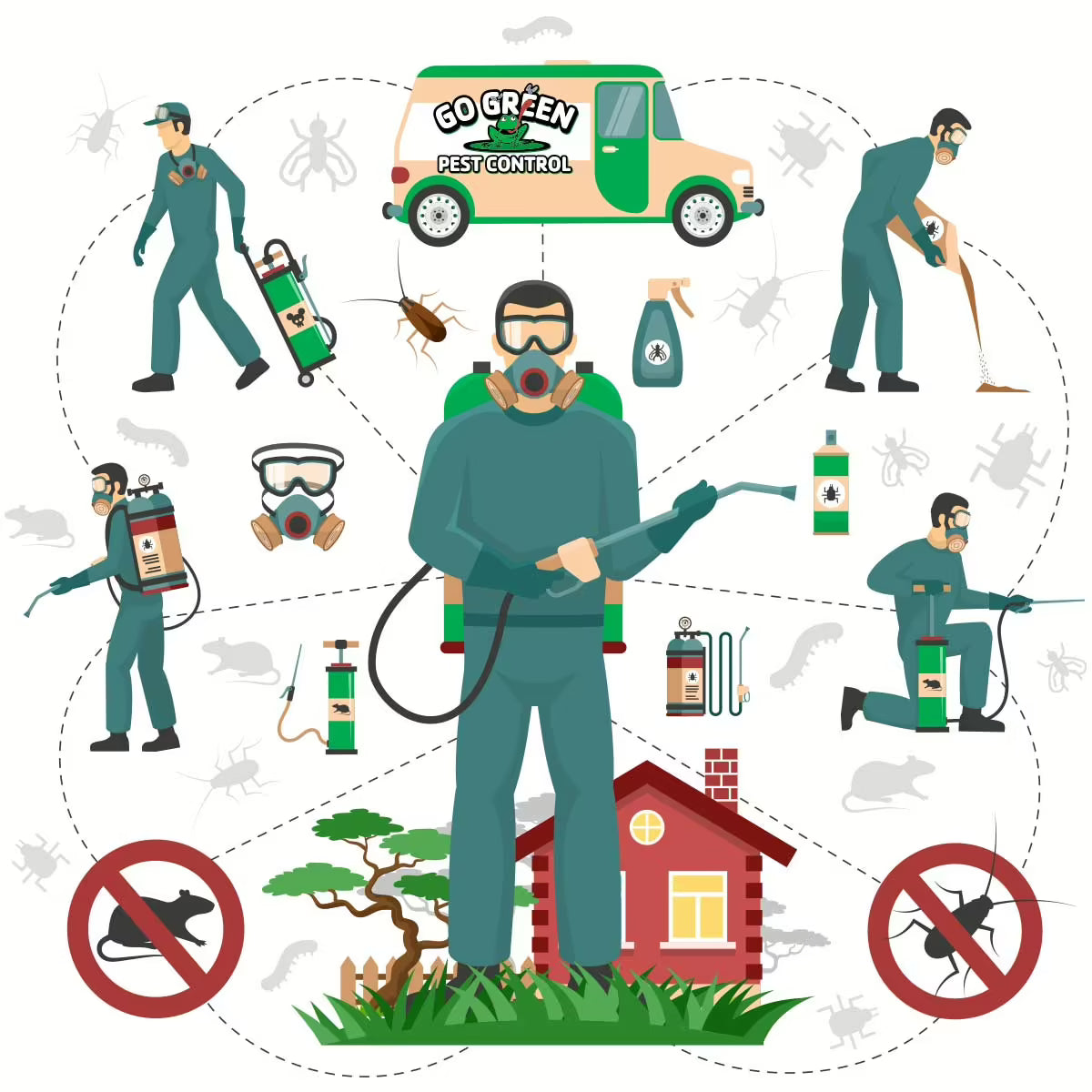
Equipment like backpack or hose-end sprayers
These products are designed for long-lasting, broad-spectrum control and are often used by licensed professionals.
DIY Pest Control
DIY solutions typically include:
-
Store-bought sprays from big-box retailers
-
Natural or homemade mixtures (vinegar, essential oils, soap solutions)
-
Manual methods like traps or barriers
DIY appeals because it’s:
-
Lower upfront cost
-
Easy to access
-
Perceived as safer or more “natural”
But cost-effectiveness depends on more than the initial price tag.
The True Cost Breakdown
1. Upfront Costs
DIY:
-
Basic sprays: $10–$30 per bottle
-
Natural ingredients: $5–$20
-
Simple tools: minimal
Professional-grade:
-
Concentrated insecticide: $40–$120
-
Sprayer equipment: $30–$150 (one-time investment)
At first glance, DIY clearly wins. But this is only the beginning.
2. Cost Per Application
DIY products are often diluted or less potent, meaning:
-
More frequent applications
-
Higher consumption per treatment
Professional-grade concentrates:
-
Cover larger areas per mix
-
Require less product per square foot
Over time, the cost gap narrows significantly.
3. Frequency of Use
This is where the real difference shows up.
DIY solutions:
-
Often need reapplication every few days
-
Wash away easily with rain or irrigation
-
Provide short-term relief
Professional-grade sprays:
-
Residual effect can last weeks
-
Some formulations continue working after drying
-
Fewer applications needed
If you’re reapplying DIY sprays 2–3 times per week, your “cheap” solution quickly becomes expensive in both money and time.
4. Time Investment
Time is a hidden cost many people underestimate.
DIY approach:
-
Mixing solutions
-
Frequent spraying
-
Monitoring effectiveness
-
Reapplying constantly
Professional-grade approach:
-
Initial setup and learning curve
-
Less frequent treatments
If your time has value—and it does—this factor can shift the equation dramatically.
Effectiveness: Short-Term vs. Long-Term Results
DIY: Quick Fix, Limited Impact
DIY solutions are often effective for:
-
Mild infestations
-
Temporary relief
-
Small, localized problems
However, they struggle with:
-
Large infestations
-
Persistent pests (mosquitoes, ticks, fleas)
-
Breaking breeding cycles
Many natural solutions repel insects but don’t eliminate them.
Professional-Grade: Systematic Control
Professional-grade insecticides are designed to:
-
Kill on contact
-
Provide residual protection
-
Disrupt life cycles (eggs, larvae, adults)
This leads to:
-
Longer-lasting results
-
Reduced pest populations over time
-
Fewer repeat treatments
In terms of effectiveness per application, professional-grade products typically outperform DIY solutions.
Types of Pests and What Works Best
Different pests require different strategies.
Mosquitoes
-
DIY: Essential oil sprays may repel briefly
-
Professional-grade: Residual sprays target resting areas and reduce populations
Ants
-
DIY: Vinegar or soap disrupts trails temporarily
-
Professional-grade: Baits and residual insecticides eliminate colonies
Ticks
-
DIY: Limited effectiveness
-
Professional-grade: Targeted treatments significantly reduce risk
Fleas
-
DIY: Difficult to control outdoors
-
Professional-grade: More reliable with proper application
For high-risk pests—especially those affecting health—professional-grade solutions usually provide better value.
Safety Considerations
Safety is often the biggest concern when choosing between these options.
DIY Safety Perception
DIY solutions are often seen as safer, especially natural ones. While this can be true, it’s not always guaranteed:
-
Some essential oils can irritate skin or harm pets
-
Homemade mixtures lack standardized dosing
-
Ineffective treatments can allow pest populations to grow
Professional-Grade Safety Reality
Modern insecticides are designed with safety in mind when used correctly:
-
Clearly labeled instructions
-
Tested application rates
-
Targeted formulations
Key safety practices include:
-
Following label directions
-
Wearing protective gear when needed
-
Keeping pets and children away until dry
Used responsibly, professional-grade products can be both effective and safe.
Environmental Impact
DIY Solutions
-
Often biodegradable
-
Lower chemical persistence
-
May require frequent reapplication (more total usage over time)
Professional-Grade Sprays
-
Longer-lasting, reducing total applications
-
Some formulations minimize runoff and drift
-
Risk depends on product choice and application method
Interestingly, fewer, well-targeted treatments can sometimes have a smaller overall environmental footprint than frequent DIY spraying.
Equipment Matters More Than You Think
Application method plays a huge role in results.
DIY Tools
-
Spray bottles
-
Hose-end sprayers
-
Limited coverage and consistency
Professional Equipment
-
Backpack sprayers
-
Adjustable nozzles
-
Even distribution
Better equipment means:
-
More efficient coverage
-
Less product waste
-
Better results per application
Investing in proper tools can significantly improve cost-effectiveness.
Weather Resistance and Durability
Outdoor pest control is heavily influenced by weather.
DIY solutions:
-
Easily washed away by rain
-
Break down quickly in sunlight
Professional-grade products:
-
Designed to adhere to surfaces
-
UV-resistant formulations
-
Maintain effectiveness after light rain
Durability directly impacts how often you need to reapply—and how much you spend.
The Convenience Factor
Convenience is often overlooked but highly influential.
DIY
-
Immediate access
-
Flexible application
-
No need for scheduling
Professional-Grade
-
Slight learning curve
-
Less frequent maintenance
-
More predictable results
If you prefer a “set it and forget it” approach, professional-grade solutions are more appealing.
When DIY Makes Sense
DIY pest control is a good choice when:
-
Infestations are mild
-
You’re dealing with occasional pests
-
Budget is extremely tight
-
You prefer natural solutions
-
You don’t mind frequent maintenance
It’s also useful as a supplement between more robust treatments.
When Professional-Grade Is Worth It
Investing in professional-grade insecticides makes sense when:
-
Pest pressure is high
-
You want long-term control
-
You have a large yard
-
Health risks (ticks, mosquitoes) are a concern
-
You value time and consistency
In these scenarios, the higher upfront cost often pays off quickly.
Hybrid Approach: The Smart Middle Ground
Many homeowners find the best results with a combination approach.
For example:
-
Use professional-grade sprays for baseline control
-
Apply DIY repellents for short-term events (e.g., outdoor gatherings)
This balances:
-
Cost
-
effectiveness
-
flexibility
Common Mistakes That Increase Costs
Avoid these pitfalls:
-
Underestimating infestation severity
-
Using too little product (ineffective treatment)
-
Overusing DIY solutions without results
-
Ignoring breeding areas (standing water, debris)
-
Inconsistent application schedules
Mistakes can turn either approach into a costly, frustrating cycle.
Long-Term Value Comparison
When viewed over an entire season:
DIY approach:
-
Lower upfront cost
-
Higher frequency of use
-
More time investment
-
Variable results
Professional-grade approach:
-
Higher initial cost
-
Lower frequency
-
Better consistency
-
Stronger long-term control
In many cases, professional-grade solutions deliver better value per dollar spent over time, especially in moderate to severe pest conditions.
Final Verdict: Which Is More Cost-Effective?
There’s no one-size-fits-all answer—but here’s a practical way to think about it:
-
If you’re dealing with light, occasional pests, DIY methods can be sufficient and budget-friendly.
-
If you want reliable, long-lasting control with less effort, professional-grade insecticide sprays are usually the smarter investment.
-
For many homeowners, a hybrid strategy offers the best balance of cost and performance.
Ultimately, cost-effectiveness isn’t just about how much you spend—it’s about how well your solution works, how often you need to repeat it, and how much time you invest along the way.
Closing Thoughts
A pest-free yard shouldn’t feel like a constant battle. Whether you choose DIY solutions, professional-grade insecticides, or a combination of both, the goal is the same: consistent, reliable control that lets you enjoy your outdoor space without interruption.
By understanding the true costs, effectiveness, and trade-offs of each approach, you can make a smarter decision—one that keeps your yard comfortable, your budget in check, and your time focused on what really matters: enjoying the outdoors.