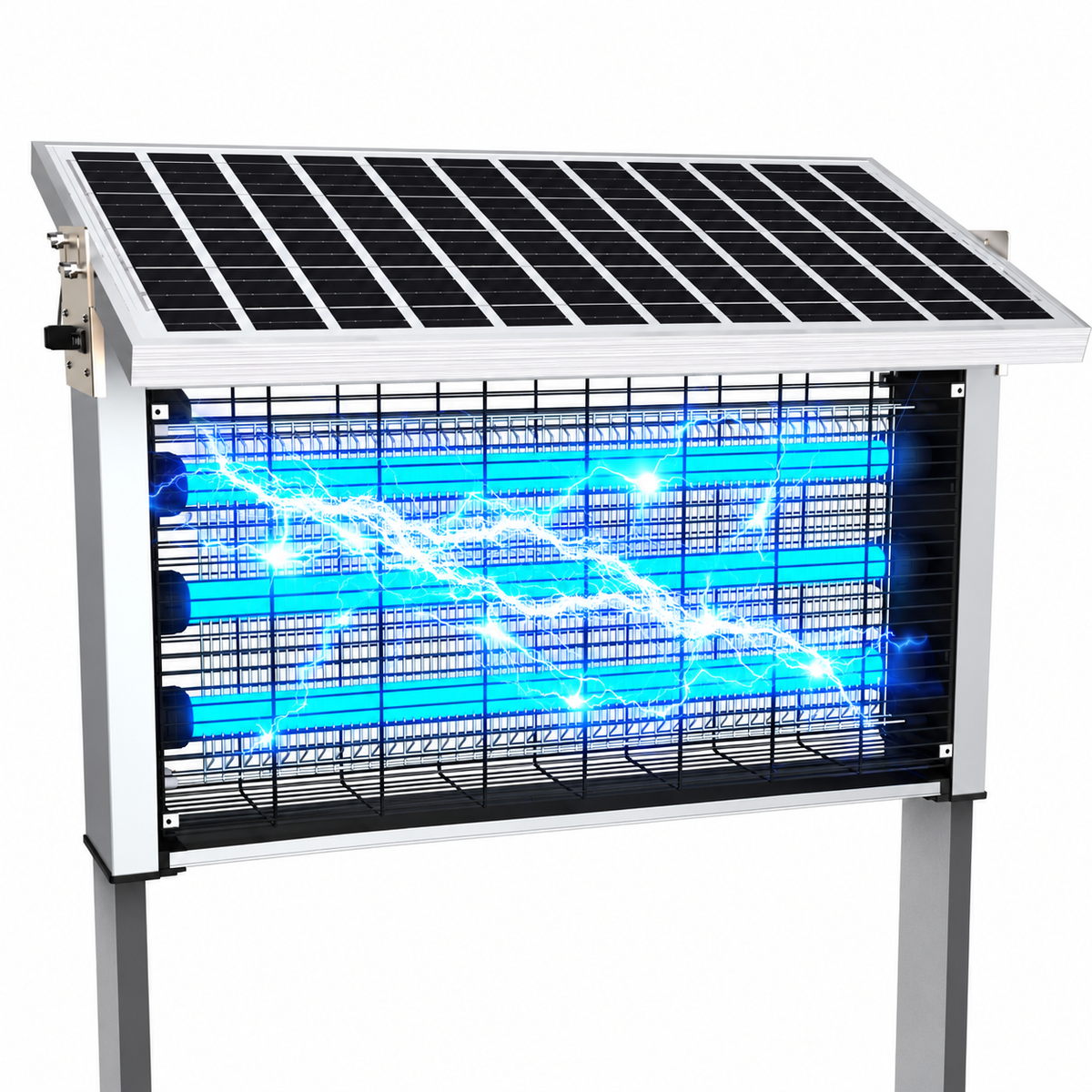

When a UV lamp fails prematurely, the first suspect is usually the lamp itself. Operators often assume that the bulb has simply reached the end of its service life and replace it without a second thought. But in many industrial, commercial, and sterilization applications, the real culprit isn't the lamp at all—it's the power feeding it.
A UV lamp is only as reliable as the electrical system supporting it. Even the highest-quality UV lamp can suffer from shortened lifespan, unstable output, repeated startup failures, or catastrophic damage if the supply voltage and operating current do not match the manufacturer's specifications. Small deviations that seem harmless at first can gradually wear down electrodes, overheat internal components, and place unnecessary stress on ballasts and drivers.
Whether you work with UV curing systems, water treatment equipment, air purification devices, printing machinery, medical sterilization systems, or insect control equipment, understanding the relationship between voltage matching and UV lamp performance is essential. The right power parameters don't just help a lamp turn on—they determine how efficiently it operates, how consistently it produces ultraviolet energy, and ultimately how long it survives.
This comprehensive guide explores why voltage matching matters, how UV lamps respond to electrical imbalances, the most common power-related mistakes, and the best practices for protecting your UV lighting investment.
Understanding How UV Lamps Depend on Electrical Stability
Unlike ordinary incandescent bulbs, UV lamps are precision electrical devices. Their ability to generate ultraviolet radiation depends on maintaining a carefully controlled electrical discharge inside the lamp tube.
Most UV lamps contain a small amount of mercury vapor or another gas mixture. When the correct voltage is applied, electrons flow through the gas, creating a plasma arc that emits ultraviolet light. This process requires a stable balance between:
-
Supply voltage.
-
Operating current.
-
Ballast output.
-
Electrode temperature.
-
Internal gas pressure.
If one variable falls outside the intended operating range, the entire system becomes less efficient and more vulnerable to wear.
A UV lamp is not designed to simply tolerate any available electrical supply. It is engineered to operate within a relatively narrow window of electrical conditions.
What Does Voltage Matching Actually Mean?
Voltage matching refers to ensuring that the electrical characteristics of the power supply and ballast correspond exactly with the requirements of the UV lamp.
This involves more than just checking whether a lamp is rated for 110V or 220V. Several electrical parameters must work together:
-
Input supply voltage.
-
Output voltage from the ballast.
-
Lamp operating voltage.
-
Starting or ignition voltage.
-
Operating current.
-
Frequency.
-
Power rating (wattage).
A mismatch in any one of these values can affect performance, even if the lamp appears to function normally.
For example, a lamp may illuminate successfully while still operating under excessive electrical stress, quietly reducing its expected service life.
The Relationship Between Voltage and UV Lamp Lifespan
Many users assume that lifespan is determined primarily by manufacturing quality. While quality certainly matters, operating conditions often have an even greater influence.
Think of a UV lamp like a high-performance engine. Running it under ideal conditions allows it to deliver reliable output for thousands of hours. Running it too hard—or not providing the conditions it was designed for—accelerates wear on every critical component.
The lamp electrodes are particularly sensitive. Every startup and every hour of operation gradually erodes the electrode material. Voltage irregularities increase that erosion rate, reducing the number of hours the lamp can provide stable ultraviolet output.
Even if the lamp continues producing visible light, UV intensity may decline well before complete failure occurs.
What Happens When Supply Voltage Is Too High?
Overvoltage is one of the fastest ways to shorten the life of a UV lamp.
When the incoming voltage exceeds the recommended operating range, the ballast and lamp are forced to handle more electrical energy than intended. This creates several problems simultaneously.
Excessive Electrode Wear
Higher operating current increases the temperature of the lamp electrodes. Elevated temperatures accelerate evaporation of the electrode coating, which is essential for stable arc formation.
As the electrodes deteriorate:
-
Startup becomes less reliable.
-
Flickering becomes more common.
-
UV output gradually decreases.
-
Overall lamp life is reduced.
Increased Internal Heat
Overvoltage causes the lamp to operate hotter than designed. Excessive heat affects:
-
Mercury vapor pressure.
-
Quartz envelope stability.
-
Internal gas balance.
-
End cap and socket temperatures.
Prolonged overheating can also damage nearby components, including lamp holders, wiring insulation, and electronic ballasts.
Ballast Stress
The ballast itself is not immune to overvoltage. Capacitors, transformers, and electronic switching components experience greater thermal and electrical loads, increasing the risk of premature ballast failure.
What Happens When Supply Voltage Is Too Low?
While excessive voltage is harmful, undervoltage creates its own set of problems.
A UV lamp operating below its required voltage may struggle to establish or maintain a stable electrical arc.
Common symptoms include:
-
Repeated startup attempts.
-
Persistent flickering.
-
Long warm-up periods.
-
Intermittent shutdowns.
-
Reduced ultraviolet output.
Harder Starts Mean More Electrode Damage
Every failed ignition attempt places stress on the lamp electrodes. If the lamp repeatedly tries to start without achieving stable operation, electrode wear accelerates dramatically.
Ironically, a lamp suffering from low voltage may actually experience greater cumulative startup damage than one operating under normal conditions.
Lower UV Performance
Undervoltage often allows the lamp to remain illuminated while producing less ultraviolet energy than expected. In sterilization, curing, or water treatment applications, this can reduce system effectiveness without operators realizing a problem exists.
Visible light is not a reliable indicator of proper UV output.
Why Ballasts Are Just as Important as the Power Supply
The ballast is the bridge between the incoming electrical source and the UV lamp itself.
Its primary responsibilities include:
-
Delivering the high starting voltage needed for ignition.
-
Limiting current during operation.
-
Stabilizing the electrical arc.
-
Protecting the lamp from power fluctuations.
Even if the facility's supply voltage is stable, an aging or mismatched ballast can create conditions that mimic voltage mismatch.
Common ballast-related issues include:
-
Output voltage drift.
-
Component aging.
-
Capacitor degradation.
-
Heat-related performance loss.
-
Incompatibility with replacement lamps.
Many maintenance teams replace UV lamps repeatedly without realizing that the underlying problem is a deteriorating ballast.
The Dangers of Using the Wrong Replacement Ballast
One common maintenance mistake is installing a replacement ballast based solely on physical fit or approximate wattage.
A ballast designed for a different lamp type may:
-
Deliver incorrect ignition voltage.
-
Supply excessive current.
-
Operate at incompatible frequencies.
-
Fail to regulate power correctly.
The result may be a UV lamp that starts successfully but experiences chronic electrical stress throughout its operating life.
Always verify:
-
Lamp wattage compatibility.
-
Operating current ratings.
-
Input and output voltage specifications.
-
Manufacturer recommendations.
-
Frequency requirements.
Saving a small amount on a generic ballast can ultimately lead to repeated lamp failures and higher long-term costs.
Voltage Fluctuations: The Silent Lifespan Killer
Many facilities do not have constant, perfectly stable electrical service.
Large industrial equipment, compressors, welding systems, motors, and HVAC units can create temporary voltage dips and spikes that affect nearby UV systems.
These fluctuations may last only fractions of a second, but they can still disrupt lamp operation.
Common Sources of Voltage Instability
Heavy Machinery Startup
Large motors draw significant current during startup, temporarily lowering line voltage for other connected equipment.
Poor Facility Wiring
Undersized conductors, loose terminals, and aging electrical infrastructure can contribute to unstable voltage delivery.
Utility Grid Variations
External power supply disturbances occasionally create voltage spikes or brownout conditions.
Shared Electrical Circuits
Multiple high-demand devices operating on the same circuit increase the likelihood of electrical instability.
Repeated exposure to fluctuating voltage accelerates wear on both lamps and ballasts.
The Impact of Voltage Mismatch on Different Types of UV Lamps
Not all UV lamps respond identically to electrical problems.
Low-Pressure Mercury UV Lamps
Commonly used in water treatment and air purification, these lamps require stable current regulation to maintain proper mercury vapor pressure. Voltage variations can significantly reduce germicidal effectiveness.
Amalgam UV Lamps
Amalgam lamps offer higher output and greater temperature tolerance but still depend on precise electrical control. Poor voltage regulation may reduce their expected long service life.
Medium-Pressure UV Lamps
Used extensively in industrial curing applications, medium-pressure lamps operate at much higher power levels and are especially sensitive to ballast compatibility and thermal management.
UV LED Systems
Although UV LEDs differ fundamentally from mercury-based lamps, they are equally dependent on properly matched drivers. Excessive current or voltage can rapidly degrade LED junctions and reduce output.
Startup Voltage vs. Operating Voltage: Understanding the Difference
Many operators overlook the distinction between ignition voltage and operating voltage.
Startup Voltage
A UV lamp typically requires a higher initial voltage to ionize the gas inside the tube and establish the electrical arc.
Operating Voltage
Once the arc is established, the required voltage drops to a lower, stable operating level.
Problems arise when:
-
The ballast cannot provide adequate ignition voltage.
-
The operating voltage is unstable.
-
Repeated failed starts occur due to insufficient electrical conditions.
This is why startup issues are often linked to power supply problems rather than defective lamps.
Why Cheap Power Supplies Can Cost More in the Long Run
Budget-conscious buyers sometimes prioritize the lowest-cost electrical components without considering long-term reliability.
Low-quality power supplies and ballasts may suffer from:
-
Poor voltage regulation.
-
Inadequate surge protection.
-
Inferior heat dissipation.
-
Lower-quality capacitors.
-
Reduced operational lifespan.
The immediate savings may disappear quickly when frequent lamp replacement, increased downtime, and maintenance labor are taken into account.
Reliable electrical infrastructure protects every component connected to it.
Warning Signs That Voltage Mismatch May Be Damaging Your UV Lamp
Power-related problems often reveal themselves gradually.
Watch for these common symptoms:
-
UV lamps failing much earlier than expected.
-
Frequent flickering during startup.
-
Lamps requiring multiple ignition attempts.
-
Ballasts running unusually hot.
-
Darkening around the lamp ends.
-
Inconsistent curing or sterilization performance.
-
Burn marks near sockets or connectors.
-
Multiple lamp failures across the same system.
If replacement lamps consistently fail sooner than manufacturer ratings suggest, the electrical system deserves careful investigation.
How to Verify Proper Voltage Matching
A systematic inspection process can identify many electrical problems before they damage expensive components.
Step 1: Check the Lamp Specifications
Review the manufacturer's documentation for:
-
Rated voltage.
-
Rated current.
-
Wattage.
-
Recommended ballast type.
-
Acceptable operating range.
Step 2: Measure Incoming Supply Voltage
Use appropriate electrical testing equipment to verify that facility voltage remains within acceptable limits during both idle and peak operating conditions.
Step 3: Inspect the Ballast
Confirm that the ballast model matches the lamp specifications and look for signs of overheating or aging.
Step 4: Check Electrical Connections
Loose or corroded terminals increase resistance and may create localized voltage drops.
Step 5: Monitor Startup Behavior
Observe whether the lamp ignites smoothly or exhibits flickering, delayed startup, or repeated cycling.
A proactive inspection routine often identifies issues before significant damage occurs.
Preventive Maintenance Practices That Protect UV Lamp Lifespan
Proper voltage matching should be part of a larger preventive maintenance strategy.
Maintain Stable Electrical Infrastructure
Inspect wiring, connectors, and circuit protection devices regularly.
Replace Aging Ballasts Proactively
Ballasts do not last forever. Replacing aging units before failure can protect connected lamps.
Record Operating Hours
Track both lamp and ballast service hours to identify patterns and anticipate maintenance needs.
Install Surge Protection
Power conditioners and surge suppressors help shield UV equipment from unexpected voltage spikes.
Avoid Mixing Components
Use compatible lamps, ballasts, sockets, and power supplies that meet manufacturer specifications.
Train Maintenance Personnel
Understanding the relationship between electrical parameters and lamp performance helps prevent costly installation mistakes.
The Hidden Economic Impact of Voltage Mismatch
The cost of improper voltage matching extends far beyond replacing a single lamp.
Indirect costs may include:
-
Production downtime.
-
Reduced UV curing quality.
-
Lower sterilization effectiveness.
-
Increased labor for troubleshooting.
-
Premature ballast replacement.
-
Additional inventory requirements.
-
Lost operational efficiency.
A facility experiencing chronic electrical mismatch may unknowingly spend thousands of dollars each year replacing components that are not actually defective.
Final Thoughts: The Right Voltage Is the Foundation of UV Lamp Reliability
When discussing UV lamp longevity, conversations often focus on lamp quality, brand selection, or maintenance schedules. Yet one of the most influential factors often receives the least attention: supplying the lamp with the electrical conditions it was designed to operate under.
A properly matched power supply and ballast system do far more than turn the lamp on. They regulate startup, stabilize operation, protect sensitive electrodes, maintain consistent ultraviolet output, and help every component achieve its intended service life.
On the other hand, voltage mismatch—whether caused by overvoltage, undervoltage, unstable power, or incompatible ballasts—creates a chain reaction of hidden damage. It accelerates wear, increases operating temperatures, reduces UV performance, and forces operators into a costly cycle of premature replacements and avoidable maintenance.
The next time a UV lamp fails earlier than expected, don't assume the lamp is to blame. Take a closer look at the electrical system behind it. Checking supply voltage, verifying ballast compatibility, and ensuring proper power regulation may reveal that the real key to longer UV lamp life isn't changing the lamp more often—it's giving the lamp exactly the power it was designed to receive.
In the world of UV technology, reliability begins not with the bulb, but with the voltage behind it.