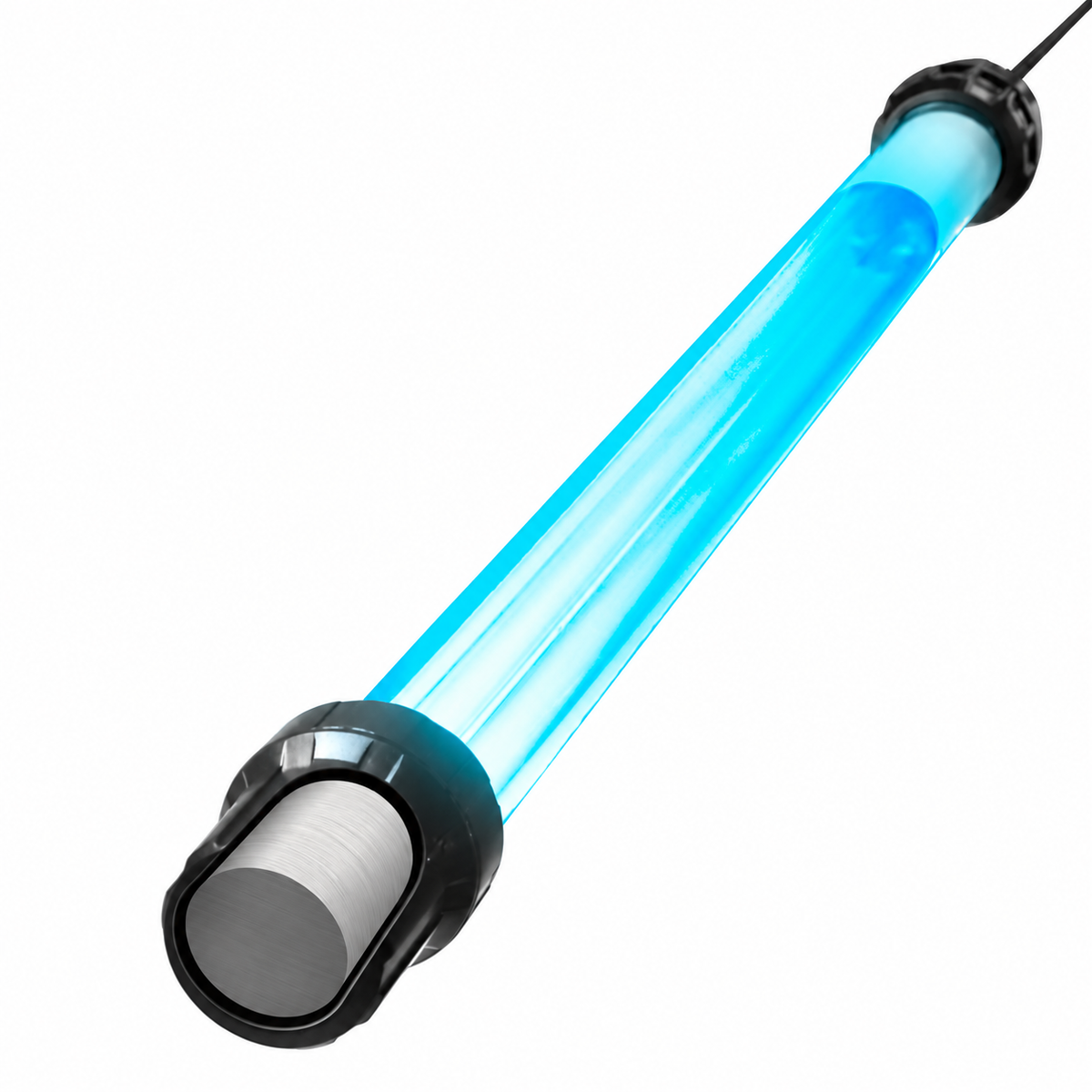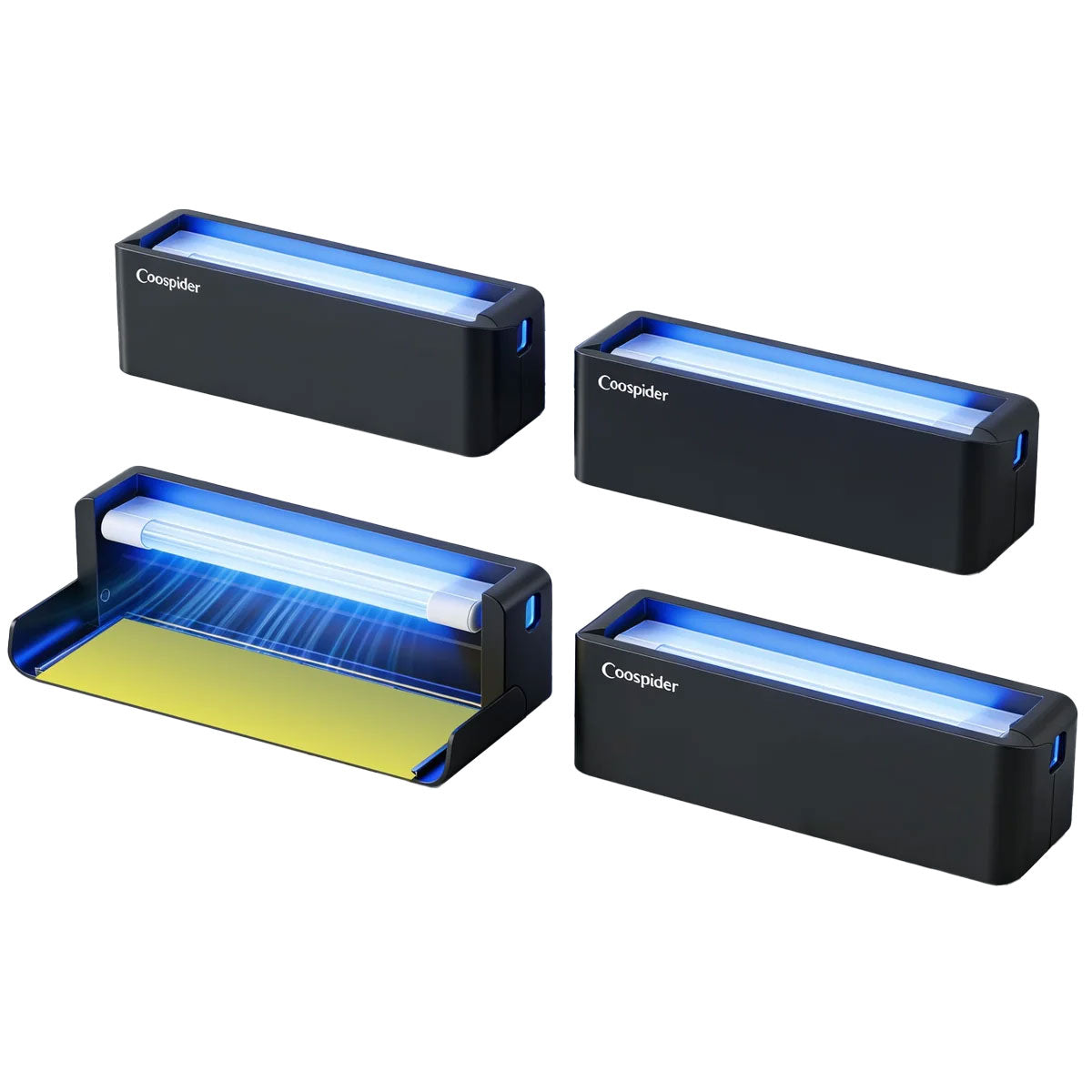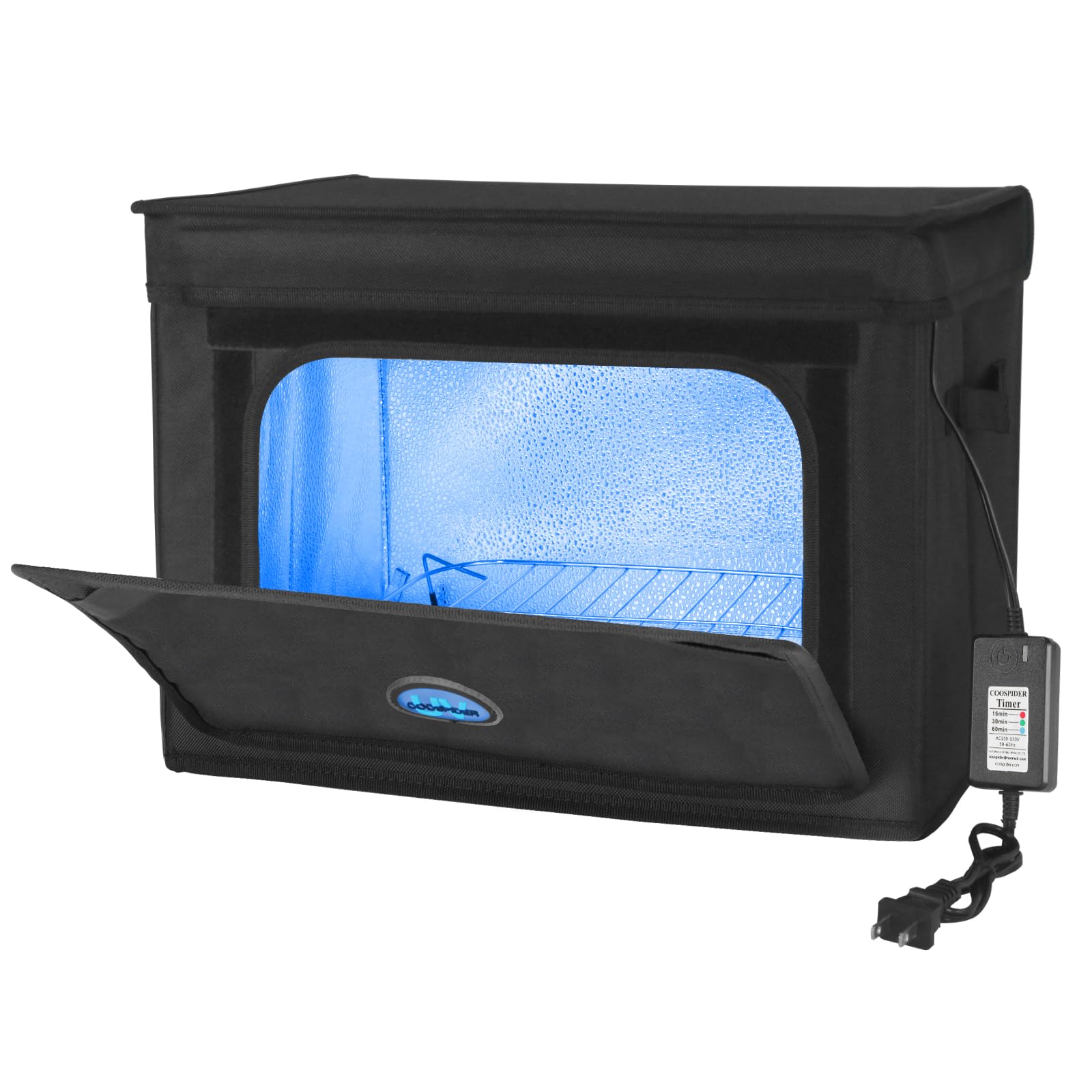
When a UV lamp begins to flicker, starts intermittently, or suddenly refuses to turn on, many users immediately suspect that the lamp itself has failed. In reality, one of the most common—and most overlooked—causes of UV system malfunction is poor electrical contact between the lamp and its socket.
A thin layer of oxidation on a contact pin, a slightly loose lamp holder, or a worn connector hidden inside the socket can create enough electrical resistance to cause startup failures, unstable operation, reduced UV output, and even permanent damage to expensive components. Unfortunately, because these issues often develop gradually, they are frequently misdiagnosed as ballast failures or end-of-life lamps.
The good news is that many contact-related problems are relatively simple to identify and repair if you know what to look for. In this guide, we'll explore why oxidation and loose connections occur, how they affect UV lamp performance, the warning signs to watch for, and the best practices for inspection, maintenance, and repair.
If you maintain UV curing systems, water treatment equipment, air purification units, UV sterilizers, or insect trap lamps, understanding the condition of your lamp sockets and end caps can save time, reduce maintenance costs, and prevent unnecessary component replacement.
Why Electrical Contact Matters in UV Lamp Systems
Every UV lamp depends on a stable electrical pathway to operate correctly. Power travels from the electrical supply through the ballast or driver, into the lamp socket, through the lamp pins or end caps, and finally into the electrodes inside the lamp tube.
This pathway may seem simple, but it relies on precise mechanical and electrical contact. Even a slight increase in resistance at the connection point can affect startup voltage, current stability, and overall lamp performance.
A poor connection can lead to:
-
Repeated lamp flickering.
-
Delayed ignition.
-
Intermittent shutdowns.
-
Lower UV intensity.
-
Excessive heat generation.
-
Ballast overload.
-
Premature lamp wear.
In severe cases, poor contact can create electrical arcing that damages both the lamp pins and the socket itself.
Understanding the Basic Structure of UV Lamp Connections
Before troubleshooting, it helps to understand the components involved.
The Lamp End Cap or Pins
Most UV lamps use metal pins or specially designed end caps to transfer electrical current into the lamp. Depending on the lamp type, these may consist of:
-
Two-pin connectors.
-
Four-pin connectors.
-
Ceramic end caps.
-
Metal contact terminals.
-
Specialized quick-connect designs.
These contact points must remain clean and firmly seated to ensure reliable operation.
The Lamp Socket
The socket, sometimes called the lamp holder, contains spring-loaded or fixed electrical contacts that grip the lamp pins. It also provides mechanical support and proper alignment.
Most sockets are constructed from:
-
Heat-resistant plastic.
-
Ceramic materials.
-
Brass or copper alloy contacts.
-
Stainless steel springs.
Over time, both the mechanical and electrical characteristics of these components can degrade.
Why Oxidation Forms on UV Lamp Contacts
Oxidation is one of the leading causes of poor electrical contact.
When exposed to oxygen, humidity, and environmental contaminants, the metal surfaces of lamp pins and socket contacts gradually develop a thin oxide layer. Although often invisible at first, this coating acts as an electrical insulator.
Several conditions accelerate oxidation:
High Humidity
Water treatment plants, HVAC systems, and outdoor UV installations often operate in damp environments where moisture speeds up corrosion.
Temperature Cycling
Repeated heating and cooling causes expansion and contraction of metal surfaces, making them more susceptible to oxidation and micro-cracking.
Airborne Contaminants
Dust, chemical vapors, industrial fumes, and salt particles in coastal environments can react with metal surfaces and increase corrosion rates.
Long Periods of Inactivity
UV systems that remain unused for weeks or months may develop oxidation because contact surfaces are not regularly energized or mechanically disturbed.
What Happens When Oxidation Builds Up?
At first, oxidation causes only a slight increase in electrical resistance. The UV lamp may still start normally, and users may not notice any obvious symptoms.
As oxidation worsens, however, several problems begin to appear.
Increased Startup Voltage Requirements
The ballast must work harder to push current through the resistive connection, making ignition less reliable.
Localized Heat Generation
Electrical resistance converts energy into heat. A corroded contact point may become significantly hotter than surrounding components, accelerating further deterioration.
Voltage Drops
Part of the electrical energy is lost across the oxidized surface instead of reaching the lamp electrodes, reducing overall efficiency.
Electrical Arcing
In severe cases, tiny sparks may jump across small gaps created by poor contact. Arcing damages the metal surfaces and creates carbon deposits that further degrade conductivity.
The Hidden Problem of Loose Lamp Sockets
Oxidation is only half the story. Mechanical loosening is another major cause of contact failure.
Lamp sockets are designed to maintain constant pressure against the lamp pins. Over thousands of operating hours, the internal spring contacts gradually weaken. Vibration, repeated lamp replacement, and thermal expansion all contribute to reduced clamping force.
A loose socket may allow the lamp to shift slightly during operation, creating intermittent electrical contact.
Common causes of loose sockets include:
-
Worn spring contacts.
-
Damaged retaining clips.
-
Cracked plastic housings.
-
Improper lamp installation.
-
Vibration from nearby machinery.
-
Repeated removal and reinsertion of lamps.
Even a movement of less than a millimeter can interrupt electrical continuity during startup.
Common Symptoms of Oxidized or Loose UV Lamp Connections
Many electrical contact problems produce symptoms that resemble ballast or lamp failure. Recognizing these signs helps narrow down the diagnosis.
Persistent Flickering
One of the earliest warning signs is repeated flickering during startup or operation.
Delayed Ignition
The lamp may require several attempts before it successfully starts.
Intermittent Shutdowns
The UV lamp operates normally for a period and then unexpectedly turns off before restarting.
Burn Marks Around the Socket
Dark discoloration, melted plastic, or black carbon deposits near the lamp base often indicate overheating or electrical arcing.
Reduced UV Output
Poor electrical contact may reduce lamp current, resulting in weaker ultraviolet intensity even though the lamp remains illuminated.
Startup Success After Moving the Lamp
If gently rotating or adjusting the lamp restores operation, a loose socket or poor contact is highly likely.
How to Safely Inspect UV Lamp Sockets and End Caps
Before performing any inspection, always disconnect electrical power and allow the system to cool completely.
Step 1: Remove the UV Lamp Carefully
Wear clean gloves to prevent oils from contaminating the quartz surface. Remove the lamp according to the manufacturer's instructions without forcing or twisting excessively.
Step 2: Examine the Lamp Pins
Look for:
-
Green or white corrosion.
-
Black carbon buildup.
-
Surface pitting.
-
Bent or deformed pins.
-
Signs of overheating.
Shiny metal surfaces generally indicate healthy contact, while dull or discolored areas may require cleaning.
Step 3: Inspect the Socket Interior
Use a flashlight to examine the internal contacts. Check for:
-
Corrosion.
-
Loose metal springs.
-
Melted plastic.
-
Cracks or deformation.
-
Carbon tracking caused by electrical arcing.
Step 4: Check Mechanical Tightness
Gently test whether the socket securely grips the lamp pins. Excessive movement suggests worn internal contacts.
How to Clean Oxidized UV Lamp Contacts
In many cases, light oxidation can be removed without replacing components.
Materials You'll Need
-
Lint-free cloth.
-
Isopropyl alcohol (90% or higher).
-
Electrical contact cleaner.
-
Cotton swabs.
-
Fine abrasive pad or contact burnishing tool.
-
Protective gloves.
Cleaning Procedure
-
Disconnect all power sources.
-
Remove the lamp from the socket.
-
Apply electrical contact cleaner or alcohol to the metal contacts.
-
Gently remove oxidation using a soft abrasive pad if necessary.
-
Wipe away any residue with a lint-free cloth.
-
Allow all components to dry completely before reassembly.
Avoid using excessive force or aggressive sanding, as removing protective metal plating can accelerate future corrosion.
Repairing Loose Lamp Socket Connections
If cleaning alone does not solve the problem, the socket may require mechanical adjustment or replacement.
Tightening Contact Springs
Some socket designs allow technicians to carefully restore spring tension by gently bending the internal contacts back into position. This should be done cautiously to avoid metal fatigue or breakage.
Replacing Worn Sockets
If the socket housing is cracked, melted, or excessively worn, replacement is usually the safest and most reliable solution.
When installing a new socket:
-
Match the original voltage and current ratings.
-
Verify compatibility with the lamp model.
-
Ensure proper wire termination.
-
Confirm secure mechanical mounting.
A properly installed replacement socket can restore stable operation for many years.
Don't Forget the Wiring Connections
Poor contact is not limited to the lamp pins and socket itself.
Loose screw terminals, damaged wire crimps, or partially broken conductors can create symptoms identical to socket failure. During troubleshooting, inspect the entire electrical path from the ballast to the lamp holder.
Pay close attention to:
-
Wire insulation damage.
-
Corroded terminal blocks.
-
Loose crimp connectors.
-
Heat discoloration around terminals.
-
Signs of vibration-related wear.
Repairing a single loose wire connection can often eliminate chronic startup issues.
How Electrical Arcing Damages UV Lamp Components
Electrical arcing occurs when current jumps across a small air gap instead of flowing through solid metal contact.
Arcing creates temperatures of several thousand degrees, which can:
-
Pit the contact surfaces.
-
Melt socket materials.
-
Produce carbon deposits.
-
Accelerate oxidation.
-
Damage ballast output circuits.
Visible evidence of arcing often includes black soot-like residue or tiny crater marks on metal contacts.
If arcing damage is present, simply cleaning the contacts may not be enough. Severely damaged components should be replaced.
Environmental Factors That Accelerate Contact Problems
Certain operating environments make oxidation and loosening much more likely.
High-Humidity Facilities
Water treatment plants and cooling towers expose electrical components to continuous moisture.
Industrial Manufacturing Areas
Chemical vapors and airborne contaminants increase corrosion rates.
Dusty Warehouses
Dust can absorb moisture and settle inside sockets, promoting oxidation while interfering with mechanical contact.
Outdoor Installations
Temperature swings, rain, and airborne pollutants all contribute to faster deterioration.
For systems operating under these conditions, more frequent inspection intervals are recommended.
Preventive Maintenance Tips for Long-Term Reliability
The best way to avoid contact-related failures is through regular preventive maintenance.
Perform Routine Visual Inspections
Check lamp pins and sockets every time a lamp is replaced or serviced.
Keep Components Clean
Remove dust and contaminants before they accumulate.
Minimize Unnecessary Lamp Changes
Repeated insertion and removal gradually weakens socket contacts.
Control Moisture Exposure
Maintain proper enclosure seals and address condensation issues promptly.
Use Quality Replacement Parts
Inferior aftermarket sockets and connectors may use lower-grade materials that corrode or loosen more quickly.
Maintain Inspection Records
Document recurring issues and replacement dates to identify patterns before major failures occur.
A Practical Troubleshooting Checklist
When a UV lamp exhibits flickering or startup issues, work through the following checklist before replacing the lamp:
-
Verify incoming power supply.
-
Check operating hours.
-
Inspect the ballast.
-
Remove and examine the lamp pins.
-
Inspect the lamp socket for oxidation or looseness.
-
Clean all electrical contacts.
-
Tighten wiring terminals.
-
Reinstall the lamp and test operation.
-
Measure UV output if available.
-
Replace damaged sockets only if necessary.
Following a logical sequence helps eliminate unnecessary parts replacement and reduces downtime.
Why Proper Socket Maintenance Saves Money
Many maintenance budgets focus almost entirely on replacing UV lamps, while inexpensive socket maintenance is overlooked. Yet poor electrical connections can shorten lamp life, increase ballast stress, and create repeated service calls.
A simple cleaning and inspection program offers several benefits:
-
Fewer unexpected equipment failures.
-
Longer lamp service life.
-
Reduced ballast replacement costs.
-
More stable UV output.
-
Lower maintenance labor expenses.
-
Improved operational reliability.
The cost of replacing a worn socket is often only a fraction of the cost associated with repeated production interruptions or unnecessary lamp replacement.
Final Thoughts: Sometimes the Smallest Connection Makes the Biggest Difference
When a UV system starts acting unpredictably, the problem is not always hidden inside the lamp or the ballast. Often, the real culprit is a tiny layer of oxidation or a barely noticeable loose connection at the interface between the lamp and its socket.
These small electrical imperfections can gradually evolve into startup failures, flickering, reduced UV intensity, overheating, and premature component wear. Fortunately, they are also among the easiest problems to diagnose and correct with careful inspection and routine maintenance.
By regularly checking lamp pins, cleaning oxidation, inspecting sockets for looseness, and maintaining solid electrical connections throughout the system, operators can dramatically improve the reliability and lifespan of their UV equipment.
In UV technology, consistent performance depends on more than just the lamp itself. Sometimes, the smallest point of contact determines whether the entire system works flawlessly—or not at all.