In modern life, personal items like eyeglasses and beauty tools are part of our daily routine. We put on glasses first thing in the morning. We apply makeup, touch our faces, and repeat these habits day after day. These objects feel personal, clean, and safe—but in reality, they can harbor an invisible threat.
Eyeglasses, makeup brushes, sponges, eyelash curlers, and beauty devices are high-contact, high-risk items that often escape proper sanitation. While most people focus on cleaning visible dirt, few consider the microbial contamination that builds up silently over time. This is where UV light disinfection emerges as a precise, modern solution.
In this comprehensive guide, we explore how UV sterilization addresses the hidden hygiene risks associated with glasses and beauty tools, why traditional cleaning methods fall short, and how precision UV disinfection is becoming the new gold standard for personal care hygiene.
1. Why Glasses and Beauty Tools Deserve Special Hygiene Attention
1.1 Daily Contact with Sensitive Areas
Eyeglasses and beauty tools come into direct contact with:
-
Eyes and eyelids
-
Nose and cheeks
-
Lips and facial skin
These areas are highly sensitive and vulnerable to infection. Any contamination on frames, lenses, or tools can easily transfer to the skin or eyes.
1.2 Repeated Use Without Proper Disinfection
Most people:
-
Rinse makeup brushes occasionally
-
Wipe glasses with cloths
-
Clean tools only when visibly dirty
However, microbes accumulate long before dirt becomes visible. Warmth, skin oils, sweat, and cosmetic residue create an ideal environment for bacteria and fungi to thrive.
2. Common Microorganisms Found on Glasses and Beauty Tools
Scientific studies and lab tests have found that personal beauty and vision accessories can carry a wide range of microorganisms, including:
-
Staphylococcus aureus
-
E. coli
-
Pseudomonas
-
Candida (yeast)
-
Mold spores
These microbes are associated with conditions such as:
-
Eye infections
-
Acne breakouts
-
Skin irritation
-
Conjunctivitis
-
Fungal infections
Because these items are reused daily, contamination can persist and spread.
3. Eyeglasses: A Perfect Environment for Germ Growth
3.1 Why Glasses Are Often Overlooked
Eyeglasses feel clean because they are:
-
Hard surfaces
-
Frequently wiped
-
Not visibly dirty
But lenses and frames constantly collect:
-
Skin oils
-
Makeup residue
-
Sweat
-
Airborne particles
3.2 High-Risk Areas on Glasses
Certain parts of glasses are especially prone to contamination:
-
Nose pads
-
Temple tips
-
Frame joints
-
Lens edges
These areas are difficult to clean thoroughly using cloths or sprays.
4. Beauty Tools as Hidden Germ Carriers
4.1 Makeup Brushes and Sponges
Makeup tools absorb:
-
Foundation
-
Oils
-
Moisture
This creates a breeding ground for bacteria. Even regular washing may not eliminate microbes deep within brush fibers or sponge pores.
4.2 Eye and Lash Tools
Items such as:
-
Eyelash curlers
-
Tweezers
-
Mascara applicators
are frequently used near the eyes, where infections can spread rapidly.
4.3 Shared and Professional Use Risks
In households with multiple users or professional beauty settings, the risk of cross-contamination increases significantly.
5. Limitations of Traditional Cleaning Methods
5.1 Soap and Water
While washing helps remove residue, it:
-
Requires long drying times
-
Can damage materials
-
Does not always kill all microorganisms
5.2 Alcohol and Chemical Sprays
Alcohol-based cleaners can:
-
Damage lens coatings
-
Dry out brush fibers
-
Leave chemical residue
-
Cause skin sensitivity
5.3 Heat-Based Methods
Heat is generally unsuitable for:
-
Plastic frames
-
Synthetic brushes
-
Adhesives and coatings
These limitations create a need for a safer, more precise solution.
6. Understanding UV Light Disinfection
6.1 What Is UV Light?
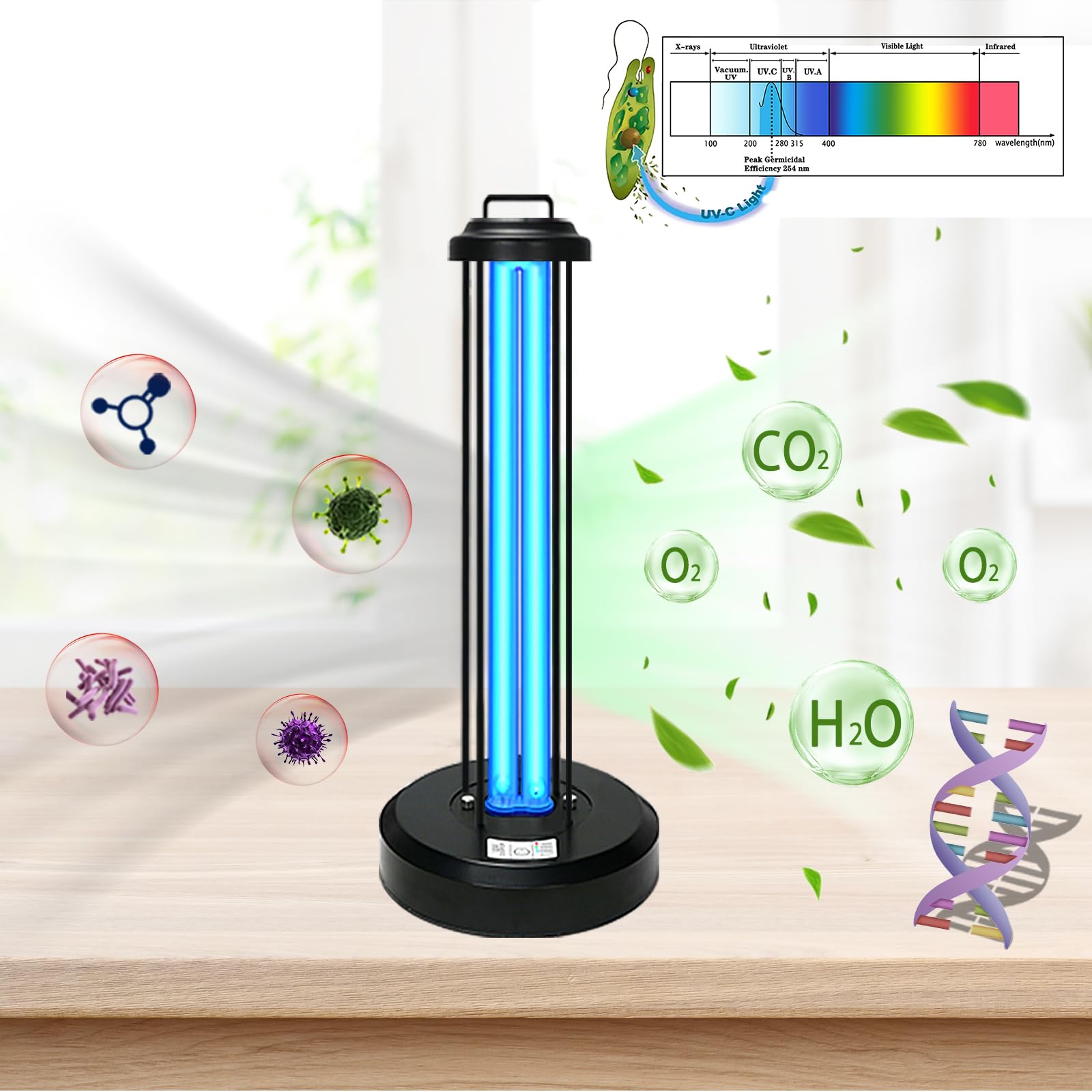
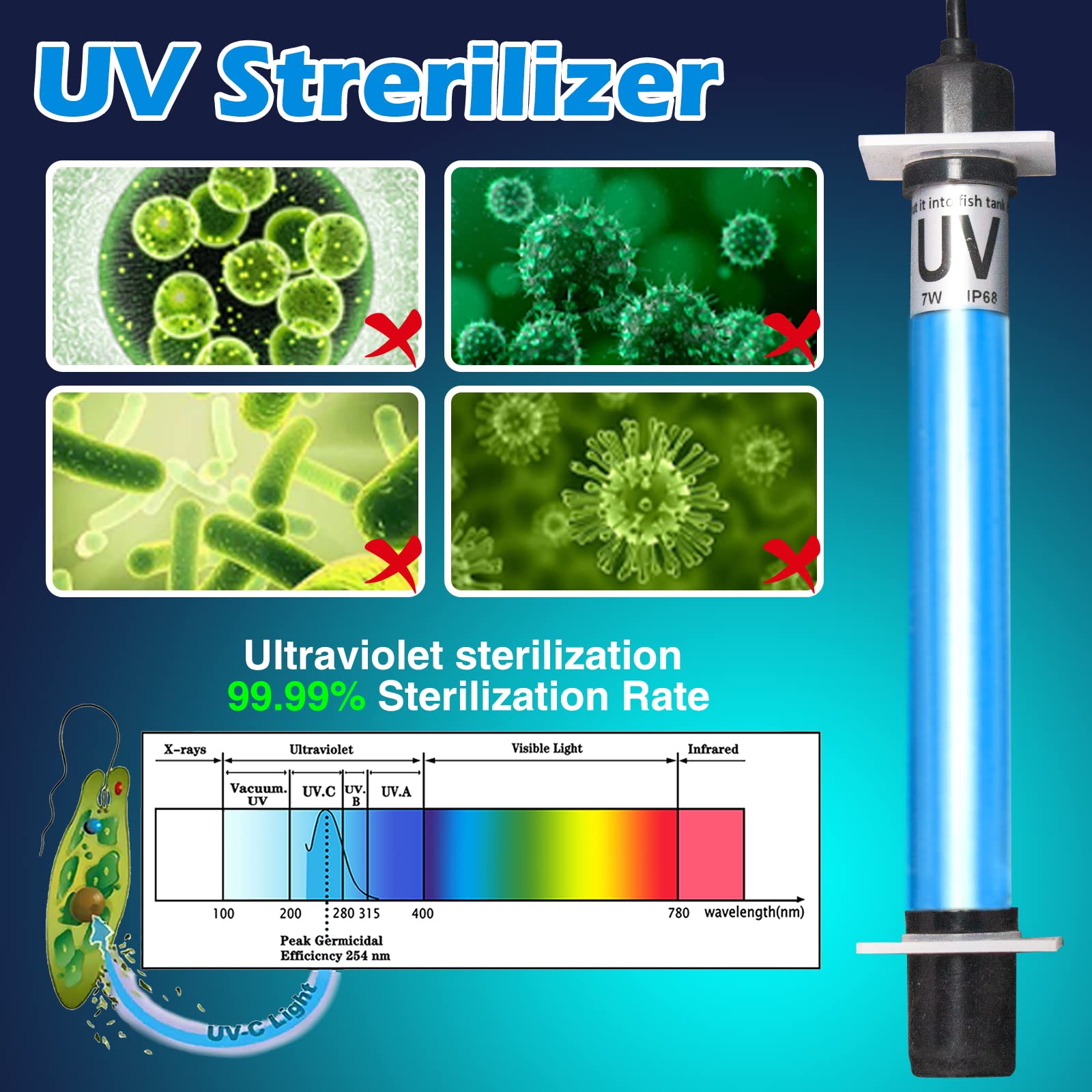
Ultraviolet (UV) light is a form of electromagnetic radiation. The most effective type for disinfection is UV-C, typically in the 200–280 nm wavelength range.
6.2 How UV Light Inactivates Microorganisms
UV-C light penetrates bacteria and viruses, damaging their DNA and RNA. This prevents them from reproducing, effectively neutralizing them.
Unlike chemicals, UV light:
-
Works instantly
-
Leaves no residue
-
Requires no moisture
7. Why UV Disinfection Is Ideal for Glasses and Beauty Tools
7.1 Precision Without Damage
UV disinfection works at room temperature and does not:
-
Warp frames
-
Melt plastics
-
Fade colors
-
Damage coatings
This makes it safe for delicate personal items.
7.2 Chemical-Free Safety
UV sterilization eliminates the risk of:
-
Skin irritation
-
Eye exposure to residues
-
Allergic reactions
This is especially important for people with sensitive skin or eyes.
7.3 Consistent and Repeatable Results
UV devices deliver:
-
Controlled exposure time
-
Uniform coverage
-
Reliable disinfection
Each cycle produces predictable results.
8. UV Disinfection for Eyeglasses
8.1 Targeting High-Risk Areas
UV light reaches:
-
Nose pads
-
Hinges
-
Frame interiors
Areas that wipes and cloths often miss.
8.2 Recommended Usage Routine
-
Remove visible dirt from glasses
-
Place glasses inside a UV sterilizing chamber
-
Run a complete disinfection cycle
-
Store glasses in a clean case
Daily or regular UV treatment helps maintain long-term hygiene.
9. UV Disinfection for Makeup Brushes and Tools
9.1 Combining Washing and UV
UV disinfection works best as a final step after washing:
-
Wash tools to remove residue
-
Dry completely
-
Use UV to eliminate remaining microbes
9.2 Benefits for Different Tools
UV sterilization is suitable for:
-
Synthetic and natural brushes
-
Beauty sponges
-
Metal tools
-
Plastic beauty devices
It helps extend tool lifespan while improving hygiene.
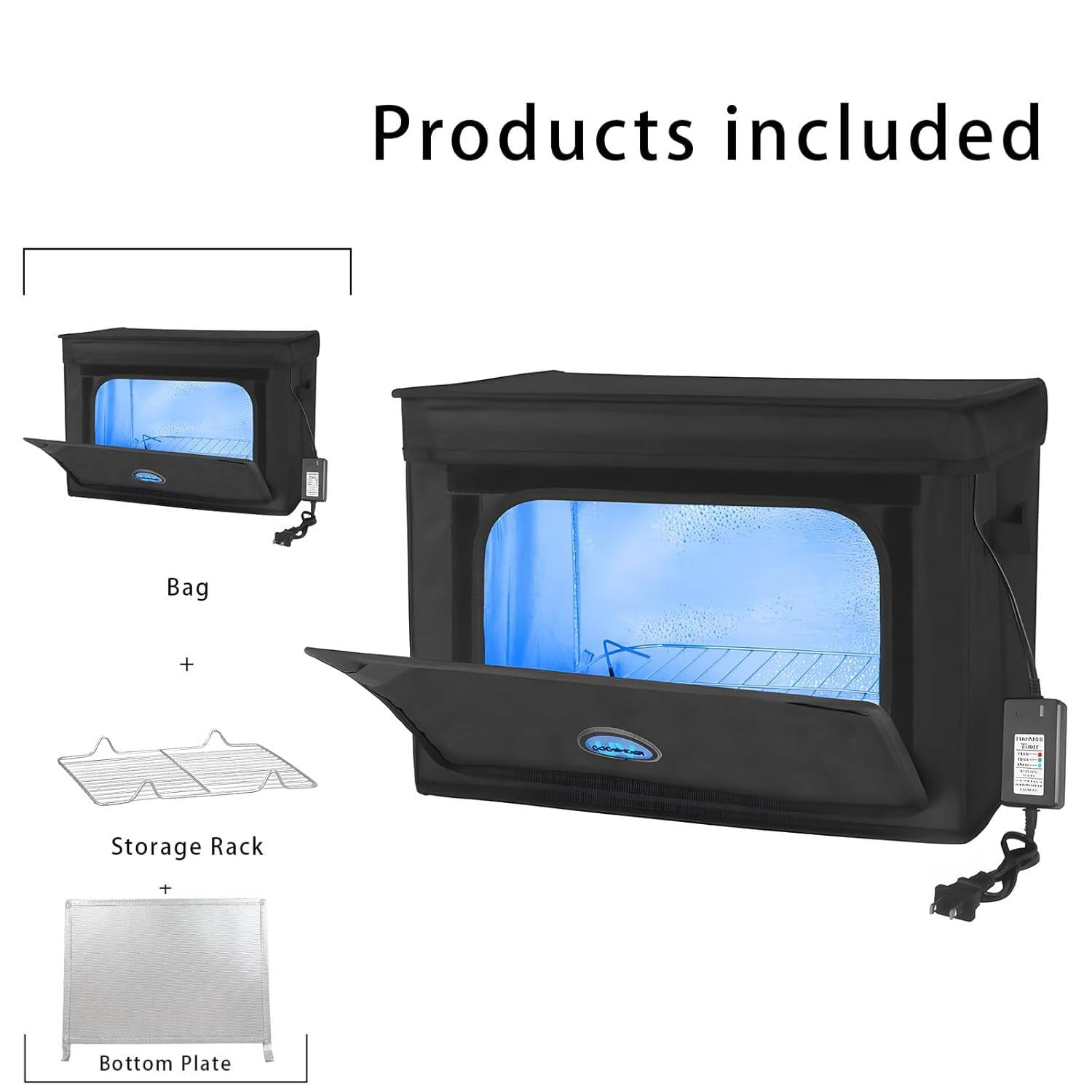
10. Precision UV Devices: Boxes, Lamps, and Chambers
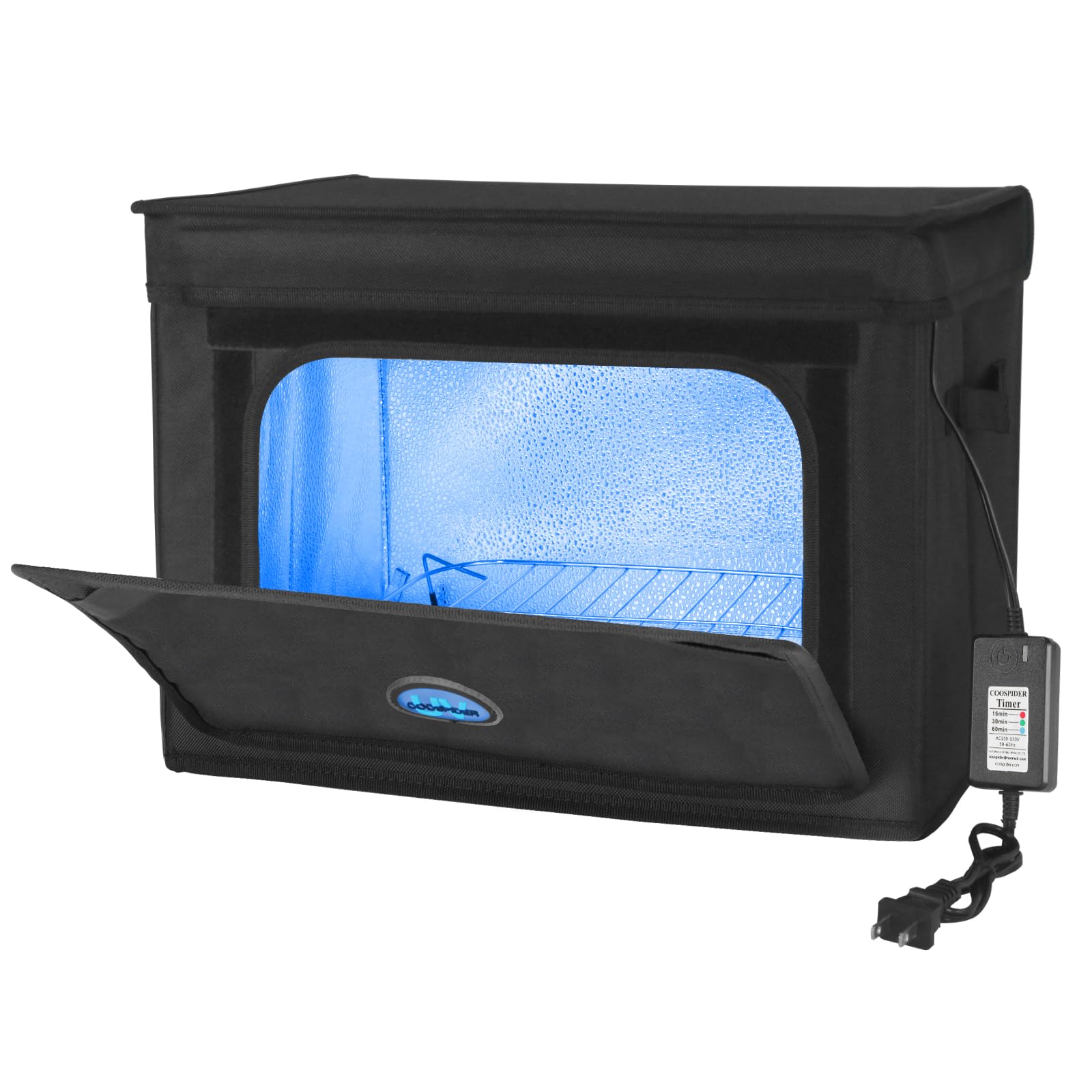
10.1 UV Sterilizer Boxes
Enclosed UV boxes provide:
-
Even exposure
-
Automatic timers
-
Enhanced safety
They are ideal for glasses and small beauty tools.
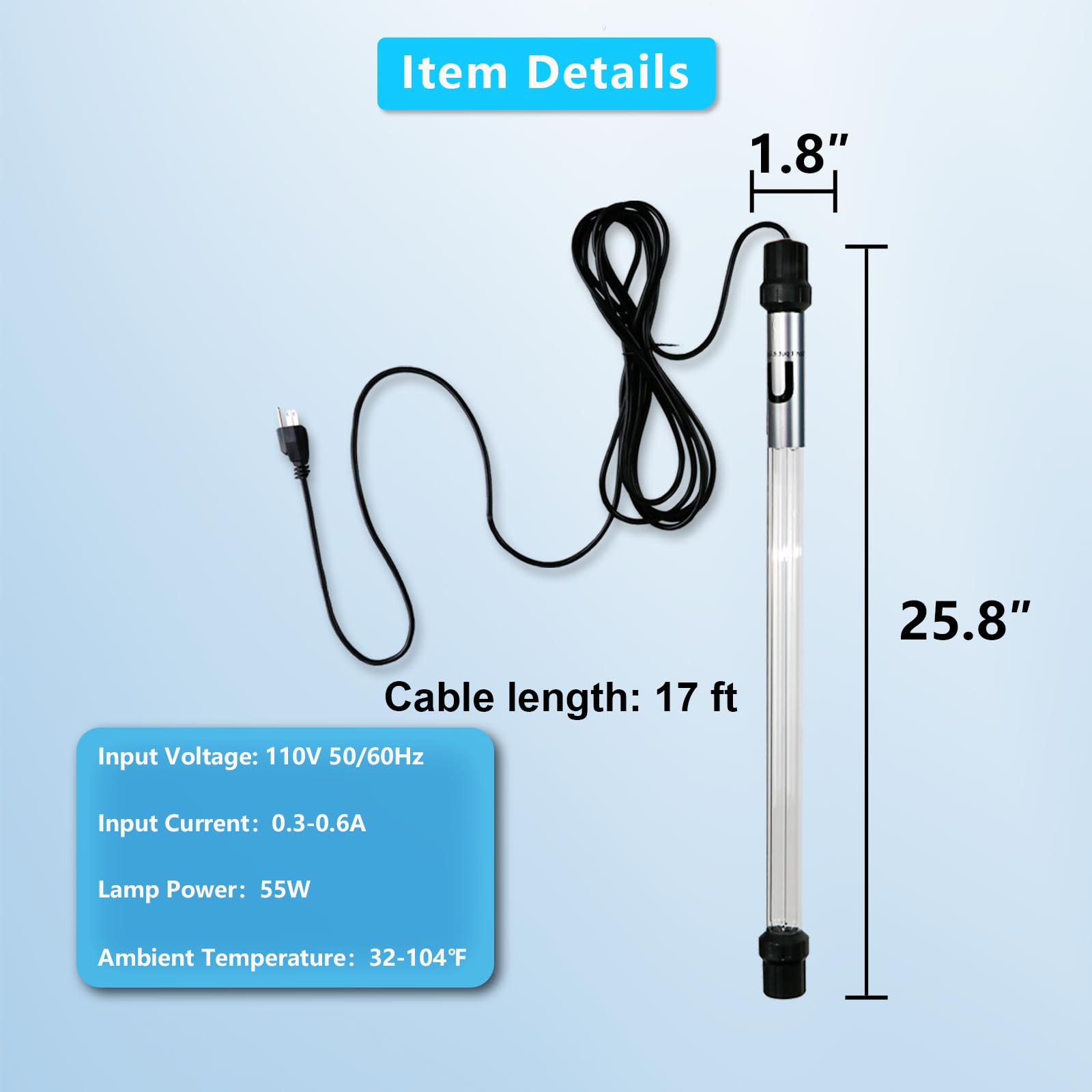
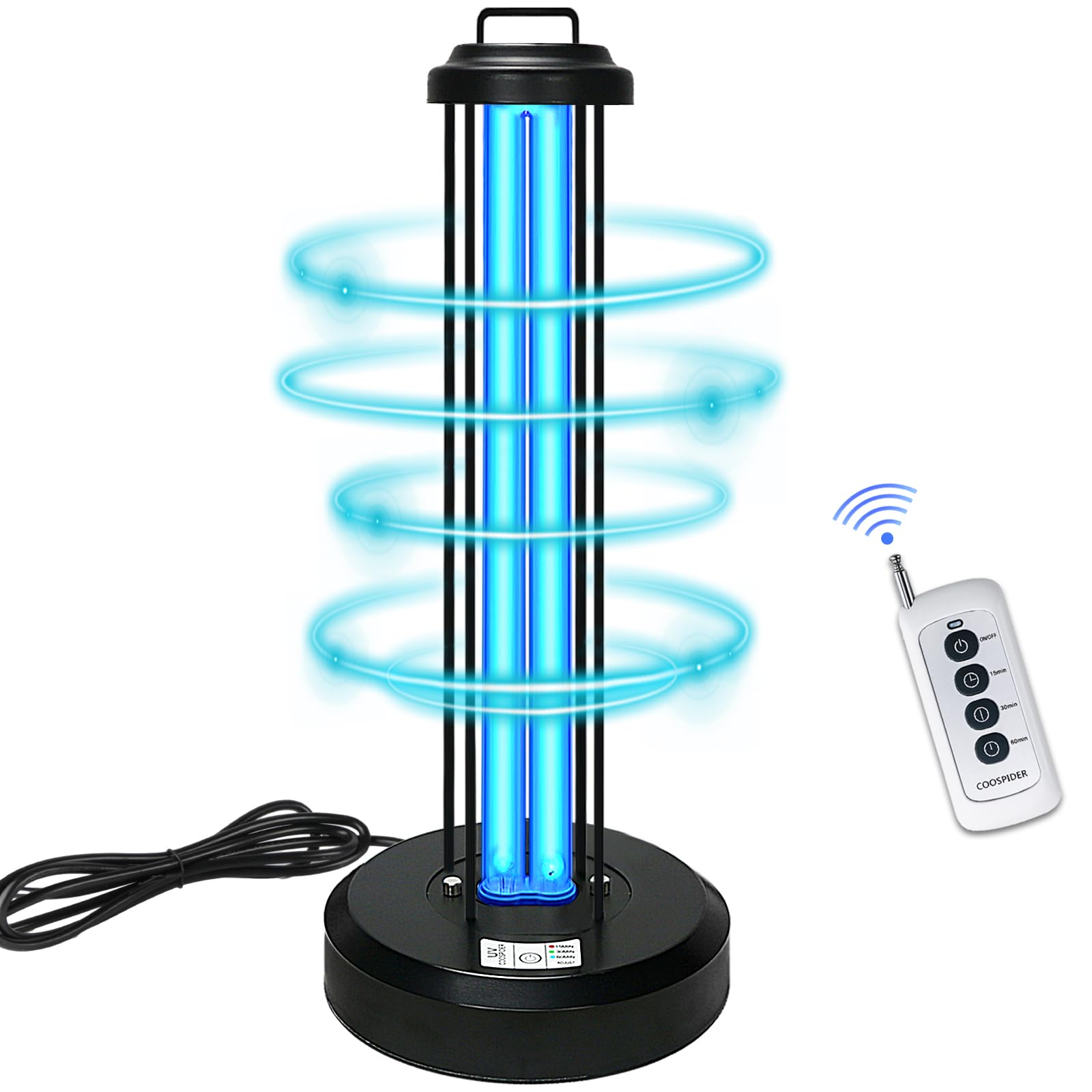
10.2 UV Lamps and Spot Devices
UV lamps allow:
-
Targeted disinfection
-
Flexible positioning
-
Use on larger or irregular items
Precision control ensures optimal results.
11. Safety Considerations for UV Use
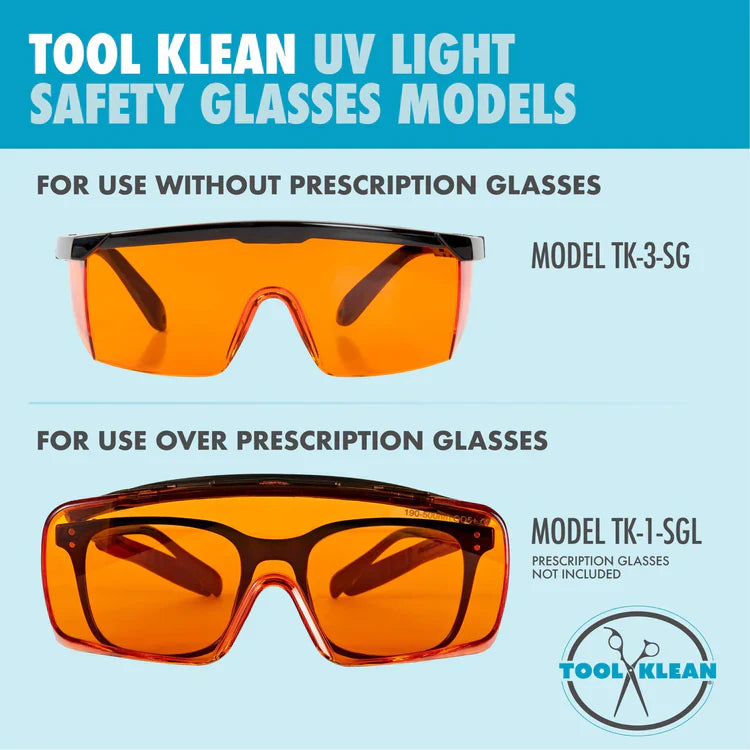
11.1 Protecting Skin and Eyes
Direct exposure to UV-C light can be harmful. Safe usage includes:
-
Using enclosed devices
-
Avoiding direct viewing
-
Keeping devices out of reach of children
11.2 Built-In Safety Features
Modern UV devices often include:
-
Auto shut-off
-
Motion detection
-
Protective housings
When used correctly, UV disinfection is safe for home use.
12. UV Disinfection in Professional Settings
12.1 Optical Stores and Clinics
UV sterilization is widely adopted in:
-
Optical shops
-
Eye clinics
It ensures glasses and tools are hygienic between uses.
12.2 Beauty Salons and Makeup Studios
Professional makeup artists rely on UV sterilization to:
-
Prevent cross-contamination
-
Meet hygiene standards
-
Protect client health
This professional adoption reinforces UV’s reliability.
13. Integrating UV Disinfection into Daily Personal Care
13.1 Simple Daily Habits
UV disinfection can be part of:
-
Morning routines
-
Evening cleanup
-
Weekly deep hygiene sessions
13.2 Long-Term Benefits
Consistent UV use:
-
Reduces breakouts
-
Lowers infection risk
-
Improves eye comfort
-
Extends product lifespan
14. The Future of Personal Hygiene Technology
As awareness grows, UV disinfection is becoming a standard feature in modern personal care. Advances in UV LED technology have made devices:
-
More compact
-
Energy-efficient
-
Affordable
From luxury homes to professional studios, UV hygiene is shaping the future of self-care.
Conclusion: Turning Invisible Risks into Controlled Safety
Eyeglasses and beauty tools are intimate parts of our daily lives, yet they often carry unseen risks. Traditional cleaning methods address surface dirt but fall short of true disinfection.
UV light offers a precise, chemical-free, and material-safe solution. By targeting microorganisms at the genetic level, UV disinfection transforms everyday personal items into hygienic essentials you can trust.
In a world where personal health and wellness matter more than ever, precision UV disinfection is not just an upgrade—it is a necessity.