In almost every home, there is one object that everyone touches—but almost no one cleans properly: the remote control.
TV remotes, air conditioner remotes, game controllers, and smart home controls are passed from hand to hand daily. They fall between couch cushions, rest on coffee tables, and travel from living rooms to bedrooms. Yet despite their constant use, they are rarely disinfected.
The result? Remote controls—and other high-touch household surfaces—have become silent carriers of bacteria and viruses. Traditional cleaning methods struggle to keep up with these everyday items, which is why UV sanitizing lights are emerging as a highly effective solution.
This in-depth guide explores how UV sterilization solves the “remote control problem” and delivers efficient, chemical-free cleaning for high-frequency contact surfaces throughout the home.
1. The Hidden Hygiene Problem in Modern Homes
1.1 High-Touch Surfaces We Overlook Every Day
Most households regularly clean visible areas like floors, countertops, and bathrooms. However, high-touch objects often escape attention, including:
-
TV and streaming remotes
-
Game controllers
-
Smartphones and tablets
-
Door handles and light switches
-
Keyboard and mouse surfaces
These items are touched dozens—or even hundreds—of times a day, often without handwashing in between.
1.2 Why Remote Controls Are Especially Problematic
Remote controls combine several risk factors:
-
Frequent hand contact
-
Small crevices between buttons
-
Rare cleaning
-
Exposure to food residue and skin oils
Studies have repeatedly found that remote controls can harbor more bacteria than toilet seats, especially in shared households.
2. What Lives on High-Frequency Contact Surfaces?
2.1 Common Microorganisms Found on Remotes
Laboratory testing has identified a wide range of microorganisms on remote controls and similar surfaces, including:
-
Staphylococcus aureus
-
E. coli
-
Enterococcus
-
Yeast and mold
-
Respiratory viruses
These microbes transfer easily from hands to face, increasing the risk of illness.
2.2 The Chain of Cross-Contamination
High-touch surfaces act as hubs in the contamination chain:
-
Hands touch the surface
-
Microbes transfer to fingers
-
Fingers touch eyes, mouth, or food
In homes with children, pets, or elderly family members, this chain becomes even more concerning.
3. Why Traditional Cleaning Methods Fall Short
3.1 Wipes and Sprays: Inconsistent and Risky
Disinfectant wipes and sprays are commonly used, but they have drawbacks:
-
Liquid can damage electronics
-
Inconsistent contact time
-
Chemical residue on frequently handled items
Many people wipe quickly without allowing disinfectants to work fully.
3.2 Alcohol Cleaning: Effective but Not Ideal
Alcohol-based solutions can kill germs but:
-
May degrade plastic over time
-
Can remove printed symbols
-
Pose fire risks if misused
For delicate electronics, frequent alcohol use is not recommended.
3.3 The Need for a Dry, Non-Contact Solution
High-touch electronics require a cleaning method that is:
-
Dry
-
Chemical-free
-
Safe for sensitive surfaces
-
Effective against microbes
This is where UV sanitizing lights excel.
4. Understanding UV Sanitizing Technology
4.1 What Is UV Light?
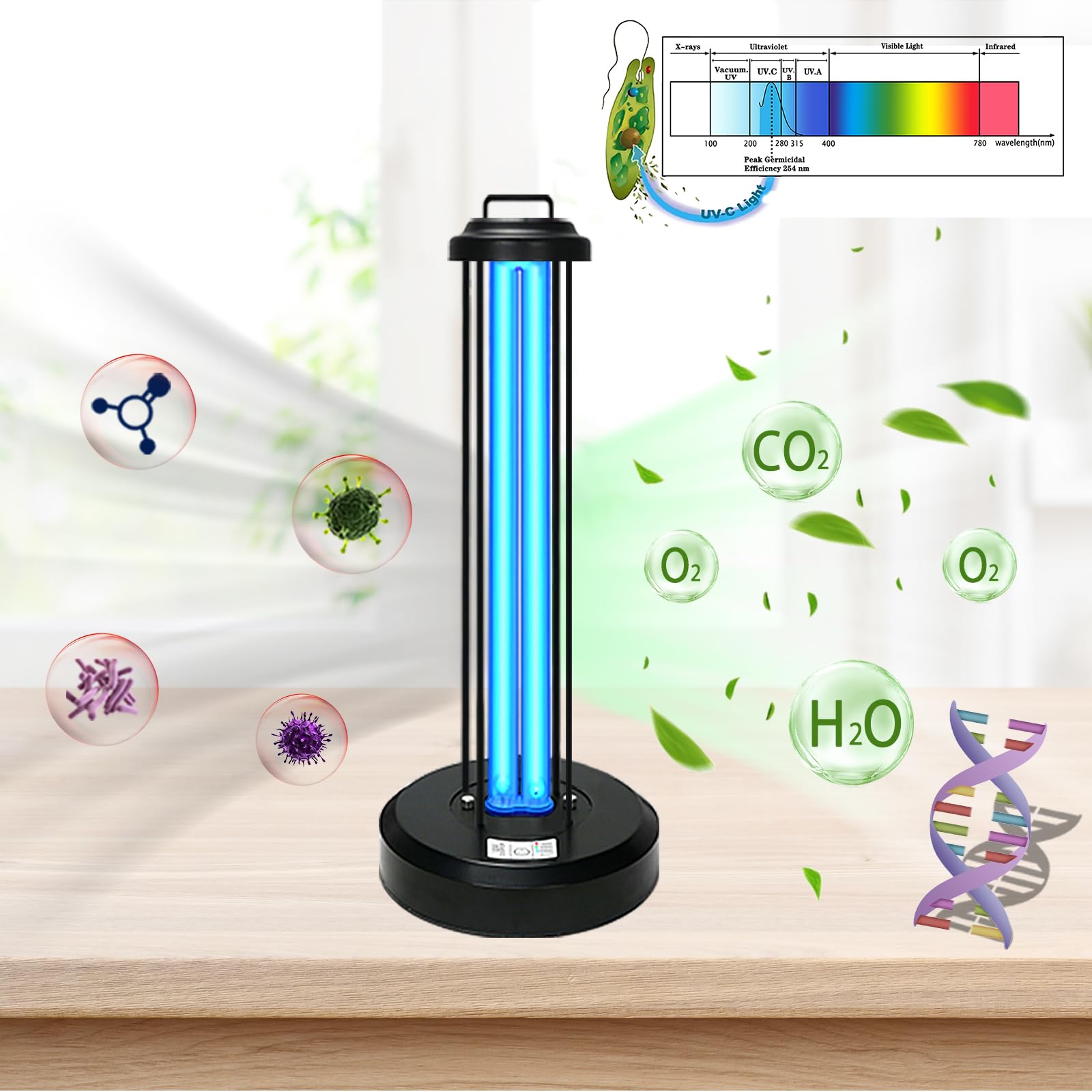
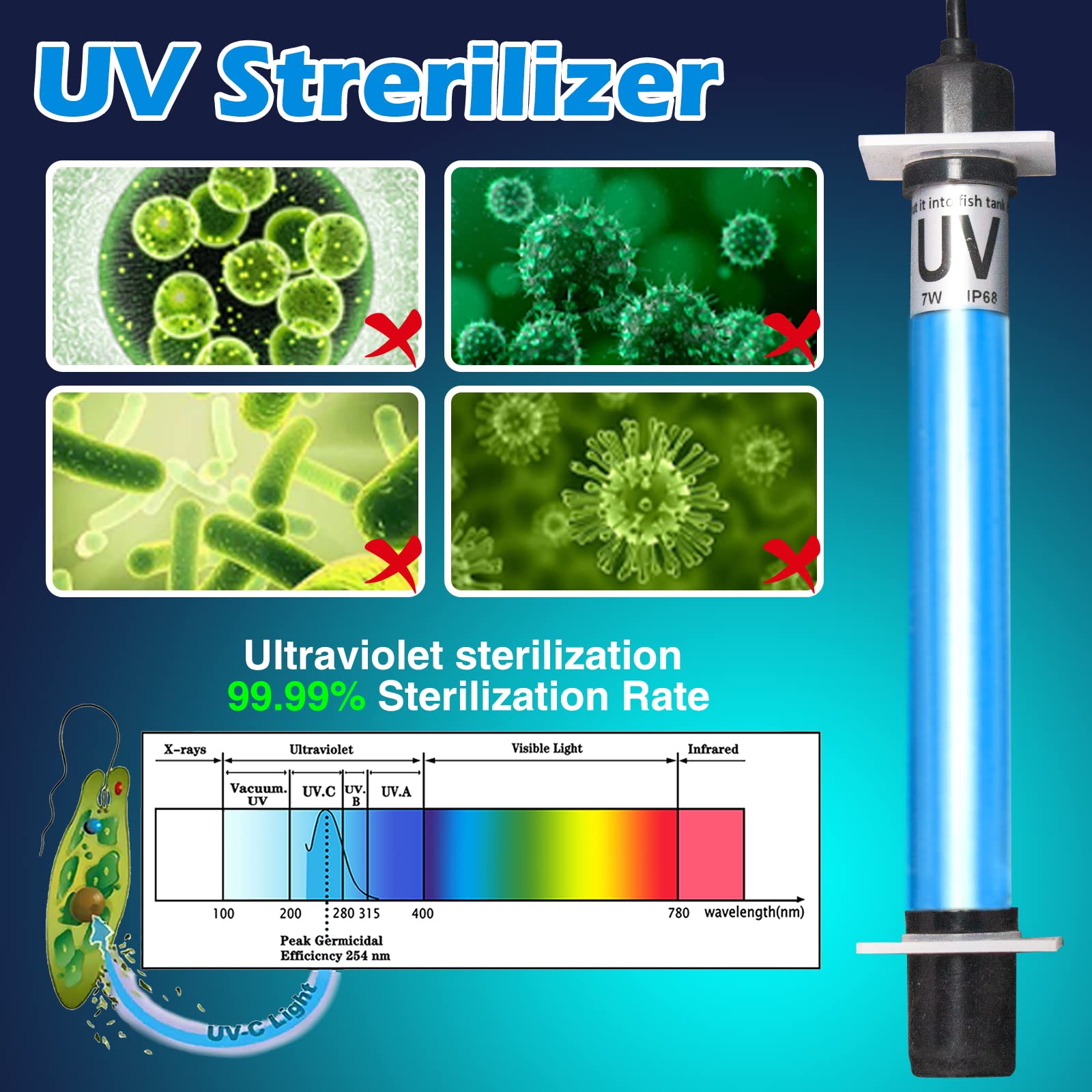
Ultraviolet (UV) light is invisible electromagnetic radiation with germicidal properties. The most effective range for disinfection is UV-C (200–280 nm).
4.2 How UV Light Kills Germs
UV-C light works by:
-
Penetrating microorganisms
-
Damaging their DNA and RNA
-
Preventing replication
Once exposed, bacteria and viruses become inactive and unable to cause infection.
4.3 Why UV Is Ideal for Household Surfaces
UV sanitizing:
-
Requires no liquids
-
Leaves no residue
-
Works quickly
-
Does not rely on chemical reactions
This makes it particularly suitable for electronics and high-touch items.
5. Solving the Remote Control Problem with UV Sanitizing Lights
5.1 Why Remotes Benefit Most from UV Cleaning
Remote controls are:
-
Rarely water-resistant
-
Full of small crevices
-
Shared by multiple users
UV light reaches surface areas that wipes and sprays cannot, including button edges and seams.
5.2 UV Exposure and Disinfection Efficiency
Proper UV exposure can:
-
Eliminate up to 99.9% of surface bacteria
-
Reduce viral contamination
-
Help control odor-causing microbes
Short cycles—often just a few minutes—are sufficient for effective sanitation.
6. Expanding UV Cleaning to Other High-Touch Surfaces
6.1 Electronics and Personal Devices
UV sanitizing lights are widely used on:
-
Smartphones
-
Tablets
-
Earbuds
-
Game controllers
These items are handled constantly and often placed near the face.
6.2 Shared Household Surfaces
UV technology is also effective for:
-
Light switches
-
Door handles
-
Drawer pulls
-
Appliance buttons
Targeting these surfaces helps reduce overall household microbial load.
7. UV Sanitizing Lamps vs. UV Sanitizing Boxes
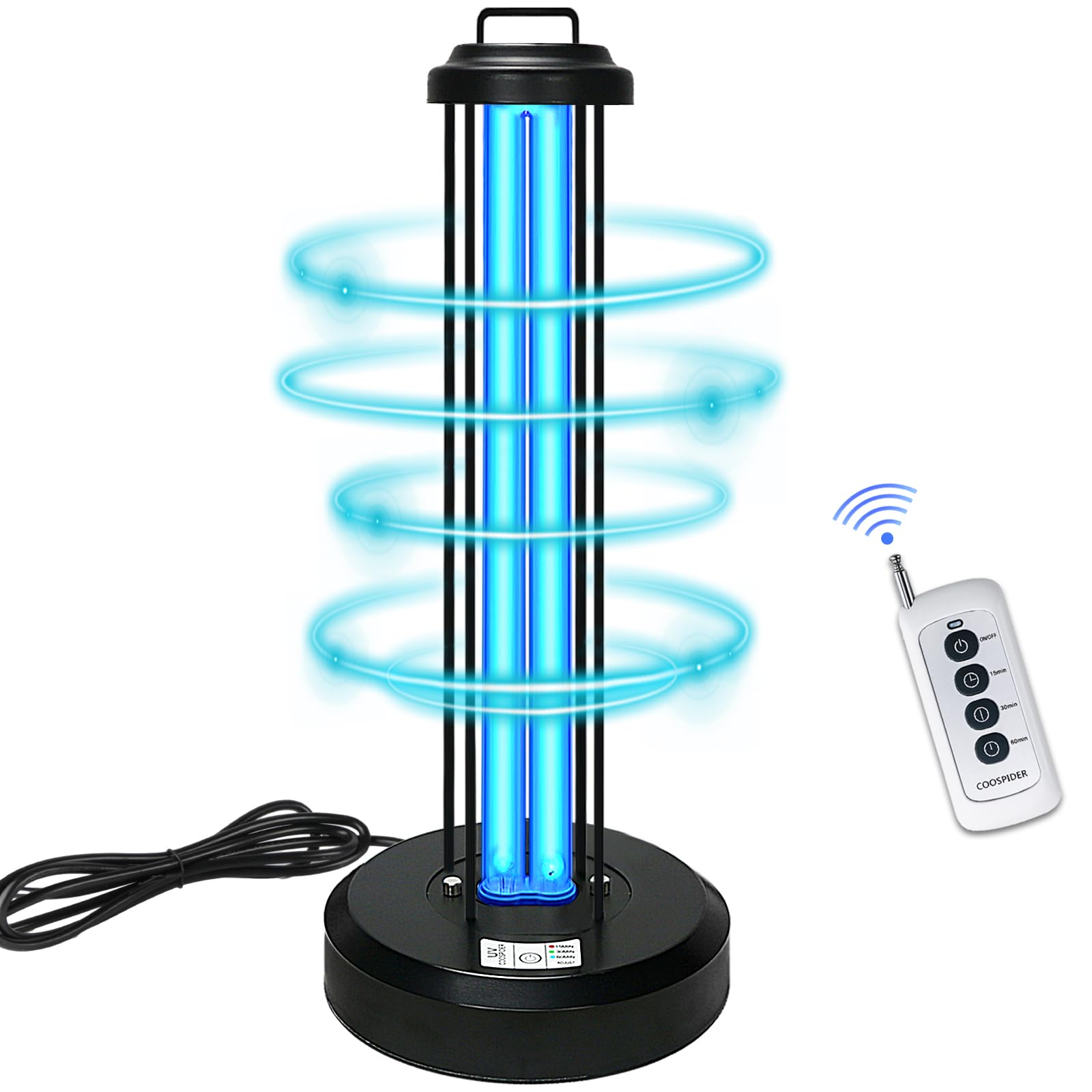
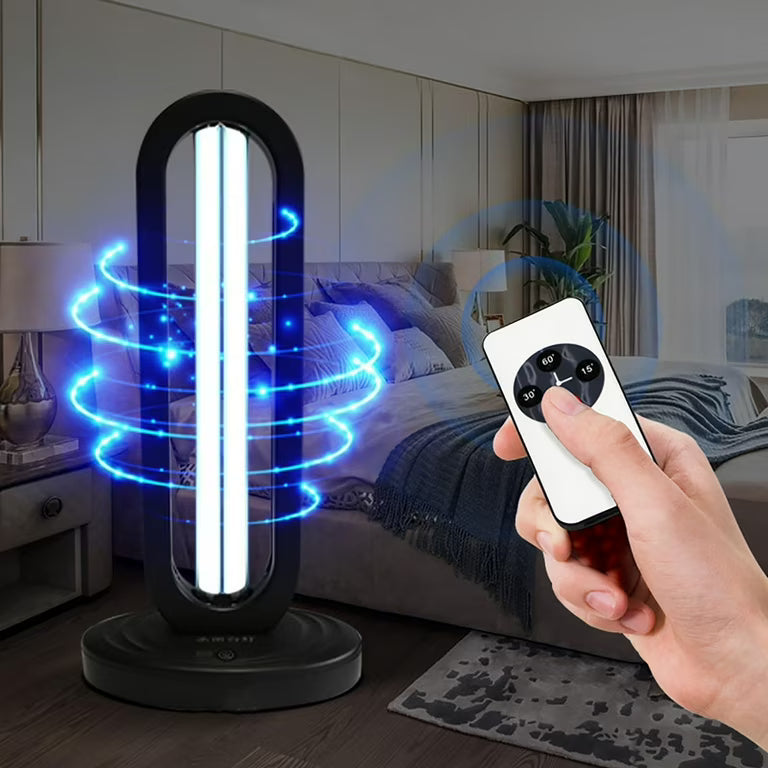
7.1 UV Lamps and Wands
Portable UV lamps allow:
-
Spot treatment
-
Flexible positioning
-
On-demand cleaning
They are ideal for larger surfaces or irregular objects.
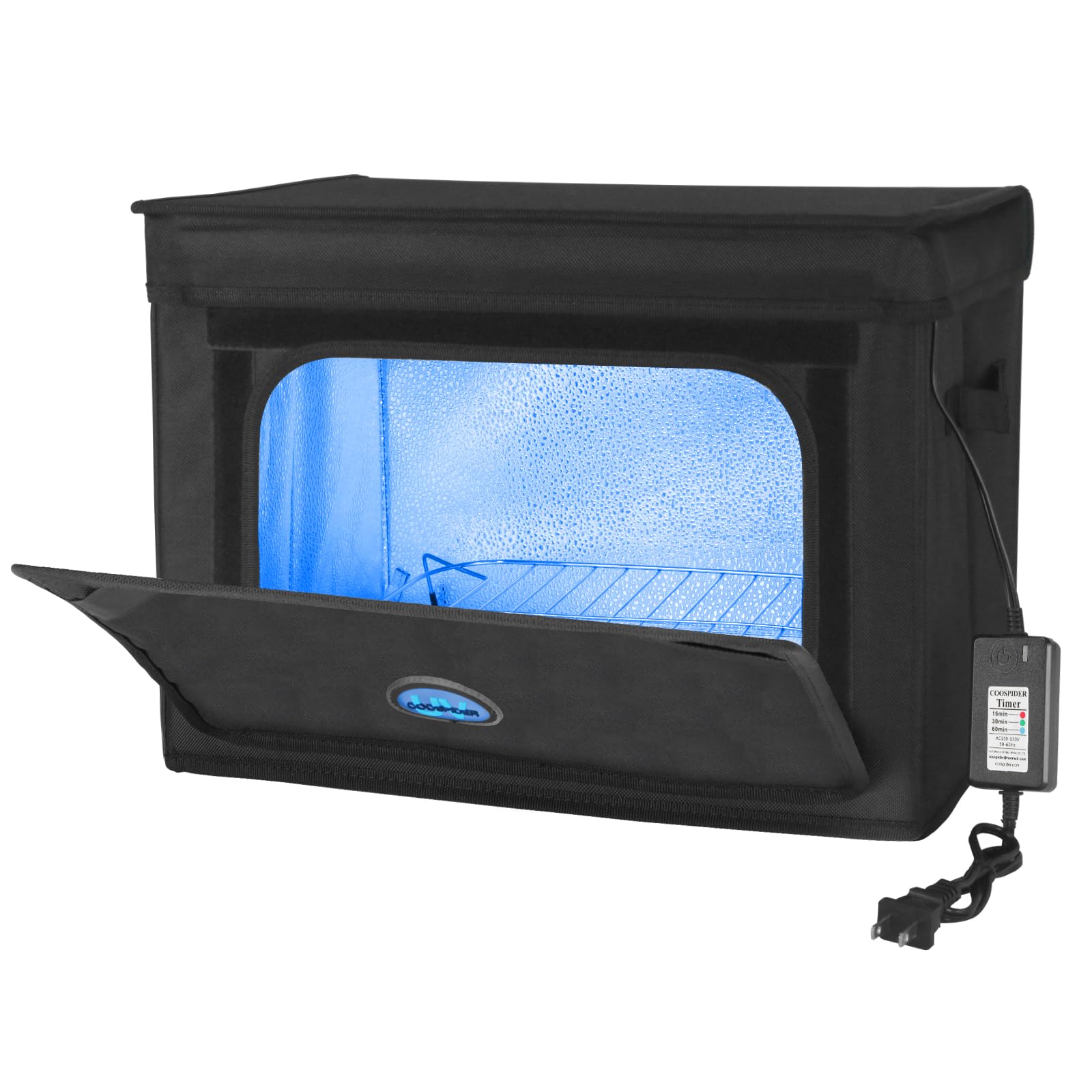
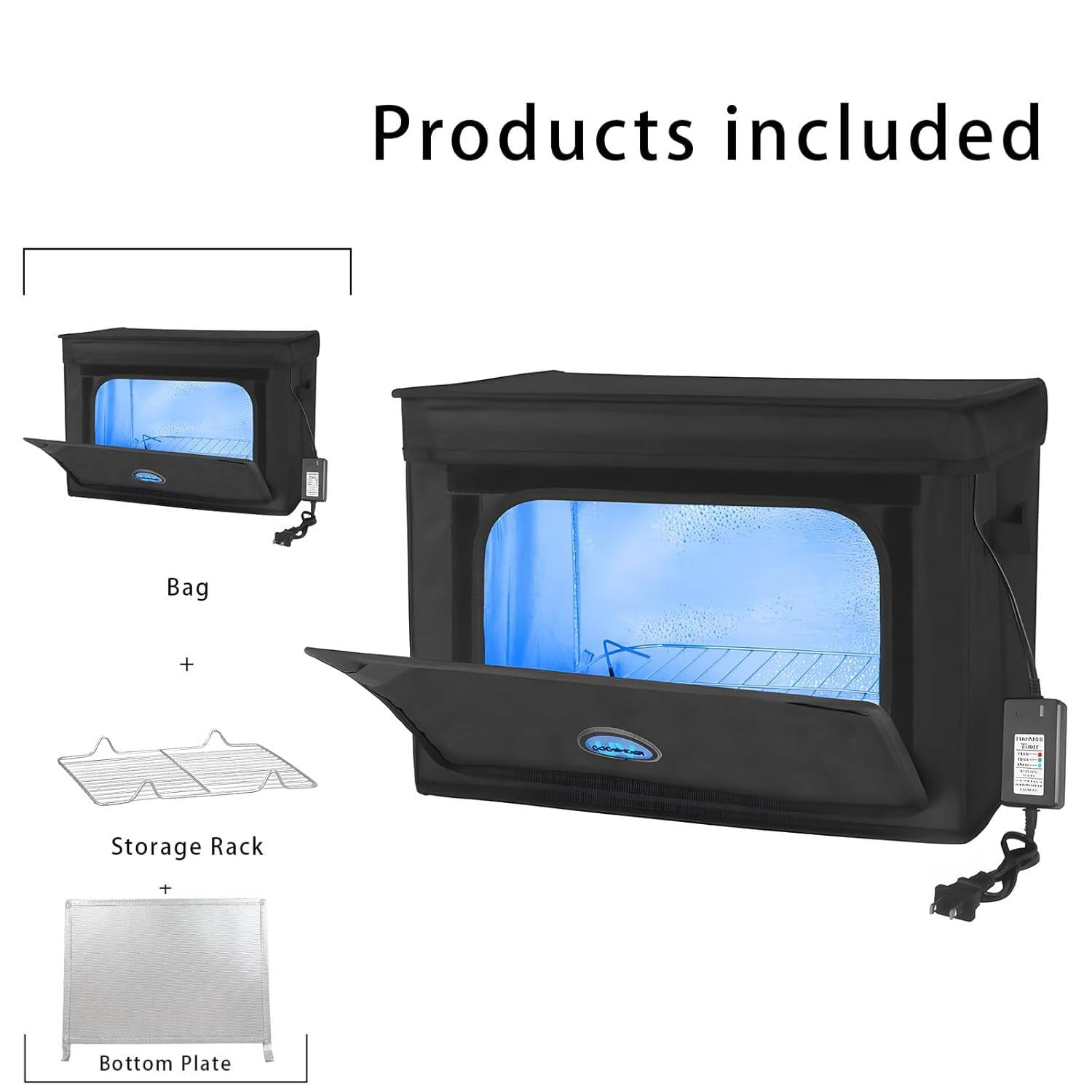
7.2 Enclosed UV Sanitizing Boxes
UV boxes provide:
-
Controlled exposure
-
Automatic timers
-
Enhanced safety
They are perfect for items like remote controls, phones, and accessories.
8. Safety Considerations for Home UV Use
8.1 Protecting Eyes and Skin
Direct exposure to UV-C light can be harmful. Safe usage includes:
-
Using enclosed devices
-
Avoiding direct eye contact
-
Keeping UV devices away from children
8.2 Built-In Safety Features
Modern UV sanitizing products often include:
-
Auto shut-off
-
Motion sensors
-
Protective housings
When used as intended, UV sanitizers are safe and effective.
9. UV Cleaning as Part of a Smarter Home Hygiene Routine
9.1 Daily and Weekly Use Scenarios
UV sanitizing works well:
-
At the end of the day
-
After guests visit
-
During cold and flu season
Consistency is more important than intensity.
9.2 Who Benefits Most from UV Surface Cleaning?
UV sanitization is especially helpful for:
-
Families with children
-
Homes with shared electronics
-
Elderly households
-
Pet owners
-
Work-from-home professionals
10. Comparing UV Sanitizing to Traditional Cleaning Methods
| Method | Chemical-Free | Electronics Safe | Ease of Use | Consistency |
|---|---|---|---|---|
| Wipes & Sprays | No | Limited | Moderate | Low |
| Alcohol Cleaning | Yes | Moderate | Moderate | Moderate |
| Soap & Water | Yes | Poor | Low | Low |
| UV Sanitizing | Yes | Excellent | High | High |
UV technology fills a critical gap in household hygiene.
11. Addressing Common Misconceptions About UV Cleaning
11.1 “UV Replaces All Cleaning”
UV sanitization complements cleaning—it does not remove visible dirt. Items should be visibly clean before UV treatment.
11.2 “UV Is Too Complicated”
Modern UV devices are designed for simple, one-button operation.
11.3 “UV Is Only for Hospitals”
UV technology has become affordable, compact, and consumer-friendly, making it ideal for home use.
12. The Growing Role of UV Technology in Home Health
As awareness of surface hygiene grows, UV sanitizing lights are becoming a standard feature in modern homes. Advances in LED UV technology have made devices:
-
Energy-efficient
-
Long-lasting
-
Safer for daily use
UV cleaning is no longer a luxury—it is a practical tool for healthier living.
Conclusion: Turning the Most-Touched Items into the Cleanest Ones
Remote controls and other high-touch household surfaces are among the most overlooked sources of contamination in modern homes. Traditional cleaning methods struggle to keep up with their constant use and delicate construction.
UV sanitizing lights offer a powerful, chemical-free, and electronics-safe solution. By targeting microbes at the DNA level, UV technology transforms the most frequently touched items into some of the cleanest surfaces in your home.
Solving the remote control problem is not just about convenience—it’s about protecting the health of everyone who lives under your roof. With UV sanitization, cleaner living is finally within reach.