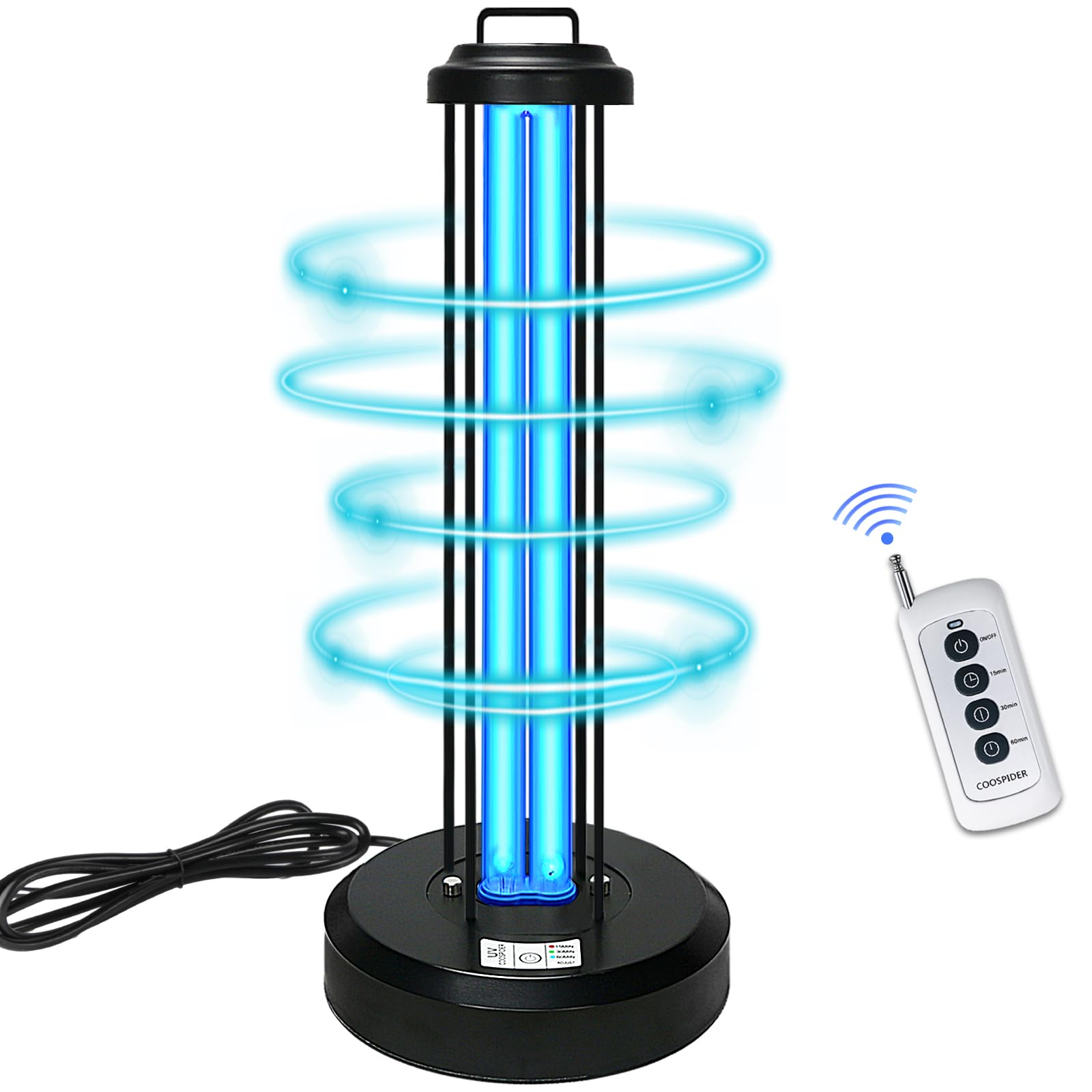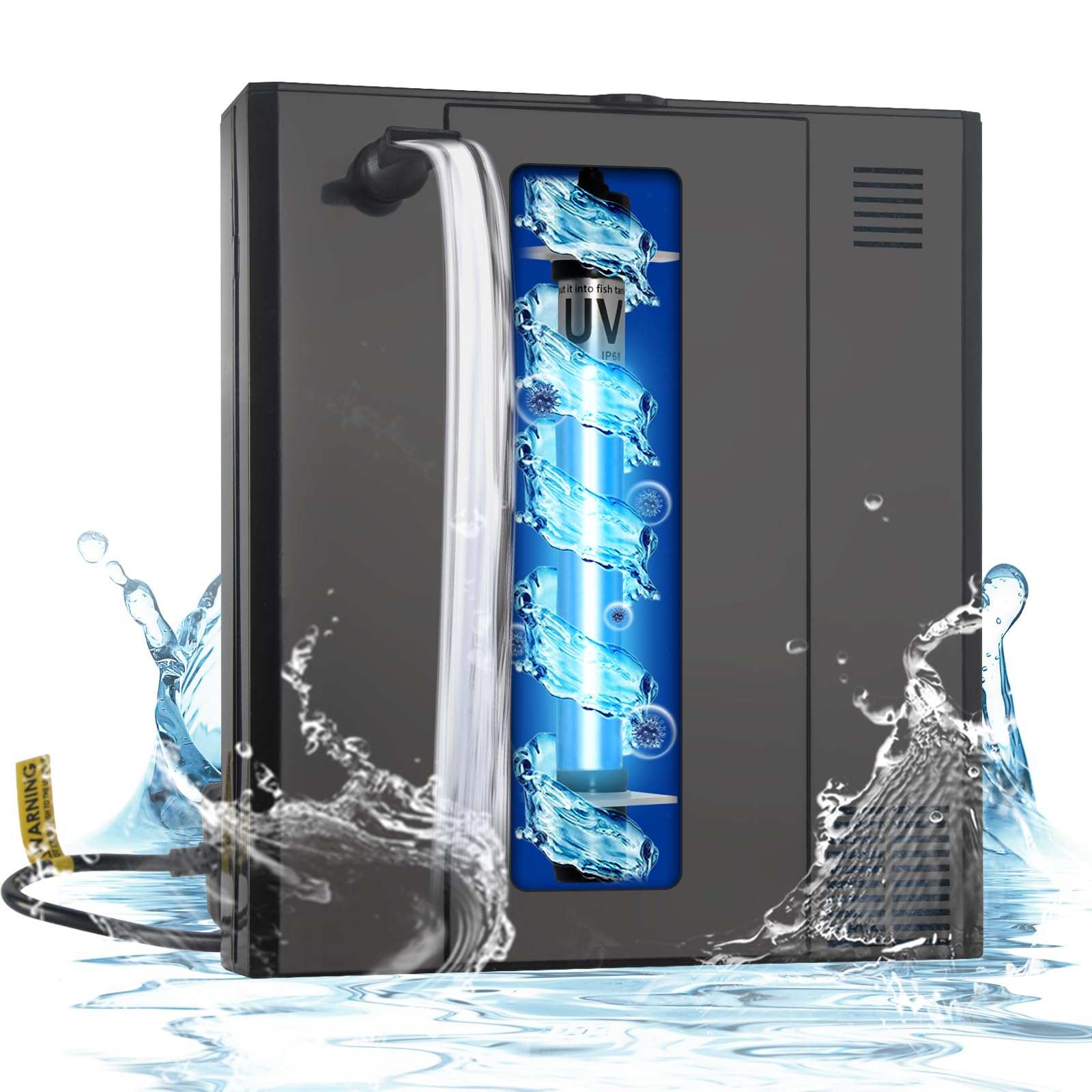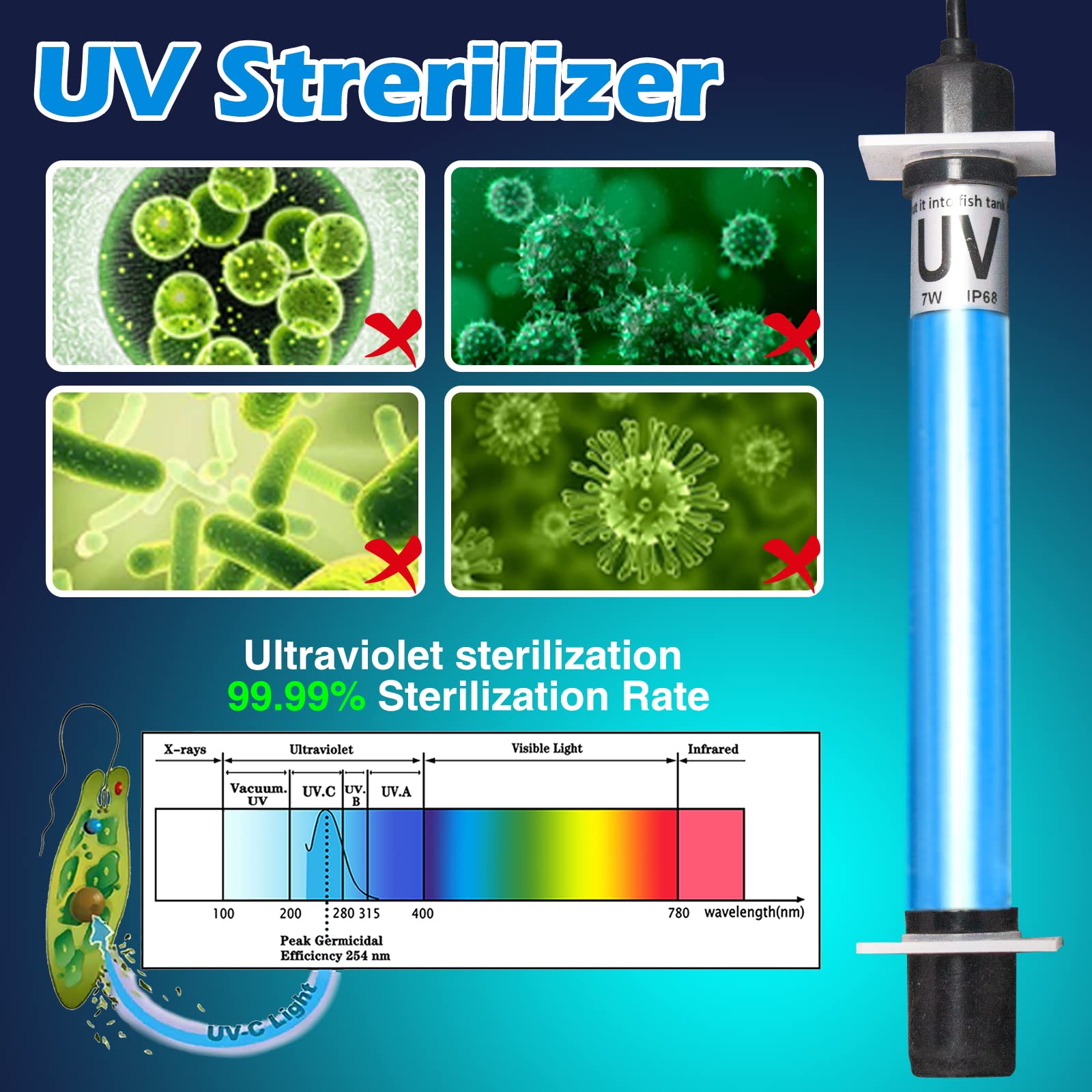
Ultraviolet (UV) disinfection has become one of the most widely discussed and adopted sterilization technologies in recent years. From hospitals and laboratories to homes, offices, HVAC systems, and water treatment facilities, UV lamps are often promoted as a fast, chemical-free, and highly effective way to inactivate bacteria and viruses.
However, as UV technology becomes more mainstream, an important truth is often overlooked:
UV disinfection is powerful—but it is not perfect.
One of its most critical limitations is the so-called “shadow zone” problem—areas that UV light simply cannot reach. Understanding this limitation is essential for anyone who relies on UV disinfection, whether in professional, commercial, or residential settings.
This article takes an in-depth look at what shadow zones are, why they occur, how they limit UV effectiveness, and what can realistically be done to mitigate their impact.
1. Why UV Disinfection Is So Widely Used
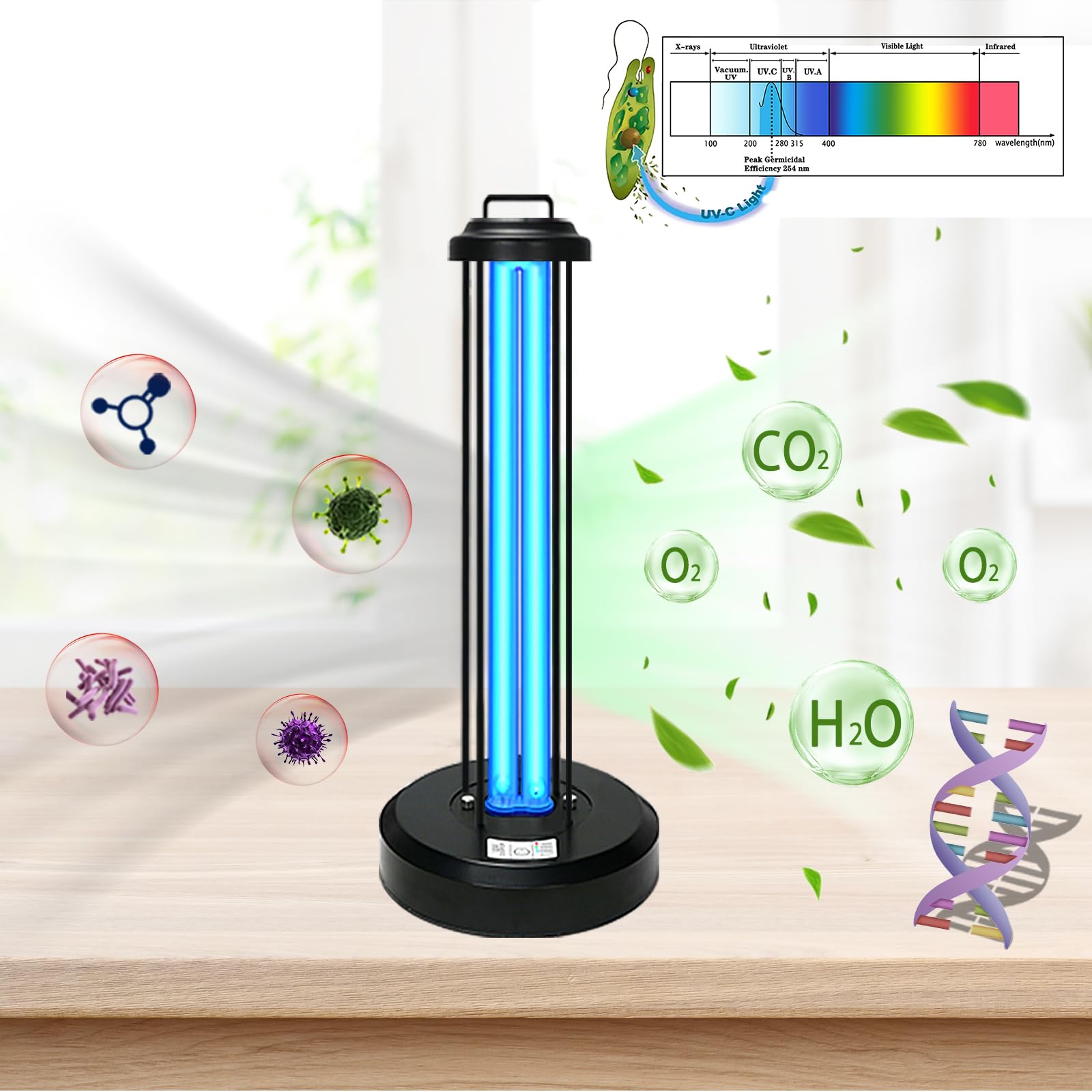
UV disinfection, particularly UV-C (200–280 nm), works by damaging the DNA or RNA of microorganisms, preventing them from replicating.
Its popularity comes from several advantages:
-
No chemical residue
-
Rapid action
-
Broad-spectrum effectiveness
-
Minimal environmental impact
When used correctly, UV disinfection can achieve high levels of microbial inactivation.
But “used correctly” is the key phrase.
2. The Fundamental Nature of UV Light
To understand UV’s limitations, we must first understand how UV light behaves.
UV light:
-
Travels in straight lines
-
Does not bend around objects
-
Does not reflect efficiently off most surfaces
-
Is easily blocked or absorbed
Unlike gases or liquids, UV light cannot flow into hidden spaces.
Where light cannot reach, disinfection cannot occur.
3. What Are “Shadow Zones” in UV Disinfection?
A shadow zone is any area that is physically blocked from direct UV exposure.
Common examples include:
-
Undersides of objects
-
Crevices and cracks
-
Overlapping surfaces
-
Porous materials
-
Complex geometries
In these zones, microorganisms may remain completely unaffected—even during long UV exposure times.
4. Why Shadow Zones Are Inevitable
Shadow zones are not a flaw of a particular product or manufacturer. They are a physical limitation of light-based disinfection.
Any object that:
-
Casts a shadow
-
Has depth or texture
-
Creates overlap
will create areas where UV photons cannot reach.
No increase in lamp power can change this basic reality.
5. Line-of-Sight: The Core Rule of UV Disinfection
UV disinfection follows one unbreakable rule:
If UV light cannot directly “see” the surface, it cannot disinfect it.
This line-of-sight requirement makes UV fundamentally different from:
-
Chemical disinfectants
-
Heat sterilization
-
Vapor-based systems
Understanding this rule prevents unrealistic expectations.
6. Common Environments Where Shadow Zones Occur
Household Surfaces
-
Remote controls
-
Keyboards
-
Toothbrush holders
-
Door handles with grooves
Medical and Laboratory Settings
-
Surgical instruments with joints
-
Tubing and connectors
-
Multi-layered equipment
Industrial Applications
-
Conveyor belts
-
Packaging with folds
-
Mechanical assemblies
Even in controlled environments, shadow zones are unavoidable.
7. The Illusion of “Complete” UV Disinfection
Many users assume that leaving a UV lamp on longer will eventually disinfect everything.
Unfortunately:
-
Time does not eliminate shadow zones
-
UV does not “accumulate” in blocked areas
A surface that receives zero UV dose remains untreated, no matter how long the lamp operates.
8. Why Reflective Surfaces Don’t Fully Solve the Problem
Some systems attempt to reduce shadow zones by using reflective materials such as aluminum or stainless steel.
While reflection helps:
-
It is diffuse, not direct
-
Reflection intensity drops rapidly
-
Surface roughness reduces effectiveness
Reflected UV can improve coverage slightly—but it cannot guarantee full penetration into complex geometries.
9. Porous and Textured Materials: A Special Challenge
UV disinfection is most effective on smooth, non-porous surfaces.
Porous materials such as:
-
Fabrics
-
Sponges
-
Paper
-
Foam
create micro-shadow zones at a microscopic level. UV light may disinfect the surface layer while leaving deeper microorganisms untouched.
10. Shadow Zones in Air and Water UV Systems
Even in air and water treatment, shadow effects exist.
Air Systems
-
Dust particles can shield microorganisms
-
Airflow patterns may bypass UV exposure zones
Water Systems
-
Turbidity blocks UV penetration
-
Suspended particles protect pathogens
Clear water and controlled flow are critical for effective UV treatment.
11. Why Increasing UV Power Has Limits
It is tempting to assume that “stronger UV” solves all problems.
In reality:
-
Higher intensity increases surface dose
-
It does not change geometry
-
It does not bend light
Power increases improve effectiveness only where exposure already exists.
12. Overexposure Risks Without Added Benefit
Increasing UV output to extreme levels can introduce:
-
Material degradation
-
Plastic brittleness
-
Health and safety risks
Without addressing shadow zones, higher power may create more harm than benefit.
13. Shadow Zones and False Security
One of the greatest risks of ignoring UV limitations is false confidence.
Users may:
-
Skip manual cleaning
-
Reduce chemical disinfection
-
Assume sterilization where none occurred
This false sense of security can be more dangerous than no disinfection at all.
14. The Role of Pre-Cleaning in UV Effectiveness
UV disinfection works best as a final step, not a standalone solution.
Pre-cleaning removes:
-
Organic debris
-
Dust
-
Oils
This reduces physical barriers and minimizes shadow creation.
15. Combining UV with Other Disinfection Methods
The most effective systems use UV as part of a layered strategy.
Common combinations include:
-
UV + chemical disinfectants
-
UV + heat
-
UV + filtration
Each method compensates for the others’ weaknesses.
16. Engineering Solutions to Reduce Shadow Zones
While shadow zones cannot be eliminated, they can be reduced through design.
Examples include:
-
Multiple UV lamp placement
-
Rotating objects during exposure
-
Strategic lamp angles
-
Internal reflectors
Engineering reduces—but never completely removes—shadow effects.
17. Rotational and Multi-Directional UV Systems
Some advanced systems rotate objects or use multiple lamps from different directions.
This approach:
-
Exposes more surface area
-
Reduces static shadow zones
-
Improves overall dose uniformity
However, it increases system complexity and cost.
18. Human Factors: Improper Use Creates More Shadow Zones
User behavior often worsens shadow issues.
Common mistakes:
-
Overloading UV cabinets
-
Stacking objects
-
Blocking lamps with accessories
Even the best UV system fails if used incorrectly.
19. Why UV Disinfection Is Not “One-Size-Fits-All”
Different applications require different expectations.
UV is excellent for:
-
Flat surfaces
-
Air disinfection
-
Clear water treatment
It is limited for:
-
Complex objects
-
Deep crevices
-
Porous materials
Matching technology to application is essential.
20. Regulatory and Scientific Perspectives
Regulatory bodies and scientific literature consistently emphasize:
-
UV effectiveness depends on dose and exposure
-
Shadow zones reduce real-world performance
Responsible manufacturers and professionals acknowledge these limitations openly.
21. Marketing vs. Reality
Some marketing claims imply:
-
100% coverage
-
Complete sterilization
-
Universal effectiveness
Such claims ignore physical realities.
An informed user understands that UV is a tool, not a magic solution.
22. Risk Assessment: When Shadow Zones Matter Most
Shadow zones are especially critical in:
-
Medical instrument sterilization
-
Food safety
-
Laboratory environments
In these contexts, UV alone is rarely sufficient.
23. Designing Realistic UV Disinfection Protocols
Effective protocols consider:
-
Object geometry
-
Material type
-
Exposure angles
-
Complementary cleaning steps
Protocols designed around real-world limitations outperform idealized setups.
24. Education as the Missing Component
Many UV failures are not technical—but educational.
Users need to understand:
-
What UV can do
-
What it cannot do
-
How to use it correctly
Education turns UV from a risky shortcut into a reliable tool.
25. Conclusion: Respecting the Limits of UV Disinfection
UV disinfection is a powerful and valuable technology—but only when used with realistic expectations.
The shadow zone problem is not a flaw to be ignored. It is a physical reality that must be respected, designed around, and compensated for.
When users understand that:
-
UV requires line-of-sight
-
Shadow zones reduce coverage
-
Layered disinfection is essential
UV disinfection becomes safer, more effective, and more trustworthy.
True hygiene is not achieved by relying on a single technology—but by understanding its strengths, limits, and proper role in a complete sanitation strategy.