Maintaining a marine aquarium is often described as both an art and a science. Unlike freshwater tanks, saltwater systems—especially reef aquariums—operate within a much narrower margin for error. Among all environmental factors, temperature stability is one of the most critical, and this is where heating rods play a uniquely important role.
In a marine tank, a heater is not just a device that warms water. It is a life-support component that directly affects fish metabolism, coral health, bacterial balance, oxygen levels, and overall system stability.
This article explores the specialized role of heating rods in marine aquariums, how they differ from freshwater applications, and why thoughtful heater selection and placement are essential for long-term success.
1. Why Temperature Matters More in Saltwater Aquariums
Marine organisms evolved in environments where temperature changes slowly and predictably. Coral reefs, for example, typically experience daily temperature fluctuations of less than 1–2°F (0.5–1°C).
In an aquarium environment:
-
Water volume is limited
-
Heat exchange is faster
-
Equipment generates additional heat
-
Room temperature can fluctuate dramatically
Even small temperature swings can cause stress or shock.
Common Risks of Poor Temperature Control
-
Coral bleaching
-
Fish immune suppression
-
Increased disease outbreaks
-
Algae overgrowth
-
Oxygen instability
This makes reliable heating not optional—but essential.
2. Ideal Temperature Ranges for Marine Aquariums
Most marine aquariums operate within a narrow temperature range:
-
Tropical fish-only tanks: 75–78°F (24–26°C)
-
Reef aquariums: 76–80°F (24.5–26.5°C)
-
Sensitive coral systems: ±1°F stability preferred
Consistency matters more than hitting an exact number.
Heating rods must therefore deliver steady, evenly distributed heat, not just raw power.
3. How Heating Rods Function in Marine Environments
A heating rod converts electrical energy into heat through resistance. While the core principle is simple, marine environments introduce additional challenges:
-
High salinity
-
Corrosive conditions
-
Continuous operation
-
Prolonged immersion
This means heaters used in saltwater tanks must meet higher material and safety standards than many freshwater heaters.
4. Material Requirements: Saltwater Is Not Forgiving
Saltwater accelerates corrosion. A heater suitable for marine use must be built with materials that resist:
-
Salt creep
-
Electrochemical corrosion
-
Mineral buildup
Common Marine-Grade Heater Materials
-
Quartz glass
-
Titanium
-
High-grade stainless steel (with protective coatings)
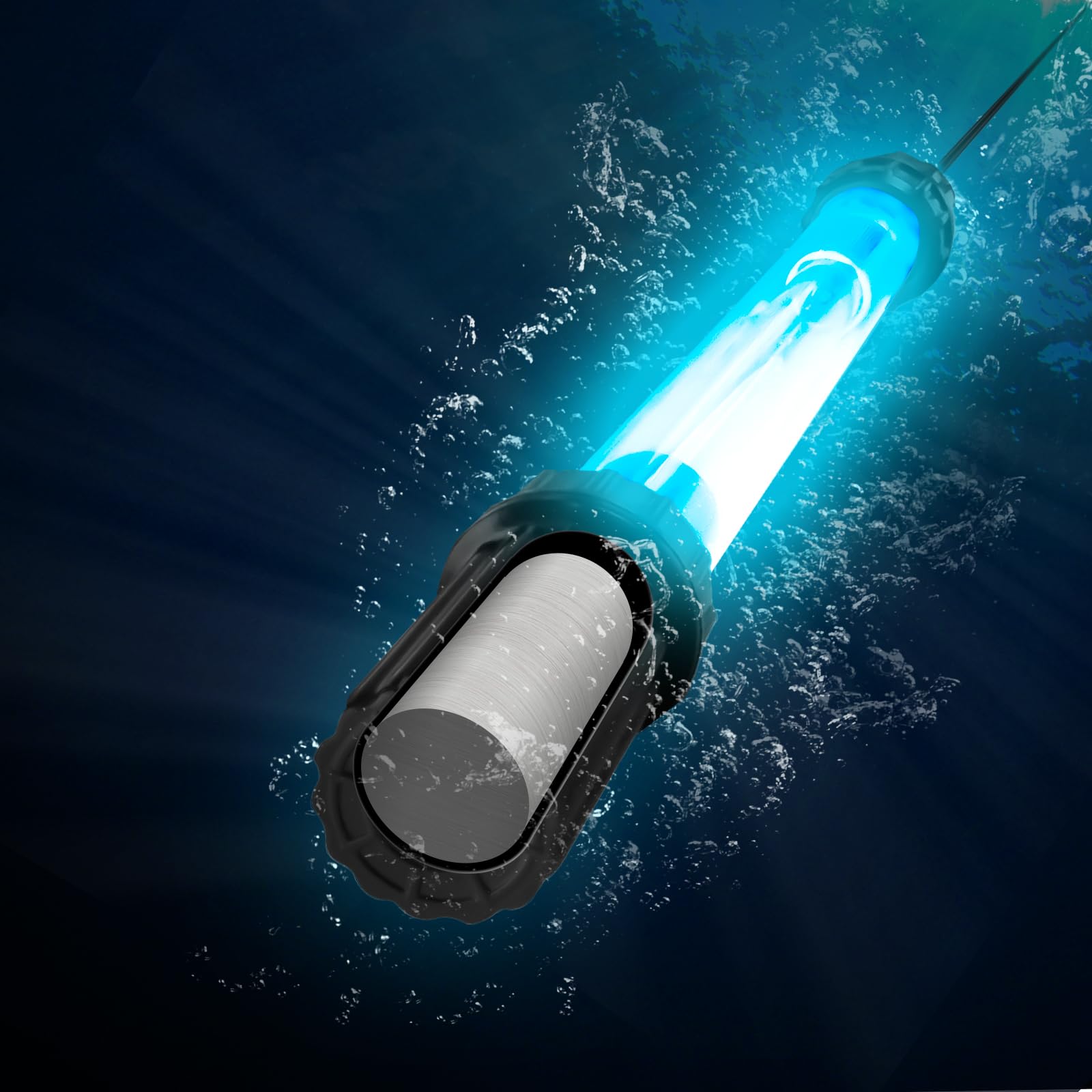
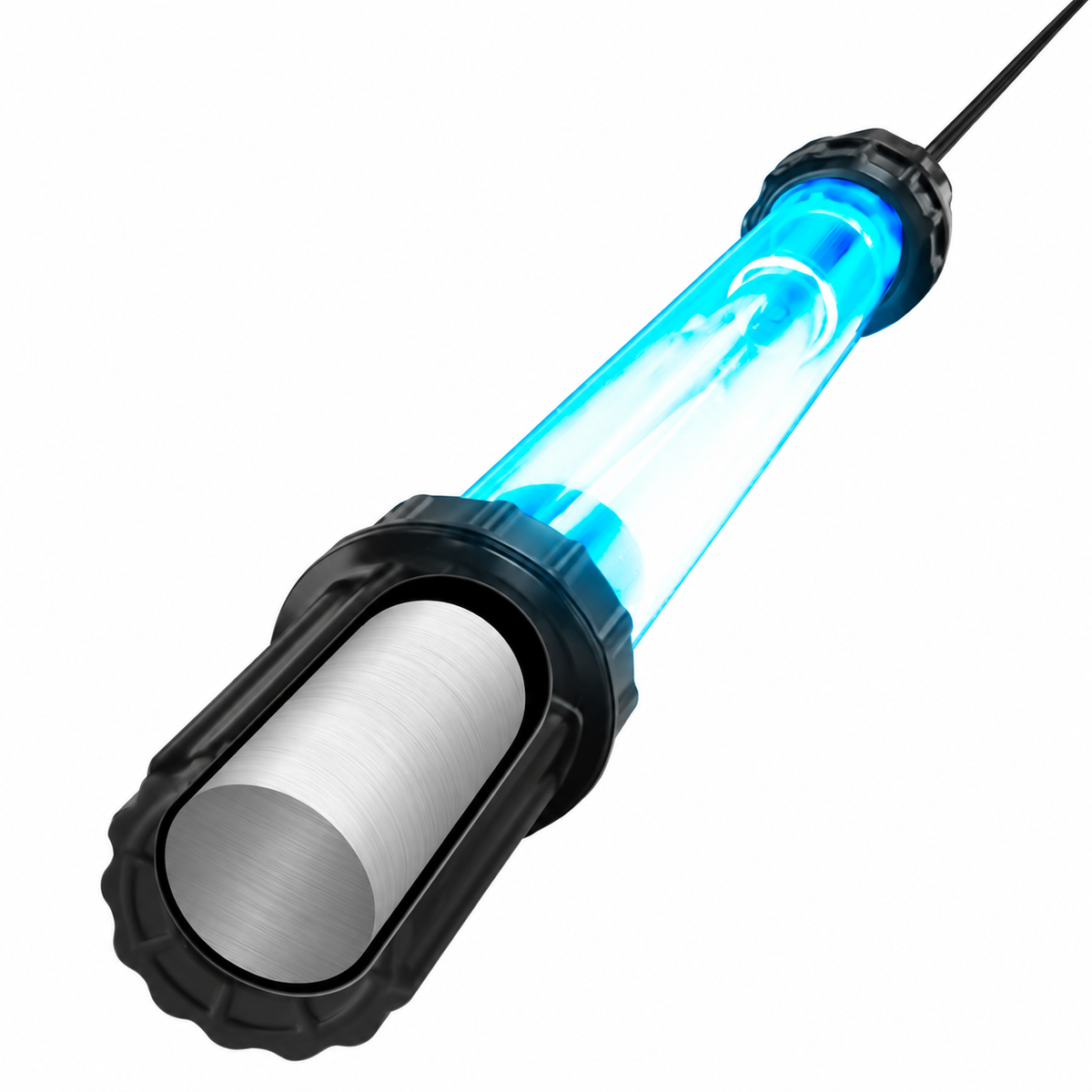
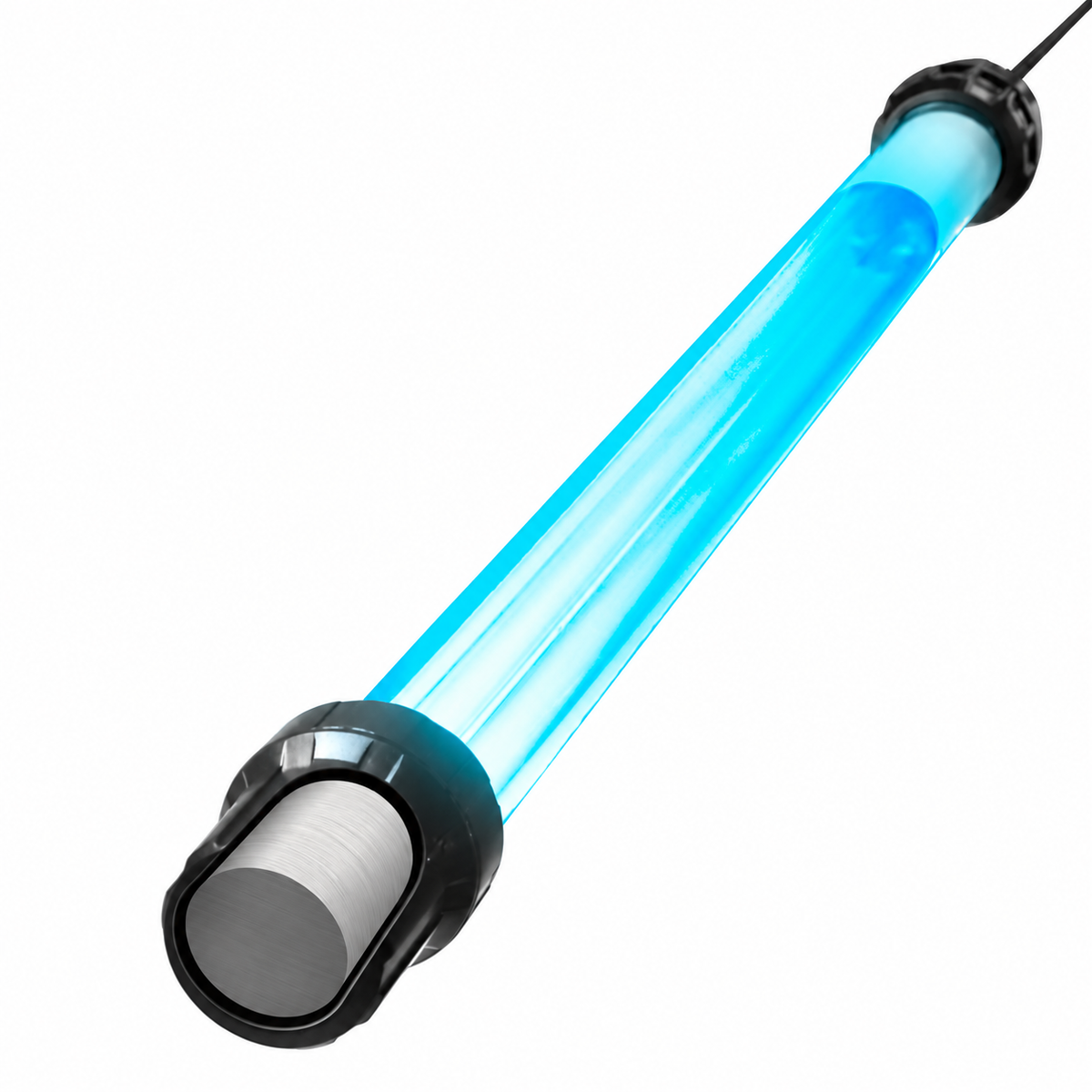
Among these, titanium heating rods are especially popular in reef systems due to their durability and rapid heat transfer.
5. Titanium Heating Rods: A Marine Aquarium Favorite
Titanium heaters have become the gold standard for advanced marine setups.
Why Titanium Works Well
-
Excellent corrosion resistance
-
Fast thermal response
-
Durable under continuous operation
-
Compatible with external controllers
Unlike glass heaters, titanium rods are less likely to crack under sudden temperature changes or physical stress.
For large reef tanks and sump-based systems, titanium heating rods offer reliability that hobbyists trust.
6. Heater Placement: More Than Just “Put It in the Tank”
In marine aquariums, heater placement significantly affects performance and safety.
Common Placement Options
-
Display tank
-
Sump (preferred for reef systems)
-
Dedicated heating chamber
Best Practices
-
Place heaters near areas of strong water flow
-
Avoid direct contact with sand, rocks, or acrylic walls
-
Ensure full submersion (unless designed otherwise)
Good circulation prevents hot spots and ensures uniform temperature throughout the system.
7. Heating Rods in Sump-Based Marine Systems
Many marine aquariums use a sump to hide equipment and improve system stability.
Advantages of Using Heaters in the Sump
-
Cleaner display tank
-
Better heat distribution
-
Reduced risk of livestock contact
-
Easier maintenance
In sump setups, heating rods are often paired with external temperature controllers for maximum precision.
8. External Temperature Controllers: Precision Matters
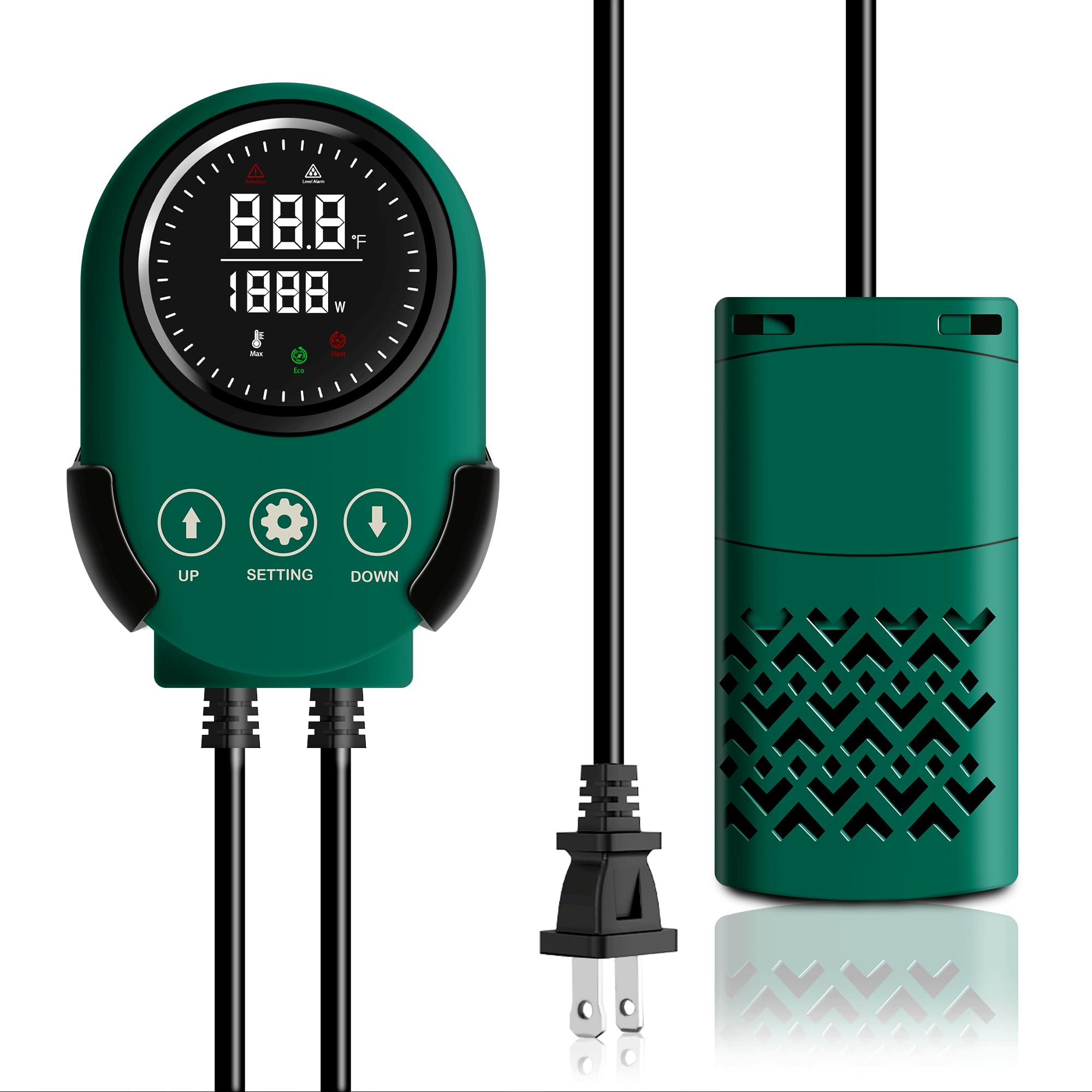
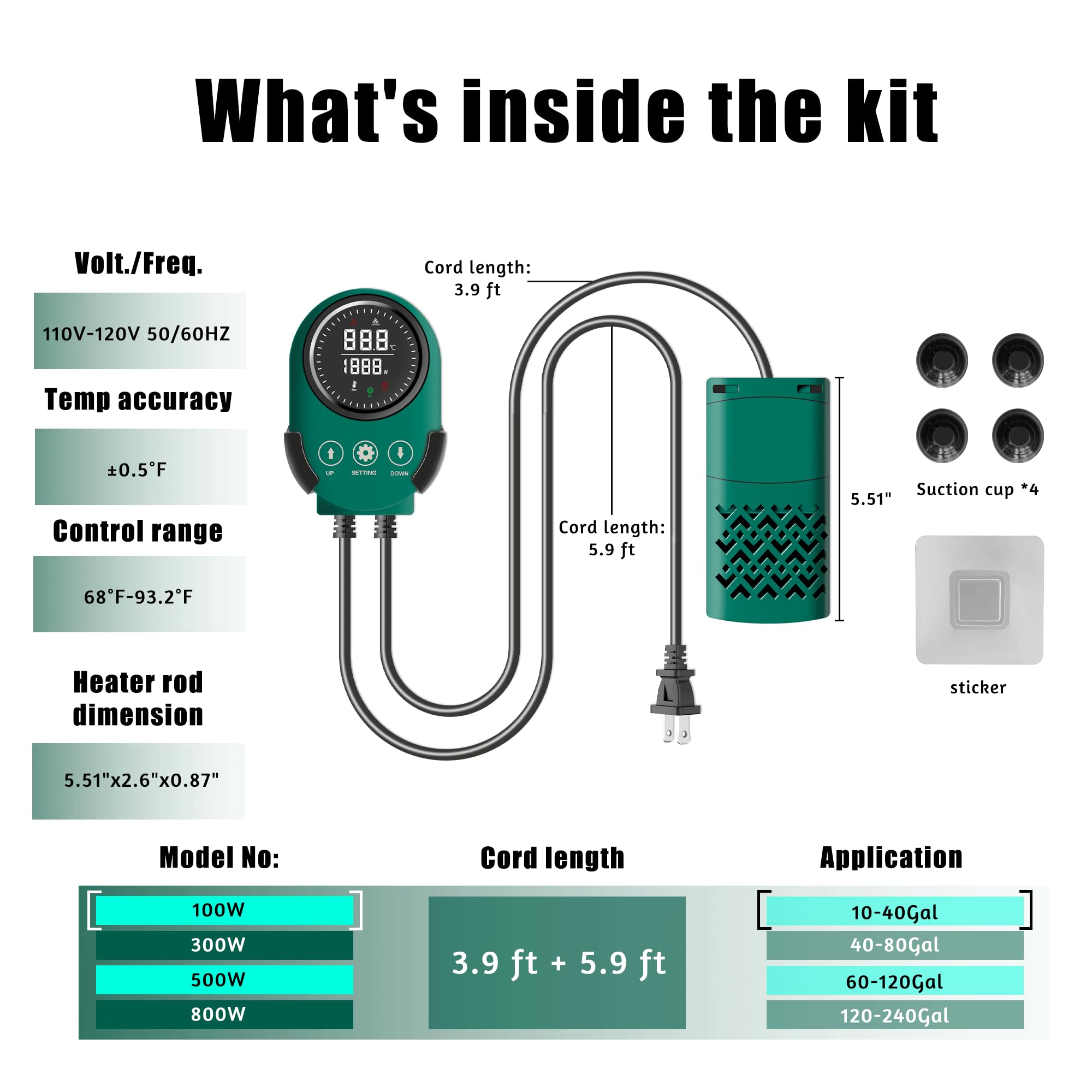
While many heating rods include built-in thermostats, advanced marine systems often rely on external controllers.
Benefits of External Controllers
-
Higher accuracy
-
Redundant safety protection
-
Alarm and fail-safe features
-
Multiple heater coordination
Using two lower-wattage heating rods controlled by one controller is often safer than relying on a single high-wattage unit.
9. Redundancy: A Key Strategy in Marine Heating
Experienced reef keepers rarely rely on a single heater.
Why Redundancy Is Important
-
Heater failure can happen suddenly
-
Overheating is often more dangerous than underheating
-
Backup systems provide time to react
Common approach:
-
Two heaters, each rated for 50–70% of required capacity
-
Both controlled by an external temperature controller
This setup minimizes catastrophic temperature swings.
10. Heating Rod Wattage: Marine Tanks Need Careful Calculation
Choosing the correct wattage is not as simple as following a generic chart.
Factors to consider:
-
Tank volume
-
Ambient room temperature
-
Tank location (near windows or AC vents)
-
Use of a sump
-
Heat generated by lights and pumps
Marine tanks with powerful lighting systems may need less heating during photoperiods but more at night.
11. Seasonal Challenges in Marine Aquariums
Temperature demands change with the seasons.
Winter Challenges
-
Increased heater workload
-
Greater risk of failure due to continuous operation
Summer Challenges
-
Risk of overheating
-
Heaters must remain accurate and responsive
In warm climates, heaters must still function correctly to prevent nighttime temperature drops.
12. Heating Rods and Coral Health
Corals are especially sensitive to temperature instability.
Temperature stress can:
-
Disrupt symbiotic zooxanthellae
-
Reduce calcification rates
-
Trigger bleaching events
Stable heating supports:
-
Consistent coral coloration
-
Healthy growth rates
-
Improved resistance to stress
For reef aquariums, heating rods are directly linked to coral survival.
13. Interaction Between Heating and Water Chemistry
Temperature influences:
-
Dissolved oxygen levels
-
pH stability
-
Ammonia toxicity
-
Bacterial activity
In marine tanks, stable temperature helps maintain biological filtration efficiency and chemical balance.
Heating rods indirectly support the nitrogen cycle by keeping beneficial bacteria within optimal temperature ranges.
14. Safety Considerations in Saltwater Heating
Saltwater is electrically conductive, increasing safety risks.
Essential Safety Features
-
Ground fault circuit interrupters (GFCI)
-
Heater guards or sleeves
-
Proper grounding
-
Regular inspection
High-quality heating rods designed for marine use reduce the risk of electrical leakage and equipment failure.
15. Heating Rods in Fish-Only vs. Reef Tanks
Fish-Only Marine Tanks
-
Slightly wider temperature tolerance
-
Less sensitivity to short-term fluctuations
Reef Tanks
-
Narrow tolerance range
-
High demand for stability
-
Greater reliance on precision heating
Heater selection should reflect the most sensitive organisms in the system.
16. Nano Marine Tanks: Small Volume, Big Risk
Nano reef tanks (<30 gallons) are especially vulnerable to temperature swings.
Challenges include:
-
Rapid heat loss
-
Quick overheating
-
Limited buffer capacity
In nano systems, heating rods must be:
-
Precisely sized
-
Highly responsive
-
Paired with accurate controllers
Even minor heater malfunctions can have immediate consequences.
17. Maintenance and Inspection of Marine Heating Rods
Regular maintenance is often overlooked but critical.
Recommended Practices
-
Monthly visual inspection
-
Check for corrosion or deposits
-
Verify temperature accuracy
-
Clean mineral buildup
Replacing heaters proactively every 1–2 years is common among advanced reef keepers.
18. Energy Efficiency in Marine Heating
Marine aquariums run 24/7, making energy efficiency important.
Modern heating rods emphasize:
-
Improved insulation
-
Faster response times
-
Reduced standby power consumption
Efficient heaters reduce operating costs and heat stress on components.
19. Smart Heating Solutions for Marine Aquariums
Smart aquarium systems are becoming increasingly popular.
Smart heating setups may include:
-
App-based temperature monitoring
-
Cloud alerts
-
Historical temperature data
-
Integration with lighting and cooling systems
Heating rods become part of an intelligent ecosystem rather than isolated devices.
20. Common Heater Failures in Marine Aquariums
Understanding failure modes helps prevent disasters.
Typical Issues
-
Thermostat sticking in the “on” position
-
Glass cracking due to salt creep
-
Corrosion-related electrical faults
Choosing marine-rated heating rods and using redundancy dramatically reduces these risks.
21. Custom Heating Rods for Large Marine Systems
Public aquariums, coral farms, and commercial marine systems often require custom solutions.
Custom heating rods may feature:
-
Higher wattage
-
Specialized dimensions
-
Integration with industrial controllers
-
Enhanced corrosion protection
These systems demonstrate how specialized marine heating applications can become.
22. Environmental Stability Equals Livestock Longevity
Marine fish and corals can live for decades under stable conditions.
Heating rods contribute directly to:
-
Reduced stress
-
Strong immune systems
-
Natural behavior patterns
Long-term success in marine aquariums is built on environmental consistency.
23. Heater Selection Is a Strategic Decision
In marine aquariums, heaters should not be treated as disposable accessories.
Key selection criteria:
-
Marine-grade materials
-
Proven reliability
-
Compatibility with controllers
-
Manufacturer reputation
A high-quality heating rod is an investment in system stability.
24. The Role of Heating Rods in Emergency Situations
During power outages or system failures, heaters are often the first concern.
Advanced marine setups may include:
-
Backup power supplies
-
Insulated sump compartments
-
Emergency heating protocols
Preparedness reduces the impact of unexpected events.
25. Conclusion: Heating Rods as Silent Guardians of Marine Life
In a marine aquarium, heating rods work quietly in the background, but their impact is profound.
They:
-
Protect sensitive organisms
-
Support biological stability
-
Enable long-term success
The specialized demands of saltwater systems require heating solutions that go beyond basic functionality.
When properly selected, installed, and maintained, heating rods become silent guardians—maintaining the delicate balance that allows marine life to thrive in an artificial environment.