Few things ruin outdoor comfort faster than relentless itching.
Whether it’s mosquito bites during summer travel, itchy bug bites after camping, allergic skin reactions, or irritation from outdoor activities, itchiness can quickly become more than a minor annoyance. Persistent itching affects sleep, concentration, mood, and even skin health itself when scratching causes inflammation or damage.
For decades, traditional anti-itch solutions have dominated the market:
-
Hydrocortisone creams
-
Calamine lotion
-
Antihistamines
-
Cooling gels
-
Menthol-based treatments
-
Ice packs
But in recent years, a new category of itch-relief technology has exploded in popularity: heat pulse anti-itch devices.
These compact handheld gadgets claim to stop itching using controlled heat rather than medication. Many users describe them as surprisingly effective for mosquito bites and insect stings, while others remain skeptical about whether the technology is legitimate or simply another overhyped wellness gadget.
So what exactly are heat pulse itch relievers?
How do they work?
Are they scientifically credible?
And are they actually worth buying compared to traditional creams and ointments?
This guide explores the science, benefits, limitations, safety concerns, and real-world practicality of heat pulse anti-itch technology in order to help consumers understand whether these devices truly deserve a place in modern bug-bite care.
Why Itching Happens in the First Place
To understand heat-based itch relief, it helps to first understand what causes itching.
Itching is not just a skin problem.
It is actually a complex neurological response involving:
-
Nerve endings
-
Immune reactions
-
Histamine release
-
Inflammatory signals
-
Brain perception pathways
Why Mosquito Bites Itch
When a mosquito bites, it injects saliva into the skin.
That saliva contains proteins that help the mosquito feed more efficiently.
Your immune system recognizes these proteins as foreign substances and releases inflammatory chemicals such as histamine.
This process causes:
-
Swelling
-
Redness
-
Irritation
-
Itching
Why Scratching Feels Good Temporarily
Scratching creates mild pain signals that temporarily override itch signals in the nervous system.
However, scratching also:
-
Damages skin
-
Increases inflammation
-
Raises infection risk
-
Prolongs irritation
This creates the classic itch-scratch cycle.
Traditional Anti-Itch Treatments
Before heat pulse devices became popular, most itch management relied on topical or pharmaceutical solutions.
Hydrocortisone Creams
Hydrocortisone reduces inflammation and immune activity.
It is commonly used for:
-
Insect bites
-
Mild rashes
-
Allergic reactions
Calamine Lotion
Calamine helps soothe irritated skin through cooling and drying effects.
Antihistamines
Oral antihistamines reduce histamine-related itch responses.
However, some may cause drowsiness.
Cooling Products
Cold compresses and menthol-based products temporarily reduce itch sensation by cooling nerve endings.
The Limitations of Traditional Anti-Itch Products
While conventional products can help, they also have drawbacks.
Creams Can Be Messy
Topical ointments may:
-
Leave residue
-
Stain fabrics
-
Feel greasy
-
Require repeated application
Medications May Cause Side Effects
Some treatments may cause:
-
Skin thinning
-
Dryness
-
Sensitivity
-
Drowsiness
especially with excessive or prolonged use.
Travel Convenience Issues
Liquids and creams are not always ideal for:
-
Camping
-
Hiking
-
Air travel
-
Outdoor sports
This opened the door for portable electronic alternatives.
What Is a Heat Pulse Anti-Itch Device?
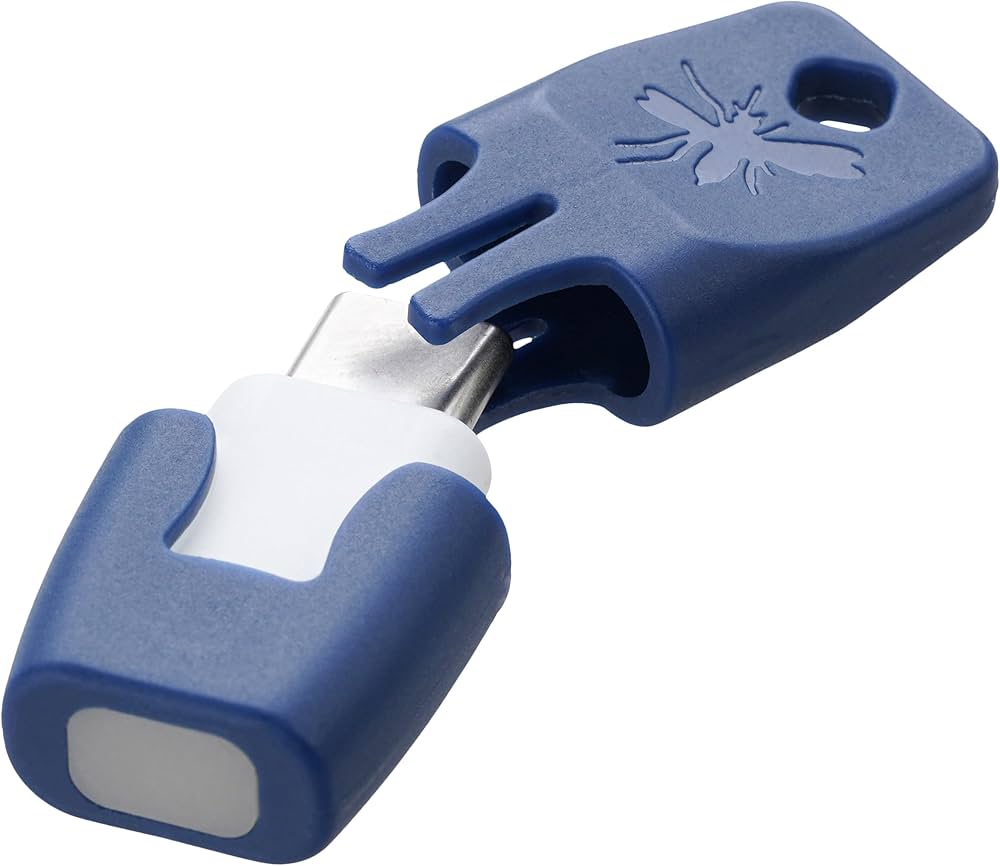
Heat pulse anti-itch devices are handheld electronic tools designed to reduce itching through controlled localized heat.
Most devices apply concentrated warmth directly to the bite area for a few seconds.
Typical temperatures range between approximately:
-
118°F to 125°F
-
48°C to 52°C
depending on the product.
What These Devices Usually Look Like
Most models are:
-
Small
-
Battery-powered
-
Portable
-
USB rechargeable
-
Pocket-sized
Some connect to smartphones while others operate independently.
The Basic Idea Behind Heat Therapy
The concept is based on thermotherapy.
Controlled heat may interfere with itch signaling and inflammatory responses in the skin.
How Heat May Reduce Itching
Researchers believe several mechanisms may contribute.
1. Nerve Signal Disruption
Heat may temporarily alter how itch-related nerve signals are transmitted.
2. Histamine Response Modulation
Some evidence suggests heat may reduce histamine-driven reactions locally.
3. Sensory Override Effect
Heat creates an alternative sensory input that competes with itch perception.
This is somewhat similar to why scratching temporarily reduces itch sensation.
Why Heat Therapy Feels Different From Cooling Treatments
Traditional anti-itch methods often rely on cooling.
Heat pulse devices use the opposite approach.
This initially surprises many users.
However, heat and cold both influence nerve signaling in different ways.
Why Heat Can Sometimes Stop Itching Quickly
Many users report that heat therapy works best when applied immediately after a bite.
Early intervention may reduce inflammatory escalation before itching intensifies fully.
The Growing Popularity of Heat Pulse Devices
Several factors have fueled demand.
1. Drug-Free Appeal
Many consumers prefer non-medicated alternatives.
2. Portability
Compact designs work well for:
-
Travel
-
Hiking
-
Camping
-
Outdoor sports
3. Reduced Mess
Unlike creams, devices leave no residue.
4. Family Convenience
One reusable device can serve multiple people.
Are Heat Pulse Devices Scientifically Legitimate?
This is one of the biggest questions consumers ask.
The short answer is that there is some scientific plausibility behind the technology, but results vary significantly by individual and situation.
Heat Therapy Is Not Entirely New
Heat-based itch relief is not a brand-new concept.
Localized heat therapy has been studied in various dermatological and neurological contexts for years.
Why Evidence Is Still Developing
Many commercial devices are relatively new consumer products.
Large-scale long-term research remains somewhat limited compared with traditional pharmaceuticals.
Anecdotal Results Are Extremely Mixed
Some users describe dramatic itch reduction.
Others experience only mild improvement.
Several factors influence effectiveness.
Factors That Affect Results
These may include:
-
Bite type
-
Skin sensitivity
-
Timing of application
-
Individual nerve response
-
Severity of inflammation
Heat Therapy Works Better for Some Types of Itches
Heat pulse devices are often marketed primarily for:
-
Mosquito bites
-
Bug bites
-
Mild insect stings
They may be less effective for:
-
Chronic eczema
-
Severe allergic reactions
-
Widespread rashes
-
Deep inflammatory conditions
Why Timing Matters So Much
Early treatment often produces better outcomes.
Once severe inflammation develops, relief may become less dramatic.
Do Heat Pulse Devices Replace Medical Treatment?
No.
These devices are designed for mild itch relief, not serious medical conditions.
Seek Medical Attention For:
-
Severe allergic reactions
-
Difficulty breathing
-
Extensive swelling
-
Signs of infection
-
Anaphylaxis
-
Serious insect stings
Heat devices are not substitutes for emergency care.
Are Heat Pulse Devices Safe?
For most healthy adults, controlled-use devices are generally considered low-risk when used properly.
However, safety still matters.
Potential Risks Include:
-
Minor burns
-
Skin irritation
-
Excessive heat exposure
-
Discomfort
-
Temporary redness
especially if misused.
Who Should Be More Careful?
Extra caution may be necessary for:
-
Children
-
Elderly users
-
Diabetics
-
People with neuropathy
-
Individuals with reduced heat sensitivity
Sensitive Skin Considerations
People with sensitive skin may experience:
-
Temporary redness
-
Irritation
-
Heat discomfort
Testing carefully is important.
Why Some People Love Heat Pulse Devices
Fans of the technology often cite several advantages.
Immediate Relief
Some users report itch reduction within seconds.
No Chemicals
Drug-free relief appeals to ingredient-conscious consumers.
Travel-Friendly Design
Portable devices fit easily into:
-
Backpacks
-
Pockets
-
Travel kits
-
Camping gear
Reusable Long-Term Value
Unlike disposable creams, rechargeable devices may provide years of repeated use.
Why Some Consumers Remain Skeptical
Not everyone is convinced.
Results Can Be Inconsistent
Effectiveness varies widely between individuals.
Some Devices Are Expensive
Premium models may cost significantly more than traditional creams.
Relief May Be Temporary
Some users report itching eventually returns.
Not All Marketing Claims Are Equal
As with many wellness gadgets, advertising sometimes exaggerates results.
Consumers should maintain realistic expectations.
Comparing Heat Pulse Devices to Traditional Creams
Convenience
Heat devices often win for portability and cleanliness.
Cost
Creams are usually cheaper initially.
Devices may become economical over long-term repeated use.
Speed
Some users feel heat therapy works faster.
Skin Sensitivity
Drug-free approaches may appeal to people avoiding topical ingredients.
Versatility
Traditional creams may address broader inflammatory skin conditions.
The Role of Psychology in Itch Perception
Itching is heavily connected to the brain.
Stress, anxiety, and attention influence itch intensity.
This means perceived relief can vary substantially between individuals.
Why Placebo Effects Still Matter
Even when placebo effects contribute partially, perceived symptom relief still improves user comfort.
The key question is whether users feel meaningful improvement safely.
Heat Pulse Devices and Outdoor Lifestyles
These devices have become especially popular among:
-
Campers
-
Hikers
-
Travelers
-
Parents
-
Outdoor athletes
-
RV travelers
because they simplify bite management outdoors.
Why Parents Often Like Them
Parents appreciate avoiding repeated cream application on children during outdoor activities.
However, careful supervision remains important.
Battery Life and Charging Considerations
Most modern devices use rechargeable batteries.
Important considerations include:
-
Charging speed
-
Battery lifespan
-
Number of treatments per charge
-
Travel compatibility
Smartphone-Connected Models
Some advanced devices integrate with mobile apps.
Features may include:
-
Adjustable heat settings
-
Usage tracking
-
Personalized treatment modes
Though many users prefer simpler standalone models.
The Rise of Drug-Free Wellness Technology
Heat pulse itch relief reflects a broader consumer trend toward:
-
Non-pharmaceutical wellness tools
-
Portable health gadgets
-
Personalized care devices
-
Biofeedback-inspired products
Consumers increasingly seek alternatives to medication-heavy solutions.
The Future of Itch Relief Technology
Future anti-itch innovations may include:
-
AI-guided treatment intensity
-
Smart skin sensors
-
Wearable itch management devices
-
Integrated cooling-heating hybrids
-
Advanced neuromodulation technology
The field is evolving rapidly.
Are Heat Pulse Devices Worth Buying?
The answer depends heavily on your needs, expectations, and lifestyle.
They May Be Worth It If You:
-
Frequently get mosquito bites
-
Spend time outdoors regularly
-
Travel often
-
Prefer drug-free approaches
-
Dislike greasy creams
-
Want portable itch relief
They May Be Less Useful If You:
-
Rarely deal with bug bites
-
Expect permanent cure-level results
-
Have severe skin conditions
-
Prefer inexpensive traditional creams
The Most Realistic Perspective
Heat pulse anti-itch devices are not miracle products.
But they are also not pure gimmicks.
For many users, they provide a genuinely useful additional option for managing mild itch discomfort — especially from mosquito bites and outdoor insect exposure.
Their value depends less on marketing promises and more on practical expectations.
Final Thoughts
The rise of heat pulse anti-itch devices reflects how consumer health technology is evolving beyond traditional creams and medications. These compact devices offer a modern, drug-free approach to itch relief that appeals strongly to travelers, outdoor enthusiasts, parents, and consumers seeking convenient alternatives to topical products.
While scientific research is still developing and individual results vary considerably, the underlying concept of controlled heat affecting itch signaling is scientifically plausible. Many users report meaningful relief, particularly when devices are used early after insect bites occur.
At the same time, heat pulse devices are not magic cures, nor are they replacements for proper medical treatment when serious allergic reactions or severe skin conditions are involved.
For people who frequently battle mosquito bites and outdoor itching, these devices may provide a surprisingly practical addition to their travel gear or home first-aid setup. For others, traditional creams and cooling treatments may remain perfectly sufficient.
Ultimately, the best anti-itch solution is often the one that fits your lifestyle, skin sensitivity, travel habits, and comfort preferences — while helping you spend less time scratching and more time enjoying the outdoors.