Open layouts replaced private offices. Shared meeting rooms became the norm. Central HVAC systems quietly circulate air across entire floors—sometimes entire buildings. While these changes improved collaboration and efficiency, they also introduced a new challenge: shared air and shared surfaces mean shared health risks.
In today’s post-pandemic workplace, employee expectations around health and hygiene have fundamentally shifted. Clean desks and stocked hand sanitizer are no longer enough. Organizations are being asked to rethink workplace wellness at an infrastructure level.
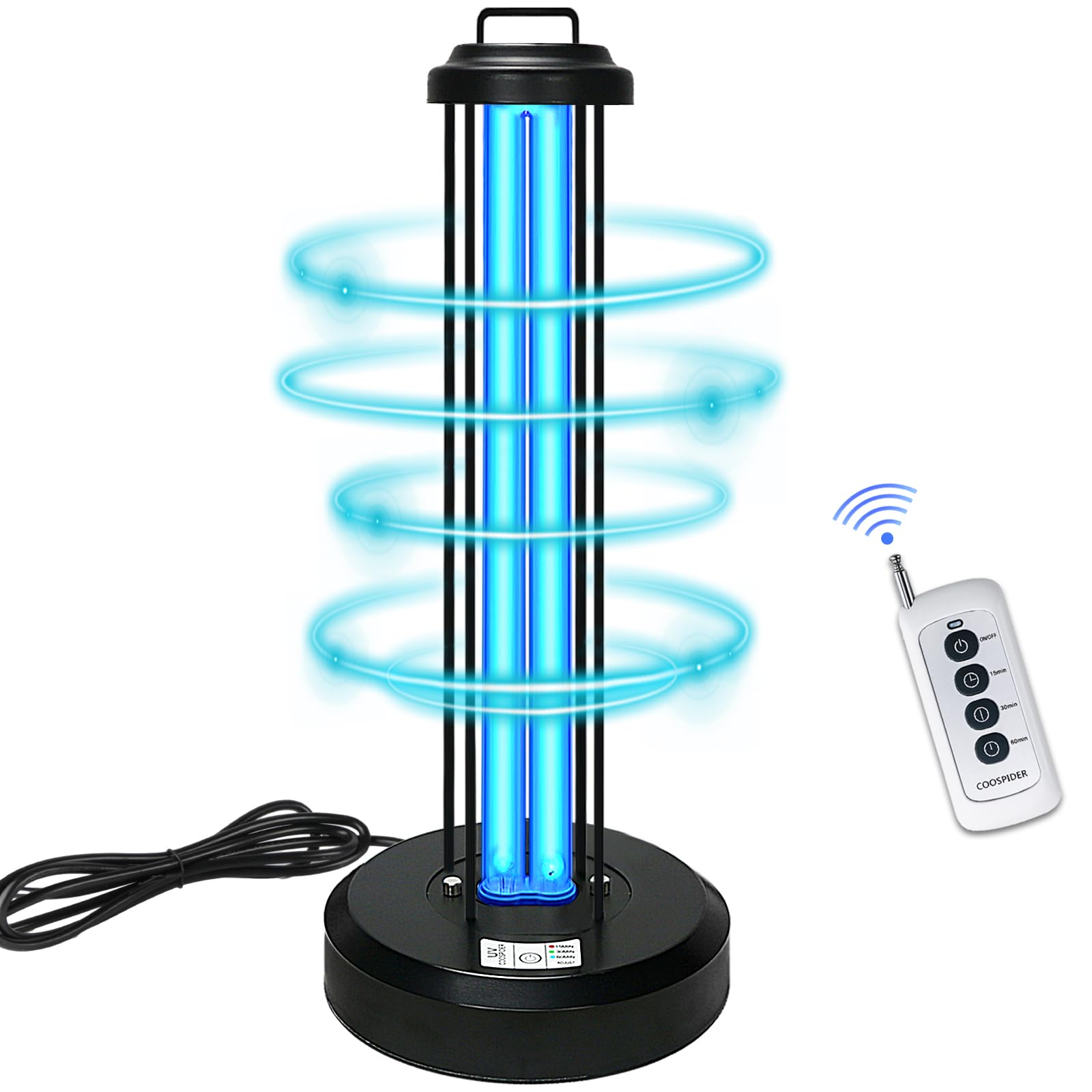
One of the most impactful—and often overlooked—solutions is UV disinfection technology, strategically applied to central air conditioning systems and high-traffic public areas.
This article explores how UV disinfection is reshaping office health strategies, how it integrates with HVAC systems and shared spaces, and how businesses can implement it responsibly to create safer, more resilient work environments.
1. Why Office Health Has Become a Strategic Priority
1.1 Health Is No Longer Just HR’s Problem
Employee health now affects:
-
Productivity
-
Attendance
-
Talent retention
-
Employer branding
Organizations that ignore workplace health risks face higher absenteeism, lower morale, and reputational damage.
1.2 The Hidden Cost of Sick Buildings
Poor indoor air quality and inadequate sanitation contribute to:
-
“Sick building syndrome”
-
Increased respiratory issues
-
Reduced cognitive performance
The office itself can become a silent liability.
2. Central HVAC Systems: The Invisible Health Highway
2.1 How Central Air Conditioning Spreads More Than Comfort
Central HVAC systems are designed to:
-
Regulate temperature
-
Control humidity
-
Circulate air
But they also:
-
Move airborne particles
-
Redistribute contaminants
-
Connect multiple spaces through shared airflow
What enters the system doesn’t always stay localized.
2.2 Common Contamination Points in HVAC Systems
Key risk areas include:
-
Air intake vents
-
Cooling coils
-
Drain pans
-
Air ducts
-
Supply air outlets
Moist, dark environments inside HVAC systems are ideal for microbial growth.
3. The Limits of Traditional Office Hygiene Measures
3.1 Surface Cleaning Alone Is Not Enough
While routine cleaning addresses visible dirt, it:
-
Does not affect airborne pathogens
-
Has limited duration
-
Depends on cleaning frequency
Airborne transmission and recontamination happen continuously.
3.2 Chemical Solutions Have Practical Limits
Excessive use of chemical disinfectants can:
-
Irritate respiratory systems
-
Trigger allergies
-
Damage building materials
Offices need passive, continuous solutions, not just reactive cleaning.
4. Understanding UV Disinfection Technology
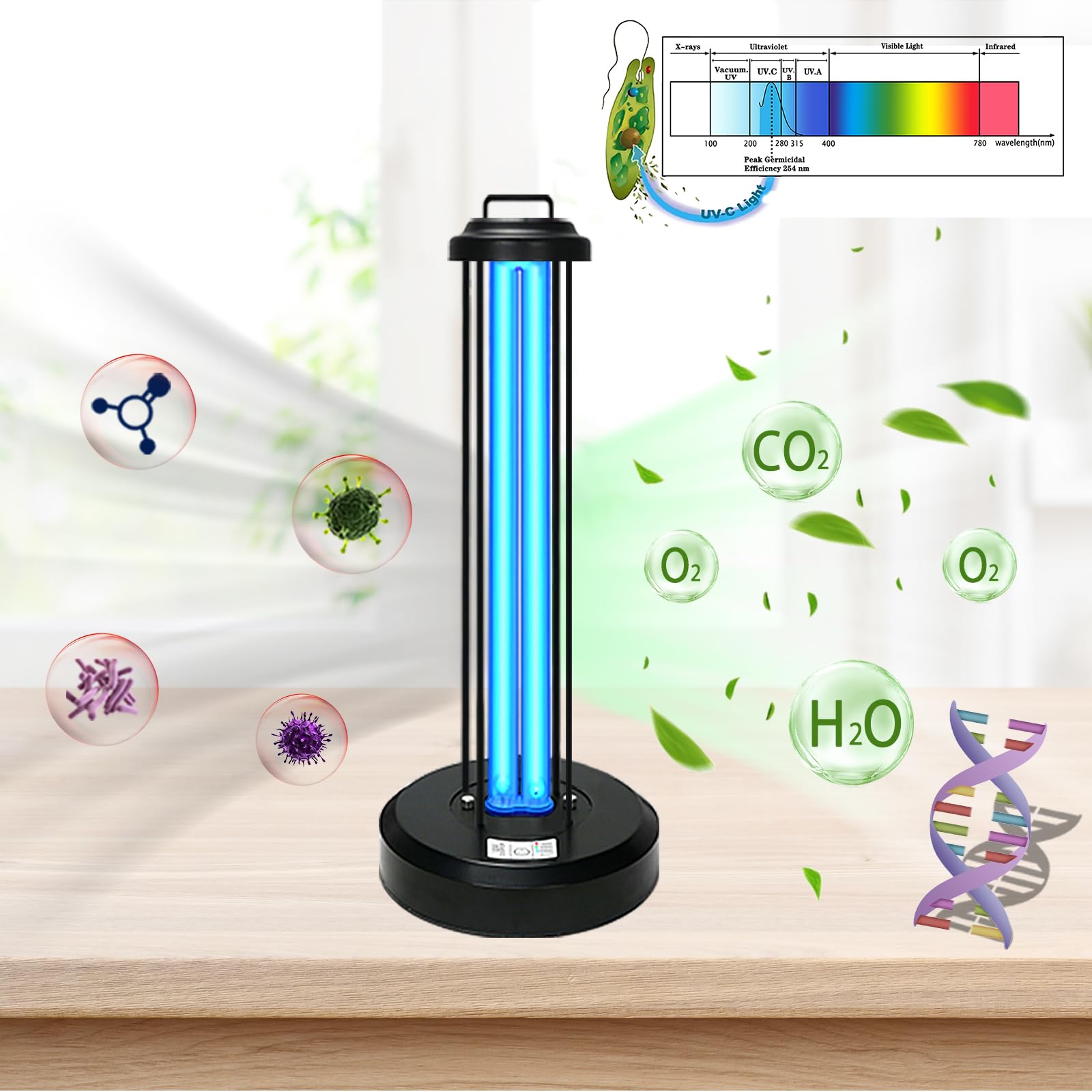
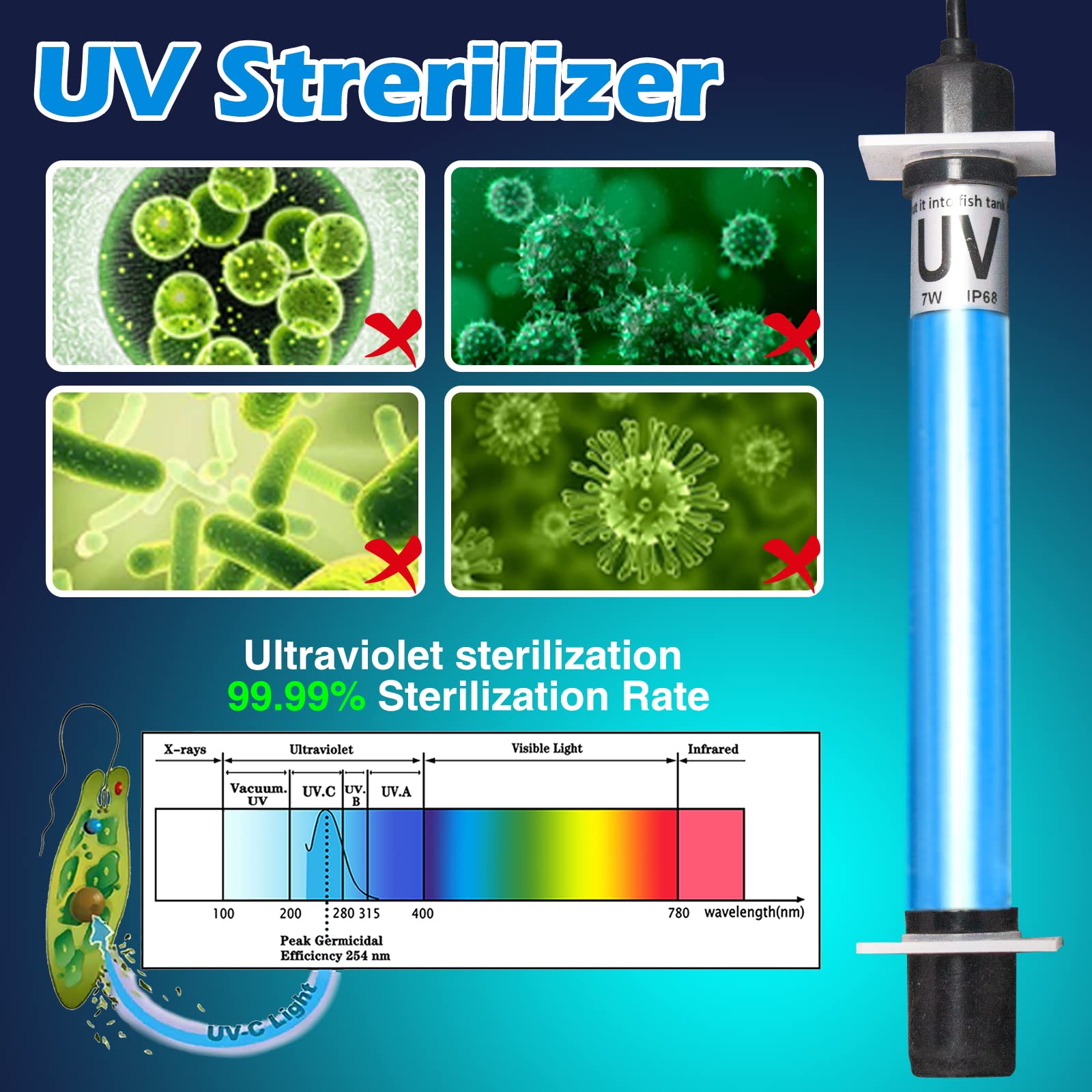
4.1 What Is UV-C Light?
UV-C is a specific ultraviolet wavelength proven to:
-
Disrupt DNA and RNA of microorganisms
-
Inactivate bacteria, viruses, and mold
-
Prevent replication and spread
UV-C has been used for decades in:
-
Hospitals
-
Laboratories
-
Water treatment facilities
Its application in office buildings is a natural evolution.
4.2 What UV Disinfection Does—and Does Not Do
UV technology:
-
Reduces microbial load
-
Enhances existing hygiene measures
It does not:
-
Replace cleaning staff
-
Remove dust or debris
-
Eliminate the need for ventilation
UV is a supporting layer, not a standalone solution.
5. UV Disinfection Inside Central HVAC Systems
5.1 Coil and Drain Pan UV Treatment
Cooling coils and drain pans are major microbial hotspots.
Installing UV lamps near these components:
-
Prevents biofilm buildup
-
Improves airflow efficiency
-
Reduces odors
-
Enhances system performance
Cleaner coils mean healthier air and lower energy costs.
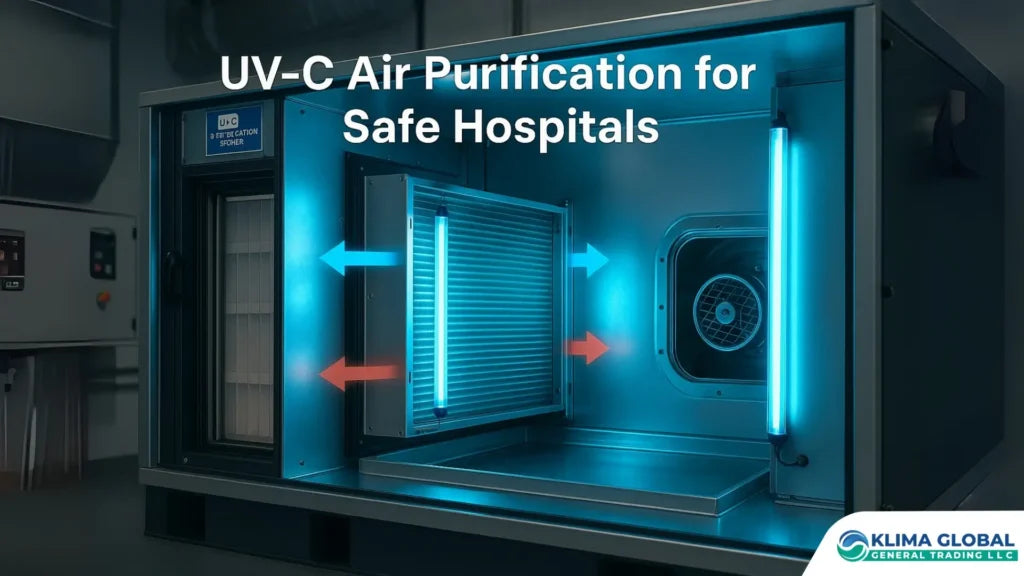
5.2 In-Duct UV Air Disinfection
UV lamps installed inside air ducts:
-
Treat air as it circulates
-
Reduce airborne pathogens
-
Lower cross-zone contamination
This approach provides continuous, automated disinfection without disrupting occupants.
6. UV at Air Supply Vents and Diffusers
6.1 Why Supply Vents Matter
Air supply outlets are the final delivery point of conditioned air. Dust, moisture, and microbial residue can accumulate around vents, especially in:
-
Open-plan offices
-
Conference rooms
-
Shared workspaces
UV solutions help maintain cleaner air delivery at the point of use.
6.2 Passive Protection for High-Occupancy Zones
Targeted UV strategies near vents can:
-
Reduce microbial presence
-
Support air quality standards
-
Complement filtration systems
This is particularly valuable in densely occupied areas.
7. UV Disinfection in Shared Office Areas
7.1 Conference Rooms and Meeting Spaces
Meeting rooms concentrate:
-
People
-
Air exchange
-
Surface contact
UV solutions can be applied to:
-
HVAC zones serving meeting rooms
-
After-hours surface sanitation
-
Shared equipment areas
Cleaner meeting spaces reduce transmission risk.
7.2 Break Rooms and Pantries
Shared kitchens introduce:
-
Food-related contamination
-
High-touch surfaces
-
Irregular cleaning schedules
UV disinfection helps maintain hygiene between manual cleanings.
7.3 Restrooms and Common Corridors
Restrooms and corridors experience:
-
High traffic
-
Frequent touchpoints
-
Rapid recontamination
UV systems add a layer of consistency to these challenging areas.
8. Safety and Responsible UV Implementation
8.1 UV Safety in Occupied Workplaces
Professional UV systems are designed to:
-
Operate within enclosed HVAC components
-
Prevent direct human exposure
-
Include safety interlocks and shielding
UV is used out of sight and out of reach, ensuring occupant safety.
8.2 Compliance and Standards
Implementation should follow:
-
Manufacturer guidelines
-
OSHA and building safety standards
-
Local health and facility regulations
Responsible use builds trust and avoids liability.
9. Integrating UV Into Existing Building Management Systems
9.1 UV as Part of a Layered Health Strategy
The most effective office health programs combine:
-
Ventilation
-
Filtration
-
UV disinfection
-
Regular cleaning
Each layer addresses different risks.
9.2 Minimal Disruption, Maximum Impact
UV systems:
-
Operate continuously
-
Require minimal maintenance
-
Integrate seamlessly into existing HVAC infrastructure
This makes them ideal for occupied office buildings.
10. Operational Benefits Beyond Health
10.1 Improved HVAC Efficiency
Cleaner coils and ducts result in:
-
Better airflow
-
Reduced energy consumption
-
Lower maintenance costs
Health investments often deliver operational savings.
10.2 Reduced Absenteeism
Better air quality contributes to:
-
Fewer respiratory issues
-
Reduced sick days
-
Higher productivity
Even small improvements have measurable impact.
11. Communicating UV Health Measures to Employees
11.1 Transparency Builds Confidence
Employees want to know:
-
What measures are in place
-
How safety is ensured
-
Why UV technology is used
Clear communication prevents misunderstanding.
11.2 Framing UV as Proactive Care
Messaging should emphasize:
-
Prevention
-
Continuous improvement
-
Commitment to employee well-being
Avoid fear-based language.
12. Cost, Investment, and ROI
12.1 Understanding the Cost Structure
UV systems involve:
-
Initial installation
-
Periodic lamp replacement
-
Minimal energy usage
Compared to recurring chemical or reactive costs, UV is efficient long-term.
12.2 Measuring Return on Investment
ROI can be evaluated through:
-
Reduced maintenance expenses
-
Energy savings
-
Lower absenteeism
-
Improved employee satisfaction
Health and performance are closely linked.
13. UV Disinfection and ESG Goals
13.1 Supporting Environmental Responsibility
UV systems:
-
Reduce chemical usage
-
Improve energy efficiency
-
Support sustainable building practices
They align well with corporate ESG initiatives.
13.2 Social and Governance Impact
Healthier workplaces:
-
Demonstrate employer responsibility
-
Support workforce well-being
-
Enhance corporate credibility
UV contributes beyond physical sanitation.
14. Common Misconceptions About UV in Offices
-
UV replaces ventilation (it does not)
-
UV is dangerous when properly installed (it isn’t)
-
UV is only for hospitals (it’s widely applicable)
Education is key to adoption.
15. Implementation Roadmap for Office Buildings
A practical approach includes:
-
HVAC assessment
-
Identification of high-risk zones
-
Selection of certified UV systems
-
Professional installation
-
Ongoing monitoring and maintenance
Phased implementation reduces risk and disruption.
Conclusion: Building Healthier Offices From the Inside Out
The future of office health is not defined by visible cleaning alone—it is built into the infrastructure that employees never see but constantly rely on.
By applying UV disinfection strategies to:
-
Central HVAC systems
-
Air supply vents
-
Shared office spaces
Organizations can dramatically improve indoor air quality, reduce health risks, and demonstrate genuine commitment to employee well-being.
The office health revolution is quiet, continuous, and systemic.
And UV technology is one of its most powerful tools.
In a world where people expect more from their workplace, clean air and healthier spaces are no longer perks—they are essentials.