From centuries-old manuscripts and rare books to modern records and daily-circulation materials, these spaces protect the written history of human knowledge. Yet they face a quiet, persistent challenge—microbial contamination.
Bacteria, mold spores, and viruses can accumulate on books, documents, and paper surfaces through frequent handling, improper storage conditions, or environmental exposure. Traditional cleaning methods, however, often pose risks of their own. Moisture, chemicals, and aggressive mechanical cleaning can permanently damage paper-based materials.
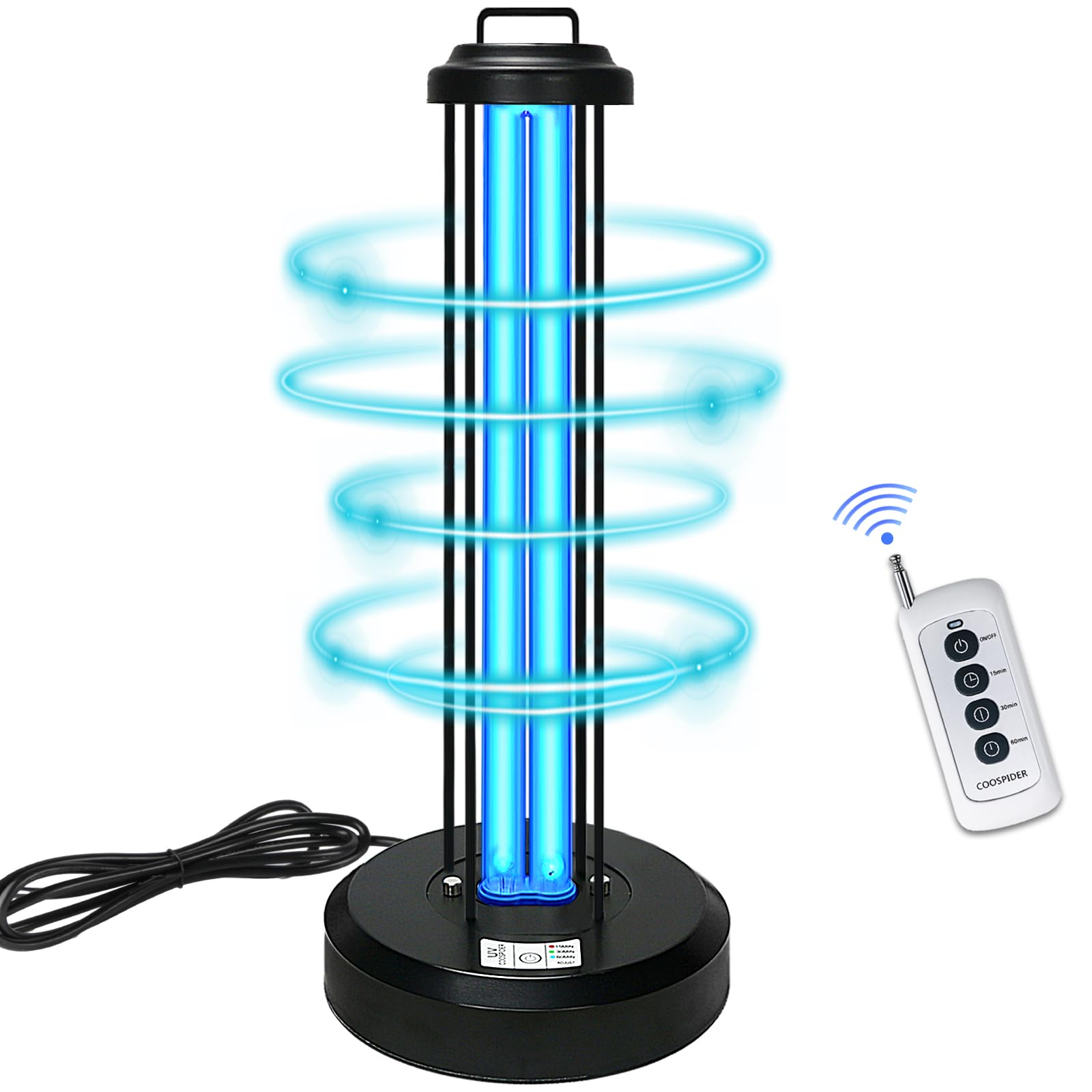
This is where UV light, when applied carefully and responsibly, has emerged as a gentle, non-contact disinfection solution for libraries and archives.
In this article, we explore how UV technology can be used safely, effectively, and conservatively to support hygiene goals—without compromising the integrity of irreplaceable collections.
1. Why Hygiene Matters in Libraries and Archives
1.1 High-Touch, Shared Materials
Books and documents are:
-
Frequently handled by multiple users
-
Returned to shelves without cleaning
-
Stored in close proximity to one another
Over time, surfaces can harbor:
-
Bacteria from skin contact
-
Mold spores from humidity
-
Viruses transferred via hands or respiratory droplets
While most are not immediately dangerous, long-term accumulation can affect both material longevity and user health.
1.2 Vulnerable User Populations
Libraries and archives serve:
-
Students
-
Researchers
-
Elderly visitors
-
Immunocompromised individuals
Maintaining a hygienic environment is not just about preservation—it is also about public responsibility.
2. The Unique Challenges of Disinfecting Paper Materials
Paper is fragile by nature.
Unlike hard surfaces such as metal or plastic, books and documents:
-
Absorb moisture easily
-
Are sensitive to chemicals
-
Can fade or weaken under harsh treatments
This makes traditional disinfection methods problematic.
Common Risks:
-
Liquid disinfectants can cause warping, staining, or ink bleeding
-
Alcohol sprays may dissolve inks or coatings
-
Heat treatments can dry out paper fibers
-
Mechanical wiping can tear or abrade surfaces
Libraries and archives require a method that is dry, contact-free, and controllable.
3. Understanding UV Light as a Disinfection Tool
3.1 What Is UV Light?
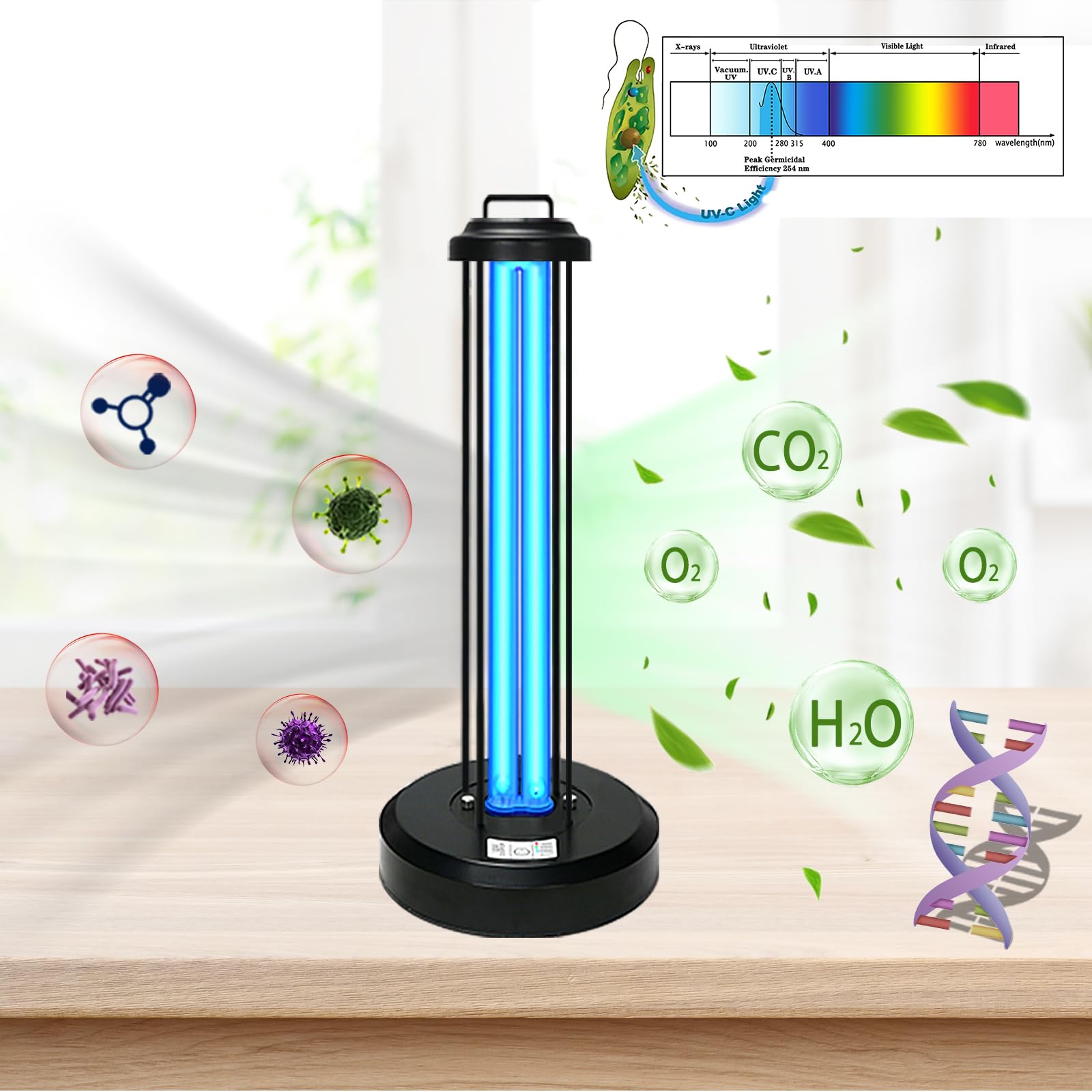
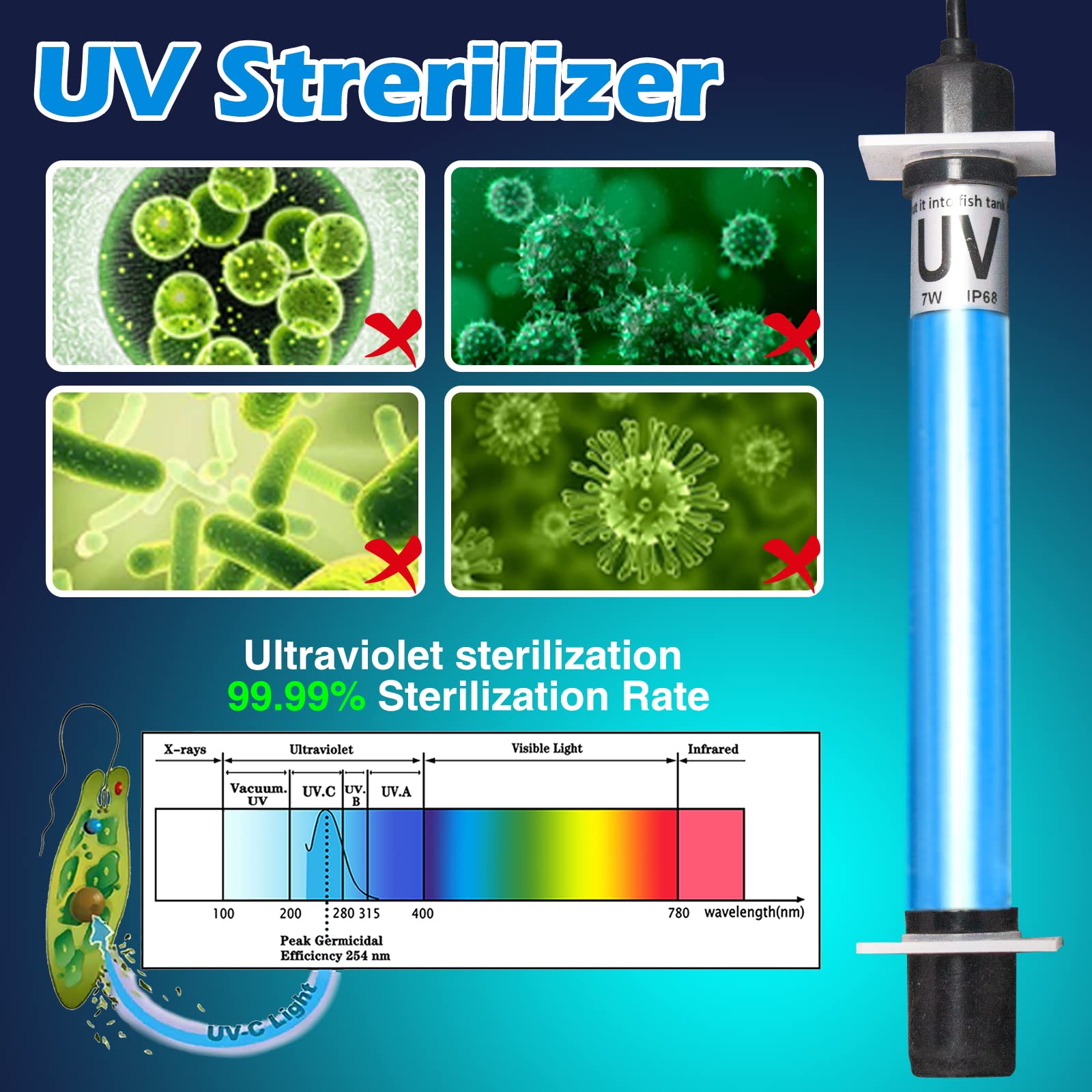
Ultraviolet (UV) light is part of the electromagnetic spectrum, invisible to the human eye. Certain wavelengths—particularly UV-C—are known for their ability to disrupt the DNA and RNA of microorganisms, preventing them from reproducing.
3.2 Why UV Is Different from Chemical Cleaning
UV disinfection:
-
Does not require liquids
-
Leaves no residue
-
Involves no physical contact
-
Can be precisely timed and controlled
For sensitive materials, this makes UV a non-invasive option when used correctly.
4. “Gentle Application” Is the Key Concept
UV light is powerful—but power must be managed.
In libraries and archives, UV is not used for:
-
Sterilization
-
Deep decontamination
-
Industrial-scale disinfection
Instead, it is applied as:
-
Low-dose
-
Short-duration
-
Surface-level microbial reduction
The goal is risk mitigation, not elimination at any cost.
5. Appropriate Use Cases in Libraries and Archives
5.1 Circulating Books
Frequently borrowed books are among the highest-risk items.
UV applications can:
-
Reduce surface bacteria on covers
-
Address microbial transfer between users
-
Supplement, not replace, existing handling protocols
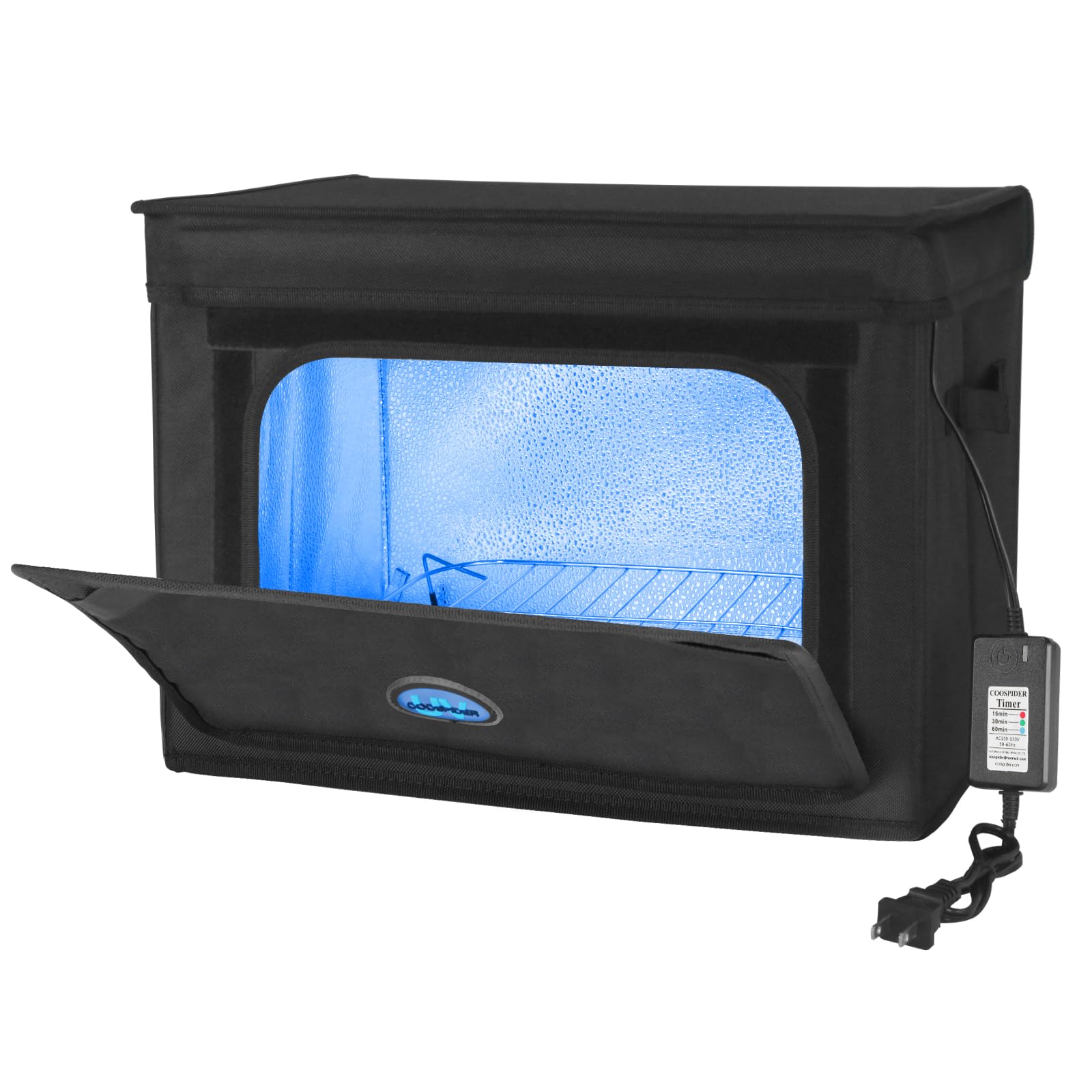
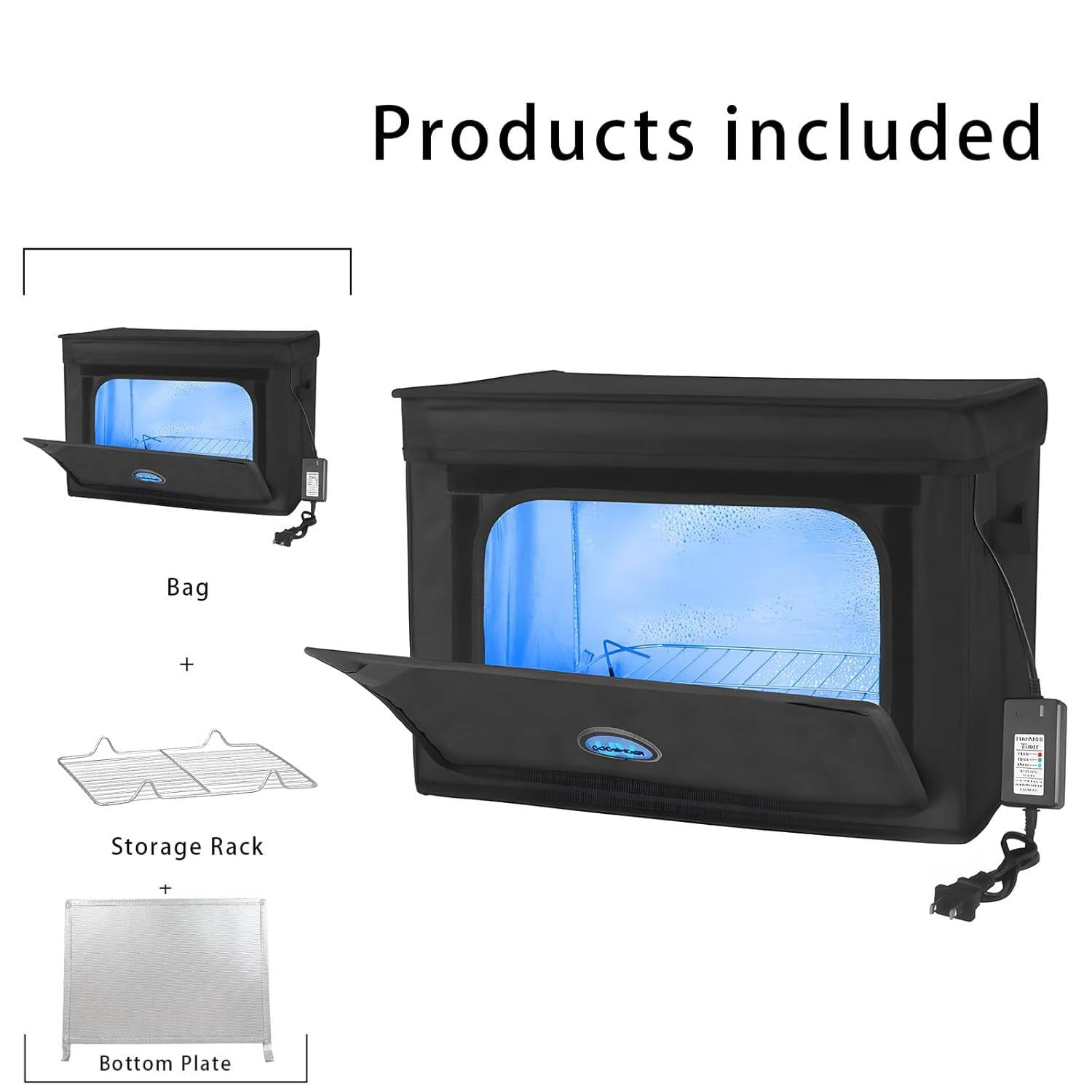
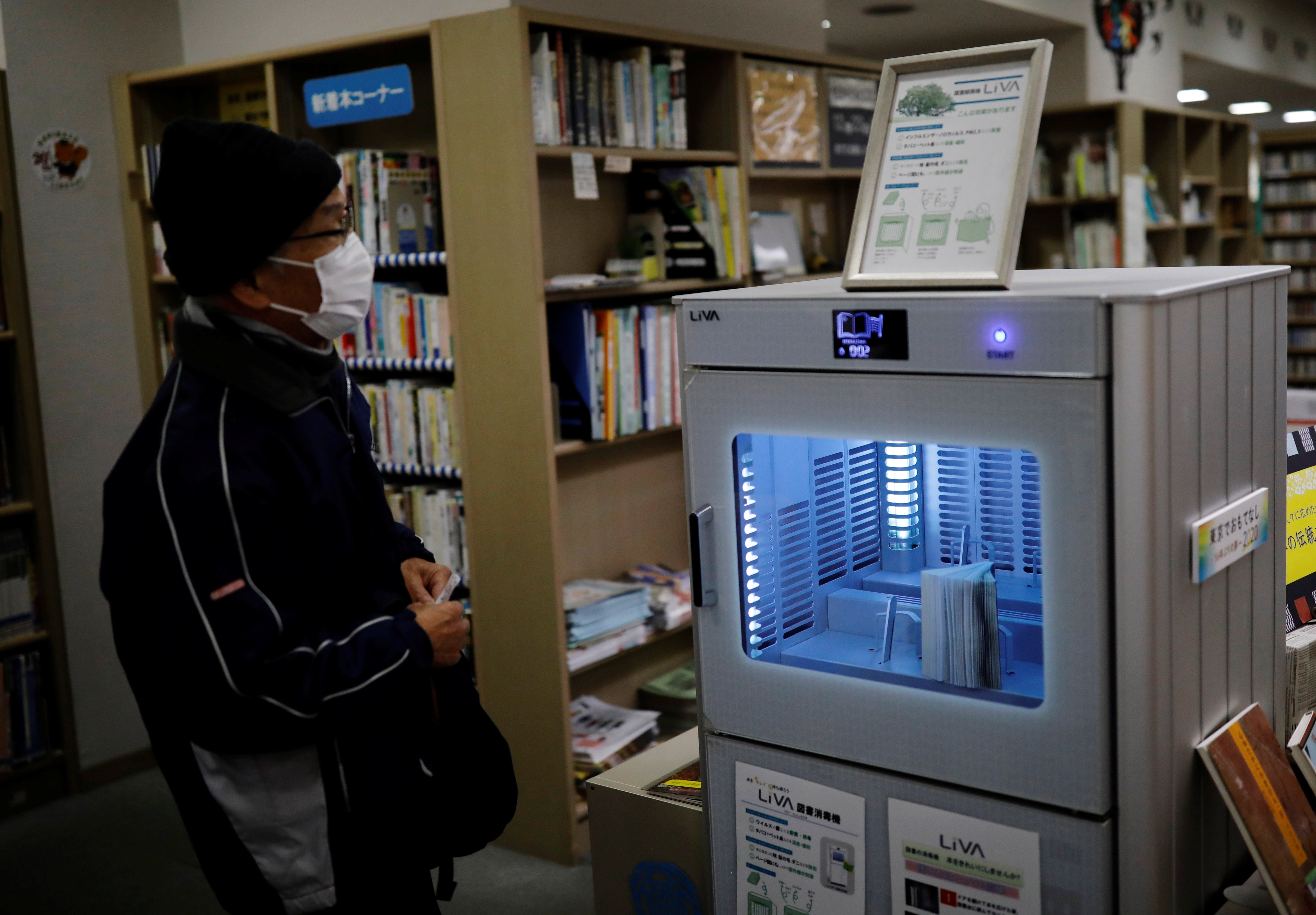
Books are typically placed in UV disinfection cabinets designed specifically for paper materials.
5.2 Archival Documents and Files
For archives, caution is paramount.
UV can be used:
-
On modern paper records
-
On documents with stable inks
-
In controlled environments with strict exposure limits
UV is never applied indiscriminately to rare or fragile items without professional assessment.
5.3 Newspapers and Periodicals
Newspapers:
-
Are often printed on acidic paper
-
Are handled frequently
-
Degrade quickly in humid environments
Short UV exposure can help manage surface microbes without adding moisture or chemicals.
6. UV Disinfection Cabinets: Designed for Paper Safety
6.1 What Makes These Cabinets Different?
Unlike consumer UV devices, library-grade cabinets often feature:
-
Enclosed chambers
-
Timed exposure cycles
-
Even light distribution
-
UV intensity calibrated for paper materials
Some models also include:
-
Reflective interiors for uniform exposure
-
Air circulation systems to prevent heat buildup
6.2 Controlled Exposure Time
Exposure is typically measured in:
-
Seconds or minutes—not hours
-
Cycles designed to balance hygiene and preservation
This ensures:
-
Minimal photochemical impact on paper
-
Reduced risk of discoloration or brittleness
7. Addressing Concerns About Paper Degradation
7.1 Does UV Light Damage Paper?
Excessive UV exposure can:
-
Fade inks
-
Weaken cellulose fibers
-
Accelerate aging
However, controlled, low-dose exposure, used occasionally rather than continuously, significantly reduces these risks.
In practice, UV disinfection is:
-
Less damaging than repeated chemical cleaning
-
Less invasive than moisture-based methods
7.2 Best Practices to Minimize Risk
Professional guidelines recommend:
-
Avoiding UV use on rare or historic items
-
Testing on non-critical materials first
-
Keeping detailed exposure records
-
Combining UV with proper storage conditions
UV is a supporting tool, not a standalone solution.
8. UV vs Quarantine: A Practical Comparison
Many libraries adopted “quarantine” periods during the pandemic—letting returned books sit unused for several days.
Limitations of Quarantine:
-
Requires large storage space
-
Slows circulation
-
Does not address mold or bacteria
UV disinfection:
-
Shortens turnaround time
-
Supports higher circulation efficiency
-
Complements quarantine strategies when needed
9. Environmental Benefits of UV Disinfection
UV-based systems:
-
Reduce chemical usage
-
Lower waste from disposable wipes
-
Support greener operations
For institutions pursuing sustainability goals, UV can be part of a low-impact hygiene strategy.
10. Staff Safety and Operational Considerations
10.1 Built-In Safety Features
Professional UV systems include:
-
Automatic shut-off when doors open
-
Shielded chambers
-
Clear operating instructions
This protects staff from accidental exposure.
10.2 Training and Protocols
Successful implementation requires:
-
Staff training
-
Clear guidelines on what materials are eligible
-
Documentation of procedures
UV technology works best when integrated into existing preservation workflows.
11. Public Perception and Trust
Libraries are public spaces built on trust.
Transparent communication about:
-
Gentle disinfection methods
-
Preservation-first philosophy
-
Science-based decision-making
Helps reassure users that hygiene measures are safe, responsible, and respectful of cultural heritage.
12. UV Is Not a Replacement for Good Preservation Practices
UV disinfection does not replace:
-
Proper humidity control
-
Temperature regulation
-
Regular cleaning of facilities
-
Correct handling procedures
It is one layer in a multi-layer preservation strategy.
13. When UV Should NOT Be Used
UV is not recommended for:
-
Rare manuscripts
-
Photographs
-
Artwork on paper
-
Materials with unstable inks or pigments
In such cases, conservation specialists must be consulted.
14. The Role of UV in Modern Library Management
As libraries evolve into:
-
Community hubs
-
Learning centers
-
Shared public spaces
Hygiene expectations have increased.
UV disinfection offers:
-
A modern response to modern concerns
-
A balance between access and preservation
-
A science-backed, conservative approach
15. Case Scenarios: Practical Applications
Academic Libraries
-
High circulation textbooks
-
Study-room materials
-
Shared reference copies
Public Libraries
-
Children’s books
-
Multimedia cases
-
High-touch returns
Archives
-
Administrative records
-
Modern collections
-
Controlled pilot programs
Each setting applies UV selectively, not universally.
16. Cost vs Value for Institutions
While UV equipment requires upfront investment, benefits include:
-
Reduced material damage from chemicals
-
Improved circulation efficiency
-
Enhanced public confidence
Over time, this can support both operational efficiency and collection longevity.
17. Ethical Responsibility: Preservation Comes First
Libraries and archives do not chase trends.
Any technology adopted must respect:
-
Cultural value
-
Historical significance
-
Professional ethics
UV disinfection is adopted cautiously—not because it is new, but because it can be applied gently and responsibly.
18. The Future of UV in Libraries and Archives
Ongoing research is exploring:
-
Lower-intensity UV wavelengths
-
Smarter exposure controls
-
Integration with environmental monitoring systems
The future points toward even gentler, more precise applications.
19. Final Thoughts: Balance, Not Extremes
UV light is neither a miracle cure nor a threat by default.
When used thoughtfully, it provides:
-
A dry, non-contact hygiene option
-
Support for shared material safety
-
A complement to established preservation practices
The key is moderation, control, and respect for the materials.
Conclusion: Protecting Knowledge with Care
Libraries and archives exist to preserve the past while serving the present.
UV disinfection, when applied gently, aligns with this mission. It does not overwrite traditional conservation wisdom—it enhances it.
By using UV light:
-
Carefully
-
Selectively
-
Scientifically
Institutions can protect both people and paper, ensuring that knowledge remains accessible, safe, and intact for generations to come.