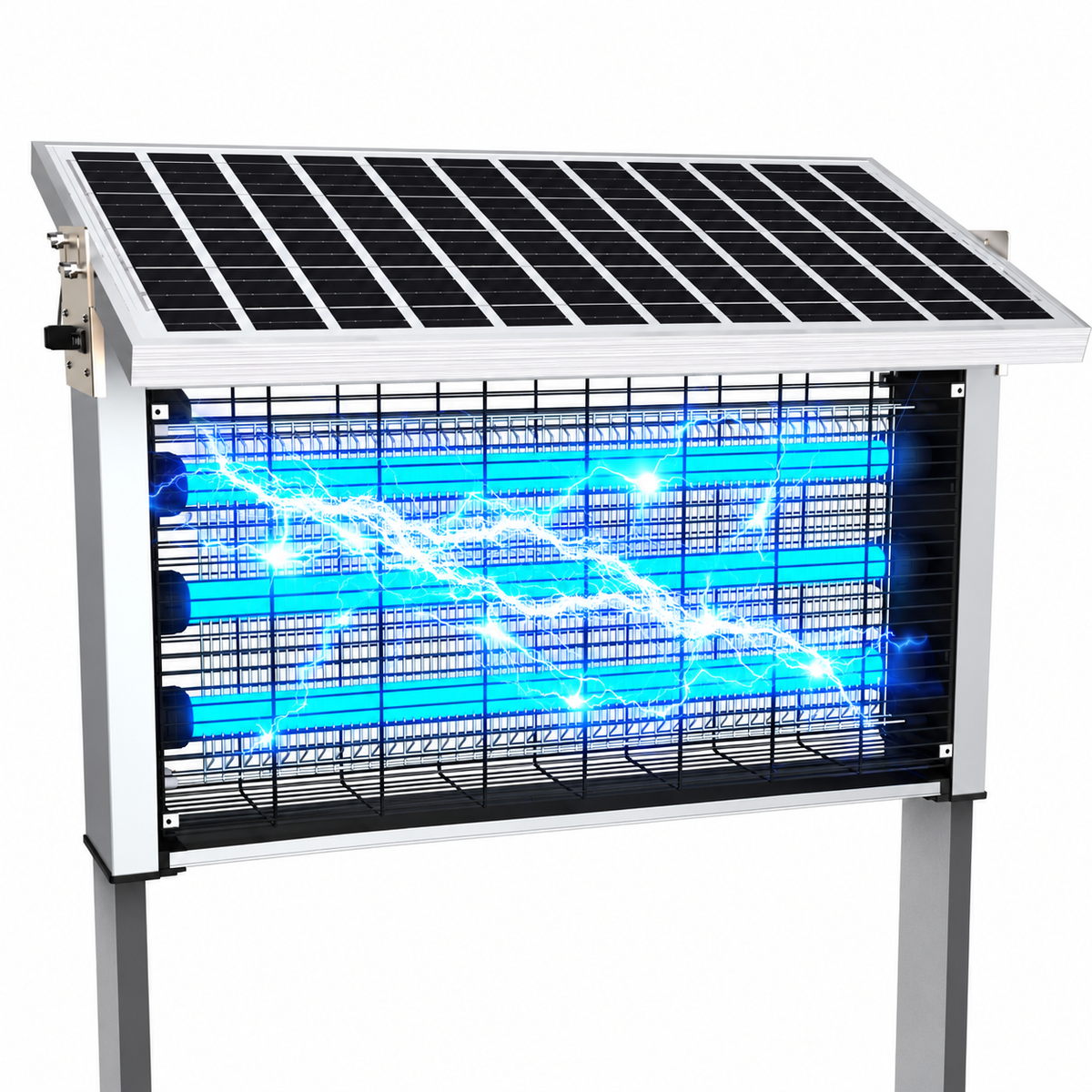

Summer evenings are meant to feel calm — open windows, warm air, soft lighting, and peaceful rest after long days. Yet for many households, one sound interrupts that serenity again and again: the sharp zap of an electric mosquito killer.
For decades, electric bug zappers have been effective tools for reducing flying insects. However, the loud snapping noise produced when mosquitoes contact high-voltage grids can quickly become irritating, especially indoors or during sleep hours. Parents worry about waking children, light sleepers struggle at night, and anyone working from home knows how disruptive sudden electrical pops can feel during quiet moments.
In 2026, mosquito control technology has evolved significantly. The good news is that you no longer need to choose between effective mosquito protection and a peaceful environment. Modern designs, smarter placement strategies, and new engineering approaches allow homeowners to dramatically reduce or even eliminate zapping noise — without sacrificing performance.
This comprehensive guide explains why mosquito devices make noise, what actually determines killing effectiveness, and how to build a truly quiet mosquito-control system for a “silent summer.”
Why Traditional Mosquito Zappers Are So Loud
To understand how to reduce noise, we first need to understand its source.
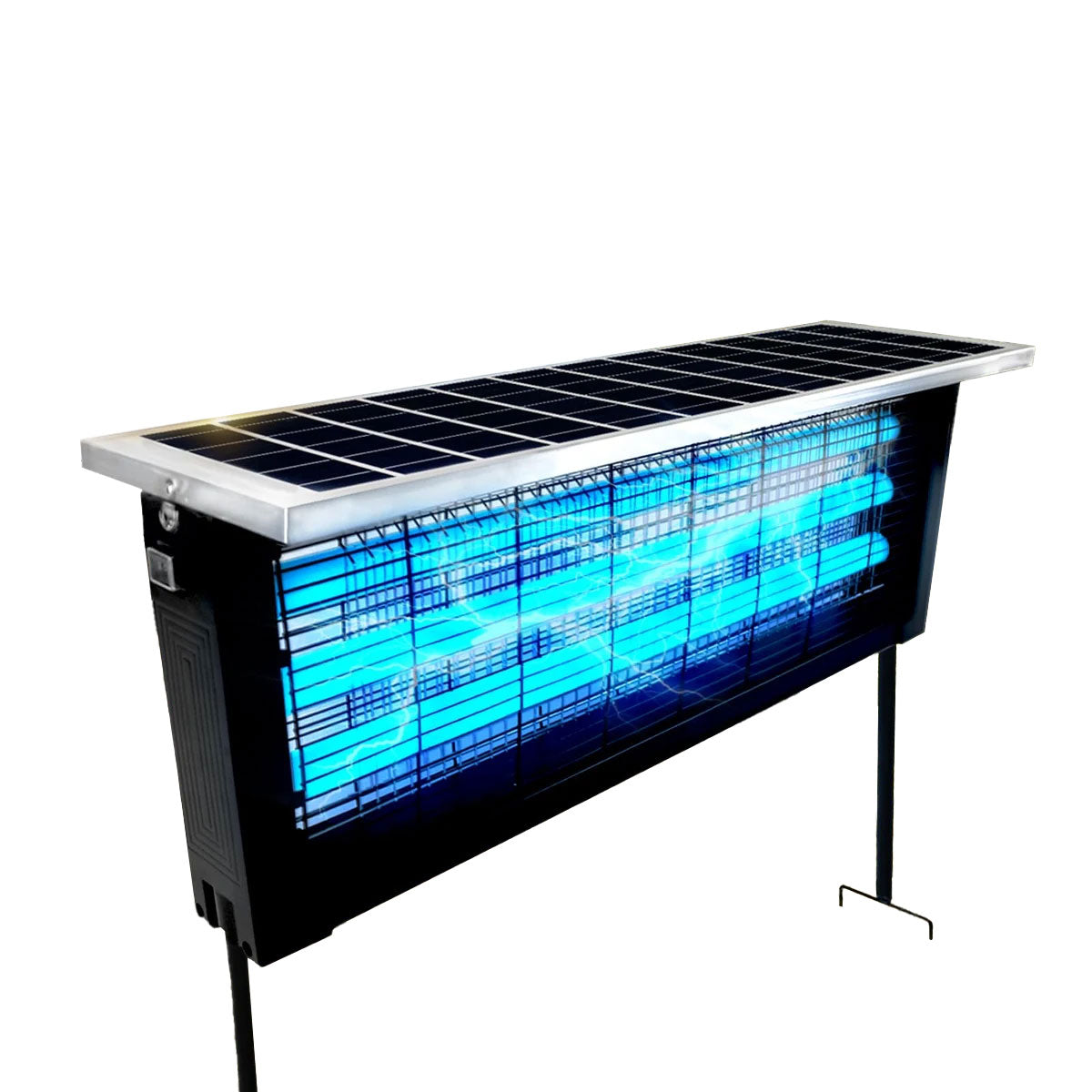
Electric mosquito zappers work using three core components:
-
Attraction system (usually UV light)
-
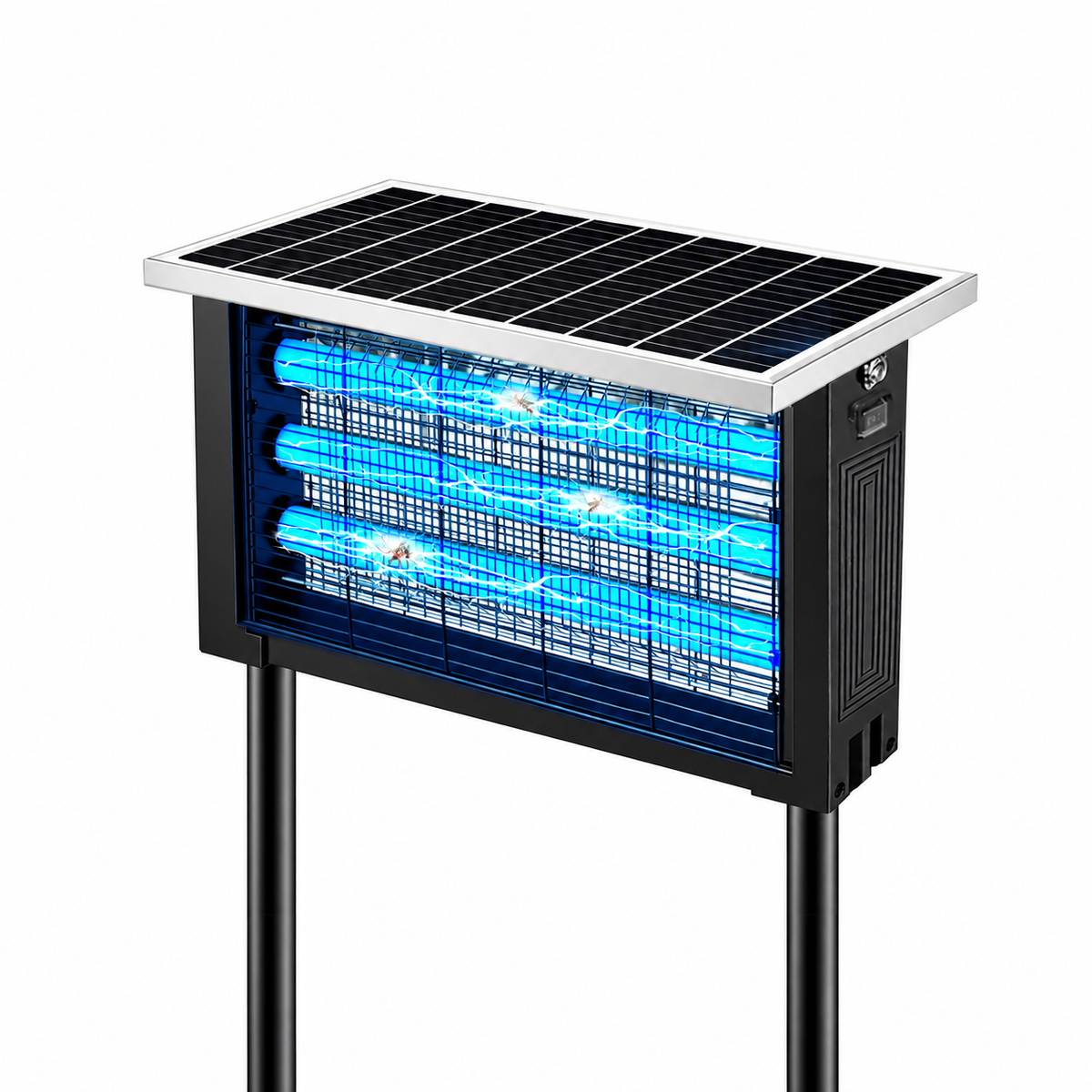
Electrified grid
-
High-voltage discharge
When a mosquito touches two energized wires simultaneously, electricity jumps across its body, creating a small arc. That arc rapidly heats air molecules, producing a miniature shockwave — the familiar snap sound.
The louder the zap, the larger the electrical discharge.
But here’s the key insight:
Louder does not necessarily mean more effective.
The Myth: Loud Zaps Equal Better Mosquito Control
Many consumers believe strong sound indicates powerful performance. Manufacturers historically reinforced this idea because dramatic zaps felt reassuring.
In reality, effectiveness depends primarily on:
-
attraction efficiency
-
capture method
-
mosquito behavior patterns
-
device placement
Noise level is simply a byproduct of electrical design, not proof of superior insect control.
Understanding Mosquito Behavior: The Real Key to Quiet Control
Mosquitoes are not primarily attracted to bright light. They respond more strongly to:
-
carbon dioxide
-
body heat
-
dark contrast zones
-
airflow cues
-
specific wavelength ranges
Older zapper designs relied heavily on high-voltage killing because attraction methods were inefficient. Modern devices improve attraction instead, reducing the need for dramatic electrical discharge.
Better attraction allows quieter elimination methods.
The Physics Behind Zapping Noise
The sound intensity depends on three factors:
1. Voltage Level
Higher voltage creates stronger electrical arcs, producing louder sound waves.
2. Grid Spacing
Wide grids allow larger arcs, increasing noise.
3. Instantaneous Energy Release
Fast energy discharge causes a sharper acoustic pop.
Modern quiet devices reduce sound by controlling these variables while maintaining lethality.
Quiet Mosquito Technology: How Modern Designs Work
New-generation mosquito control systems use alternative elimination methods that avoid explosive electrical arcs.
Fan-Based Capture Systems
Instead of electrocuting insects, these devices:
-
Attract mosquitoes using light or scent cues.
-
Pull them inward with airflow.
-
Trap them in a containment chamber where they dehydrate.
Advantages:
-
Nearly silent operation
-
continuous capture
-
safer indoor use
-
consistent effectiveness
Many households switching to fan traps report dramatic noise reduction overnight.
Low-Voltage Grid Engineering
Some updated zappers still use electricity but redesign discharge characteristics.
Improvements include:
-
micro-pulse voltage systems
-
insulated grid layering
-
energy-controlled arcs
These produce smaller, quieter discharges while maintaining killing efficiency.
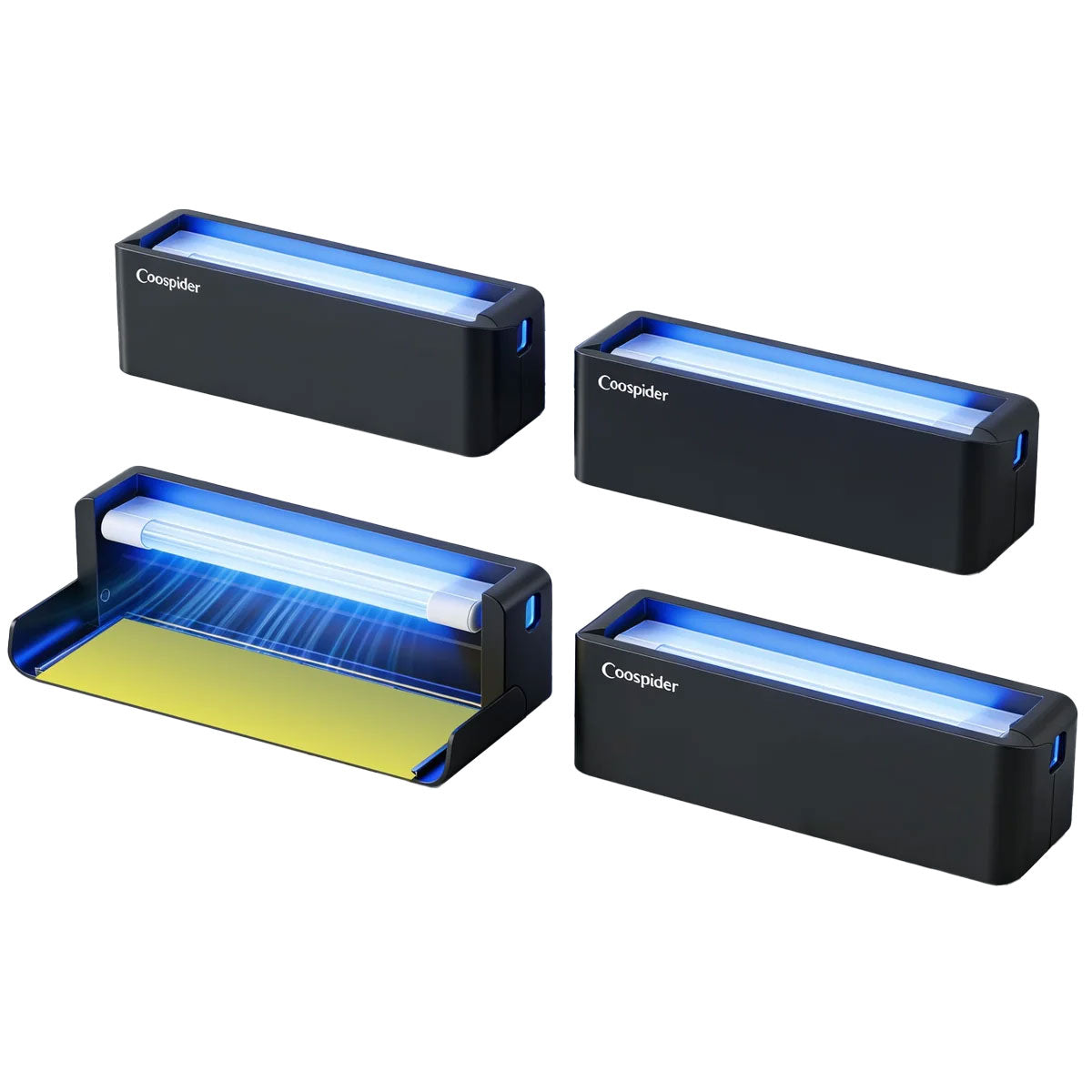
Sticky Capture Technology
Hybrid devices combine UV attraction with adhesive surfaces.
Benefits:
-
zero electrical sound
-
energy efficiency
-
ideal for bedrooms and offices
Trade-off:
Requires periodic replacement sheets.
The “Quiet Summer” Setup Strategy
Achieving silence isn’t just about buying a different device. It involves system design.
Think of mosquito control as an ecosystem rather than a single product.
Step 1: Move Zappers Away From Living Zones
One major mistake is placing zappers directly beside seating areas.
Mosquitoes follow carbon dioxide trails — meaning devices near people attract insects toward you first.
Instead:
-
place primary traps 15–30 feet away from activity areas
-
position between breeding zones and living spaces
This reduces both bites and perceived noise.
Step 2: Use Layered Control
Combine multiple quieter tools instead of relying on one loud zapper.
Example system:
-
outdoor attractor trap (farther away)
-
indoor silent fan trap
-
window barrier curtains or screens
Layered defense reduces mosquito density without high-energy discharges.
Step 3: Optimize Lighting Conditions
Mosquito traps compete with ambient lighting.
Reduce nearby competing lights so devices attract insects more efficiently, allowing lower power operation.
Warm lighting indoors and darker surroundings outside improve capture rates quietly.
Indoor Quiet Control Checklist
For bedrooms and living spaces, prioritize silence.
Ideal characteristics:
-
fan-based airflow capture
-
low-speed motors
-
enclosed trap chambers
-
soft UV wavelength output
Avoid exposed electric grids indoors whenever possible.
Outdoor Quiet Control Checklist
Outdoor environments allow slightly stronger devices, but placement still matters.
Tips:
-
locate traps near vegetation edges
-
avoid mounting near walls that reflect sound
-
elevate devices slightly above ground level
Sound dissipates more effectively outdoors when positioned correctly.
Why Some Mosquito Devices Seem Loud at Night
Noise perception changes in quiet environments.
At night:
-
background sound decreases
-
human hearing sensitivity increases
-
sudden sounds feel sharper
Even identical zap intensity feels louder after sunset.
Silent technologies become especially valuable for nighttime comfort.
Energy Efficiency and Noise Reduction
Interestingly, quieter devices often consume less electricity.
Fan traps and controlled-voltage systems:
-
operate continuously
-
avoid high-energy spikes
-
maintain stable power draw
Lower energy fluctuation equals lower acoustic disturbance.
Maintenance: The Overlooked Noise Factor
Dirty devices become louder.
Accumulated insect debris causes:
-
uneven electrical discharge
-
larger arcs
-
amplified sound
Regular cleaning reduces noise significantly.
Recommended routine:
-
weekly inspection during peak season
-
remove debris safely
-
ensure airflow paths remain clear
Environmental Adjustments That Reduce Zapping Frequency
Reducing mosquito population lowers discharge events.
Key actions:
-
eliminate standing water
-
clean gutters
-
manage plant overgrowth
-
improve airflow on patios
Fewer mosquitoes mean fewer zaps.
Materials and Acoustic Design Improvements in 2026
Manufacturers now consider acoustics during design.
Innovations include:
-
sound-dampening housings
-
insulated grids
-
vibration-absorbing mounts
-
airflow noise optimization
Devices increasingly resemble quiet home appliances rather than industrial insect killers.
Common Mistakes That Make Devices Louder
Avoid these errors:
Placing Devices Too Close to Walls
Sound reflects and amplifies.
Using Oversized Units Indoors
Higher voltage than necessary increases noise.
Ignoring Room Size Recommendations
Mismatch leads to inefficient operation.
Running Competing Light Sources
Forces stronger discharge activity.
Psychological Benefits of Quiet Mosquito Control
Noise affects more than comfort.
Reduced sudden sounds can improve:
-
sleep quality
-
relaxation levels
-
focus during remote work
-
perceived home cleanliness
A silent environment changes how people experience summer evenings.
Comparing Quiet Technologies
| Technology | Noise Level | Effectiveness | Best Use |
|---|---|---|
| Traditional zapper | Loud | Moderate | Outdoor only |
| Low-voltage grid | Medium-low | High | Patio areas |
| Fan trap | Very quiet | High | Indoor spaces |
| Sticky trap | Silent | Moderate | Bedrooms |
| CO₂ attractor | Quiet | Very high | Large yards |
Choosing based on environment maximizes both comfort and performance.
Building a Whole-Home Quiet Mosquito Strategy
An ideal setup might include:
-
outdoor attractor positioned away from seating
-
silent indoor trap near entry points
-
window screening upgrades
-
airflow optimization with fans
This system reduces reliance on loud electrical discharge entirely.
Future Trends: The End of the Loud Zap?
Research continues toward:
-
AI-guided insect detection
-
targeted attraction wavelengths
-
silent electrostatic capture
-
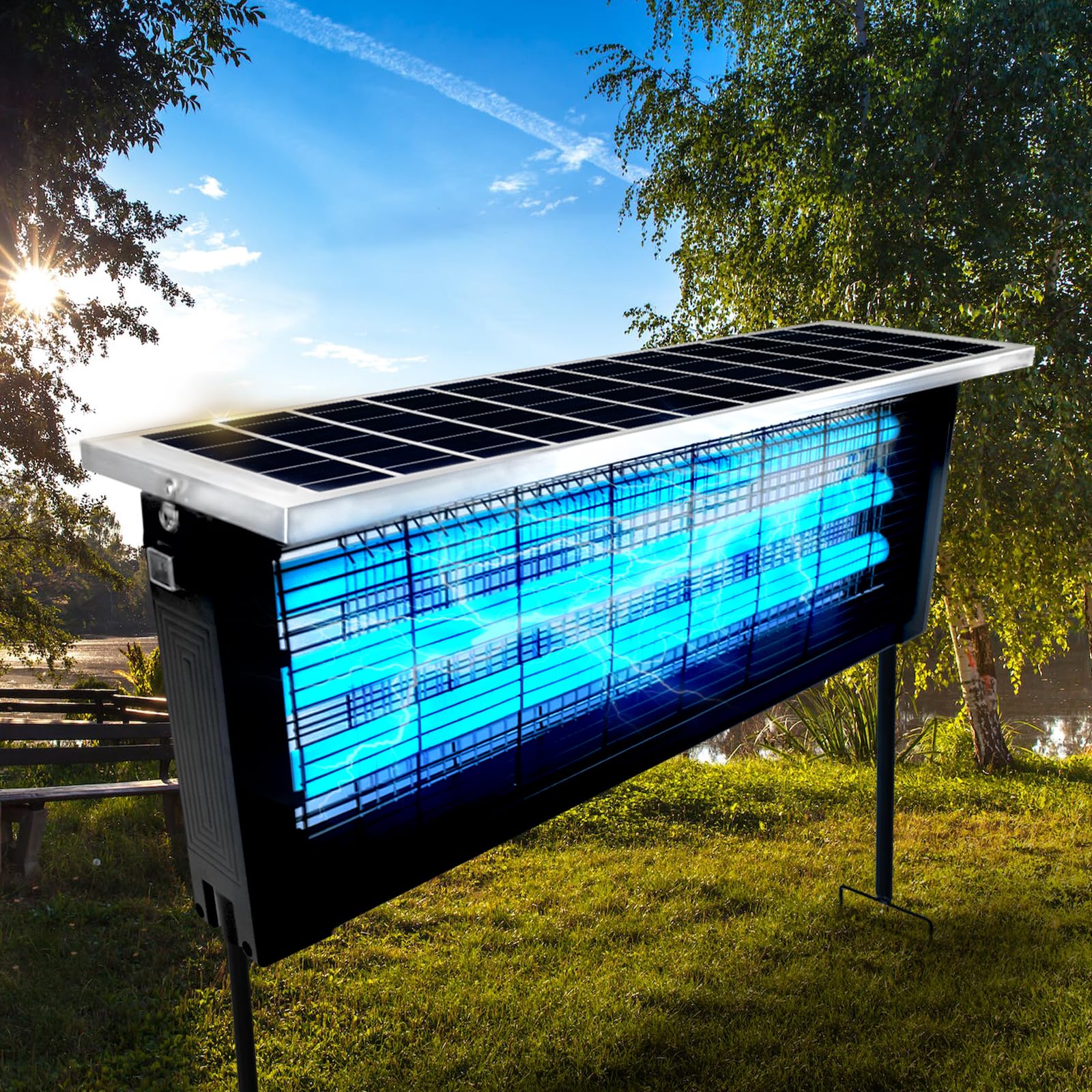
solar-powered continuous traps
The industry trend clearly moves toward quieter solutions.
The iconic zap sound may soon become outdated technology.
Signs Your System Is Working — Even Without Noise
Many people worry quiet devices aren’t effective.
Look for these indicators instead:
-
fewer bites over several nights
-
insects collected in trap chambers
-
reduced buzzing indoors
-
improved evening comfort
Effective mosquito control is measured in results, not sound.
Final Thoughts: Silence and Effectiveness Can Coexist
For years, homeowners accepted loud zapping sounds as the unavoidable price of mosquito protection. But modern technology shows that noise and effectiveness are not linked.
By understanding mosquito behavior, choosing smarter device designs, optimizing placement, and maintaining equipment properly, you can create a “Quiet Summer” environment where mosquito control operates almost invisibly in the background.
The goal isn’t louder elimination — it’s smarter prevention.
In 2026, the best mosquito solutions don’t interrupt peaceful evenings with sudden electrical snaps. Instead, they work quietly, consistently, and efficiently, allowing you to enjoy open windows, calm nights, and uninterrupted rest while mosquitoes disappear without fanfare.
A truly successful mosquito-control system is one you barely notice — except for the comfort it creates every day of summer.