
Introduction: The Hidden Cost of Cheap Mosquito Solutions
Most people shop for mosquito control the same way they buy disposable household items — by comparing price tags.
A $15 zapper looks better than a $300 smart mosquito control system. A box of repellent refills feels cheaper than installing a permanent outdoor solution. Budget-friendly options appear logical at checkout.
But here’s the problem:
Mosquito control is not a one-time purchase. It is an ongoing environmental management system.
When evaluated over months or years, the cheapest option often becomes the most expensive — financially, physically, and emotionally.
High-end smart mosquito control systems are changing how homeowners, property managers, and outdoor enthusiasts think about pest prevention. Instead of focusing on upfront cost, they evaluate long-term return on investment (ROI).
This article explains why eliminating “unit price thinking” leads to smarter decisions, how advanced mosquito systems generate measurable value over time, and how to calculate whether premium solutions actually save money.
Why Unit Price Is a Misleading Metric
Unit price works well for consumable goods like paper towels or batteries. But mosquito control behaves differently.
Mosquito populations regenerate continuously. Control requires sustained intervention.
Low-cost solutions typically involve:
-
disposable traps
-
sprays
-
chemical refills
-
temporary devices
-
repeated replacements
Each purchase seems small, but cumulative spending grows quietly.
The real question isn’t:
“How much does this device cost?”
It’s:
“How much will mosquito control cost me over the next five years?”
Understanding Mosquito Control as a System
Professional pest management treats mosquito prevention as an ecosystem problem.
Effective control includes:
-
attraction technology
-
population interruption
-
breeding cycle disruption
-
environmental monitoring
-
consistent coverage
High-end smart systems integrate these elements into a single platform.
Cheap products typically address only one stage — usually killing insects after they already reach humans.
This difference dramatically affects efficiency.
The Economics of Recurring Mosquito Expenses
Let’s examine typical yearly spending for traditional methods.
Common Household Approach
Many households rely on combinations of:
-
aerosol sprays
-
plug-in repellents
-
citronella candles
-
electric zappers
-
yard treatments
Individually affordable, collectively expensive.
Estimated annual costs may include:
-
repellents and refills
-
seasonal replacements
-
professional spray services
-
increased electricity consumption
-
damaged outdoor experiences
Over five years, these recurring purchases often exceed the cost of premium systems.
What Defines a High-End Smart Mosquito System?
Modern smart mosquito control systems combine hardware, sensors, and automation.
Key features often include:
-
CO₂ or biomimetic attractants
-
intelligent trapping mechanisms
-
automated operation cycles
-
weather-responsive adjustments
-
app-based monitoring
-
energy optimization
Rather than reacting to mosquitoes, these systems reduce populations proactively.
ROI Starts With Population Reduction, Not Killing Speed
Traditional marketing focuses on kill rate.
Smart systems focus on population suppression.
Mosquitoes reproduce rapidly:
-
eggs hatch within days
-
populations multiply exponentially
-
localized breeding sustains infestations
Smart traps interrupt reproduction cycles, meaning fewer mosquitoes over time.
Reduced population equals reduced future cost.
Time Value: The Most Ignored Expense
People rarely calculate time spent managing mosquitoes.
Consider the hidden labor involved in budget solutions:
-
lighting candles
-
replacing cartridges
-
spraying yards
-
maintaining devices
-
cleaning dead insects
Time has economic value.
Automation eliminates repetitive tasks, creating indirect financial savings.
Energy Efficiency and Operational Costs
Older electric zappers often run continuously at high wattage.
Smart systems optimize operation using:
-
timers
-
environmental sensors
-
adaptive power modes
Lower energy consumption compounds savings over years.
Efficiency matters more than initial wattage numbers.
Health and Medical Cost Considerations
Mosquito bites are more than an annoyance.
They contribute to:
-
allergic reactions
-
sleep disruption
-
skin infections from scratching
-
disease transmission risks
Reducing mosquito exposure lowers potential healthcare expenses and improves overall well-being.
While difficult to quantify precisely, health-related ROI is significant.
Outdoor Space Utilization: A Financial Perspective
Homeowners invest heavily in outdoor living:
-
patios
-
decks
-
landscaping
-
outdoor kitchens
-
pools
Mosquito infestations reduce usability of these investments.
If outdoor areas remain unused due to insects, their value effectively decreases.
Smart mosquito systems restore functional living space — indirectly protecting property investment.
Hospitality and Rental Property Economics
For vacation rentals or hospitality properties, mosquito control directly affects revenue.
Guests evaluate experiences based on comfort.
Negative outcomes include:
-
poor reviews
-
shorter stays
-
refund requests
-
reduced bookings
Reliable mosquito management can increase occupancy rates and guest satisfaction.
ROI extends beyond cost savings into income protection.
Durability vs Disposable Culture
Low-cost devices often last one season.
Premium systems emphasize:
-
weather-resistant materials
-
replaceable components
-
modular upgrades
-
long operational lifespan
Durability spreads initial investment across many years.
Longevity is a central ROI factor.
Predictability: The Hidden Benefit of Smart Systems
Budget solutions produce inconsistent results.
Some nights feel mosquito-free; others feel unbearable.
Smart systems create stable environmental control.
Predictability reduces frustration and improves lifestyle satisfaction — an intangible but powerful return.
Chemical Reduction and Environmental Value
Frequent spraying introduces chemicals into:
-
soil
-
air
-
water systems
Smart trapping systems often reduce reliance on pesticides by targeting mosquito behavior instead of broad chemical exposure.
Environmental sustainability increasingly influences purchasing decisions.
Long-term ecological impact becomes part of investment evaluation.
Data-Driven Optimization
Smart systems collect operational data such as:
-
capture counts
-
activity patterns
-
seasonal trends
-
environmental conditions
Over time, systems become more efficient.
Traditional solutions never improve — they restart from zero each season.
Data accumulation increases effectiveness annually.
Calculating Five-Year Ownership Cost
A simple ROI framework includes:
Traditional Approach
Add:
-
yearly supplies
-
replacements
-
service visits
-
electricity
-
time value estimates
Multiply across five years.
Smart System Approach
Add:
-
initial purchase
-
maintenance consumables
-
minimal operating energy
Compare totals rather than individual prices.
Many users discover crossover points within two to three seasons.
Psychological ROI: Comfort Without Constant Awareness
One overlooked benefit is mental relief.
Mosquito anxiety affects behavior:
-
avoiding evenings outdoors
-
rushing gatherings indoors
-
constantly applying repellents
When protection becomes automatic, users stop thinking about mosquitoes entirely.
Convenience becomes emotional value.
Seasonal Adaptation and Automation
Smart systems adjust to environmental changes automatically.
They may respond to:
-
humidity levels
-
temperature shifts
-
mosquito activity peaks
-
seasonal migration patterns
Automation prevents overuse while maintaining effectiveness.
Efficiency improves year after year.
Scaling Benefits for Larger Properties
Large yards magnify recurring costs of traditional methods.
More area requires:
-
more sprays
-
more devices
-
more maintenance
Smart systems scale more efficiently because coverage expands through strategic placement rather than proportional spending increases.
Common Misconceptions About Premium Systems
Myth: Expensive Means Overengineered
Advanced design often simplifies ownership.
Myth: Cheap Solutions Work Just as Well
Short-term effectiveness doesn’t equal long-term control.
Myth: Smart Features Are Just Convenience
Automation directly reduces operating costs.
When Premium Systems Deliver the Highest ROI
They are especially valuable for:
-
homeowners with outdoor lifestyles
-
families hosting frequent gatherings
-
warm or humid climates
-
waterfront properties
-
long mosquito seasons
High exposure environments amplify savings.
The Shift From Product Thinking to Infrastructure Thinking
The biggest mindset change involves viewing mosquito control as infrastructure — similar to HVAC or irrigation.
You don’t evaluate air conditioning by unit price alone. You evaluate comfort, efficiency, and lifespan.
Mosquito management increasingly belongs in the same category.
Future Trends in Smart Mosquito Control
Emerging developments include:
-
AI-driven activity prediction
-
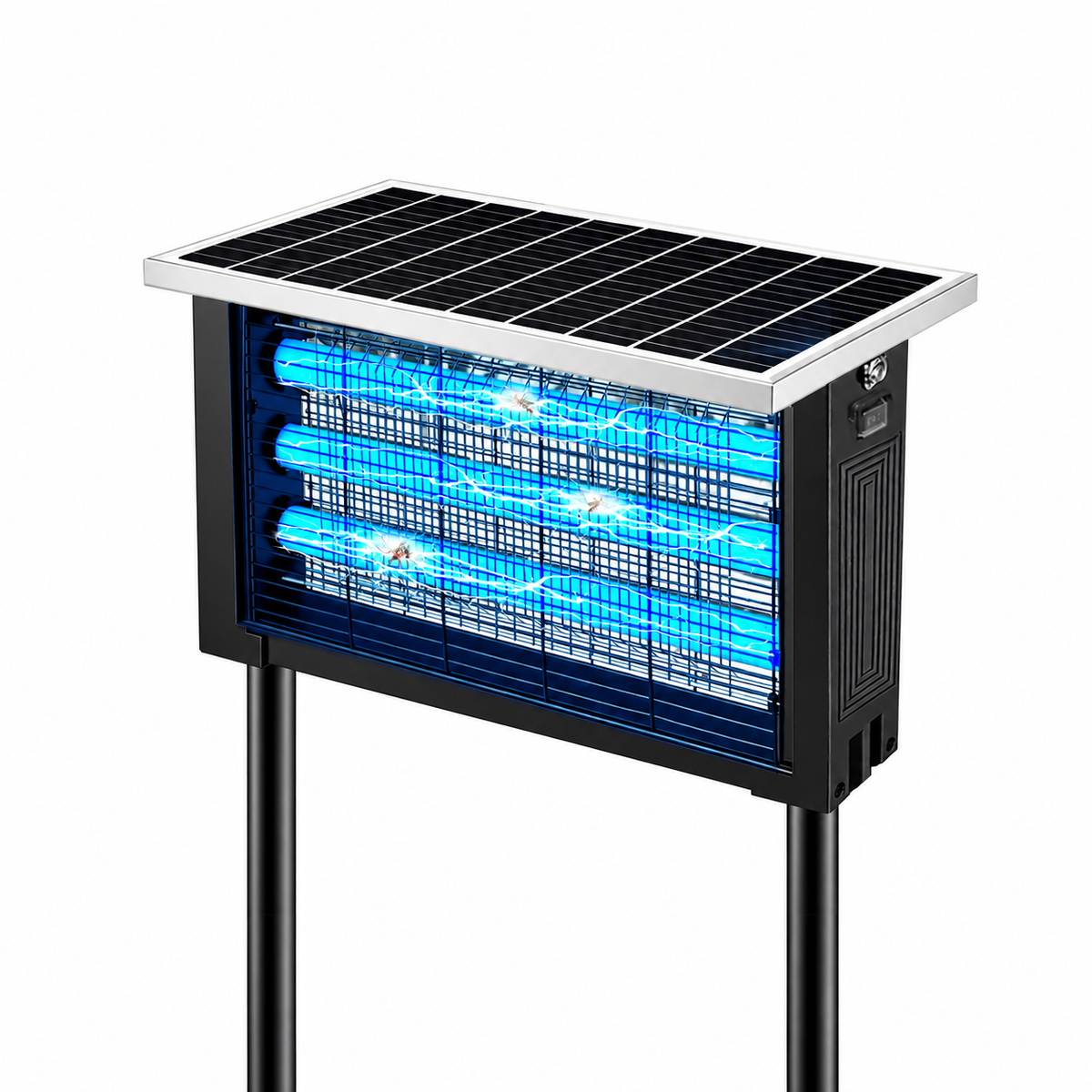
solar-powered operation
-
networked multi-device ecosystems
-
species-specific targeting
-
automated attractant optimization
These advances will further improve long-term efficiency and investment value.
Real Value Comes From Reduced Replacement Cycles
Repeated purchases create financial friction.
Each replacement requires:
-
research time
-
ordering
-
installation
-
disposal
Durable systems eliminate this cycle.
Ownership becomes stable rather than repetitive.
How to Evaluate Before Buying
Ask these questions:
-
How long will this system realistically last?
-
What recurring costs exist?
-
How automated is maintenance?
-
Does effectiveness improve over time?
-
How much personal time does it save?
ROI becomes clearer when viewed holistically.
The Emotional Economics of Outdoor Living
People rarely calculate how much joy outdoor spaces provide.
Evenings on patios, family gatherings, and quiet relaxation contribute to quality of life.
Mosquito control directly affects these experiences.
Investment decisions increasingly reflect lifestyle value, not just financial accounting.
Case Study Thinking: The Five-Year Perspective
Imagine two homeowners:
Homeowner A
-
buys inexpensive solutions annually
-
replaces devices frequently
-
continues battling mosquitoes each summer
Homeowner B
-
installs a smart system once
-
experiences declining mosquito populations yearly
-
spends less time managing pests
After several seasons, total costs converge — but experiences diverge dramatically.
Eliminating “Unit Price” From Decision Making
The phrase “How much does it cost?” should evolve into:
-
How long does it work?
-
How much effort does it save?
-
How consistently does it perform?
-
What problems disappear permanently?
True value lies in outcomes, not price tags.
Conclusion: Investment Over Expense
High-end smart mosquito control systems challenge traditional purchasing logic.
They require higher upfront investment but deliver value through:
-
reduced recurring expenses
-
automation
-
population suppression
-
energy efficiency
-
durability
-
improved lifestyle quality
When evaluated over years rather than checkout moments, premium systems often shift from luxury purchases to financially rational decisions.
The real transformation happens when buyers stop chasing the lowest price per device and begin measuring long-term performance.
Because in mosquito control — as in many areas of modern living — the smartest investment isn’t the cheapest option today.
It’s the one that keeps working tomorrow, next season, and years into the future without demanding constant replacement.
That’s when mosquito control stops being a recurring expense and becomes a lasting solution.