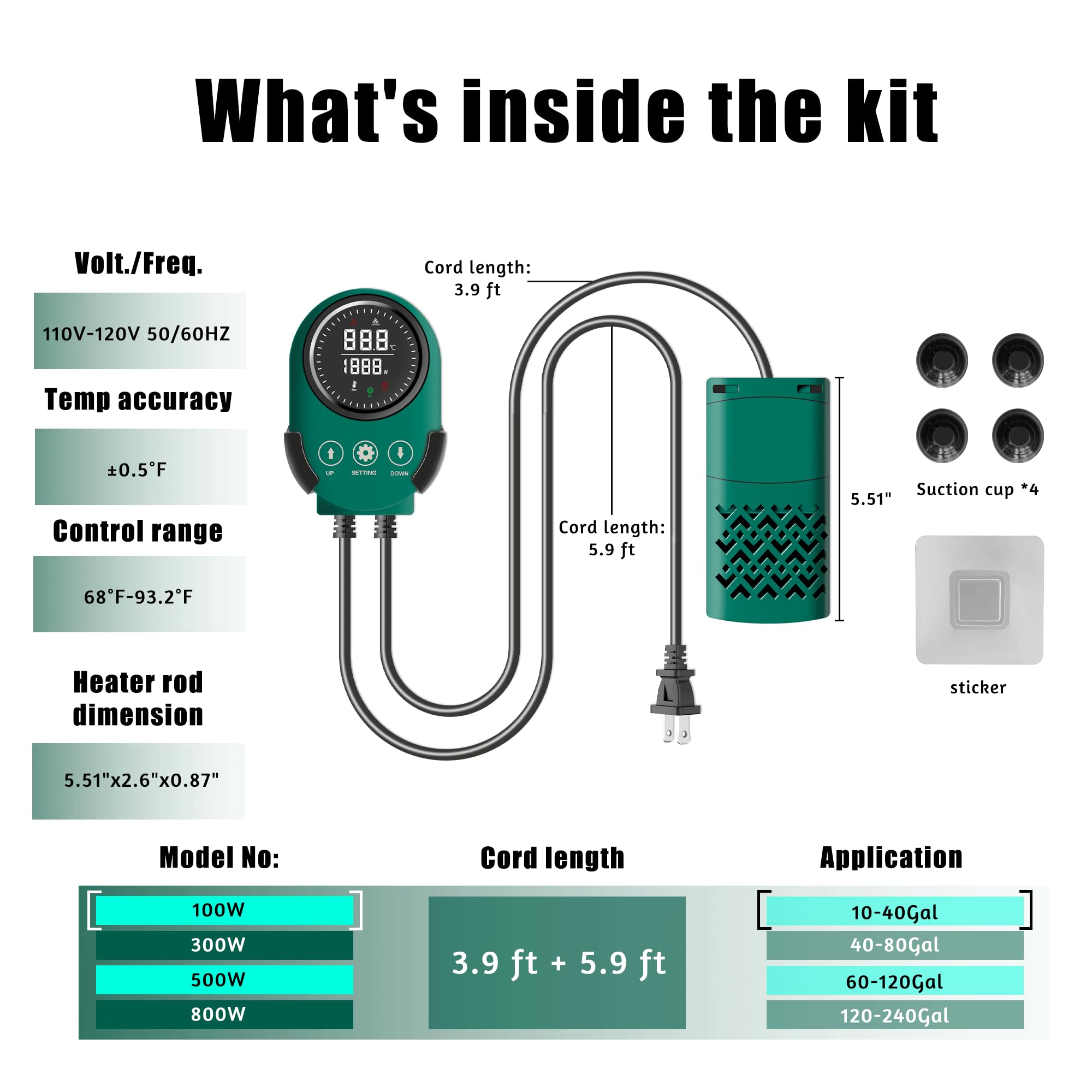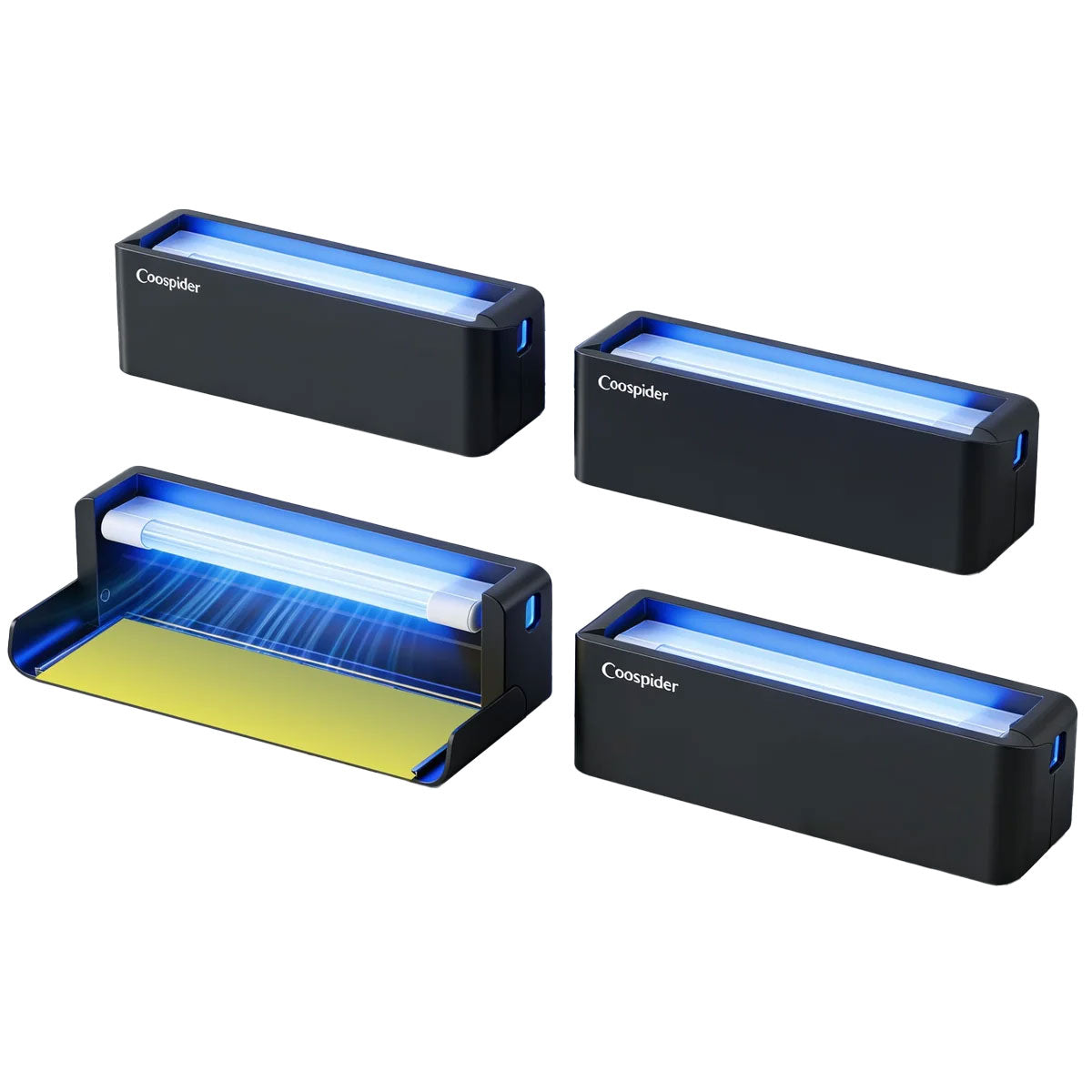

In recent years, China’s mosquito killer lamp industry has evolved from a niche domestic product line into a globally competitive manufacturing sector. Fueled by technological innovation, expanding consumer demand, and a robust supply chain ecosystem, Chinese mosquito killer lamps are now seen on store shelves from New York to Nairobi. This transformation did not happen overnight. It reflects deep structural advantages, strategic investment in research and development, and timely alignment with global environmental and health trends. In this article, we’ll explore the unique competitive strengths of China’s mosquito killer lamp industry and map out the opportunities that lie ahead.
Understanding the Market: What Is a Mosquito Killer Lamp?
Before diving into the competitive landscape, it’s important to define what a mosquito killer lamp is and why it matters. Unlike traditional insect repellents or chemical sprays, mosquito killer lamps use a combination of light, attractants, and electric grids or suction fans to lure and trap mosquitoes and other flying pests. Modern designs are often energy-efficient, quiet, and safe for indoor use.
In many parts of the world, especially tropical and subtropical regions, mosquito-borne diseases such as dengue fever, Zika, and malaria pose serious health problems. Even in temperate climates, mosquito annoyance drives demand for effective pest control solutions. Mosquito killer lamps offer a chemical-free alternative, making them attractive to health-conscious consumers and families with children or pets.
China’s Competitive Strengths in the Mosquito Killer Lamp Industry
1. Deep Manufacturing Ecosystem
One of China’s greatest industrial advantages is its established manufacturing ecosystem. For mosquito killer lamps, this ecosystem includes:
-
Component suppliers of LEDs, electronic drivers, fans, and plastic enclosures.
-
Tooling and fabrication facilities capable of rapid production scaling.
-
Logistics networks for domestic distribution and international export.
The result is an ability to produce high volumes of products at diverse price points, from affordable entry-level lamps to premium smart models. China’s industrial base allows companies to innovate rapidly while maintaining cost competitiveness.
2. Cost Advantages
Lower production costs have long defined China’s manufacturing sectors. In mosquito killer lamps, cost advantages stem from:
-
Lower labor costs compared to developed markets.
-
Economies of scale in sourcing raw materials and electronic components.
-
Streamlined production lines that minimize waste and improve yield.
These factors allow producers to offer mosquito killer lamps at prices that appeal to both budget-conscious and quality-driven buyers worldwide.
3. Rapid Innovation and Technology Integration
China’s industry is no longer just a low-cost provider; it’s increasingly a hub for product innovation. Companies are embedding smart features that align with modern consumer expectations:
-
App connectivity for remote control.
-
Sensors and automatic detection to optimize operation.
-
Integration with home automation platforms.
-
Energy-efficient design that emphasizes long lifespan and low operating cost.
Chinese manufacturers frequently collaborate with tech firms and research institutions to improve both performance and user experience. This has shifted market perception from “cheap and basic” to “competitive and feature-rich.”
4. Domestic Market Scale and Demand
China’s vast population and diverse climates create strong internal demand for mosquito management products. From indoor residential use to outdoor commercial or agricultural applications, there’s consistent demand across:
-
Urban households.
-
Rural communities.
-
Hospitality sectors (hotels, resorts).
-
Public institutions (schools, hospitals).
Domestic demand fuels iterative product development and gives manufacturers continuous market feedback. This internal market serves as a testing ground that supports global expansion.
5. Export Infrastructure and Global Reach
China’s mosquito killer lamps are exported worldwide, helped by mature global logistics networks. Major advantages include:
-
Access to major port hubs like Shanghai and Shenzhen for efficient sea freight.
-
Established trade relationships across Asia, Europe, the Americas, Africa, and the Middle East.
-
Supportive export policies that reduce barriers for international sales.
Many Chinese brands are sold through major online marketplaces and retail channels, increasing brand visibility and establishing consumer trust globally.
Challenges Facing the Industry
While the competitive strengths are significant, the industry also faces challenges that must be addressed to sustain growth.
1. Rising Competition from Other Countries
As manufacturing costs rise in China, competitors in Southeast Asia, Eastern Europe, and Latin America are entering the market. These regions offer:
-
Lower labor costs in some cases.
-
Preferential trade agreements.
-
Proximity to adjacent markets.
Chinese companies must continue to differentiate their products through quality, features, and service to maintain global leadership.
2. Environmental and Safety Regulations
Mosquito killer lamps vary widely in design and quality. Some use electric grids that pose safety risks if poorly designed. Regulators in various countries are tightening standards around:
-
Energy consumption.
-
Electromagnetic emissions.
-
Child safety.
-
Hazardous materials.
Manufacturers must invest in compliance and certification to avoid market barriers or reputational harm.
3. Consumer Awareness and Education
Despite growing demand, many consumers remain unfamiliar with how mosquito killer lamps work or how to choose the right model. Misconceptions about effectiveness can slow adoption in some regions.
Companies, therefore, need to invest in customer education through:
-
Clear product information.
-
Demonstration campaigns.
-
Partnerships with health and environmental organizations.
Effective communication can help consumers see the value proposition compared to chemical sprays or traditional methods.
Future Opportunities for China’s Mosquito Killer Lamp Industry
Looking ahead, several trends and opportunities are set to shape the industry’s trajectory.
1. Smart Home Integration
Connected home technology is booming. Mosquito killer lamps that integrate with:
-
Voice assistants.
-
Home automation systems.
-
Energy monitoring tools.
can command premium positioning. Imagine a mosquito killer lamp that automatically increases activity when motion is detected or interacts with weather data to optimize timing. These smart features align with modern lifestyle preferences and open up new market segments.
2. Sustainable and Green Technology
Environmental concerns are central to consumer decisions today. Lamps that offer:
-
Low energy consumption.
-
Eco-friendly materials.
-
Minimal waste in production.
will attract sustainability-conscious buyers. Companies that communicate environmental credentials effectively can build stronger brand loyalty.
3. Healthcare Partnerships
Mosquito-borne diseases continue to impact public health in many regions. Collaborations with health organizations or governments for:
-
Public awareness campaigns.
-
Bulk procurement for communities.
-
Distribution in high-risk zones.
can expand market reach and elevate the industry’s social impact.
4. International Marketing and Branding
Many Chinese manufacturers have been perceived primarily as OEM (original equipment manufacturer) suppliers for other brands. There’s an ongoing shift toward building proprietary brands with global recognition.
Investing in:
-
International marketing.
-
Localized customer support.
-
Product warranties and after-sales service.
can build trust and reduce reliance on third-party channels.
5. Diversification of Product Lines
Beyond residential lamps, companies can expand into:
-
Commercial-grade pest control solutions.
-
Outdoor and industrial variants.
-
Modular systems for farms, warehouses, and public spaces.
Diversification allows companies to capture broader revenue streams and reduce vulnerability to seasonal fluctuations.
Case Studies: How Leading Manufacturers Are Innovating
Example A: Smart Indoor Mosquito Lamp
A leading Chinese firm has launched a lamp with:
-
App control for scheduling and remote operation.
-
LED attractant lights optimized through behavioral research.
-
Quiet fan design ideal for bedrooms.
This product appeals to families and tech-savvy buyers who value convenience and design.
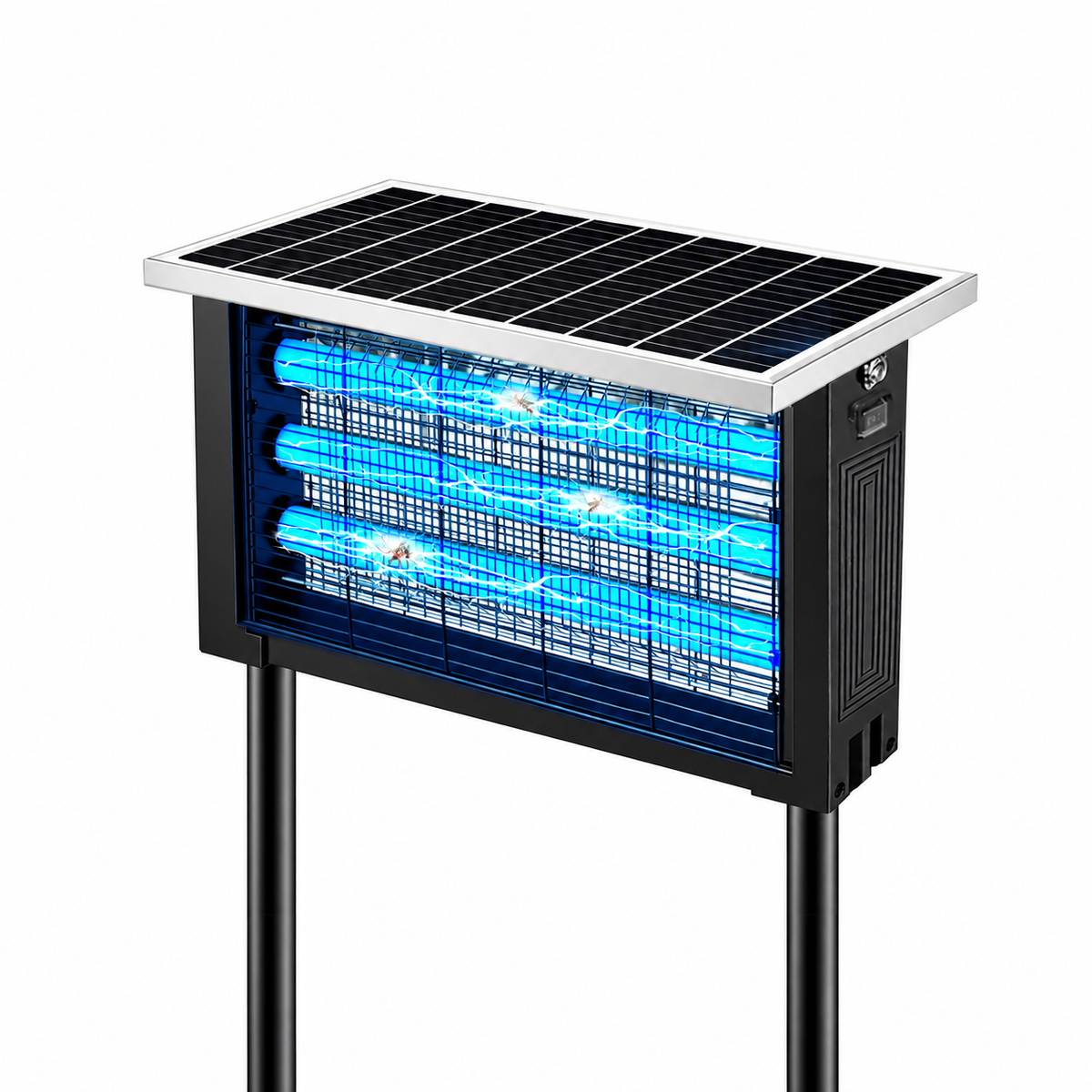
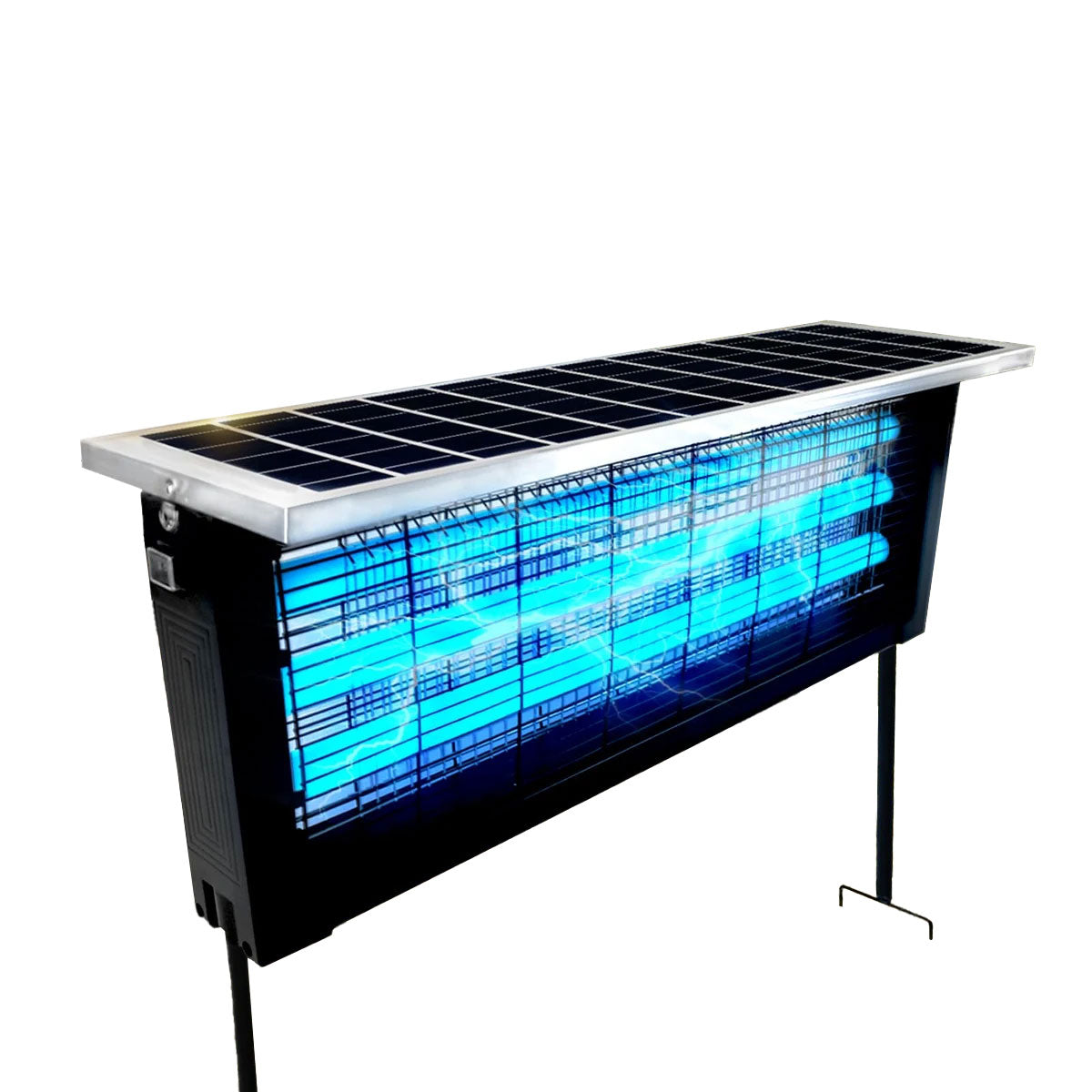
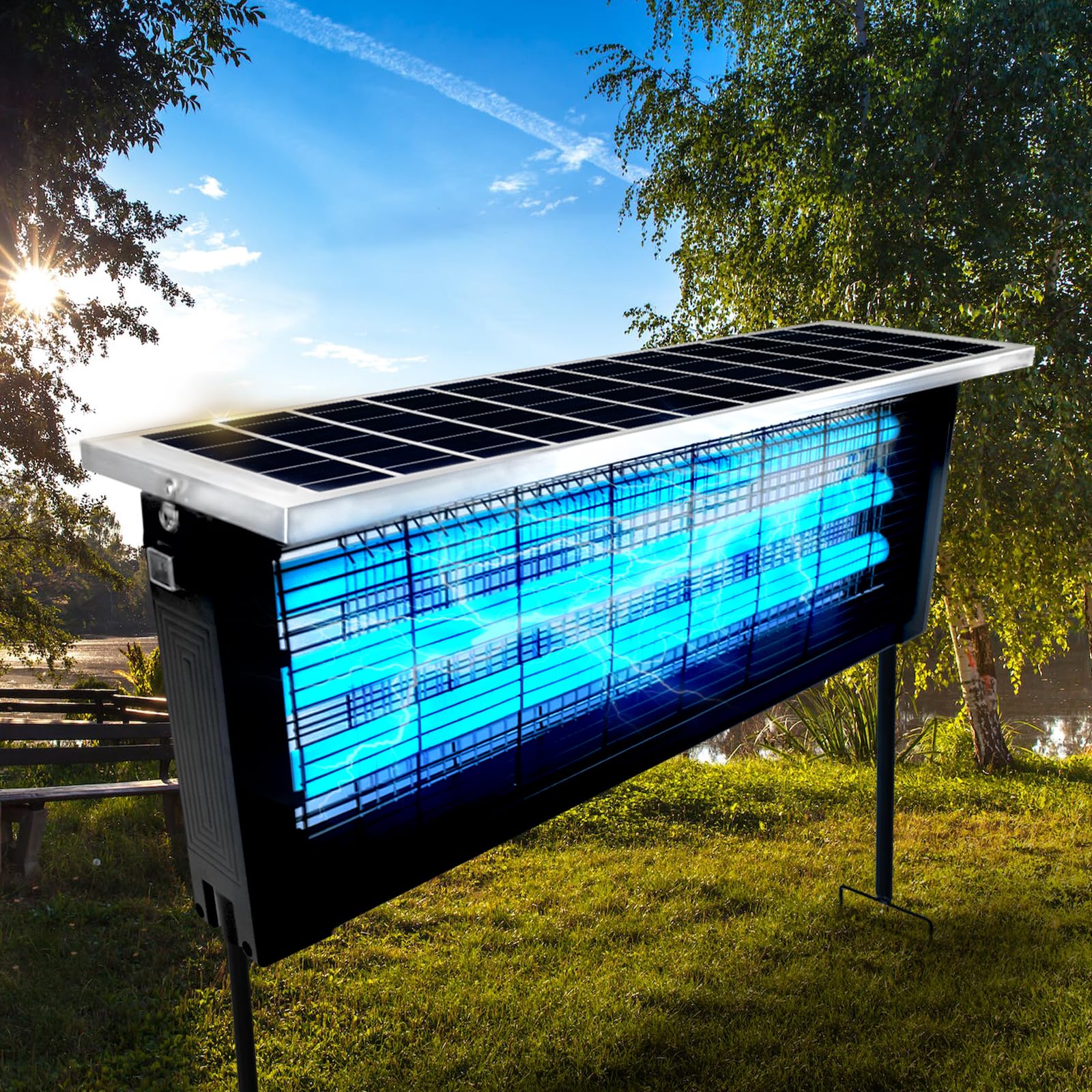
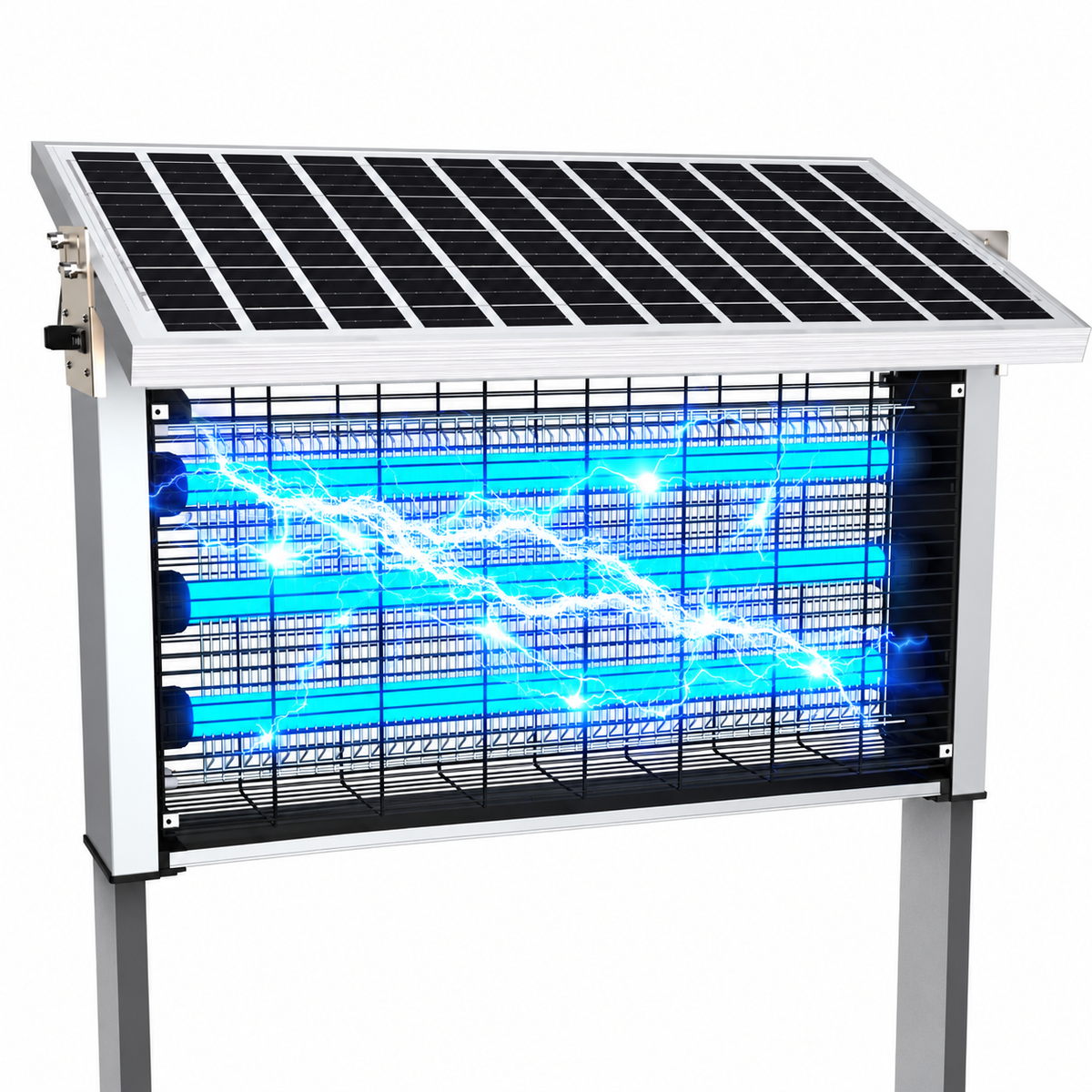
Example B: Solar-Powered Outdoor Lamp
Another company introduced a solar-powered version suited to:
-
Outdoor patios.
-
Gardens.
-
Remote cabins without grid access.
Solar integration extends usage scenarios and aligns with clean energy trends.
Example C: Commercial Pest Control System
A third manufacturer developed a scalable solution for:
-
Restaurants and cafes.
-
Hotels.
-
Office buildings.
By offering modular units that connect to a central monitoring platform, this product addresses professional needs beyond consumer markets.
Strategic Recommendations for Stakeholders
To sustain growth and capture opportunities, industry players should consider the following strategies:
1. Invest in R&D Continuously
Technological leadership reduces commoditization risk. Investing in:
-
Light wavelength optimization.
-
Intelligent sensors.
-
Noise reduction technology.
improves performance and customer satisfaction.
2. Strengthen After-Sales Support
Global customers often choose brands based on trust and support. Offering:
-
Responsive customer service.
-
Warranty programs.
-
Easy-to-access documentation.
enhances brand reputation and repeat purchases.
3. Adopt International Quality Standards
Certifications from recognized bodies (e.g., CE, UL) facilitate entry into stricter markets. Quality assurance protects consumers and opens more retail opportunities.
4. Build Local Partnerships
Local distributors, installers, and service providers help navigate regulatory and cultural nuances. Strong partnerships reduce market entry friction and create long-term sales channels.
Conclusion
China’s mosquito killer lamp industry stands at a pivotal moment. With its strong manufacturing base, capacity for innovation, and expanding global footprint, it is well-positioned to lead the market. However, rising competition, regulatory challenges, and evolving consumer expectations demand strategic focus and agility.
By embracing technology, sustainability, and consumer engagement, Chinese manufacturers can not only maintain their competitive advantages but also unlock new frontiers of growth. Whether through smart home integration, international branding, or strategic partnerships, the future looks bright for this dynamic and impactful industry.