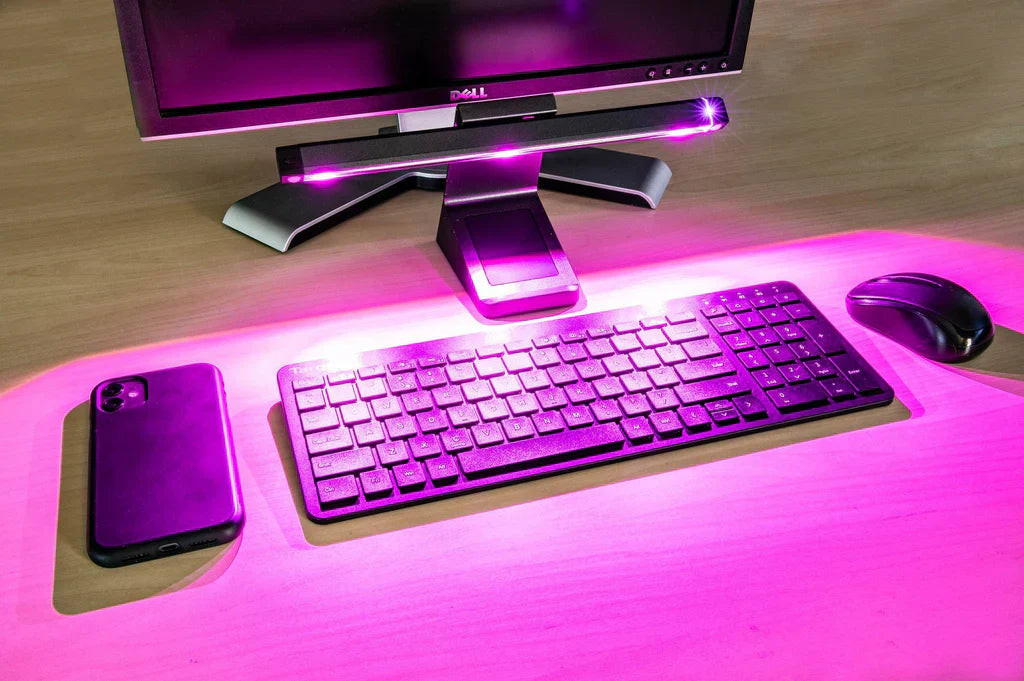
In today’s world, our computers are no longer just tools—they’re extensions of our lives.
We work, game, study, attend meetings, listen to music, and even relax through them. Yet while we wipe our phone screens obsessively and wash our hands regularly, one critical area is often ignored:
Computer accessories.
Your mouse, keyboard, and headphones may look clean, but microbiologically, they can be some of the dirtiest items on your desk. This guide explores why computer peripherals harbor bacteria, how UV light disinfection works, and how to use it safely and effectively to protect your health.
1. The Invisible Problem: How Dirty Are Computer Accessories?
1.1 High-Frequency Contact = High Contamination
Computer peripherals are touched constantly:
-
Mouse: hundreds or thousands of clicks per day
-
Headphones: pressed directly against skin and ears
-
Earbuds: inserted into a warm, moist environment
Unlike hands, these items are rarely washed or disinfected regularly.
Studies have shown that shared or frequently used computer accessories can harbor:
-
Staphylococcus bacteria
-
E. coli
-
Yeast and mold spores
Even personal-use devices accumulate microbes rapidly due to heat, sweat, skin oils, and environmental exposure.
1.2 Why Traditional Cleaning Isn’t Enough
Most people rely on:
-
Dry cloth wiping
-
Alcohol wipes (occasionally)
-
Compressed air
These methods:
-
Remove visible dirt
-
Do not reach crevices
-
Are inconsistent and user-dependent
More importantly, frequent liquid cleaning can:
-
Damage electronics
-
Degrade coatings
-
Leave residue behind
This is where UV disinfection offers a powerful alternative.
2. Understanding UV Light: Why It Works for Disinfection
2.1 What Is UV Light?
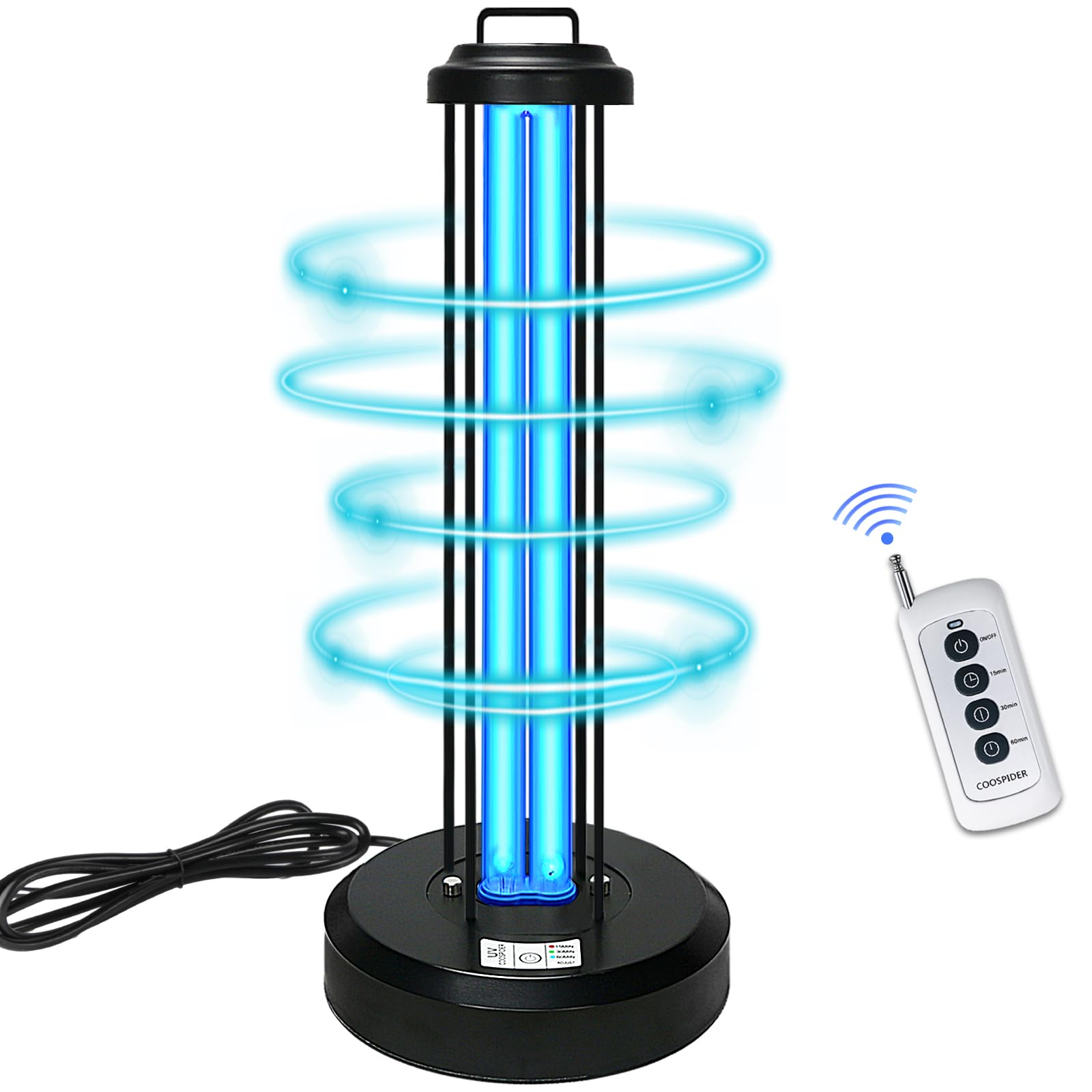
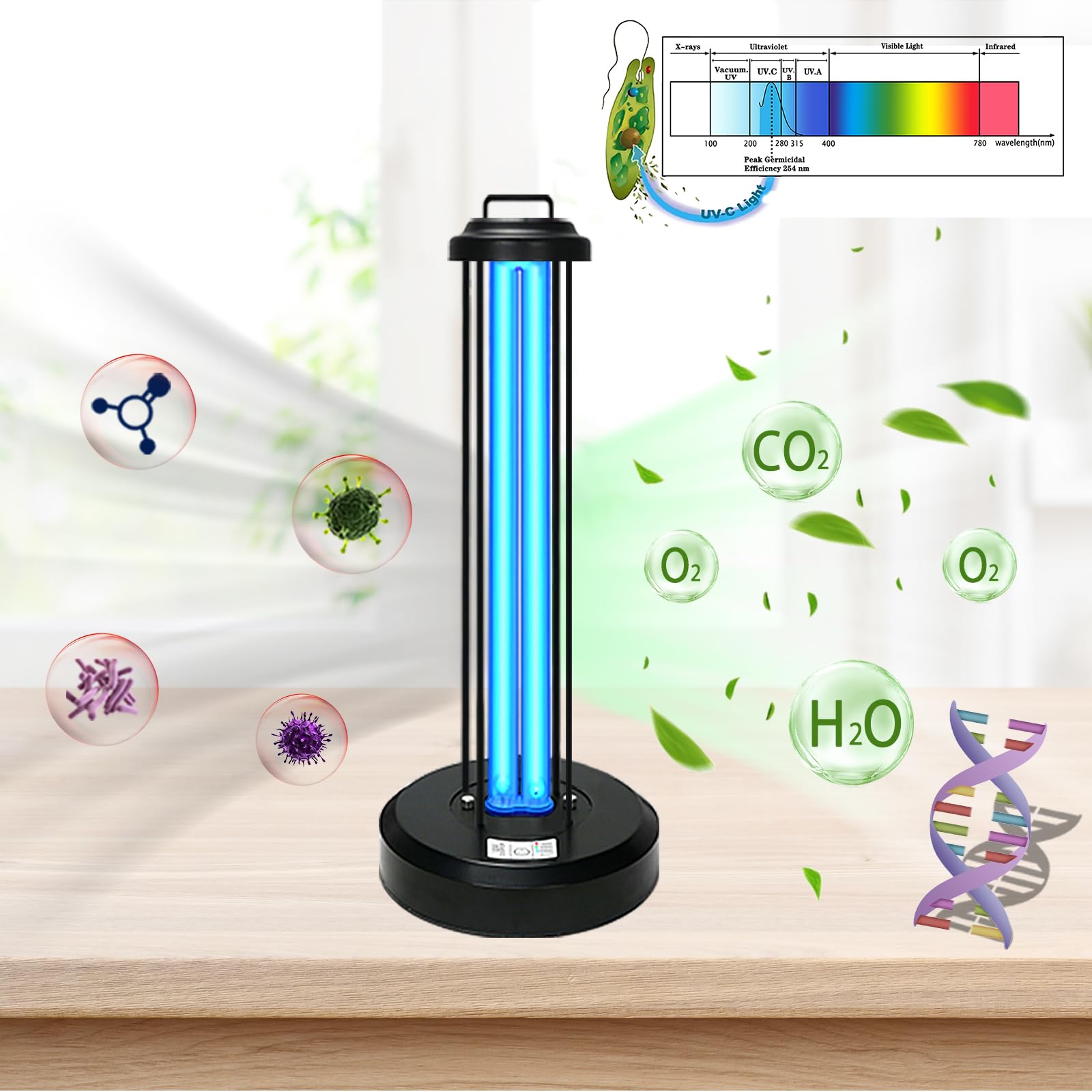
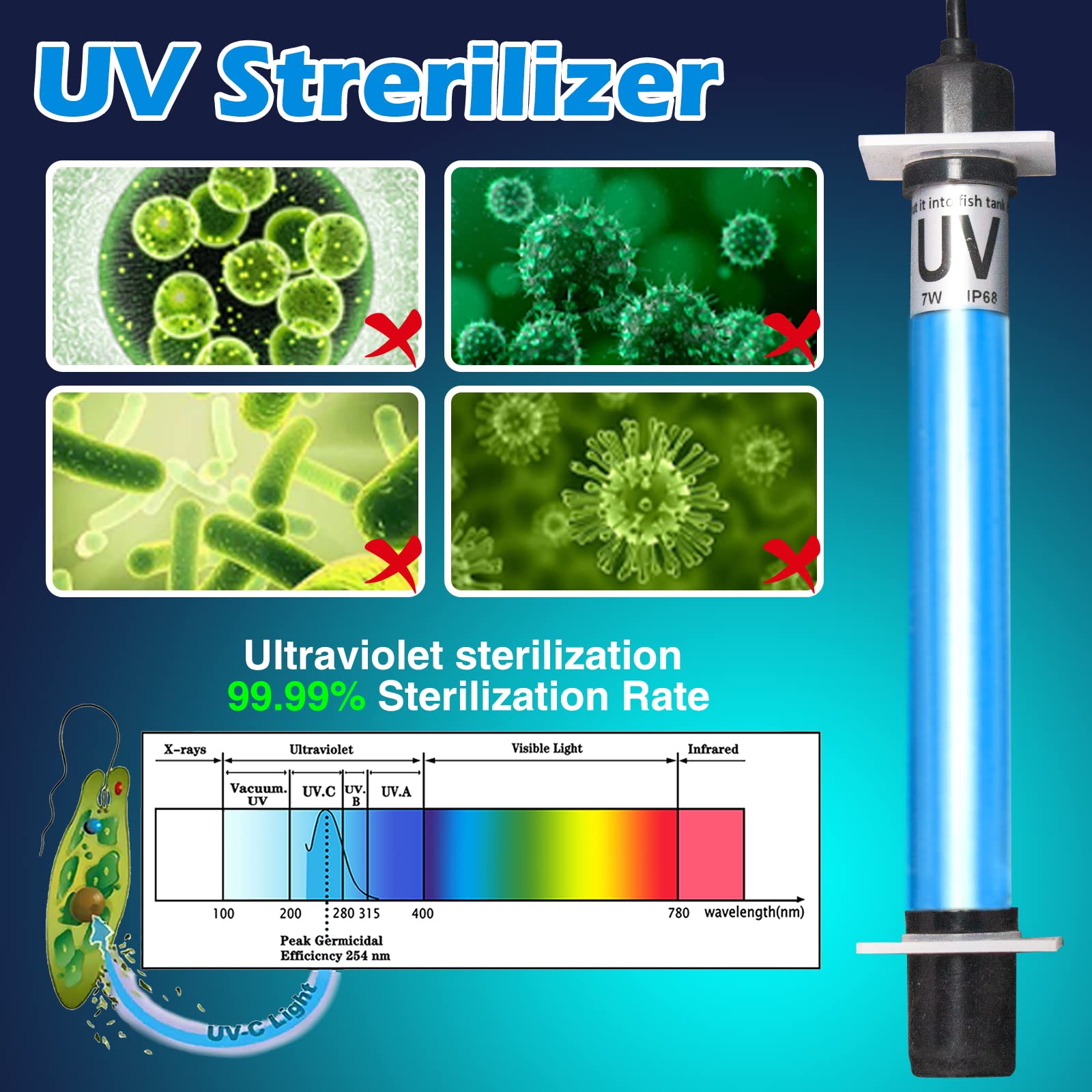
Ultraviolet (UV) light sits beyond visible violet light on the electromagnetic spectrum. For disinfection purposes, the most relevant type is:
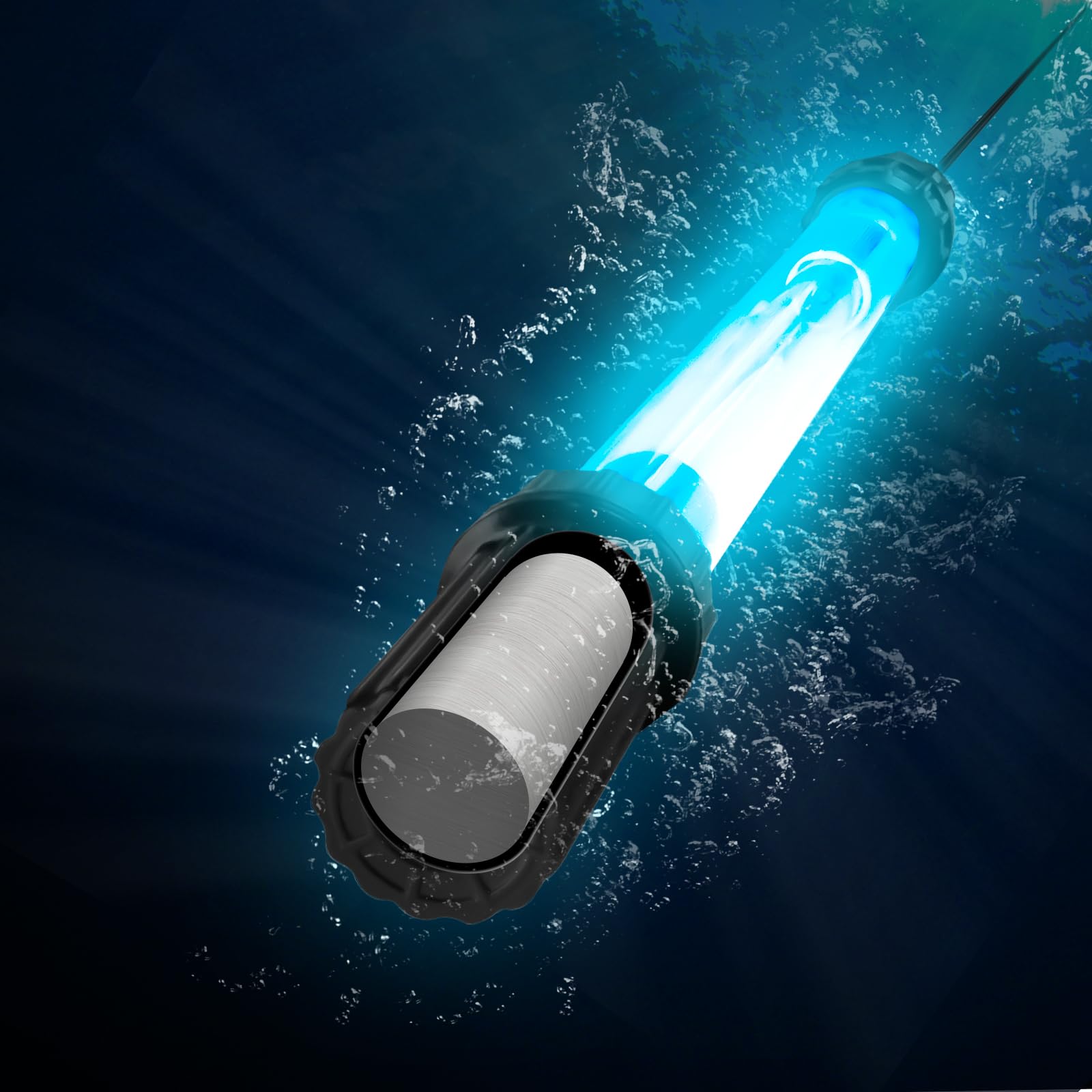
UV-C light (around 254 nm)
This wavelength is highly effective at disrupting the DNA and RNA of microorganisms.
2.2 How UV Light Kills Germs
UV-C light:
-
Penetrates microbial cells
-
Breaks molecular bonds in DNA/RNA
-
Prevents bacteria and viruses from reproducing
Once replication stops, microorganisms effectively die or become inactive.
Unlike chemicals, UV disinfection:
-
Leaves no residue
-
Does not rely on moisture
-
Works without physical contact
3. Why UV Light Is Ideal for Computer Accessories
3.1 Non-Contact, Electronics-Safe Cleaning
UV light:
-
Requires no liquid
-
Does not corrode surfaces
-
Does not interfere with electronics when used properly
This makes it ideal for sensitive items like:
-
Wireless mice
-
Gaming headsets
-
Earbuds and charging cases
3.2 Reaches Where Wipes Can’t
Computer accessories have:
-
Buttons
-
Seams
-
Mesh grilles
-
Charging ports
UV light reaches into these areas where cloths and wipes fail.
4. Disinfecting Your Mouse with UV Light
4.1 Why the Mouse Is a Bacterial Hotspot
Your mouse:
-
Is constantly touched
-
Often used while eating
-
Rarely cleaned deeply
The underside and side buttons are especially problematic.
4.2 UV Disinfection Method for Mice
Step-by-step:
-
Power off or unplug the mouse
-
Remove visible debris (hair, dust)
-
Place the mouse under or inside a UV disinfection device
-
Expose each side for the recommended time (usually 3–10 minutes)
-
Rotate to ensure even exposure
This method avoids moisture damage while providing deep sanitization.
5. Headphones and Earbuds: Personal Devices, Personal Risk
5.1 Why Headphones Accumulate Bacteria Quickly
Headphones and earbuds:
-
Trap heat and moisture
-
Absorb sweat and skin oils
-
Sit close to ears (a sensitive area)
This creates a perfect environment for bacterial growth.
5.2 UV Light for Headphone Hygiene
UV disinfection is especially useful for:
-
Over-ear headphone cushions
-
In-ear earbuds
-
Earbud charging cases
UV exposure helps reduce:
-
Odor-causing bacteria
-
Skin irritation risks
-
Cross-contamination between uses
Many users report fresher-smelling headphones after regular UV treatment.
6. How Often Should You Use UV Disinfection?
Recommended frequency:
-
Daily use devices: 2–3 times per week
-
Shared devices: After each user
-
Gym or travel headphones: After every use
Consistency matters more than intensity. Short, regular UV sessions are more effective than occasional deep cleans.
7. UV Disinfection vs Alcohol Wipes: A Comparison
| Feature | UV Light | Alcohol Wipes |
|---|---|---|
| Liquid-free | Yes | No |
| Electronics-safe | Yes | Risky |
| Residue-free | Yes | Sometimes |
| Reaches crevices | Yes | Limited |
| Long-term wear | Minimal | Can degrade materials |
UV light isn’t a replacement for all cleaning—but it’s an excellent complementary solution.
8. Safety First: Using UV Light Correctly
8.1 Avoid Direct Exposure
UV-C light can harm:
-
Eyes
-
Skin
Always:
-
Use enclosed UV devices when possible
-
Avoid looking directly at active UV bulbs
-
Keep UV lamps away from children and pets
8.2 Follow Manufacturer Guidelines
Different UV devices have different:
-
Power levels
-
Exposure times
-
Safety features
More UV is not always better. Controlled exposure is key.
9. Choosing the Right UV Device for Computer Accessories
Look for:
-
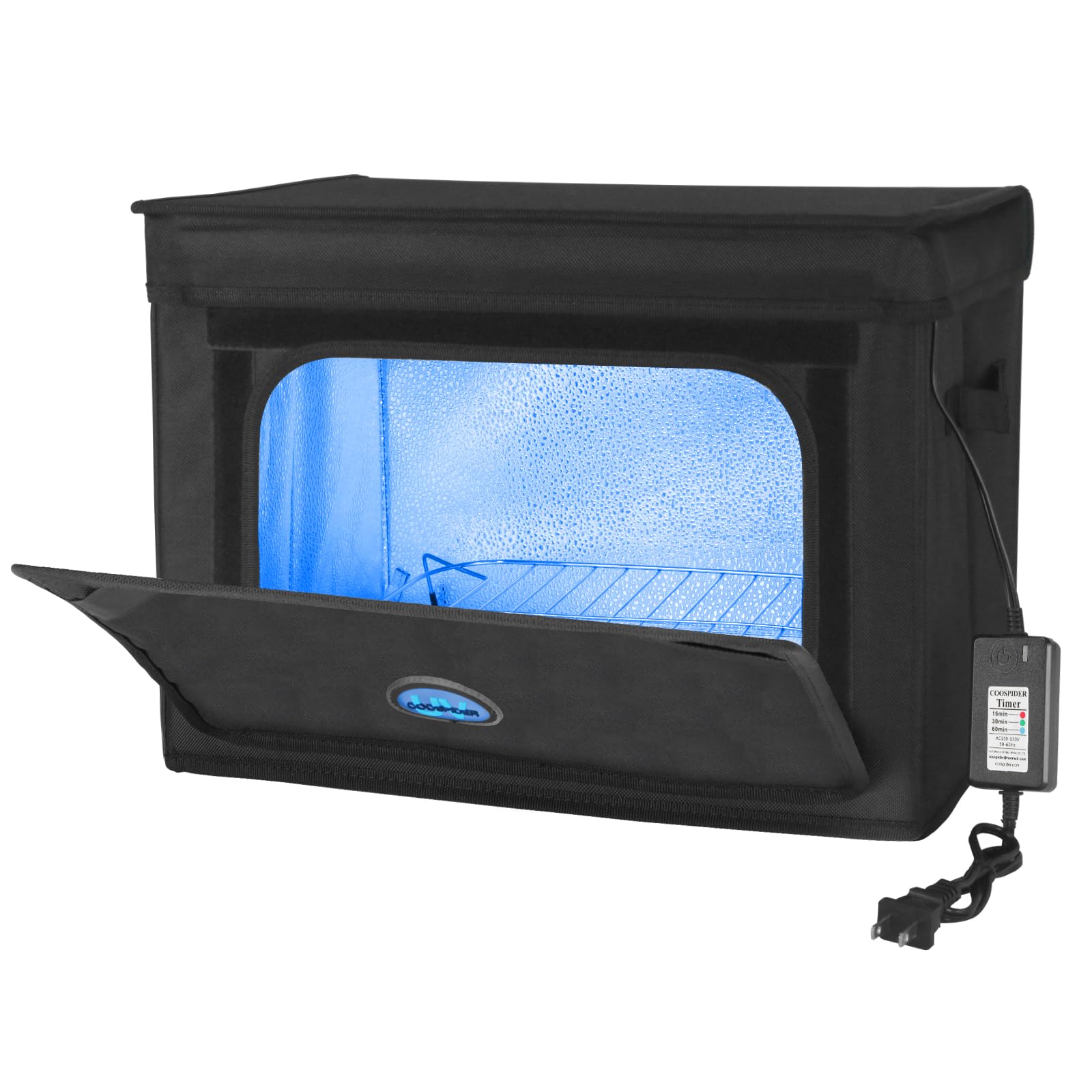
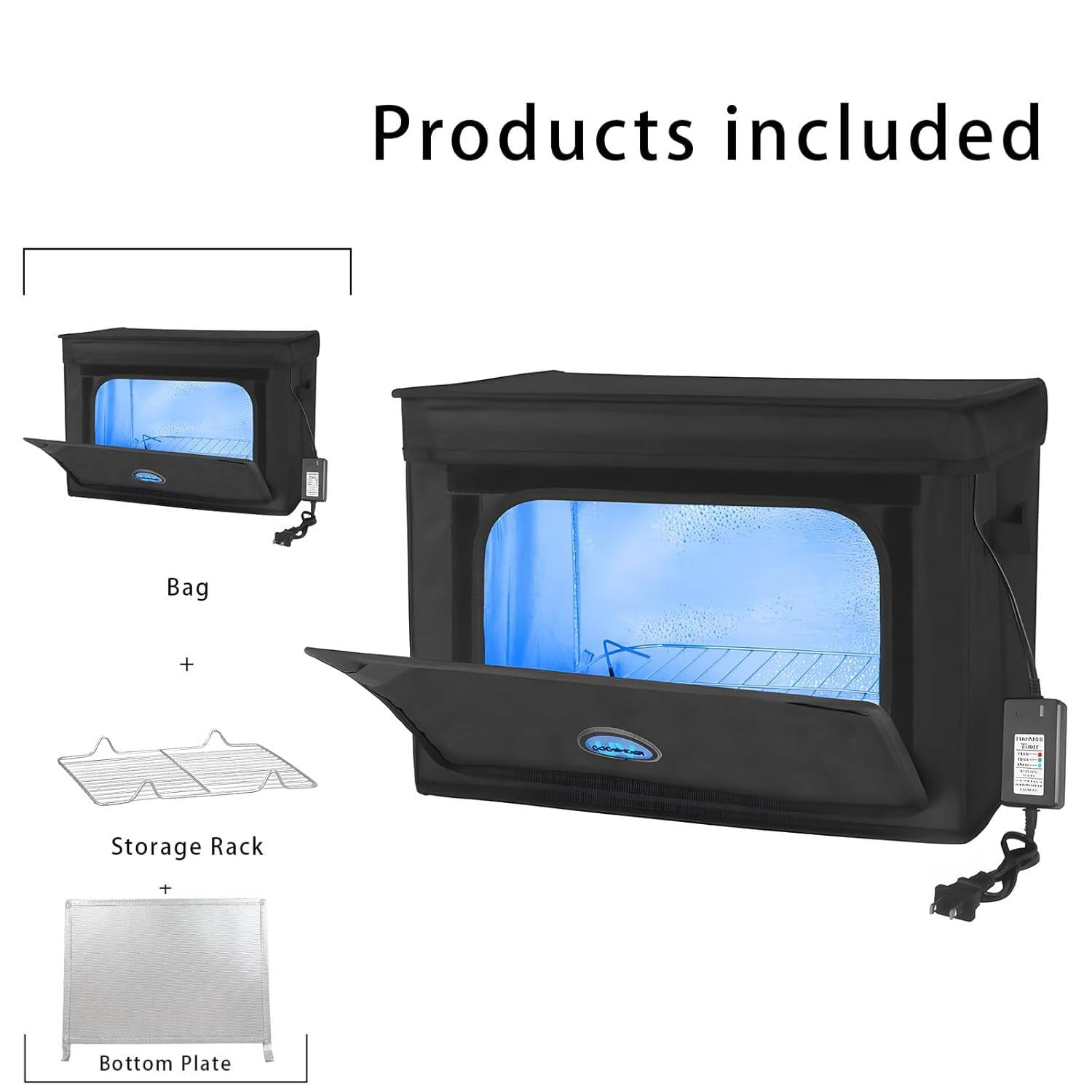
Enclosed UV sterilization boxes
-
Certified UV-C wavelength
-
Automatic shutoff features
-
Size compatibility with accessories
Portable UV cases are especially popular for:
-
Earbuds
-
Mice
-
Small desk items
10. Building a Cleaner Desk Ecosystem
UV disinfection works best as part of a system:
-
Regular hand washing
-
Desk surface cleaning
-
Cable and phone sanitation
-
Proper storage of accessories
A cleaner desk environment leads to:
-
Fewer sick days
-
Better skin health
-
Improved comfort during long work sessions
Final Thoughts: Clean Tech, Healthier Habits
Computer accessories are no longer optional—they are constant companions.
Ignoring their hygiene is no longer just inconvenient—it’s unnecessary.
UV light offers a modern, efficient, and electronics-safe way to reduce bacterial exposure without adding complexity to your routine. With just a few minutes per session, you can protect your mouse, headphones, and ultimately, yourself.
Clean devices aren’t just about aesthetics.
They’re about health, comfort, and peace of mind.