They interrupt sleep, ruin outdoor gatherings, and in many regions, carry diseases that pose real health risks. For decades, households around the world have relied on mosquito coils as a simple, low-cost solution. In recent years, however, electric mosquito lamps have surged in popularity, often marketed as cleaner, safer, and more environmentally friendly.
But are they really?
This article takes a deep, honest look at mosquito lamps vs. mosquito coils, comparing them from an environmental perspective—covering air quality, chemical exposure, energy use, waste, effectiveness, and long-term sustainability.
If you care about your health, your home environment, and the planet, this comparison matters.
1. Understanding the Two Approaches
1.1 What Are Mosquito Coils?
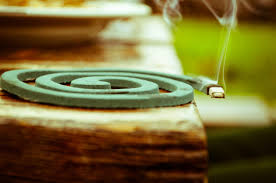
Mosquito coils are spiral-shaped products made from:
-
Powdered insecticides (often pyrethroids)
-
Binders like sawdust or starch
-
Dyes and fragrances
They work by burning slowly, releasing smoke that repels or kills mosquitoes over several hours.
Coils are popular because they are:
-
Inexpensive
-
Easy to use
-
Widely available
But burning is also their biggest drawback.
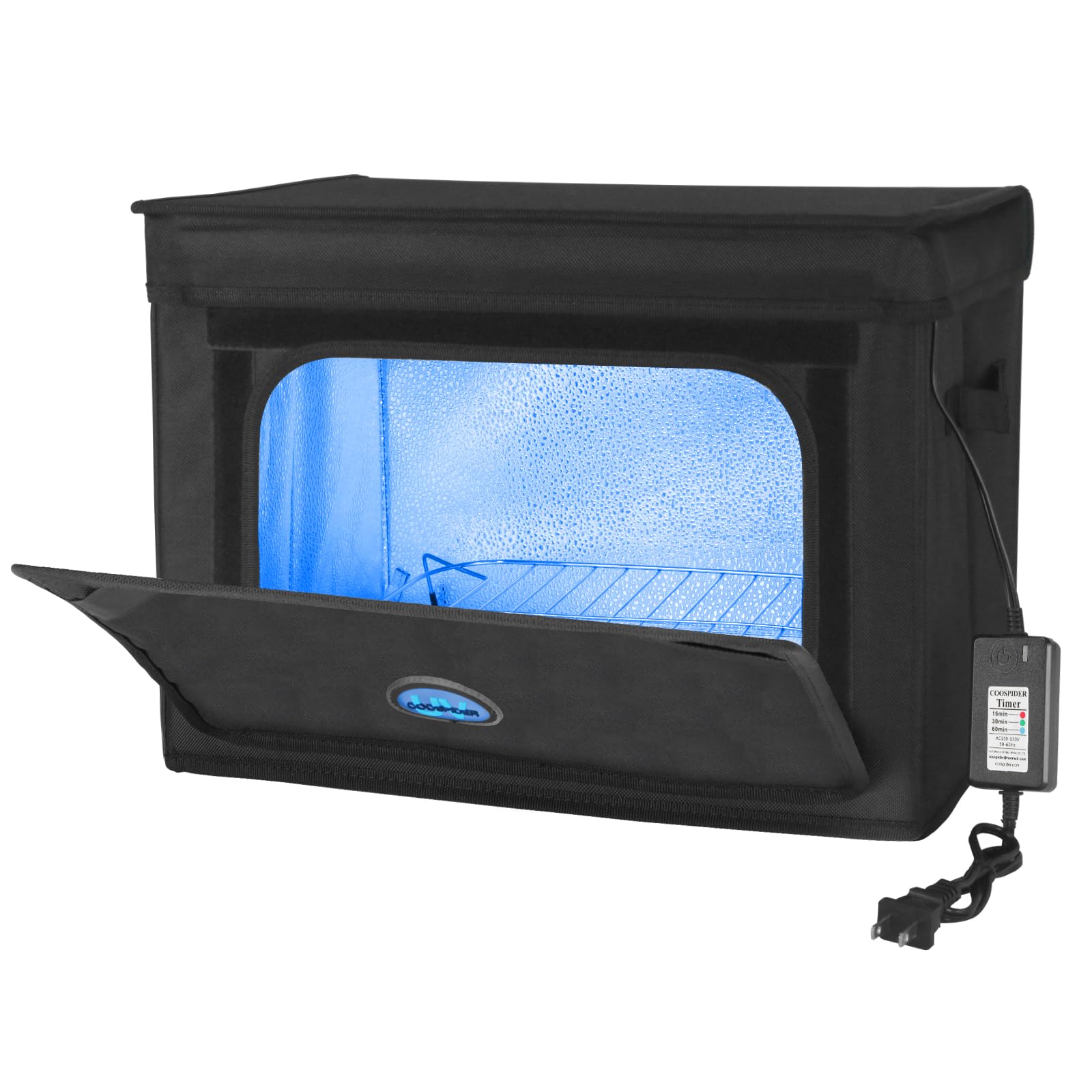
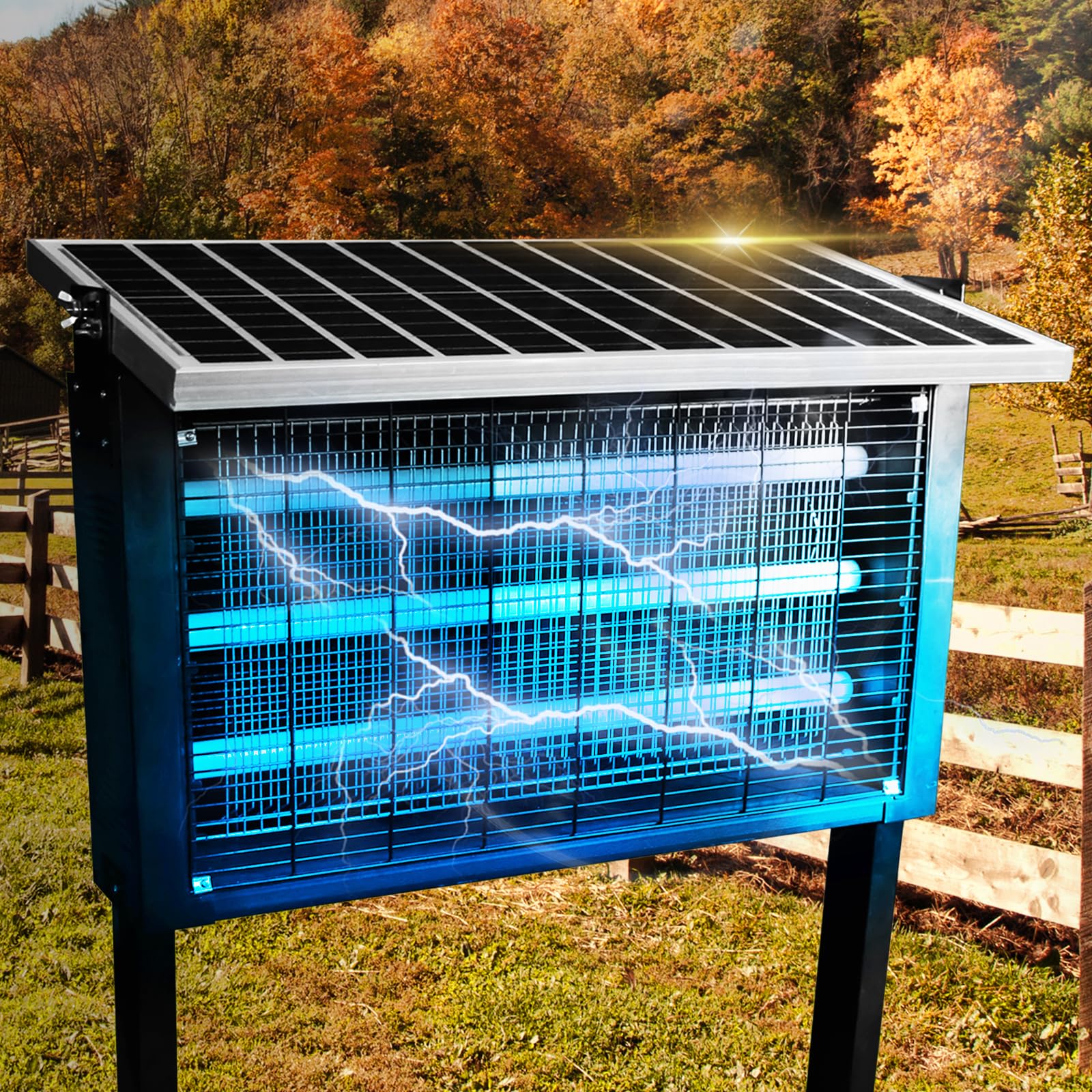
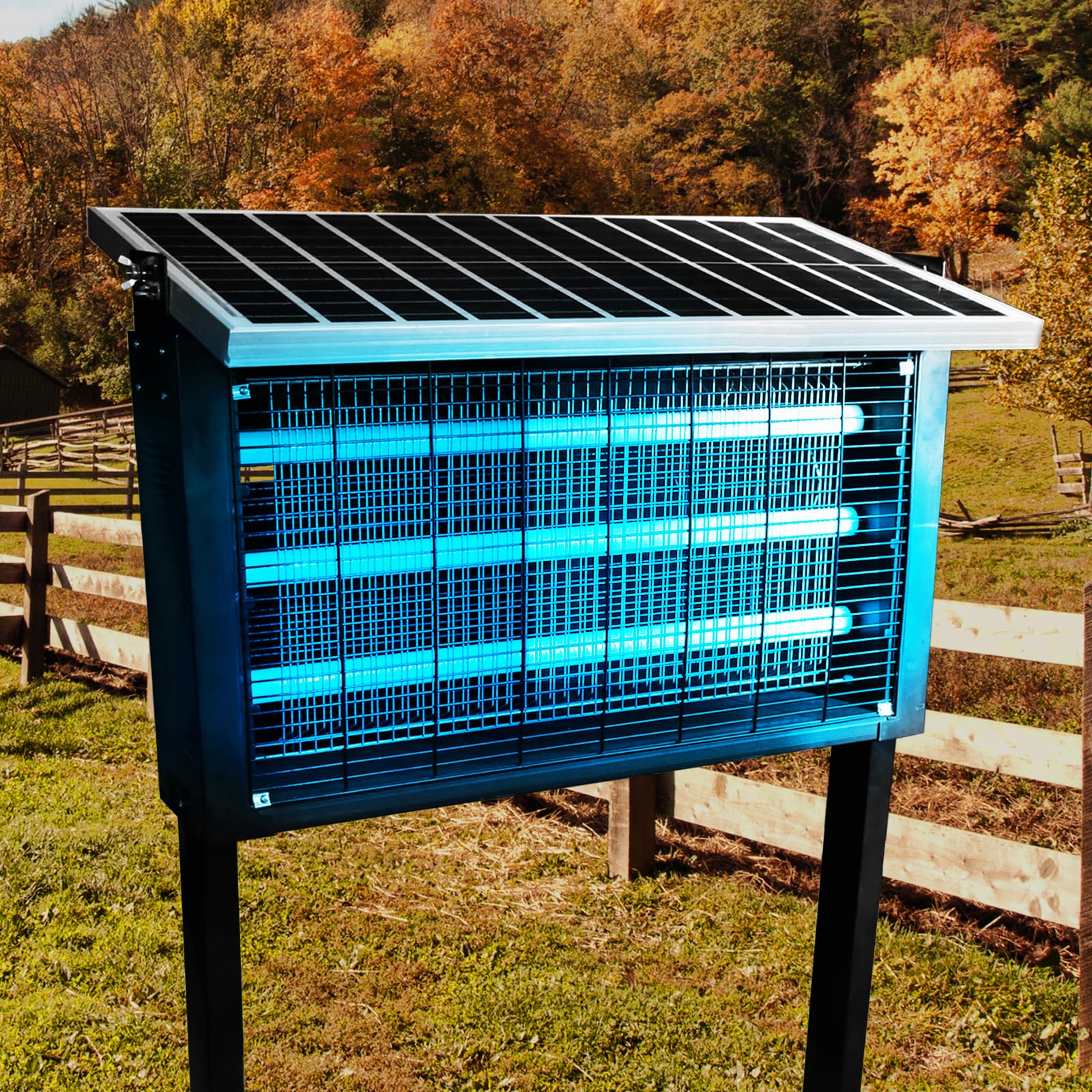
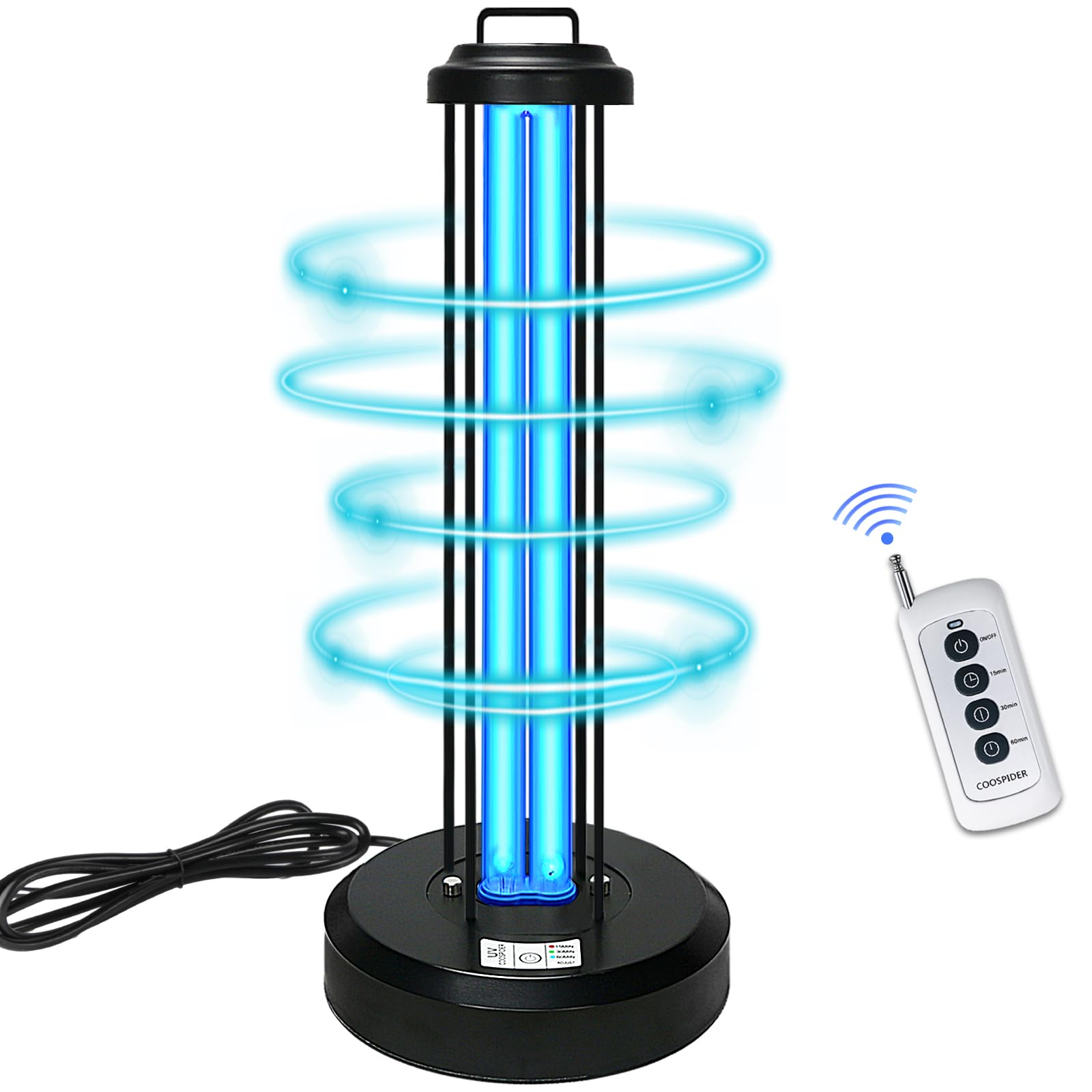
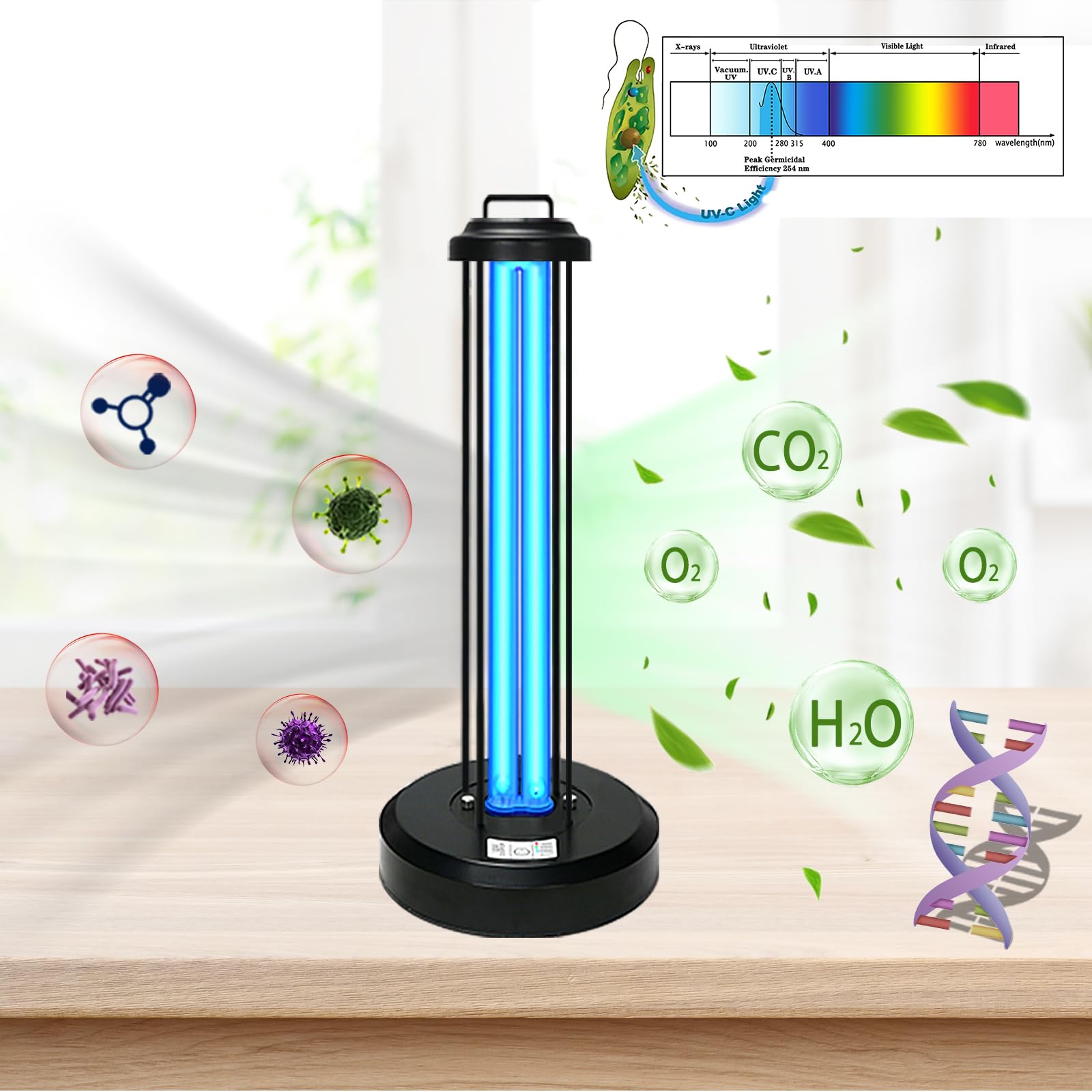
1.2 What Are Mosquito Lamps?
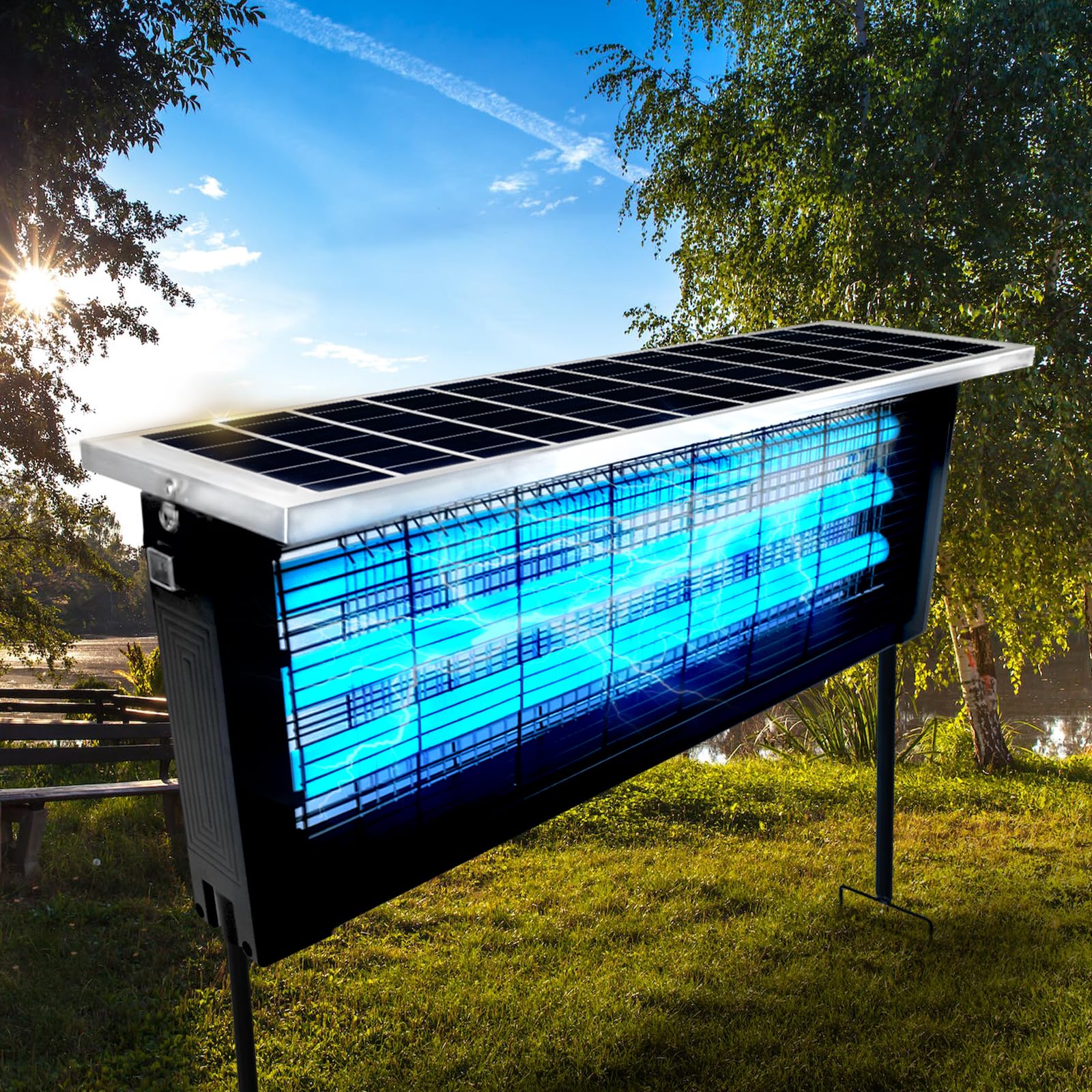
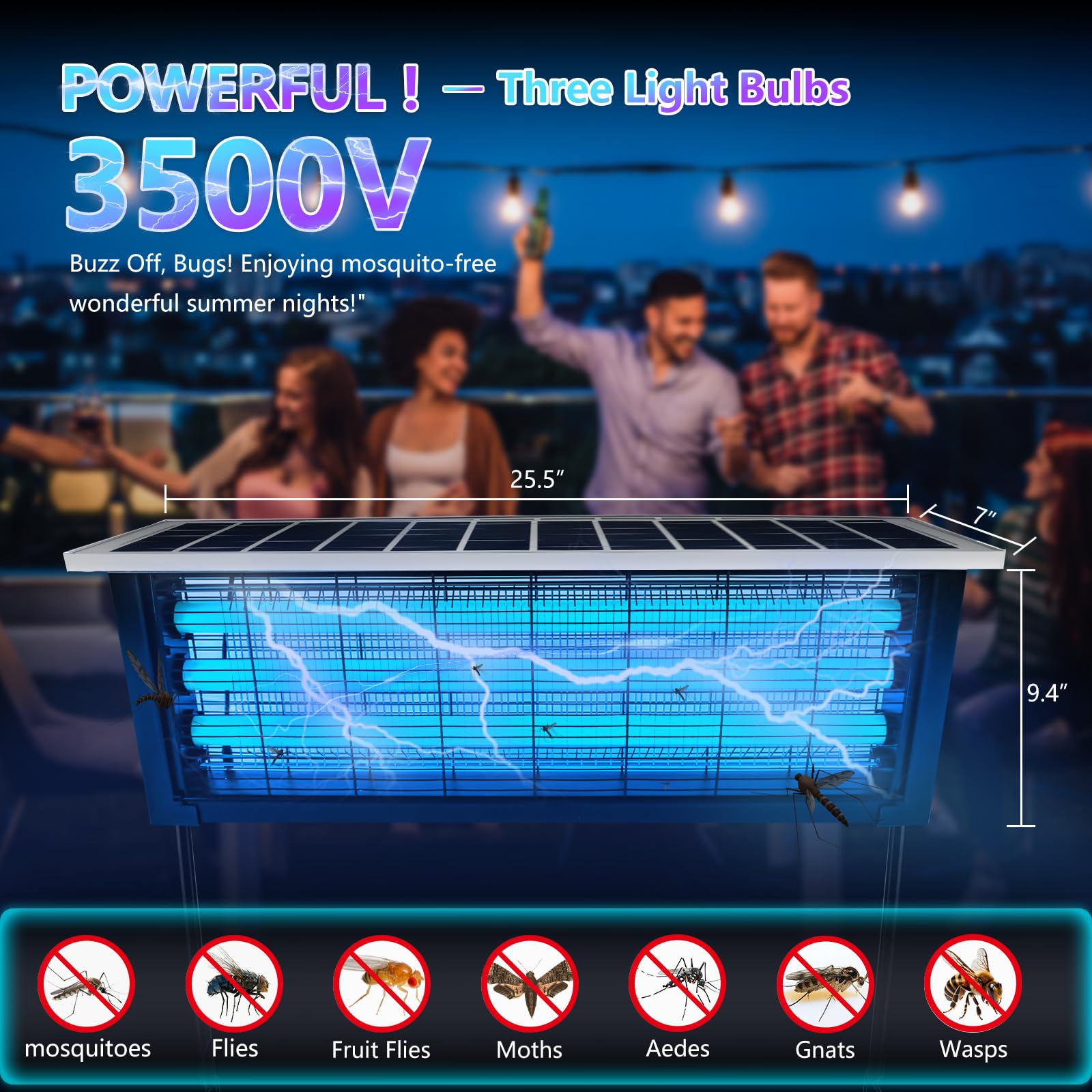
Mosquito lamps are electric devices that:
-
Attract mosquitoes using light (often UV or specific wavelengths)
-
Kill or trap them using electric grids, fans, or sticky surfaces
They do not rely on combustion or chemical smoke, making them fundamentally different from coils.
Mosquito lamps are typically marketed as:
-
Smoke-free
-
Odorless
-
Chemical-free
-
Reusable
2. Environmental Impact: Air Quality Matters
2.1 Smoke Pollution from Mosquito Coils
Burning a mosquito coil releases:
-
Fine particulate matter (PM2.5)
-
Carbon monoxide
-
Formaldehyde
-
Volatile organic compounds (VOCs)
Multiple studies have shown that burning one mosquito coil indoors can produce particulate matter equivalent to dozens of cigarettes.
From an environmental perspective:
-
Smoke contributes to indoor air pollution
-
Poor ventilation worsens the impact
-
Sensitive groups (children, elderly, pets) are at higher risk
Even outdoors, coil smoke adds localized air pollution.
2.2 Mosquito Lamps and Clean Air
Mosquito lamps:
-
Produce no smoke
-
Release no combustion byproducts
-
Do not affect indoor air quality
Their environmental footprint during use is minimal, especially compared to any product that relies on burning.
From an air-quality standpoint alone, mosquito lamps are clearly the cleaner option.
3. Chemical Exposure and Ecological Concerns
3.1 Insecticides in Mosquito Coils
Most mosquito coils contain synthetic pyrethroids, which are effective but not harmless.
Environmental concerns include:
-
Toxicity to aquatic organisms
-
Harm to beneficial insects
-
Residue settling on surfaces
-
Potential long-term exposure risks
When coils are burned nightly, chemical exposure becomes cumulative—for both humans and the surrounding ecosystem.
3.2 Mosquito Lamps: Minimal Chemical Impact
Most mosquito lamps:
-
Do not use insecticides
-
Rely on physical attraction and elimination
-
Leave no chemical residue
While not entirely impact-free, mosquito lamps avoid introducing toxins into air, soil, or water.
For eco-conscious households, this is a major advantage.
4. Energy Consumption vs. Combustion Waste
4.1 Energy Use of Mosquito Lamps
Mosquito lamps require electricity, typically:
-
5–20 watts for indoor models
-
Slightly more for outdoor or high-power units
Over several hours, energy consumption remains low—often comparable to a small LED light.
When powered by:
-
Renewable energy
-
Solar panels
-
High-efficiency grids
…the environmental cost becomes even smaller.
4.2 Resource Waste from Mosquito Coils
Mosquito coils:
-
Are single-use
-
Produce ash waste
-
Require continuous repurchasing
-
Generate packaging waste
Each coil burned is gone forever, contributing to:
-
Resource consumption
-
Manufacturing emissions
-
Transportation pollution
From a lifecycle perspective, coils are inherently less sustainable.
5. Effectiveness and Behavioral Impact
5.1 Do Mosquito Coils Actually Reduce Mosquito Populations?
Mosquito coils:
-
Repel mosquitoes temporarily
-
Rarely eliminate breeding populations
-
Often push mosquitoes elsewhere
This means:
-
Continuous use is required
-
Environmental exposure never stops
-
Long-term effectiveness is limited
5.2 Mosquito Lamps and Long-Term Control
Mosquito lamps:
-
Kill mosquitoes rather than repel them
-
Reduce local mosquito populations over time
-
Are most effective when used consistently
While no solution is perfect, lamps address the problem more directly—without constant chemical release.
6. Impact on Non-Target Insects
6.1 Coils and Broad-Spectrum Toxicity
The smoke and chemicals from mosquito coils:
-
Affect mosquitoes
-
Affect moths, flies, and other insects
-
Can disrupt local insect balance
This broad impact is rarely discussed but matters for ecosystems.
6.2 Mosquito Lamps: Still Not Perfect
It’s important to be honest:
-
Some mosquito lamps attract non-mosquito insects
-
UV-based models are less selective
However:
-
Newer designs use wavelength optimization
-
Physical traps reduce collateral harm
-
Impact is localized and limited
While mosquito lamps are not harmless, their ecological footprint is generally smaller and more controllable.
7. Human Health: An Environmental Issue Too
Environmental friendliness is not just about nature—it’s about human environments.
7.1 Health Risks of Mosquito Coil Smoke
Long-term exposure to coil smoke has been associated with:
-
Respiratory irritation
-
Asthma aggravation
-
Headaches and dizziness
-
Potential long-term health risks
When environmental harm directly affects human health, sustainability becomes a personal issue.
7.2 Mosquito Lamps and Health Safety
Mosquito lamps:
-
Do not alter indoor air chemistry
-
Are safe when used properly
-
Avoid inhalation-based exposure
From a household health perspective, they align better with modern environmental standards.
8. Durability and Product Lifecycle
8.1 Single-Use vs. Long-Term Devices
Mosquito coils:
-
Must be replaced constantly
-
Create recurring waste
Mosquito lamps:
-
Can last years
-
Require occasional cleaning
-
Use replaceable components
Longer product lifespan = lower environmental cost over time.
9. Cost vs. Environmental Value
At first glance:
-
Mosquito coils are cheaper
-
Mosquito lamps cost more upfront
But over time:
-
Coils add up financially and environmentally
-
Lamps often become more cost-effective
Eco-friendly choices often reward patience.
10. Which Is More Eco-Friendly? The Verdict
When comparing:
-
Air pollution
-
Chemical exposure
-
Waste generation
-
Long-term sustainability
-
Human health impact
Mosquito lamps are generally the more eco-friendly option.
That doesn’t mean mosquito lamps are perfect—but they represent a shift away from combustion, disposable chemicals, and indoor pollution.
Final Thoughts: Choosing the Lesser Footprint
Mosquito control is necessary—but how we control them matters.
Mosquito coils belong to an older era of convenience-first solutions, when air quality and chemical exposure were rarely questioned.
Mosquito lamps reflect a newer mindset:
-
Cleaner technology
-
Reusable systems
-
Reduced environmental harm
For households seeking a balance between effectiveness, health, and sustainability, mosquito lamps are increasingly the better choice—not just for today, but for the future.