
Spending time outdoors should be refreshing, fun, and relaxing—but mosquitoes can quickly turn a perfect evening into a frustrating battle of swats and bites. While many rely on sprays alone, scientific studies and practical experience show that the most effective mosquito protection comes from a combination of strategies, products, and timing.
This guide explores how to use outdoor repellents wisely, pairing products in ways that maximize protection without over-relying on chemicals. From wearable solutions to area treatments and smart habits, you’ll learn how to enjoy the outdoors bite-free, even in mosquito-heavy environments.
1. Understanding Mosquito Behavior: The Key to Effective Protection
Before diving into products, it’s essential to understand your tiny opponents. Mosquitoes are attracted by:
- Carbon dioxide: Exhaled by humans and animals, signaling a nearby host.
- Body heat: Mosquitoes detect warmth from a distance.
- Scent: Sweat, perfumes, and even natural skin oils can attract certain species.
- Movement and color: Dark and bright colors, along with motion, draw attention.
Knowing when and where mosquitoes are most active—typically dawn, dusk, and humid, shaded areas—can help you plan your outdoor activities and protective measures.
2. Topical Repellents: Choosing the Right Formula
Topical repellents are the most direct form of personal protection. The effectiveness depends on the active ingredient, concentration, and proper application.
DEET-Based Repellents
DEET remains the gold standard for long-lasting protection. Products with 20–30% DEET offer 4–8 hours of reliable coverage. Tips for use:
- Apply evenly to exposed skin, avoiding eyes and mouth.
- Reapply after heavy sweating or swimming.
- Combine with clothing treatments for extended protection.
Picaridin
Picaridin offers similar protection to DEET but is less oily and more pleasant on skin. Concentrations of 20% can provide 8–10 hours of coverage. Picaridin is suitable for sensitive skin and has a lower odor profile.
Oil of Lemon Eucalyptus
A natural alternative, oil of lemon eucalyptus (OLE) can provide up to 6 hours of protection. It’s effective for casual outdoor activities but may require more frequent application in high-mosquito areas.
3. Clothing-Based Defense: Passive Yet Powerful
Repellents work best when combined with protective clothing. Scientific studies show that treated garments can reduce bites by up to 90%, complementing topical applications.
Permethrin-Treated Apparel
- Pants, shirts, hats, and even socks can be treated with permethrin.
- The chemical binds to fabric fibers, remaining effective through multiple washes.
- When combined with a DEET or picaridin spray on exposed skin, coverage is nearly complete.
Fabric and Fit
- Tight-weave fabrics are harder for mosquitoes to penetrate.
- Long sleeves, full-length pants, and light colors reduce attractiveness.
- Tucking pants into socks or boots prevents ticks and mosquitoes from accessing your skin at the ankles.
4. Area Protection: Creating Mosquito-Free Zones
Personal protection is important, but controlling the environment dramatically improves comfort outdoors.
Mosquito Nets and Screened Shelters
- Fine mesh nets (around 200 holes per square inch) block even the smallest insects.
- Screened tents, hammocks, and gazebos allow fresh air while keeping pests out.
Repellent Candles and Diffusers
- Citronella, lavender, and eucalyptus candles can repel mosquitoes in small areas.
- Electric diffusers with natural oils or pyrethroid compounds extend coverage to patios and decks.
Traps and UV Lights
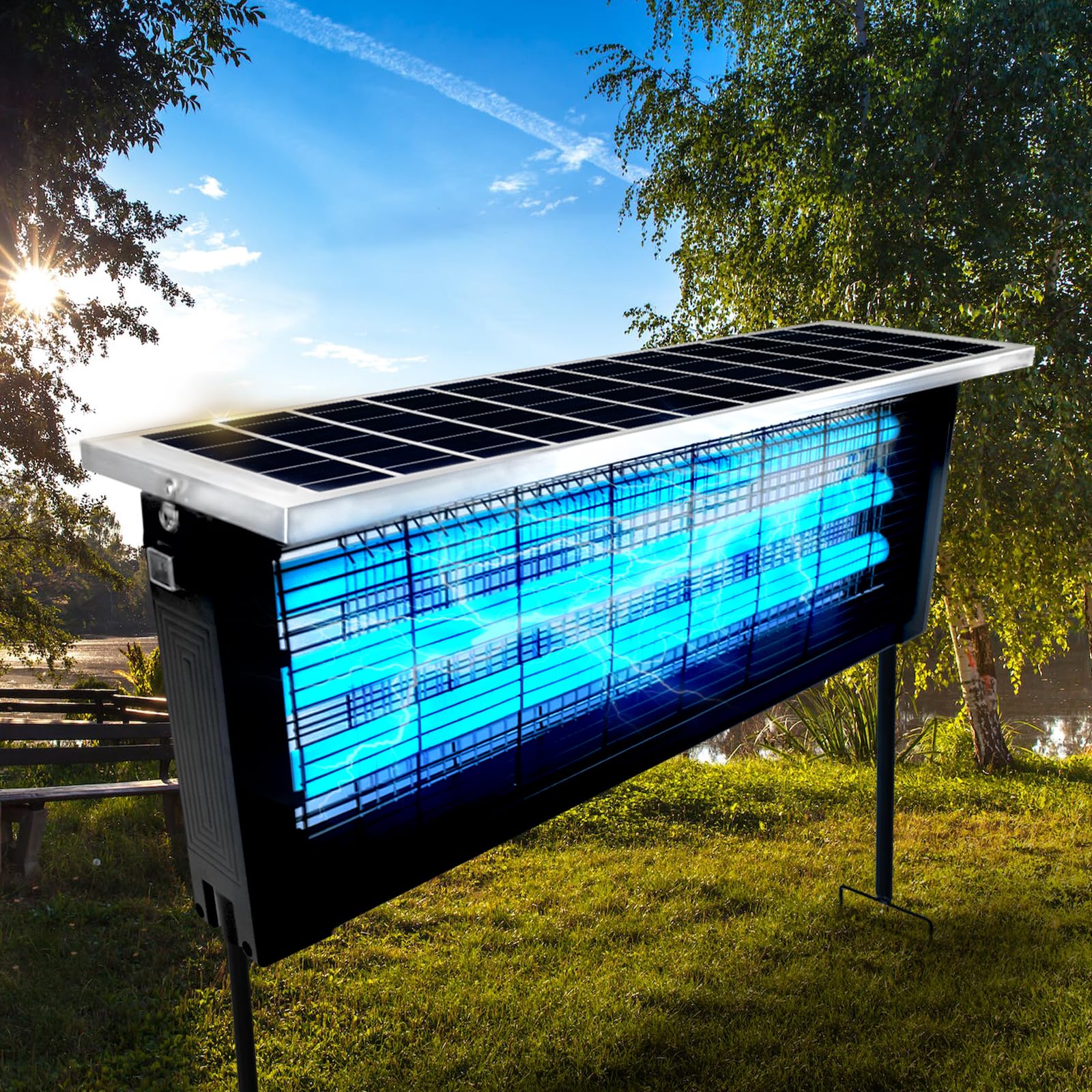
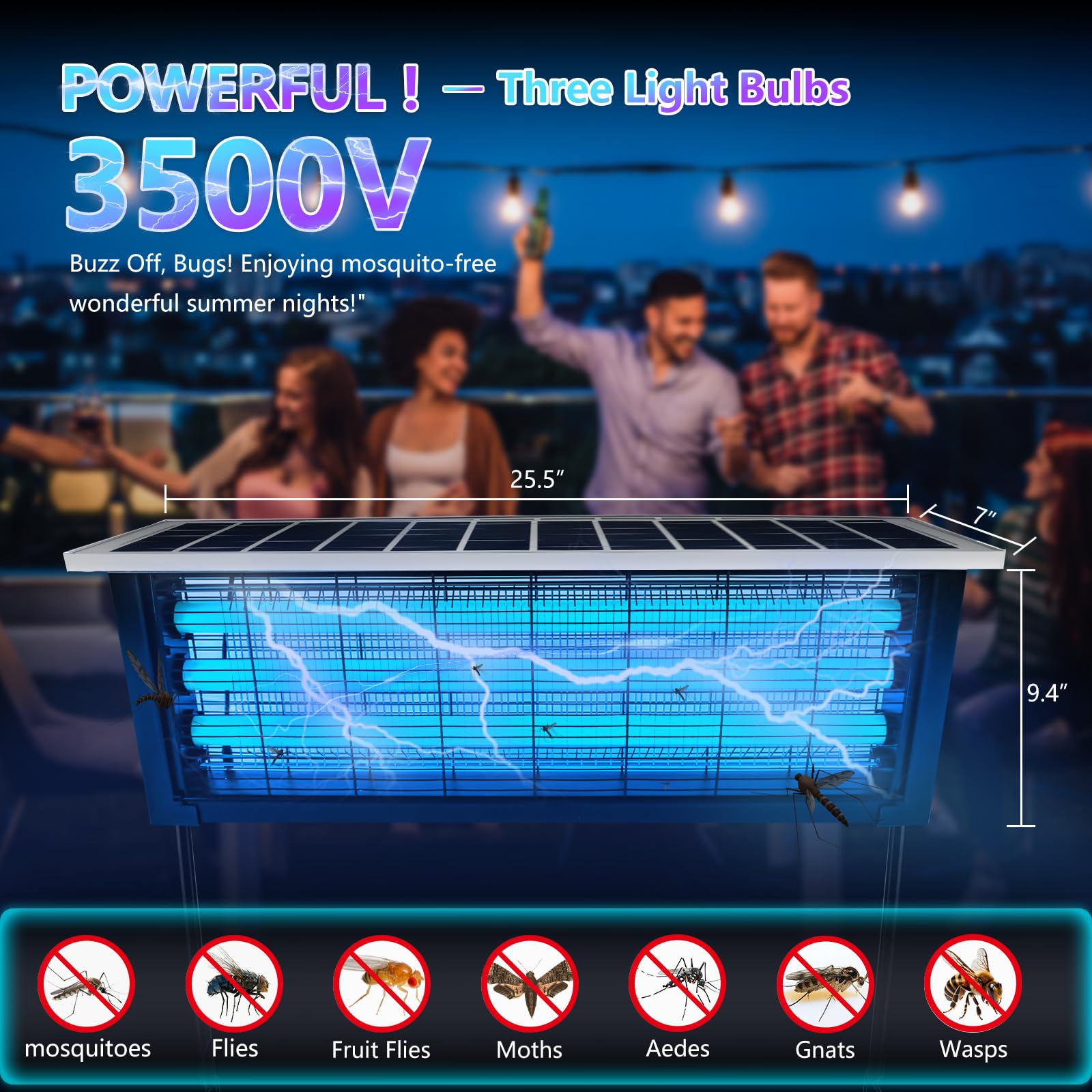
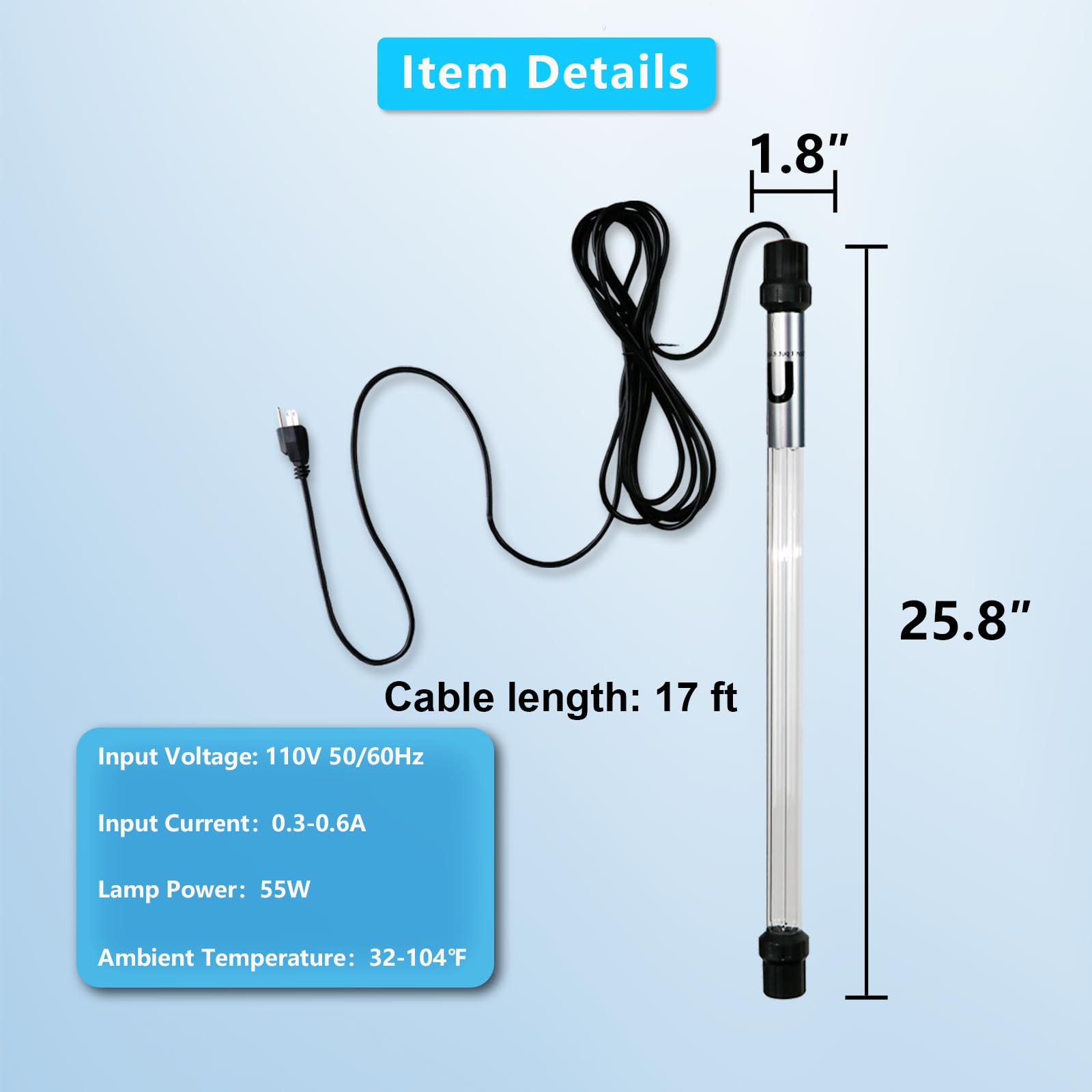
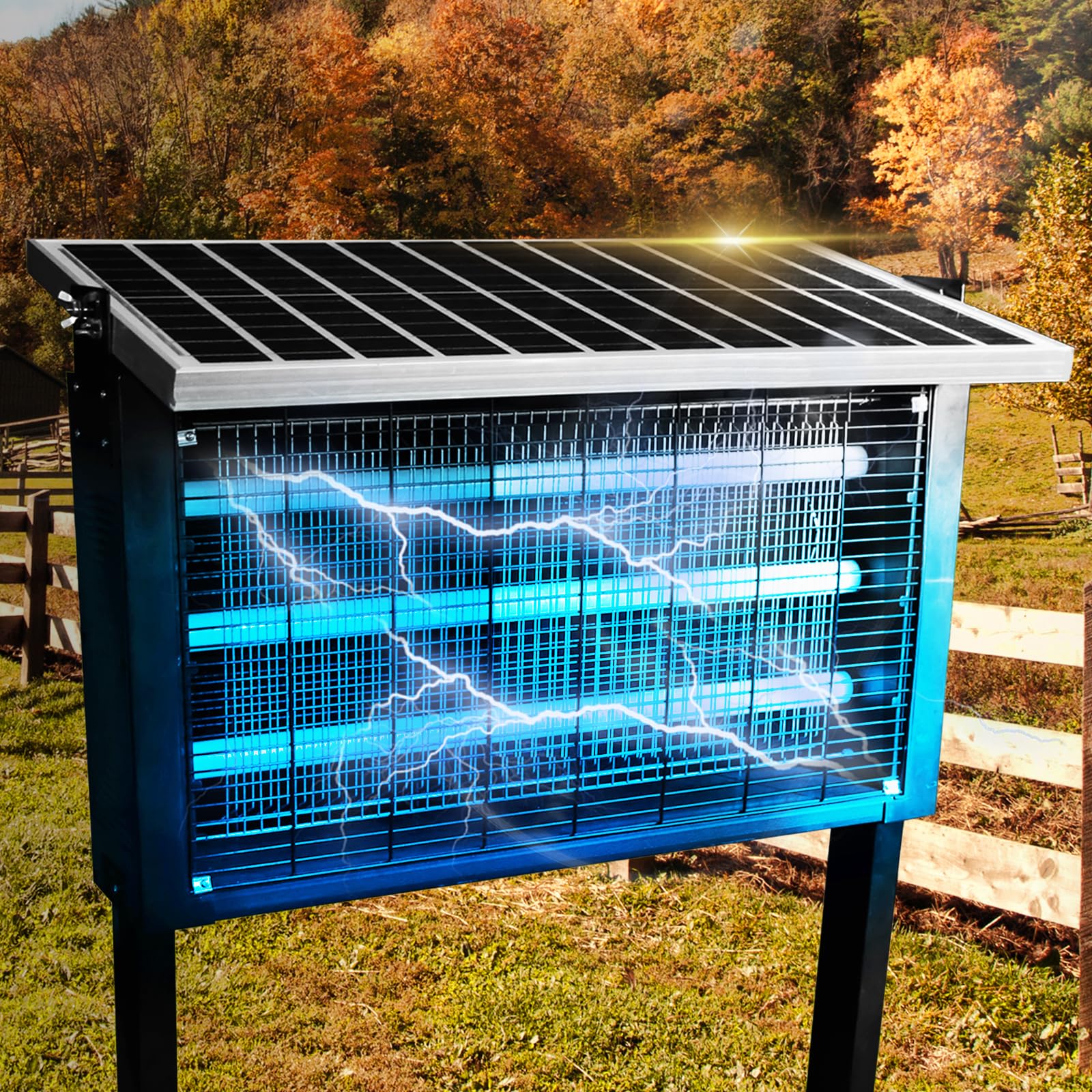
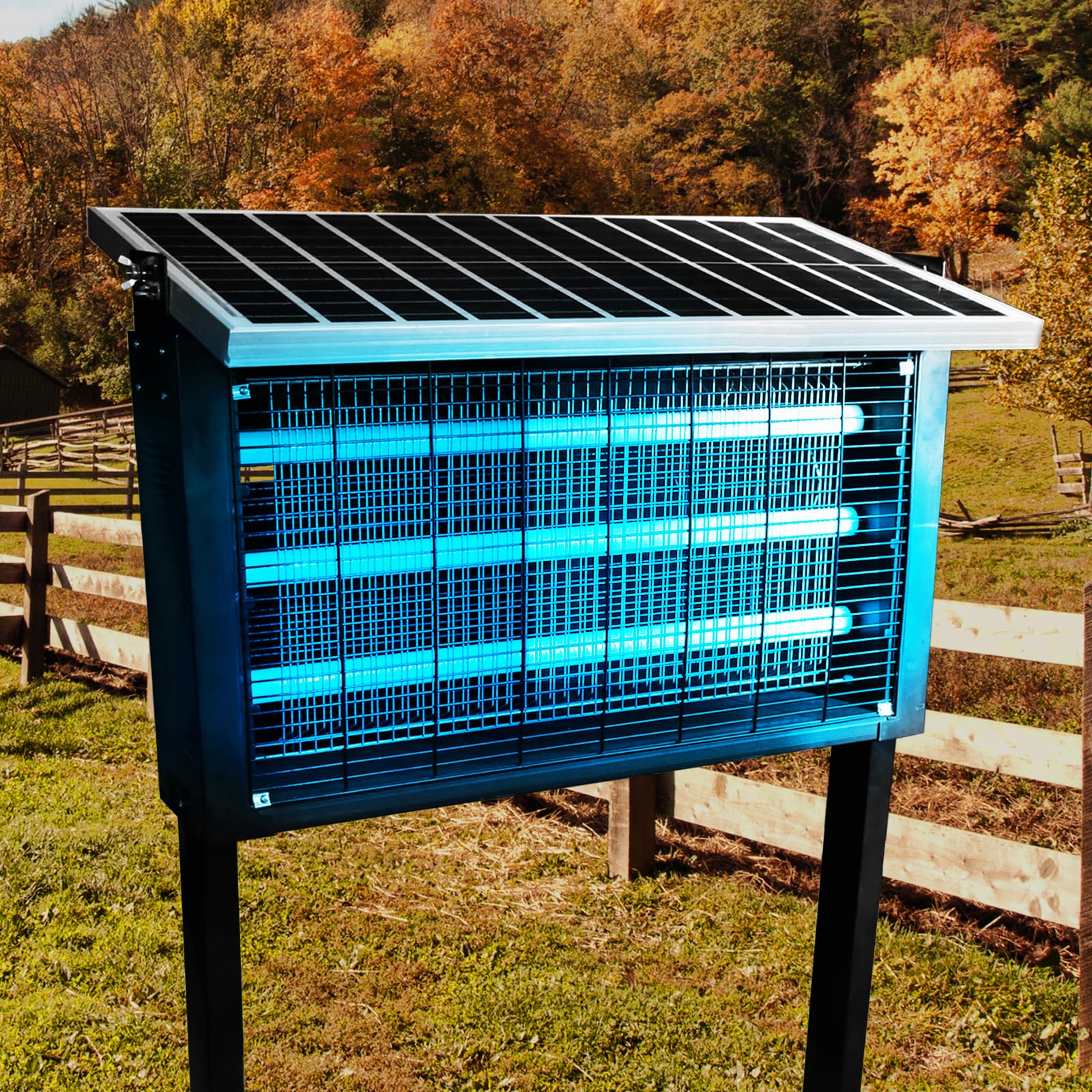
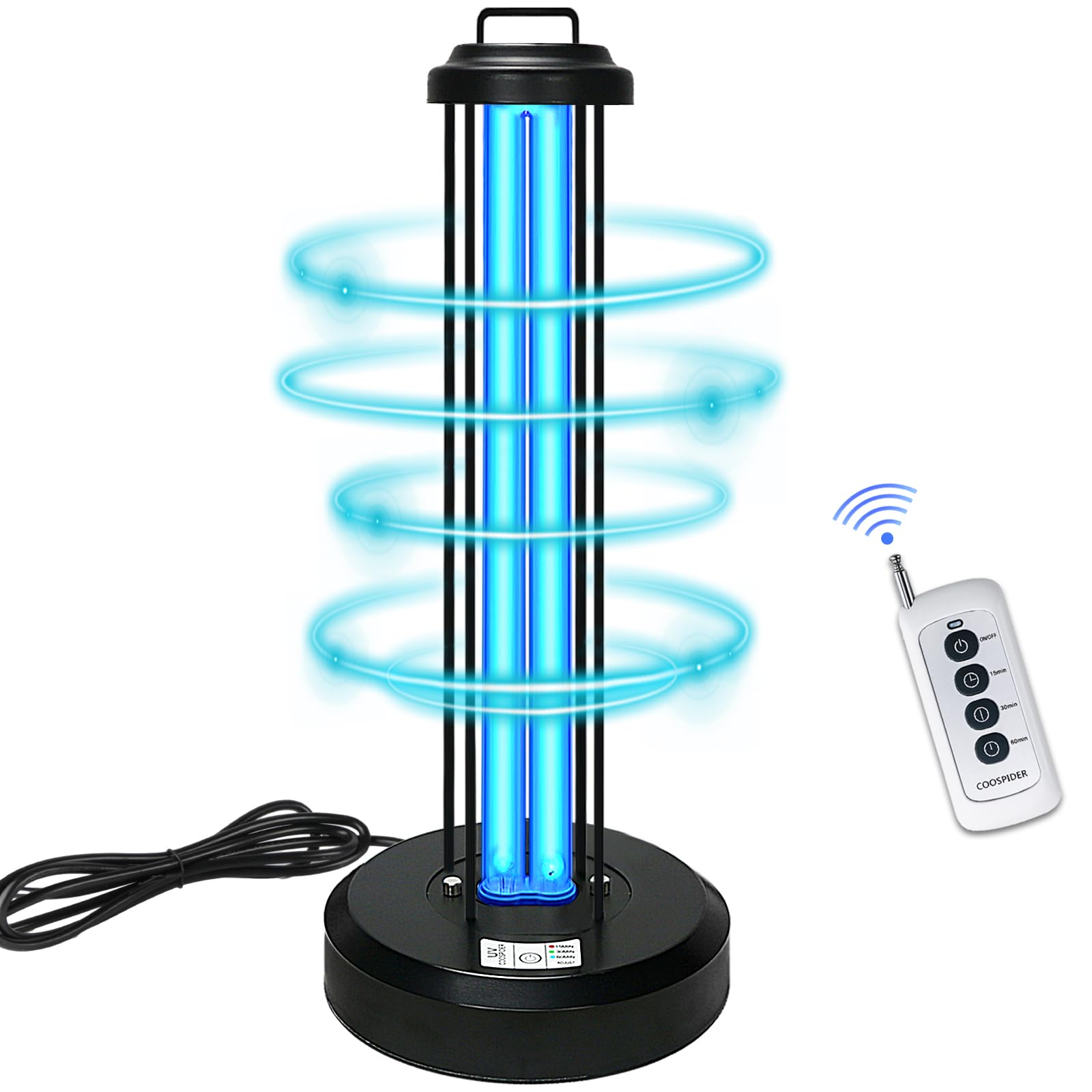
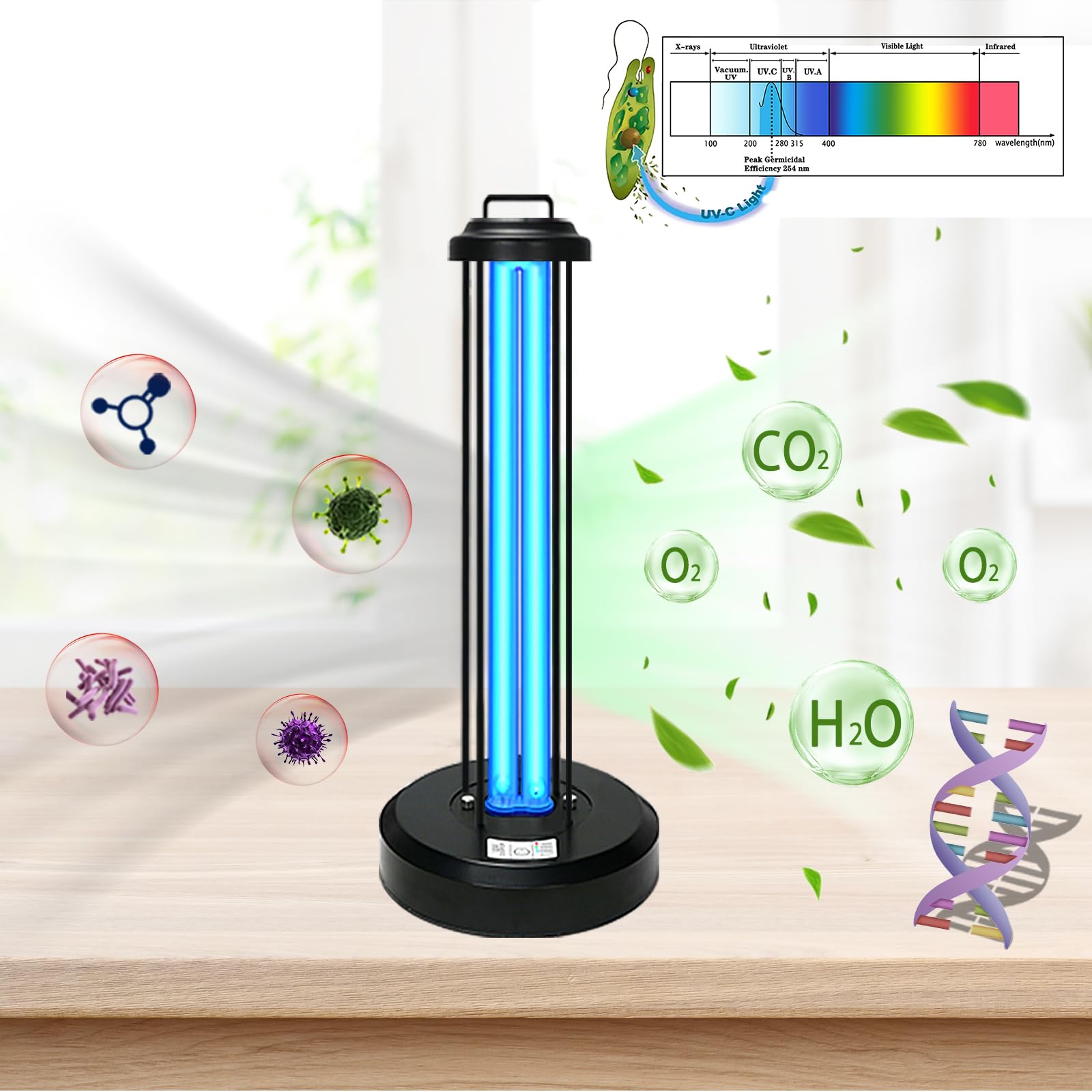
- CO2 or UV mosquito traps attract and capture mosquitoes, reducing population density over time.
- Position them downwind or at least 10–15 feet away from sitting areas for maximum effectiveness.
5. Combining Products for Maximum Protection
The secret to long-lasting mosquito defense is layering products and strategies. Here’s a practical approach:
- Start with Clothing: Permethrin-treated clothes provide a passive shield.
- Apply Topical Repellent: Cover exposed skin with DEET, picaridin, or OLE.
- Use Area Protection: Set up nets, screened shelters, or repellant diffusers around activity zones.
- Add Accessories: Hats, gloves, and high socks block target areas like the head, hands, and ankles.
- Consider Timing: Avoid peak mosquito hours when possible or increase protection during these times.
This multi-layered approach reduces reliance on any single product and enhances overall comfort and safety.
6. Special Considerations for Kids and Sensitive Adults
Children and adults with sensitive skin need careful planning:
- Use lower concentration repellents or picaridin for children.
- Test any natural repellents on a small patch of skin first.
- Clothing and nets become even more crucial in these cases, as they provide a non-chemical barrier.
7. Outdoor Activities: Tailoring Protection to the Environment
Different outdoor settings require adjustments:
- Camping in Wooded Areas: Heavy-duty clothing, permethrin-treated tents, and CO2 traps work best.
- Backyard Gatherings: Diffusers, candles, and screened areas often suffice.
- Hiking or Fishing: Lightweight permethrin-treated clothing and topical repellents are ideal, along with awareness of tick-prone zones.