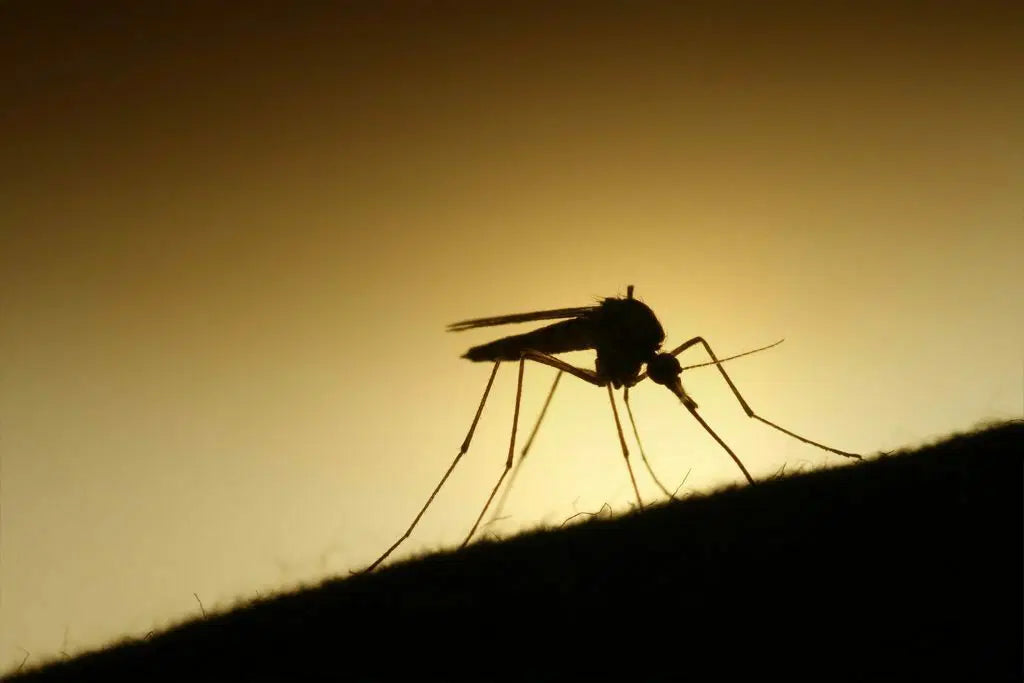
Summer evenings, camping trips, or even backyard BBQs—bugs can ruin the most enjoyable moments. While many reach for a can of insect spray, the truth is that complete protection requires a combination of thoughtful gear, clever habits, and awareness of your environment. From wearable solutions to gear choices, understanding the details can make the difference between constantly swatting mosquitoes and enjoying a peaceful, bite-free experience.
In this guide, we’ll explore practical strategies, equipment choices, and lesser-known tricks that go beyond sprays, helping you maintain your personal space from unwanted pests.
1. Clothing Choices: Your First Line of Defense
Bugs don’t just target your exposed skin—they detect warmth, carbon dioxide, and movement. Clothing can serve as a passive but highly effective barrier.
Lightweight Long Sleeves and Pants
When venturing outdoors, wearing lightweight, breathable long sleeves and pants significantly reduces exposed skin. Look for fabrics that are moisture-wicking and tightly woven. Natural fibers like cotton are comfortable, but synthetic blends like polyester often provide tighter weaves that bugs can’t penetrate.
Treated Fabrics
Some outdoor clothing comes pre-treated with permethrin—a chemical that repels and kills insects on contact. Studies show that permethrin-treated clothing can reduce bites by up to 90% in high-risk areas. Treating your own clothing is also an option: a spray-on permethrin treatment is simple and long-lasting, usually surviving multiple washes.
Color Matters
Bugs are attracted to dark and bright colors. Wearing lighter shades such as beige, light blue, or white can make you less noticeable to mosquitoes and other biting insects. This small adjustment can reduce encounters significantly.
2. Footwear and Socks: Often Overlooked Areas
Mosquitoes, ticks, and ants are persistent at ground level. While it’s tempting to wear sandals in summer, closed shoes can make a huge difference.
- High-top shoes or boots: Especially useful in wooded or grassy areas to prevent ticks from reaching your legs.
- Sock layering: Wearing socks that go above your pant line can block ticks and ants.
- Repellent-treated socks: Some brands now offer socks treated with insect-repellent compounds.
Even small details like tucking pants into socks can create a barrier that bugs struggle to bypass.
3. Netting and Screens: Creating Bug-Free Zones
Sometimes, it’s not just your body that needs protection—your space does too.
Mosquito Nets
A classic but highly effective tool for camping or backyard lounging, mosquito nets create a physical barrier around your sleeping or sitting area. Look for nets with fine mesh (around 200 holes per square inch) to prevent even tiny insects like no-see-ums from entering.
Screened Tents and Hammocks
Modern camping gear offers tents and hammocks with built-in fine mesh screens. This allows you to enjoy fresh air without worrying about bugs. Some designs also integrate insect-proof floorings and zippers with overlapping flaps to minimize gaps.
Portable Screens for Patios
For backyard use, consider freestanding or foldable screens. They’re especially useful during outdoor dinners or social gatherings, keeping the dining area bug-free without restricting airflow.
4. Hats, Head Nets, and Accessories
The head and face are common targets for mosquitoes. Protective accessories can provide peace of mind without compromising comfort.
- Wide-brimmed hats: Help shield the head and neck while reducing the chance of bites.
- Head nets: Lightweight and collapsible, head nets are especially valuable in heavily infested areas.
- Gloves: Thin gloves can prevent bites on hands when handling firewood, food, or garden work.
Even simple additions like these can drastically reduce bite frequency, especially during peak mosquito hours.
5. Repellent Alternatives and Add-ons
Sprays aren’t the only solution—other repellents enhance protection when used strategically.
Wearable Devices
Electronic repellents, wristbands, and clip-on devices emit ultrasonic signals or essential oils to deter insects. While effectiveness varies, combining them with clothing and netting can add an extra layer of defense.
Essential Oils
Citronella, lavender, and eucalyptus oils can act as natural repellents. Use them in diffusers, candles, or in small amounts applied to clothing (not skin) to discourage bugs.
Indoor Strategies
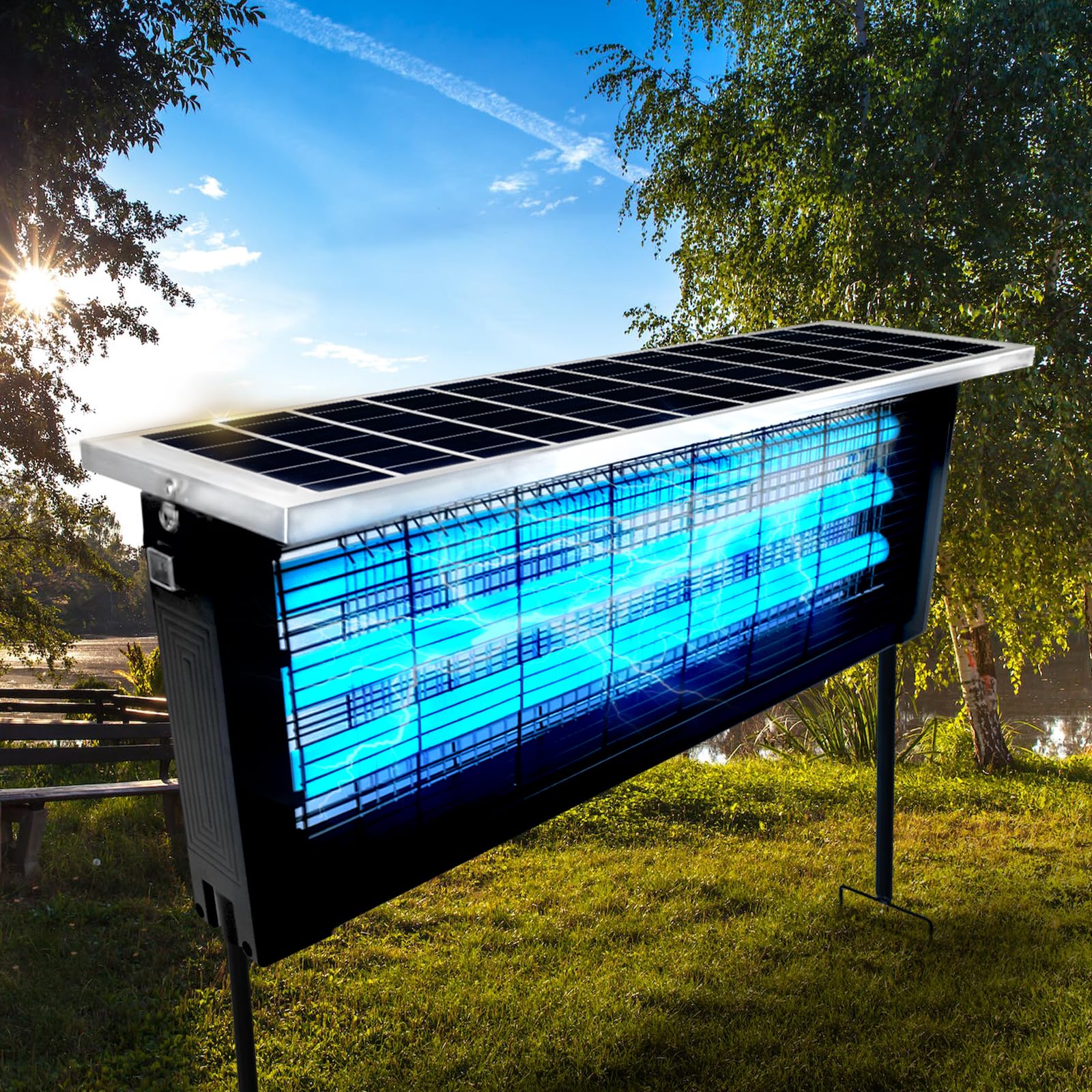
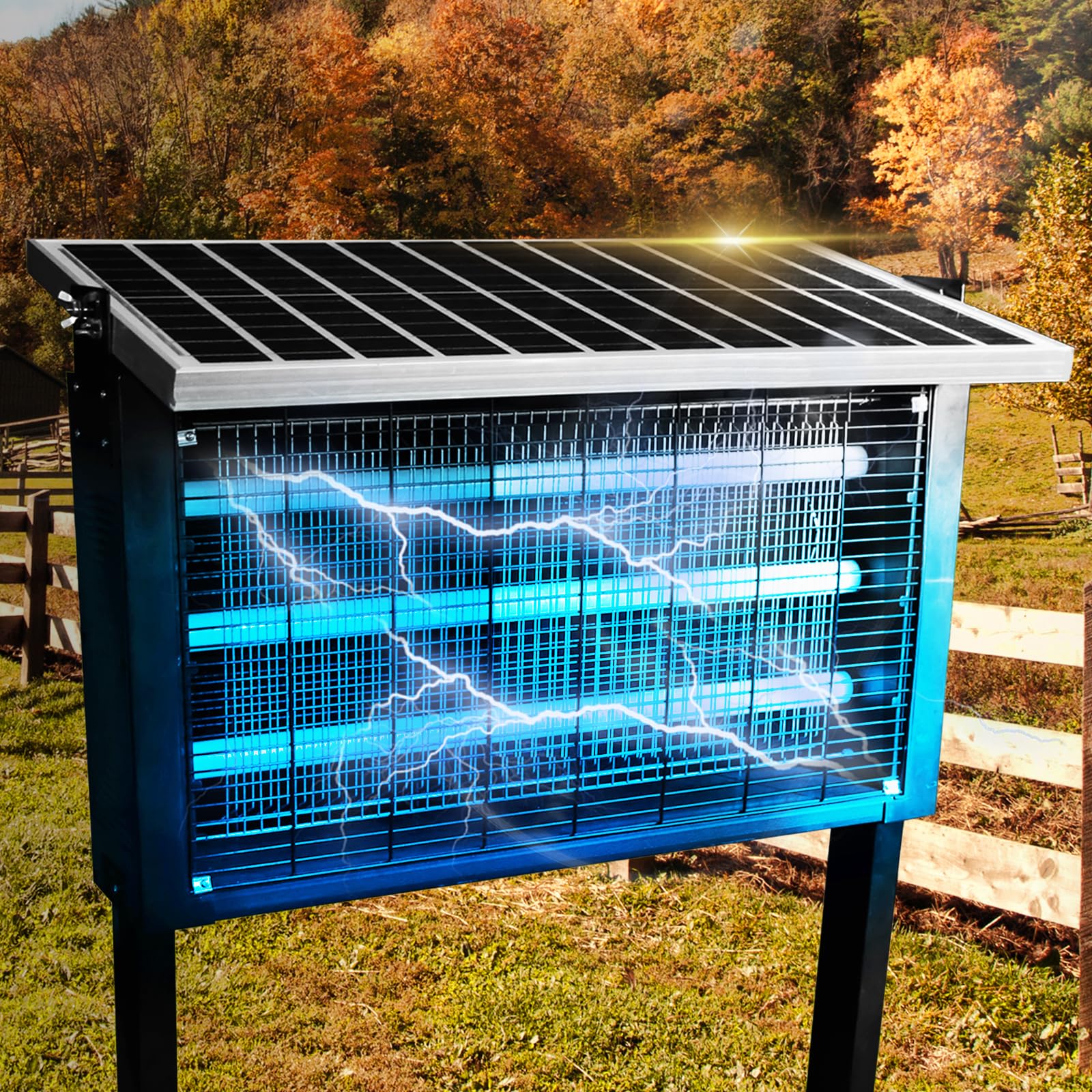
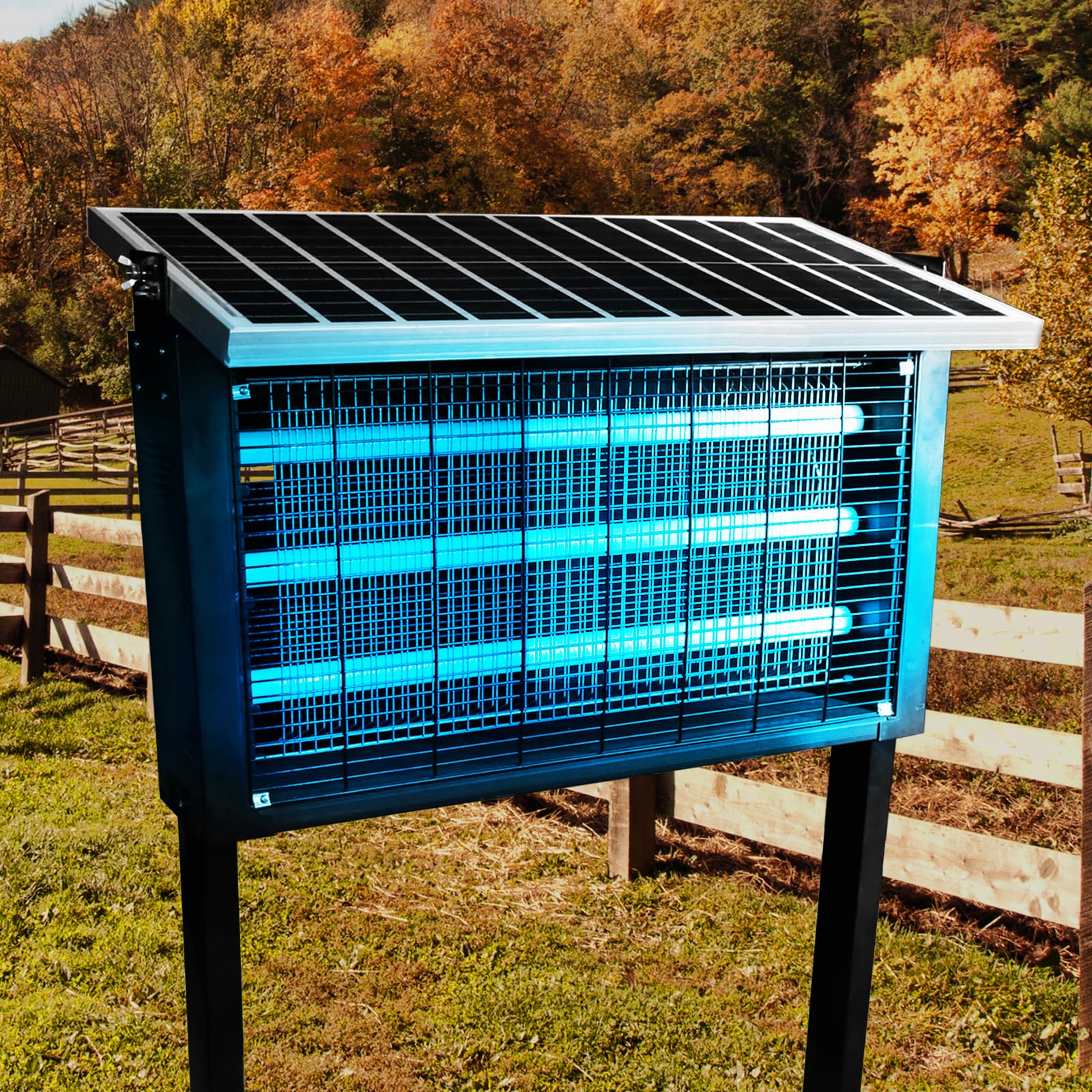
Fans create airflow that mosquitoes struggle to navigate, making them ideal for patios or tents. Similarly, using traps or sticky boards can reduce local populations, making your outdoor environment more comfortable.