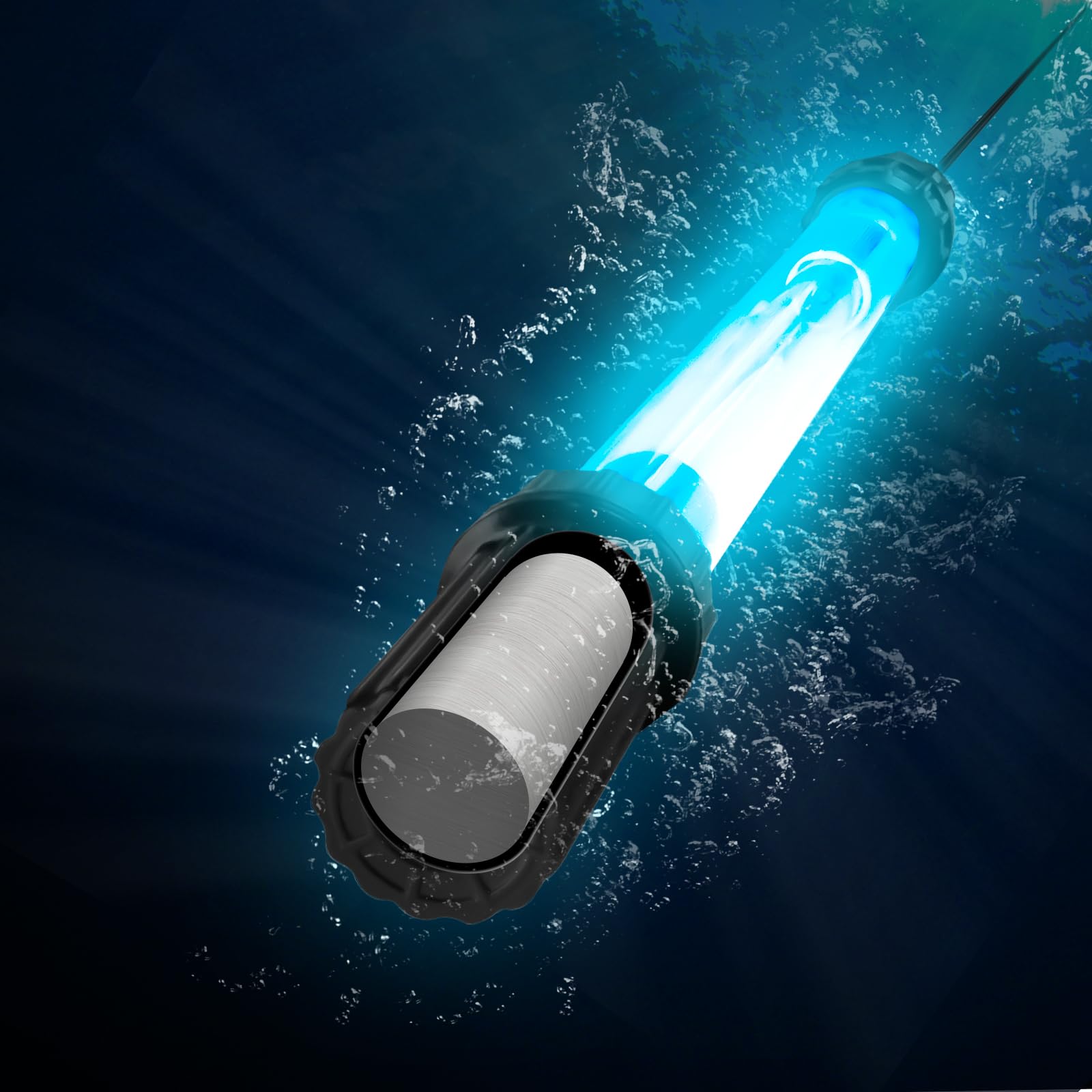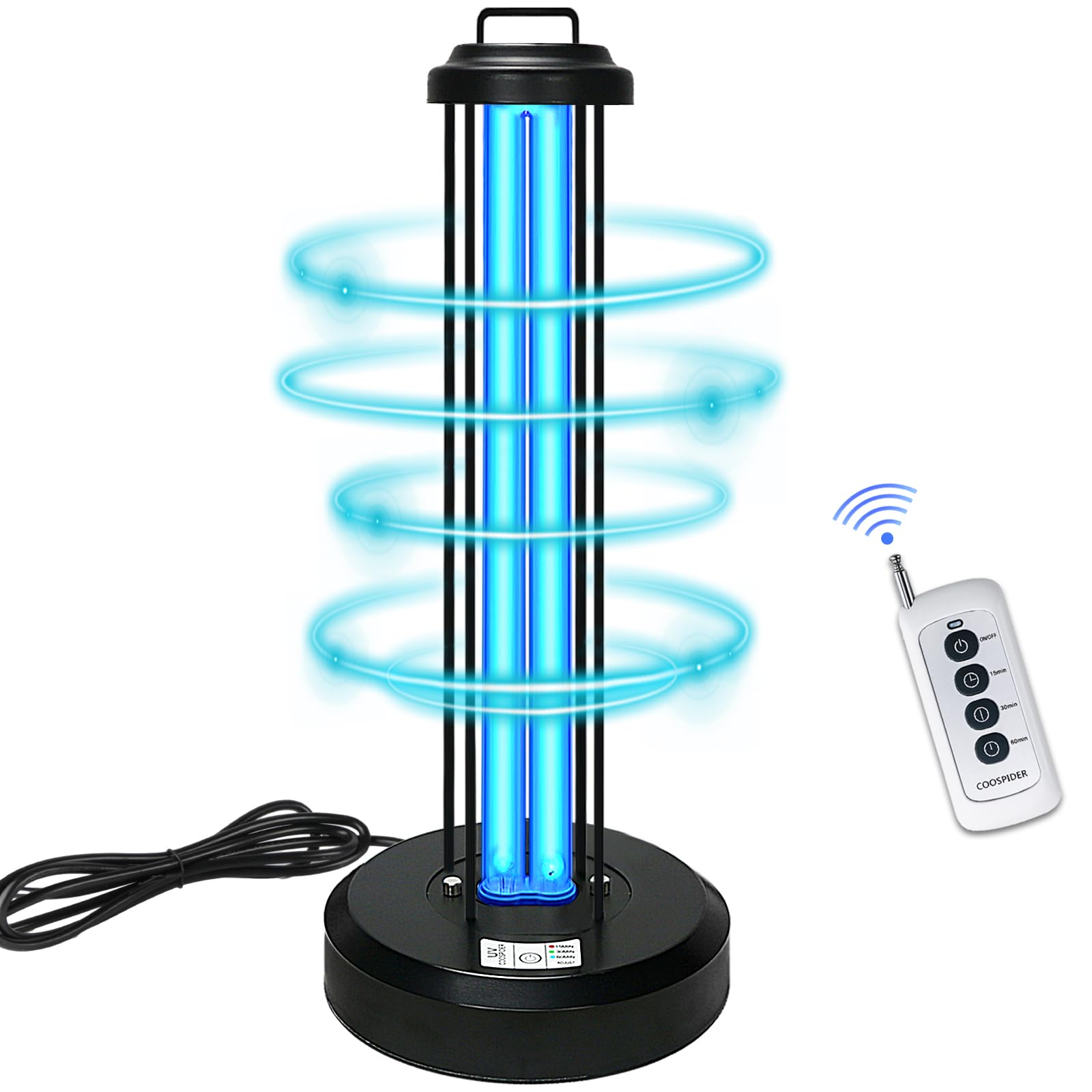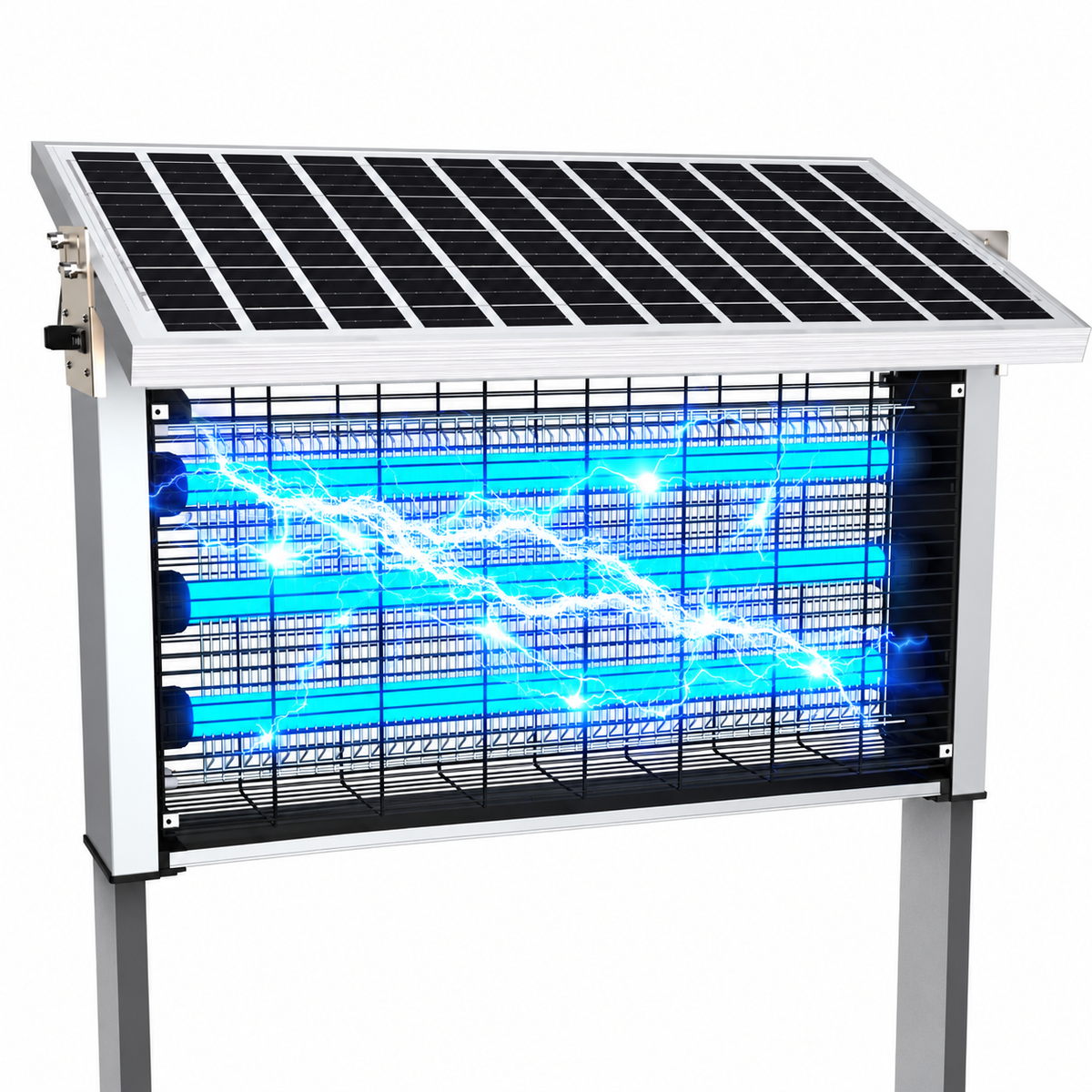
Nothing is more frustrating than switching on a UV lamp and watching it flicker endlessly without reaching stable operation. Whether the lamp flashes repeatedly, struggles to ignite, takes an unusually long time to stabilize, or refuses to start altogether, these startup abnormalities can interrupt production schedules, compromise sterilization performance, and lead to unnecessary maintenance expenses.
For many users, the first reaction is simple: replace the UV lamp. However, in countless cases, the lamp itself is not the root cause. Startup problems are often the result of a complex interaction between electrical components, environmental conditions, aging hardware, installation errors, and maintenance practices.
Blindly replacing the lamp may solve the problem temporarily—or it may do nothing at all. Understanding the deeper reasons behind abnormal UV lamp startup behavior is the key to reducing downtime, extending equipment life, and avoiding unnecessary costs.
In this comprehensive guide, we'll break down the most common and overlooked causes of UV lamp startup issues, explain how UV ignition systems work, and provide a practical troubleshooting process that helps you identify the real problem before reaching for a replacement lamp.
Understanding How a UV Lamp Starts
Before diagnosing startup failures, it helps to understand the basic ignition process.
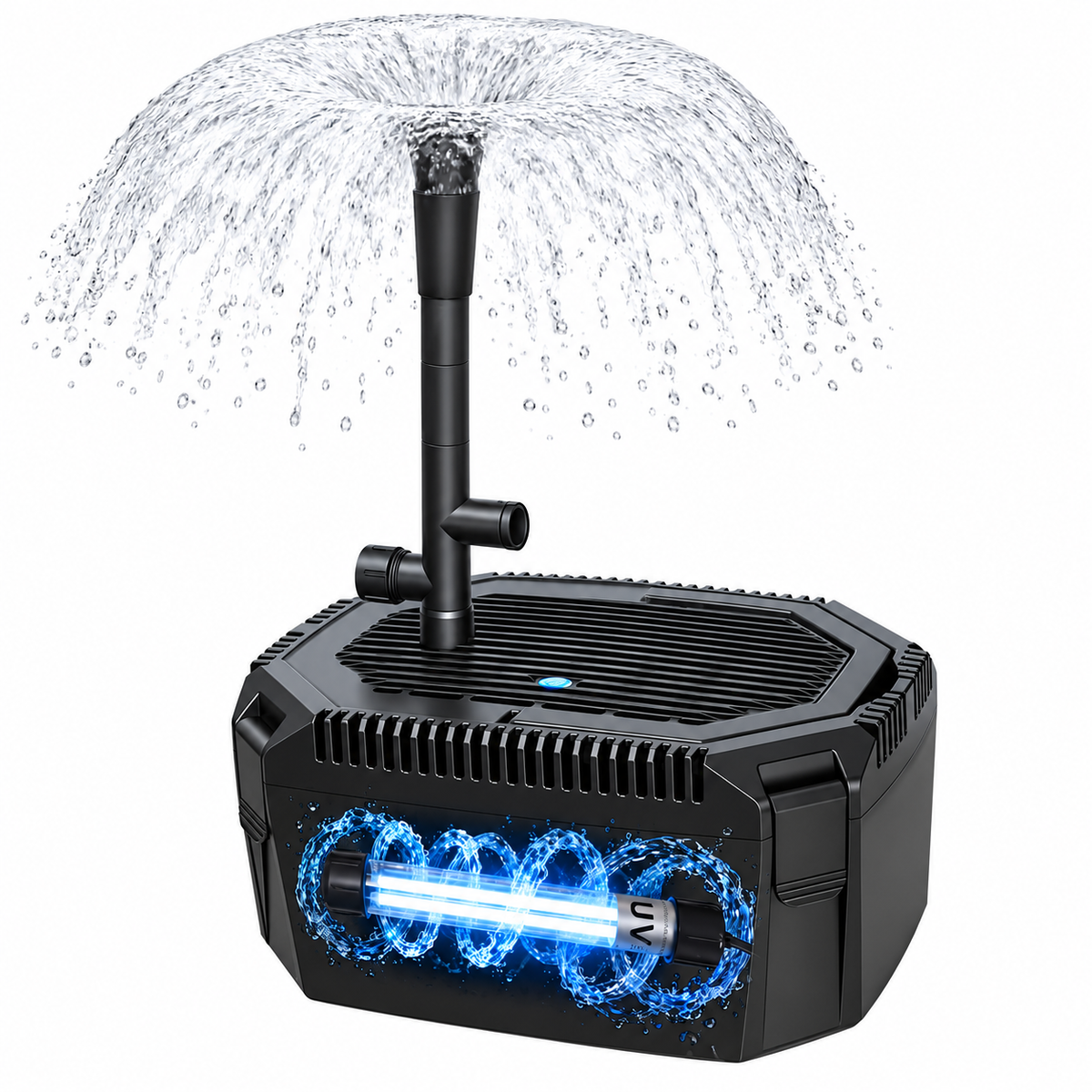
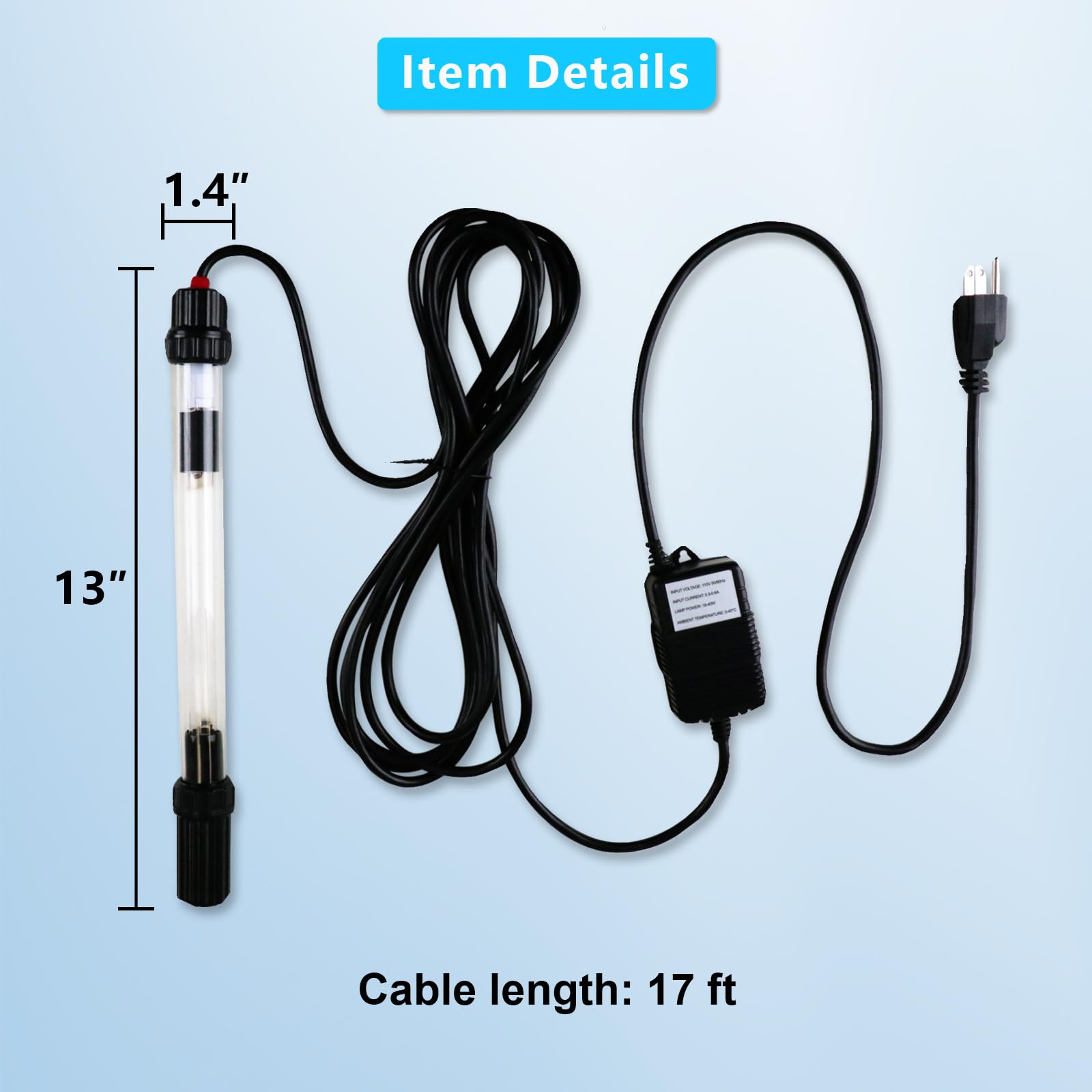
Unlike standard incandescent bulbs, most UV lamps require a controlled electrical sequence to establish a stable discharge inside the tube. Depending on the type of UV lamp—low-pressure mercury, amalgam, medium-pressure, or specialized UV curing lamps—the startup system typically includes:
-
The UV lamp itself.
-
A ballast or electronic driver.
-
An ignitor or starter (in some systems).
-
Wiring and connectors.
-
A stable power supply.
-
Control circuitry and sensors.
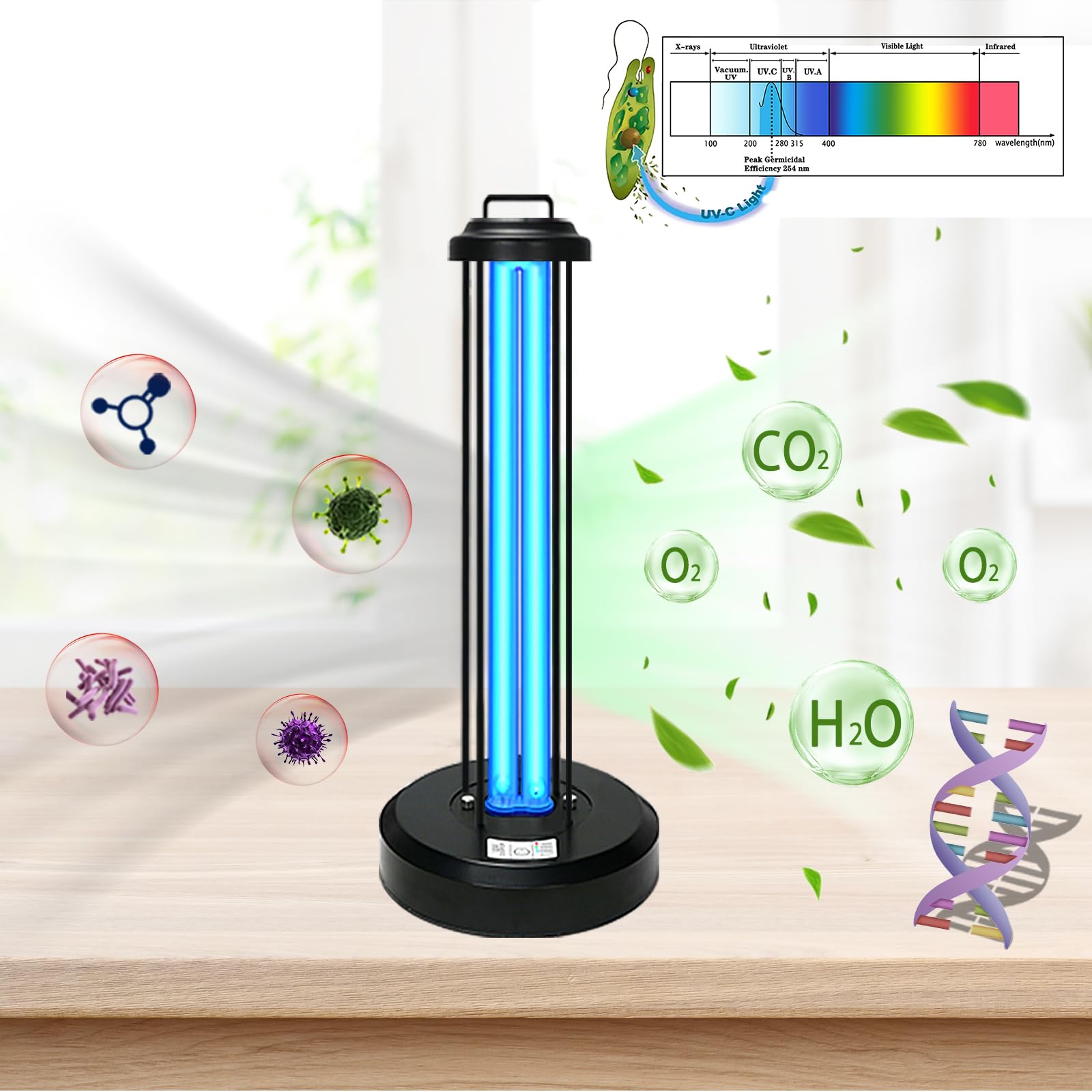
When power is applied, the ballast regulates voltage and current, creating conditions that allow the gas and mercury vapor inside the tube to ionize. Once ionization occurs, the lamp reaches stable operation and begins generating ultraviolet radiation.
If any part of this process is interrupted, the lamp may flicker, repeatedly attempt ignition, or fail to start entirely.
Why Flickering Should Never Be Ignored
Occasional flickering during the first few seconds of startup may be normal for some UV systems, especially in cooler environments. However, repeated or prolonged flickering often indicates an underlying issue that can worsen over time.
Ignoring startup abnormalities may lead to:
-
Reduced UV output.
-
Shortened lamp lifespan.
-
Ballast overheating.
-
Electrical component damage.
-
Inconsistent curing or sterilization results.
-
Unexpected equipment shutdowns.
A flickering UV lamp is often an early warning sign that preventive maintenance is needed.
Cause #1: The UV Lamp Has Reached the End of Its Effective Life
Although startup problems are not always caused by the lamp itself, aging remains one of the most common contributors.
As a UV lamp accumulates operating hours, the electrodes inside the tube gradually wear down. Electrode erosion makes it more difficult to establish and maintain a stable electrical arc during startup.
Common symptoms include:
-
Multiple flashing cycles before ignition.
-
Longer warm-up periods.
-
Intermittent operation.
-
Successful startup only after several attempts.
Importantly, an aging lamp may still emit visible light while producing insufficient ultraviolet intensity. This is why operating-hour records and UV output measurements should always be part of the troubleshooting process.
Cause #2: Ballast Failure or Degradation
If the UV lamp is the heart of the system, the ballast is the brain. It controls current flow, regulates voltage, and provides the conditions necessary for proper ignition.
An aging or damaged ballast may:
-
Deliver insufficient starting voltage.
-
Produce unstable current.
-
Overheat during operation.
-
Cause repeated flickering or cycling.
Electronic ballasts contain capacitors and semiconductor components that naturally degrade over time. Heat, dust, humidity, and voltage spikes accelerate this process.
Signs of ballast-related issues often include:
-
Multiple lamps connected to the same ballast experiencing problems.
-
Buzzing noises from the ballast housing.
-
Burn marks or unusual odors.
-
Startup failures that worsen after the equipment has been running for some time.
Testing the ballast output with appropriate electrical equipment can often identify problems that appear to be lamp failures.
Cause #3: Voltage Fluctuations and Unstable Power Supply
UV lamps are surprisingly sensitive to power quality.
Voltage that falls below the required ignition threshold can prevent stable startup, while excessive voltage may damage internal components. Facilities with heavy industrial machinery often experience temporary voltage dips whenever large motors or compressors start operating.
Common power-related issues include:
-
Low input voltage.
-
Sudden voltage spikes.
-
Loose power connections.
-
Overloaded electrical circuits.
-
Inadequate grounding.
If startup problems occur only during certain times of the day or when other equipment is running, power instability may be the hidden culprit.
Installing voltage monitoring equipment or using regulated power supplies can significantly improve UV lamp reliability.
Cause #4: Cold Ambient Temperatures
Temperature plays a critical role in UV lamp performance, particularly for low-pressure mercury and amalgam lamps.
During startup, the lamp depends on achieving an optimal mercury vapor pressure. Extremely cold environments slow this process, making ignition more difficult and increasing flickering duration.
In warehouses, outdoor installations, water treatment plants, or unheated industrial spaces, startup delays become more common during winter months.
Low-temperature symptoms often include:
-
Extended warm-up times.
-
Multiple ignition attempts.
-
Stable operation only after several minutes.
-
Better performance after the surrounding environment warms up.
Some systems incorporate preheating mechanisms or specially designed cold-start ballasts to reduce temperature-related startup issues.
Cause #5: Loose or Corroded Electrical Connections
A surprisingly high percentage of UV lamp startup problems can be traced to poor electrical contact.
Over time, vibration, oxidation, moisture, and repeated maintenance work may loosen connectors or create corrosion on terminals. Increased electrical resistance can interfere with the high-voltage pulse required to ignite the lamp.
Inspect the following areas carefully:
-
Lamp sockets.
-
Wiring terminals.
-
Connector plugs.
-
Grounding points.
-
Ballast output terminals.
Look for discoloration, corrosion, melted insulation, or signs of overheating. Cleaning and tightening electrical connections often resolves intermittent startup failures without replacing major components.
Cause #6: Defective Lamp Holders and Sockets
The lamp holder is frequently overlooked during troubleshooting. However, damaged sockets can prevent reliable electrical contact between the ballast and the lamp electrodes.
Plastic lamp holders exposed to UV radiation and elevated temperatures may become brittle over time. Metal contacts can weaken, bend, or corrode.
Common socket-related symptoms include:
-
Flickering that changes when the lamp is slightly moved.
-
Intermittent operation after vibration.
-
Startup success after manually adjusting the lamp position.
-
Visible signs of arcing or heat damage.
Replacing worn sockets is often inexpensive and can restore normal startup behavior.
Cause #7: Excessive On-Off Cycling
Many users unknowingly shorten UV lamp life by repeatedly switching the system on and off.
Each startup cycle creates stress on the lamp electrodes. Frequent cycling accelerates electrode erosion, making future ignition increasingly difficult.
Applications that involve short operating periods or automatic motion-triggered activation are particularly vulnerable.
Whenever practical, operating schedules should be optimized to reduce unnecessary startup events while balancing energy efficiency requirements.
Cause #8: Contaminated Lamp Surface or Quartz Sleeve
Dust, fingerprints, oil, water stains, and chemical residue may not directly prevent ignition, but they can contribute to thermal imbalances during startup.
Contaminants create uneven heat distribution across the lamp surface, potentially affecting mercury vapor pressure and electrical stability.
Regular cleaning using approved lint-free materials and alcohol-based cleaners helps maintain consistent startup characteristics while maximizing UV transmission.
Never touch the quartz surface with bare hands, as skin oils can create localized hot spots during operation.
Cause #9: Moisture and Condensation Problems
Humidity and condensation can create hidden electrical leakage paths that interfere with high-voltage ignition circuits.
This issue is especially common in:
-
Water treatment facilities.
-
Outdoor UV equipment.
-
HVAC sterilization systems.
-
Coastal or high-humidity environments.
Moisture-related problems may appear only during certain weather conditions, making them difficult to diagnose.
Check for:
-
Water intrusion around electrical enclosures.
-
Condensation inside lamp housings.
-
Damaged cable seals.
-
Corrosion caused by prolonged humidity exposure.
Improving enclosure sealing and ventilation can prevent recurring startup failures.
Cause #10: Incompatible Replacement Components
Not every UV lamp and ballast combination is interchangeable.
Installing a lamp with incorrect electrical specifications may produce startup instability even if the lamp physically fits the fixture. Similarly, replacing a failed ballast with a generic model that lacks the required output characteristics can create chronic ignition problems.
Before replacing any component, verify:
-
Lamp wattage.
-
Operating voltage.
-
Current requirements.
-
Ballast compatibility.
-
Manufacturer specifications.
Using matched components ensures that the entire system operates within its intended design parameters.
Why the Problem Is Often Misdiagnosed
When a UV lamp flickers, many maintenance teams immediately replace the lamp because it is the most visible and accessible component. If the new lamp appears to work initially, the underlying issue may remain hidden until the replacement lamp begins exhibiting the same symptoms.
This cycle leads to:
-
Unnecessary inventory costs.
-
Increased maintenance labor.
-
Repeated equipment downtime.
-
Premature disposal of functional lamps.
A systematic troubleshooting process is always more effective than trial-and-error replacement.
A Step-by-Step Troubleshooting Process for UV Lamp Startup Problems
Instead of guessing, follow a structured diagnostic workflow.
Step 1: Record the Symptoms
Document exactly what happens:
-
Does the lamp flicker continuously?
-
Does it ignite after multiple attempts?
-
Does the problem occur only when cold?
-
Is the issue intermittent?
Detailed observations often narrow down the list of possible causes.
Step 2: Check Operating Hours
Review the lamp's accumulated runtime. If it is approaching or exceeding its recommended service life, aging may be a contributing factor.
Step 3: Perform a Visual Inspection
Inspect the lamp, ballast, sockets, and wiring for obvious signs of wear, corrosion, or physical damage.
Step 4: Clean the Lamp and Quartz Sleeve
Remove any contamination that may affect startup or UV transmission.
Step 5: Verify Electrical Connections
Tighten terminals and inspect connectors for oxidation or overheating.
Step 6: Test Input Voltage
Measure supply voltage during startup to identify fluctuations or low-voltage conditions.
Step 7: Evaluate the Ballast
If all other checks pass, test or temporarily substitute the ballast with a known-good unit to isolate the problem.
This methodical approach reduces guesswork and minimizes unnecessary component replacement.
Preventive Maintenance: The Best Defense Against Startup Issues
The easiest startup problem to solve is the one that never occurs. A proactive maintenance strategy significantly reduces the likelihood of flickering and ignition failures.
A recommended maintenance schedule includes:
Monthly
-
Clean lamp surfaces.
-
Inspect sockets and connectors.
-
Check for unusual startup behavior.
Every Three Months
-
Measure UV output.
-
Inspect ballast temperatures.
-
Verify stable electrical connections.
Every Six to Twelve Months
-
Review operating-hour logs.
-
Test power quality.
-
Replace worn sockets or connectors.
-
Evaluate overall system performance.
Keeping maintenance records allows operators to identify gradual trends before they become major failures.
The Cost of Ignoring Startup Problems
Some operators continue using flickering UV lamps because the equipment eventually starts working. However, this decision can have long-term consequences.
Persistent startup abnormalities can:
-
Increase stress on ballasts and electrical components.
-
Accelerate electrode wear.
-
Reduce UV intensity.
-
Create inconsistent production or sterilization quality.
-
Lead to sudden catastrophic failures during critical operations.
Addressing small startup issues early is almost always less expensive than dealing with complete equipment failure later.
Final Thoughts: Don't Let the Flicker Fool You
A UV lamp that refuses to start properly is sending an important message. While the lamp itself may indeed be nearing the end of its useful life, the deeper cause often lies elsewhere—in the ballast, power supply, wiring, environmental conditions, or maintenance practices.
The next time you encounter endless flickering or abnormal startup behavior, resist the temptation to immediately install a new lamp. Instead, approach the problem systematically. Check the operating hours, inspect the electrical system, clean the components, verify power quality, and test the ballast before making a replacement decision.
In many cases, solving the real issue requires nothing more than tightening a loose connection, cleaning a quartz sleeve, or replacing an aging ballast. By understanding the hidden causes behind UV lamp startup problems, you can reduce maintenance costs, extend equipment life, and ensure that your UV system performs reliably whenever you need it most.
After all, the goal isn't simply to make the lamp turn on—it's to make the entire UV system operate safely, efficiently, and consistently for years to come.