
When most people think about ultraviolet (UV) radiation, they picture sunny beaches, outdoor sports, or long summer afternoons. Sunscreen, sunglasses, and wide-brimmed hats often come to mind as the primary defenses against UV exposure. However, many people overlook an important fact: ultraviolet radiation isn't only an outdoor concern.
Depending on your environment, you may encounter UV radiation while sitting beside an office window, working from a home office, driving your car, relaxing in a sunroom, or even using specialized lighting equipment. Although indoor UV exposure is generally much lower than direct outdoor exposure, certain conditions can increase your cumulative exposure over time.
Understanding where UV radiation comes from, how different materials affect it, and how your daily routine influences your exposure can help you make informed decisions about protecting your skin and eyes without dramatically changing your lifestyle.
This guide explores the science behind ultraviolet radiation, common indoor exposure sources, practical ways to evaluate your personal risk, and effective strategies for reducing unnecessary exposure in both office and residential environments.
Understanding Ultraviolet Radiation
Ultraviolet radiation is a form of electromagnetic energy emitted primarily by the sun. Although invisible to the human eye, UV radiation has enough energy to affect biological tissues, including the skin and eyes.
Scientists generally divide ultraviolet radiation into three categories:
UVA Radiation
UVA rays have the longest wavelengths among UV radiation.
Characteristics include:
-
Present throughout daylight hours
-
Can penetrate clouds
-
Can pass through many types of window glass
-
Reaches deeper layers of the skin
-
Associated with premature skin aging
-
Contributes to cumulative skin damage
Because UVA is present year-round, it often represents the largest source of long-term UV exposure for people who spend significant time near windows.
UVB Radiation
UVB rays contain more energy than UVA.
They are primarily responsible for:
-
Sunburn
-
Direct DNA damage
-
Increased skin cancer risk
-
Vitamin D production
Unlike UVA, most standard window glass blocks the majority of UVB radiation.
This means someone sitting indoors is generally exposed to much less UVB than someone outside.
UVC Radiation
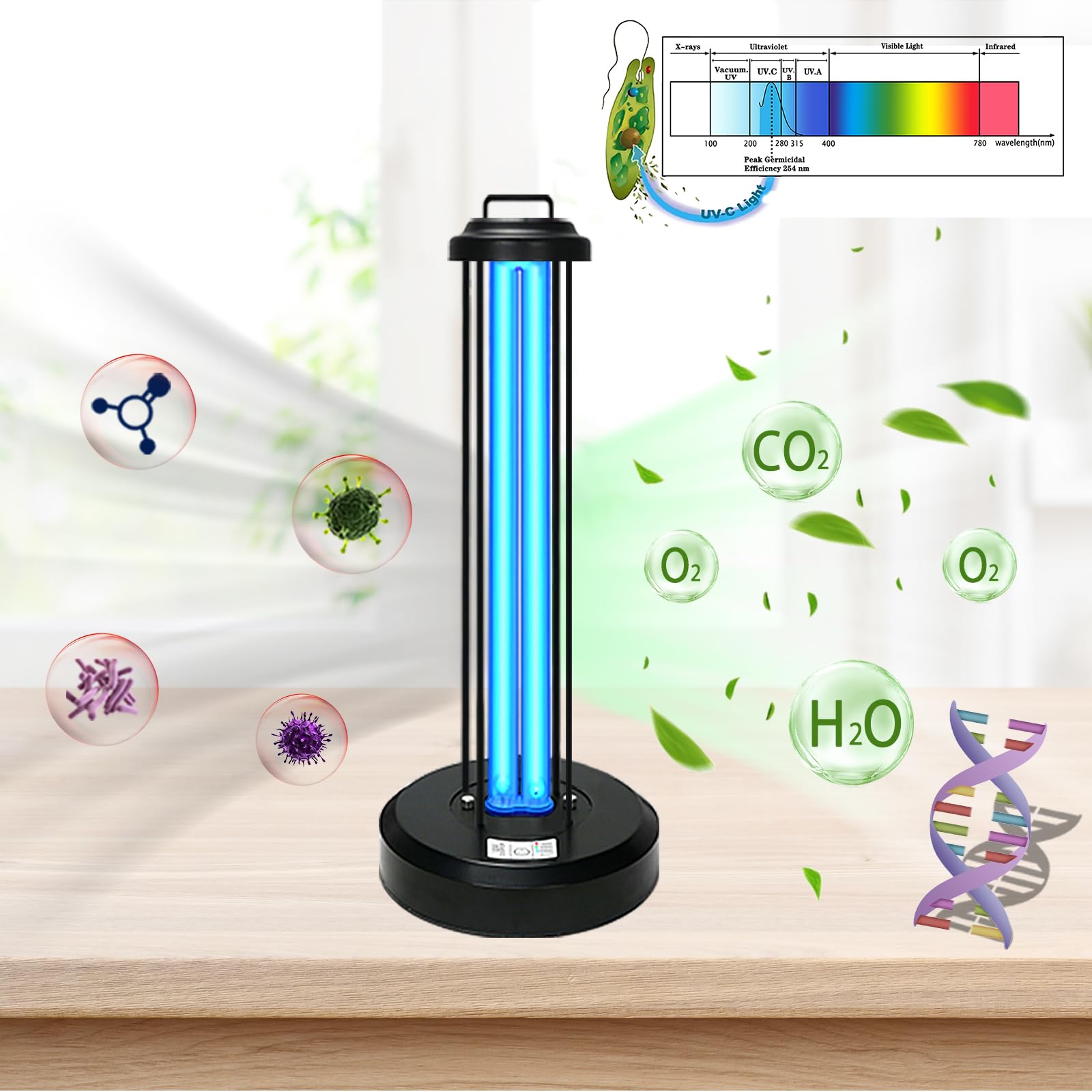
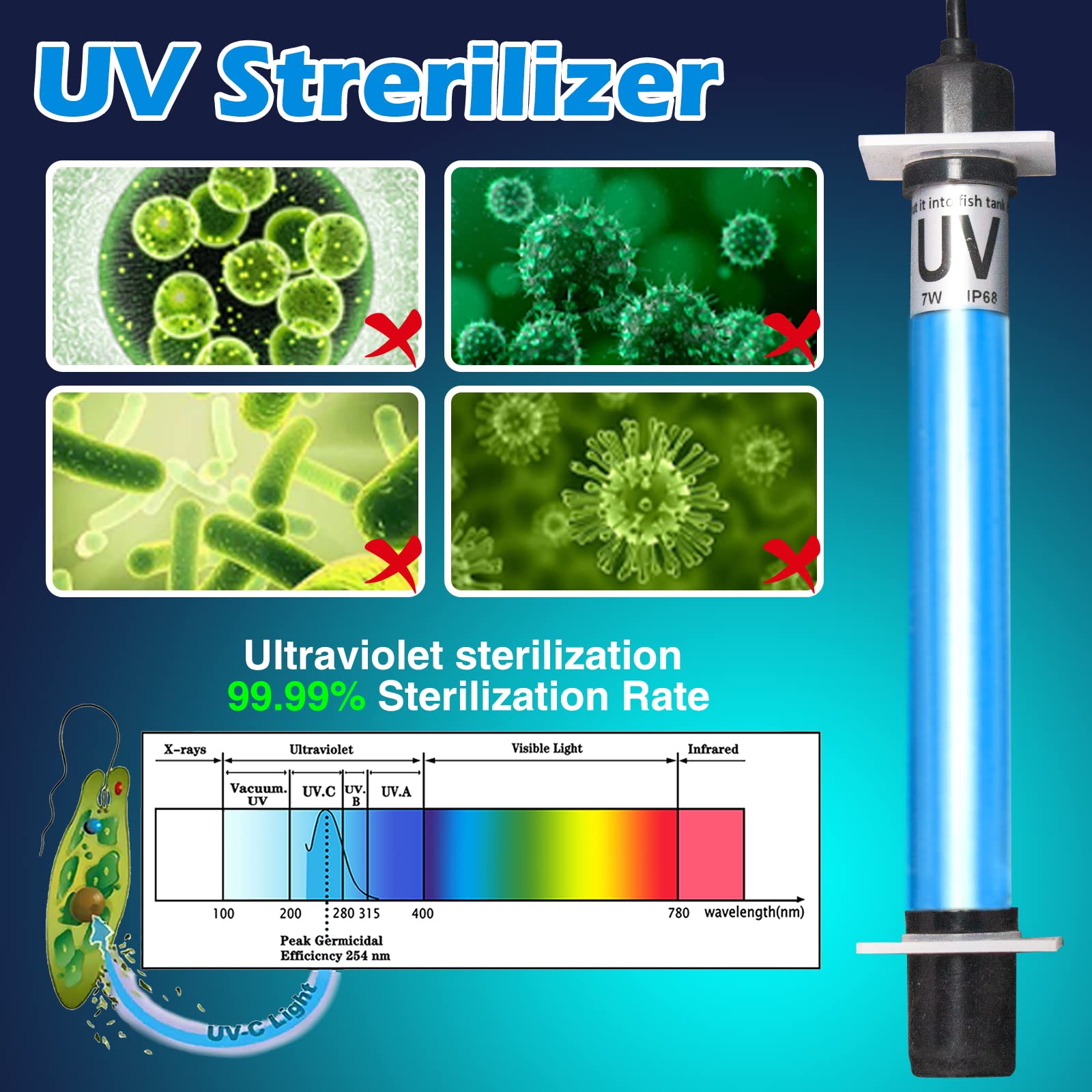
UVC possesses the highest energy levels but is almost completely absorbed by Earth's atmosphere before reaching the surface.
However, artificial UVC sources are increasingly used in:
-
Medical facilities
-
Laboratory environments
-
Industrial sterilization
-
Water purification systems
-
Certain air disinfection devices
These systems are designed with safety controls because direct exposure can damage both skin and eyes.
Why Indoor UV Exposure Deserves Attention
Many people assume that staying indoors eliminates UV exposure entirely.
While indoor exposure is significantly lower in most situations, this assumption isn't always accurate.
Several factors influence indoor UV levels:
-
Window orientation
-
Glass type
-
Building design
-
Geographic location
-
Season
-
Time of day
-
Reflective surfaces
-
Time spent near windows
Even relatively low daily exposure can accumulate over months and years.
For individuals who spend eight or more hours each day beside large windows, cumulative exposure may become more meaningful than occasional outdoor activities.
Common Sources of UV Exposure Inside Offices
Modern office buildings vary greatly in design.
Some provide excellent UV protection, while others allow substantial natural light to enter.
Large Windows
Floor-to-ceiling windows create bright, comfortable workspaces.
However, they also increase potential exposure to sunlight.
Although standard glass blocks most UVB radiation, it often allows a significant portion of UVA to pass through.
Employees sitting within a few feet of large windows may receive more UVA exposure than coworkers located deeper inside the building.
Glass Conference Rooms
Many contemporary offices feature glass walls that maximize natural lighting.
While these spaces improve aesthetics and collaboration, they may also increase indirect sunlight exposure during certain times of day.
Morning and afternoon meetings held in sunlit conference rooms can contribute to repeated exposure.
Skylights
Skylights introduce abundant daylight into office interiors.
Their impact depends on:
-
Glass coating
-
UV filtering technology
-
Sun angle
-
Geographic location
Modern skylights frequently include protective coatings, but older installations may provide less UV reduction.
Outdoor Work Areas
Employees may alternate between indoor and outdoor workspaces.
Examples include:
-
Loading docks
-
Construction sites
-
Outdoor cafés
-
Warehouse entrances
-
Campus environments
In these situations, total UV exposure depends on both indoor and outdoor activities.
UV Exposure in Residential Spaces
Home environments present different exposure patterns than commercial buildings.
Many people spend increasing amounts of time working remotely, making residential UV exposure more relevant than ever.
Home Offices
A desk positioned beside a south-facing or west-facing window can receive substantial daylight.
Although natural lighting improves comfort and reduces electricity use, prolonged exposure may increase cumulative UVA exposure.
Simple adjustments such as repositioning the desk or installing UV-filtering window film can make a noticeable difference.
Sunrooms
Sunrooms are designed to maximize sunlight.
Because they feature extensive glass surfaces, they often allow higher indoor UV levels than standard rooms.
Time spent reading, exercising, or relaxing in these spaces should be considered when evaluating daily exposure.
Living Rooms
Many families spend hours in living rooms with large windows.
Watching television, reading, or working on laptops near bright windows can increase exposure if sunlight directly reaches occupied seating areas.
Kitchens
Morning sunlight entering east-facing kitchens often creates pleasant natural lighting.
While meal preparation usually involves shorter exposure periods, people who work remotely from kitchen islands may spend considerably more time in these areas.
Do Windows Completely Block UV Radiation?
This is one of the most common misconceptions.
The answer depends entirely on the type of glass.
Standard Glass
Most standard residential and commercial glass effectively blocks nearly all UVB radiation.
However, it allows much of UVA radiation to pass through.
This means you are unlikely to get sunburned indoors but may still experience cumulative UVA exposure.
Laminated Glass
Laminated glass often provides significantly better UV protection.
It is commonly used in:
-
High-rise buildings
-
Vehicles
-
Schools
-
Hospitals
The interlayer helps reduce the transmission of ultraviolet radiation.
Low-Emissivity (Low-E) Glass
Many modern energy-efficient windows include Low-E coatings.
Besides improving insulation, these coatings frequently reduce UV transmission.
The exact protection depends on the manufacturer and product specifications.
UV-Blocking Window Film
Window films are among the most effective upgrades for existing buildings.
High-quality films may block a large percentage of UVA while maintaining visible light transmission.
They are widely used in:
-
Homes
-
Offices
-
Museums
-
Retail stores
Does Artificial Lighting Produce UV Radiation?
Most common indoor lighting generates little or no meaningful UV radiation.
However, not all light sources are identical.
LED Lighting
LED lighting produces extremely low levels of UV radiation.
This makes LEDs one of the safest options for long-term indoor use.
They have become the preferred choice for offices and homes because of their energy efficiency and minimal UV output.
Incandescent Bulbs
Traditional incandescent bulbs emit negligible ultraviolet radiation.
Most energy becomes visible light and heat.
Fluorescent Lamps
Older fluorescent lamps can emit small amounts of UV radiation.
Fortunately, the phosphor coating inside the bulb absorbs most ultraviolet emissions.
Modern products typically produce very low exposure levels under normal operating conditions.
Specialty UV Lamps
Certain devices intentionally generate ultraviolet radiation.
Examples include:
-
Nail curing lamps
-
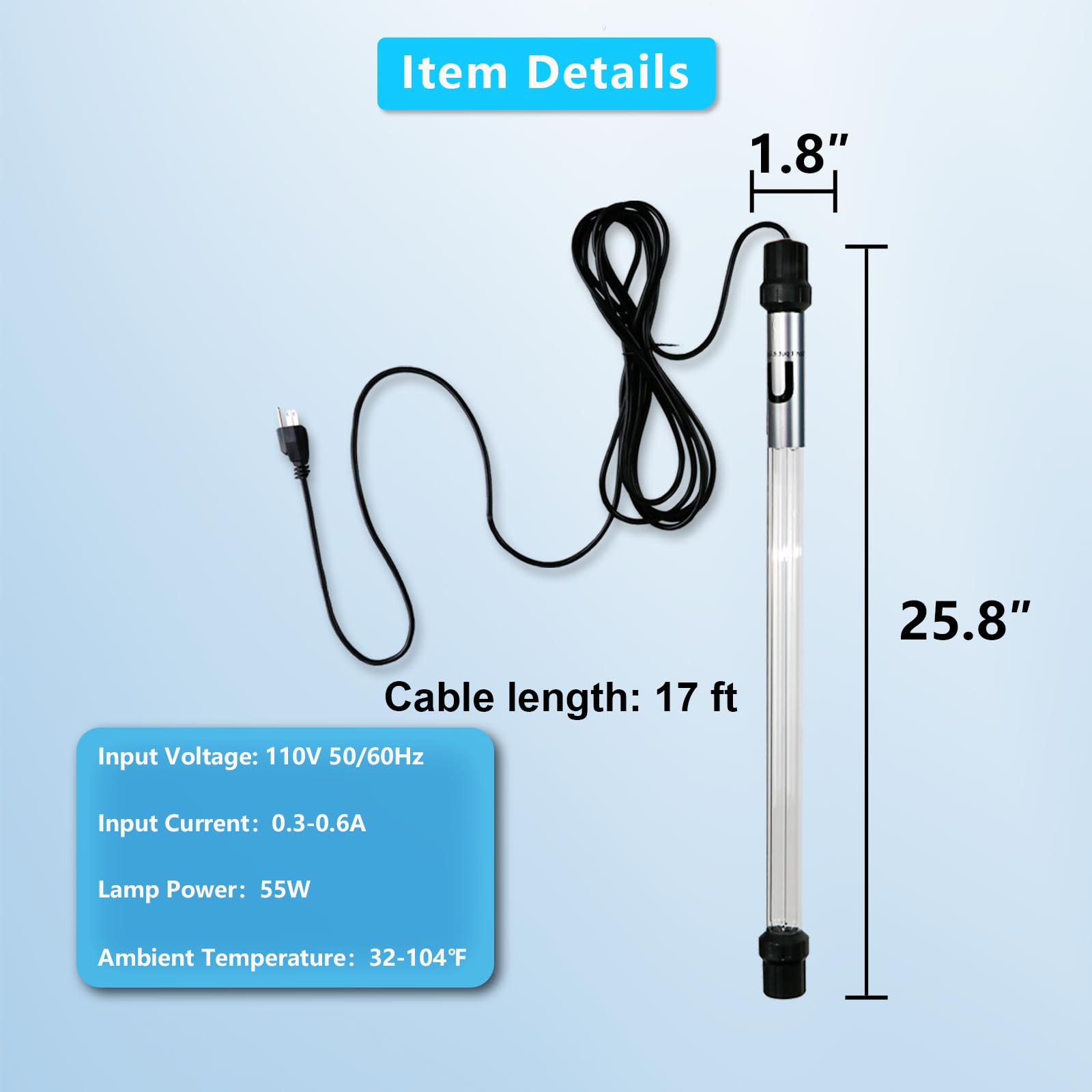
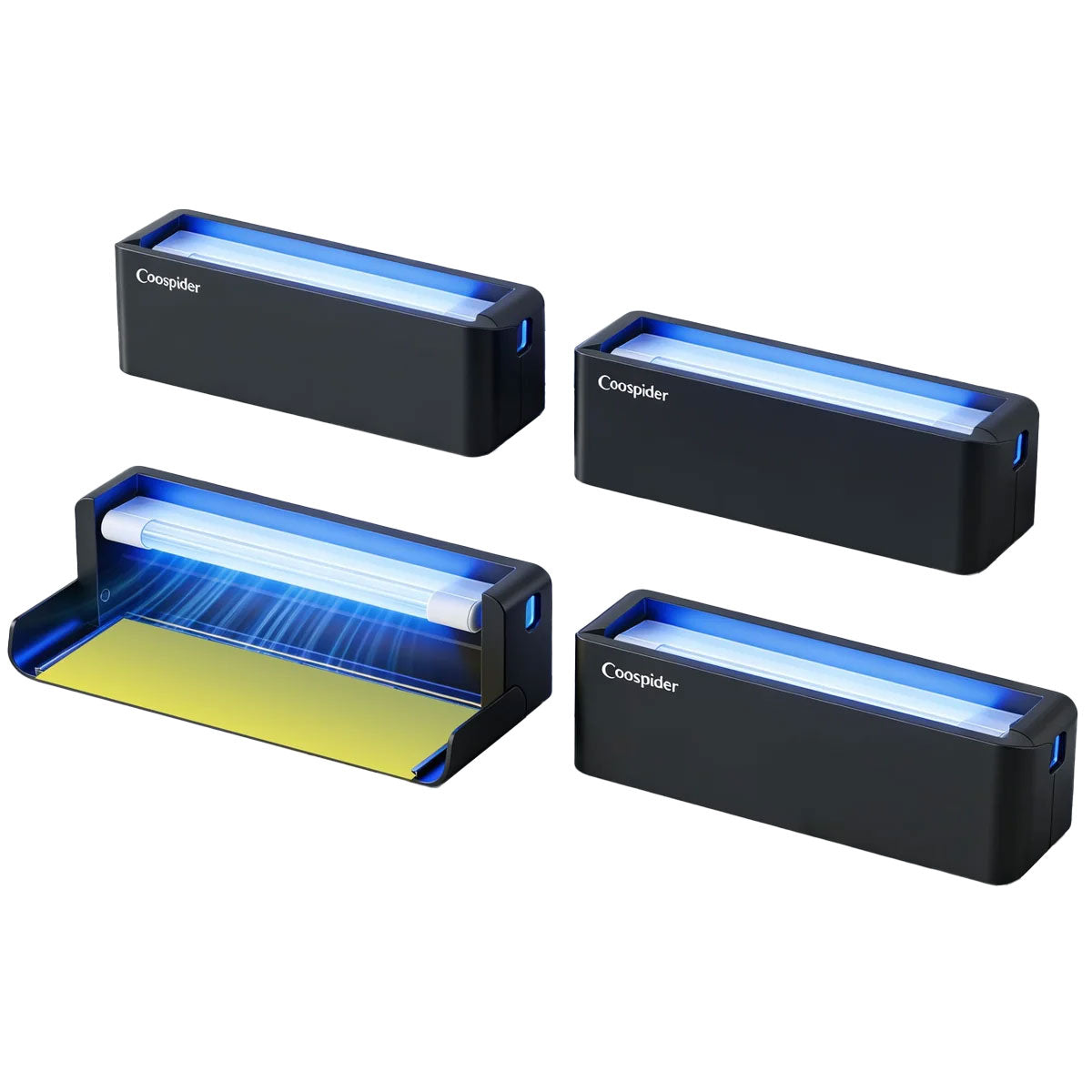
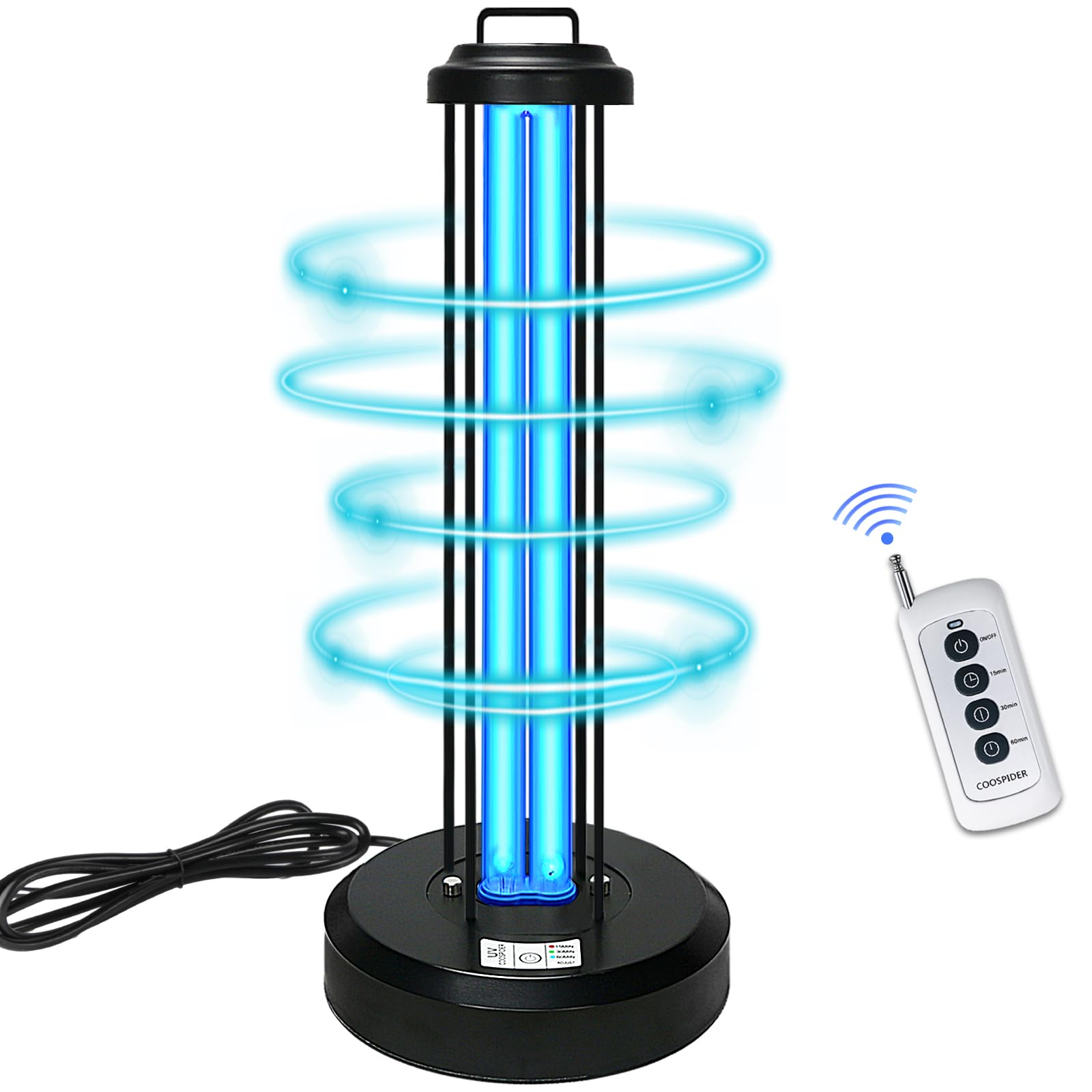
Germicidal lamps
-
Industrial inspection equipment
-
Medical phototherapy devices
These products should always be used according to manufacturer instructions.
Can Computer Screens Produce UV Radiation?
A common myth suggests that computer monitors expose users to harmful UV radiation.
Modern devices—including LCD, LED, and OLED displays—emit negligible UV radiation.
Unlike older cathode-ray tube (CRT) monitors, today's screens are designed to meet strict safety standards.
If you spend long hours at a computer, eye strain is far more likely to result from prolonged focus, glare, poor lighting, or blue light exposure rather than ultraviolet radiation.
How to Assess Your Daily UV Exposure Risk
Understanding your personal exposure begins with evaluating your environment and routine.
Ask yourself the following questions:
How close do you sit to windows?
The closer you are to a sun-facing window, the greater your potential UVA exposure.
Which direction do your windows face?
-
East-facing windows receive stronger morning sunlight.
-
South-facing windows receive more consistent sunlight throughout the day in the Northern Hemisphere.
-
West-facing windows experience intense afternoon sunlight.
-
North-facing windows generally receive the least direct sunlight.
How many hours do you spend in the same location?
Cumulative exposure matters.
Someone sitting beside a sunny window for eight hours every workday experiences different conditions than someone passing through occasionally.
Is direct sunlight reaching your skin?
Indirect daylight generally presents less exposure than direct sunlight streaming through glass.
Does your building use UV-protective glazing?
Modern construction often includes glass designed to reduce ultraviolet transmission.
If you're unsure, consult the building's specifications or property manager.
Additional Factors That Influence UV Exposure
Several environmental and personal factors can increase or decrease your overall exposure.
Geographic Location
Regions closer to the equator receive stronger UV radiation throughout the year.
Higher elevations also experience increased UV intensity because there is less atmosphere to absorb incoming radiation.
Seasonal Changes
UV levels are generally higher during spring and summer, though UVA is present year-round.
Winter sunlight can still contribute to exposure, especially through large windows.
Reflective Surfaces
UV radiation can reflect from:
-
Water
-
Snow
-
Sand
-
Light-colored concrete
-
Glass building facades
Reflection may increase exposure even when you are not in direct sunlight.
Time of Day
Outdoor UV intensity is typically strongest around midday.
Indoor exposure patterns depend on window orientation and the sun's position.
Practical Ways to Reduce Indoor UV Exposure
You don't have to avoid natural light to reduce unnecessary UV exposure.
Simple adjustments can make a meaningful difference.
Rearrange Your Workspace
Move desks or seating slightly farther from windows when possible.
Even a small increase in distance can reduce direct exposure.
Install UV-Blocking Window Film
Quality window films help reduce UVA transmission while preserving natural daylight.
They are especially useful in offices with expansive glass walls.
Use Adjustable Window Coverings
Blinds, curtains, and shades allow you to control sunlight throughout the day.
Closing them during periods of intense direct sunlight can reduce exposure while minimizing glare.
Choose Protective Eyewear When Appropriate
If you spend long hours in bright environments or drive frequently, sunglasses that block both UVA and UVB can help protect your eyes when outdoors or in vehicles where side windows may allow more UVA to pass through.
Maintain Healthy Skin Protection Habits
If you regularly sit in strong sunlight near windows for extended periods, consider discussing appropriate sun protection strategies with a healthcare professional, especially if you have a history of sun-sensitive skin.
Common Myths About Indoor UV Exposure
Myth 1: You Cannot Receive UV Exposure Indoors
False.
UVA can pass through many types of window glass.
Myth 2: All Windows Provide the Same Protection
False.
Glass composition, coatings, and laminates significantly affect UV transmission.
Myth 3: Every Artificial Light Produces Dangerous UV Radiation
False.
Modern LEDs and most household lighting emit little to no significant UV radiation.
Myth 4: More Sunlight Always Means Greater Risk
Not necessarily.
Exposure depends on duration, intensity, glass type, and whether the sunlight is direct or filtered.
A Simple Indoor UV Exposure Checklist
Use the following checklist to evaluate your environment:
-
Do I sit within a few feet of large windows for several hours each day?
-
Does direct sunlight regularly reach my desk or favorite chair?
-
Have I checked whether my windows include UV-filtering coatings?
-
Do I adjust blinds or curtains during peak sunlight hours?
-
If I work from home, have I positioned my workspace to balance natural light and comfort?
-
Do I spend extended periods in sunrooms or glass-enclosed spaces?
-
Am I aware of specialty UV equipment in my workplace, and do I follow safety instructions when it is in use?
If you answered "yes" to several of these questions, it may be worthwhile to review your indoor environment and consider practical measures to reduce unnecessary UV exposure.
Conclusion
Ultraviolet radiation is often associated with outdoor activities, but your indoor environment also plays a role in your overall exposure. Large windows, glass-enclosed workspaces, sunrooms, and certain specialized lighting systems can contribute to cumulative UVA exposure, even though most standard glass blocks the majority of UVB rays.
Fortunately, evaluating your risk doesn't require specialized equipment. By considering factors such as window placement, glass type, daily routines, and the amount of direct sunlight you receive, you can gain a clearer understanding of your exposure and make informed adjustments. Simple changes—such as repositioning a desk, installing UV-filtering window film, or using window coverings during periods of intense sunlight—can help reduce unnecessary exposure while still allowing you to enjoy the benefits of natural light.
Creating a healthier office or home environment is about awareness rather than avoidance. With thoughtful planning and practical protective measures, you can balance comfort, productivity, and long-term well-being while minimizing unnecessary ultraviolet exposure.