Ultraviolet (UV) radiation is an invisible part of sunlight that has shaped life on Earth for millions of years. While moderate sunlight plays an essential role in vitamin D production and supports our body's natural rhythms, excessive exposure to ultraviolet rays can have serious consequences for both skin and eye health. Every year, millions of people experience sunburn, premature skin aging, eye discomfort, and even vision-threatening conditions caused by prolonged UV exposure.
What makes UV radiation particularly dangerous is that we cannot see or feel it in real time. By the time redness appears on your skin or your eyes begin to feel irritated, microscopic damage has often already occurred. Understanding why our skin and eyes are especially vulnerable requires a closer look at human biology, the different types of ultraviolet radiation, and how these invisible rays interact with living cells.
In this comprehensive guide, we'll explore the scientific mechanisms behind UV damage, explain why certain people face higher risks than others, and discuss practical strategies to protect your skin and vision throughout the year.
Understanding Ultraviolet Radiation
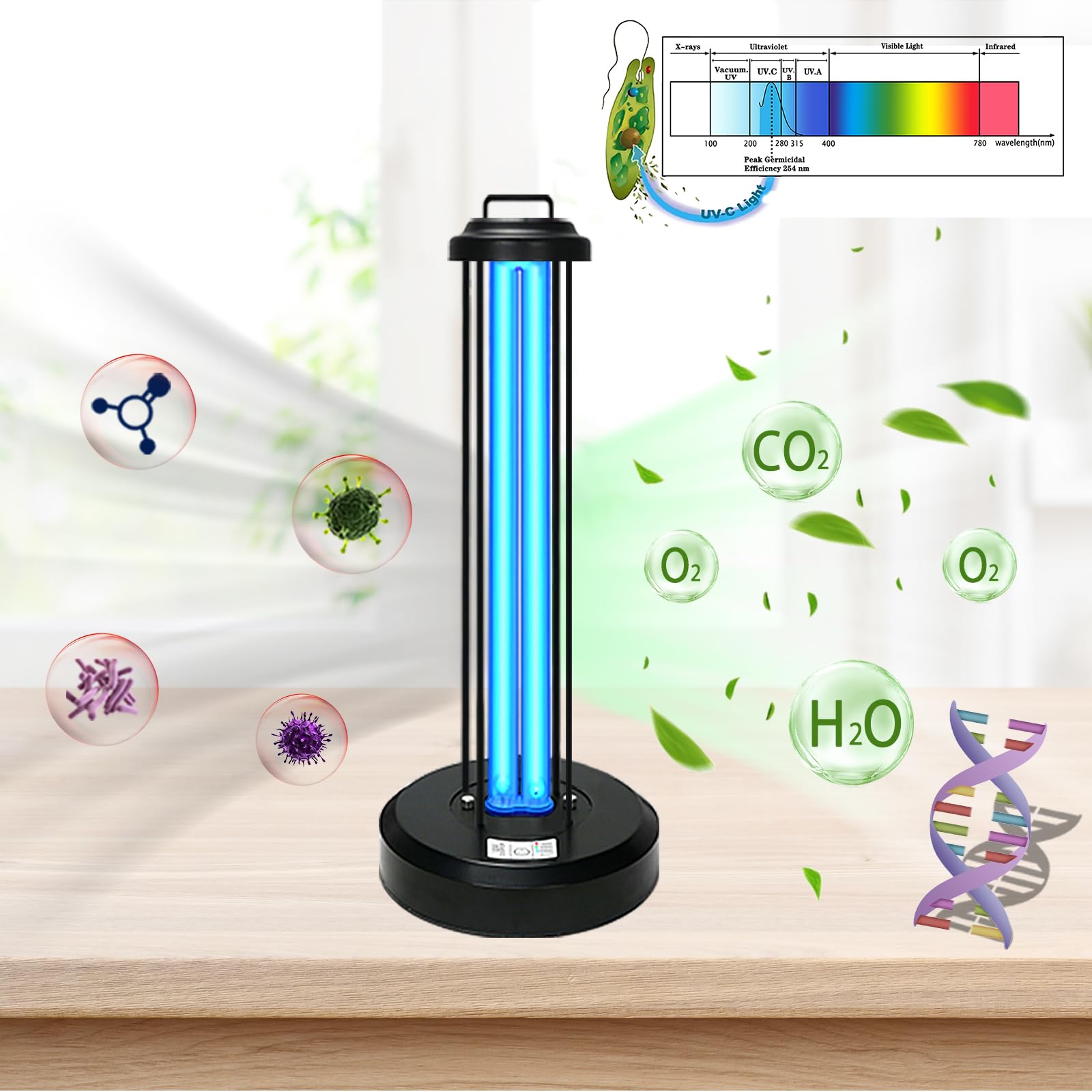
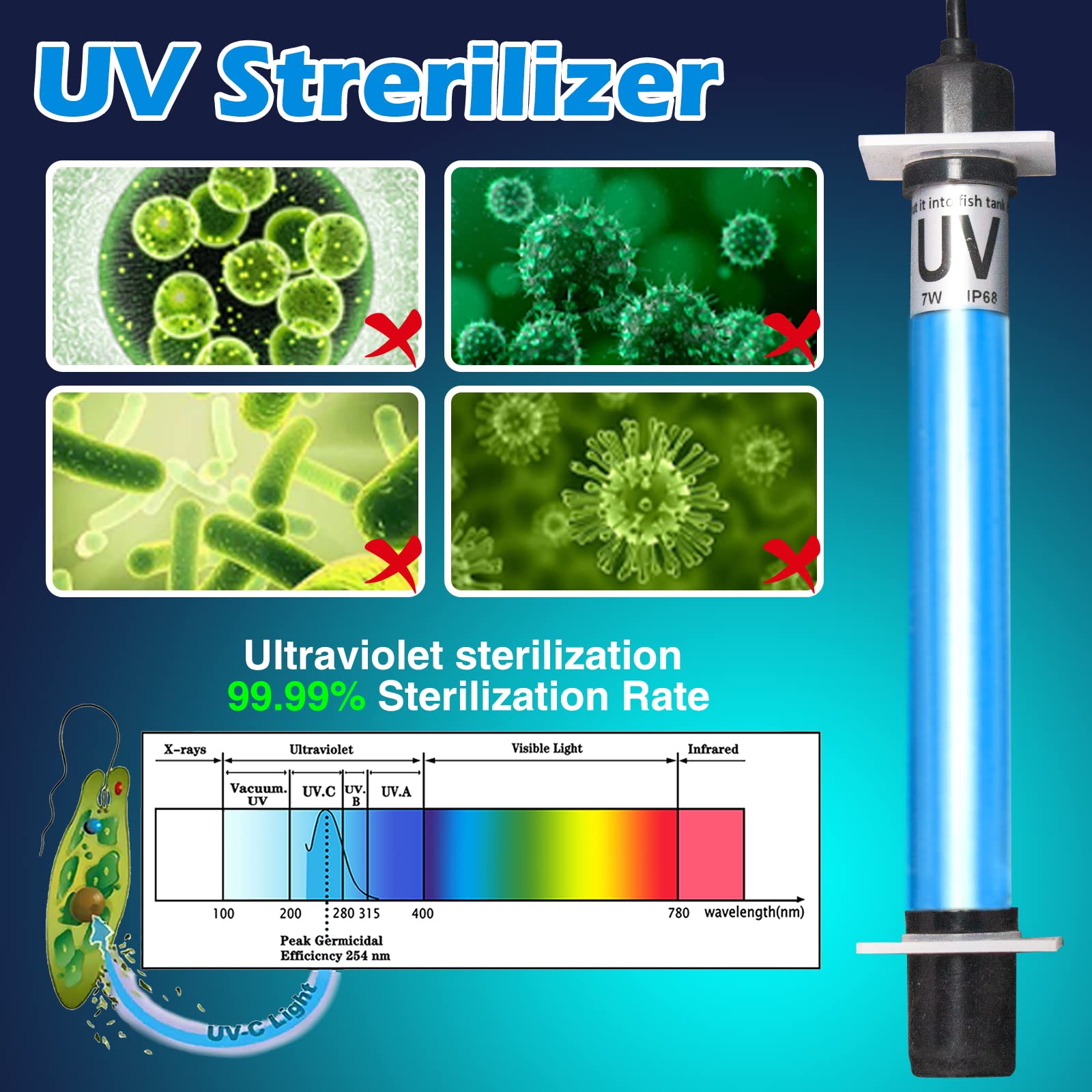
Sunlight consists of several types of electromagnetic radiation. Visible light allows us to see the world, while infrared radiation provides warmth. Ultraviolet radiation occupies wavelengths shorter than visible light but longer than X-rays.
Scientists divide ultraviolet radiation into three categories:
UVA Rays (320–400 nm)
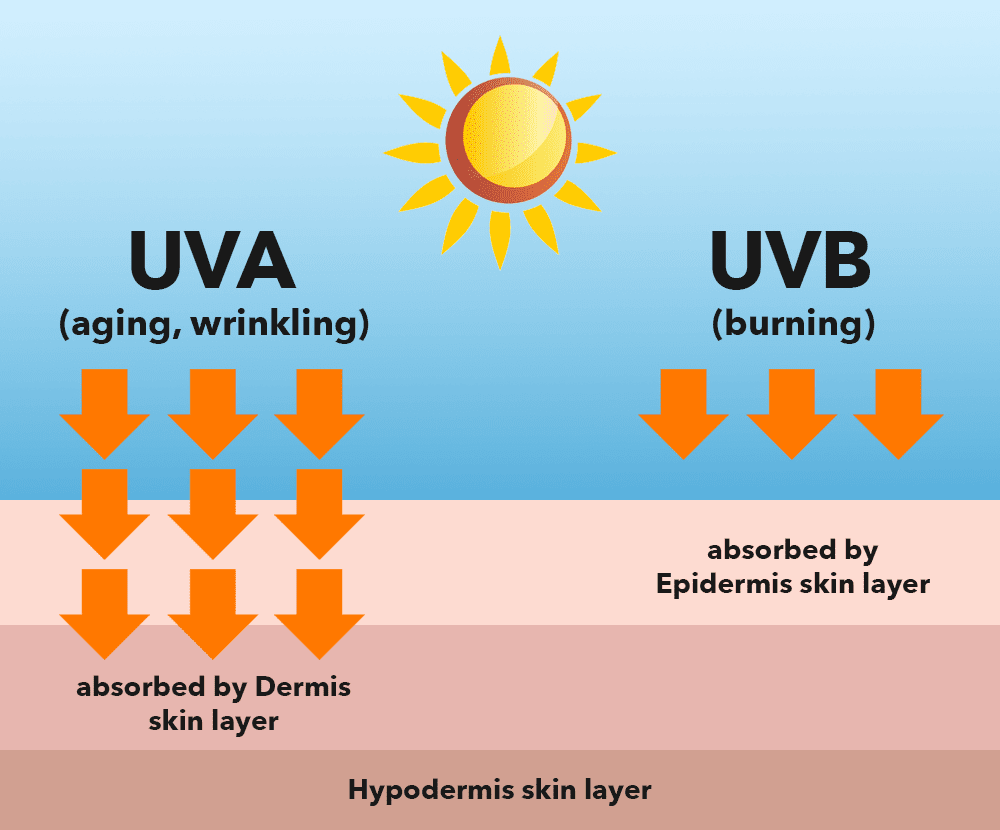
UVA rays account for approximately 95% of the UV radiation reaching Earth's surface. They penetrate deeply into the skin and remain relatively constant throughout the day and across seasons.
Characteristics include:
-
Long wavelength
-
Deep skin penetration
-
Passes through clouds and glass
-
Major contributor to premature aging
-
Generates oxidative stress
Although UVA rays are less energetic than UVB rays, their ability to reach deeper layers of the skin makes them especially harmful over long periods.
UVB Rays (280–320 nm)
UVB rays contain more energy than UVA rays but penetrate less deeply.
They are responsible for:
-
Sunburn
-
DNA mutations
-
Increased skin cancer risk
-
Vitamin D production
UVB intensity changes depending on:
-
Time of day
-
Altitude
-
Latitude
-
Season
-
Atmospheric conditions
Most UVB rays are strongest between 10 a.m. and 4 p.m.
UVC Rays (100–280 nm)
Fortunately, almost all UVC radiation is absorbed by Earth's ozone layer before reaching the ground.
Artificial sources of UVC include:
-
Germicidal lamps
-
Medical sterilization equipment
-
Laboratory devices
Direct exposure to UVC can cause severe skin burns and eye injuries.
Why Human Skin Is Naturally Vulnerable
Human skin serves as the body's largest protective organ, yet it remains susceptible to UV radiation because sunlight carries enough energy to alter molecules inside living cells.
The skin consists of three primary layers:
-
Epidermis
-
Dermis
-
Hypodermis
Each layer responds differently to ultraviolet exposure.
UV Radiation and DNA Damage
Perhaps the most significant reason UV radiation is dangerous is its ability to damage DNA.
DNA contains genetic instructions that tell cells how to function and reproduce. When UV rays strike skin cells, they can alter DNA molecules by creating abnormal bonds between neighboring bases.
These mutations may cause:
-
Cell malfunction
-
Uncontrolled growth
-
Cell death
-
Cancer development
Normally, specialized repair enzymes continuously correct DNA damage. However, excessive UV exposure can overwhelm these repair systems.
Over time, accumulated mutations increase the likelihood of skin cancer.
Oxidative Stress: The Invisible Cellular Attack
Not all UV damage occurs directly.
UVA rays primarily generate reactive oxygen species (ROS), commonly known as free radicals.
These unstable molecules attack:
-
Cell membranes
-
Proteins
-
Lipids
-
DNA
-
Mitochondria
This process is known as oxidative stress.
When antioxidant defenses become overwhelmed, cellular aging accelerates dramatically.
Why Collagen Breaks Down
Collagen provides firmness and elasticity.
UVA exposure activates enzymes called matrix metalloproteinases (MMPs), which begin breaking down collagen fibers faster than the body can replace them.
As collagen decreases, visible signs of aging appear:
-
Wrinkles
-
Fine lines
-
Sagging skin
-
Rough texture
-
Loss of elasticity
Repeated UV exposure compounds these effects year after year.
Elastin Damage and Skin Aging
Elastin allows skin to stretch and return to its original shape.
UV radiation alters elastin fibers, leading to:
-
Thickened skin
-
Deep wrinkles
-
Reduced flexibility
-
Uneven texture
This condition, known as solar elastosis, commonly affects people with years of cumulative sun exposure.
Melanin: Nature's Built-In Defense
Melanin is the pigment responsible for skin, hair, and eye color.
Its primary protective function is absorbing UV radiation before it reaches DNA.
When exposed to sunlight, melanocytes produce additional melanin, resulting in tanning.
Although tanning provides some increased protection, it is not a sign of healthy skin. In fact, a tan indicates that the skin has already responded to DNA stress.
No tan offers complete protection against UV damage.
Why Fair Skin Faces Higher Risks
People with lighter skin contain less eumelanin, the darker pigment that provides stronger UV protection.
As a result, fair-skinned individuals often experience:
-
Faster sunburn
-
Higher mutation rates
-
Increased skin cancer risk
-
Earlier wrinkle formation
However, darker skin is not immune to UV damage and still requires daily protection.
Why Our Eyes Are So Sensitive
Unlike skin, eyes cannot produce additional protective pigment quickly after UV exposure.
Vision depends on transparent tissues that allow light to pass through.
These delicate structures include:
-
Cornea
-
Lens
-
Retina
-
Conjunctiva
Transparency comes at the cost of reduced natural protection.
How UV Rays Affect the Cornea
The cornea absorbs most UVB radiation before it enters deeper eye structures.
Excessive exposure can produce a painful condition called photokeratitis.
Symptoms include:
-
Severe pain
-
Light sensitivity
-
Excessive tearing
-
Blurred vision
-
Foreign body sensation
Snow blindness and welder's flash are common forms of photokeratitis.
UV Damage to the Lens
The lens filters additional ultraviolet radiation.
Over decades, accumulated oxidative damage causes lens proteins to become cloudy.
This contributes to cataract formation.
Cataracts remain one of the leading causes of vision impairment worldwide.
Can UV Rays Reach the Retina?
Most ultraviolet radiation is filtered before reaching the retina.
However:
-
High-energy visible light
-
Intense reflected sunlight
-
Long-term oxidative stress
may still contribute to retinal damage.
Researchers continue studying the relationship between lifetime light exposure and age-related macular degeneration.
Why Children's Eyes Are More Vulnerable
Children absorb more UV radiation than adults because:
-
Their lenses are clearer.
-
Their pupils are generally larger.
-
They spend more time outdoors.
-
Protective habits are less consistent.
Early UV exposure may contribute significantly to cumulative lifetime damage.
Parents should prioritize high-quality UV-blocking sunglasses and wide-brimmed hats for children during outdoor activities.
Reflection Makes UV Exposure Worse
Many people assume shade completely eliminates UV exposure.
However, UV rays reflect from numerous surfaces.
Approximate reflectivity includes:
-
Fresh snow: up to 80%
-
Water: up to 25%
-
White sand: up to 25%
-
Concrete: around 10%
-
Grass: around 3%
Reflection explains why skiers, beachgoers, and boaters often receive unexpectedly high UV doses.
Clouds Don't Eliminate UV Radiation
Cloud cover can reduce visible brightness without significantly reducing UV intensity.
Certain thin clouds scatter UV rays, sometimes increasing ground-level exposure.
This explains why sunburn often occurs on cool or overcast days.
Altitude Matters
UV intensity increases with elevation because the atmosphere becomes thinner.
Mountain environments expose people to stronger UV radiation.
Combined with snow reflection, this creates ideal conditions for eye injuries and severe sunburn.
The UV Index Explained
The UV Index measures expected ultraviolet intensity.
General guidelines include:
-
0–2: Low
-
3–5: Moderate
-
6–7: High
-
8–10: Very High
-
11+: Extreme
Protection becomes increasingly important as the index rises.
Does Glass Block UV Rays?
Standard window glass blocks nearly all UVB rays but allows much of UVA radiation to pass through.
This means:
-
Skin aging can occur indoors near windows.
-
Drivers receive long-term UVA exposure through side windows.
-
Office workers sitting by large windows may also accumulate UV exposure.
Many modern windows include UV-filtering coatings that improve protection.
Why UV Damage Is Cumulative
Unlike a single injury that heals completely, ultraviolet damage builds over decades.
Each exposure contributes to microscopic changes, including:
-
DNA mutations
-
Collagen loss
-
Oxidative stress
-
Pigment changes
-
Cellular aging
These changes accumulate even when no immediate symptoms appear.
Skin Cancer and UV Exposure
Excessive UV radiation remains one of the leading environmental causes of skin cancer.
Major types include:
Basal Cell Carcinoma
The most common form, usually slow growing and highly treatable when detected early.
Squamous Cell Carcinoma
Often develops after years of cumulative UV exposure.
Early diagnosis significantly improves outcomes.
Melanoma
Although less common, melanoma is the most dangerous form because it can spread rapidly.
Regular skin examinations and early detection are essential.
Eye Diseases Linked to UV Radiation
Long-term UV exposure has been associated with:
-
Cataracts
-
Photokeratitis
-
Pterygium
-
Pinguecula
-
Certain eyelid cancers
Consistent eye protection may reduce these risks over a lifetime.
Who Faces the Highest Risk?
Certain groups experience greater UV exposure or increased sensitivity.
Higher-risk individuals include:
-
Outdoor workers
-
Athletes
-
Beach visitors
-
Mountain climbers
-
Fishermen
-
Construction workers
-
Farmers
-
Pilots
-
Children
-
Older adults
-
Individuals taking photosensitizing medications
Understanding personal risk helps guide protective habits.
Daily Habits That Reduce UV Damage
Fortunately, reducing UV exposure does not require avoiding sunlight entirely.
Simple habits include:
-
Wear broad-spectrum sunscreen with adequate SPF.
-
Reapply sunscreen every two hours during outdoor activities.
-
Choose sunglasses that block 100% of UVA and UVB rays.
-
Wear wide-brimmed hats for additional facial and eye protection.
-
Seek shade during peak UV hours.
-
Wear tightly woven, long-sleeved clothing when practical.
-
Check the daily UV Index before spending extended time outdoors.
-
Remember that UV protection is important year-round, not just during summer.
Choosing Effective UV-Protective Eyewear
Not all sunglasses offer the same level of protection.
When selecting eyewear, look for:
-
100% UVA protection
-
100% UVB protection
-
Clearly labeled UV400 lenses
-
Durable frame construction
-
Comfortable fit that minimizes light entering from the sides
Lens darkness alone does not indicate UV protection. Clear or lightly tinted lenses can provide excellent protection if they are manufactured with proper UV-blocking technology.
The Future of UV Protection
Researchers continue developing innovative approaches to minimize UV damage.
Emerging technologies include:
-
Advanced UV-filtering lens materials
-
Smart photochromic lenses
-
Improved antioxidant skincare formulations
-
UV-monitoring wearable devices
-
Fabrics with enhanced ultraviolet protection factors (UPF)
As scientific understanding advances, preventive strategies continue becoming more effective and accessible.
Final Thoughts
Ultraviolet radiation is a natural part of our environment, but its interaction with human biology makes both our skin and eyes remarkably vulnerable. From DNA mutations and oxidative stress to collagen breakdown and lens aging, the effects of UV exposure often develop gradually, accumulating over years before becoming visible.
The encouraging news is that many of these risks can be significantly reduced through consistent protective habits. Wearing UV-blocking sunglasses, using broad-spectrum sunscreen, choosing protective clothing, and staying aware of daily UV conditions are simple yet powerful ways to safeguard your long-term health. By understanding the science behind UV damage, you can make informed decisions that help preserve healthy skin, maintain clear vision, and enjoy the outdoors more safely throughout every season.