
Clean drinking water is something most homeowners assume they already have — until they start researching what actually exists inside tap water. Between aging pipelines, emerging contaminants, mineral content, and microbial risks, many families are now installing point-of-use purification systems under the kitchen sink.
Two technologies dominate today’s residential drinking water market:
Under-sink UV water purifiers and reverse osmosis (RO) systems.
At first glance, both promise safer water. But they solve very different problems. Choosing the wrong system can mean overspending, under-protecting your family, or unnecessarily complicating maintenance.
This guide breaks down how each technology works, what contaminants they target, their real advantages and limitations, and how to decide which solution best fits your household’s water conditions and lifestyle.
Why Under-Sink Water Treatment Is Becoming the Standard
Modern households increasingly prefer point-of-use filtration, meaning water is treated directly at the faucet used for drinking and cooking.
Under-sink systems have grown popular because they:
- Require minimal space
- Deliver purified water instantly
- Avoid treating water unnecessarily throughout the home
- Reduce bottled water dependence
Government guidance notes that point-of-use systems are commonly installed at a single fixture specifically to improve drinking water quality rather than whole-home supply.
Among these systems, UV and RO technologies represent two fundamentally different purification philosophies.
Understanding the Two Technologies
Before comparing them, it’s essential to understand how each system works.
What Is an Under-Sink UV Water Purifier?
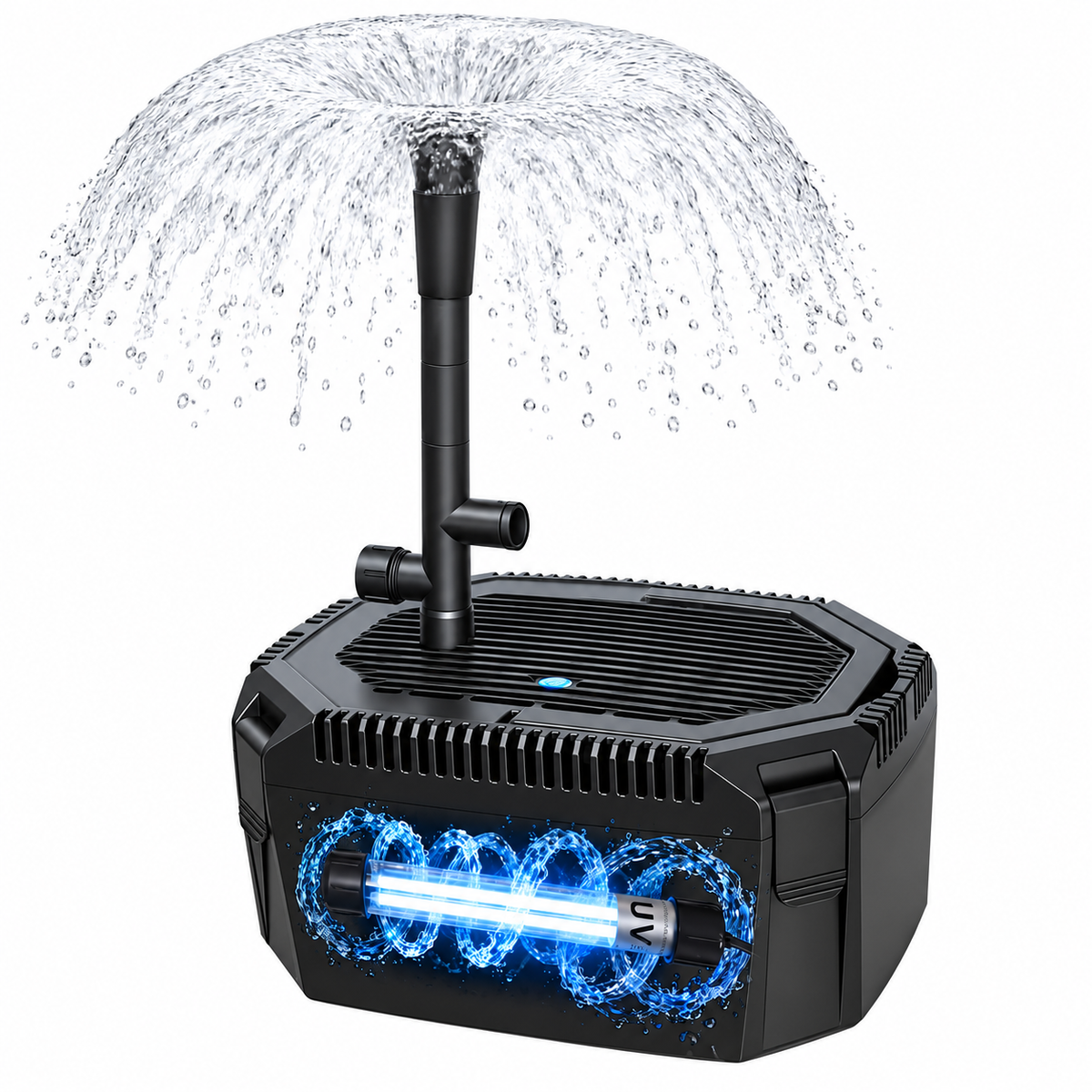
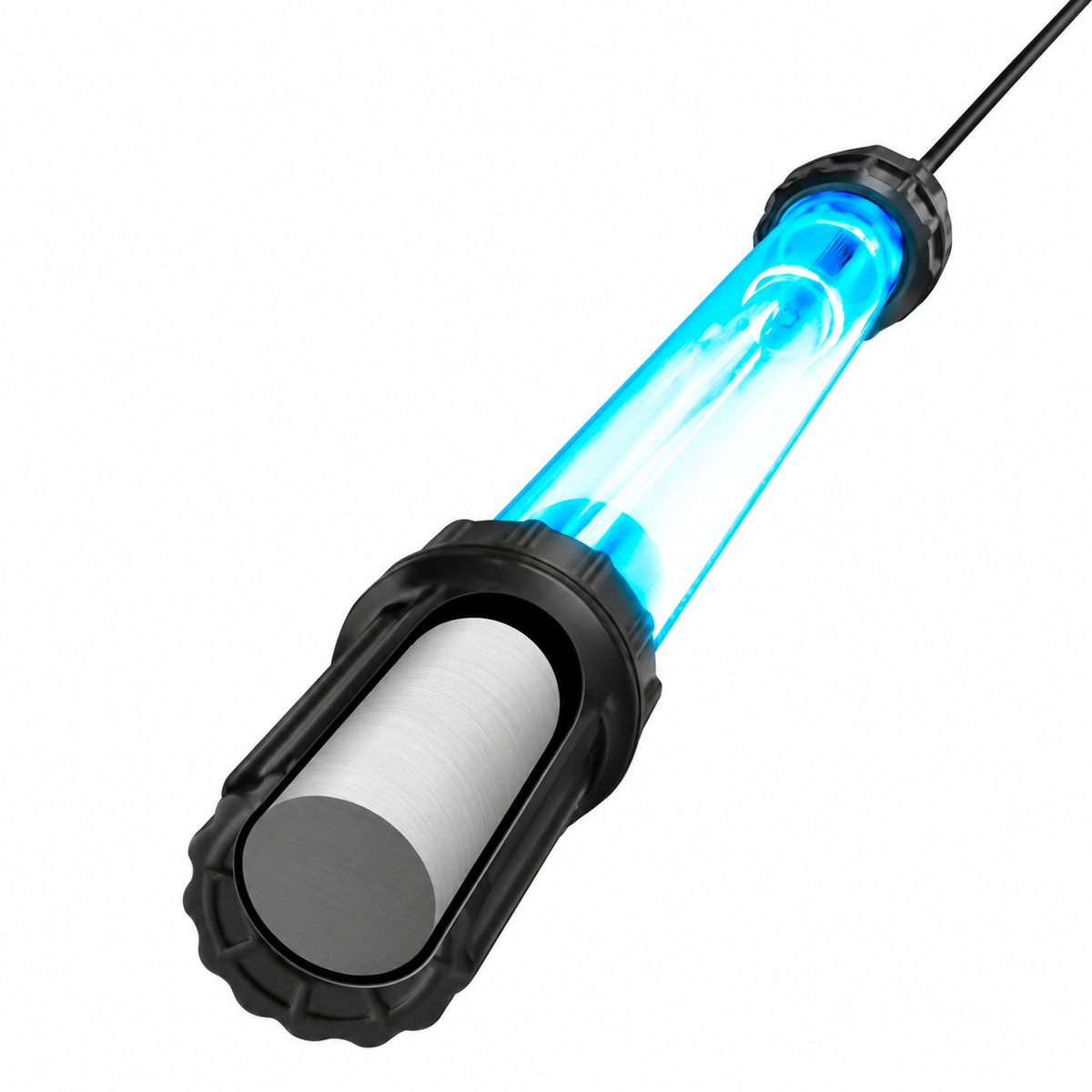
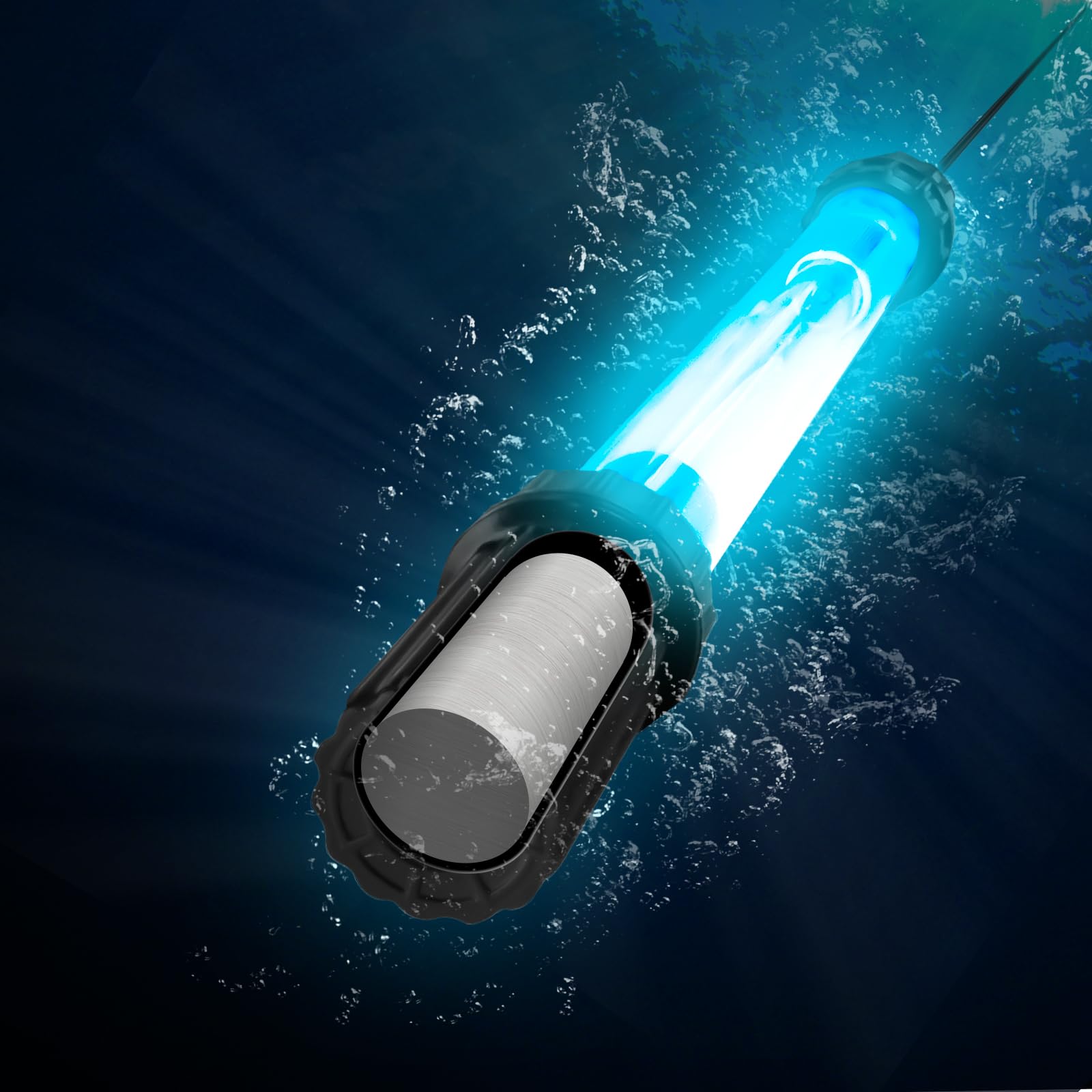
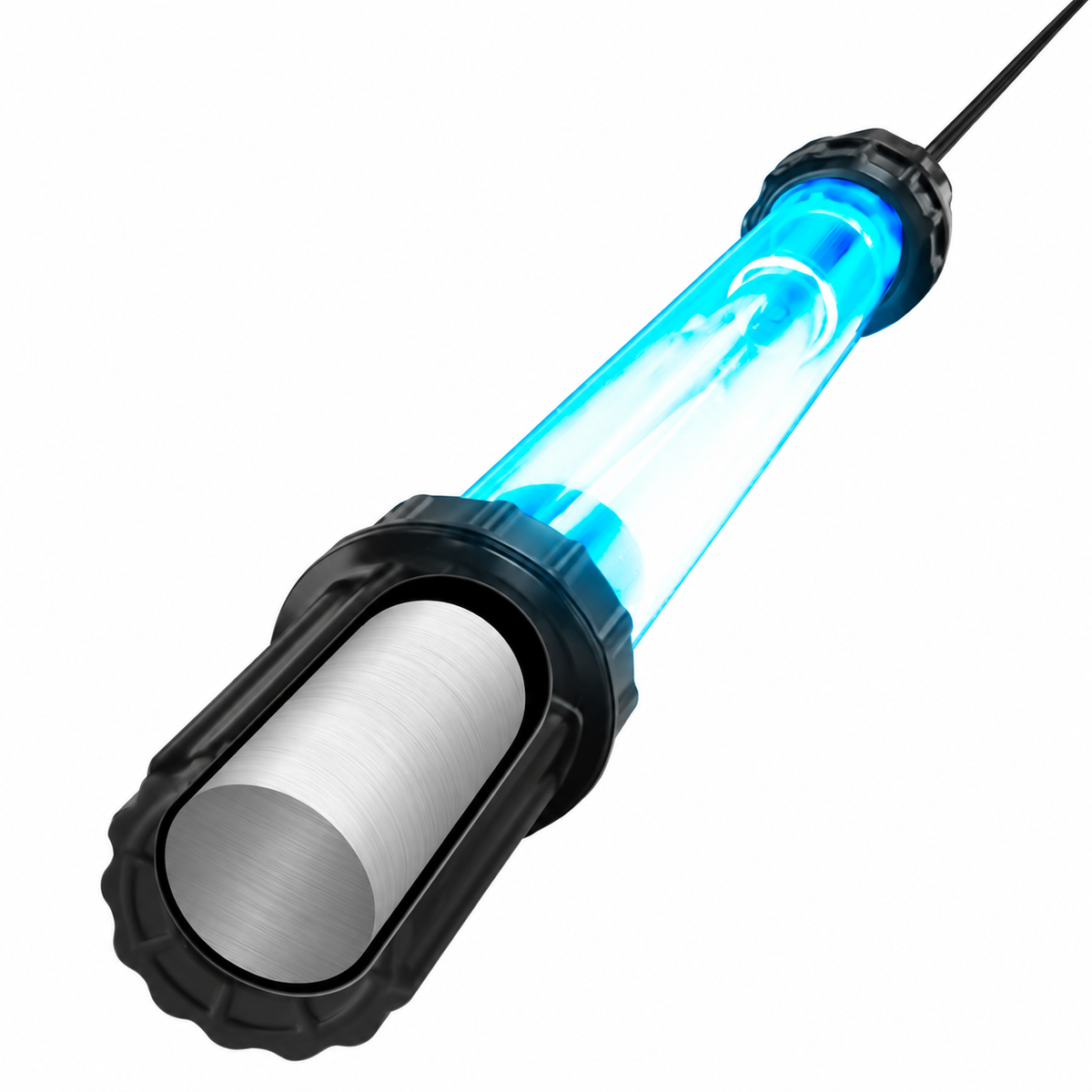
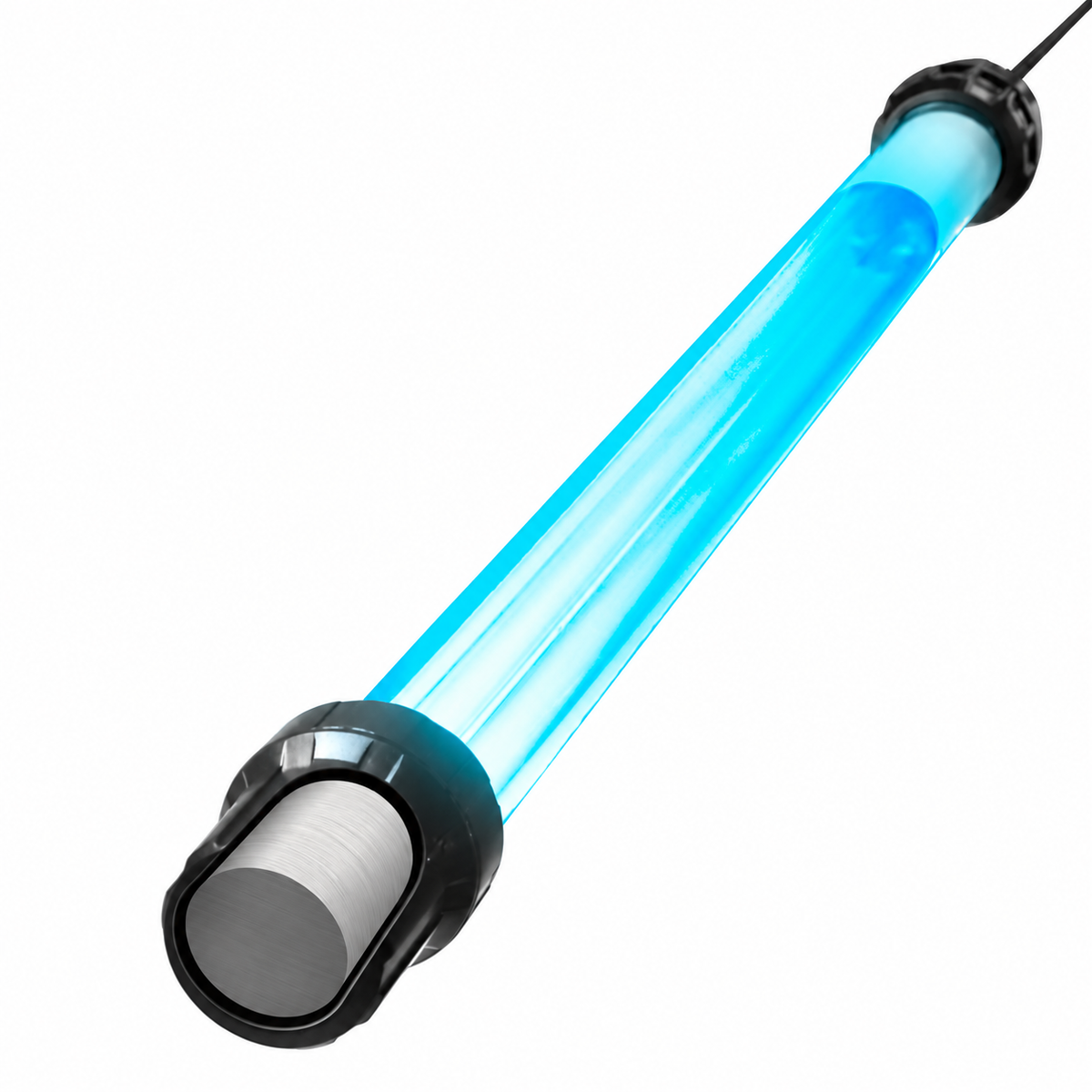
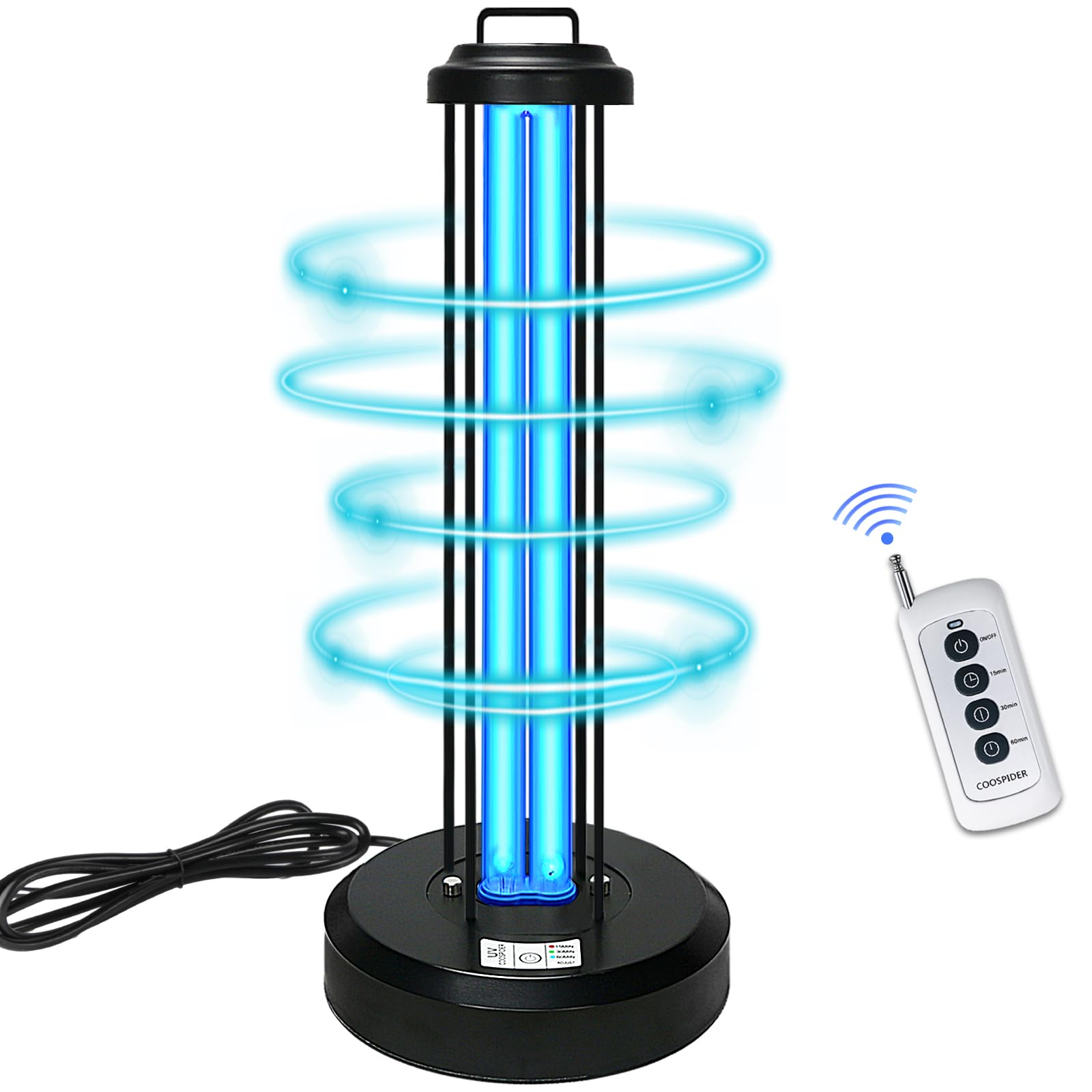
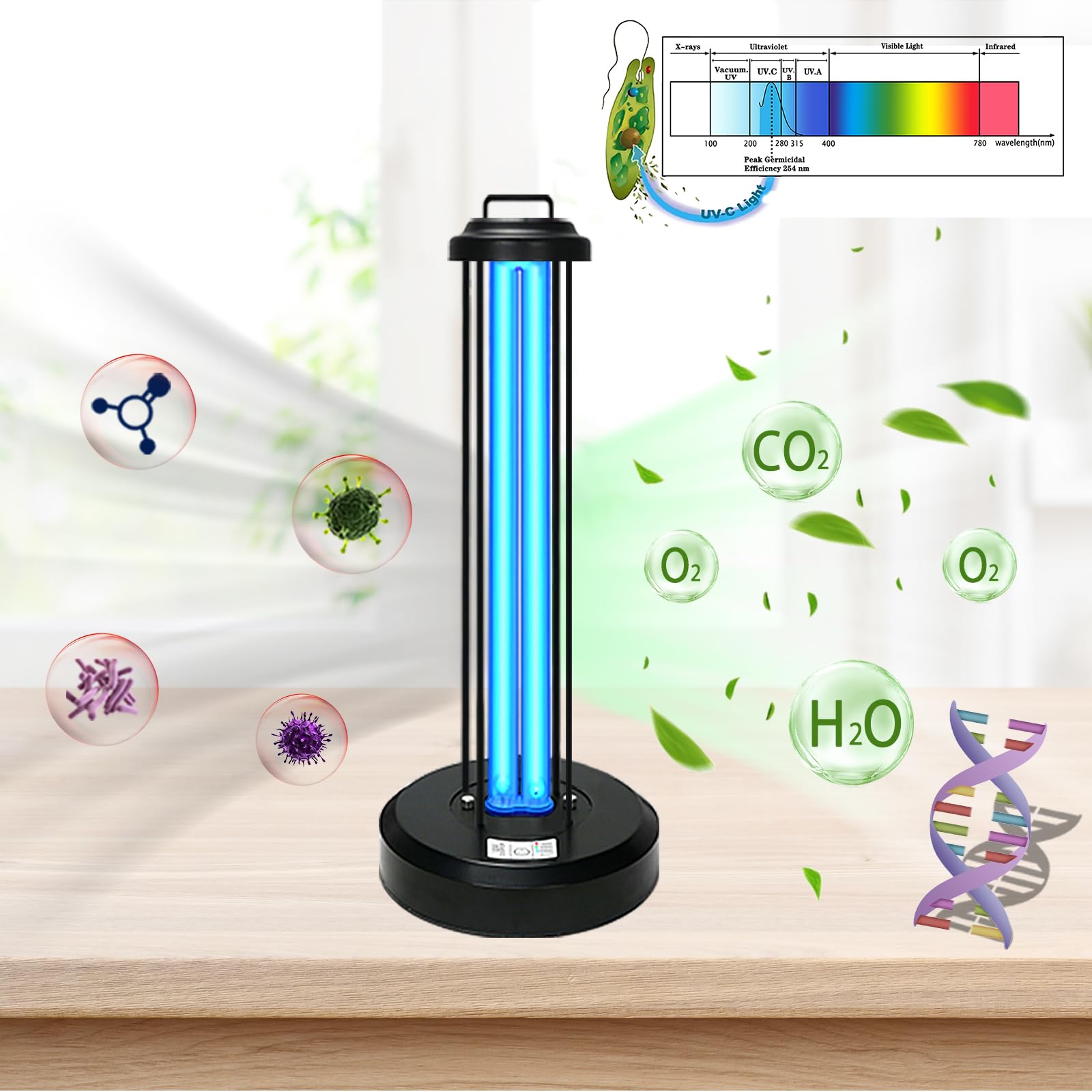
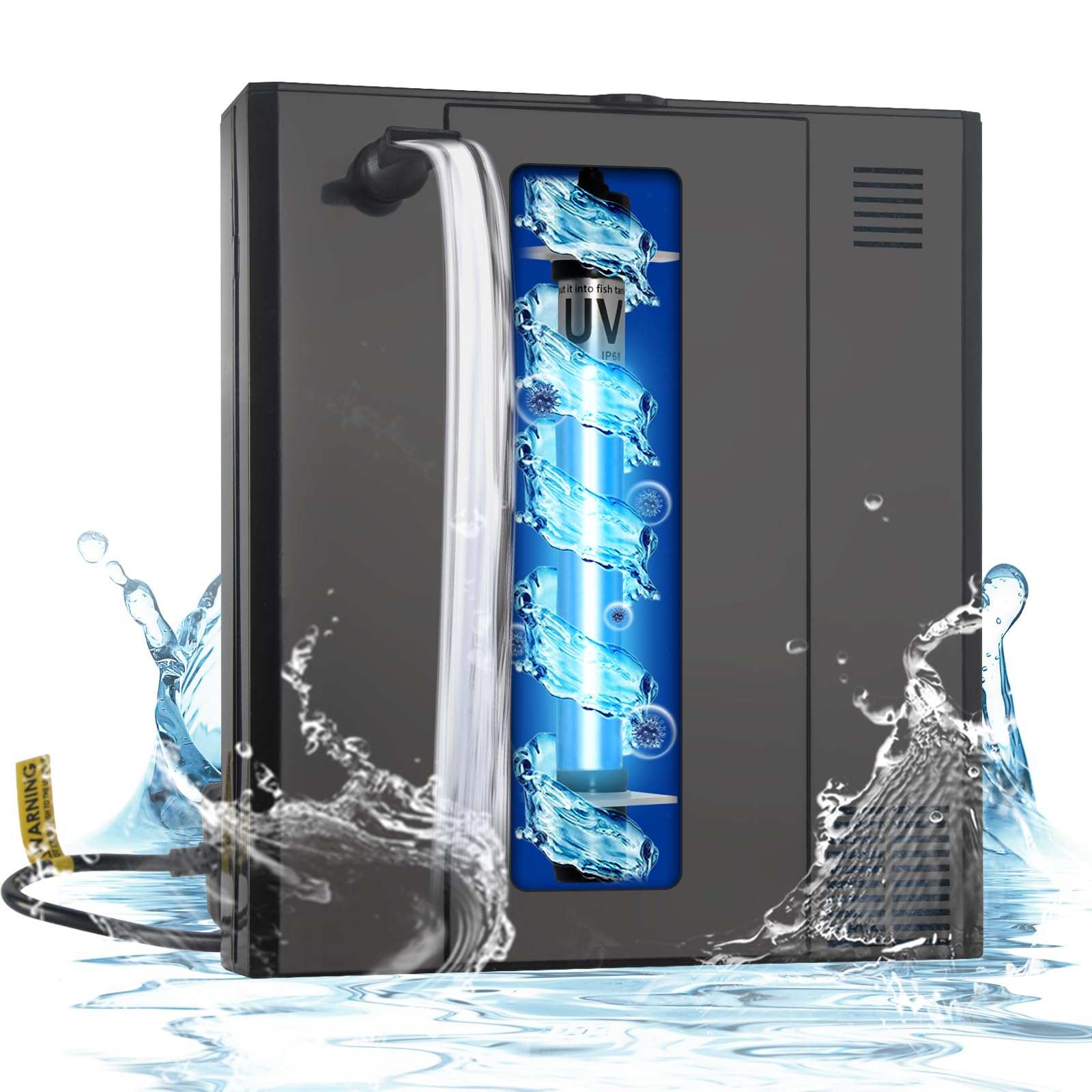
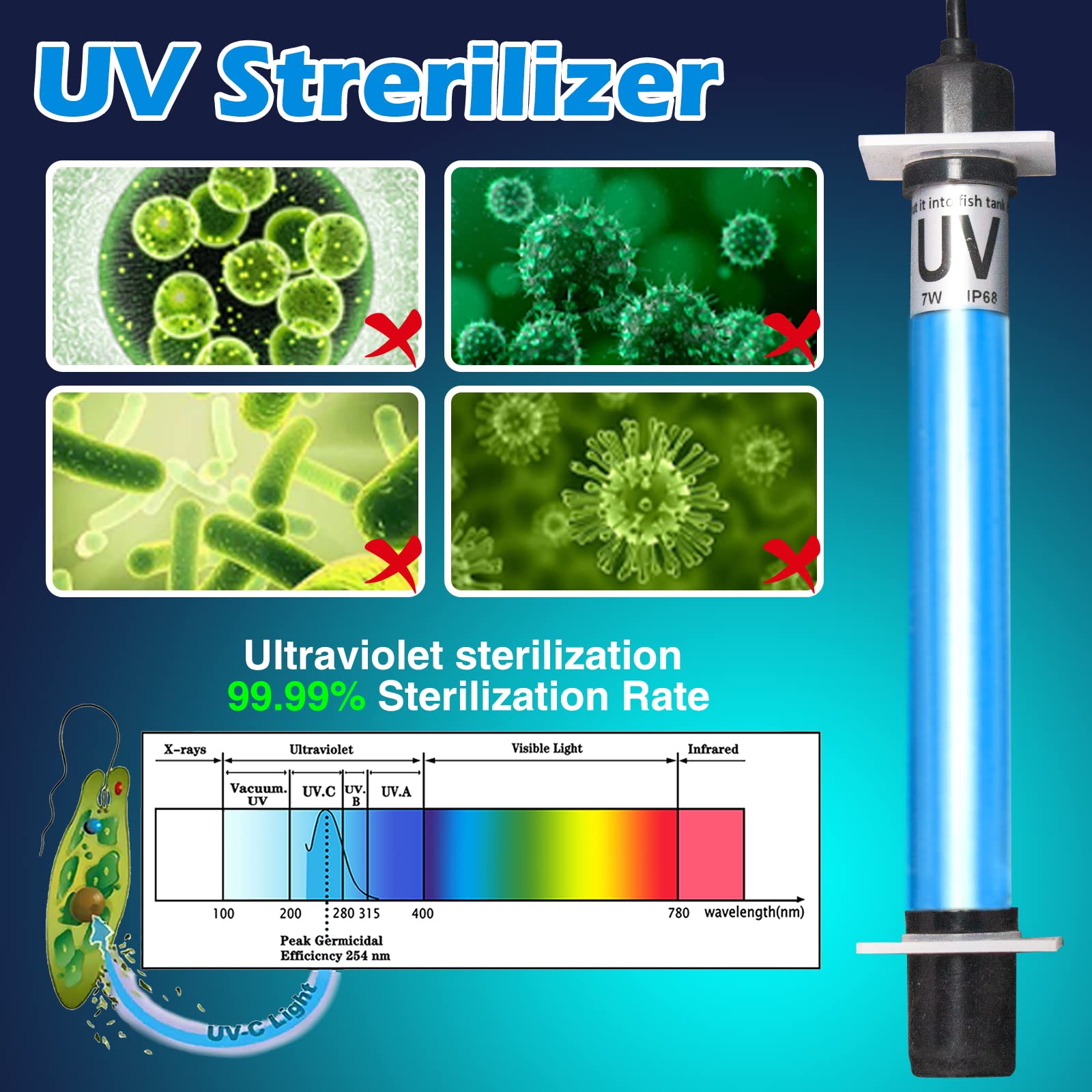
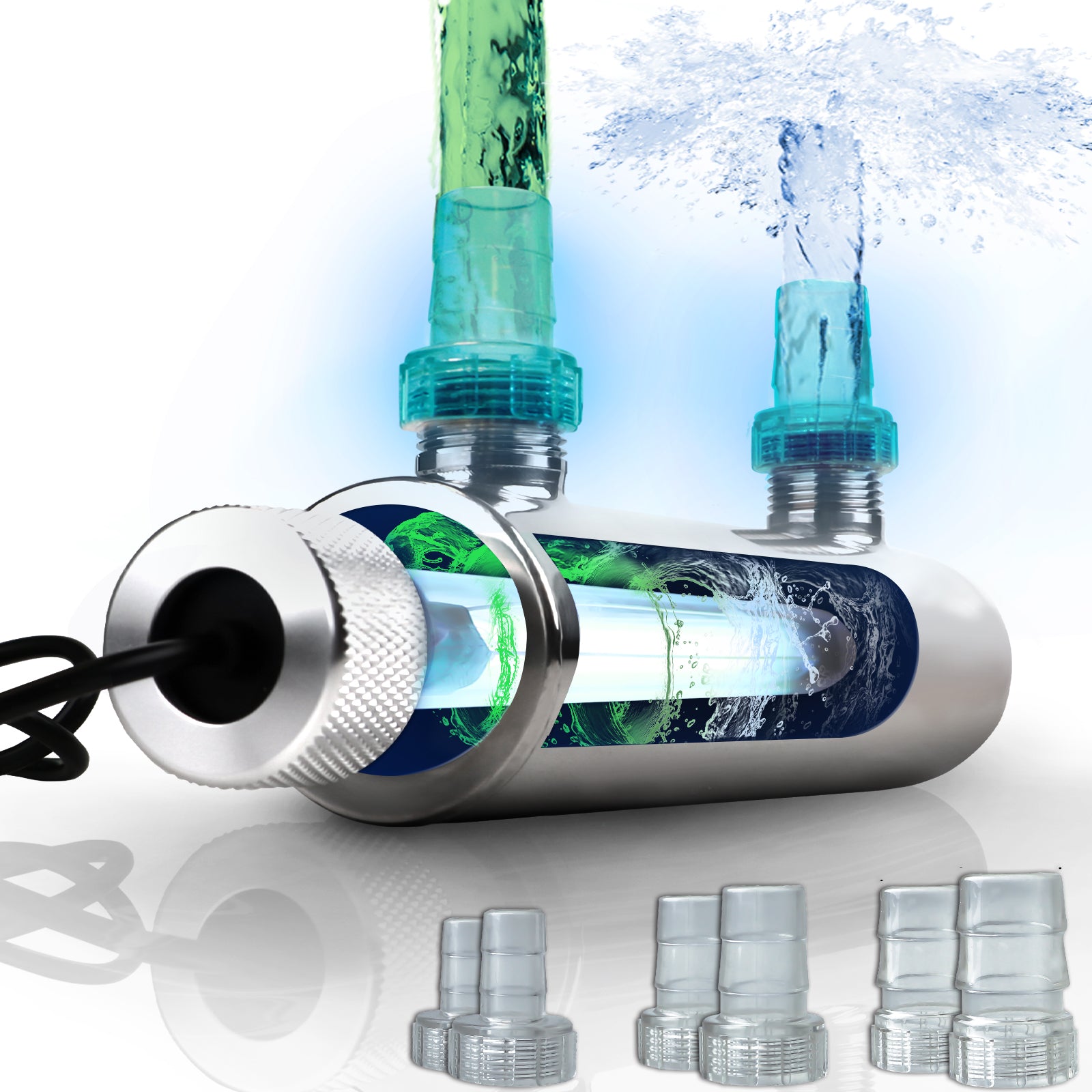
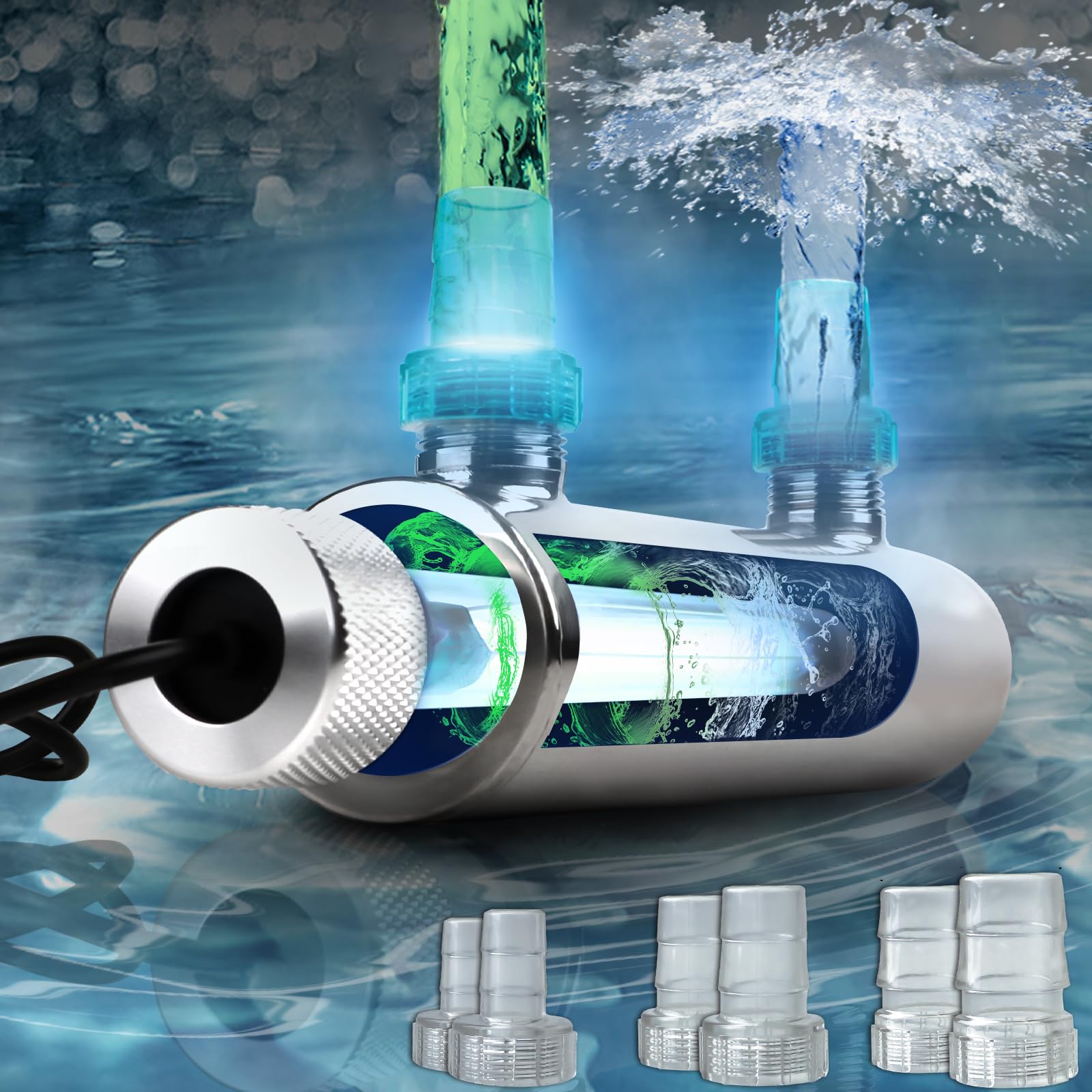
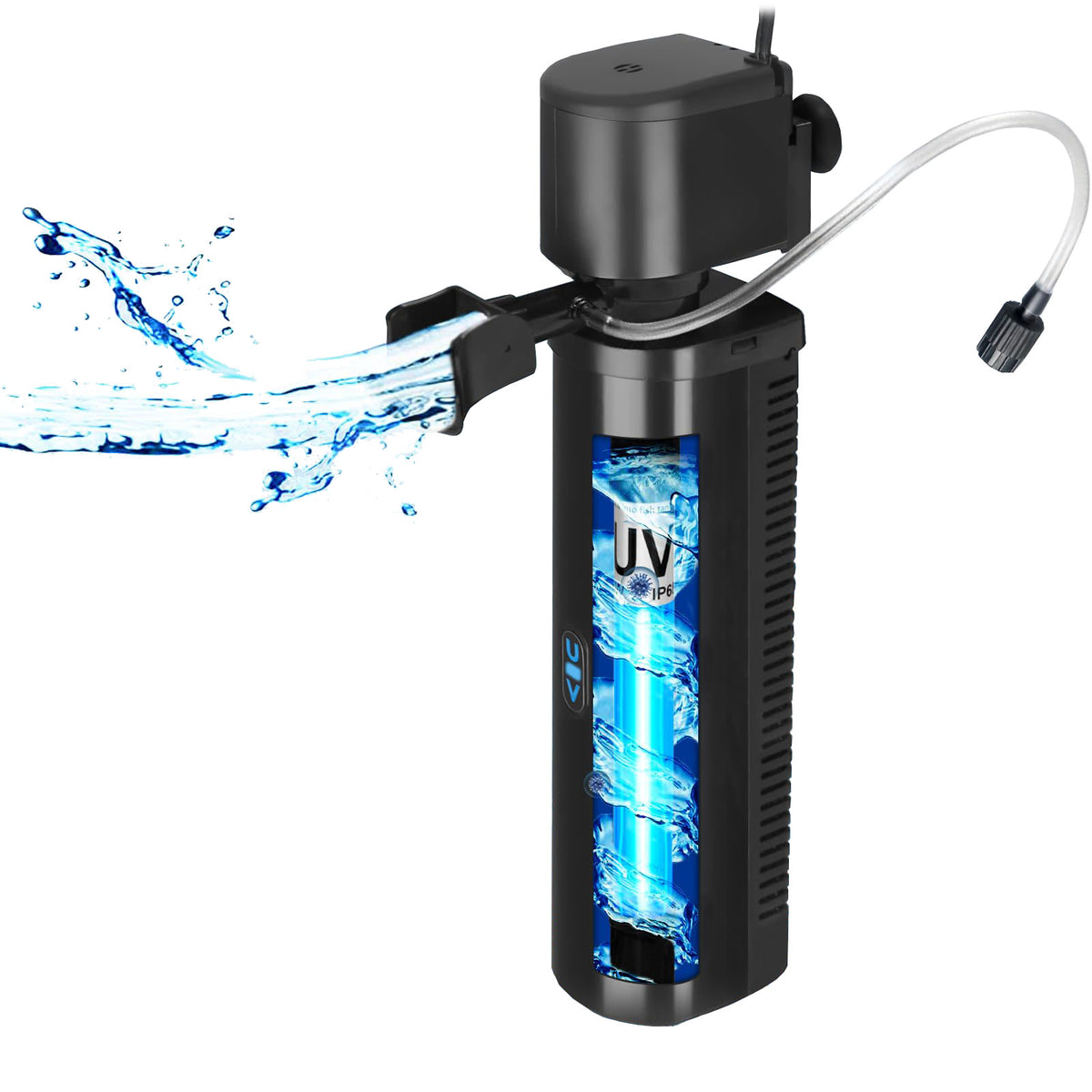
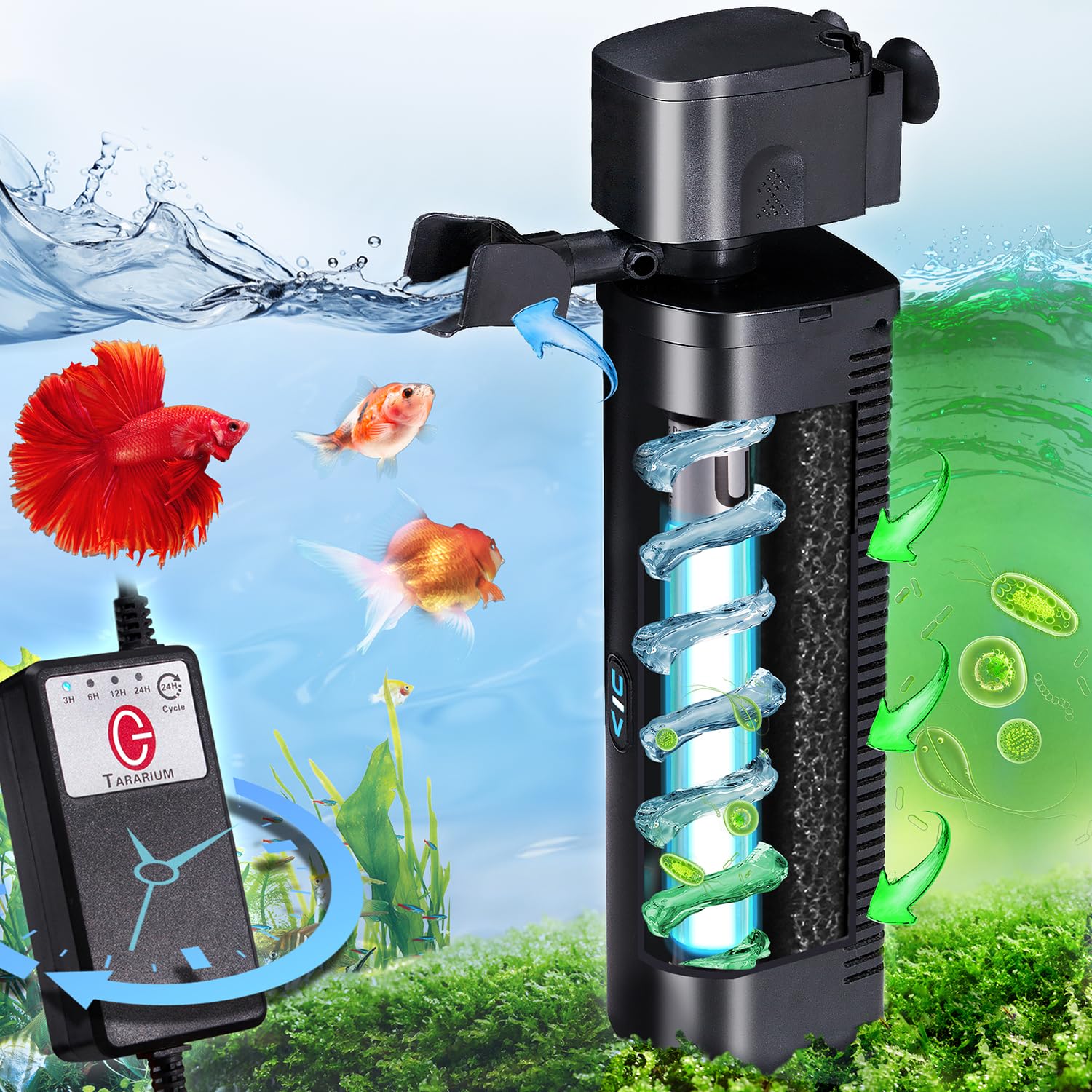
A UV purifier uses ultraviolet light to disinfect water.
Inside the unit, water passes through a chamber containing a UV lamp that emits high-energy light. This light damages the DNA of microorganisms, preventing them from reproducing and causing illness.
UV purification:
- Does not physically remove contaminants
- Instead neutralizes bacteria and viruses through radiation exposure
UV systems are chemical-free and highly effective when microorganisms are the primary concern.
However, UV treatment works only on biological threats — not chemical pollutants.
What Is Reverse Osmosis (RO)?
Reverse osmosis is a membrane filtration technology.
Water is forced under pressure through a semi-permeable membrane that blocks contaminants at a microscopic level.
This process can remove:
- Dissolved solids
- Heavy metals
- Many chemicals
- Microorganisms
- Industrial pollutants
RO membranes are extremely fine — about 0.0001 microns, capable of removing bacteria, viruses, and dissolved contaminants simultaneously.
Unlike UV purification, RO physically separates impurities from water.
Core Difference in One Sentence
- UV = disinfection
- RO = filtration and purification
Understanding this distinction is the key to choosing correctly.
Contaminant Comparison: What Each System Removes
UV Purifier Effectiveness
UV systems are excellent at addressing:
- Bacteria
- Viruses
- Microorganisms
But they do not remove:
- Heavy metals
- Chlorine
- Pesticides
- PFAS (“forever chemicals”)
- Dissolved minerals
UV light treats biological safety only.
Reverse Osmosis Effectiveness
RO systems remove a wide spectrum of contaminants, including:
- Lead
- Arsenic
- Nitrates
- PFAS
- VOCs
- Dissolved salts
- Many microorganisms
They can remove up to 99% of dissolved solids depending on system design.
Taste and Water Quality Differences
UV Water Taste
Because UV treatment adds no chemicals and removes nothing physically:
- Mineral balance remains unchanged
- Natural taste profile stays intact
This appeals to households satisfied with municipal water flavor but concerned about bacteria.
RO Water Taste
RO water often tastes:
- Cleaner
- Lighter
- Less mineral-heavy
The membrane removes dissolved minerals that influence flavor.
Some people love this purity; others describe it as “flat” because beneficial minerals are reduced.
Many modern systems add remineralization filters to restore taste balance.
Installation and Space Requirements
UV Systems
Typical characteristics:
- Compact chamber
- Minimal plumbing changes
- No storage tank required
- Continuous flow purification
Installation is generally simpler.
RO Systems
RO units typically include:
- Multiple filters
- Membrane housing
- Storage tank
- Dedicated faucet
They require more cabinet space but deliver deeper purification.
Under-sink RO systems remain popular because they provide high-quality drinking water without whole-house installation complexity.
Water Efficiency: A Major Decision Factor
One of the most debated differences involves water usage.
UV Efficiency
UV purification:
- Produces no wastewater
- Treats water instantly
- Uses only electricity for the lamp
Environmentally efficient in daily operation.
RO Water Waste
RO systems create reject water during filtration.
Typical systems may send several gallons of wastewater down the drain for each gallon purified, although newer efficient models reduce this ratio significantly.
For water-conscious households, this becomes an important consideration.
Maintenance Requirements
UV Maintenance
Maintenance is straightforward:
- Replace UV bulb annually
- Clean quartz sleeve periodically
Failure to replace bulbs reduces effectiveness even if light still appears on.
RO Maintenance
RO systems require:
- Sediment filter replacement
- Carbon filter changes
- Membrane replacement every 2–3 years
- Tank sanitation
Maintenance is more involved but ensures comprehensive purification.
Energy Consumption
UV systems require constant electricity to operate the lamp.
RO systems use water pressure rather than electricity (except pump-assisted models).
Energy costs for both systems are generally low but differ operationally.
Cost Comparison
Initial Cost
UV systems are typically less expensive due to simpler design.
RO systems cost more because of multiple filtration stages and storage components.
Long-Term Cost
UV:
- Lower maintenance costs
- Minimal replacement parts
RO:
- Periodic filter replacements
- Membrane replacement
- Slightly higher lifetime cost
However, RO may reduce bottled water purchases significantly.
Real Household Scenarios: Which System Fits Best?
Scenario 1: City Water With Good Chemical Treatment
Municipal water already disinfected but concerns remain about microbes from aging pipes.
Best choice:
UV purifier
Reason:
Microbial protection without altering mineral content.
Scenario 2: Hard Water or Chemical Contamination Concerns
Issues include:
- Heavy metals
- Industrial runoff
- High TDS levels
Best choice:
Reverse osmosis
RO excels at removing dissolved contaminants.
Scenario 3: Well Water Users
Well water often contains both microbes and dissolved minerals.
Best solution:
RO + UV combination
RO removes chemicals; UV neutralizes remaining microorganisms.
Many advanced systems combine both technologies for layered protection.
What Homeowners Are Saying (Real User Perspectives)
Community discussions often highlight confusion between purification and disinfection.
One homeowner explained:
“UV will deactivate bacteria and virus… RO has conflicting information.”
Another user summarized simply:
“RO purifies, UV is just for disinfection.”
These real-world experiences reflect the core misunderstanding many buyers face.
Health Considerations for Families
Families With Infants or Immunocompromised Members
Advanced filtration is often recommended when contaminant concerns extend beyond microbes, since RO systems address a broader contaminant spectrum.
Mineral Retention Debate
Some homeowners worry about mineral loss in RO water.
In reality:
- Most dietary minerals come from food, not water.
- Remineralization filters can restore balance.
The decision depends more on contamination risk than mineral intake.
Environmental Impact Comparison
| Factor | UV | RO |
|---|---|---|
| Wastewater | None | Moderate |
| Electricity | Required | Minimal |
| Filter Waste | Low | Moderate |
| Plastic Bottle Reduction | High | Very High |
Both systems reduce bottled water reliance, improving sustainability.
When a Combination System Makes Sense
Increasingly, households choose hybrid systems:
Pre-filter → RO membrane → UV sterilization
This layered approach provides:
- Chemical removal
- Heavy metal filtration
- Microbial protection
Especially useful where water quality is uncertain or variable.
Decision Checklist: Which Should You Choose?
Choose UV if:
- Water already meets chemical safety standards
- Main concern is bacteria
- You want low maintenance
- You prefer mineral-rich taste
- Water conservation matters
Choose RO if:
- You worry about heavy metals or chemicals
- Water tastes poor
- TDS levels are high
- You want maximum purification
Choose RO + UV if:
- You use well water
- Water testing shows multiple contaminant types
- You want the highest level of protection.
The Future of Home Drinking Water Systems
Home water purification is shifting toward smarter, layered solutions:
- Multi-stage filtration
- Sensor-based monitoring
- Efficient membranes
- Integrated UV sterilization
Instead of choosing between technologies, modern systems increasingly combine them strategically.
Final Thoughts: The Best System Depends on Your Water, Not Marketing Claims
There is no universal winner between under-sink UV purifiers and reverse osmosis systems.
Each solves a different problem:
- UV protects against biological risks.
- RO removes chemical and dissolved contaminants.
The best decision begins with understanding your local water quality, household priorities, and maintenance preferences.
Clean water isn’t just about clarity or taste — it’s about matching the right technology to the specific challenges flowing through your tap.
When the solution aligns with your water conditions, both systems can deliver what every home ultimately wants: safe, reliable, and confidently drinkable water every day.