
A freshly renovated home should feel exciting — new flooring, fresh paint, updated cabinetry, modern furniture, and redesigned living spaces. Yet many homeowners experience an unexpected downside after remodeling: lingering chemical odors that refuse to disappear.
That “new renovation smell” is often mistaken for cleanliness or freshness. In reality, it can be a complex mixture of airborne chemicals released from construction materials, adhesives, finishes, and furnishings. Opening windows may help temporarily, but odors frequently return once the home is sealed again.
As awareness of indoor air quality (IAQ) grows, more homeowners are turning to advanced air treatment technologies rather than relying solely on ventilation or fragrances. One increasingly discussed solution is UV-C photocatalytic oxidation technology, often integrated into HVAC systems to actively neutralize airborne pollutants responsible for renovation odors.
This guide explains what causes post-renovation smells, why traditional solutions often fail, and how UV-C photocatalytic systems work to transform indoor air at a molecular level.
Why Renovation Odors Persist Longer Than Expected
Many people assume renovation smells come only from paint. In truth, dozens of materials release airborne compounds long after installation.
Common odor sources include:
- Paints and primers
- Flooring adhesives
- Engineered wood products
- Cabinets and composite boards
- Sealants and caulks
- Carpets and underlayment
- Furniture finishes
- Insulation materials
These materials emit gases known as volatile organic compounds (VOCs).
VOCs evaporate slowly into indoor air through a process called off-gassing. Depending on materials and environmental conditions, off-gassing may continue for weeks or even months.
Understanding Indoor Air Quality (IAQ)
Indoor air quality refers to the condition of air within a home, including:
- Chemical pollutants
- Particulate matter
- Biological contaminants
- Humidity balance
- Odor levels
Because modern homes are tightly sealed for energy efficiency, pollutants often accumulate indoors rather than dissipating naturally.
Research consistently shows indoor air can contain higher pollutant concentrations than outdoor environments, especially after remodeling projects.
What Causes the “New Home Smell”?
The recognizable renovation scent comes primarily from VOC emissions.
Examples of common VOCs include:
- Formaldehyde
- Benzene derivatives
- Toluene
- Xylene compounds
- Acetaldehyde
These compounds evaporate at room temperature and circulate through the air.
While odor intensity decreases over time, low-level emissions may persist long after smells fade.
Why Traditional Odor Solutions Often Fail
Homeowners typically try several approaches first:
Opening Windows
Ventilation dilutes pollutants but does not eliminate their source. Once windows close, concentrations rebuild.
Air Fresheners
Fragrances mask odors rather than removing chemicals. Some introduce additional VOCs.
Activated Carbon Filters
Carbon filtration captures certain gases but becomes saturated and requires frequent replacement.
Air Purifiers
Many purifiers focus primarily on particles, not gaseous pollutants.
These methods treat symptoms rather than transforming pollutants themselves.
The Science Behind UV-C Photocatalytic Technology
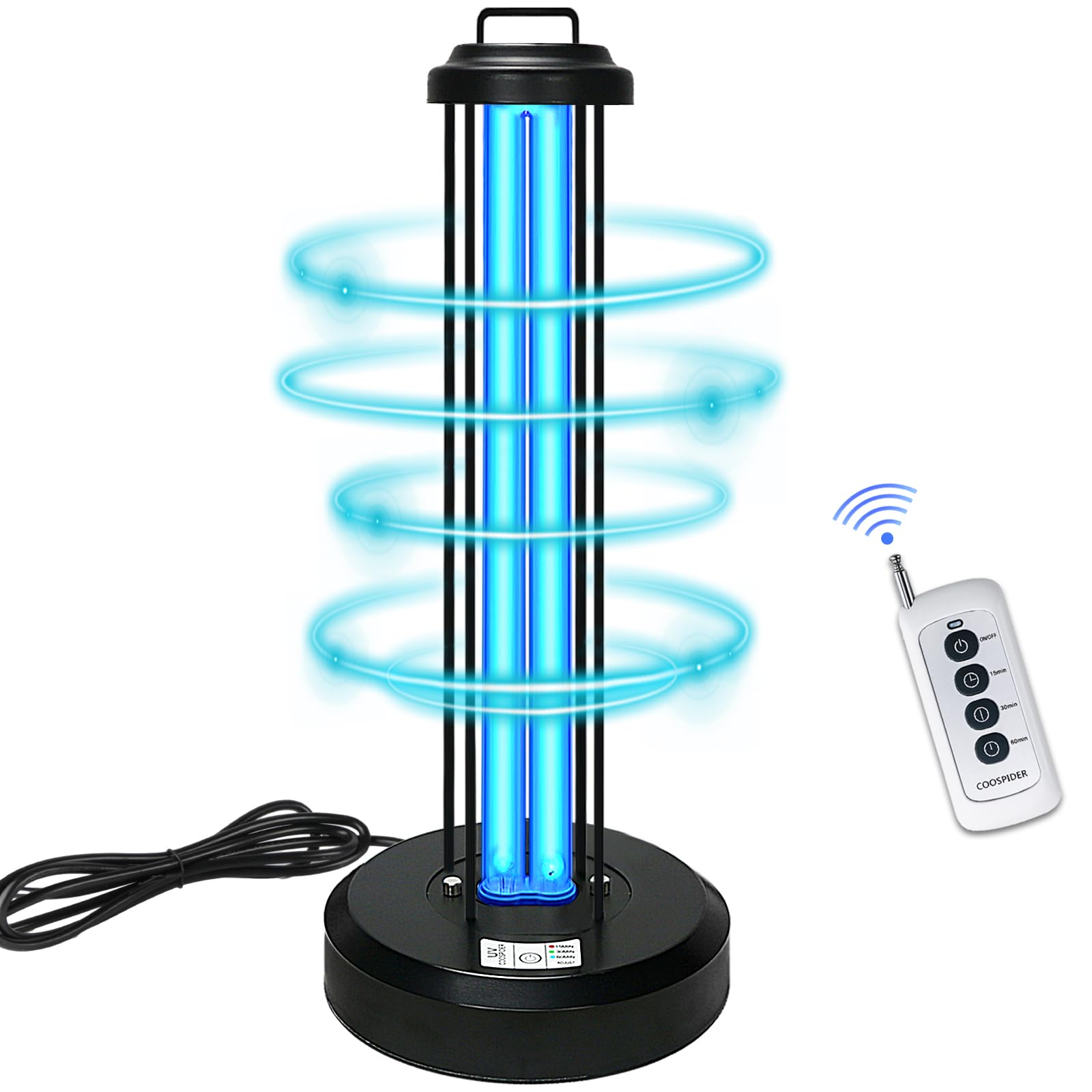
UV-C photocatalytic oxidation (often shortened to PCO) works differently from filtration.
Instead of trapping contaminants, it breaks them down chemically.
The system combines two components:
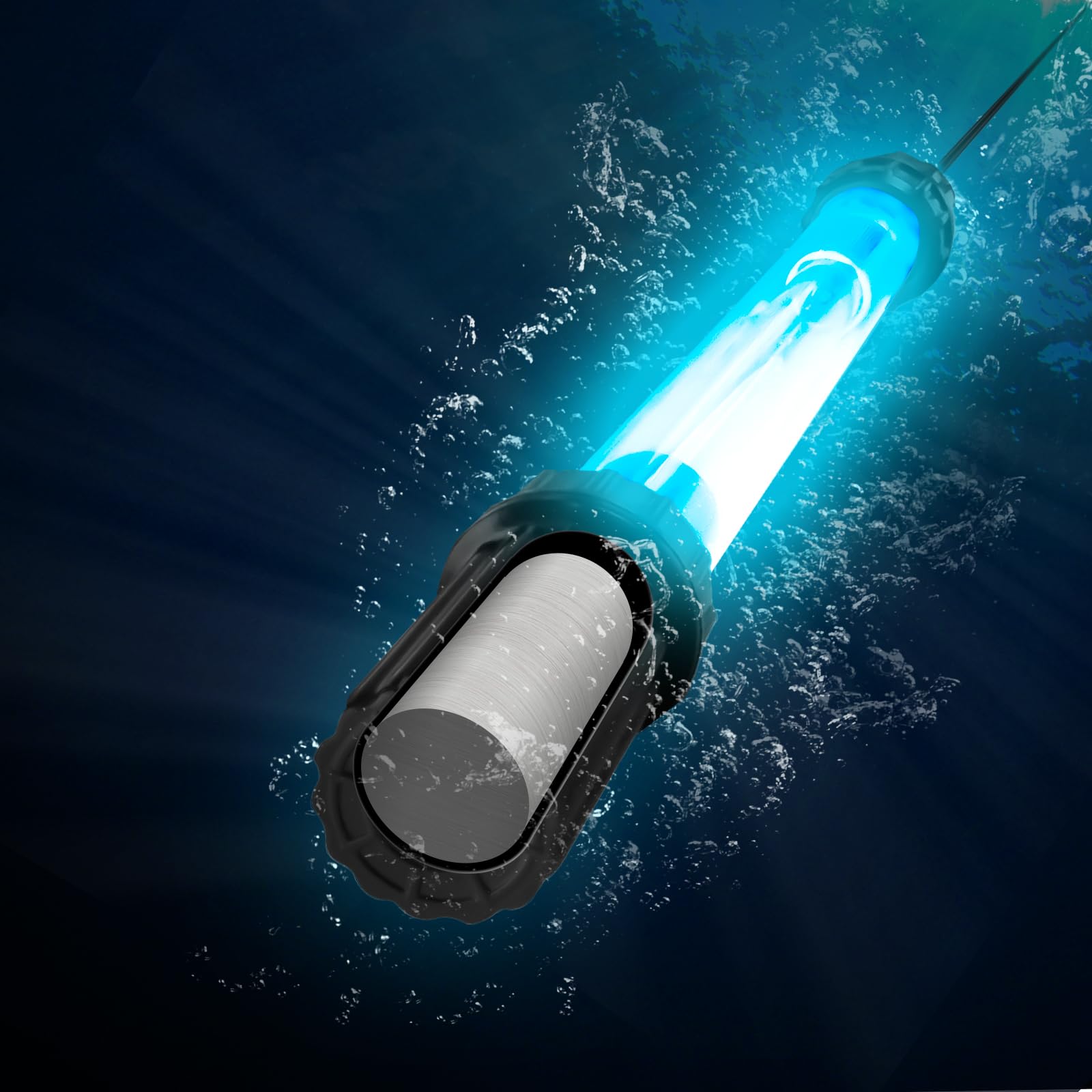
- UV-C light
- A photocatalyst surface (commonly titanium dioxide)
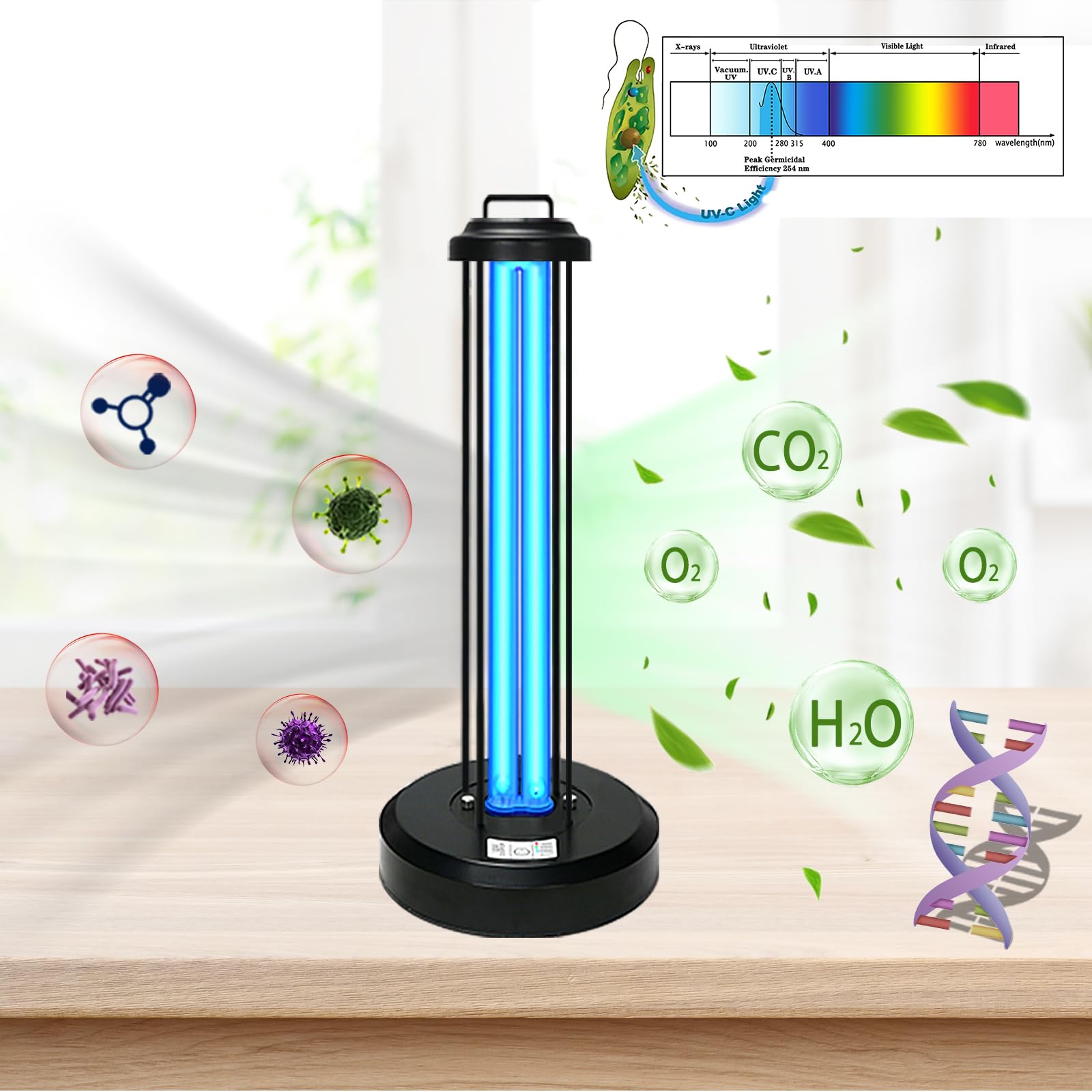
When UV-C light shines on the catalyst, a reaction begins that produces highly reactive molecules capable of oxidizing pollutants.
What Happens During Photocatalytic Oxidation?
At the microscopic level, several processes occur simultaneously:
- UV-C energy activates the catalyst surface.
- Water vapor and oxygen interact with the activated surface.
- Reactive oxidizing agents form.
- VOC molecules contact the surface.
- Chemical bonds break apart.
- Pollutants convert into simpler compounds such as carbon dioxide and water vapor.
Rather than storing pollutants, the technology transforms them.
Why UV-C Is Essential to the Process
UV-C light operates within a wavelength range that carries enough energy to initiate photochemical reactions.
Unlike visible light, UV-C can:
- Disrupt molecular bonds
- Activate catalyst materials
- Neutralize microorganisms
- Accelerate oxidation reactions
Without UV-C illumination, photocatalytic surfaces remain inactive.
How UV-C Photocatalytic Systems Work Inside Homes
Most residential systems install directly into central HVAC equipment.
As air circulates:
- Return air passes through the treatment chamber.
- UV-C activates the catalyst.
- Pollutants contact the reactive surface.
- Odor-causing compounds break down.
- Cleaner air distributes throughout the home.
Because HVAC systems continuously cycle air, purification occurs gradually but consistently.
Renovation Odors Targeted by Photocatalytic Technology
UV-C photocatalytic systems are particularly effective against:
- Paint fumes
- Adhesive smells
- Cabinet off-gassing
- Flooring chemical odors
- Smoke residue
- Cooking odors
- Pet-related smells
These pollutants share a common trait: they are gaseous organic compounds susceptible to oxidation.
Why Odors Seem Stronger in Modern Homes
Energy-efficient construction plays a role.
Modern homes often feature:
- Improved insulation
- Airtight windows
- Sealed building envelopes
- Reduced natural ventilation
While beneficial for energy savings, these features trap pollutants indoors.
Without active air treatment, contaminants recirculate repeatedly.
UV-C Photocatalytic Technology vs. Standard Air Purifiers
| Feature | Traditional Purifier | Photocatalytic System |
|---|---|---|
| Removes particles | Yes | Yes (indirectly) |
| Neutralizes gases | Limited | Strong capability |
| Continuous treatment | Room-based | Whole-home |
| Odor masking | Sometimes | No masking |
| Chemical transformation | No | Yes |
Photocatalytic systems complement filtration rather than replace it.
Additional Benefits Beyond Odor Removal
Homeowners often notice improvements extending beyond smell reduction.
Reduced Microbial Growth
UV-C exposure limits bacteria and mold development within HVAC systems.
Fresher Indoor Atmosphere
Air feels lighter and less stagnant due to reduced chemical buildup.
Improved Comfort Perception
Cleaner air often enhances perceived temperature comfort.
Support for Allergy-Sensitive Occupants
Lower pollutant levels may reduce irritation triggers.
The Role of Humidity in Odor Persistence
Humidity affects both VOC emissions and chemical reactions.
Higher humidity can:
- Increase off-gassing rates
- Intensify odors
- Support microbial growth
Photocatalytic systems operate alongside humidity control strategies such as:
- Proper HVAC sizing
- Dehumidification
- Balanced ventilation
Together they stabilize indoor conditions.
Safety Considerations
Properly installed systems are enclosed within HVAC equipment.
Key safety elements include:
- Shielded UV-C lamps
- No direct exposure to occupants
- Controlled airflow pathways
- Professional installation standards
When installed correctly, UV-C light remains confined to internal treatment chambers.
Installation Locations
Typical placement areas include:
- Air handler cabinets
- Supply plenums
- Return air ducts
- Coil compartments
Positioning ensures maximum air contact time with the catalyst.
Maintenance Requirements
Maintenance is relatively simple:
- Replace UV-C bulbs annually
- Inspect catalyst surfaces
- Clean dust accumulation during HVAC servicing
Consistent maintenance preserves reaction efficiency.
How Long Before Odors Improve?
Results vary depending on:
- Severity of renovation emissions
- Home size
- Air circulation rate
- Material types
Many homeowners notice gradual improvement within days, with continued reduction over several weeks as air cycles repeatedly.
Unlike temporary solutions, improvement accumulates over time.
Combining Photocatalytic Technology With Smart IAQ Practices
Best results occur when technology supports good habits.
Recommended practices include:
- Using low-emission materials when possible
- Running HVAC systems consistently after renovation
- Replacing filters regularly
- Maintaining balanced humidity
- Ventilating during early off-gassing stages
Technology enhances — not replaces — foundational air quality practices.
Common Misconceptions About UV-C Systems
Myth: UV Systems Instantly Remove All Odors
Air cleaning happens progressively as air circulates.
Myth: Opening Windows Works Just as Well
Ventilation dilutes pollutants temporarily but does not chemically transform them.
Myth: All UV Devices Are the Same
Effectiveness depends on wavelength, placement, and catalyst design.
Environmental Advantages
Photocatalytic oxidation offers a chemical-free approach to odor reduction.
Benefits include:
- Reduced reliance on fragrances
- Fewer disposable filters compared to heavy carbon use
- Continuous operation without added chemicals
This approach aligns with long-term sustainability goals.
Who Benefits Most From IAQ Upgrades?
Photocatalytic systems are especially helpful for:
- Newly renovated homes
- Newly constructed houses
- Families sensitive to odors
- Urban homes with limited ventilation
- Homes with new furniture installations
- Energy-efficient airtight residences
These environments commonly experience prolonged VOC exposure.
The Future of Indoor Air Quality Technology
IAQ innovation continues evolving rapidly.
Emerging developments include:
- Smart monitoring sensors
- Integrated air-quality analytics
- Hybrid purification systems
- Energy-efficient UV designs
- Automated airflow optimization
Indoor air treatment is increasingly viewed as part of overall home wellness rather than a luxury upgrade.
Final Thoughts: Moving Beyond Masking Odors
Renovation transforms a home visually, but invisible changes occur in the air long after construction ends. Lingering odors often signal ongoing chemical emissions rather than temporary inconvenience.
UV-C photocatalytic technology represents a shift from masking smells to addressing their molecular origins. By actively breaking down airborne pollutants instead of trapping or covering them, these systems support cleaner indoor environments throughout the entire home.
As homeowners become more aware of indoor air quality, solutions that work continuously behind the scenes are gaining attention. Integrated within existing HVAC systems, photocatalytic treatment quietly improves air circulation day after day, helping renovated spaces feel truly complete — not just visually refreshed, but breathable and comfortable as well.
Investing in indoor air quality is ultimately an investment in how a home feels, functions, and supports everyday living long after renovation dust settles.