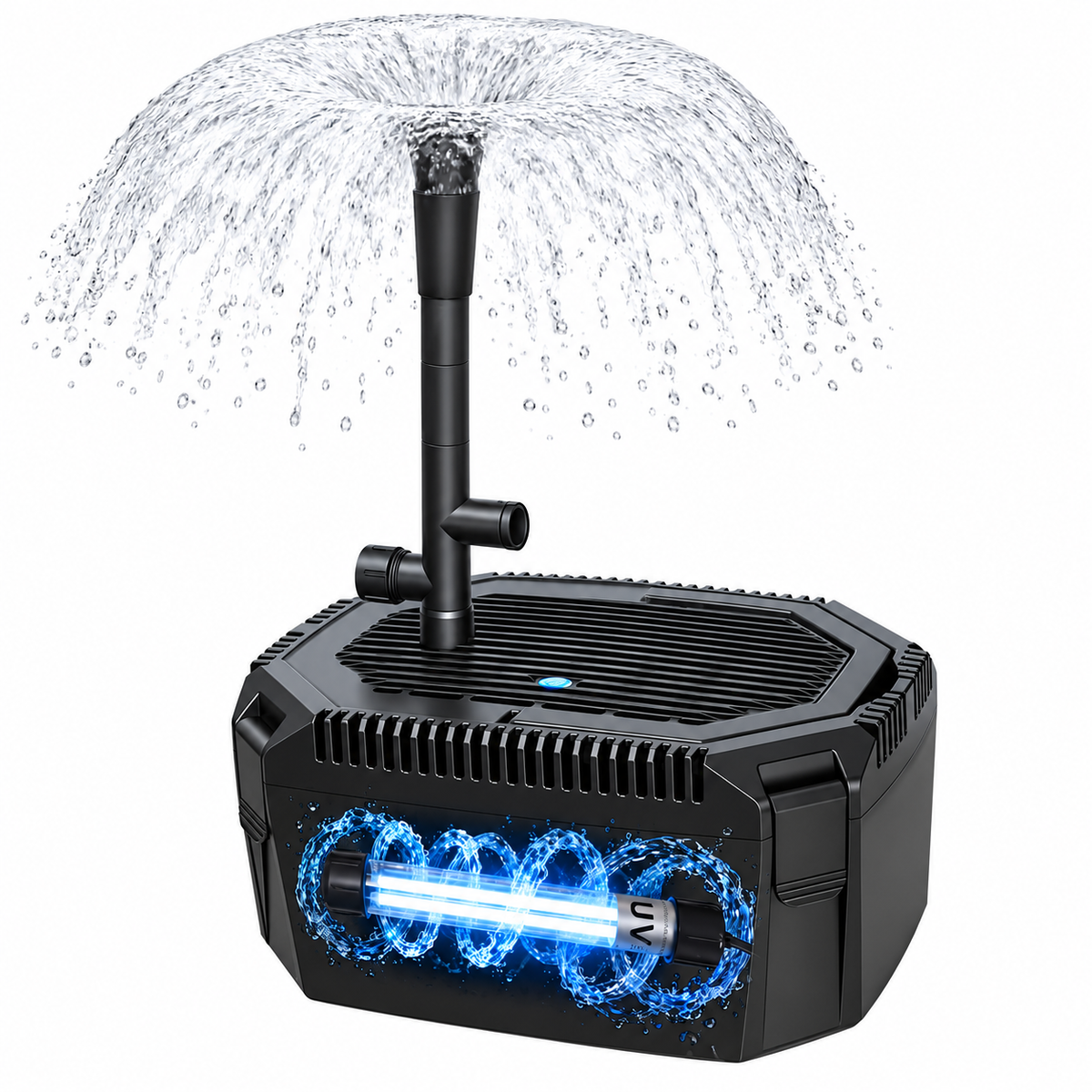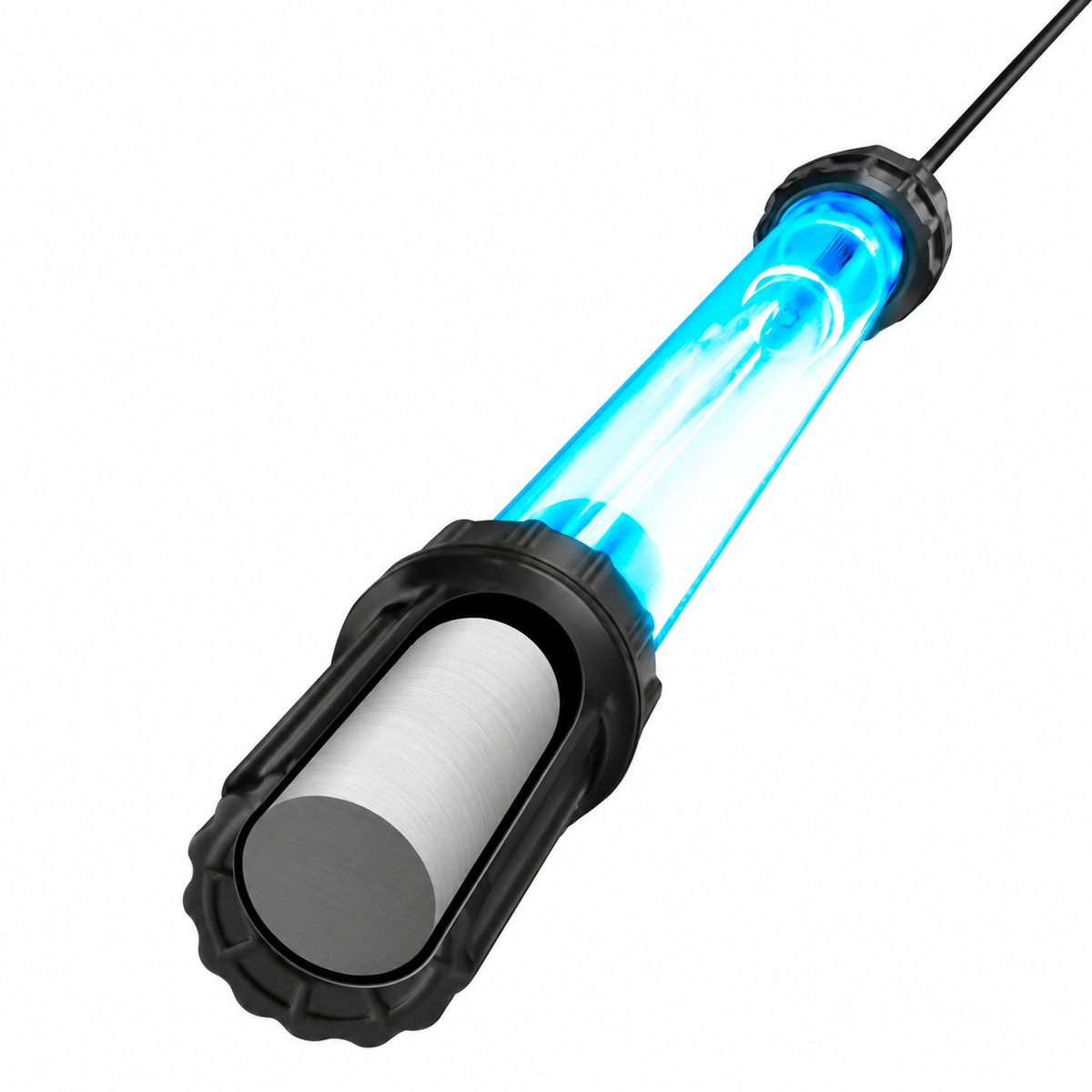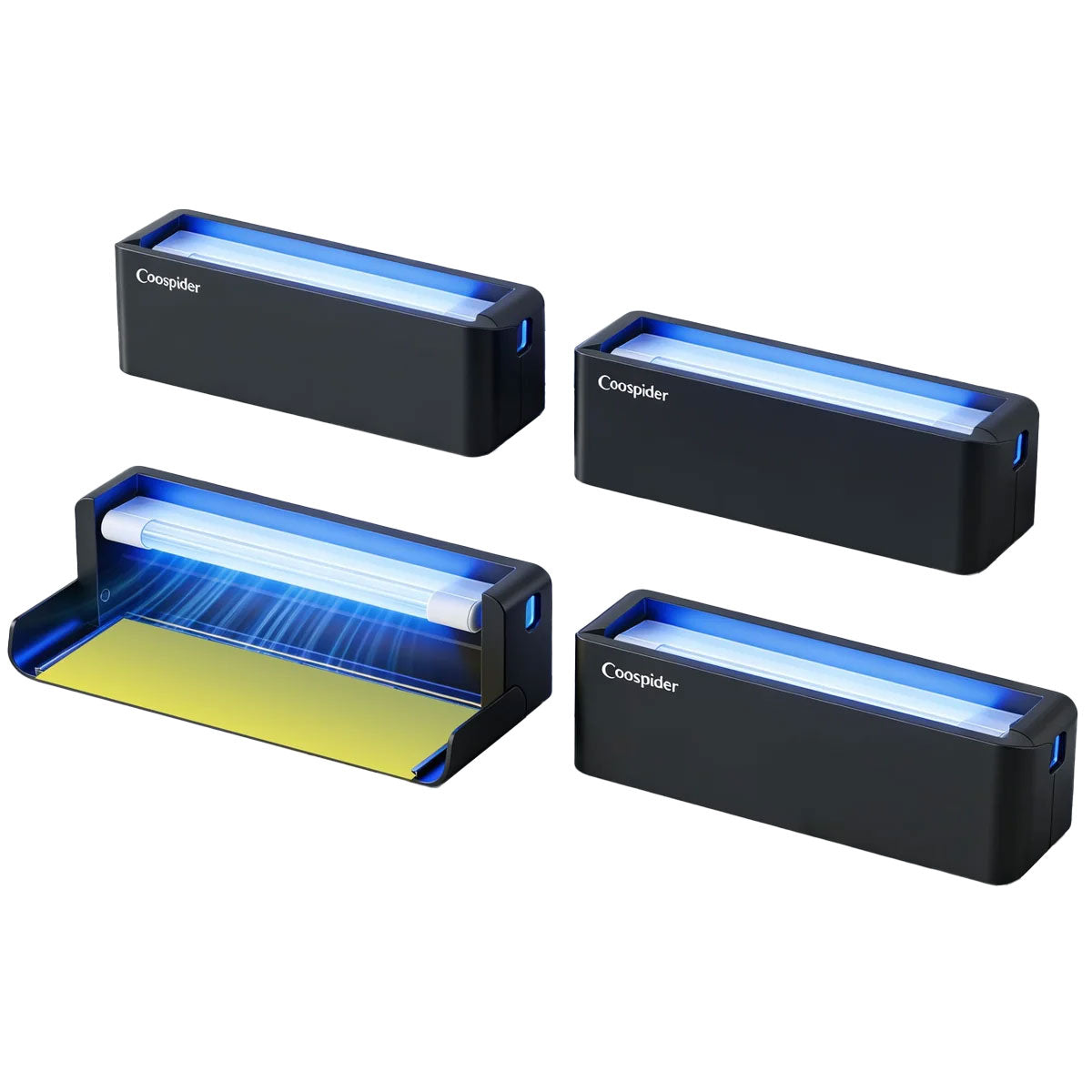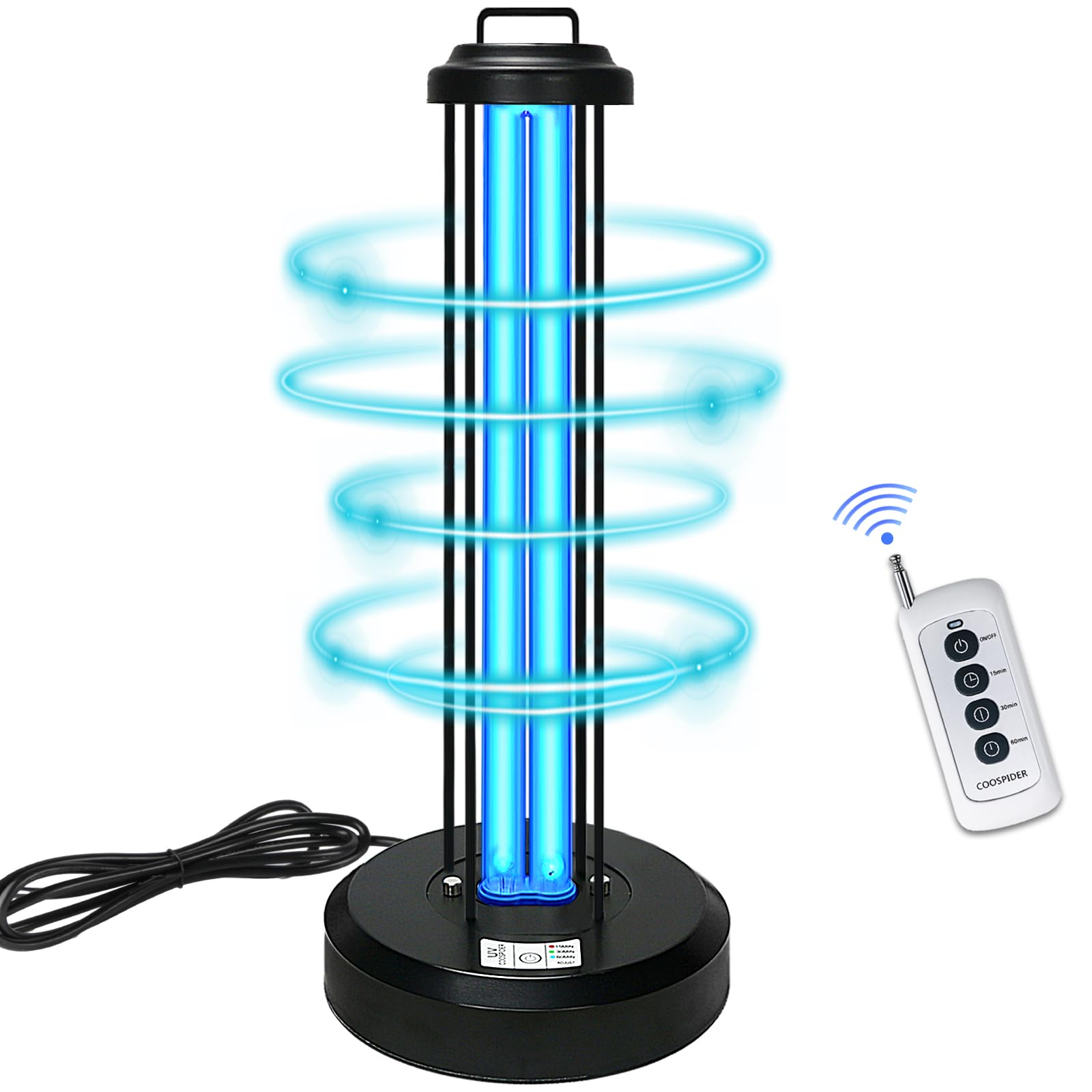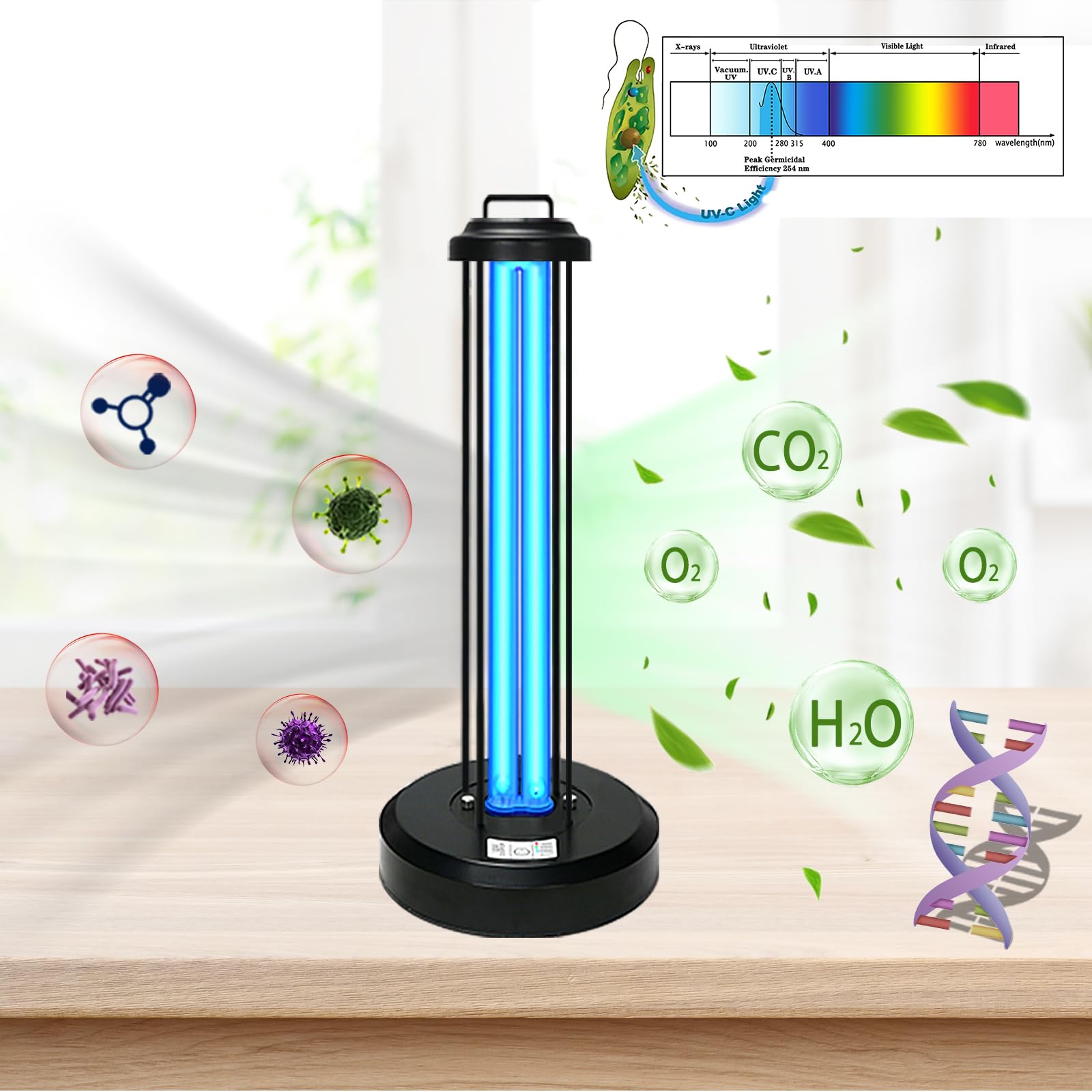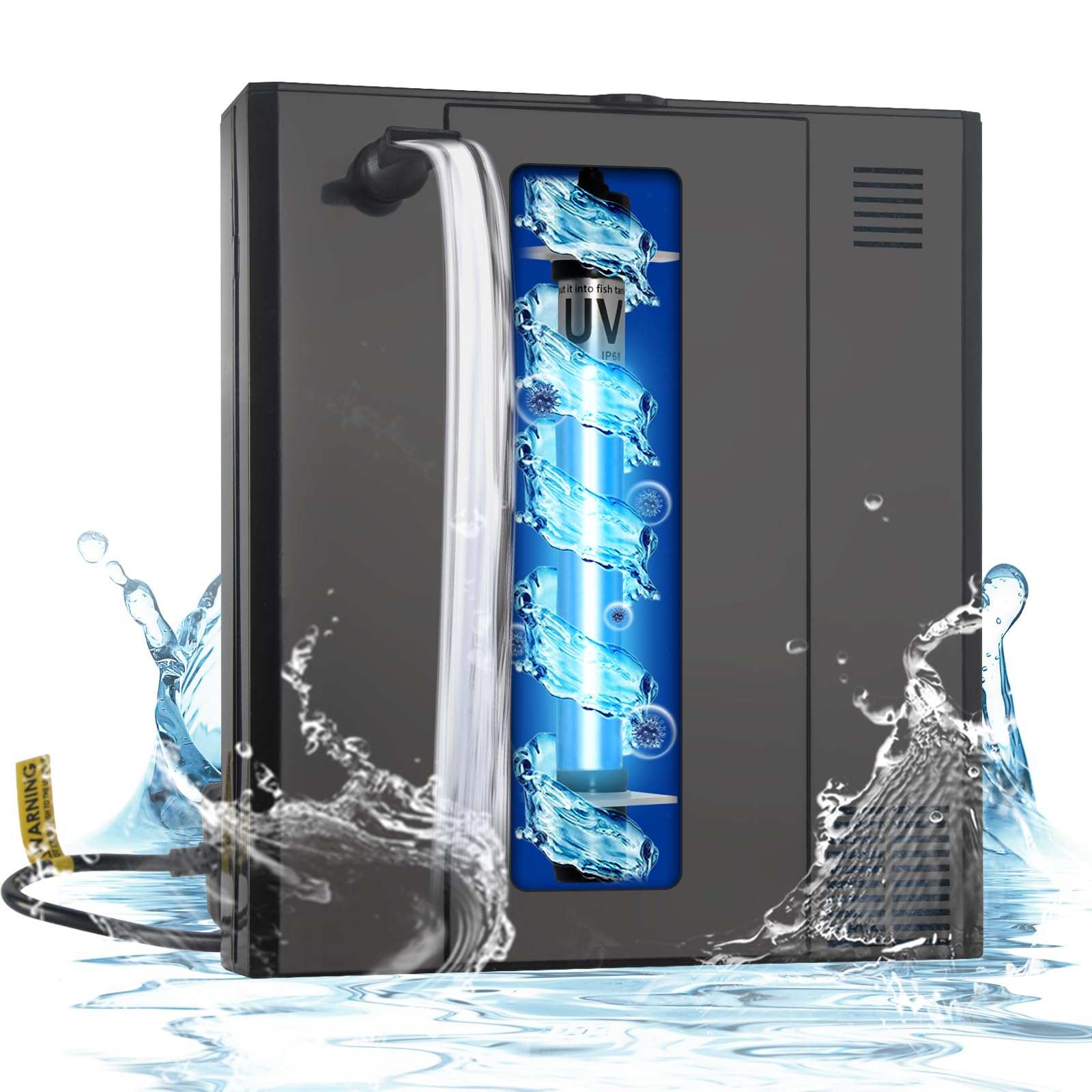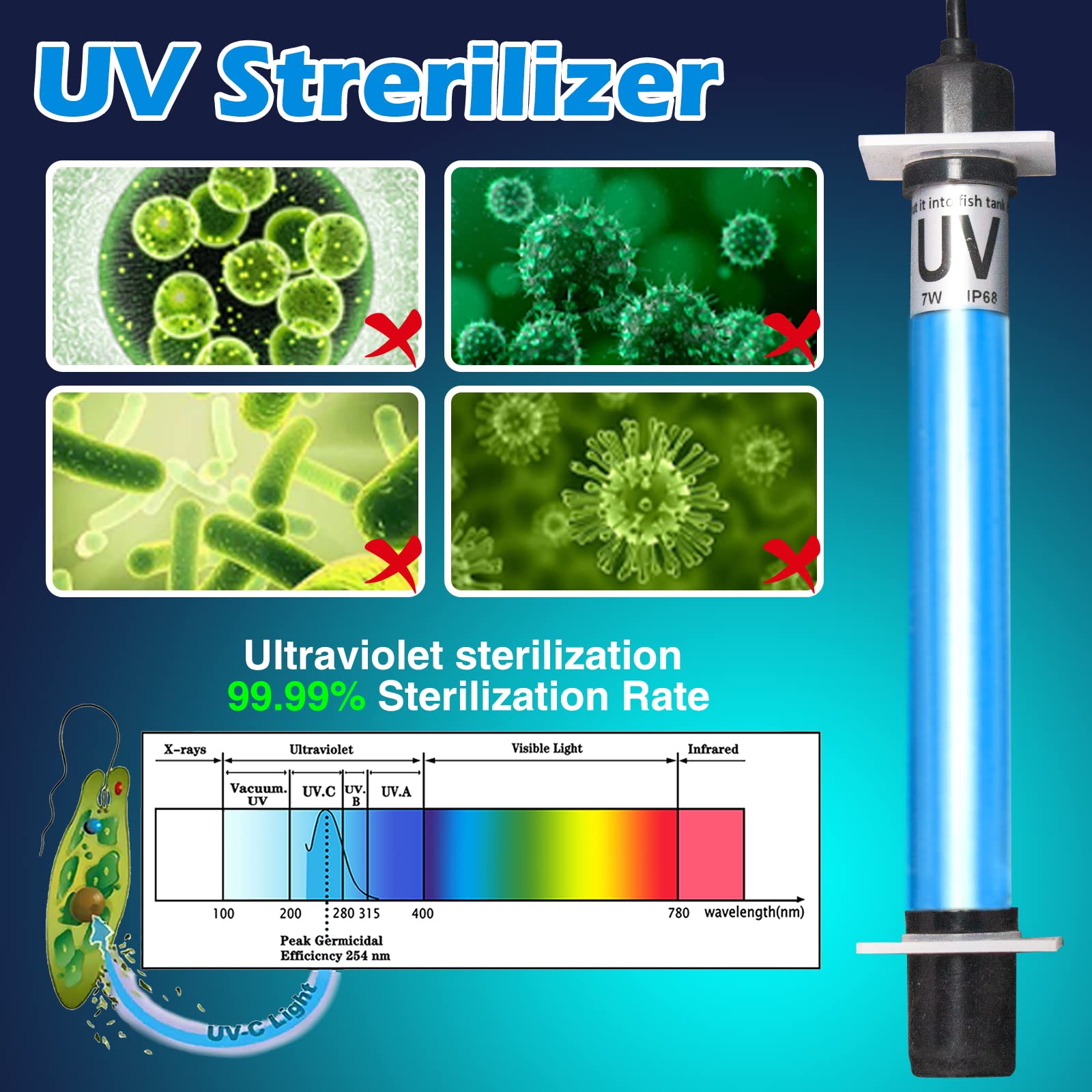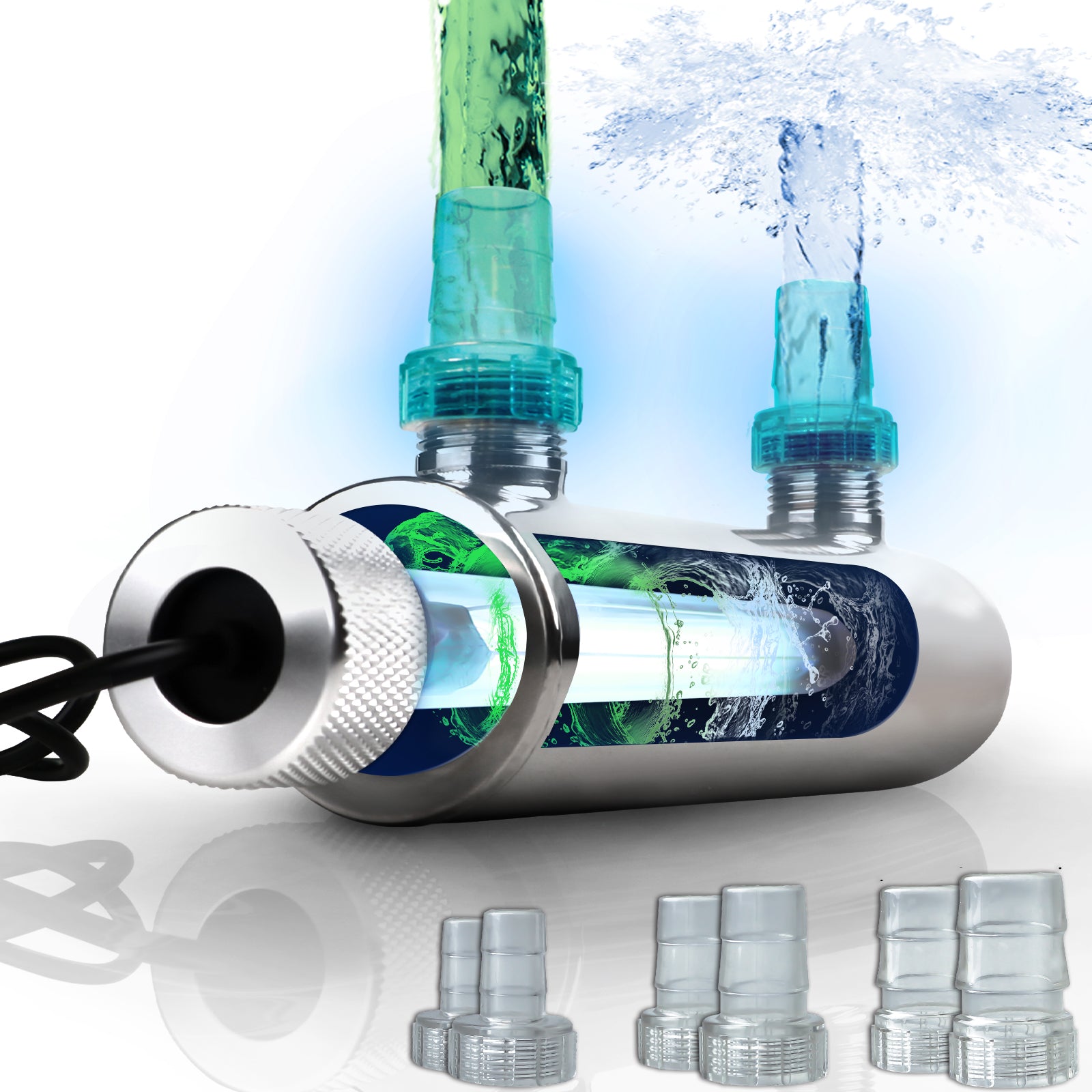
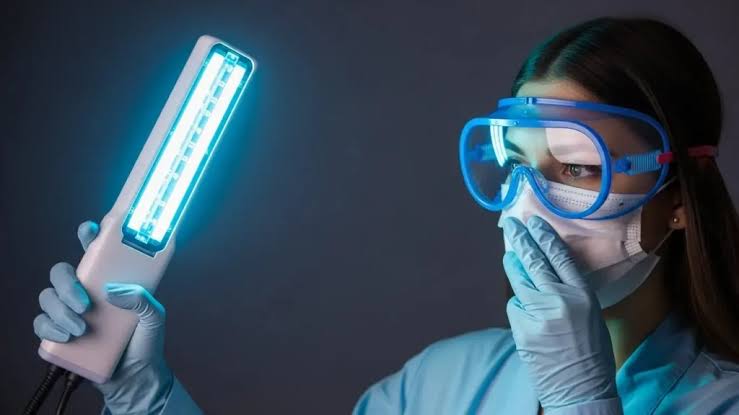
Ultraviolet (UV) lamps have become an essential technology in healthcare facilities, laboratories, water treatment systems, industrial manufacturing, commercial sanitation, and even residential environments. Whether used for air purification, surface disinfection, or sterilizing equipment, UV lamps provide an efficient way to reduce microorganisms without relying on chemical disinfectants.
However, despite their many benefits, UV lamps are not risk-free. One of the most common safety concerns is accidental exposure. A few seconds of direct exposure may not seem alarming, especially since UV radiation is invisible and often painless at first. Yet depending on the wavelength, intensity, and duration, accidental exposure can lead to skin irritation, eye injuries, and other health concerns.
The good news is that most accidental UV exposures can be managed effectively if you know how to respond. Acting quickly, recognizing symptoms, and understanding when to seek medical attention can significantly reduce the likelihood of complications.
This comprehensive guide explains exactly what to do if you are accidentally exposed to UV light, why different types of UV radiation affect the body differently, and how to prevent similar incidents in the future.
Understanding UV Lamp Exposure
Before discussing first aid, it's important to understand what happens during UV exposure.
Ultraviolet radiation is divided into three primary categories:
UVA (315–400 nm)
UVA penetrates deeper into the skin and is commonly associated with:
-
Skin tanning
-
Premature aging
-
Pigmentation changes
-
Long-term oxidative stress
UVB (280–315 nm)
UVB affects the outer layers of the skin and is responsible for:
-
Sunburn
-
Inflammation
-
Direct DNA damage
-
Increased sensitivity
UVC (100–280 nm)
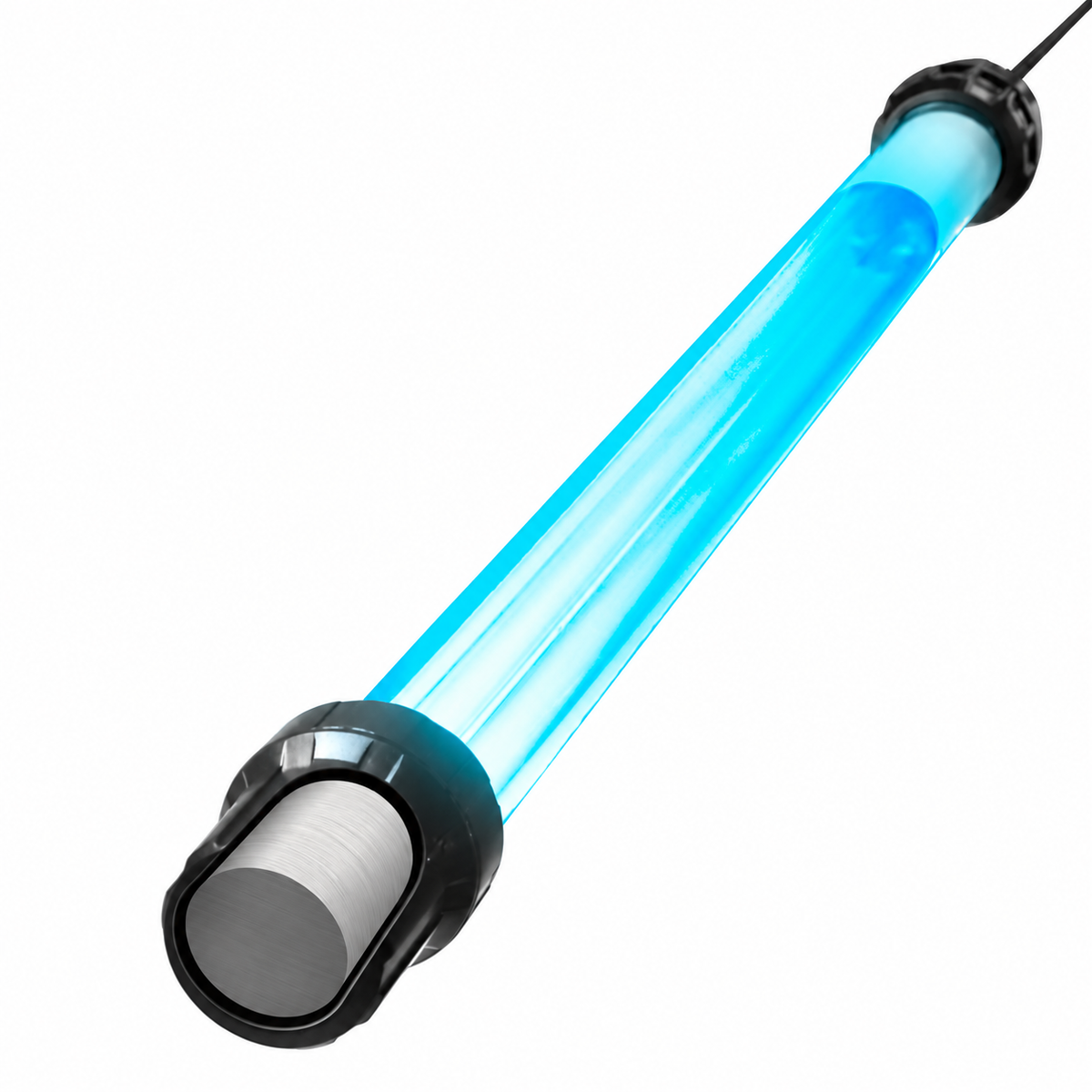
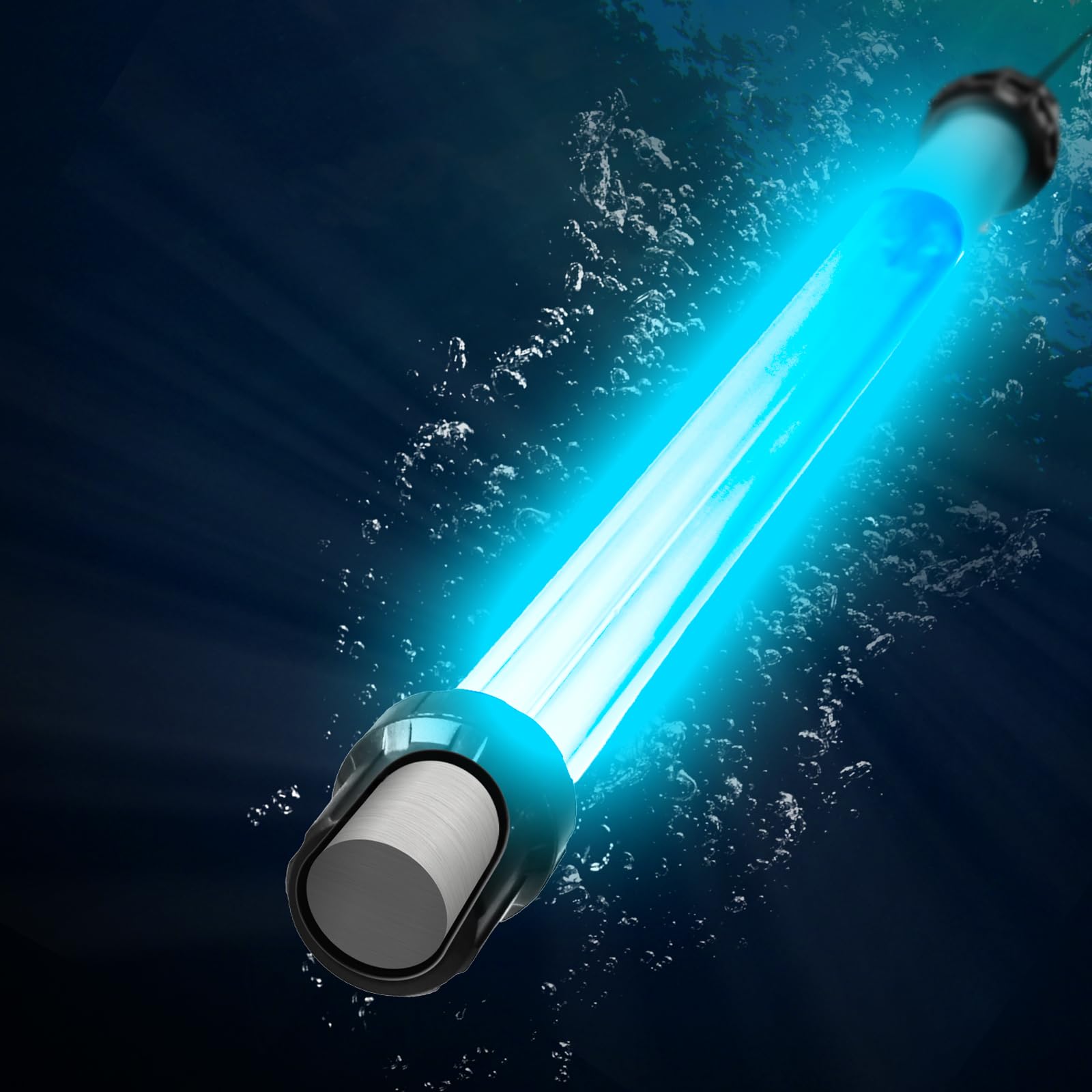
UVC is commonly produced by germicidal lamps.
It has enough energy to damage the DNA and RNA of microorganisms, making it highly effective for disinfection. However, direct exposure can also injure human skin and eyes.
Most accidental workplace or household UV lamp injuries involve UVC exposure.
Why UV Exposure Can Be Deceptive
One of the biggest dangers is that UV exposure often doesn't cause immediate pain.
Unlike touching a hot surface, UV radiation typically causes delayed symptoms.
You may feel perfectly normal immediately after exposure.
Several hours later, symptoms can begin developing, including:
-
Eye pain
-
Redness
-
Excessive tearing
-
Skin irritation
-
Burning sensation
-
Increased sensitivity to light
Because of this delay, many people underestimate the seriousness of accidental exposure.
Step One: Stop the Exposure Immediately
The first and most important action is simple:
Immediately move away from the UV source.
If possible:
-
Turn off the UV lamp.
-
Disconnect the power if it is safe to do so.
-
Leave the exposure area.
-
Prevent others from entering until the equipment is secured.
Every additional second of exposure increases the radiation dose received.
Step Two: Determine Which Body Parts Were Exposed
Not every exposure affects the same areas.
Ask yourself:
-
Were your eyes exposed?
-
Was bare skin exposed?
-
Was exposure direct or reflected?
-
Approximately how long did it last?
-
What type of UV lamp was involved?
Knowing these details will help determine the appropriate response and assist healthcare providers if medical evaluation becomes necessary.
What to Do If Your Eyes Were Exposed
The eyes are among the most sensitive parts of the body to ultraviolet radiation.
Even short exposure to UVC can cause inflammation of the cornea, a condition commonly known as photokeratitis.
Common symptoms include:
-
Eye pain
-
Feeling like sand is in the eyes
-
Excessive tearing
-
Redness
-
Blurred vision
-
Light sensitivity
-
Difficulty keeping the eyes open
Symptoms often appear between 3 and 12 hours after exposure.
Immediate actions
If your eyes were exposed:
-
Leave the UV source immediately.
-
Do not rub your eyes.
-
Remove contact lenses if they can be taken out comfortably.
-
Rest your eyes in a dimly lit room.
-
Wear sunglasses if light causes discomfort.
Avoid using over-the-counter eye drops unless recommended by a healthcare professional, as some products may not be appropriate for UV-related injuries.
When Should You Seek Medical Care for Eye Exposure?
Professional evaluation is recommended if:
-
Vision becomes blurry.
-
Eye pain is moderate to severe.
-
Symptoms worsen over several hours.
-
Both eyes are affected.
-
You cannot comfortably keep your eyes open.
-
Symptoms persist beyond 24 hours.
Prompt assessment helps rule out more serious injuries and ensures appropriate treatment if needed.
What to Do If Your Skin Was Exposed
Skin reactions vary depending on:
-
UV wavelength
-
Exposure intensity
-
Duration
-
Individual skin sensitivity
Common symptoms include:
-
Redness
-
Warmth
-
Mild swelling
-
Dryness
-
Itching
-
Tenderness
More significant exposure may produce symptoms similar to sunburn.
Immediate care for skin exposure
If exposed:
-
Leave the UV source.
-
Cover the affected area.
-
Cool the skin with clean, cool (not ice-cold) water.
-
Avoid additional UV exposure until the skin has recovered.
-
Wear loose-fitting clothing if irritation develops.
Avoid applying harsh chemicals or alcohol-based products to irritated skin.
Monitor Symptoms Over the Next 24 Hours
Because UV injuries often develop gradually, observation is important.
Watch for:
Skin
-
Increasing redness
-
Blistering
-
Swelling
-
Persistent pain
Eyes
-
Worsening discomfort
-
Vision changes
-
Persistent tearing
-
Increased light sensitivity
General
-
Headache
-
Fatigue
-
Difficulty concentrating due to eye discomfort
If symptoms become progressively worse rather than improving, medical evaluation is advisable.
Should You Use Ice?
Many people instinctively apply ice directly to irritated skin.
This is generally not recommended.
Instead:
-
Use cool compresses.
-
Apply clean, damp cloths.
-
Avoid prolonged direct ice contact, which may further irritate already sensitive skin.
What About Moisturizers?
For mild skin irritation:
Gentle fragrance-free moisturizers may help reduce dryness after the initial cooling period.
However:
Avoid products containing:
-
Alcohol
-
Strong fragrances
-
Harsh exfoliants
-
Retinoids
-
Chemical peels
The skin barrier may already be compromised.
Can You Continue Working After Exposure?
That depends on the severity.
If exposure was brief and no symptoms develop, many people can resume normal activities while continuing to monitor themselves.
However, if you experience:
-
Eye discomfort
-
Vision changes
-
Significant skin irritation
-
Difficulty seeing clearly
You should stop operating machinery, driving, or performing tasks requiring precise vision until symptoms have been evaluated.
Common Mistakes After UV Exposure
Many people unintentionally make the situation worse.
Avoid these mistakes.
Ignoring delayed symptoms
Feeling fine immediately does not mean no injury occurred.
Continuing exposure
Do not resume work around the active UV source until it has been properly secured.
Rubbing irritated eyes
This can worsen inflammation.
Using inappropriate home remedies
Avoid applying toothpaste, essential oils, butter, or other unproven treatments to irritated skin.
Assuming redness is "just a tan"
UV lamp injuries are not the same as ordinary tanning.
Proper observation remains important.
When Should You Seek Emergency Medical Attention?
Immediate medical care is appropriate if you experience:
-
Severe vision loss
-
Extreme eye pain
-
Extensive skin blistering
-
Difficulty seeing
-
Signs of severe burns
-
Persistent symptoms that continue worsening
Fortunately, these situations are relatively uncommon but should never be ignored.
Preventing Future UV Exposure
The best treatment is prevention.
Simple safety habits dramatically reduce accidental exposure.
These include:
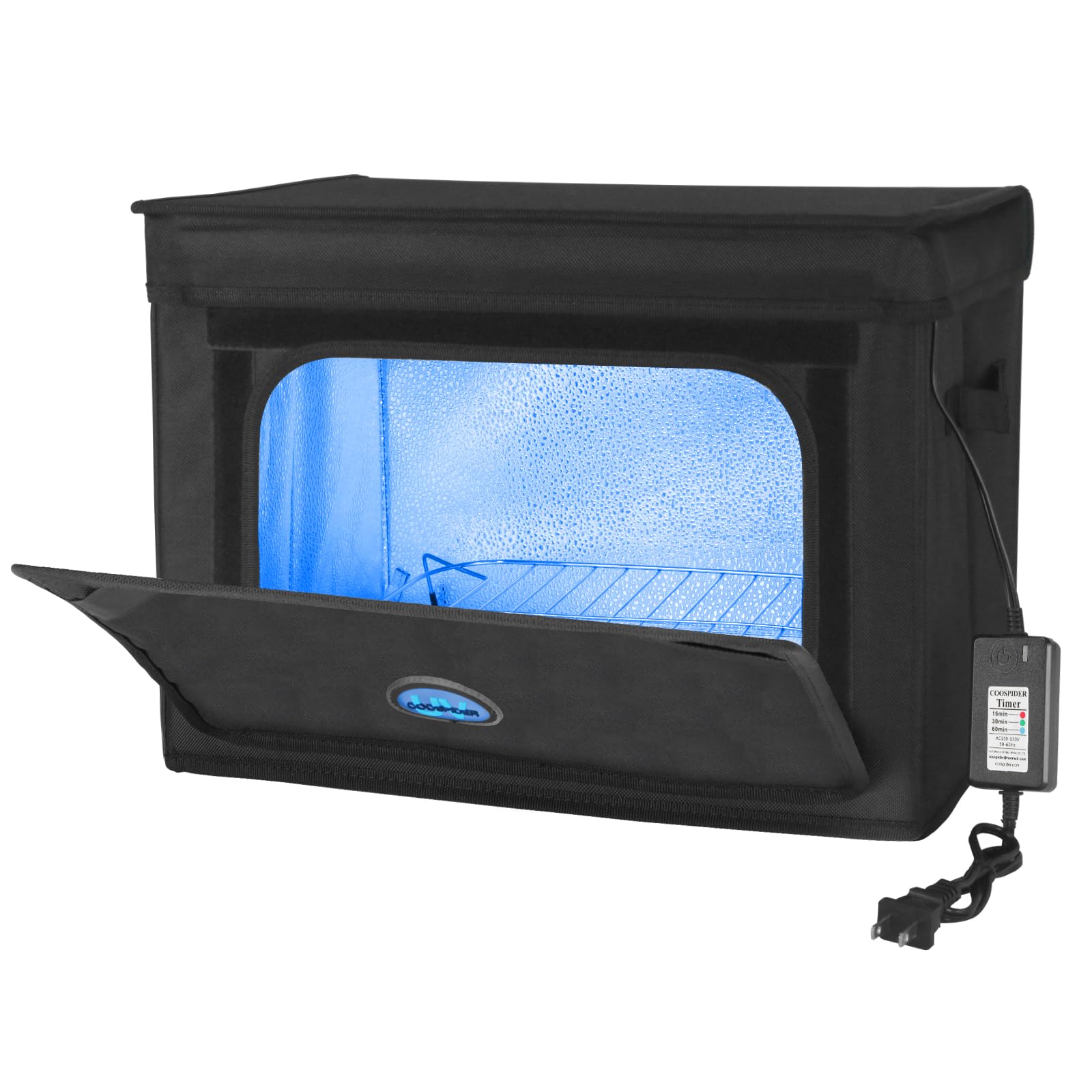
Use enclosed UV systems whenever possible
Enclosed chambers reduce direct exposure risk.
Follow manufacturer instructions
Every device has recommended operating distances, exposure times, and maintenance procedures.
Never bypass safety features
Motion sensors, automatic shutoffs, and protective covers exist for your protection.
Wear appropriate protective equipment
When maintaining industrial UV systems, appropriate UV-rated eye protection and protective clothing may be necessary.
Keep unauthorized people away
Children, visitors, and pets should never be present during operation of open UV systems.
Inspect equipment regularly
Damaged housings, broken shields, and worn components increase exposure risks.
Routine inspection helps identify problems before accidents occur.
Understanding Cumulative Exposure
Not every UV injury results from one major accident.
Repeated small exposures can accumulate over time.
For workers who regularly use UV equipment, consistent protection is especially important because cumulative radiation may contribute to:
-
Premature skin aging
-
Chronic eye irritation
-
Increased skin sensitivity
-
Long-term tissue damage
Preventing daily low-level exposure is just as important as avoiding major accidents.
Building a Workplace or Home UV Safety Plan
Preparation reduces panic during unexpected situations.
A basic UV safety plan should include:
-
Clearly labeled equipment
-
Operating instructions available nearby
-
Emergency shutdown procedures
-
Protective equipment easily accessible
-
Incident reporting procedures
-
Regular employee or family education
Good preparation ensures that everyone knows how to respond if accidental exposure occurs.
Frequently Asked Questions
Is every UV exposure dangerous?
Not necessarily.
Risk depends on wavelength, intensity, duration, distance, and whether the exposure was direct or indirect.
However, unnecessary exposure should always be avoided.
Can symptoms appear the next day?
Yes.
Eye symptoms especially may develop several hours after exposure.
This delayed onset is one reason UV injuries are often underestimated.
Should I keep working if my eyes feel uncomfortable?
No.
Eye discomfort may indicate UV-related injury.
Resting your eyes and seeking medical evaluation if symptoms worsen is the safest approach.
Can UV exposure permanently damage the skin?
Repeated or intense exposure may contribute to long-term skin changes, making prevention an essential part of safe UV lamp use.
Final Thoughts
Accidental exposure to UV lamps can happen in homes, workplaces, laboratories, healthcare facilities, and industrial settings. Because ultraviolet radiation is invisible and its effects are often delayed, it is easy to underestimate the seriousness of even a brief incident. Knowing how to respond promptly can make a significant difference in reducing discomfort and supporting recovery.
The key steps are straightforward: stop the exposure immediately, move away from the UV source, assess whether your eyes or skin were affected, provide appropriate first aid, monitor symptoms over the following hours, and seek medical care if symptoms become severe, persistent, or involve vision changes. Just as important, take the opportunity to identify what caused the exposure and strengthen your safety practices to prevent it from happening again.
UV technology is an effective tool for disinfection and sanitation, but it should always be used with respect and proper safeguards. By understanding the risks, recognizing early symptoms, and following evidence-based safety measures, you can confidently use UV equipment while protecting both your health and the well-being of those around you.