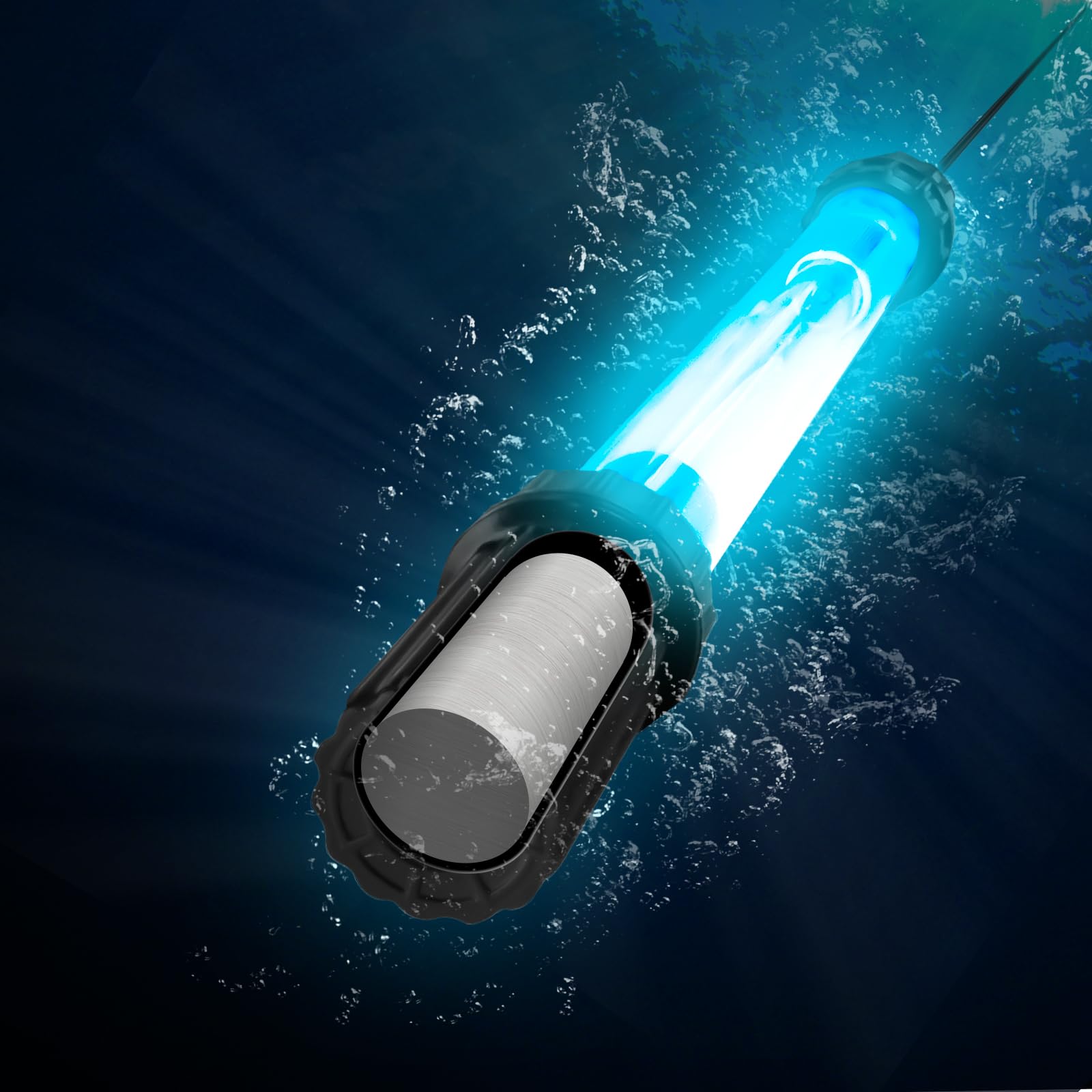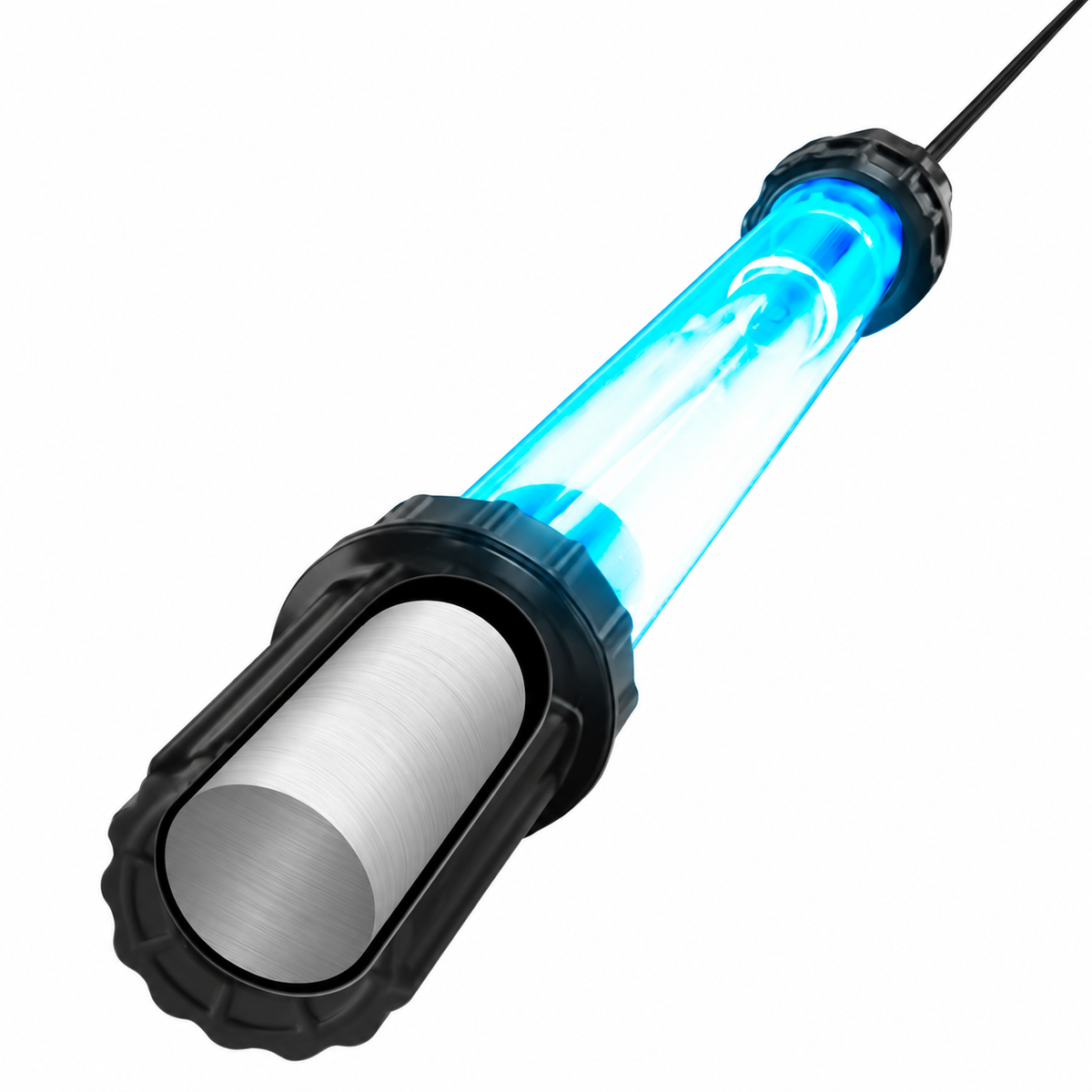
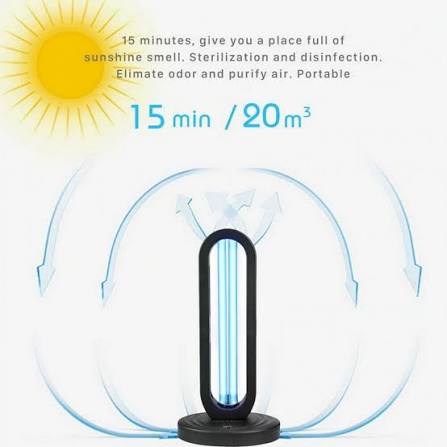
Ultraviolet (UV) disinfection lamps have become increasingly popular in homes around the world. From sanitizing everyday items like smartphones and keys to improving indoor hygiene through air and surface disinfection, UV technology offers a convenient, chemical-free way to reduce microorganisms when used correctly.
However, convenience can sometimes create a false sense of security. Many homeowners assume that because UV lamps are sold for residential use, they are automatically safe under all circumstances. In reality, UV radiation is a powerful form of energy that must be handled with care. The same ultraviolet light capable of damaging bacteria and viruses can also affect human skin and eyes if proper precautions are ignored.
Safe home use is not about avoiding UV technology altogether—it is about understanding its capabilities, respecting its limitations, and following proven safety practices. This comprehensive guide explores the "Golden Rules" for household UV lamp use, helping you enjoy the benefits of ultraviolet disinfection while protecting yourself, your family, and your pets.
Why UV Lamps Are Becoming Common in Modern Homes
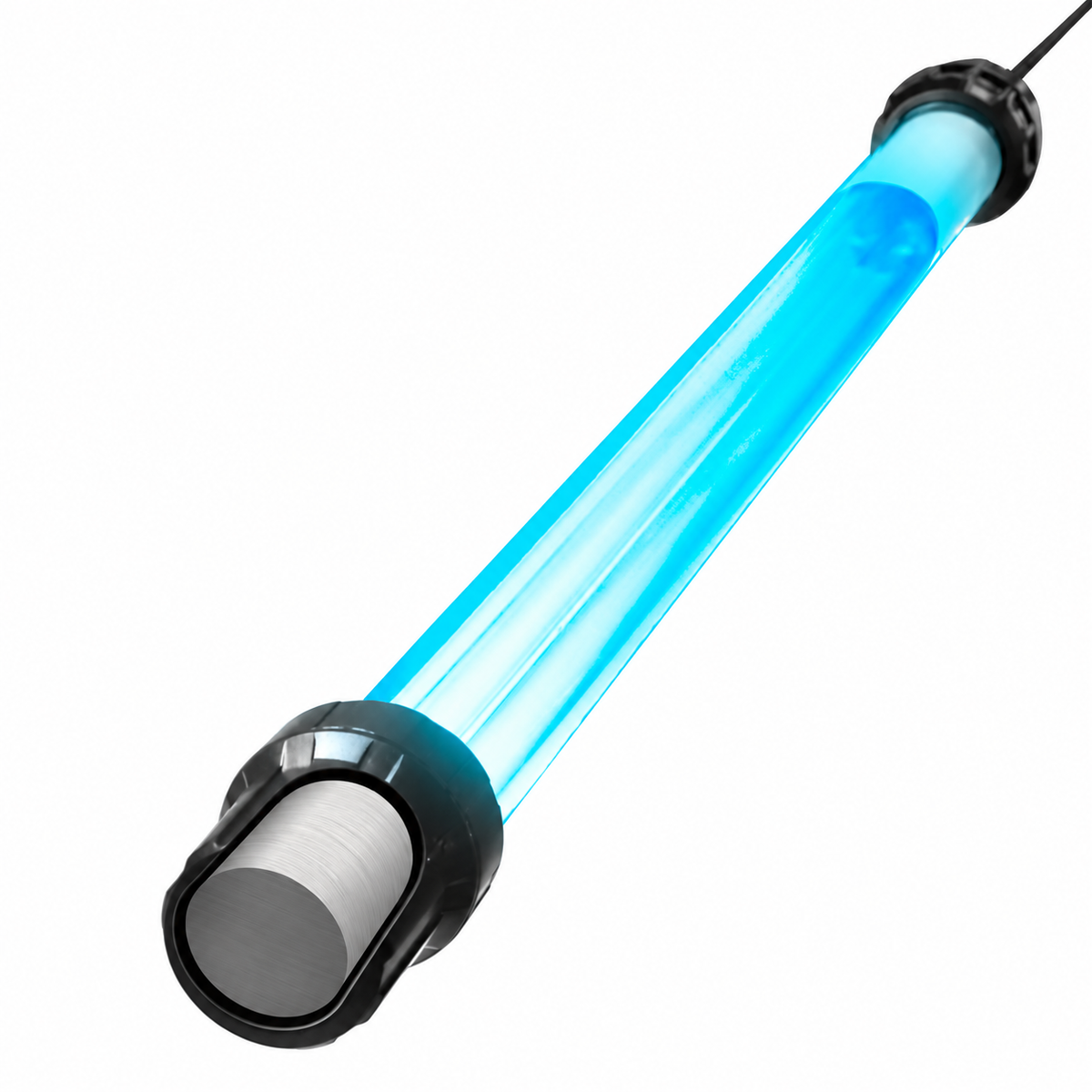
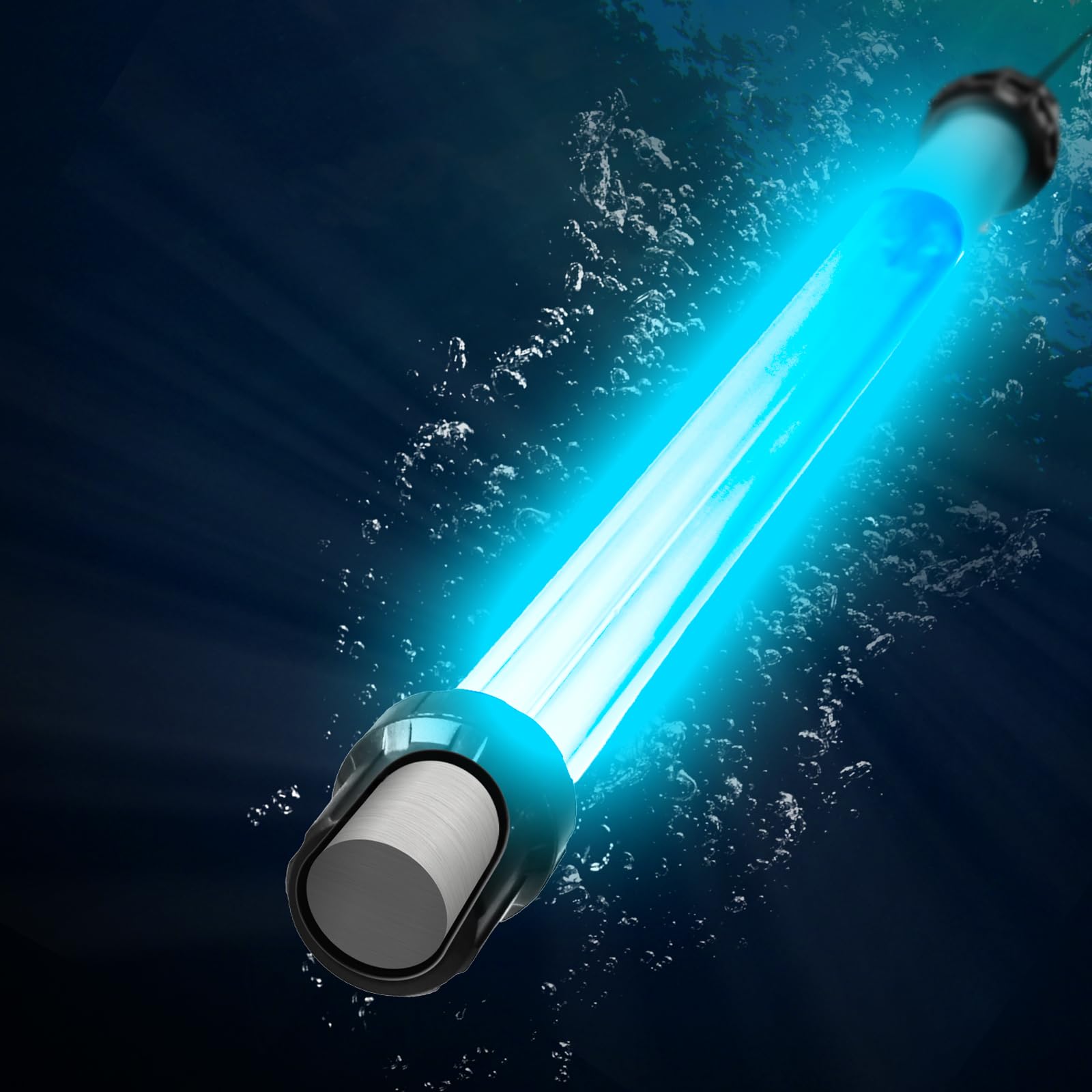
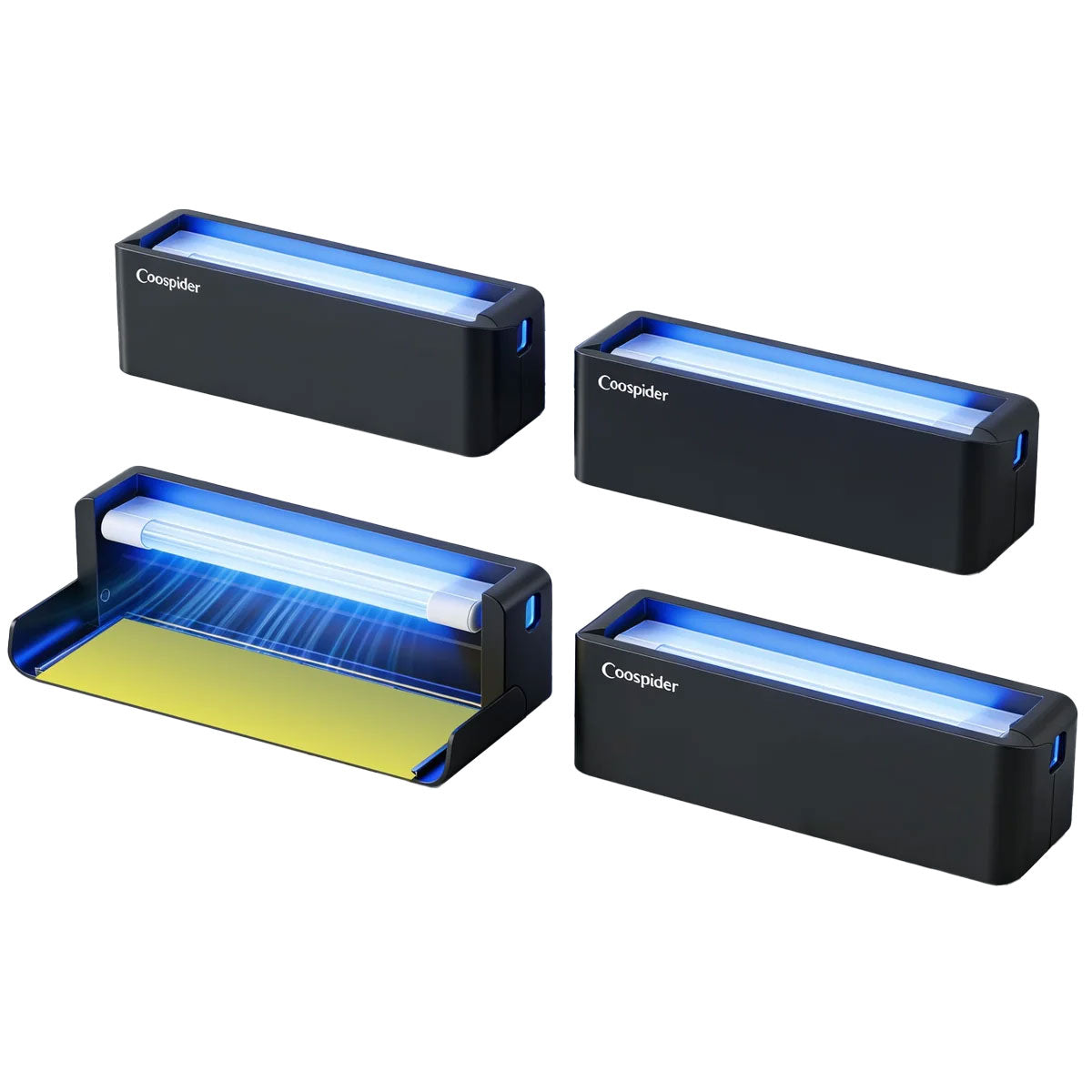
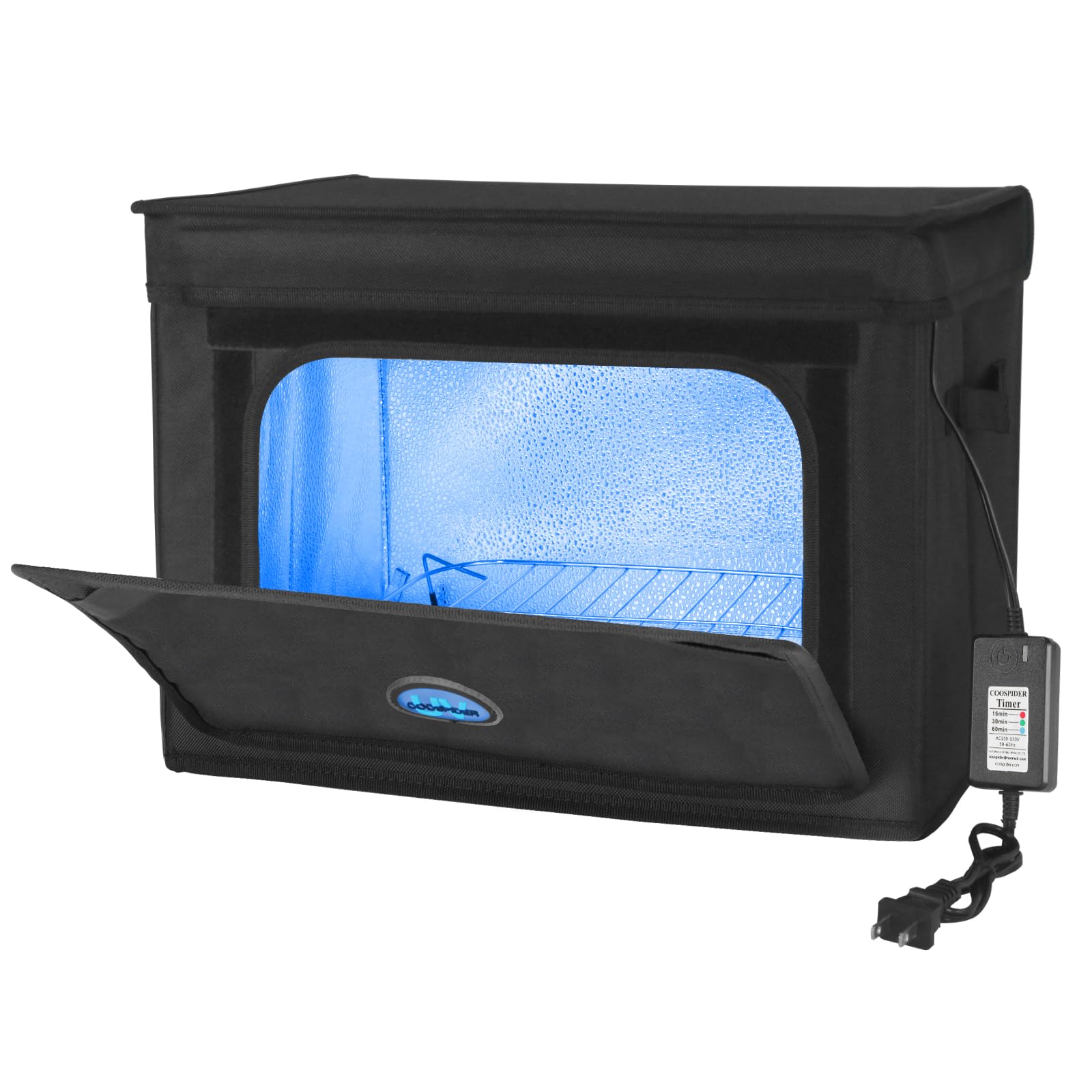
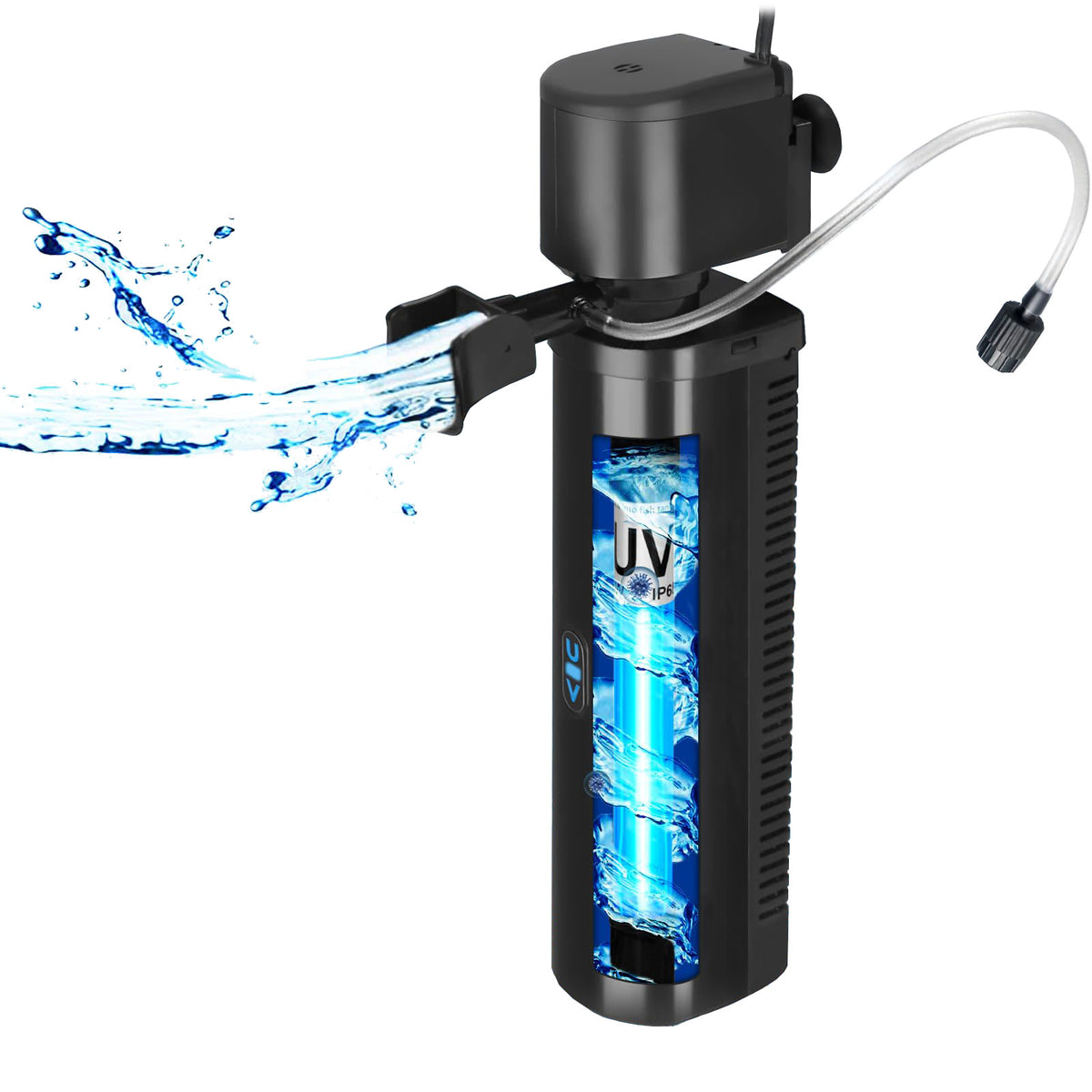
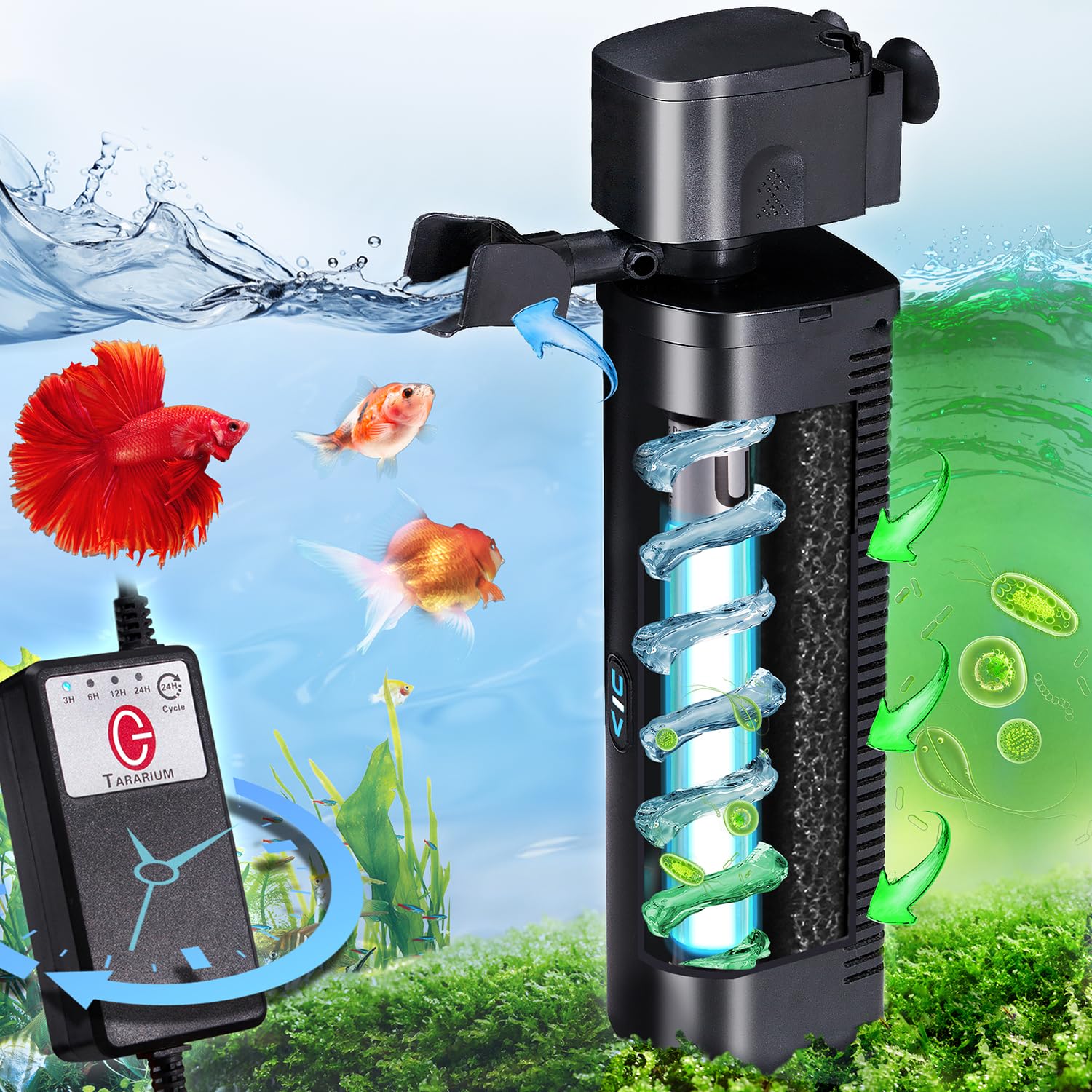
The demand for home sanitation solutions has grown significantly in recent years. As a result, UV disinfection products are now available in a wide variety of forms, including:
-
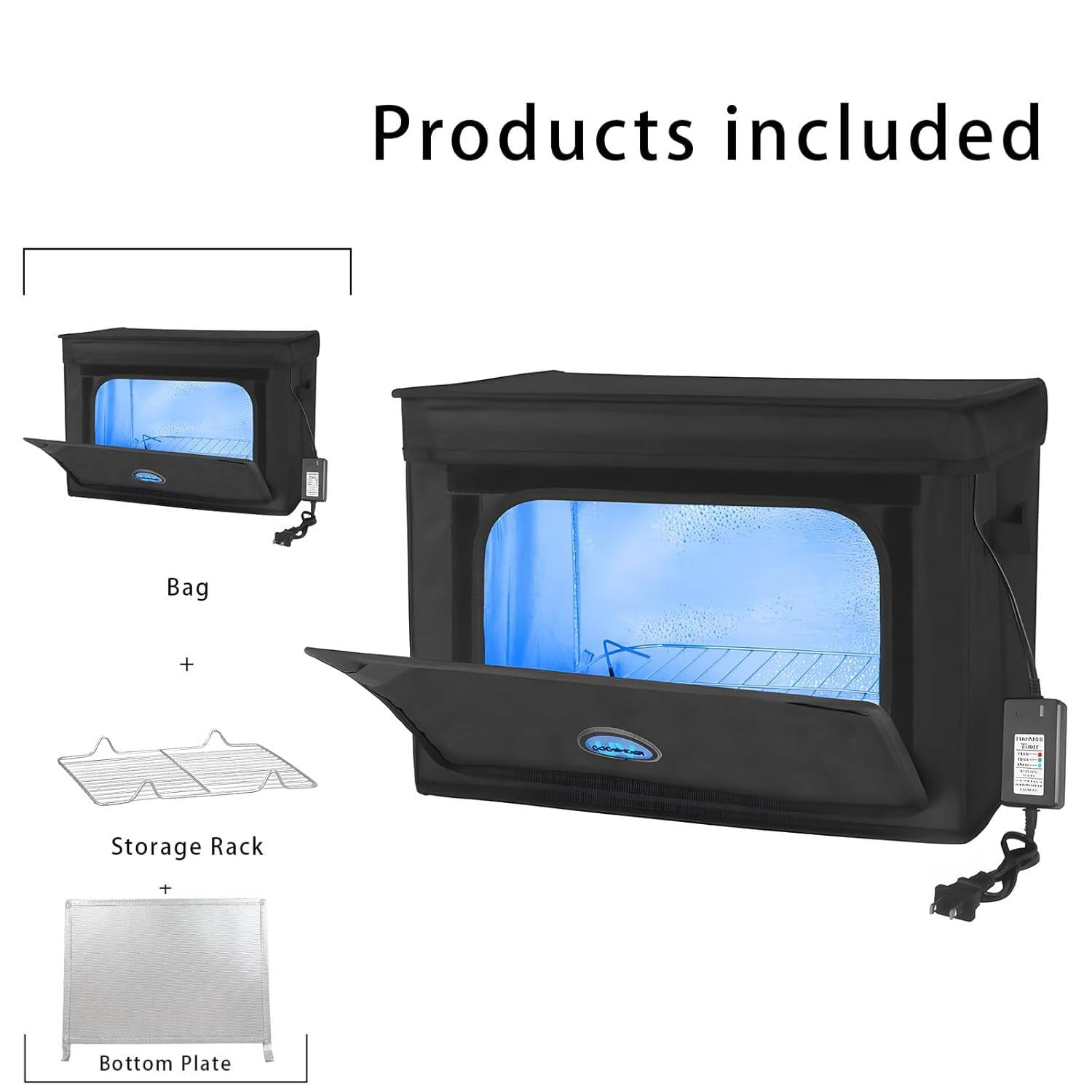
UV-C sterilization boxes for phones and personal items
-
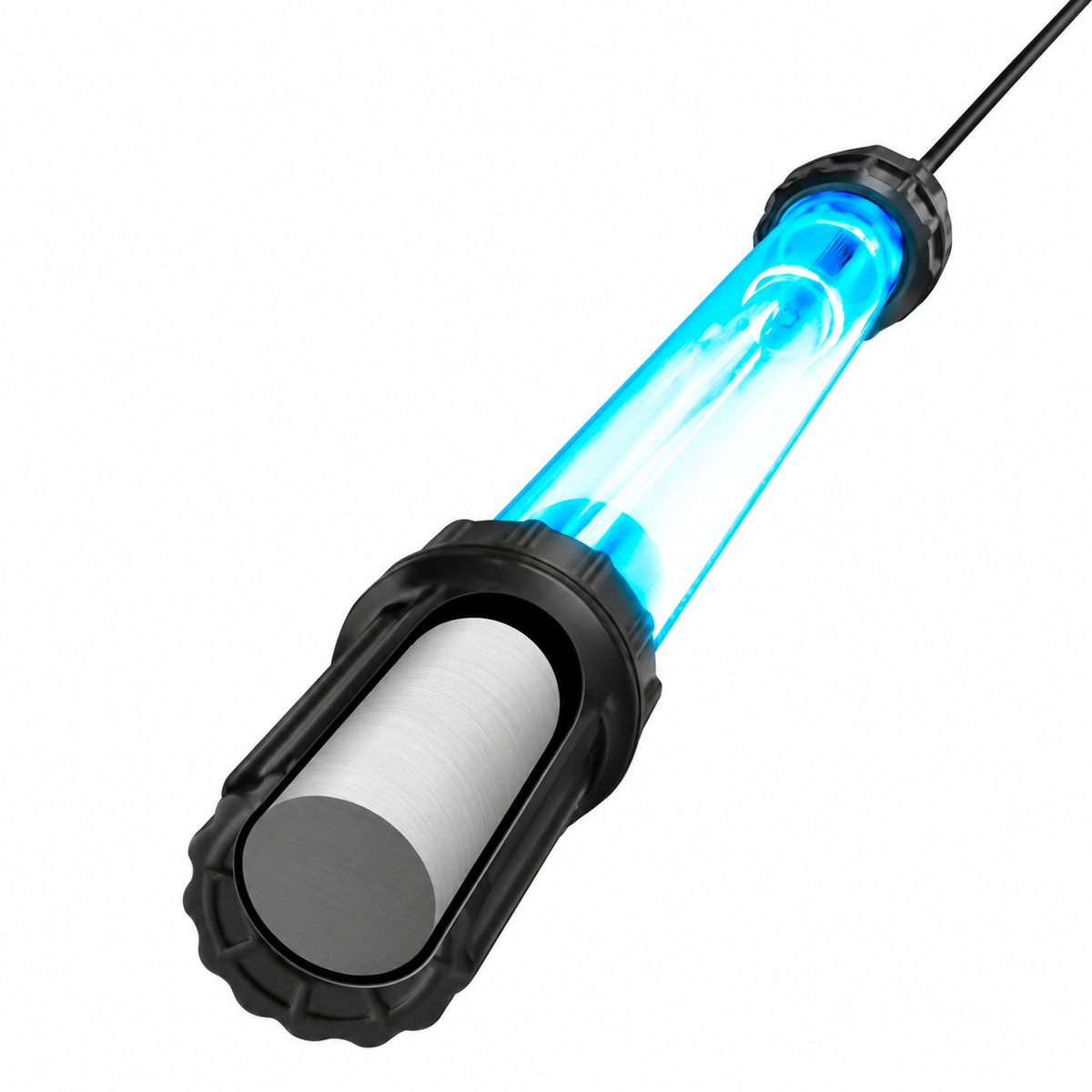
Handheld UV disinfection wands
-
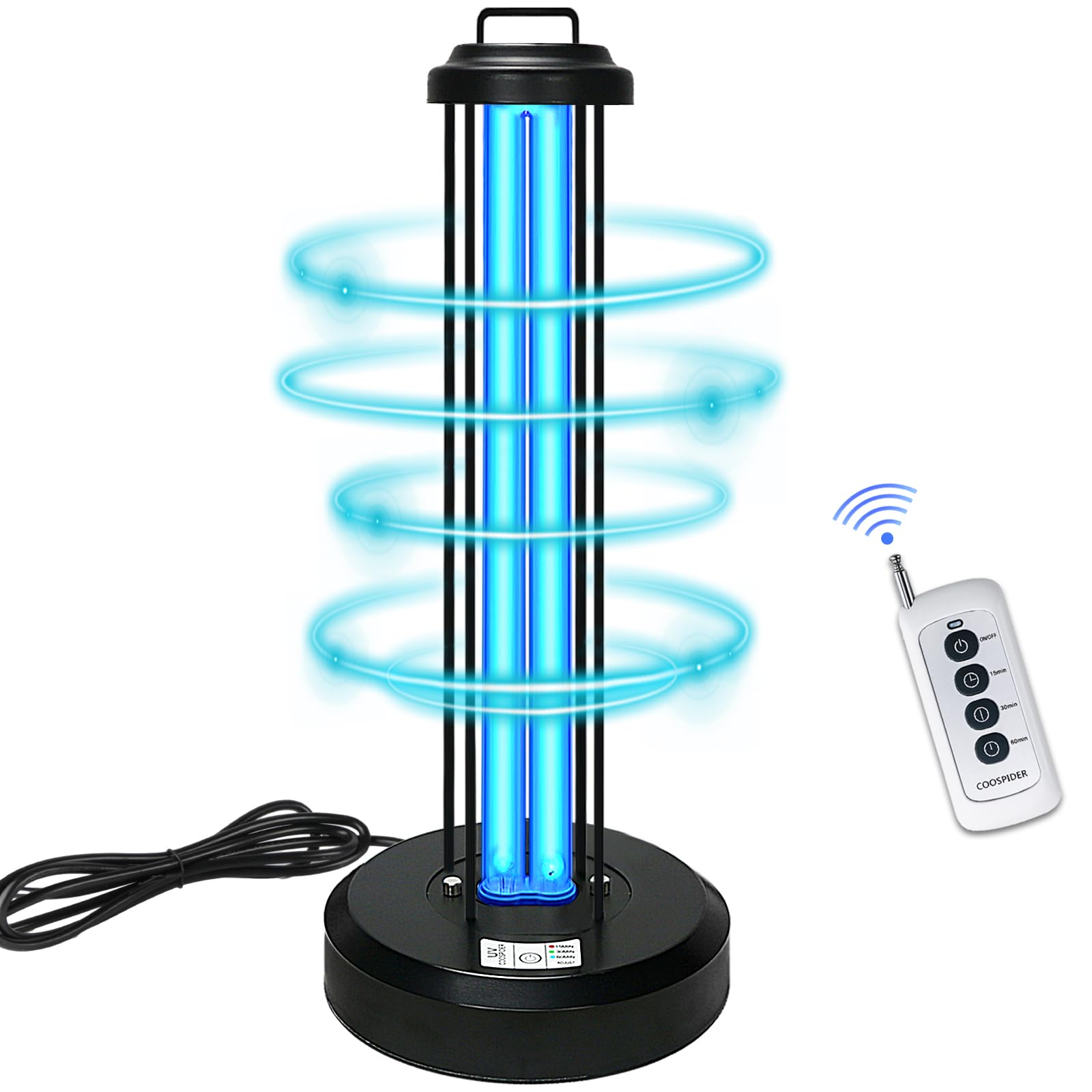
Portable room sterilizers
-
HVAC-integrated UV air purification systems
-
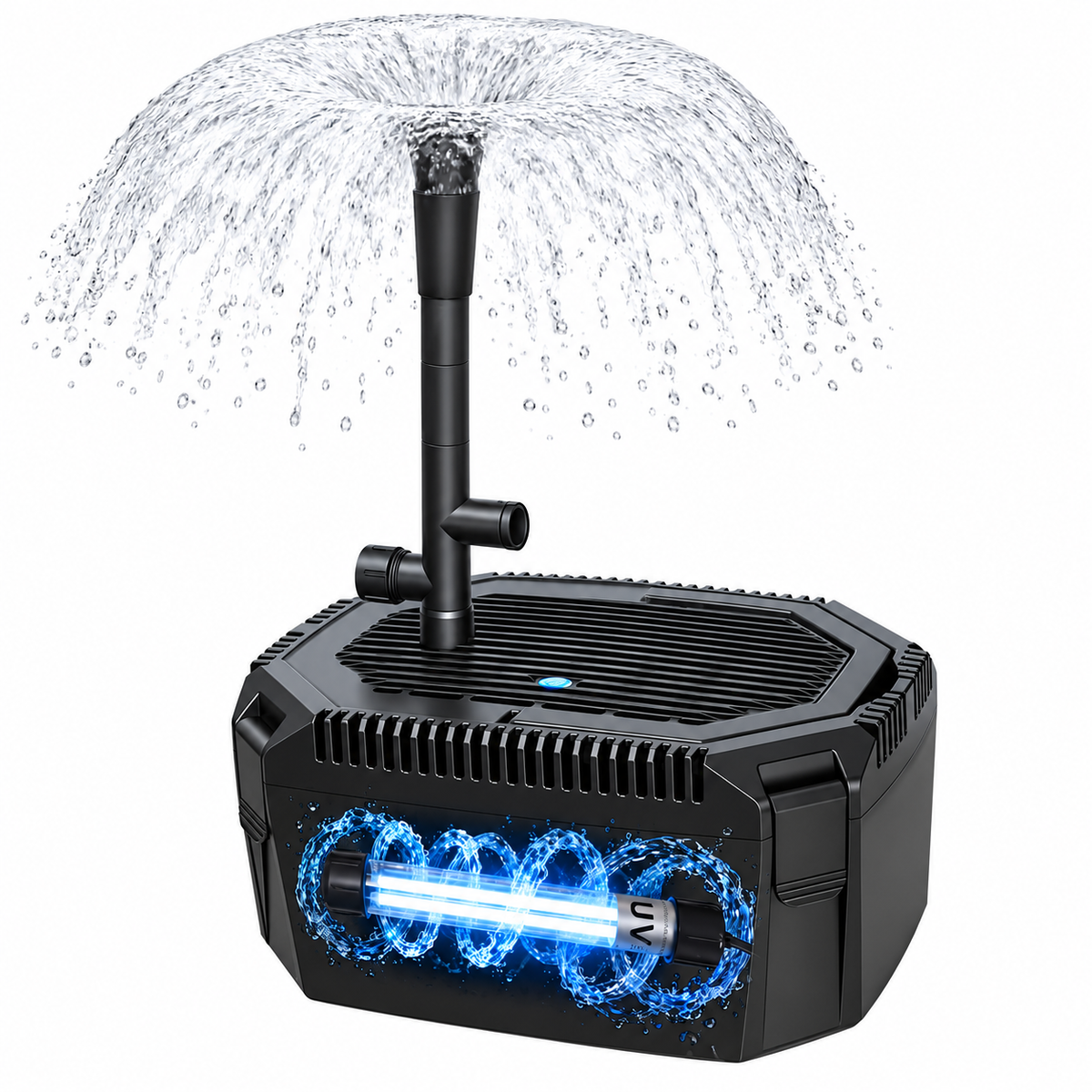
Water purification devices
-
Toothbrush and personal care sanitizers
Many of these products are easy to use and highly effective when operated according to their intended purpose. However, effectiveness should never be confused with safety. Every UV device requires responsible handling.
Understanding How UV Disinfection Works
Before discussing safety, it helps to understand the basic science.
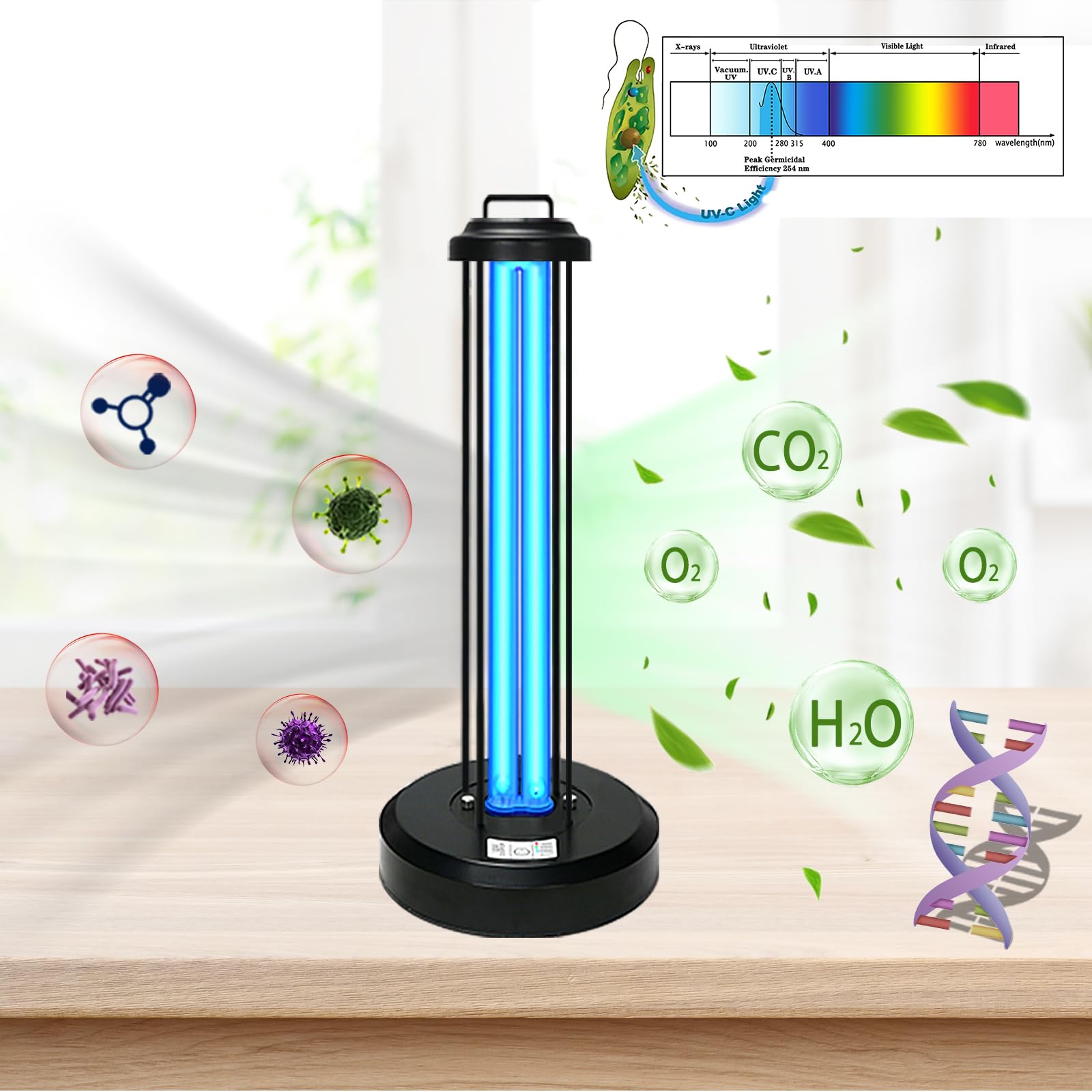
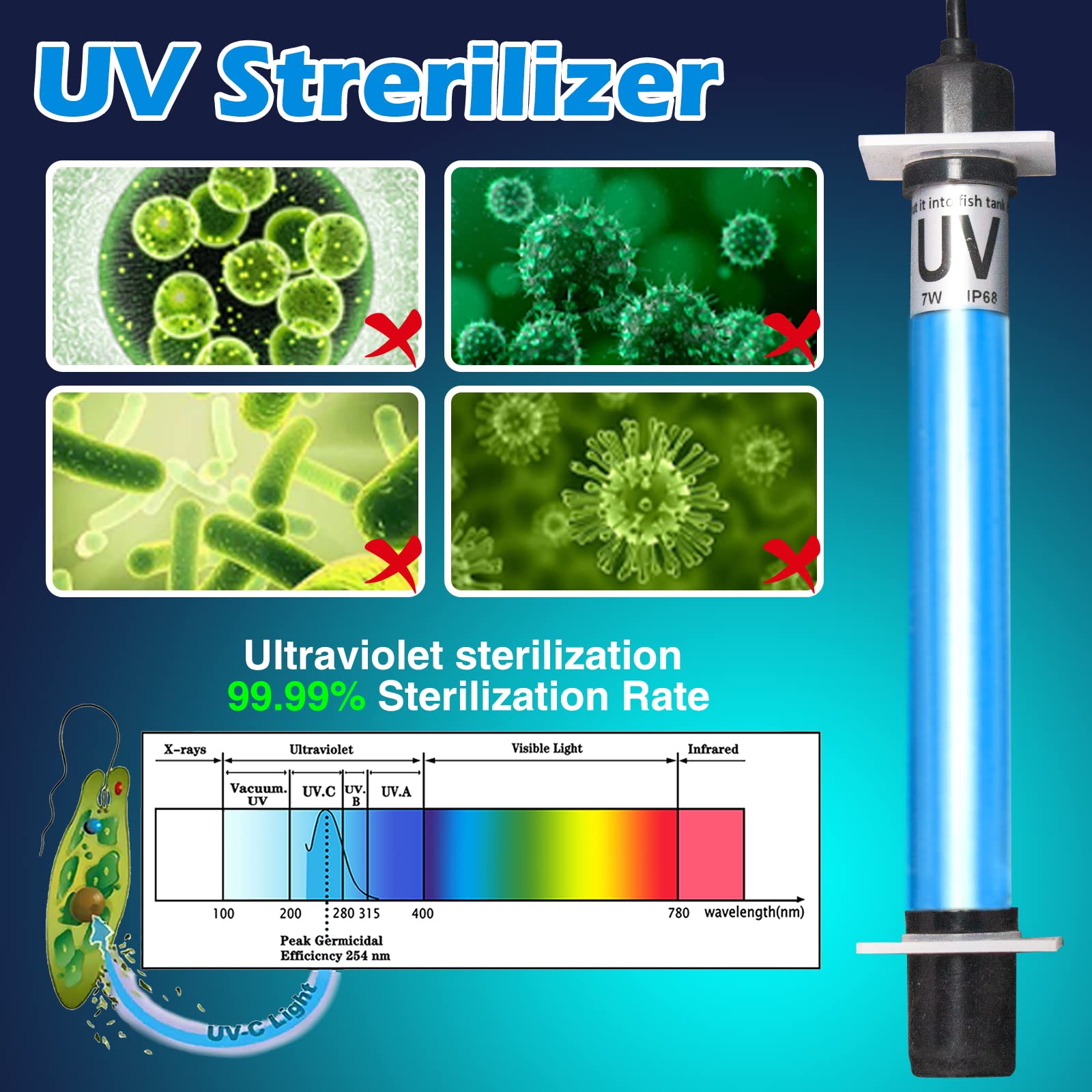
Ultraviolet light is divided into three primary categories:
UVA
UVA has the longest wavelength and is commonly associated with tanning and skin aging.
UVB
UVB contains more energy and is responsible for sunburn and many forms of direct DNA damage caused by sunlight.
UVC
UVC has the shortest wavelength and the highest energy among the three. It is widely used in disinfection because it damages the DNA or RNA of microorganisms, preventing them from reproducing.
Since UVC is biologically active, improper exposure can also affect healthy human cells. This is why safe operating procedures are essential.
Golden Rule #1: Always Choose the Right UV Device for the Intended Task
Not every UV lamp is designed for the same application.
Before purchasing a device, identify your primary goal.
Examples include:
-
Surface disinfection
-
Air purification
-
Water treatment
-
Personal item sterilization
-
Medical or laboratory applications
Using the wrong type of lamp may reduce effectiveness and increase unnecessary exposure.
For example, a handheld UV wand is designed for close-range surface treatment, while an enclosed UV sterilization box is intended for small objects. Using one in place of the other may create avoidable safety risks.
Golden Rule #2: Never Expose Skin or Eyes to Active UV Light
This is perhaps the most important rule of all.
Many people mistakenly believe that brief exposure is harmless.
In reality, direct UV exposure may cause:
-
Skin redness
-
Irritation
-
Temporary burns
-
Eye discomfort
-
Photokeratitis (often called "UV eye burn")
Symptoms may not appear immediately. Eye irritation, for example, often develops several hours after exposure.
Always remember:
A UV lamp is designed to disinfect objects—not people.
Golden Rule #3: Read the Manufacturer's Instructions Before First Use
Skipping the instruction manual is common with household appliances, but UV equipment is different.
The operating manual provides critical information such as:
-
Recommended exposure distance
-
Proper operating time
-
Safe installation procedures
-
Maintenance schedules
-
Protective features
-
Environmental limitations
Ignoring these recommendations increases the likelihood of ineffective disinfection or accidental exposure.
Golden Rule #4: Use UV Lamps in Controlled Areas
A dedicated disinfection space helps reduce accidental exposure.
Ideal locations include:
-
Utility rooms
-
Laundry rooms
-
Workshops
-
Storage rooms
Avoid operating UV lamps in busy living areas where family members or pets may unexpectedly enter.
If using a room sterilization unit, ensure that:
-
Doors remain closed during operation
-
Warning signs are visible
-
Access is restricted until the cycle finishes
Environmental control is one of the simplest and most effective safety measures.
Golden Rule #5: Keep Children and Pets Away
Children are naturally curious.
A glowing UV device may appear attractive or harmless, encouraging them to investigate.
Pets are equally vulnerable because they cannot recognize the danger.
Safety recommendations include:
-
Store handheld UV devices out of reach
-
Use child-resistant storage if possible
-
Never allow children to operate UV equipment
-
Keep pets out of treatment areas during operation
A few preventive steps can eliminate most accidental exposure risks.
Golden Rule #6: Respect Recommended Exposure Times
Longer does not always mean better.
Many users assume that doubling the operating time automatically doubles disinfection performance.
In reality, excessive operation may:
-
Increase unnecessary UV exposure
-
Shorten lamp lifespan
-
Waste electricity
-
Overheat certain devices
Manufacturers determine recommended operating times through laboratory testing. Following those guidelines helps balance effectiveness and safety.
Golden Rule #7: Keep UV Lamps Properly Maintained
Maintenance affects both performance and safety.
Routine maintenance should include:
-
Cleaning lamp surfaces
-
Removing accumulated dust
-
Inspecting protective covers
-
Checking safety interlocks
-
Replacing bulbs when recommended
Dirty lamps may emit less effective UV radiation, while damaged housings may increase exposure risk.
Always disconnect power before performing maintenance.
Golden Rule #8: Never Modify Safety Features
Some users disable protective systems to make operation more convenient.
Examples include:
-
Bypassing lid switches
-
Covering motion sensors
-
Removing protective shields
-
Defeating automatic shutoff mechanisms
These modifications eliminate important layers of protection.
Safety features exist because UV radiation cannot be detected by human senses until damage has already occurred.
Golden Rule #9: Understand That UV Cannot Clean Dirt
UV light disinfects.
It does not remove:
-
Dust
-
Grease
-
Food residue
-
Mud
-
Organic debris
If a surface is visibly dirty, clean it first using appropriate cleaning methods.
Disinfection works best on clean surfaces because microorganisms hidden beneath dirt may receive little or no UV exposure.
UV should complement traditional cleaning—not replace it.
Golden Rule #10: Be Aware of Shadow Areas
UV light travels in straight lines.
Anything blocking the light creates a shadow where microorganisms may survive.
Examples include:
-
Under furniture
-
Inside folded fabrics
-
Behind handles
-
Under electronic devices
When disinfecting objects, reposition them if necessary to expose multiple surfaces.
Understanding shadowing greatly improves treatment effectiveness.
Golden Rule #11: Store UV Equipment Correctly
Safe storage protects both people and the equipment itself.
Good storage practices include:
-
Keeping devices in dry environments
-
Protecting lamps from impact
-
Avoiding excessive heat or humidity
-
Storing power cords neatly
-
Keeping instruction manuals accessible
Proper storage also extends equipment lifespan.
Golden Rule #12: Replace Aging Bulbs on Schedule
UV lamps gradually lose effectiveness over time.
Even if the lamp still appears to operate normally, UV output may decline significantly.
Signs that replacement may be needed include:
-
Reduced disinfection performance
-
Manufacturer-recommended service interval reached
-
Visible lamp damage
-
Reduced operating consistency
Following replacement schedules helps maintain reliable performance.
Golden Rule #13: Use Protective Equipment When Necessary
Most household users will never require specialized protective equipment if enclosed UV systems are used correctly.
However, for maintenance personnel or those working with open UV lamps, appropriate protection may include:
-
UV-rated safety glasses
-
Protective gloves
-
Long-sleeved clothing
-
Face protection when appropriate
Personal protective equipment should supplement—not replace—engineering controls.
Common Household Mistakes to Avoid
Many UV-related incidents result from simple misunderstandings.
Avoid these common mistakes:
Assuming all UV lamps are equally safe
Different wavelengths produce different biological effects.
Looking directly at the light source
Even brief viewing can irritate the eyes.
Using UV lamps around sleeping family members
Never assume closed eyes provide protection.
Leaving portable UV devices unattended
Someone may unknowingly enter the treatment area.
Treating UV devices like ordinary flashlights
They are specialized tools that require careful operation.
Building a Family UV Safety Routine
Consistency is the foundation of safety.
Consider establishing a simple routine:
Before use
-
Confirm the area is empty.
-
Remove pets.
-
Position the device correctly.
-
Read the timer settings.
During operation
-
Keep doors closed.
-
Do not enter the treatment area.
-
Avoid moving the lamp unnecessarily.
After completion
-
Turn off the unit.
-
Allow any cooling period recommended by the manufacturer.
-
Store the device safely.
Creating consistent habits reduces human error.
Frequently Asked Questions
Is more powerful UV always better?
Not necessarily.
Higher power requires greater attention to shielding, exposure distance, and operating procedures.
The best choice depends on the intended application rather than maximum output.
Can UV replace household cleaning?
No.
Routine cleaning removes dirt and debris.
UV disinfection works best as an additional layer after surfaces have already been cleaned.
Are enclosed UV sterilization boxes safer?
Generally, yes.
Because the UV light remains inside a sealed chamber, properly designed enclosed systems greatly reduce accidental exposure compared with open UV lamps.
Can I leave a UV lamp running all day?
Unless the product is specifically designed for continuous operation, extended use is generally unnecessary and may shorten the lifespan of the lamp while increasing the risk of accidental exposure.
Always follow the manufacturer's operating recommendations.
The Future of Home UV Technology
As technology advances, household UV systems continue to become safer and more user-friendly.
Many newer products now include:
-
Automatic shutoff functions
-
Motion detection sensors
-
Child safety locks
-
Improved shielding
-
Smart timers
-
Remote operation through mobile apps
-
Better energy efficiency
These innovations reduce the likelihood of accidental exposure while making routine disinfection more convenient.
Even so, no safety feature can replace informed and responsible use.
Final Thoughts
UV disinfection lamps can play an important role in maintaining a cleaner home environment, but they should always be treated with the same respect given to any technology that uses high-energy radiation. Their ability to inactivate microorganisms is precisely what makes proper handling so important.
The "Golden Rules" are straightforward: choose the right device, avoid direct exposure to skin and eyes, follow manufacturer instructions, keep children and pets away during operation, maintain your equipment, and use UV light as part of a broader cleaning routine rather than a replacement for traditional hygiene practices.
When used responsibly, UV lamps offer an efficient and practical way to support household cleanliness. By combining scientific understanding with consistent safety habits, you can enjoy the benefits of UV disinfection while protecting the health and well-being of everyone in your home.