Ultraviolet technology has become an important part of modern industrial manufacturing. From curing coatings and adhesives to printing, electronics production, disinfection, surface treatment, and chemical processing, ultraviolet light enables manufacturers to perform tasks quickly, consistently, and with a high degree of process control.
For decades, traditional mercury-vapor UV lamps were the standard light source for many industrial ultraviolet applications. They offered high optical output, broad-spectrum UV radiation, and proven performance across a wide range of manufacturing environments. However, the rapid development of UV LED technology has introduced a fundamentally different approach to generating ultraviolet energy.
Today, manufacturers are increasingly comparing UV LED systems with conventional mercury lamps when upgrading production lines, designing new equipment, or looking for ways to reduce energy consumption and operating costs. The decision is not simply about replacing one lamp with another. UV LEDs and mercury lamps have different emission characteristics, thermal behavior, maintenance requirements, control capabilities, and application limitations.
Understanding these differences is essential for choosing the right ultraviolet technology.
This guide provides a detailed comparison of UV LED and traditional mercury lamps in modern industrial processes, examining how each technology works, where each performs best, and what manufacturers should consider before making a transition.
Understanding the Role of UV Technology in Industry
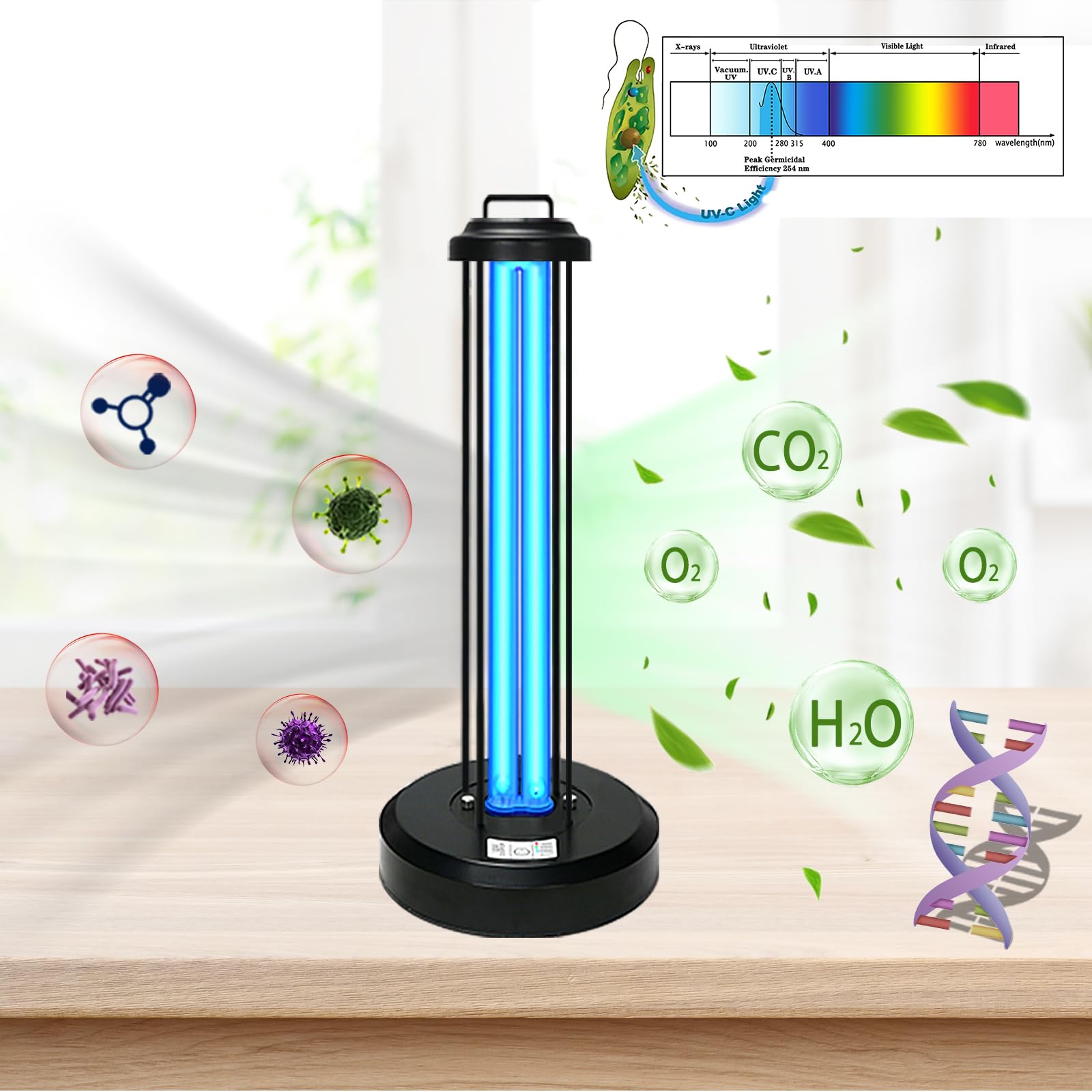
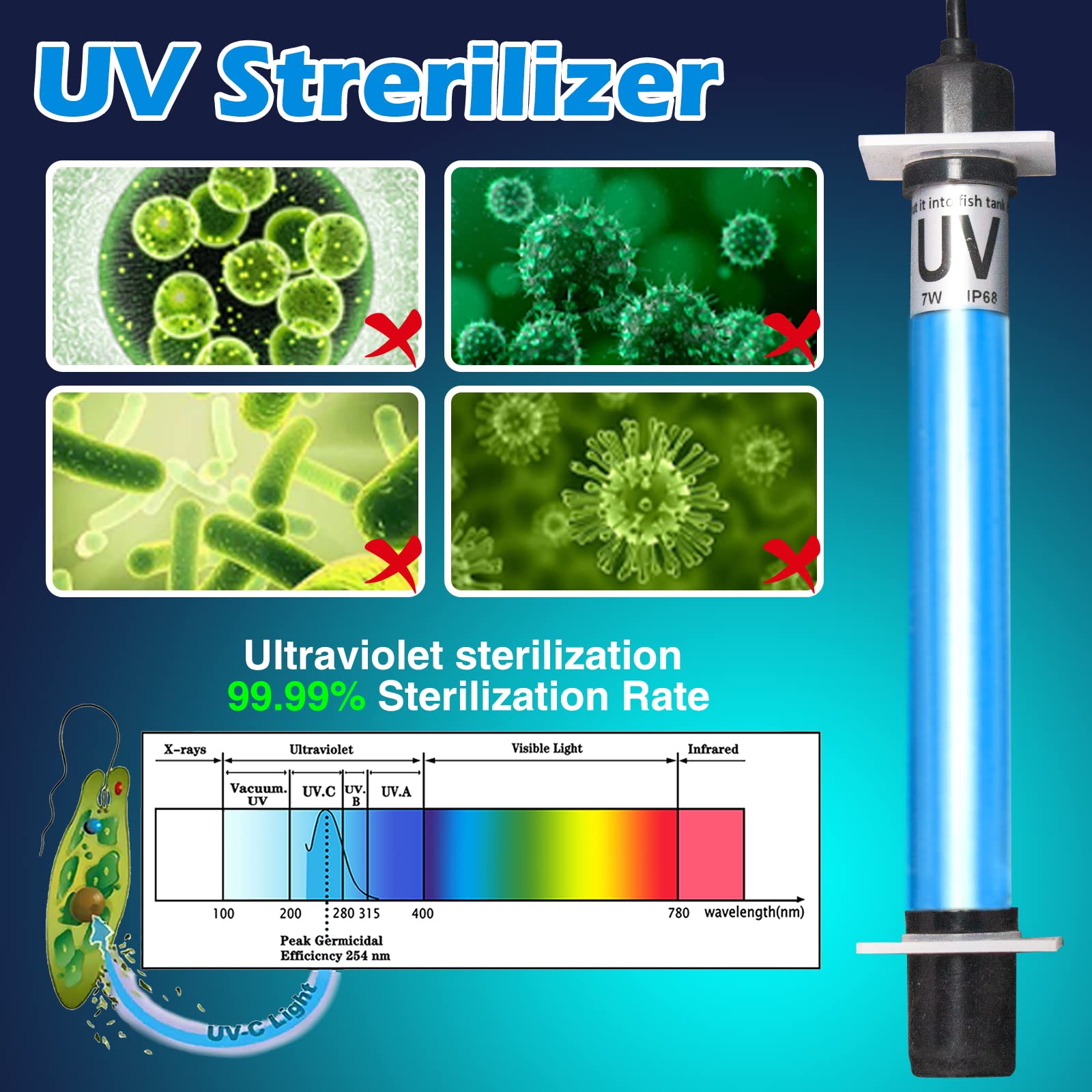
Ultraviolet radiation occupies a portion of the electromagnetic spectrum between visible light and X-rays. Industrial UV systems generally operate within different wavelength ranges depending on the process requirements.
The most commonly discussed UV regions include:
-
UVA: approximately 315–400 nm
-
UVB: approximately 280–315 nm
-
UVC: approximately 100–280 nm
Different wavelengths interact with materials and biological organisms in different ways. Consequently, selecting an appropriate wavelength is one of the most important factors in industrial UV system design.
For example, UVA wavelengths are widely used for UV curing because many photoinitiators respond strongly to UVA energy. UVC wavelengths are commonly associated with germicidal applications. UVB can be relevant to specialized photochemical and biological processes.
Industrial UV technology is therefore not a one-size-fits-all solution. The wavelength, optical intensity, exposure time, distance, temperature, and material characteristics all affect process results.
Historically, mercury-vapor lamps offered a broad UV emission spectrum that could cover multiple photochemical responses. UV LEDs, in contrast, generally emit within a relatively narrow wavelength band.
This difference is one of the most important distinctions between the two technologies.
How Traditional Mercury UV Lamps Work
Traditional industrial UV lamps typically use mercury vapor contained inside a quartz tube. When electrical energy passes through the lamp, an arc is created through the mercury vapor, producing ultraviolet radiation.
Depending on the lamp construction and additives, mercury lamps can generate a broad spectrum of UV radiation along with visible and infrared energy.
This broad emission profile has made mercury lamps extremely versatile.
A single mercury lamp may produce several wavelengths that interact with different photoinitiators or chemical compounds. This characteristic can be useful when a coating, adhesive, ink, or resin formulation requires multiple UV wavelengths for complete curing.
However, the broad-spectrum output also means that not all generated energy is necessarily useful for the intended process.
A significant amount of electrical energy can become heat or radiation outside the desired wavelength range.
Traditional mercury systems may therefore require:
-
Reflectors
-
Cooling systems
-
Exhaust equipment
-
Shutters
-
Lamp housings
-
Ballasts or power supplies
-
Periodic lamp replacement
The overall system can be mechanically and thermally complex.
How UV LED Systems Work
UV LED systems use semiconductor devices to generate ultraviolet radiation. Instead of creating an electrical arc through mercury vapor, an LED produces light through electroluminescence when electrical current passes through a semiconductor junction.
Industrial UV LEDs are available at different wavelengths, including commonly used bands around 365 nm, 385 nm, 395 nm, and 405 nm, as well as shorter wavelengths designed for specialized applications.
One major advantage of this architecture is wavelength specificity.
A UV LED system can be designed to deliver energy concentrated around a selected wavelength instead of producing a broad spectrum.
This can be highly beneficial when a photochemical formulation has been optimized for a specific wavelength.
UV LED systems also provide electronic control over light output. Depending on the equipment design, manufacturers can adjust intensity, pulse operation, exposure duration, and other operating parameters.
This makes UV LEDs particularly attractive for automated manufacturing environments where process repeatability is critical.
UV LED vs. Mercury Lamp: The Fundamental Difference
The most basic difference can be summarized as follows:
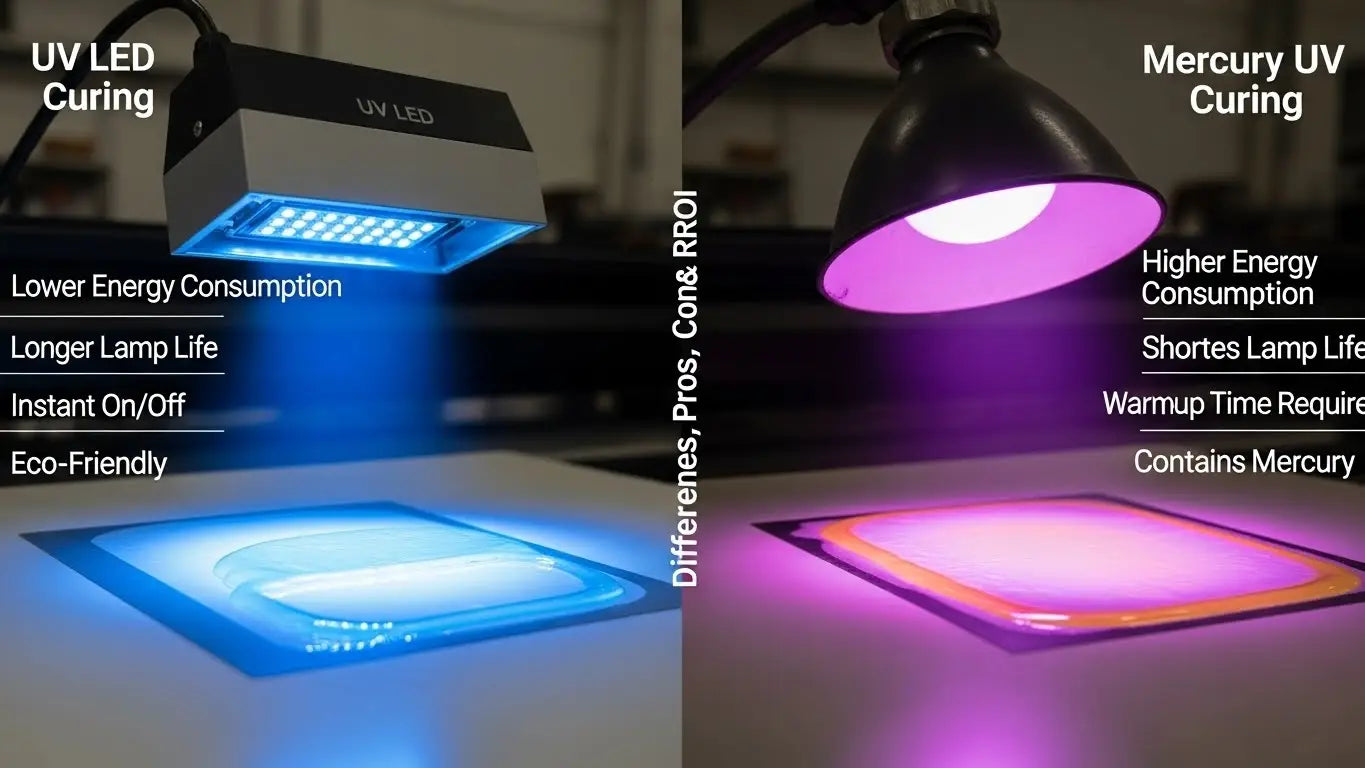
Mercury lamps generate broad-spectrum ultraviolet radiation through gas discharge, while UV LEDs generate relatively narrow-band ultraviolet radiation through semiconductor technology.
But this simple distinction leads to major differences in industrial performance.
Mercury lamps are often advantageous when:
-
Broad-spectrum UV output is required
-
Existing formulations were developed around mercury lamp spectra
-
Very high irradiance is needed over a large area
-
The process has already been optimized for mercury technology
UV LEDs may be advantageous when:
-
A specific wavelength is required
-
Energy efficiency is important
-
Instant on/off operation is valuable
-
Precise electronic control is required
-
Reduced heat transfer to the product is desirable
-
Frequent lamp replacement is undesirable
-
The production process requires compact equipment
The correct technology depends on the process rather than simply on the perceived advantages of one light source.
Energy Efficiency and Industrial Operating Costs
Energy consumption is one of the biggest reasons manufacturers investigate UV LED technology.
Traditional mercury lamps typically require substantial electrical power. In addition, the lamp may need to remain operating continuously or at elevated standby conditions because traditional lamps do not generally provide the same instantaneous switching capability as LEDs.
UV LED systems can be electronically switched on and off almost immediately.
This means energy can be delivered primarily when the product is actually present.
For automated production lines with intermittent production cycles, this characteristic can produce meaningful energy savings.
Consider a conveyor-based manufacturing system.
A mercury lamp may remain energized while products move through the curing area. If the line stops temporarily, the lamp may still consume power or require controlled operating procedures to maintain lamp stability.
A UV LED system can potentially reduce output or switch off during production interruptions.
This creates a fundamentally different energy-management model.
Why Efficiency Is More Complicated Than Wattage
Manufacturers should avoid comparing technologies solely by electrical wattage.
A 1,000-watt UV LED system and a 1,000-watt mercury system do not necessarily deliver equivalent process performance.
The more meaningful parameters include:
-
UV irradiance
-
UV dose
-
Wavelength distribution
-
Exposure time
-
Working distance
-
Optical uniformity
-
Product absorption
-
Curing depth
-
Thermal load
-
Process speed
For curing applications, the relevant relationship is often expressed through UV dose:
Dose = Irradiance × Exposure Time
Usually expressed in units such as mJ/cm².
A lower-power system can potentially achieve the required process result if its optical energy is concentrated more effectively within the useful wavelength range.
Therefore, industrial users should evaluate actual process performance rather than simply comparing electrical input power.
Wavelength Control and Photochemical Compatibility
One of the strongest advantages of UV LED technology is wavelength control.
Traditional mercury lamps emit multiple wavelengths simultaneously. This broad spectrum can be helpful, but it can also make process optimization more difficult.
UV LED systems can target a particular wavelength that matches the absorption characteristics of a photoinitiator or chemical system.
This has encouraged the development of LED-compatible:
-
UV inks
-
UV coatings
-
UV adhesives
-
UV resins
-
Optical materials
-
Electronic encapsulants
-
Specialty coatings
The relationship between light source and formulation is extremely important.
A manufacturer cannot always replace a mercury lamp with a UV LED while keeping exactly the same chemical formulation and expecting identical results.
The photoinitiator package may respond differently to the LED wavelength.
As a result, successful UV LED conversion often requires collaboration among equipment manufacturers, material suppliers, and process engineers.
Curing Performance in Industrial Manufacturing
UV curing is one of the most important applications for both mercury lamps and UV LEDs.
The process uses ultraviolet radiation to initiate a photochemical reaction that transforms a liquid or semi-liquid material into a solid or functional polymer.
Applications include:
-
Printing
-
Wood coatings
-
Flooring
-
Electronics
-
Optical components
-
Automotive components
-
Packaging
-
Medical products
-
Adhesive bonding
-
3D printing
-
Industrial coatings
Mercury lamps have a long history in these applications.
They can provide strong broadband radiation capable of initiating different photochemical reactions at various depths.
However, UV LED curing can offer more targeted energy delivery.
When the formulation is properly designed for the LED wavelength, manufacturers may achieve rapid curing while reducing unnecessary thermal exposure.
Surface Curing vs. Through-Curing
One important consideration is the difference between surface curing and deeper curing.
A material may appear dry or solid on the surface while remaining partially uncured beneath the surface.
This can happen because UV penetration is affected by:
-
Pigments
-
Fillers
-
Material thickness
-
Optical scattering
-
Absorption
-
Formulation chemistry
-
Wavelength
Shorter wavelengths may behave differently from longer UVA wavelengths when traveling through certain materials.
Mercury lamps can sometimes offer advantages because their broad spectrum provides multiple wavelengths simultaneously.
However, UV LED systems can also be engineered with multiple LED wavelengths to address specific formulation requirements.
Therefore, the best choice should be determined through actual curing tests rather than assumptions based on lamp type.
Heat Management and Product Quality
Heat is another major distinction between UV LEDs and mercury lamps.
Traditional mercury lamps produce considerable infrared radiation and heat. The lamp housing and surrounding components therefore require thermal management.
Depending on the application, heat can be transferred toward the product.
This may be problematic for:
-
Thin films
-
Plastic components
-
Heat-sensitive electronics
-
Certain adhesives
-
Delicate substrates
-
Printed materials
-
Medical products
UV LEDs generally produce much less infrared radiation directed toward the product.
However, this does not mean UV LED systems produce no heat.
The LED semiconductor itself generates heat and requires thermal management, usually through heat sinks, fans, liquid cooling, or other engineered systems.
The difference is that the heat-management problem is primarily concentrated around the LED module rather than being dominated by intense infrared radiation toward the target.
This can provide greater control over substrate temperature.
Instant On/Off Operation
Traditional mercury lamps require warm-up and stabilization periods.
The lamp may need time to reach operating conditions before the UV output becomes suitable for production.
UV LEDs, by comparison, can typically reach operating output almost immediately.
This enables a more flexible production strategy.
For example, a factory using an automated adhesive curing station can activate the UV LED array only when a component is correctly positioned.
After curing, the system can switch off immediately.
This supports:
-
Start-stop production
-
Variable-speed conveyors
-
Robotic manufacturing
-
On-demand curing
-
Intermittent production
-
Automated quality control
This characteristic can be especially valuable in Industry 4.0 manufacturing environments where machines are increasingly controlled dynamically by software.
Maintenance Requirements
Maintenance is another area where UV LEDs can offer operational advantages.
Traditional mercury lamps have finite service lives and gradually lose output.
As the lamp ages, UV intensity can decline even if the lamp still appears to be operating normally.
This creates a potential process-control issue.
A curing system may continue to run while delivering insufficient UV dose.
Manufacturers therefore need to monitor lamp output and establish replacement schedules.
Other maintenance tasks can include:
-
Lamp replacement
-
Reflector cleaning
-
Quartz window cleaning
-
Cooling-system maintenance
-
Electrical inspection
-
Exhaust-system maintenance
UV LED systems typically have longer operational lifetimes than traditional mercury lamps, although actual service life depends heavily on operating temperature, current, cooling performance, and system design.
LED output can also decline gradually over time rather than failing in exactly the same manner as a conventional lamp.
This makes preventive monitoring important for both technologies.
Reliability in Continuous Production
Industrial manufacturing environments place significant demands on equipment.
A production line may operate for many hours per day, sometimes continuously.
Unexpected downtime can be extremely expensive.
Traditional mercury lamps can be reliable when properly maintained, but they contain components that experience wear and require periodic replacement.
UV LED arrays contain many semiconductor emitters. Modern LED systems can be engineered with redundant arrays and sophisticated thermal management.
If one LED element experiences a failure, the effect may be localized rather than resulting in an immediate complete loss of the light source.
However, system design matters enormously.
A poorly cooled UV LED can experience accelerated degradation.
Therefore, manufacturers should evaluate the complete system rather than assuming that every UV LED product automatically provides superior reliability.
Optical Uniformity
For industrial curing, uniform UV exposure is often more important than maximum output.
If one section of a coating receives significantly more energy than another, the resulting product may have inconsistent hardness, adhesion, gloss, or chemical resistance.
Traditional mercury systems often use reflectors to distribute radiation over a working area.
UV LED systems use arrays of individual LED chips or modules.
The optical design determines how evenly these sources illuminate the target.
Important factors include:
-
LED spacing
-
Lens design
-
Optical distance
-
Reflector geometry
-
Working width
-
Working height
-
Irradiance distribution
A high-quality UV LED curing system should therefore provide a measured irradiance profile across the entire production width.
Simply knowing the total electrical power is not enough.
Production Speed
Manufacturers often consider UV technology because they want faster production.
UV curing can be extremely rapid compared with conventional thermal curing processes.
Both mercury and UV LED systems can support high-speed production.
The real question is whether the selected technology can deliver the required UV dose at the desired line speed.
For example, increasing conveyor speed reduces exposure time.
To compensate, the system may need:
-
Higher irradiance
-
Greater curing width
-
Longer exposure area
-
Multiple curing modules
-
Optimized formulation
UV LED systems can be particularly attractive when multiple independently controlled modules are used.
A production line might divide the curing process into several zones, each with independently adjustable intensity.
This can provide more flexibility than a single large lamp.
Environmental Considerations
Environmental regulations and corporate sustainability goals have increased interest in alternatives to mercury-containing technologies.
Traditional mercury lamps contain mercury, which requires responsible handling, transportation, disposal, and recycling.
Mercury is a hazardous substance, and industrial users must follow applicable regulations governing its management.
UV LED systems do not rely on mercury vapor as their light-generating medium.
This can simplify certain aspects of end-of-life handling.
Additionally, lower energy consumption can contribute to reduced electricity demand over the operating life of a system.
However, environmental performance should be evaluated across the complete equipment lifecycle.
Manufacturers should consider:
-
Electricity consumption
-
Equipment manufacturing
-
Cooling requirements
-
Component replacement
-
Disposal
-
Product lifetime
-
Maintenance materials
A complete lifecycle analysis provides a more meaningful environmental comparison than focusing on a single parameter.
Equipment Size and System Integration
Traditional UV curing systems can be relatively large because they may require:
-
Lamp housings
-
Reflectors
-
Cooling systems
-
Ventilation
-
Shutters
-
Power supplies
UV LED modules can often be designed in compact configurations.
This makes them attractive for:
-
Robotic cells
-
Small-format printers
-
Laboratory equipment
-
Electronics assembly
-
Compact conveyor systems
-
Automated inspection stations
-
Inline manufacturing equipment
The compact form factor also allows designers to position UV sources closer to the target.
Because irradiance generally changes with distance, optical geometry is an important part of system design.
A smaller working distance can potentially provide high irradiance without requiring an enormous lamp assembly.
Digital Control and Automation
Modern manufacturing increasingly depends on precise digital control.
UV LEDs fit naturally into this environment.
Their electronic architecture makes it possible to integrate UV output with machine controllers, sensors, programmable logic controllers, robotic systems, and production-management software.
Potential control functions include:
-
Intensity adjustment
-
Exposure timing
-
Pulsed operation
-
Multiple curing zones
-
Remote monitoring
-
Temperature monitoring
-
Fault detection
-
Production recipe management
This can improve process repeatability.
For example, a manufacturer may create separate UV curing recipes for different products.
Each recipe can specify:
-
UV wavelength
-
Intensity
-
Exposure duration
-
Number of curing stages
-
Cooling parameters
This type of digital process control can help reduce variation between production batches.
The Role of Thermal Management in UV LED Systems
One misconception about UV LEDs is that they operate without cooling.
In reality, thermal management is one of the most important engineering challenges in high-power UV LED systems.
LED efficiency decreases as junction temperature rises.
Excessive heat can also accelerate degradation.
Therefore, a professional UV LED system should include an appropriately designed thermal path.
Possible cooling technologies include:
-
Passive heat sinks
-
Forced-air cooling
-
Liquid cooling
-
Thermally conductive interfaces
-
Temperature sensors
-
Automatic power reduction
The relationship between LED temperature and long-term output should be carefully considered.
A UV LED system that performs well during a short demonstration may behave very differently during a continuous eight-hour production shift if its thermal design is inadequate.
Safety Considerations
Both mercury UV lamps and UV LEDs can generate ultraviolet radiation that presents safety hazards.
The fact that UV LEDs do not contain mercury does not mean they are inherently safe to view or touch during operation.
UV exposure can cause damage to the eyes and skin.
Industrial systems should therefore use appropriate engineering controls, including:
-
Enclosed curing chambers
-
Interlocked access doors
-
UV-blocking windows
-
Protective shielding
-
Warning indicators
-
Emergency shutdown systems
-
Proper operating procedures
-
Appropriate personal protective equipment
The required controls depend on the wavelength, irradiance, exposure conditions, equipment design, and applicable workplace regulations.
Safety should be treated as part of the system design rather than an accessory added after installation.
Cost: Looking Beyond the Purchase Price
The initial purchase price is one of the biggest concerns when comparing UV LED systems with mercury lamps.
A UV LED system may have a higher upfront cost.
This can make a traditional mercury lamp appear more economical when comparing only initial equipment prices.
However, industrial purchasing decisions should consider total cost of ownership.
Relevant factors include:
-
Initial equipment cost
-
Electricity consumption
-
Lamp replacement
-
Maintenance labor
-
Cooling requirements
-
Downtime
-
Production losses
-
Waste
-
Process optimization
-
Equipment lifetime
For a high-volume production facility, operating costs over several years can be much more important than the initial equipment price.
A higher-cost UV LED system may therefore become economically attractive if it reduces energy consumption, maintenance, and downtime sufficiently.
When Mercury Lamps Still Make Sense
Despite the rapid growth of UV LED technology, traditional mercury lamps are not obsolete.
There are still applications where mercury lamps can be highly competitive.
They may be appropriate when:
-
Existing equipment already performs reliably
-
The formulation is optimized for broad-spectrum UV
-
Very high-area irradiation is required
-
The process requires wavelengths that are difficult to reproduce with available LEDs
-
Replacement costs for the complete system are too high
-
Production requirements do not justify conversion
A mature mercury-based production line can also have considerable institutional knowledge behind it.
Operators may understand exactly how the system behaves, maintenance teams may have established procedures, and material suppliers may already provide formulations optimized for the lamp spectrum.
Replacing such a system should therefore be based on a business and engineering analysis rather than technology enthusiasm alone.
When UV LED Is the Better Choice
UV LED technology becomes especially attractive when manufacturers prioritize:
1. Energy Efficiency
Reduced electrical consumption can be valuable in high-volume production environments.
2. Precise Wavelength Selection
Narrow-band output can be matched to specific photochemical systems.
3. Instantaneous Control
The ability to switch UV output on and off rapidly supports automated production.
4. Lower Thermal Impact on Products
Reduced infrared radiation can benefit heat-sensitive substrates.
5. Reduced Maintenance
Longer emitter life can reduce frequent lamp replacement.
6. Compact Equipment
Smaller modules can simplify machine integration.
7. Digital Manufacturing
Electronic control enables integration with modern automation systems.
Converting an Existing Mercury UV System to LED
Manufacturers considering conversion should avoid treating the project as a simple lamp replacement.
A successful conversion may require changes to several parts of the process.
Step 1: Analyze the Existing Process
Document:
-
Current lamp type
-
Wavelength output
-
Electrical power
-
Irradiance
-
UV dose
-
Conveyor speed
-
Working distance
-
Product temperature
-
Material formulation
-
Curing results
Step 2: Identify the Actual Process Requirement
Determine what the material actually needs.
Does the formulation require broadband radiation?
Does it respond strongly to a specific wavelength?
How much dose is required?
How deep must the UV energy penetrate?
These questions should be answered before selecting an LED system.
Step 3: Test the Material
Laboratory or pilot testing is essential.
Evaluate:
-
Surface cure
-
Through-cure
-
Adhesion
-
Hardness
-
Flexibility
-
Chemical resistance
-
Appearance
-
Long-term stability
Step 4: Evaluate Production Throughput
A laboratory result is not enough.
The LED system must achieve the required performance at actual production speed.
Step 5: Calculate Total Cost of Ownership
Compare both technologies over a realistic operating period.
Include energy, maintenance, replacement, downtime, and production efficiency.
Common Mistakes When Comparing UV LED and Mercury Lamps
Several mistakes can lead to poor technology decisions.
Mistake 1: Comparing Wattage Alone
Electrical power does not directly equal useful UV dose.
Mistake 2: Assuming Every UV LED Has the Same Performance
UV LED quality varies significantly between products.
Mistake 3: Ignoring Wavelength
A formulation designed for one wavelength may not perform correctly under another.
Mistake 4: Ignoring Thermal Management
LED performance and lifetime depend strongly on temperature control.
Mistake 5: Replacing the Light Source Without Reformulating the Material
In some applications, the chemistry must be optimized for the new wavelength.
Mistake 6: Looking Only at Upfront Cost
Long-term operating costs may completely change the economic comparison.
Mistake 7: Ignoring Irradiance Uniformity
A system with high peak intensity can still produce poor manufacturing results if the output is uneven.
The Future of Industrial UV Technology
The development of UV LED technology is changing how manufacturers think about ultraviolet processing.
Future systems are likely to become increasingly intelligent and interconnected.
Potential developments include:
-
Higher UV LED efficiency
-
Improved short-wavelength emitters
-
Better thermal management
-
More compact modules
-
Advanced optical systems
-
Real-time irradiance monitoring
-
Automated process feedback
-
Multi-wavelength LED arrays
-
AI-assisted process optimization
-
Predictive maintenance
Multi-wavelength systems may become particularly important.
Instead of selecting between a single mercury lamp spectrum and a single LED wavelength, manufacturers can potentially combine different LED wavelengths within one curing system.
This could provide greater flexibility for complex photochemical processes.
Real-time monitoring may also become increasingly important.
A future UV curing machine could continuously measure irradiance and automatically adjust output to maintain a consistent process window.
Such developments would move ultraviolet processing from relatively static equipment toward adaptive manufacturing technology.
A Practical Decision Framework
When evaluating UV LED and mercury lamps, manufacturers can use a structured decision process.
Start by asking:
What is the process objective?
Is the system curing an adhesive, coating, ink, resin, or composite?
Next:
What wavelength does the material require?
Then:
What UV dose and irradiance are required at production speed?
After that:
How much heat can the product tolerate?
Then consider:
How important are energy consumption and maintenance costs?
Finally:
What level of automation and process control is required?
The answers will help determine which technology is more suitable.
UV LED vs. Mercury Lamp: Side-by-Side Comparison
| Factor | UV LED | Traditional Mercury Lamp |
|---|---|---|
| Emission spectrum | Narrower, wavelength-specific | Broad spectrum |
| Energy efficiency | Generally higher for suitable applications | Generally lower |
| Instant on/off | Excellent | Limited |
| Warm-up time | Minimal | Required |
| Infrared output | Relatively low toward target | Significant |
| Product heat load | Often lower | Often higher |
| Lamp replacement | Usually less frequent | Periodic |
| Mercury content | None | Present |
| Digital control | Excellent | More limited |
| Equipment size | Often compact | Often larger |
| Wavelength flexibility | Requires specific LED selection | Broad-spectrum by nature |
| Existing legacy compatibility | May require process changes | High for legacy systems |
| Initial investment | Can be higher | Often lower |
| Long-term operating cost | Potentially lower | Potentially higher |
| Best suited for | Modern automated processes | Established broad-spectrum applications |
Why Application-Specific Testing Matters
There is no universal winner in the UV LED versus mercury lamp debate.
The best technology depends on the material, process, production speed, required wavelength, equipment configuration, and economic priorities.
For one manufacturer, replacing mercury lamps with UV LEDs may produce major energy and maintenance savings.
For another, the existing mercury system may remain the most practical option.
This is why application testing should be the foundation of the decision.
A proper evaluation should measure actual performance rather than relying on marketing claims.
Useful test parameters include:
-
Irradiance
-
Dose
-
Wavelength
-
Product temperature
-
Cure depth
-
Surface cure
-
Adhesion
-
Hardness
-
Chemical resistance
-
Production speed
-
Energy consumption
The goal is to determine which technology delivers the required manufacturing result with the best combination of reliability, efficiency, quality, and cost.
Conclusion
UV LED and traditional mercury lamps represent two different generations of industrial ultraviolet technology.
Mercury lamps have earned their position through decades of proven performance, broad-spectrum output, and compatibility with established industrial processes. They remain useful for applications where broadband UV radiation, legacy formulations, or specific high-output requirements make them practical.
UV LED technology offers a different approach. Its wavelength specificity, electronic control, rapid switching, reduced infrared exposure, compact design, and potential energy savings make it particularly attractive for modern automated manufacturing.
The most important point is that UV LED technology should not be evaluated simply as a newer replacement for mercury lamps.
It represents an opportunity to redesign the entire UV process.
Manufacturers can reconsider the formulation, optical geometry, curing time, thermal management, machine controls, production workflow, and maintenance strategy at the same time.
When these elements are engineered together, UV LED systems can provide highly controlled ultraviolet processing with strong potential for energy efficiency and production consistency.
At the same time, traditional mercury lamps should not be dismissed simply because LED technology is advancing rapidly. Mature applications with well-established formulations and equipment can continue to deliver excellent results.
The right choice ultimately comes down to process requirements.
For companies planning a new production line, upgrading an existing UV curing system, or evaluating alternatives to mercury-based UV equipment, the most reliable approach is to compare real-world irradiance, dose, wavelength compatibility, thermal performance, productivity, maintenance, safety, and total operating cost.
As industrial manufacturing continues moving toward smarter, more efficient, and more digitally controlled production, UV LED technology is likely to play an increasingly important role.
The future of industrial ultraviolet processing will not simply be about generating more UV light. It will be about delivering the right wavelength, at the right intensity, for the right amount of time, exactly where the manufacturing process needs it.