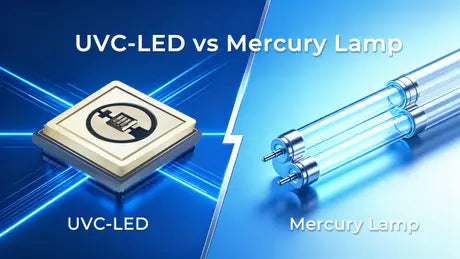
Industrial manufacturing is undergoing a major technological shift. As factories strive for higher efficiency, lower energy consumption, and more sustainable production methods, one debate has become increasingly important: UV LED curing vs. traditional mercury UV lamps.
Both technologies are widely used in printing, coating, electronics, packaging, automotive finishing, and adhesive curing. But when it comes to upgrading production lines, the question is not simply about performance—it’s about total cost of ownership, process compatibility, environmental impact, and long-term scalability.
So which is the better solution for modern factories? The answer depends on application requirements, but UV LED technology is rapidly becoming the preferred choice in most new industrial systems.
This article explores both technologies in depth, compares their strengths and weaknesses, and helps manufacturers understand what to consider when planning a production line upgrade.
Understanding UV Curing in Industrial Manufacturing
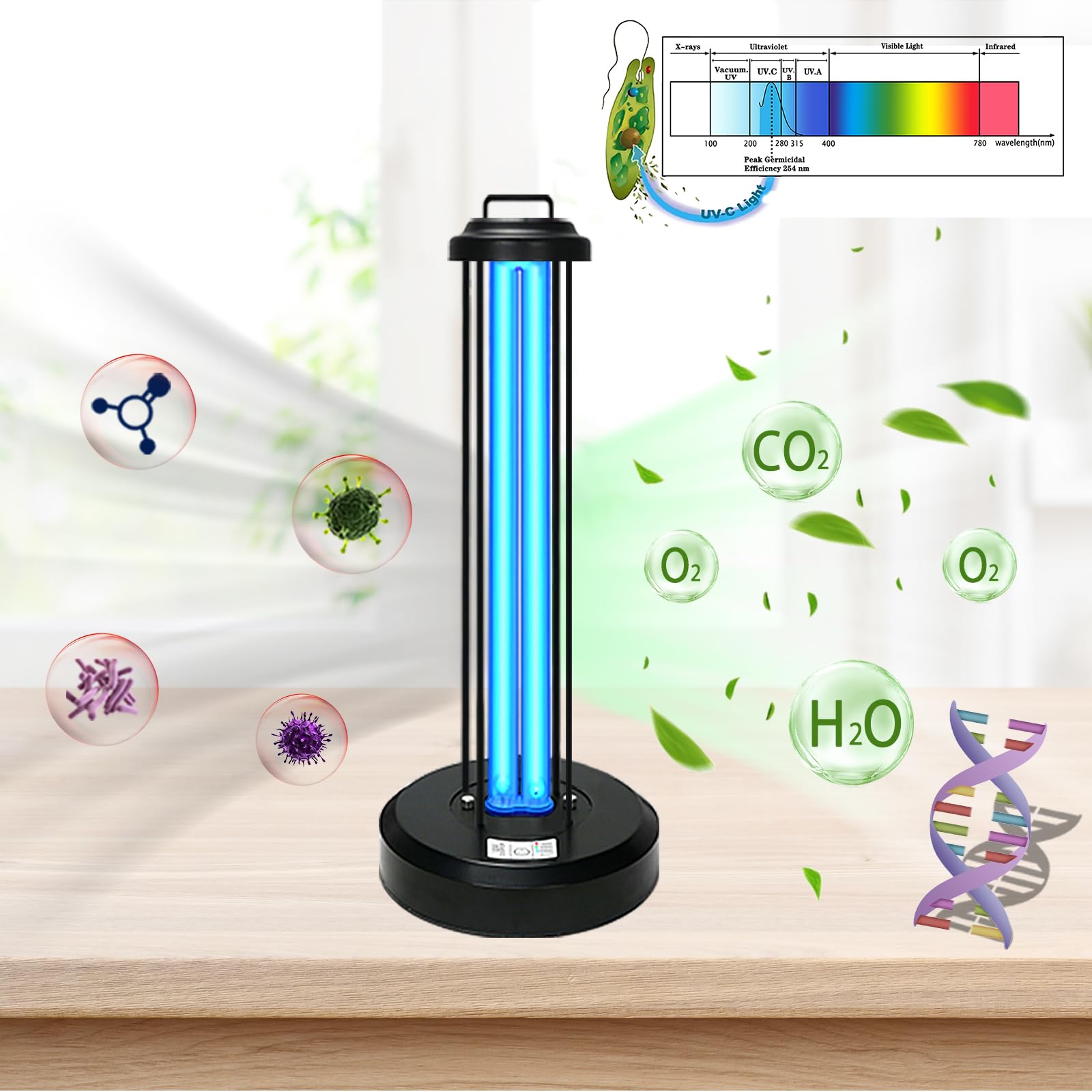
UV curing is a photochemical process that uses ultraviolet light to instantly harden inks, coatings, or adhesives. Instead of drying through heat or evaporation, UV-curable materials react to light and solidify in seconds.
This process is widely used in:
-
Inkjet and offset printing
-
Automotive coatings
-
Electronics assembly
-
Wood finishing
-
Packaging production
-
Medical device manufacturing
The goal is always the same: faster production, better surface quality, and reduced energy consumption.
Two primary UV light sources dominate the industry:
-
Traditional mercury vapor UV lamps
-
Modern UV LED systems
Understanding how they differ is key to making the right investment decision.
What Are Traditional Mercury UV Lamps?
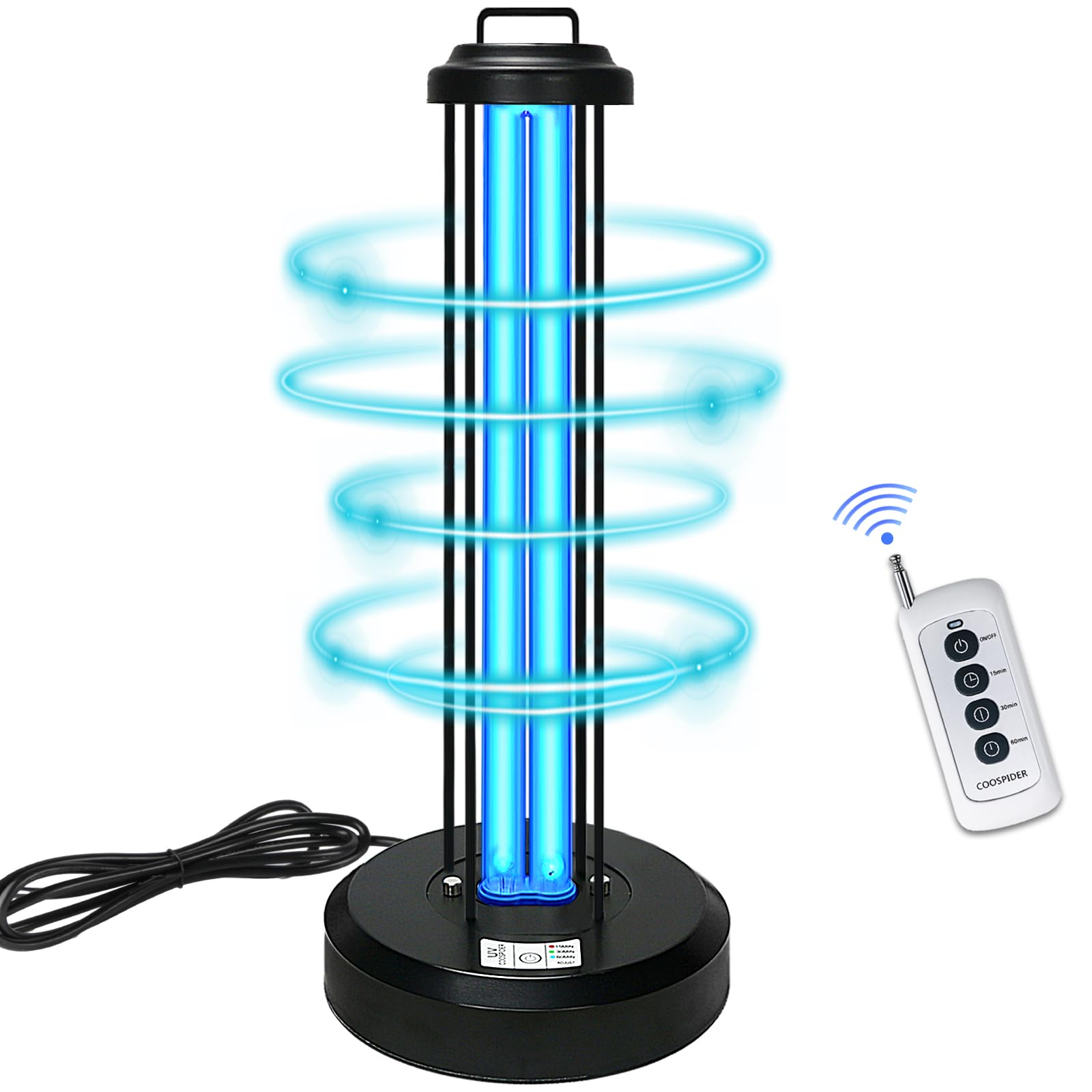
Mercury vapor UV lamps have been the industry standard for decades. They generate ultraviolet light by passing an electric current through mercury vapor inside a quartz tube.
These lamps produce a broad spectrum of UV wavelengths, making them effective for curing a wide range of materials.
Key Characteristics
-
High-intensity broadband UV output
-
Warm-up time required
-
Continuous energy consumption even when idle
-
High operating temperature
-
Contains mercury (hazardous material)
Major industrial equipment providers such as IST Metz and Heraeus have long supplied mercury-based UV systems for printing and coating applications.
What Is UV LED Curing Technology?
UV LED curing uses light-emitting diodes to generate narrow-band ultraviolet light at specific wavelengths (commonly 365 nm, 385 nm, 395 nm, or 405 nm).
Unlike mercury lamps, UV LEDs emit light only in the required spectrum, which makes them more efficient and controllable.
Companies such as Excelitas Technologies and Nordson have been leading innovators in industrial UV LED curing systems.
Key Characteristics of UV LED Systems
-
Instant on/off capability
-
Low heat output
-
High energy efficiency
-
Long operational lifespan
-
Mercury-free operation
-
Compact system design
These advantages make UV LED technology particularly attractive for modern automated production lines.
Core Comparison: UV LED vs. Mercury UV Lamps
To understand which solution is better for factory upgrades, we need to evaluate both technologies across key industrial factors.
1. Energy Efficiency
Energy consumption is one of the most important cost drivers in industrial production.
Mercury Lamps
-
Require continuous power even when idle
-
Significant energy wasted as heat
-
Require cooling systems to manage excess heat
UV LED Systems
-
Consume 70–80% less energy in many applications
-
Only operate when needed (instant on/off)
-
Minimal heat generation reduces cooling costs
Winner: UV LED
Energy savings alone can justify system upgrades in high-volume production environments.
2. Lifespan and Maintenance
Mercury Lamps
-
Typical lifespan: 1,000–2,000 hours
-
Frequent replacement required
-
Output degrades over time
-
Requires reflectors and filters maintenance
UV LEDs
-
Lifespan: 20,000–40,000+ hours
-
Stable output over time
-
Minimal maintenance required
-
No bulb replacement cycles
Winner: UV LED
Long-term maintenance costs are significantly lower with LED systems.
3. Heat Generation and Substrate Sensitivity
Mercury Lamps
-
Emit high levels of infrared heat
-
Can damage heat-sensitive materials
-
Require complex cooling systems
UV LEDs
-
Low thermal output
-
Safe for plastics, films, and electronics
-
Improved dimensional stability during curing
Winner: UV LED
This is especially important in electronics, packaging, and medical manufacturing.
4. Curing Performance and Wavelength Flexibility
Mercury Lamps
-
Broad-spectrum UV output
-
Effective for many legacy formulations
-
Less precise control over curing spectrum
UV LEDs
-
Narrow, targeted wavelengths
-
Highly optimized curing for specific photoinitiators
-
Requires material formulation compatibility
Winner: Depends on application
Mercury lamps still have an advantage in curing legacy inks and coatings that rely on broad-spectrum UV.
5. Production Line Integration
Mercury Lamps
-
Require warm-up and cool-down cycles
-
Slower response time
-
Bulky system design
UV LEDs
-
Instant start/stop capability
-
Easily integrated into automated systems
-
Compact and modular design
Winner: UV LED
Modern smart factories benefit significantly from LED responsiveness.
6. Environmental Impact
Mercury Lamps
-
Contain hazardous mercury
-
Require special disposal procedures
-
Higher energy consumption
UV LEDs
-
Mercury-free
-
Lower carbon footprint
-
More environmentally friendly lifecycle
Winner: UV LED
Environmental regulations worldwide are pushing factories toward LED adoption.
UV LED in Inkjet Printing Applications
In high-speed inkjet printing, curing speed directly impacts production throughput.
UV LED systems allow:
-
Instant ink fixation
-
No smearing or bleeding
-
Printing on plastic, glass, and metal
-
Higher resolution output
This is especially important in packaging industries where speed and precision are critical.
UV Curing in Automotive Manufacturing
Automotive production lines rely heavily on UV curing for coatings and adhesives.
Companies such as BASF and PPG Industries have developed advanced UV-curable coatings used in modern vehicle finishing systems.
UV LED Advantages in Automotive Plants
-
Faster curing cycles
-
Reduced energy consumption in paint shops
-
Improved surface finish quality
-
Lower VOC emissions
-
Better process control
However, mercury systems are still used in some large-scale curing ovens where deep, broad curing is required.
Electronics Manufacturing: Precision Matters
In electronics production, UV LED curing is rapidly becoming the standard due to:
-
Low heat stress on components
-
High precision bonding
-
Fast adhesive curing
-
Compatibility with miniaturized assemblies
Smartphones, sensors, and wearable devices all rely heavily on UV LED-curable adhesives.
Packaging and Labeling Industry Shift
Packaging is one of the fastest adopters of UV LED technology.
Benefits include:
-
Faster print-to-finish cycles
-
Reduced energy costs
-
Improved ink durability
-
Compatibility with flexible packaging materials
As consumer demand for customization grows, UV LED systems enable rapid switching between print jobs without downtime.
Total Cost of Ownership: The Real Decision Factor
When comparing technologies, upfront cost is only part of the equation.
Mercury Systems
-
Lower initial purchase cost
-
Higher energy bills
-
Frequent lamp replacements
-
Higher maintenance labor cost
UV LED Systems
-
Higher initial investment
-
Much lower operating costs
-
Reduced downtime
-
Longer lifespan
Over a 3–5 year period, UV LED systems often deliver significantly lower total cost of ownership.
Limitations of UV LED Technology
Despite its advantages, UV LED is not a universal replacement.
1. Material Compatibility
Some older coatings and inks are designed specifically for mercury lamp spectra.
2. Depth of Cure
Mercury lamps may still outperform LEDs in thick or highly pigmented coatings requiring deep penetration.
3. Initial Upgrade Costs
Retrofitting production lines can require:
-
New curing heads
-
Control system upgrades
-
Material reformulation
Hybrid UV Systems: A Transitional Solution
Many factories adopt hybrid systems combining:
-
Mercury lamps for deep curing
-
UV LEDs for surface curing and energy efficiency
This allows gradual transition without disrupting production.
Future Trends in UV Curing Technology
The future is clearly moving toward LED-based systems, but innovation continues in several directions:
1. Wavelength Optimization
More precise LED wavelengths tailored to specific photoinitiators.
2. Smart UV Systems
AI-controlled curing intensity based on real-time production feedback.
3. Fully LED Production Lines
New factories are increasingly designed without mercury systems at all.
4. Eco-Regulation Compliance
Stricter global environmental policies are accelerating LED adoption.
Which Is the Best Choice for Factory Upgrades?
There is no one-size-fits-all answer, but clear trends are emerging:
UV LED is the best choice when:
-
Energy efficiency is a priority
-
Materials are UV LED-compatible
-
Heat-sensitive substrates are used
-
Long-term cost reduction is important
-
Environmental compliance is required
Mercury lamps may still be used when:
-
Working with legacy formulations
-
Deep or broadband curing is required
-
Budget constraints limit initial investment
Final Conclusion
The comparison between UV LED and traditional mercury UV lamps is not just a technical debate—it represents a broader industrial transformation.
Mercury UV systems played a crucial role in building modern manufacturing capabilities, and they still have niche applications. However, UV LED technology is clearly defining the future of industrial curing.
With advantages in energy efficiency, lifespan, environmental impact, and production integration, UV LEDs are becoming the foundation of next-generation smart factories.
For companies planning production line upgrades, the decision is increasingly less about whether to adopt UV LED—and more about how quickly they can transition without disrupting operations.
The factories of the future will not rely on heat or mercury vapor. They will rely on precision light—delivered instantly, efficiently, and intelligently.