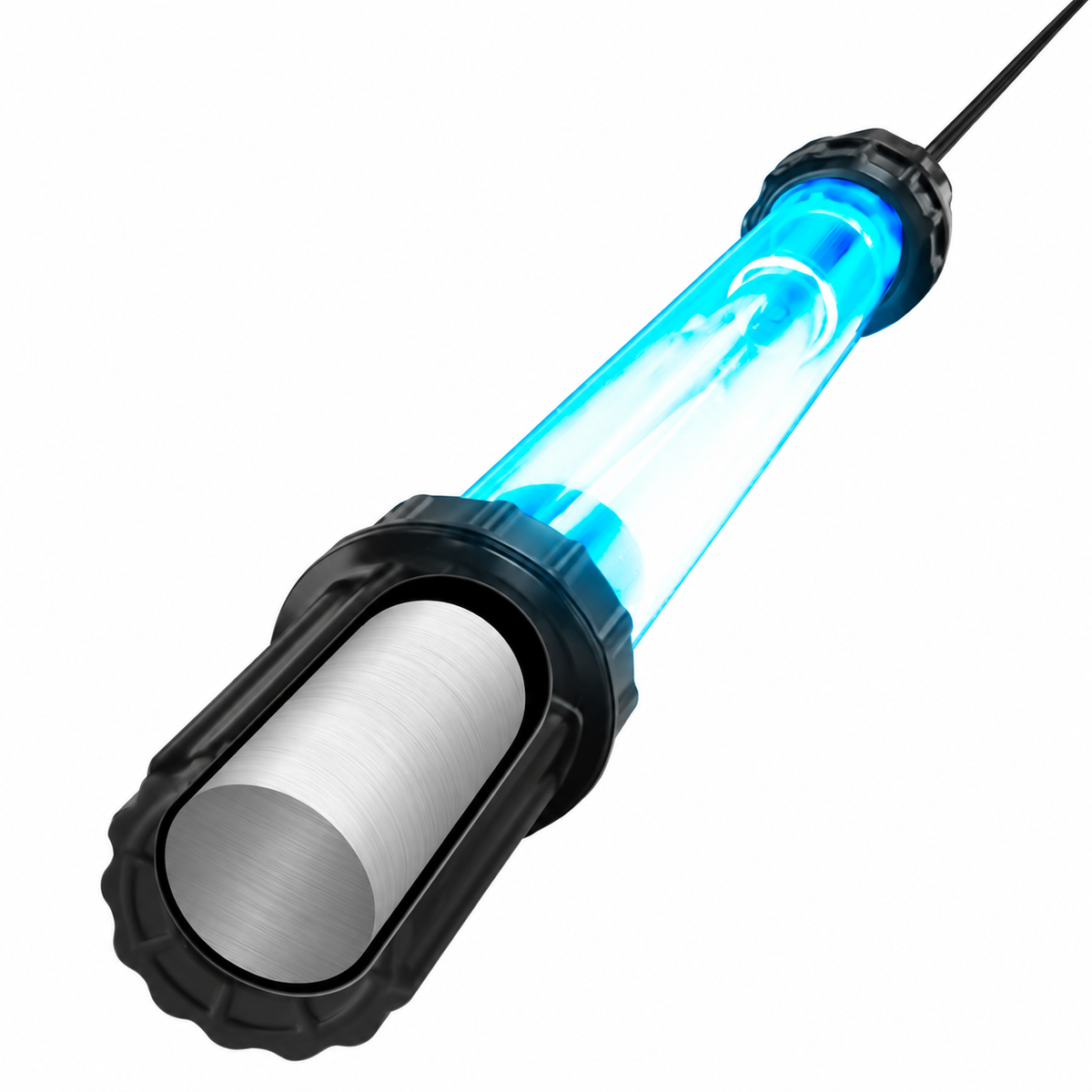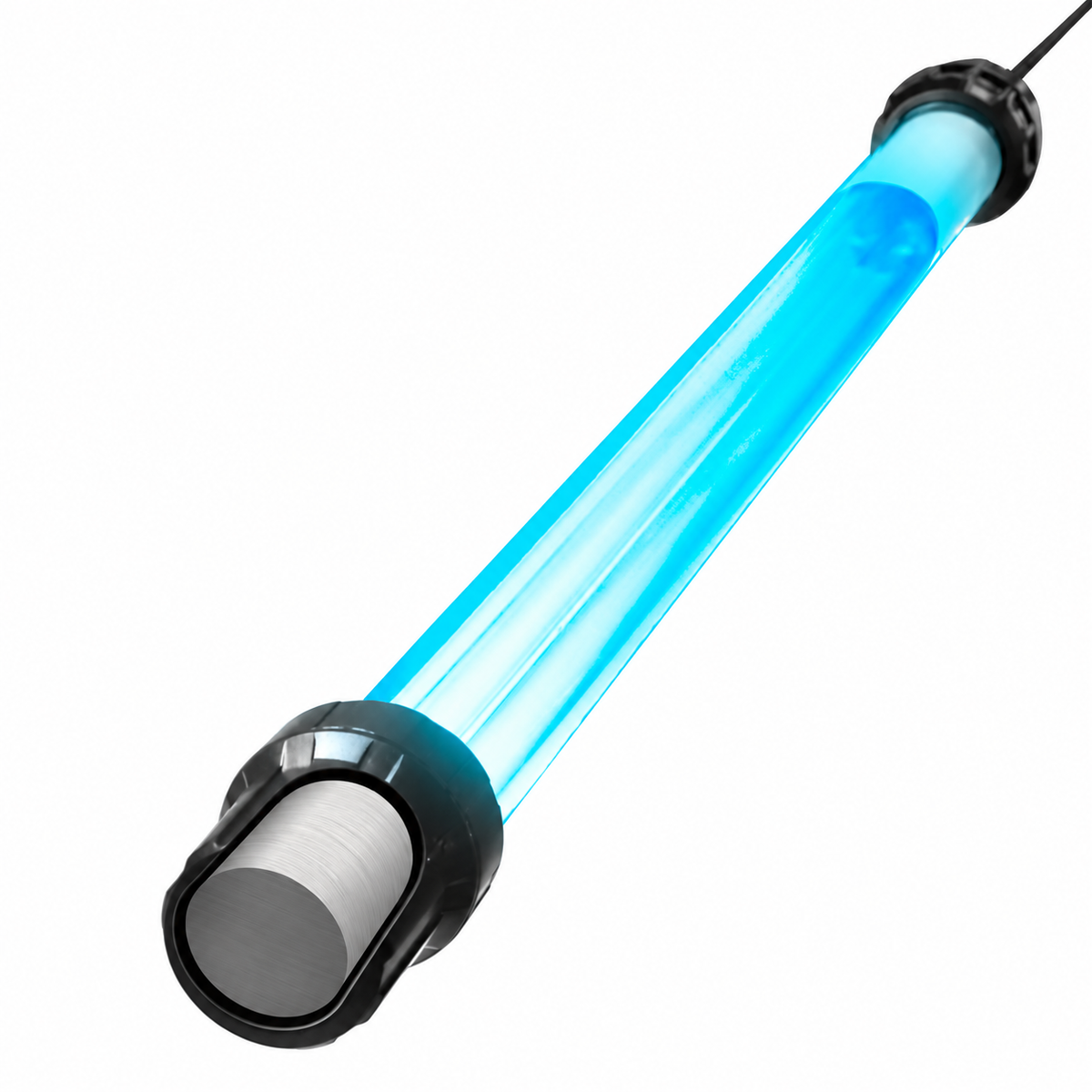
Ultraviolet (UV) lighting plays a critical role in modern pet care. From supporting reptile health to improving habitat hygiene and preventing microbial growth, UV lamps are widely recommended for many animal environments. However, there’s an important truth many pet owners discover too late: UV bulbs don’t stop working suddenly — their effectiveness gradually declines long before the light goes out.
This hidden decline cycle can quietly impact your pet’s health, especially for reptiles, birds, amphibians, and other animals that depend on UV exposure for biological functions. Unfortunately, many pet stores focus on selling UV lamps but rarely explain how quickly their performance changes over time.
In this comprehensive guide, we’ll explore how UV bulbs lose effectiveness, why visible brightness doesn’t equal UV output, how to detect performance decline, and how to manage replacement cycles to protect your pet’s long-term health.
Understanding UV Light and Why Pets Need It
Before discussing performance decline, it’s important to understand what UV light does in animal care.
Ultraviolet light exists outside the visible spectrum and is divided into three main types:
-
UVA (315–400 nm) — influences behavior, appetite, and activity
-
UVB (280–315 nm) — enables vitamin D3 synthesis
-
UVC (100–280 nm) — primarily used for sterilization and not safe for direct animal exposure
Different animals require different UV exposure levels, but for many species, UV light directly affects biological survival processes.
Why UVB Is Critical for Reptiles
Reptiles such as turtles, bearded dragons, and geckos require UVB radiation to synthesize vitamin D3, which allows calcium absorption. Without sufficient UVB exposure, animals may develop:
-
Metabolic bone disease
-
Weak immune systems
-
Growth abnormalities
-
Reduced lifespan
Even slight UV decline over time can produce serious consequences.
The Biggest Misconception: “If It Still Lights Up, It Still Works”
Many pet owners assume a UV bulb is effective as long as it produces visible light. This is one of the most dangerous misunderstandings in pet care.
Visible Light vs UV Output
A UV lamp performs two separate functions:
-
Producing visible illumination
-
Emitting ultraviolet radiation
These functions decline at different rates. The visible light output may remain stable for years, while UV radiation decreases significantly within months.
A bulb that appears bright may be delivering only a fraction of its original UV output.
The Hidden UV Decline Cycle
UV bulbs follow a predictable degradation pattern. Understanding this cycle helps pet owners plan proper replacement schedules.
Stage 1: Peak Performance (First 1–3 Months)
During early use, UV bulbs typically operate at maximum output. UV radiation is strong, stable, and reliable.
At this stage:
-
UV intensity matches manufacturer specifications
-
Biological effectiveness is highest
-
UV exposure supports optimal animal health
This phase is often short.
Stage 2: Gradual Decline (3–6 Months)
After initial use, UV output begins to drop.
During this period:
-
UV emission may decrease by 20–40%
-
Visible brightness remains unchanged
-
Decline is difficult to detect without measurement tools
This phase represents the beginning of hidden performance loss.
Stage 3: Significant Degradation (6–12 Months)
At this stage, many UV bulbs produce only a fraction of their original UV output.
Common changes include:
-
Reduced UVB effectiveness
-
Inadequate biological support
-
Increased risk of nutritional deficiencies
-
Continued normal visible lighting
For animals requiring consistent UV exposure, this stage can be harmful.
Stage 4: Functional Failure (After 12 Months or More)
Eventually, UV output becomes negligible, even though the lamp may still glow.
The bulb still appears functional but no longer serves its biological purpose.
Why UV Bulbs Lose Effectiveness
Understanding why UV performance declines helps explain why replacement is necessary.
1. Phosphor Degradation
UV bulbs rely on special phosphor coatings that convert electrical energy into ultraviolet radiation. Over time:
-
Phosphor materials break down
-
Conversion efficiency decreases
-
UV output weakens
This process begins immediately after first use.
2. Glass Aging and Solarization
Repeated UV exposure alters the bulb’s glass structure, reducing UV transmission.
This process, called solarization, causes:
-
Reduced UV penetration
-
Increased UV absorption by the glass
-
Lower radiation reaching the habitat
3. Electrode Wear
Electrical components inside the lamp degrade over time, reducing energy efficiency and UV production.
4. Heat Stress
Excess heat accelerates chemical breakdown inside the bulb. Poor ventilation or incorrect placement can speed up UV decline.
Different UV Lamp Types and Their Decline Rates
Not all UV bulbs degrade at the same speed.
Fluorescent UV Tubes
-
Common in reptile enclosures
-
Moderate initial UV output
-
Typically require replacement every 6–12 months
-
Gradual decline pattern
Compact UV Bulbs
-
Smaller and convenient
-
Often decline faster than tube lights
-
May require replacement every 4–8 months
Mercury Vapor Lamps
-
High UV intensity
-
Longer lifespan
-
Slower decline
-
Require careful setup due to strong output
LED UV Technology
Newer UV LED systems show more stable output but still experience performance reduction over time.
How UV Decline Affects Pet Health
UV performance loss is not just a technical issue—it directly affects animal well-being.
Calcium Metabolism Problems
Low UVB exposure prevents vitamin D3 production, leading to:
-
Soft bones
-
Deformities
-
Weakness
-
Poor growth
Behavioral Changes
Insufficient UVA exposure may cause:
-
Reduced appetite
-
Low activity
-
Stress behaviors
-
Altered sleep cycles
Weakened Immune Function
Chronic UV deficiency can reduce immune response and increase susceptibility to disease.
Why Pet Stores Rarely Emphasize UV Decline
Many pet retailers focus on selling equipment but may not provide detailed education about maintenance cycles.
Common reasons include:
-
Simplified product marketing
-
Lack of technical training among staff
-
Emphasis on initial purchase rather than long-term care
-
Assumption that users will follow manufacturer guidelines
This knowledge gap can lead to improper UV management.
How to Measure UV Output Accurately
Professional keepers often use specialized tools to monitor UV performance.
UV Meters
UV meters measure radiation intensity and reveal actual output levels.
Benefits include:
-
Accurate performance tracking
-
Data-driven replacement decisions
-
Improved habitat safety
Though an investment, UV meters help maintain consistent animal health.
Signs Your UV Bulb May Be Failing
Even without measurement tools, certain warning signs may indicate declining UV performance.
Possible Indicators
-
Reduced reptile activity
-
Decreased appetite
-
Slower growth
-
Bone softening
-
Behavioral changes
-
Health issues despite proper diet
These signs often appear gradually.
Proper UV Bulb Replacement Schedules
While schedules vary by manufacturer, general guidelines include:
-
Compact UV bulbs: replace every 6 months
-
Fluorescent UV tubes: replace every 6–12 months
-
Mercury vapor lamps: replace annually or per testing
Always follow species-specific UV requirements.
Factors That Accelerate UV Performance Loss
Several environmental factors can shorten UV lifespan.
Excessive Operating Hours
Running lamps continuously increases wear.
High Humidity
Moist environments may degrade electrical components.
Dust and Debris
Contaminants block UV transmission and trap heat.
Improper Distance from Animals
Incorrect positioning may cause ineffective exposure even when UV output is adequate.
Proper UV Lamp Placement
Correct installation ensures maximum effectiveness.
Key Placement Tips
-
Follow recommended distance guidelines
-
Avoid glass barriers that block UVB
-
Provide proper ventilation
-
Ensure consistent exposure schedules
Even a strong bulb becomes ineffective if improperly positioned.
Safety Considerations for UV Use Around Pets
UV radiation must be used carefully.
Health authorities such as the U.S. Food and Drug Administration and the World Health Organization warn that excessive or improper UV exposure may cause:
-
Eye damage
-
Skin injury
-
Stress responses
Proper lamp selection and positioning protect both pets and owners.
Creating a UV Maintenance Routine
Responsible pet care includes proactive UV management.
Recommended Routine
-
Record installation dates.
-
Follow manufacturer replacement schedules.
-
Inspect lamps regularly.
-
Clean fixtures and reflectors.
-
Monitor animal behavior.
-
Replace bulbs before complete failure.
Consistency prevents hidden performance loss.
The Cost of Ignoring UV Decline
Replacing UV bulbs may seem expensive, but neglecting replacement can cost more in the long run.
Potential consequences include:
-
Veterinary expenses
-
Long-term health treatment
-
Reduced animal lifespan
-
Habitat redesign costs
Preventive maintenance is always more affordable.
The Future of UV Technology in Pet Care
Emerging technologies aim to improve UV stability and monitoring.
Smart UV Systems
New products may include:
-
Output sensors
-
Automatic performance tracking
-
Replacement alerts
-
Adaptive intensity control
These innovations could reduce uncertainty in UV maintenance.
Choosing High-Quality UV Bulbs
Not all UV lamps provide consistent performance.
What to Look For
-
Verified UV output specifications
-
Reliable manufacturing standards
-
Clear replacement guidelines
-
Stable performance testing data
Quality products typically provide more predictable decline patterns.
Building a Healthier Habitat Through Knowledge
Understanding UV decline empowers pet owners to make informed decisions.
By recognizing that:
-
UV output fades gradually
-
Brightness does not equal effectiveness
-
Regular replacement is essential
You can provide a safer and healthier environment for your animals.
Final Thoughts: Light That Works vs Light That Protects
A glowing bulb doesn’t guarantee biological effectiveness. The hidden decline cycle of UV lamps means that without proper monitoring and replacement, pets may receive insufficient UV exposure long before a lamp visibly fails.
Responsible pet care involves understanding equipment performance, maintaining consistent replacement schedules, and staying informed about the science behind habitat lighting.
When you treat UV lighting as a dynamic system rather than a static product, you create an environment where pets can thrive—not just survive.