
In the world of exotic pet keeping, ultraviolet (UV) light is often hailed as the "Elixir of Life." For a bearded dragon, a sulcata tortoise, or a green iguana, a high-quality UV lamp is the only thing standing between them and a slow, painful decline caused by bone disease. We’ve been told for decades that more light equals more health.
But as the "Black Tech" behind terrarium lighting becomes increasingly powerful, a new and unsettling question is surfacing among specialized veterinarians and dedicated hobbyists: Can too much of a good thing be fatal?
While UV light is essential for Vitamin D3 synthesis and psychological well-being, it is also a form of high-energy radiation. Just as humans face risks from excessive tanning, our pets are susceptible to the cellular damage that comes with "over-clocking" their environment. In this 4,000-word deep dive, we will analyze the biological risks of ultraviolet overexposure and explore whether poorly managed lighting could be shaving years off your pet’s life.
1. The Science of Radiation: When "Fuel" Becomes "Fire"
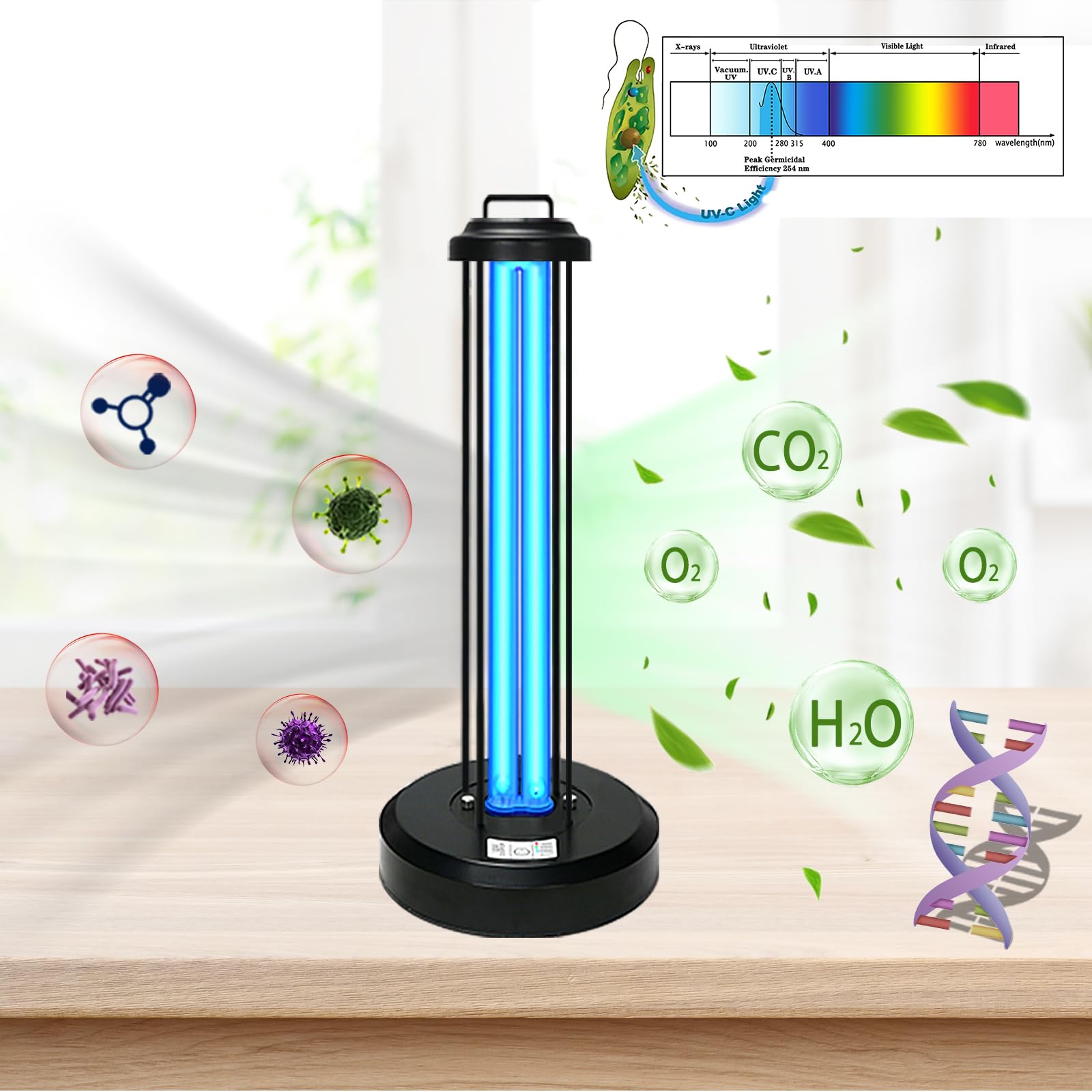
To understand the risk, we have to look at what UV light actually does at a cellular level. Ultraviolet radiation—specifically UVB (280–315 nm)—is energetic enough to break chemical bonds.
The D3 Ceiling
There is a biological limit to how much Vitamin D3 an animal can process. In nature, reptiles have evolved "photo-regulation" behaviors. They move in and out of the sun to maintain an optimal UVI (UV Index). In a glass enclosure, if the UV gradient is poorly designed, the animal is trapped in a "high-radiation zone."
Once the body reaches its D3 saturation point, further UVB exposure doesn't help the bones; it begins to create toxic metabolites and triggers cellular stress. This oxidative stress can damage DNA, which is the primary driver of premature aging and organ failure.
2. Ocular Damage: The Silent Path to Blindness
Perhaps the most immediate risk of "UV overkill" is Photokeratitis, essentially a sunburn on the cornea.
Pets, particularly reptiles and amphibians with sensitive eyes, do not have the same "squint reflex" as humans. If a high-output T5 HO lamp is placed too low, or if the pet is forced to stare at a reflected UV source, the ocular tissue begins to degrade.
-
Acute Risk: Cloudy eyes, swelling, and temporary blindness.
-
Long-term Lifespan Impact: A blind pet cannot hunt, cannot navigate its thermal gradient, and suffers from chronic stress. This systemic stress suppresses the immune system, leaving the pet vulnerable to opportunistic infections that can lead to early death.
3. Dermatological Degeneration and Cancer
We often assume that because reptiles have scales, they are "armored" against the sun. This is a dangerous misconception.
Skin Thickening and Dysecdysis
Over-irradiation causes the skin to become leathery and thick—a defense mechanism known as hyperplasia. While this protects the internal organs, it makes shedding (ecdysis) significantly more difficult. Chronic "stuck shed" can constrict blood flow to limbs and tails, leading to necrosis.
The Cancer Risk
While rare in short-lived species, long-lived reptiles (like tortoises that can live 50+ years) are increasingly showing signs of Squamous Cell Carcinoma linked to high-intensity artificial UV sources. When we use "Black Tech" bulbs that mimic the intensity of the midday Sahara sun for 12 hours a day, we are essentially subjecting the pet to a lifetime of "sunburns" at a localized level.
4. Comparing UV Sources: Which Ones Pose the Highest Risk?
Not all bulbs are created equal. The risk of shortening a pet’s life often comes down to the type of technology used.
| Lamp Technology | Risk Level | Common Overexposure Issue |
| T8 Linear Tubes | Low | Low intensity; risk is usually "under-exposure." |
| T5 HO (High Output) | Moderate | High intensity at close range; must be baffled. |
| Mercury Vapor (MVB) | High | Creates "Hot Spots" of UV and heat; prone to "UV spikes." |
| Metal Halide | High | Extremely high UVI; requires large, tall enclosures. |
| UV LEDs | Unknown | Very narrow peaks; potential for retinal damage. |
The Mercury Vapor Warning: These bulbs are "all-in-one" solutions, but they often emit dangerously high levels of UVB in a very narrow beam. If a pet sits directly under this beam to get warm, they may be receiving 5x the natural UV level of their native habitat.
5. The "Ferguson Zone" and Life Expectancy
To avoid shortening your pet's life, you must understand the Ferguson Zones—a scientific classification of animals based on their daily UV exposure.
-
Zone 1 (Shade Dwellers): Crepuscular species like Leopard Geckos. Overexposure here can lead to skin burns and neurological stress.
-
Zone 4 (Mid-day Basking): Species like Uromastyx. Even these "sun-lovers" require a "cool down" area. If the entire enclosure is a Zone 4, the animal's metabolism runs too high, essentially "burning out" its internal organs faster than nature intended.
6. How to Protect Your Pet’s Longevity
The goal of modern husbandry is not "Maximum UV," but "Optimal UV." To ensure your lighting setup isn't a silent killer, follow these three "Black Tech" safety protocols:
1. The Solarmeter Audit
You cannot see UVB. A bulb that looks "dim" might still be outputting dangerous levels of radiation, or a bulb that looks "bright" might be outputting zero. Use a Solarmeter 6.5 to measure the actual UV Index (UVI) at the basking site. For most desert species, you want a UVI of 3.0 to 4.5. Anything over 7.0 for extended periods is a lifespan risk.
2. The 12-Hour Cycle is a Myth
In the wild, UVI peaks for only 2 hours a day. Providing "Peak Midday UV" for 12 straight hours is unnatural. Consider using a multi-stage lighting system where a lower-intensity light runs all day, and the high-output UV kicks in for only 4-6 hours.
3. Provide "Photo-Clines"
Ensure your pet has "deep shade" options—caves, foliage, or burrows where the UVI is zero. This allows their cells to engage in DNA repair without constant bombardment from radiation.
7. Conclusion: The Responsible Basking Spot
Does UV light shorten pet lifespans? Only if we use it irresponsibly. When we treat UV lamps as "plug-and-play" appliances without measuring their output or understanding the species-specific limits, we turn a life-saving tool into a biological burden. Longevity is found in the balance. By respecting the power of the spectrum and providing our pets with the choice to escape the light, we ensure they live not just "long" lives, but healthy, vibrant ones.
Is your lighting setup "Lifespan-Safe"?
Would you like me to help you determine the safe mounting distance for your specific bulb brand to ensure your pet gets the benefits without the biological cost?