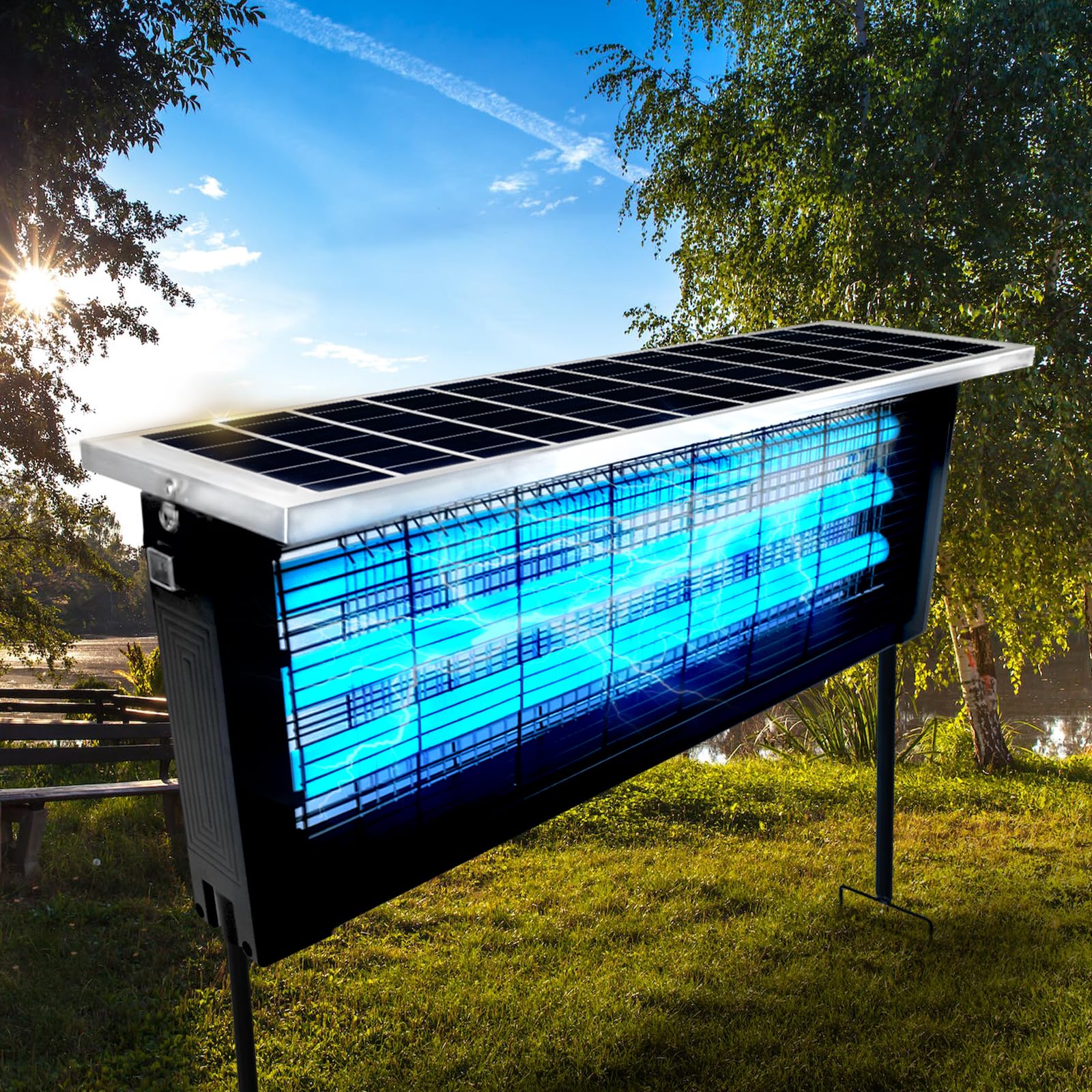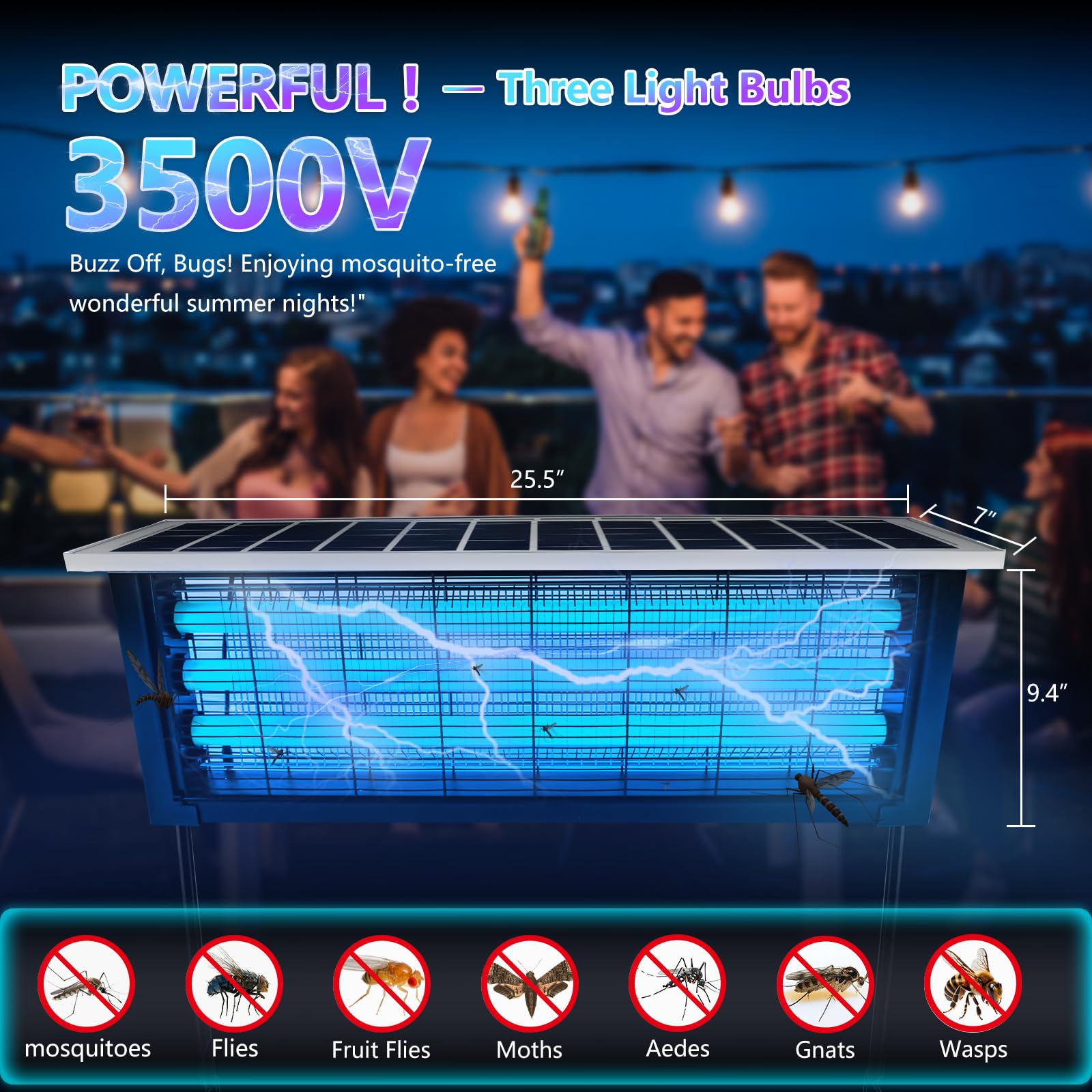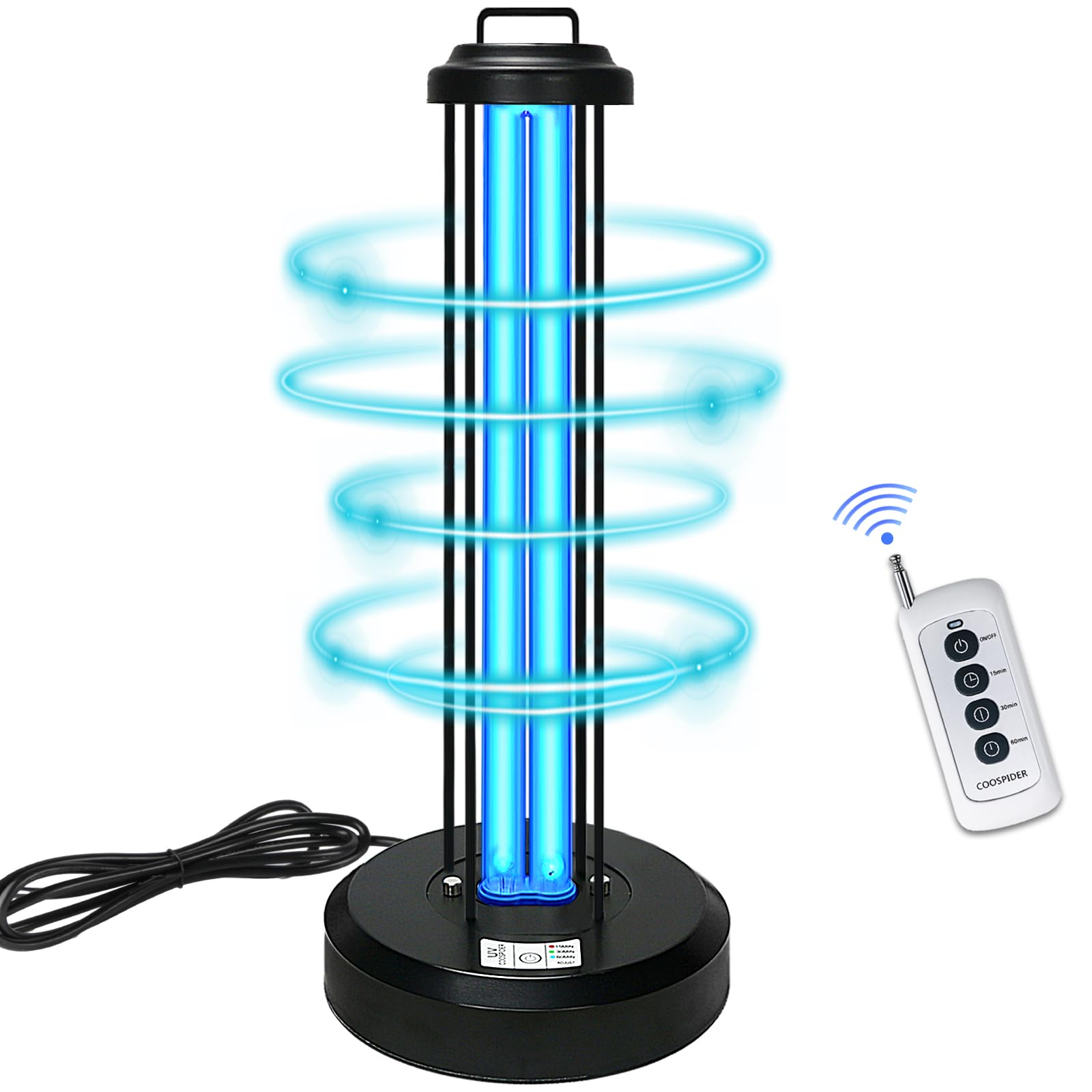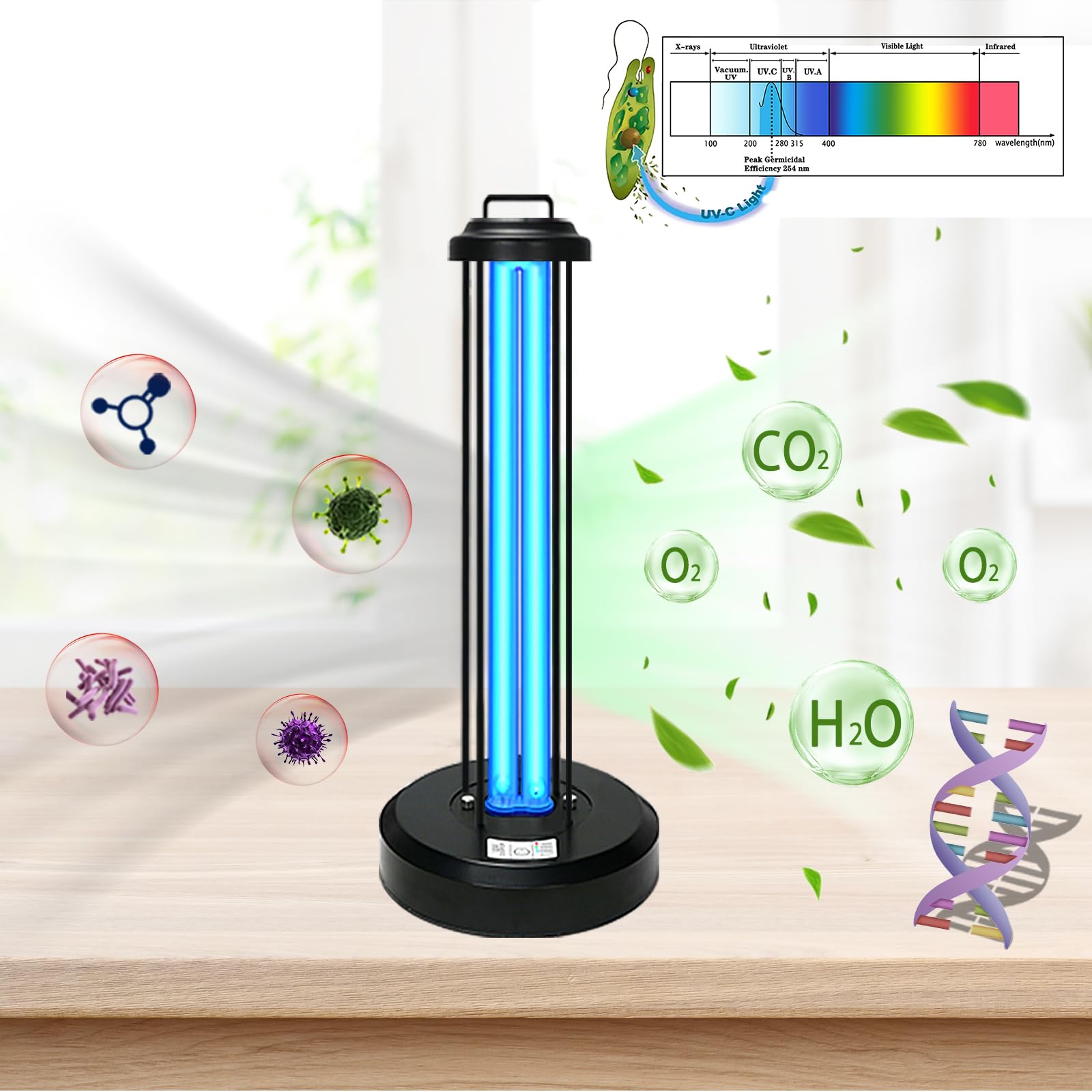

They were useful—but rarely beautiful.
Effective—but often hidden behind sofas, tucked into corners, or relegated to balconies and garages.
But home design in 2026 tells a different story.
Today’s consumers don’t want to hide functional products. They want products that belong—that enhance a space visually while quietly doing their job. This shift has sparked a new design philosophy: the fusion of mosquito lamps and decorative lighting.
This blog explores how combining these two worlds can elevate both function and aesthetics, turning an everyday pest-control device into a stylish, intentional part of modern home decor.
1. The Design Problem: Why Traditional Mosquito Lamps Feel Out of Place
Let’s be honest—most mosquito lamps were never designed with interiors in mind.
Common issues include:
-
Harsh blue or purple light
-
Industrial plastic housings
-
Exposed grids or traps
-
No consideration for room ambiance
They solve a problem, but they disrupt the atmosphere.
In contrast, decorative lighting is designed to:
-
Create mood
-
Complement furniture and color palettes
-
Add warmth and personality
-
Feel intentional, even emotional
The challenge—and opportunity—is bringing these two worlds together.
2. A Shift in Consumer Expectations
2.1 From “Appliance” to “Living Object”
Modern consumers expect home products to:
-
Perform well
-
Look good
-
Blend into their lifestyle
Just as air purifiers became design-forward and speakers turned into decor objects, mosquito lamps are now expected to earn their place in visible spaces.
People no longer ask:
“Does it work?”
They ask:
“Does it fit my home?”
2.2 The Rise of Visible Utility
Open-plan living spaces mean:
-
Fewer hidden corners
-
More multifunctional zones
-
Higher visual standards
Any object placed in a living room, bedroom, or entryway must meet aesthetic expectations, not just functional ones.
3. The Concept: Dual-Purpose Lighting as Design Strategy
At its core, combining a mosquito lamp with decorative lighting means designing for dual perception:
-
By function: it controls insects
-
By appearance: it behaves like ambient lighting
The goal is not to disguise the mosquito lamp—but to redefine it.
4. Light Quality: The Foundation of Visual Comfort
4.1 Why Light Temperature Matters
Traditional mosquito lamps rely on UV or blue-spectrum light to attract insects. Decorative lighting, however, prioritizes human comfort.
Successful hybrid designs separate these roles:
-
Internal functional light (hidden, controlled, insect-focused)
-
External ambient light (warm, soft, human-friendly)
Recommended ambient color temperatures:
-
Living rooms: 2700K–3000K
-
Bedrooms: 2200K–2700K
-
Hallways: 2700K
This ensures the lamp contributes to atmosphere rather than overpowering it.
4.2 Diffusion Is Everything
Bare light feels technical. Diffused light feels intentional.
Design techniques include:
-
Frosted glass or acrylic shells
-
Fabric or woven covers
-
Layered light chambers
Diffusion transforms harsh points of light into soft glows—key to making the device feel decorative.
5. Form Factor: Designing for Visual Harmony
5.1 Shapes That Belong in Homes
Decorative lighting favors:
-
Cylinders
-
Domes
-
Lantern silhouettes
-
Organic, rounded forms
By adopting these shapes, mosquito lamps shift from “tool” to “object”.
Sharp edges, exposed fans, and technical grills are replaced with:
-
Clean lines
-
Balanced proportions
-
Minimal visual noise
5.2 Material Choices That Signal Design
Material speaks before function.
Design-forward mosquito lamps often use:
-
Matte finishes instead of glossy plastic
-
Neutral tones: beige, sand, charcoal, olive
-
Wood accents or fabric textures
-
Brushed metal or ceramic-inspired shells
These materials visually align with modern interiors rather than fighting them.
6. Placement: Where Mosquito Lamps Become Decor
6.1 Living Rooms
In living rooms, hybrid lamps act as:
-
Accent lighting
-
Conversation pieces
-
Quiet background protectors
Placed near plants, sofas, or side tables, they integrate seamlessly into the environment.
6.2 Bedrooms
In bedrooms, the priorities are:
-
Silence
-
Soft light
-
Emotional comfort
A mosquito lamp that doubles as a bedside or floor lamp:
-
Replaces harsh night lights
-
Reduces clutter
-
Maintains calm ambiance
6.3 Balconies and Outdoor-Indoor Spaces
Balconies, patios, and sunrooms are ideal for decorative mosquito lamps:
-
Lantern-style designs
-
Warm outdoor lighting
-
Bug control without ruining the mood
Here, the combination feels especially natural.
7. Noise and Visual Calm: The Hidden Design Factors
Design isn’t only visual—it’s sensory.
To truly function as decorative lighting, mosquito lamps must also:
-
Minimize fan noise
-
Avoid flicker
-
Eliminate distracting glare
Quiet operation and steady light output reinforce the illusion of “just another lamp.”
8. Smart Lighting Integration
8.1 Adaptive Lighting Modes
Smart hybrid lamps offer:
-
Day mode (functional priority)
-
Evening mode (balanced)
-
Night mode (ambient only)
This flexibility allows users to control not just brightness, but purpose.
8.2 Scene-Based Control
Integrated with smart homes, lamps can:
-
Sync with sunset
-
Dim during movie time
-
Switch off ambient light during sleep
Mosquito control becomes invisible, while lighting remains intentional.
9. Emotional Design: How Lighting Shapes Experience
Decorative lighting influences how we feel:
-
Warm light = relaxation
-
Soft shadows = depth
-
Gentle glow = safety
When mosquito lamps adopt these qualities, they:
-
Reduce stress associated with pests
-
Make protection feel passive, not intrusive
-
Improve overall home experience
The product stops feeling like a “solution” and starts feeling like part of the home.
10. Sustainability and Fewer Devices
Combining functions means:
-
Fewer products
-
Less energy consumption
-
Reduced material waste
Instead of:
-
A night light
-
A decorative lamp
-
A mosquito lamp
You have one thoughtfully designed object.
This aligns with minimalist and eco-conscious lifestyles.
11. Common Design Mistakes to Avoid
Even well-intentioned designs can fail if they:
-
Expose UV light directly
-
Use overly bright ambient LEDs
-
Block airflow for aesthetics
-
Ignore heat dissipation
Good design balances beauty, safety, and performance.
12. What This Trend Says About the Future of Home Products
The mosquito lamp + decorative light hybrid reflects a larger shift in product philosophy:
-
Function must coexist with beauty
-
Technology should fade into the background
-
Products should adapt to space, not dominate it
Consumers no longer separate “useful” from “beautiful.” They expect both.
13. The New Identity of the Mosquito Lamp
In this new context, the mosquito lamp becomes:
-
A lighting object
-
A wellness tool
-
A design element
-
A lifestyle product
It no longer hides in the corner.
It stands confidently—quietly doing its job.
Final Thoughts: Beauty That Works
When mosquito lamps are designed as decorative lighting, something powerful happens.
Protection becomes invisible.
Technology becomes calm.
Function becomes beautiful.
Instead of choosing between a comfortable home and an effective one, you get both.
Because the best home products don’t ask for attention.
They earn their place—by fitting in perfectly.
And when function meets style, even a mosquito lamp can elevate your home.