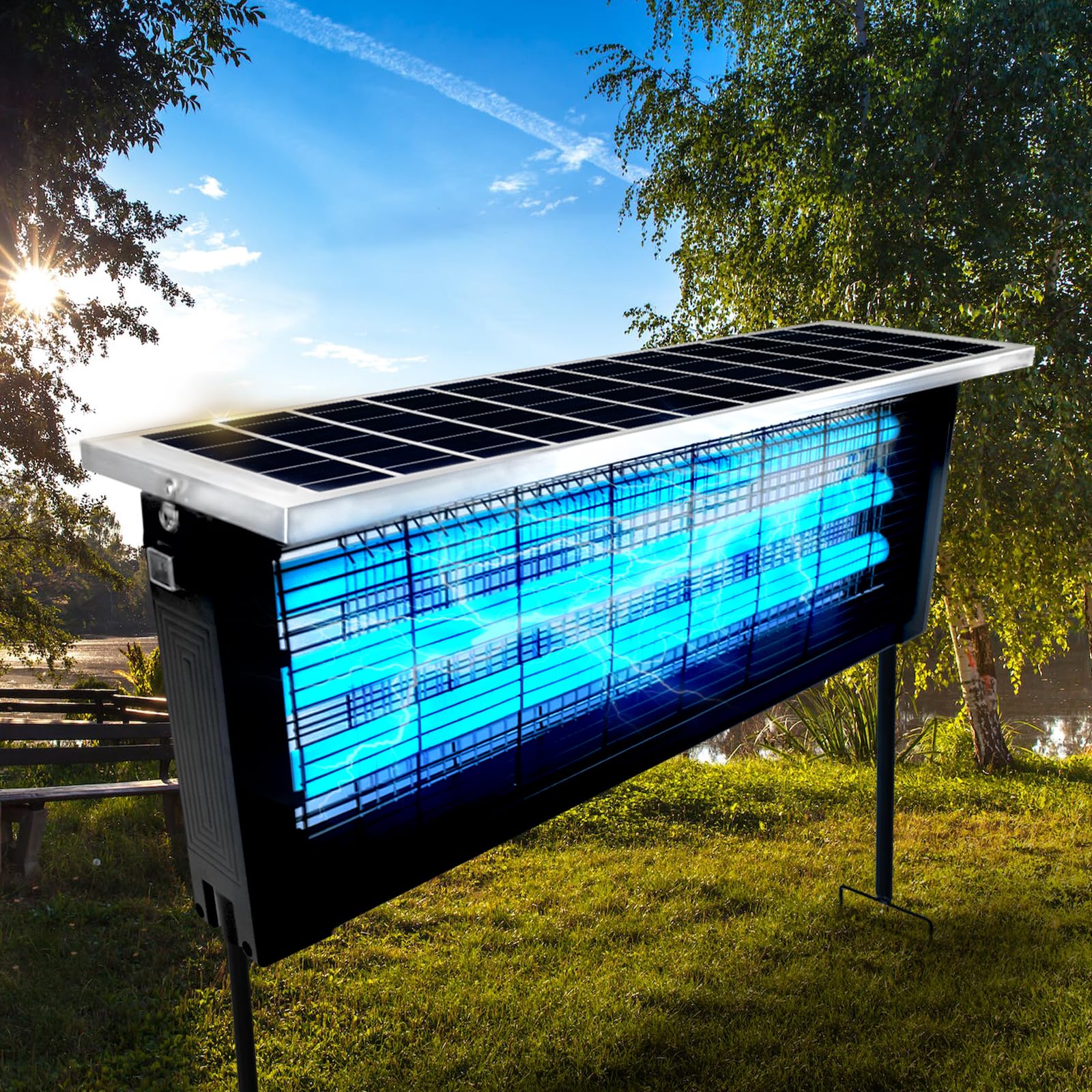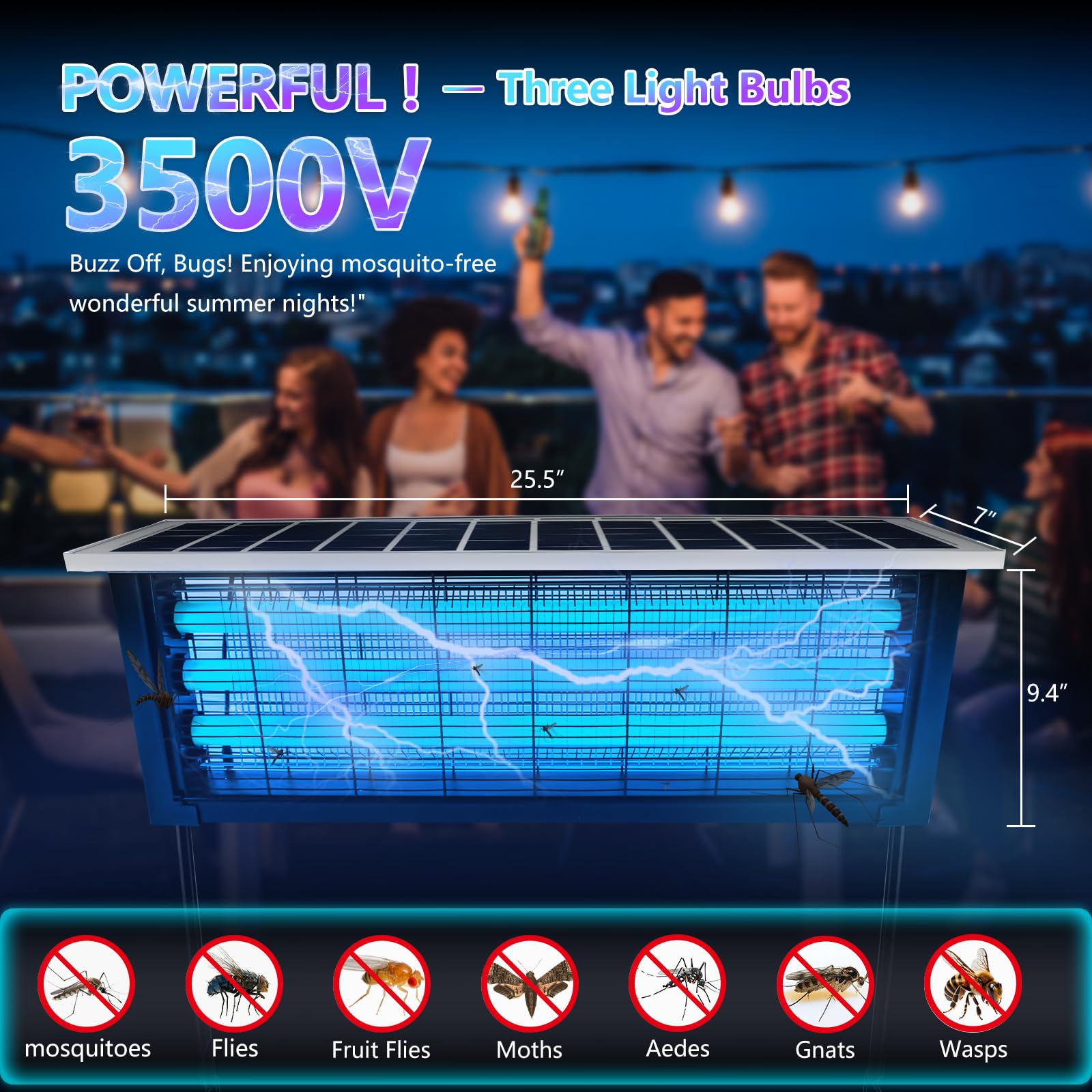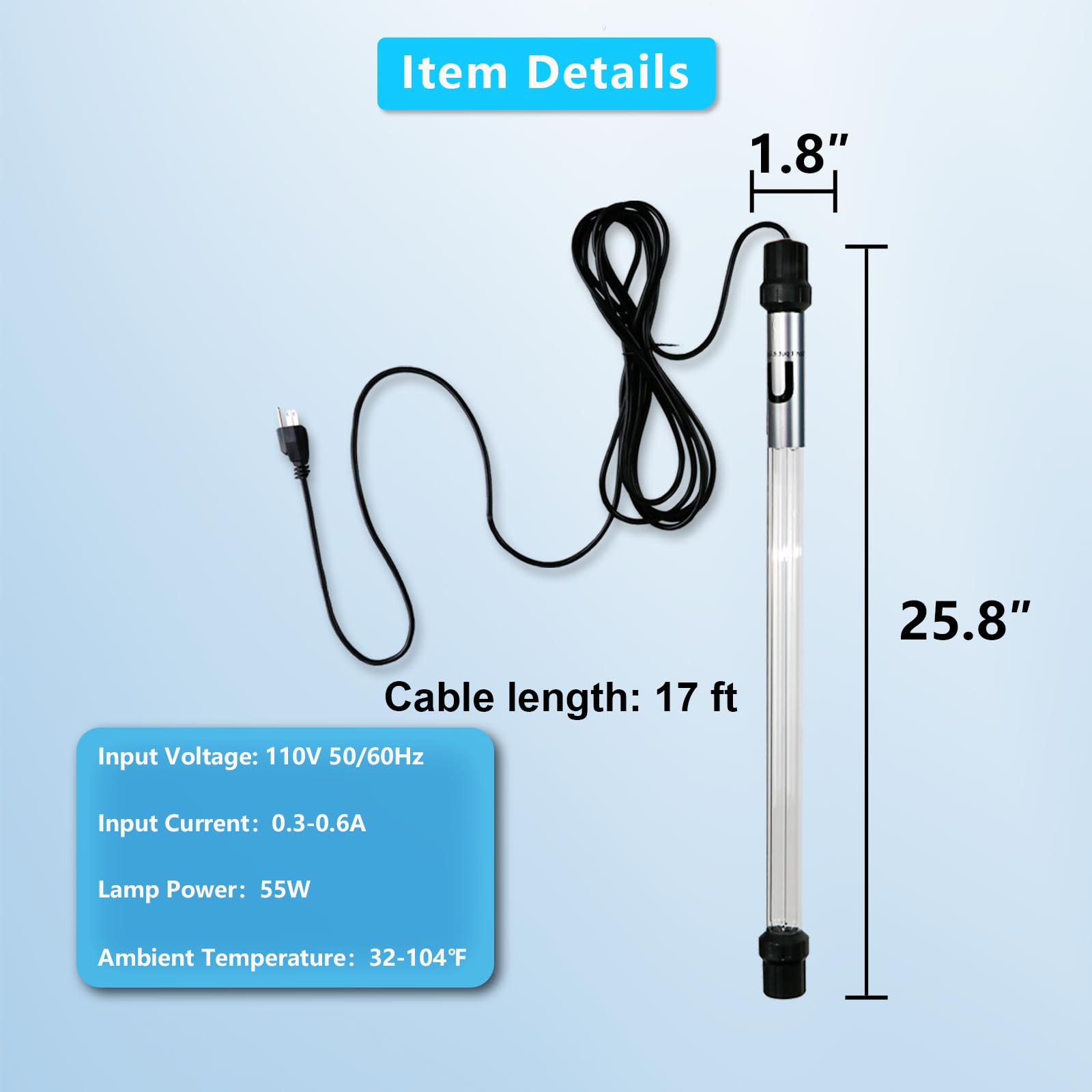

At first glance, a mosquito lamp and a night light seem to live in completely different worlds.
One is practical, utilitarian, and seasonal—designed to quietly eliminate annoying insects.
The other is emotional, atmospheric, and deeply personal—designed to bring comfort, warmth, and a sense of calm at night.
But what if one device could do both?
With a bit of creativity, thoughtful modification, and a focus on safety, a mosquito lamp can be transformed into a functional, stylish night light—one that protects your space while softly illuminating it.
This blog is a deep, step-by-step creative guide to reimagining the mosquito lamp as a dual-purpose device: pest control by day, ambient lighting by night.
1. Why Turn a Mosquito Lamp into a Night Light?
1.1 The Rise of Multi-Functional Home Devices
Modern homes are moving away from single-purpose gadgets. Consumers now expect products to:
-
Save space
-
Reduce clutter
-
Serve multiple needs
-
Blend into interior design
A device that only works at night in summer is increasingly seen as underutilized.
By converting a mosquito lamp into a night light, you:
-
Extend its usage throughout the year
-
Increase perceived value
-
Reduce electronic waste
-
Add personality to your space
1.2 The Emotional Role of Night Lighting
Night lights aren’t just about visibility. They’re about:
-
Comfort and reassurance
-
Creating a sense of safety
-
Reducing anxiety in children and adults
-
Guiding movement without harsh brightness
A soft, warm glow can completely change how a room feels.
2. Understanding the Anatomy of a Mosquito Lamp
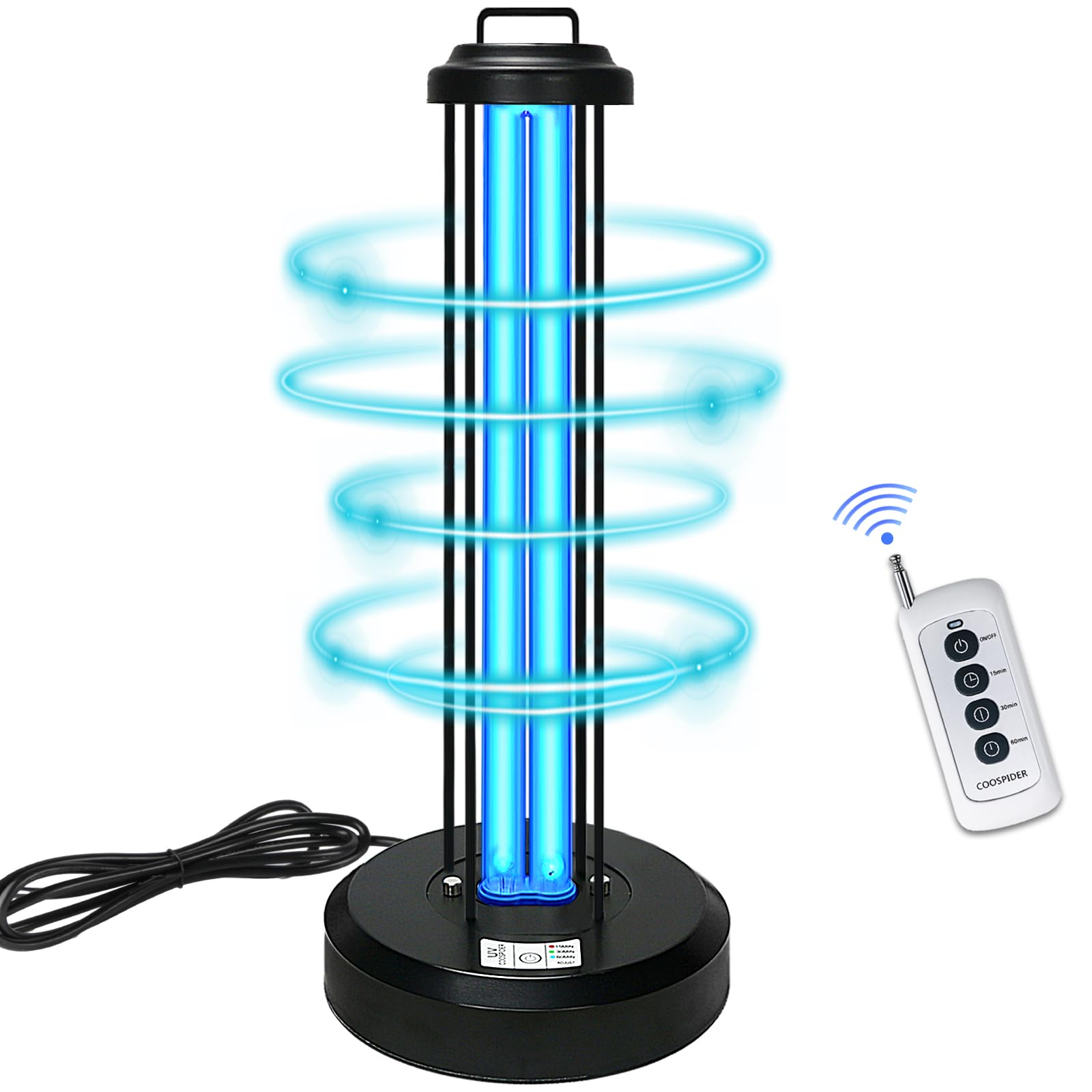
Before any modification, it’s crucial to understand how a typical mosquito lamp works.
Most mosquito lamps include:
-
A UV or near-UV light source (for attraction)
-
A fan or airflow system
-
A trapping chamber or electric grid
-
A plastic or metal housing
-
A power supply (USB or plug-in)
To convert it into a night light, we are not altering its core function—we’re enhancing its lighting behavior and visual presence.
3. Safety First: What You Must Know Before Modifying
3.1 UV Light Safety
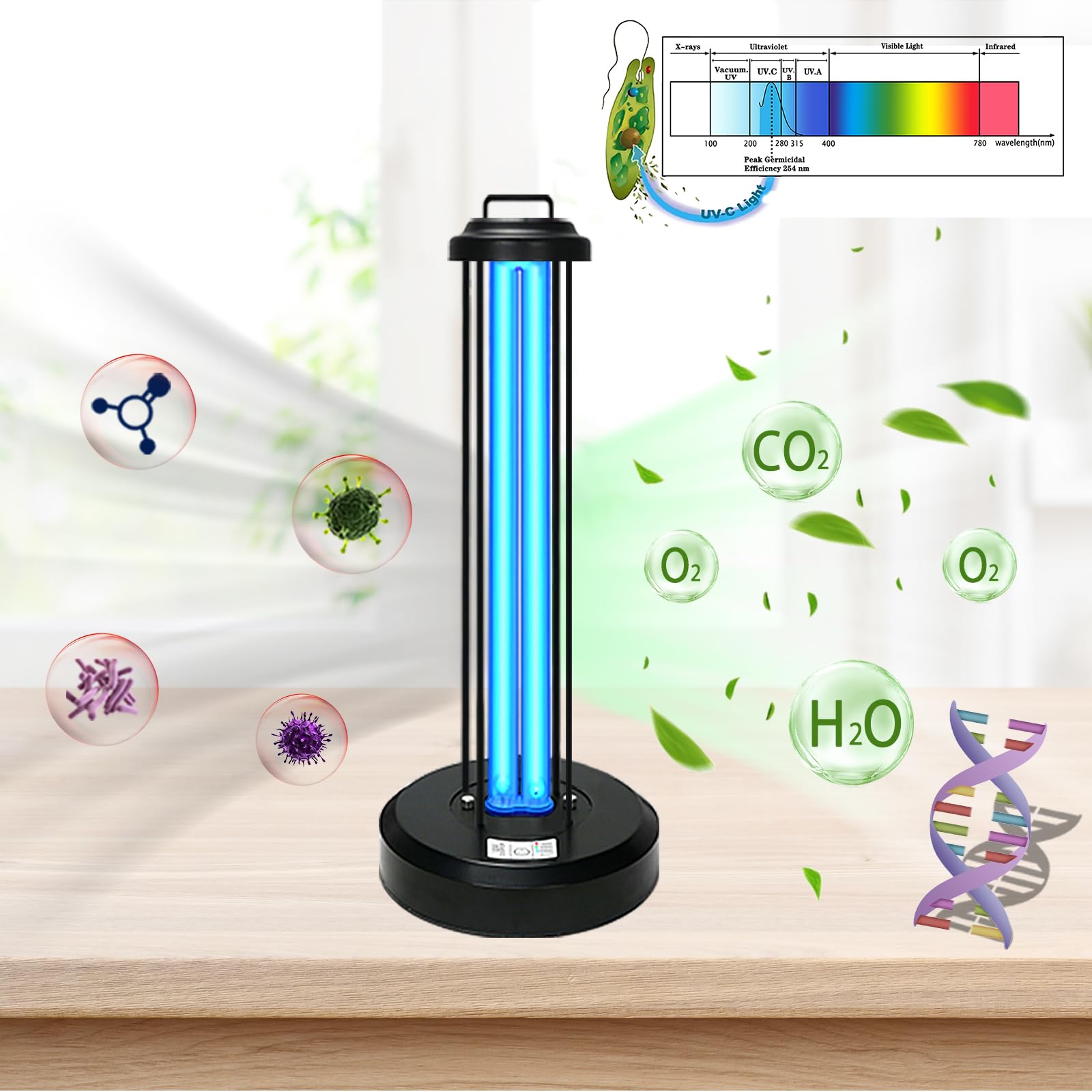
Not all UV light is suitable for ambient exposure.
Important rules:
-
Do NOT expose UV-C light directly into living spaces
-
Only work with devices that use enclosed or shielded UV LEDs
-
Never convert an open UV-C lamp into a night light
If the UV light is fully internal and not visible to the eye, it’s generally safe to proceed with cosmetic and lighting modifications.
3.2 Electrical Safety
Before starting:
-
Unplug the device
-
Avoid cutting or re-soldering wires unless experienced
-
Use LED modules designed for low-voltage systems
-
Never overload the power supply
This guide focuses on non-invasive, low-risk modifications.
4. Concept 1: Soft Glow Overlay — The Simplest Transformation
4.1 The Idea
Instead of changing the internal electronics, we add a diffused outer glow layer that turns harsh internal light into soft ambient illumination.
4.2 Materials Needed
-
Frosted acrylic sheet or tracing paper
-
Heat-resistant adhesive
-
Scissors or utility knife
-
Optional: colored diffuser film (warm white, amber, pastel tones)
4.3 Step-by-Step
-
Measure the outer shell of the lamp
-
Cut the diffuser material to size
-
Attach it inside or outside the lamp casing
-
Test illumination in a dark room
The result is a gentle halo effect instead of a stark insect-attracting glow.
4.4 Design Tips
-
Warm tones (2700K–3000K) feel more relaxing
-
Avoid blue-heavy diffusion for bedrooms
-
Layer materials to adjust brightness
5. Concept 2: Dual-Light Mode — Bug Control + Night Ambience
5.1 The Idea
Add a secondary LED light strip that works independently of the mosquito function.
5.2 Materials Needed
-
USB-powered LED strip
-
Inline dimmer or smart USB switch
-
Adhesive backing or clips
5.3 Installation Guide
-
Mount LED strip around the base or back of the lamp
-
Route USB cable discreetly
-
Connect to a smart plug or switch
-
Set schedules for day/night use
Now the mosquito lamp can:
-
Run pest control at night
-
Emit a soft glow when insects are inactive
5.4 Smart Home Integration
With smart plugs, you can:
-
Turn the night light on at sunset
-
Dim it after midnight
-
Sync it with motion sensors
6. Concept 3: Shadow & Pattern Light — Artistic Expression
6.1 The Idea
Turn the lamp into a decorative shadow projector.
6.2 Materials Needed
-
Thin metal sheet or thick cardstock
-
Craft knife
-
Heat-safe tape
6.3 How It Works
-
Cut simple patterns (leaves, stars, geometric shapes)
-
Attach the pattern layer around the lamp housing
-
Light passes through, casting soft shadows
This creates a calming, almost meditative effect—perfect for bedrooms or reading corners.
7. Concept 4: Child-Friendly Night Light Conversion
7.1 Design Goals
For kids’ rooms, priorities change:
-
No harsh light
-
No visible insects
-
No noise
-
Friendly appearance
7.2 Visual Softening Techniques
-
Fabric sleeves (fire-resistant only)
-
Silicone covers
-
Rounded outer shells
-
Cartoon-themed overlays
7.3 Psychological Comfort
A device that once felt “technical” becomes:
-
Familiar
-
Playful
-
Reassuring
This can help children feel safe at night without adding another gadget.
8. Noise Reduction for Night Light Use
Many mosquito lamps include fans. For night light mode:
-
Use low-speed or sleep mode
-
Place vibration-damping pads under the base
-
Isolate airflow noise with foam rings (non-blocking)
Silence is just as important as light.
9. Color Temperature: The Science of Sleep-Friendly Light
9.1 Why Color Matters
Blue-heavy light:
-
Suppresses melatonin
-
Disrupts sleep cycles
Warm light:
-
Signals rest
-
Reduces eye strain
9.2 Recommended Settings
-
Bedrooms: 2200K–2700K
-
Hallways: 2700K–3000K
-
Nurseries: Amber or soft red
Avoid converting the lamp into a bright white light source.
10. Aesthetic Integration into Home Decor
A converted mosquito lamp shouldn’t look like a hack—it should feel intentional.
10.1 Placement Ideas
-
Bedside table
-
Entryway console
-
Bathroom night guidance light
-
Outdoor covered patio
10.2 Styling Tips
-
Match housing color to room palette
-
Hide cords with fabric sleeves
-
Pair with plants or wood textures
The goal: it should look like it belongs.
11. Sustainability: Creative Reuse as a Design Statement
Upcycling a mosquito lamp:
-
Extends product life
-
Reduces waste
-
Encourages mindful consumption
In a world of disposable electronics, creative reuse becomes a form of quiet rebellion.
12. Common Mistakes to Avoid
-
Exposing UV light directly
-
Blocking airflow completely
-
Over-brightening the lamp
-
Ignoring heat buildup
-
Using flammable materials
Good design always balances creativity with responsibility.
13. Who Is This DIY Perfect For?
This project is ideal for:
-
Renters (non-invasive)
-
Small apartments
-
Parents
-
DIY beginners
-
Eco-conscious households
You don’t need advanced tools—just curiosity and care.
14. Beyond DIY: What This Trend Means for the Industry
This kind of creative repurposing reflects a larger shift:
-
Consumers want adaptable products
-
Design matters as much as function
-
Devices must fit lifestyles, not disrupt them
Future mosquito lamps may be:
-
Designed as ambient lights by default
-
Dual-mode out of the box
-
Styled as decor objects
The line between appliance and atmosphere is blurring.
Final Thoughts: When Function Meets Feeling
Turning a mosquito lamp into a night light isn’t just a DIY project.
It’s a mindset.
It’s about:
-
Seeing potential beyond original intent
-
Making technology feel human
-
Designing homes that are calm, clever, and conscious
A soft glow that keeps bugs away and comfort close.
Sometimes, the best night lights don’t start as lights at all.
They start as problems—reimagined with creativity.