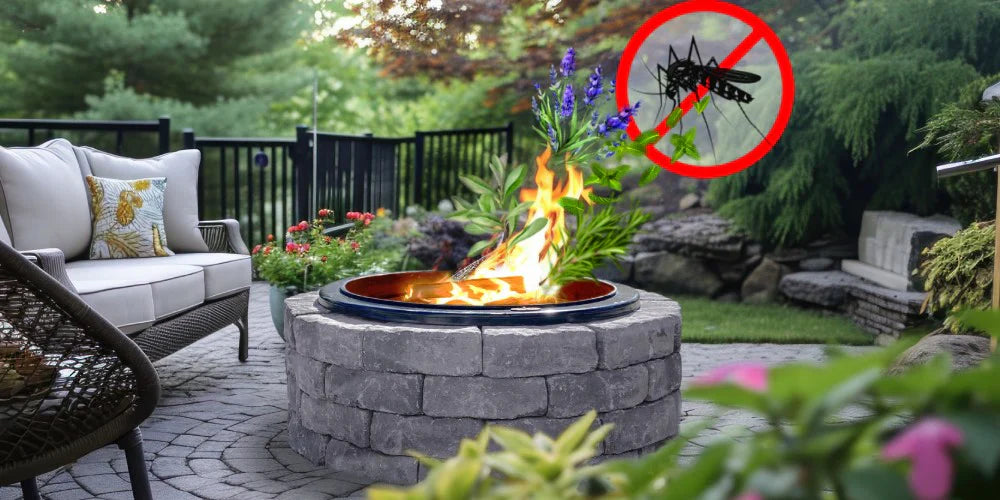
Introduction: When Mosquitoes Become More Than a Nuisance
In the wild, mosquitoes are more than just an annoyance. They can disrupt sleep, reduce focus, and in some regions, even pose health risks. When you’re deep in the forest or far from modern supplies, you can’t always rely on store-bought repellents. That’s where traditional survival knowledge becomes invaluable.
For centuries, people have used fire and natural plant materials to create smoke that repels insects. This method is simple, effective, and adaptable to different environments. If you know how to do it properly, you can turn a basic campfire into a powerful defensive tool against mosquitoes.
This guide will walk you through everything you need to know—from selecting the right plants to controlling your fire and maximizing the effectiveness of your smoke.
Why Smoke Works Against Mosquitoes
Before diving into techniques, it’s helpful to understand why smoke is effective.
Mosquitoes rely heavily on:
-
Carbon dioxide detection
-
Body heat
-
Scent cues
Smoke interferes with all three. It:
-
Masks your scent signature
-
Confuses their sensory systems
-
Creates an environment they prefer to avoid
Certain plants enhance this effect by releasing natural compounds that mosquitoes find especially unpleasant.
Building the Right Kind of Fire
Not all fires are equally effective for repelling mosquitoes. A typical campfire designed for cooking or warmth burns hot and clean—producing minimal smoke. For insect control, you actually want the opposite: controlled, steady smoke.
Step 1: Start with a Standard Fire Base
Begin with a small, stable fire using:
-
Dry tinder (grass, bark, or small twigs)
-
Kindling (thin sticks)
-
Small logs
Get the fire burning consistently before modifying it for smoke production.
Step 2: Transition to a Smoky Fire
Once your fire is established, reduce the flame intensity and increase smoke output by adding:
-
Damp wood
-
Green branches
-
Leafy plant material
Avoid smothering the fire completely. The goal is thick smoke—not extinguishing the flame.
Choosing Natural Mosquito-Repelling Plants
The effectiveness of your smoke depends heavily on what you burn. Many plants contain natural oils that repel insects when released through heat.
1. Pine Needles and Resinous Wood
Pine is widely available in many forest environments.
Benefits:
-
Produces thick, aromatic smoke
-
Contains natural resins that repel insects
-
Easy to ignite and maintain
Add green pine needles or resin-rich wood to boost smoke output.
2. Sage (Wild or Cultivated)
Sage has been traditionally used for purification and insect control.
When burned:
-
Releases strong, pungent smoke
-
Acts as a natural mosquito deterrent
If you find sage in the wild, it’s an excellent addition to your fire.
3. Cedar Branches
Cedar is another powerful natural repellent.
Advantages include:
-
Strong aromatic oils
-
Long-lasting smoke
-
Widely available in certain regions
Break branches into smaller pieces before adding them to the fire.
4. Mugwort
Mugwort grows in many parts of the world and has long been used as an insect repellent.
Burning mugwort produces:
-
Dense smoke
-
Distinct herbal scent
-
Effective mosquito deterrence
5. Eucalyptus Leaves (Where Available)
In areas where eucalyptus grows, its leaves are highly effective.
They contain:
-
Natural oils with insect-repelling properties
-
Strong, recognizable aroma
6. Other Useful Plant Materials
Depending on your location, you may also use:
-
Basil (wild varieties)
-
Mint
-
Lemon-scented plants
-
Certain grasses
Always confirm plant identification before use. Avoid toxic species.
Creating a Controlled Smoke Zone
A smoky fire alone isn’t enough—you need to position and manage it effectively.
Wind Direction Matters
Place your fire so that smoke drifts toward your resting or working area.
If the wind shifts:
-
Adjust your seating position
-
Or reposition your fire if safe to do so
Distance from Camp
Keep the fire close enough for the smoke to reach you, but far enough to avoid discomfort or hazards.
A typical distance:
-
3 to 6 feet from your sitting or sleeping area
Low, Steady Smoke Is Better Than Bursts
Avoid constantly feeding the fire in large amounts. Instead:
-
Add small quantities of plant material regularly
-
Maintain consistent smoke output
Building a Dedicated Smoke Fire (Smudge Fire)
Instead of modifying your main campfire, you can build a separate fire specifically for mosquito control.
How to Build It
-
Create a small fire pit
-
Start a low flame using dry materials
-
Gradually add damp plant matter
-
Keep the fire smoldering rather than blazing
This allows you to:
-
Cook with your main fire
-
Use the smudge fire purely for insect control
Enhancing Smoke Effectiveness
Use Damp Materials Strategically
Damp leaves and wood increase smoke density.
However:
-
Too much moisture will extinguish the fire
-
Balance is key
Crush Plant Leaves Before Burning
Breaking or crushing leaves releases more essential oils, making the smoke more potent.
Layer Materials
Instead of dumping everything at once:
-
Alternate between dry fuel and green plant matter
-
This maintains both heat and smoke production
Nighttime Strategies
Mosquito activity often increases at dusk and night.
Keep the Fire Active Before Sleeping
Build up your smoke-producing materials before going to bed.
Position Fire Upwind of Sleeping Area
This ensures smoke drifts across your shelter or sleeping spot.
Use Natural Windbreaks
Rocks, logs, or terrain can help guide smoke flow toward you.
Safety Considerations
Working with fire in the wilderness requires caution.
Avoid Enclosed Spaces
Never create smoke fires inside tents or poorly ventilated shelters.
Watch for Wildfire Risk
In dry conditions:
-
Clear vegetation around your fire
-
Keep water or soil nearby to extinguish flames
Identify Plants Carefully
Not all plants are safe to burn. Some may release toxic fumes.
If unsure:
-
Stick to well-known safe options like pine or cedar
Combining Smoke with Other Methods
Smoke is powerful, but combining it with other strategies improves results.
Clothing
Wear:
-
Long sleeves
-
Long pants
-
Light-colored fabrics
Camp Location
Avoid setting up camp near:
-
Standing water
-
Marshy areas
-
Dense undergrowth
Timing
Set up your smoke fire before mosquito activity peaks, not after.
Common Mistakes to Avoid
Burning Only Dry Wood
This produces heat but very little smoke—ineffective for mosquito control.
Overloading the Fire
Too much plant material at once can:
-
Kill the flame
-
Reduce overall effectiveness
Ignoring Wind Changes
Smoke that blows away from you offers no protection.
Real-World Scenario: A Practical Setup
Imagine you’re camping in a forest clearing near a stream.
A good setup would include:
-
Main campfire for cooking and warmth
-
Secondary smudge fire using pine needles and damp leaves
-
Seating positioned downwind of the smoke
-
Regular addition of fresh plant material
This creates a protective “smoke barrier” that reduces mosquito activity significantly.
The Science Behind Plant-Based Repellents
Many plants used in smoke fires contain natural compounds such as:
-
Terpenes
-
Essential oils
-
Aromatic hydrocarbons
These compounds interfere with mosquito sensory systems, making it harder for them to locate and target humans.
This is why certain plants are more effective than others—and why simply burning any vegetation won’t yield the same results.
Adapting to Different Environments
Forests
Use:
-
Pine
-
Cedar
-
Leaf litter
Grasslands
Use:
-
Dry grass mixed with green plants
-
Herbaceous species
Tropical Areas
Look for:
-
Broadleaf plants
-
Strongly aromatic species
Adaptability is key to survival.
The Psychological Advantage
Mosquitoes can drain your energy and morale. Constant buzzing and biting make it difficult to relax or sleep.
A well-managed smoke fire:
-
Creates a sense of control
-
Improves comfort
-
Enhances your overall outdoor experience
This mental benefit is just as important as the physical protection.
Future Applications and Modern Relevance
Even in modern outdoor recreation, these techniques remain relevant.
They are especially useful when:
-
You run out of repellent
-
You want a chemical-free alternative
-
You’re in remote areas
As interest in sustainable and natural solutions grows, traditional methods like smoke-based repellents are gaining renewed attention.
Conclusion: Mastering Fire and Nature for Protection
Using campfires and natural plants to create mosquito-repelling smoke is a timeless survival skill. It combines an understanding of fire management, plant selection, and environmental awareness.
By learning how to:
-
Build a controlled smoky fire
-
Choose effective plant materials
-
Position yourself strategically
-
Maintain consistent smoke output
you can significantly reduce mosquito exposure—even in challenging conditions.
This method doesn’t require specialized equipment or modern chemicals. It relies on knowledge, observation, and practice.
In the wilderness, those are often your most valuable tools.
When used correctly, a simple fire becomes more than warmth and light—it becomes protection, comfort, and a key part of your survival strategy.