When mosquito season hits, most people reach for whatever repellent is closest—spray it on, hope for the best, and move on. But if you’ve ever dealt with skin irritation, lingering chemical smells, or disappointing protection, you’ve probably wondered: what’s actually in this stuff—and is there a better option?
Two of the most widely used active ingredients in modern insect repellents are DEET and picaridin. Both are effective. Both are widely available. But they’re not identical—and the differences matter, especially when it comes to skin comfort, safety, and overall experience.
Choosing between them isn’t just about which one “works.” It’s about which one works best for you.
This guide breaks down how DEET and picaridin compare in terms of effectiveness, skin compatibility, safety, odor, and real-world use—so you can make an informed decision.
What Is DEET?
DEET (N,N-diethyl-meta-toluamide) has been the gold standard in insect repellents for decades.
Key Characteristics
-
Developed in the mid-20th century
-
Widely used globally
-
Highly effective against mosquitoes, ticks, and other biting insects
How It Works
DEET doesn’t kill insects. Instead, it interferes with their ability to detect human scent, making it harder for them to locate you.
What Is Picaridin?
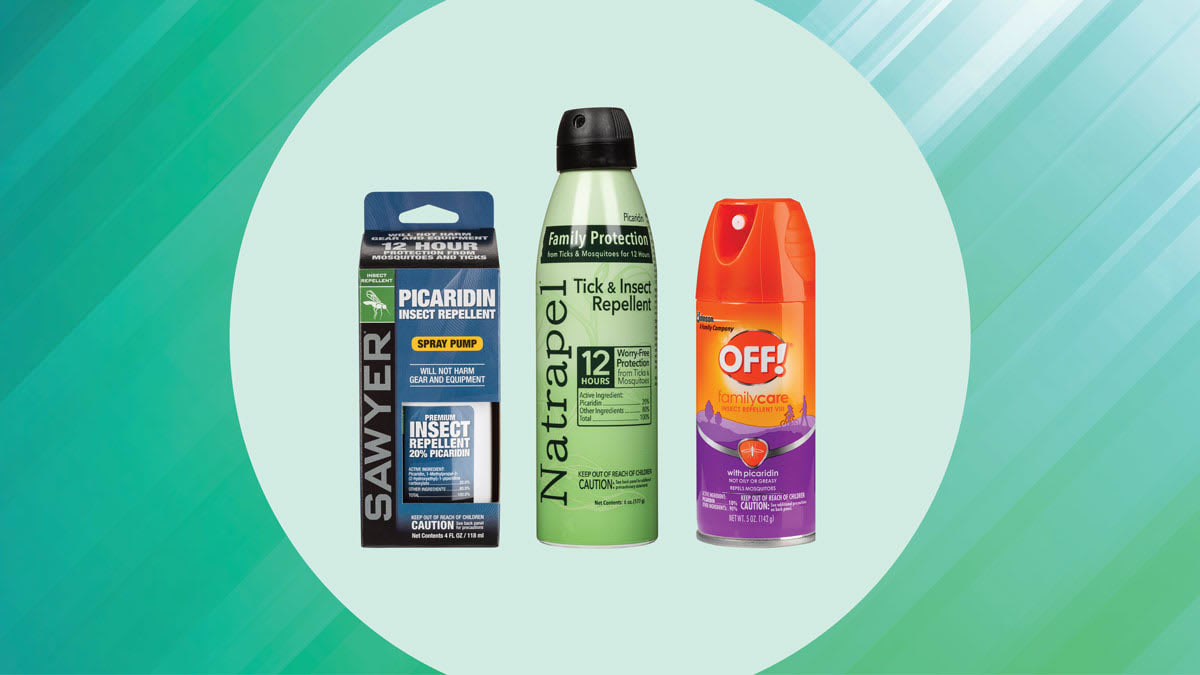
Picaridin (also known as icaridin) is a newer alternative developed to offer similar protection with improved user comfort.
Key Characteristics
-
Inspired by natural compounds found in pepper plants
-
Increasingly popular in modern repellents
-
Recommended by many health organizations as an alternative to DEET
How It Works
Like DEET, picaridin disrupts the sensory mechanisms insects use to find hosts.
Effectiveness: Which One Works Better?
When it comes to pure effectiveness, both DEET and picaridin perform well.
DEET Performance
-
Strong, long-lasting protection
-
Effective against a wide range of insects
-
Higher concentrations provide longer duration
Picaridin Performance
-
Comparable effectiveness at similar concentrations
-
Particularly strong against mosquitoes and ticks
-
Maintains consistent performance without greasy residue
Bottom Line
For most everyday situations, picaridin matches DEET in effectiveness. In extreme environments with heavy insect pressure, high-concentration DEET may still have a slight edge.
Skin Compatibility: Comfort Matters
This is where the differences become more noticeable.
DEET and Skin
Some users report:
-
Oily or greasy feel
-
Skin irritation (especially with high concentrations)
-
Sticky residue
Sensitive skin types may be more prone to reactions.
Picaridin and Skin
Picaridin is known for being:
-
Lightweight
-
Non-greasy
-
Less likely to irritate skin
It’s often preferred for:
-
Children
-
People with sensitive skin
-
Daily use
Odor and User Experience
DEET
-
Strong, chemical-like smell
-
Can linger after application
Picaridin
-
Mild or nearly odorless
-
More pleasant for repeated use
For many users, this alone is a deciding factor.
Impact on Materials
One of DEET’s lesser-known drawbacks is its effect on certain materials.
DEET Can Damage:
-
Plastics
-
Synthetic fabrics
-
Painted surfaces
This can be a concern for:
-
Eyeglasses
-
Watches
-
Outdoor gear
Picaridin Is Safer for Materials
Picaridin does not typically damage:
-
Plastics
-
Fabrics
-
Gear surfaces
This makes it a better choice for active outdoor use.
Safety Considerations
Both ingredients are considered safe when used as directed.
DEET Safety
-
Extensive history of use
-
Approved by major health authorities
-
Safe in recommended concentrations
Picaridin Safety
-
Also approved by health organizations
-
Lower risk of skin irritation
-
Suitable for frequent application
Duration of Protection
DEET
-
Higher concentrations last longer
-
30–50% DEET can provide several hours of protection
Picaridin
-
Typically used at 10–20% concentrations
-
Offers comparable protection duration
Choosing Based on Your Lifestyle
For Casual Outdoor Use
Picaridin is often the better choice due to:
-
Comfort
-
Lack of odor
-
Skin friendliness
For Heavy-Duty Protection
DEET may be preferred for:
-
Dense जंगल environments
-
مناطق with high insect populations
-
Extended exposure
For Travel
Picaridin is ideal because it:
-
Won’t damage gear
-
Is easy to reapply
-
Feels better on skin
Sensitive Skin and Children
Picaridin is generally recommended for:
-
Sensitive skin
-
الأطفال
-
Frequent use
DEET can still be used safely, but lower concentrations are preferred.
Environmental and Practical Considerations
Ease of Use
Picaridin:
-
Spreads easily
-
Dries quickly
DEET:
-
May feel heavier
-
Can leave residue
Reapplication
Both require reapplication after:
-
Sweating
-
Swimming
-
Extended exposure
Common Myths
“Natural Means Better”
Not always. Many natural repellents:
-
Wear off quickly
-
Offer inconsistent protection
Both DEET and picaridin are scientifically tested and reliable.
“Higher Concentration Means Stronger Protection”
Higher concentration usually means longer duration—not stronger immediate effect.
Real-World Scenarios
Hiking
-
Picaridin for comfort
-
DEET for extreme insect zones
Camping
-
Combination approach works best
Everyday Use
-
Picaridin is often more practical
The Future of Insect Repellents
Innovation continues in this space.
Expect:
-
Improved formulations
-
Longer-lasting protection
-
Enhanced skin compatibility
Both DEET and picaridin will likely remain central players.
Final Comparison Summary
| Feature | DEET | Picaridin |
|---|---|---|
| Effectiveness | Excellent | Excellent |
| Skin Feel | Oily/sticky | Light/non-greasy |
| Odor | Strong | Mild or none |
| Material Safety | Can damage plastics | Safe for most materials |
| Irritation Risk | Moderate (some users) | Low |
| Ease of Use | متوسط | High |
Conclusion: Which One Should You Choose?
There’s no universal winner—only the best fit for your needs.
If you prioritize:
-
Maximum protection in extreme conditions → DEET
-
Comfort, skin friendliness, and daily usability → Picaridin
For most people, picaridin offers a better overall experience without sacrificing effectiveness. But DEET remains a powerful option when conditions demand it.
Ultimately, the best repellent is the one you’ll actually use consistently. Because even the most advanced formula won’t help if it stays in your bag.
Choose wisely, apply correctly, and enjoy the outdoors with confidence—without becoming a mosquito’s next meal.