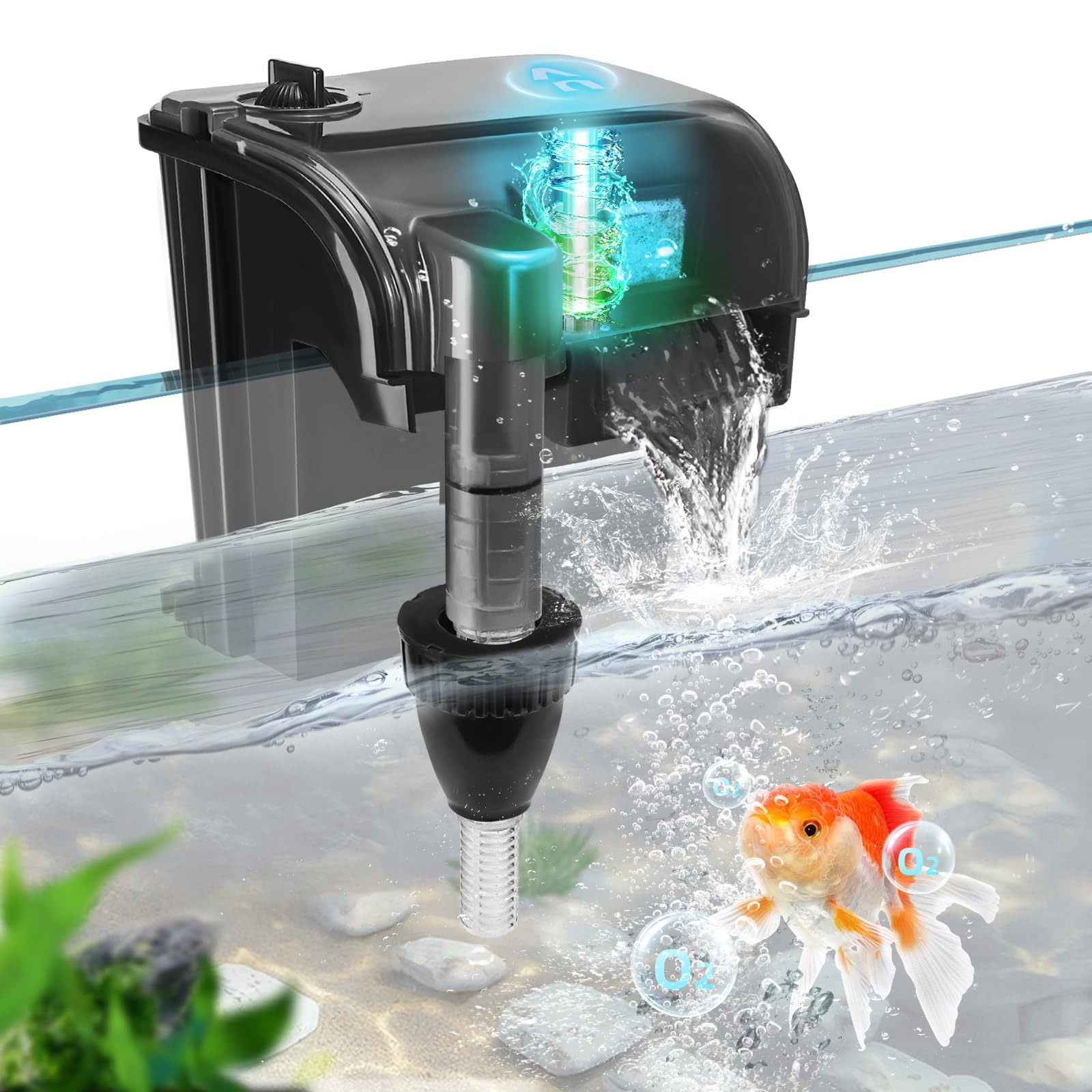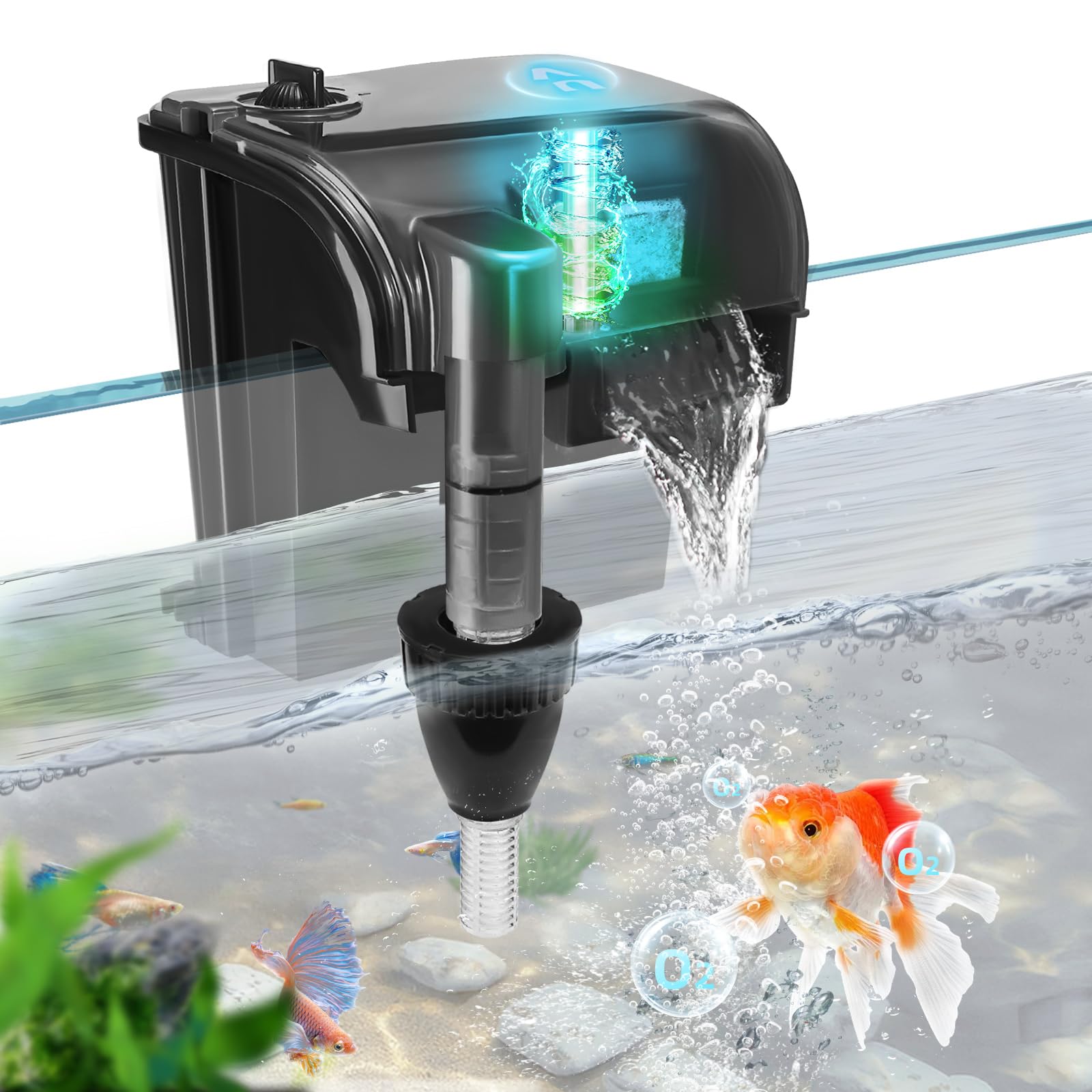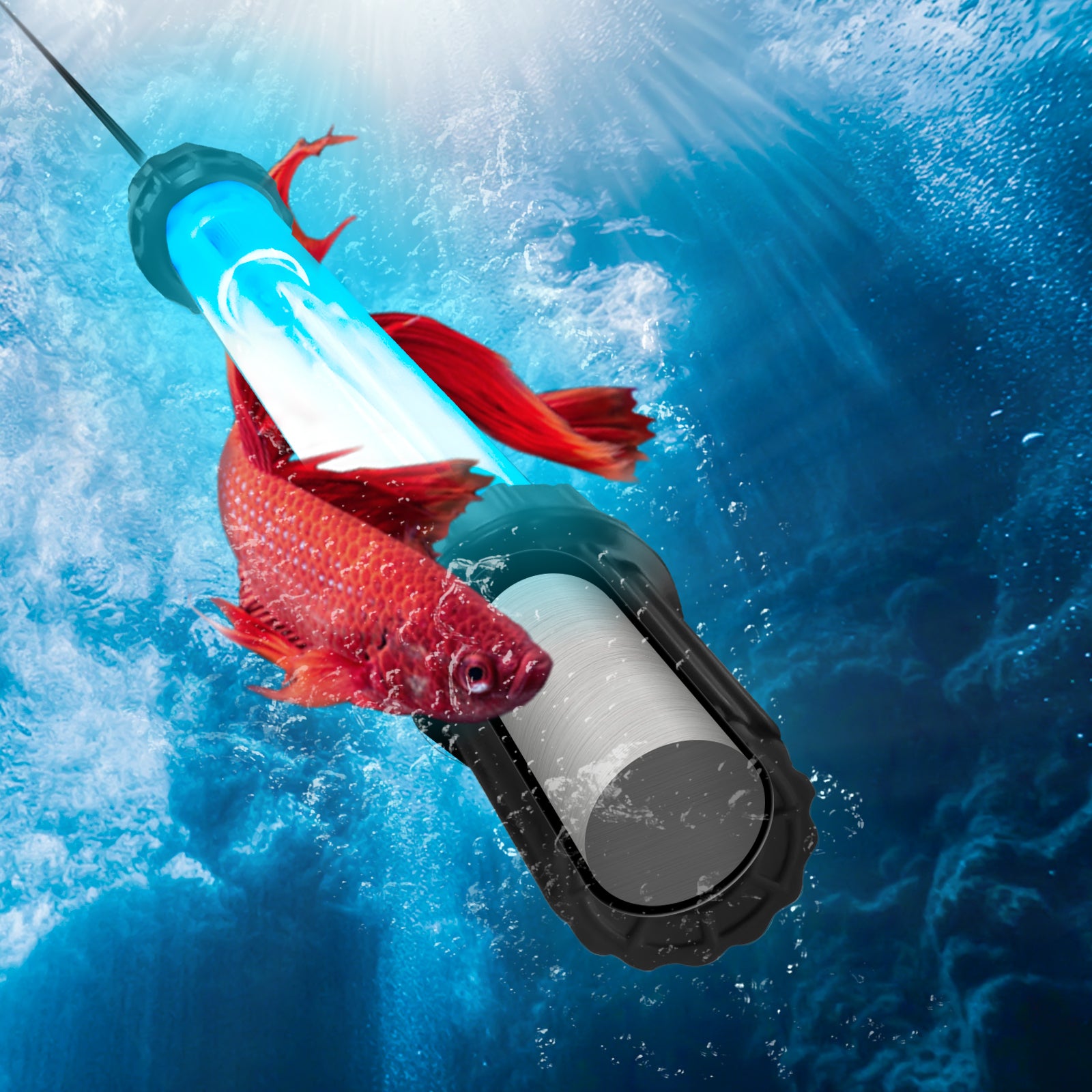
Winter brings crackling heaters, warm blankets, and hot drinks for us humans—but for aquarium fish, the drop in temperature can be deadly. Whether you keep tropical community fish, high-end koi in indoor tanks, bettas, shrimp, or exotic species with strict temperature requirements, cold stress is one of the most common causes of winter fish deaths.
As temperatures fluctuate throughout the day, many beginner—and even advanced—fishkeepers underestimate how drastically indoor room temperatures can swing. A tank that stays at 26°C (78°F) in summer may drop to 18°C (64°F) or lower during cold nights. Winter dramatically increases the workload on aquarium heaters, filtration systems, and the tank’s overall thermal stability.
This 4,000-word ultimate winter aquarium heating guide covers everything you need to ensure your aquarium remains warm, stable, energy-efficient, and safe—no matter how cold it gets outside.
Table of Contents
-
Why Winter Heating Is Critical
-
Signs Your Aquarium Is Too Cold
-
Understanding Temperature Stability: The Silent Killer
-
Heater Types & Choosing the Right Wattage
-
The Role of Insulation: Keeping Heat Inside the Tank
-
How to Position Your Heater For Best Performance
-
Backup Heating Solutions for Harsh Winters
-
How to Reduce Energy Use Without Cooling Your Tank
-
Maintaining Stable Water Temperature During Blackouts
-
Extra Tips for Fish, Plants & Coral During Cold Weather
-
Common Winter Heating Mistakes & How to Avoid Them
-
Final Thoughts
1. Why Winter Heating Is Critical
Most aquarium species—except cold-water fish—come from warm tropical environments where temperatures rarely fluctuate more than 1–2°C per day. Winter introduces three major risks:
1. Sudden Temperature Drops
Nighttime temperatures can fall fast when heaters cycle off or room heating is insufficient.
2. Fluctuations Between Day & Night
A tank that is 78°F in the afternoon might fall to 68°F at 3 AM.
3. Increased Stress on Heaters
Heaters must run longer and harder in winter, increasing failure rates.
Cold water slows metabolism, weakens fish immune systems, and can lead to:
-
Ich outbreaks
-
Fin rot
-
Lethargy
-
Loss of appetite
-
Sudden death in sensitive species
For shrimp and baby fry, winter is especially risky because they cannot tolerate temperature swings.
2. Signs Your Aquarium Is Too Cold
Fish rarely “complain,” but their bodies reveal early clues. Watch for:
• Slow, Lethargic Swimming
Fish become less responsive and prefer staying near the heater.
• Loss of Appetite
Cold water reduces digestion efficiency.
• Clamped Fins
A universal stress signal.
• Hiding Frequently
Cold stress causes fish to conserve energy.
• Color Fading
Especially noticeable in bettas, guppies, and neon tetras.
• Floating Near the Surface
In extreme cases, fish may float near surface layers where temperatures are slightly higher.
If multiple symptoms appear together, your tank temperature is unstable.
3. Temperature Stability: The Silent Killer in Winter
Everyone talks about the “right” aquarium temperature—but stability is often more important than the exact number.
Most tropical species thrive at:
-
76–80°F (24–27°C)
-
Changes should not exceed 1–2°F (0.5–1°C) per hour
In winter, instability becomes deadly because:
-
Heaters cycle longer
-
Room heating switches on/off
-
Sunlight on glass changes temperature
-
Cold air drafts cool exposed tank surfaces
Even if the tank “averages” 78°F, dropping to 70° at night is enough to cause disease outbreaks.
Consistency = Survival.
4. Heater Types & Choosing the Right Wattage
A single mistake—using the wrong heater—causes most winter tank crashes.
The Three Main Heater Types
1. Glass Heaters
-
Cheap
-
Good temperature accuracy
-
But fragile
-
Risk of cracking in winter due to rapid temperature change
2. Stainless Steel Heaters
-
More durable
-
Faster heating
-
Ideal for winter or large tanks
-
Cannot visually inspect heating element
3. Titanium Heaters (Premium)
-
Most durable
-
No glass → no explosion risk
-
Excellent for cold climates
-
Often paired with external controllers
If you live somewhere with harsh winters, titanium heaters offer best long-term reliability.
How to Choose the Correct Wattage
A simple rule of thumb:
3–5 watts per gallon
(or 1 watt per liter)
But in winter, wattage needs increase dramatically because heater workload rises.
Recommended Winter Wattage:
| Tank Size | Normal Heating | Winter Heating |
|---|---|---|
| 5 Gal | 25W | 50W |
| 10 Gal | 50W | 75–100W |
| 20 Gal | 100W | 150W |
| 40 Gal | 150W | 200–300W |
| 75+ Gal | 200–300W | 300–500W |
Dual-Heater Setup (Recommended)
Instead of one large heater:
Use two smaller heaters.
Example:
Instead of 300W → use 2 × 150W.
Advantages:
-
If one fails, the other prevents a crash
-
Even heat distribution
-
Reduced stress on each heater
-
Improved temperature stability
This is one of the best winter upgrades you can make.
5. Insulation: The Secret to Keeping Heat Inside
Most heat loss happens through the aquarium glass.
You can reduce energy use by 30–40% using simple insulation tips.
The Best Winter Insulation Methods
1. Add a Background Board
A foam board or insulating mat placed behind the tank significantly reduces heat loss.
2. Use a Top Cover or Lid
Heat rises—don’t let it escape.
3. Wrap Sides With Insulating Film
Window insulation film or neoprene sheets are inexpensive and effective.
4. Raise the Tank Off the Floor
Cold floors absorb heat.
5. Avoid Near Windows
Glass windows radiate cold.
6. Place Near a Stable Interior Wall
Steadier temperatures = less heater workload.
Even a 1–2°F improvement dramatically reduces heater energy consumption.
6. Heater Placement: Where You Put It Matters
Incorrect placement causes:
-
Hot spots
-
Cold pockets
-
Slower heating
-
Increased energy use
The Ideal Placement:
1. Near Filter Outlet
Ensures heated water circulates evenly.
2. Horizontally or Diagonally (Not Vertical)
Heats more uniformly.
3. Submerged in High-Flow Areas
Prevents temperature stratification.
4. Away From Substrate
Burying or placing too low risks overheating.
Common mistakes:
-
Placing heater in a low-flow corner
-
Installing vertically in deep tanks
-
Not fully submerging submersible models
-
Blocking heater with decorations
Fixing placement alone improves winter performance by 20–30%.
7. Backup Heating Solutions for Harsh Winters
If your region experiences freezing temperatures, prepare redundancies.
1. Use a Secondary Heater
Even a small 25–50W backup heater helps maintain temperature if the main heater struggles.
2. Install an External Temperature Controller
This prevents:
-
Overheating
-
Undershooting
-
Heater burnout
Inkbird and Hygger controllers are extremely reliable.
3. Add a Warm-Air Stone
Air stones can distribute warm water better.
4. Emergency Mylar Blanket
Wrap the tank during power failures to reduce heat loss.
5. Battery-Powered Heating Pads
Useful for nano tanks during outages.
8. How to Save Energy Without Cooling Your Tank
Heaters consume more power in winter—but you can slash costs safely.
1. Insulate the Tank
Cuts energy use 20–40%.
2. Use a Slightly Lower But Safe Temperature
Example: Lower from 80°F to 76°F to reduce heater workload.
3. Heat the Room Slightly
Raising room temperature from 60°F to 65°F dramatically reduces heater strain.
4. Close Doors to Reduce Drafts
Cold air currents cool your tank.
5. Keep the Lid Closed
Prevents evaporative heat loss.
6. Service Your Heater Regularly
Dirty heaters operate inefficiently.
9. How to Handle Blackouts in Winter
Winter storms often cause power outages—the greatest danger for aquarium ecosystems.
How long can fish survive without heat?
-
Tropical fish: 6–24 hours
-
Discus: 4–12 hours
-
Goldfish: tolerate longer
-
Shrimp: extremely sensitive
Emergency Steps:
1. Wrap the Tank in Blankets
Prevents heat loss.
2. Use Hot Water Bottles
Place outside the tank—not inside.
3. Avoid Feeding
Digestion increases oxygen demand.
4. Reduce Water Movement
Keeps heat trapped.
If you live in an area with winter outages, keep a battery-powered air pump and heat packs in your emergency kit.
10. Extra Tips for Fish, Plants & Coral in Winter
For Tropical Fish (Bettas, Tetras, Guppies):
-
Maintain 76–80°F
-
Avoid rapid water changes with cold tap water
-
Feed less during cold snaps
For Shrimp:
-
Very sensitive to fluctuations
-
Keep temperature rock-steady
-
Avoid strong heaters—use stable low-watt models
For Planted Tanks:
Plants grow slower in winter; adjust light cycle and nutrient dosing.
For Marine Tanks & Corals:
-
Many reef species require strict stability
-
Use dual titanium heaters
-
Add insulation to sump
11. Common Winter Mistakes and How to Avoid Them
❌ Using an underpowered heater
✔ Use higher wattage during winter months.
❌ Allowing cold drafts near the tank
✔ Move tank away from windows.
❌ Ignoring nighttime temperature dips
✔ Check temperature at 3–5 AM periodically.
❌ Not using backup heaters
✔ A second heater can save your entire tank.
❌ Placing heater incorrectly
✔ Position diagonally in high-flow areas.
❌ No temperature controller
✔ Heaters fail most often during winter.
❌ Large cold water changes
✔ Preheat water before adding.
❌ Assuming “room heat is enough”
✔ Indoor temps drop rapidly at night.
12. Final Thoughts
Winter poses one of the biggest threats to aquarium stability, but with the right equipment and strategies, you can keep your fish warm, healthy, stress-free, and thriving all season long.
This guide covered:
-
Correct heater sizing
-
Insulation techniques
-
Backup strategies
-
Efficient energy use
-
Emergency plans
-
Winter-specific troubleshooting
Maintaining temperature stability is not just about comfort—it's about survival.
With preparation, your aquarium will remain a warm, stable oasis no matter how cold it gets outside.