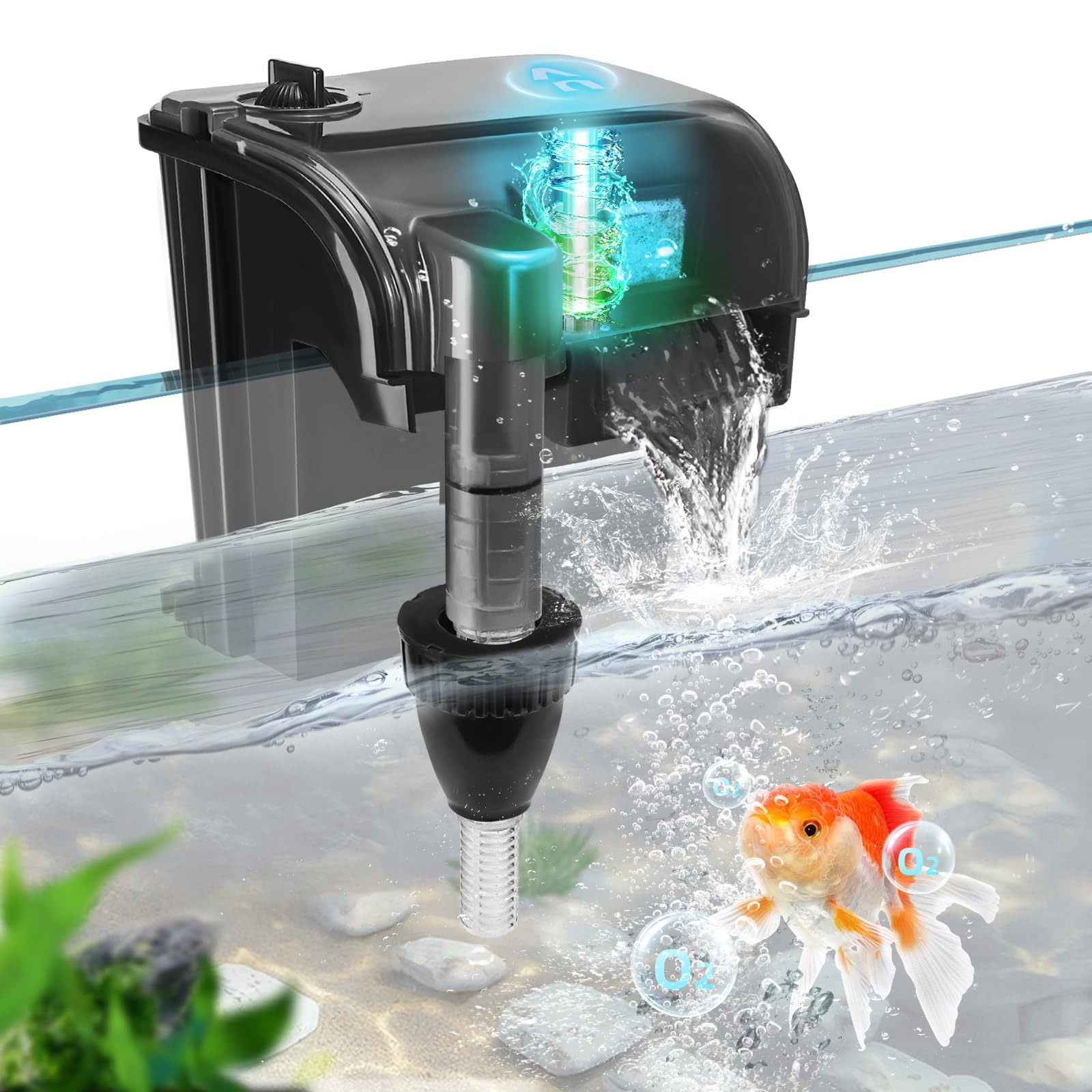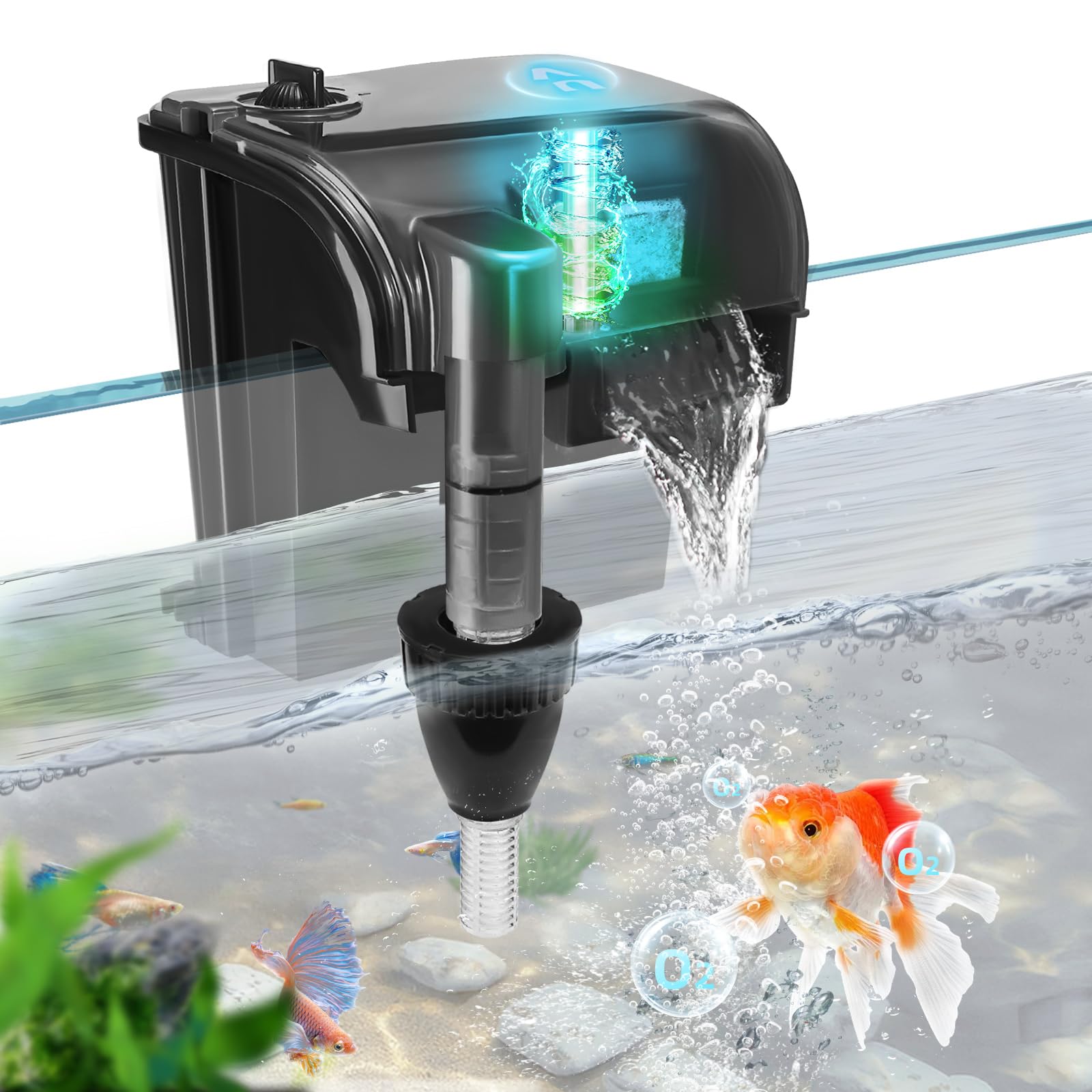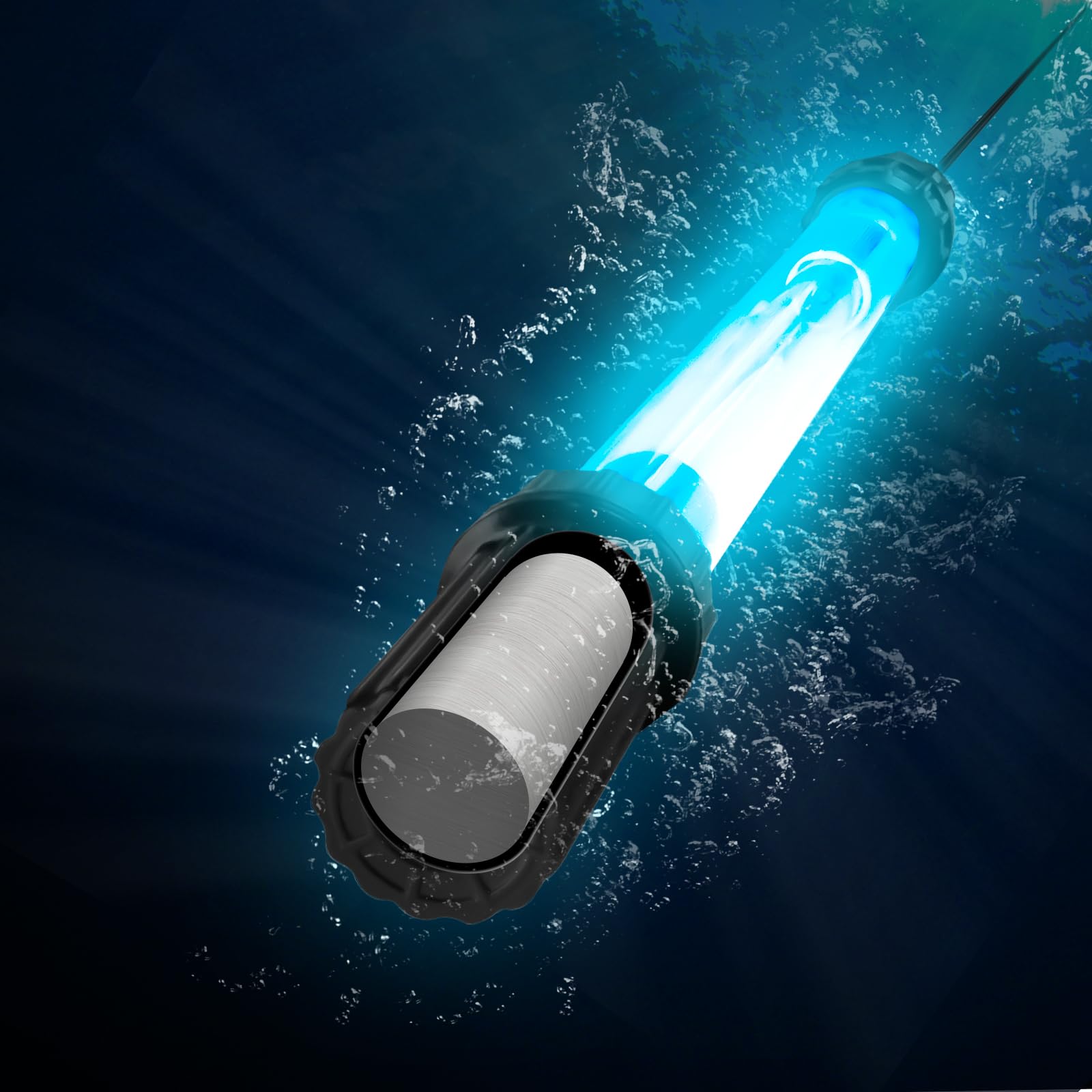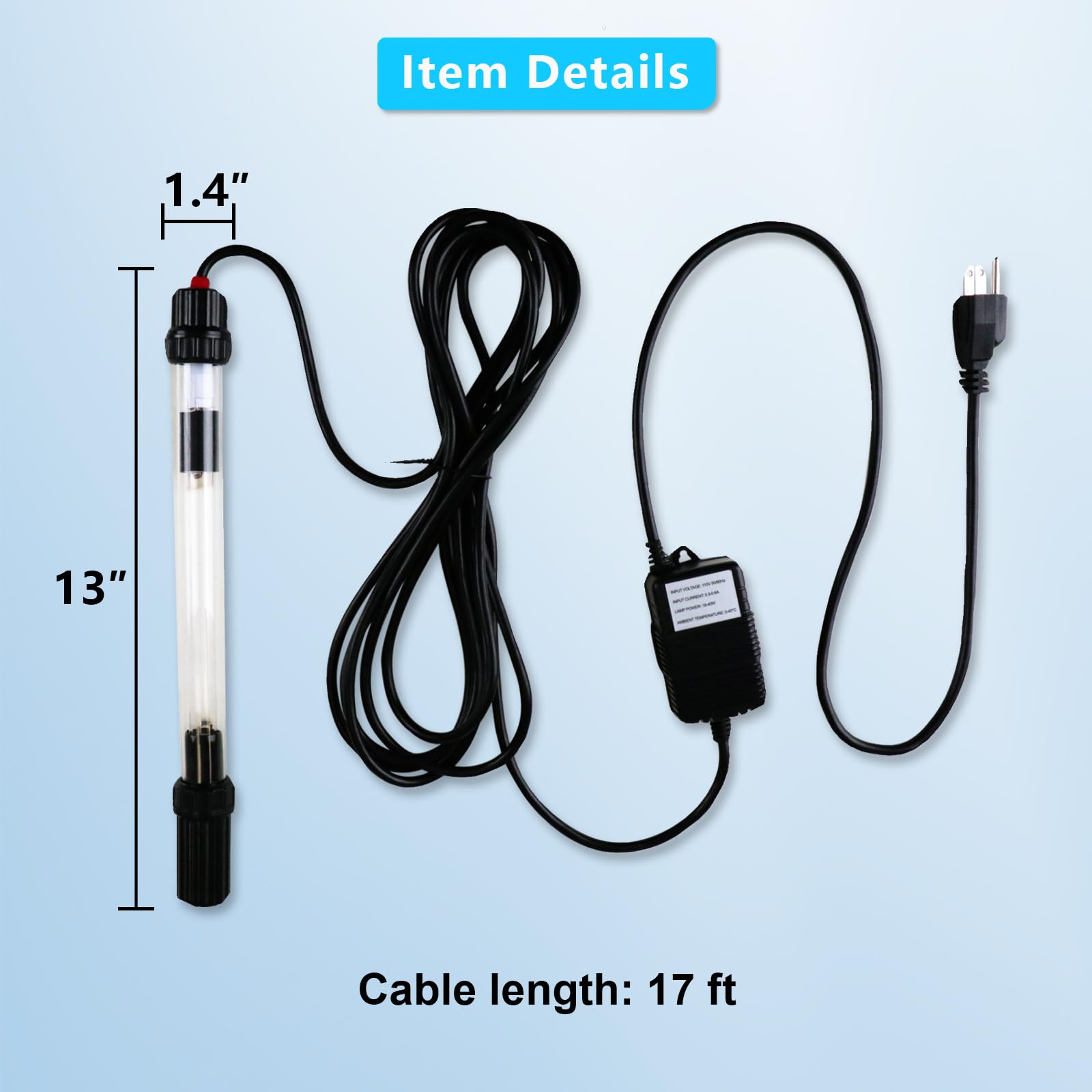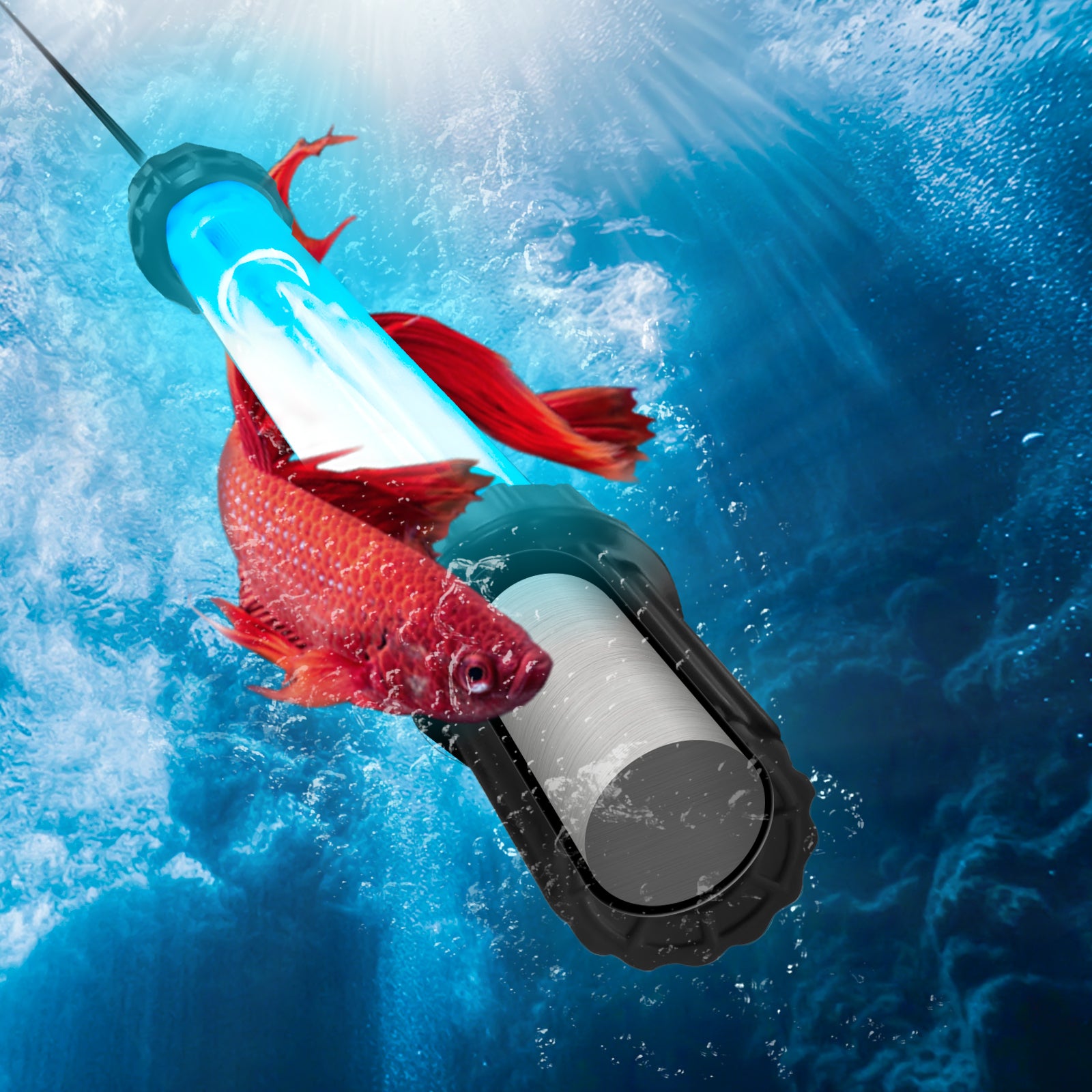
When winter temperatures plummet, heating rods become essential tools for keeping water systems functioning safely and efficiently. Whether you’re using a heating rod for livestock waterers, outdoor water tanks, industrial pipelines, aquariums, RVs, or household emergency use, understanding proper operation, safety precautions, and energy-saving strategies can dramatically extend the lifespan of your equipment and reduce winter utility costs.
This long-form guide takes a deep dive into how heating rods work, common mistakes to avoid, and the best practices for freeze protection, energy management, and long-term reliability.
1. Understanding Heating Rods: What They Are and Why They Matter in Winter
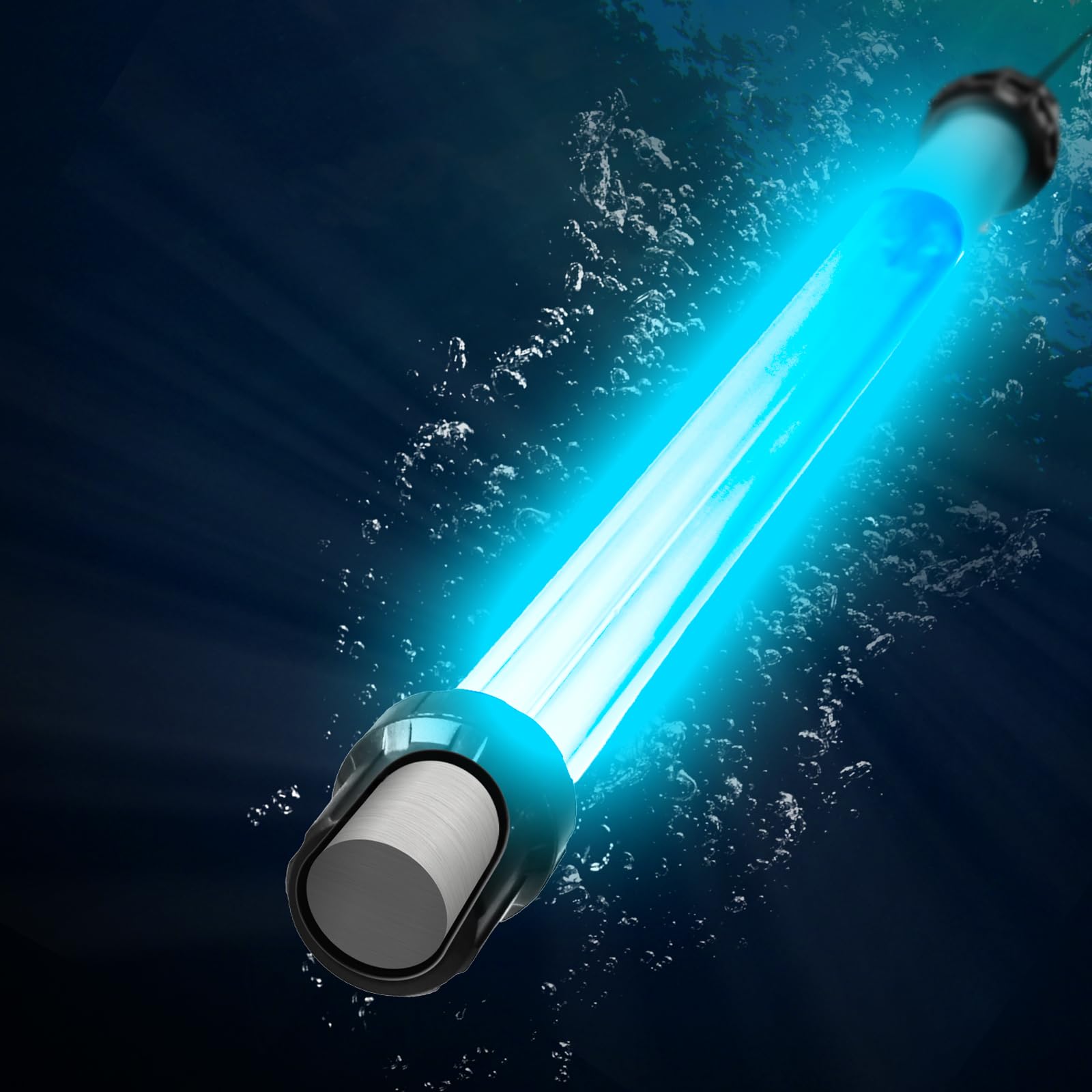
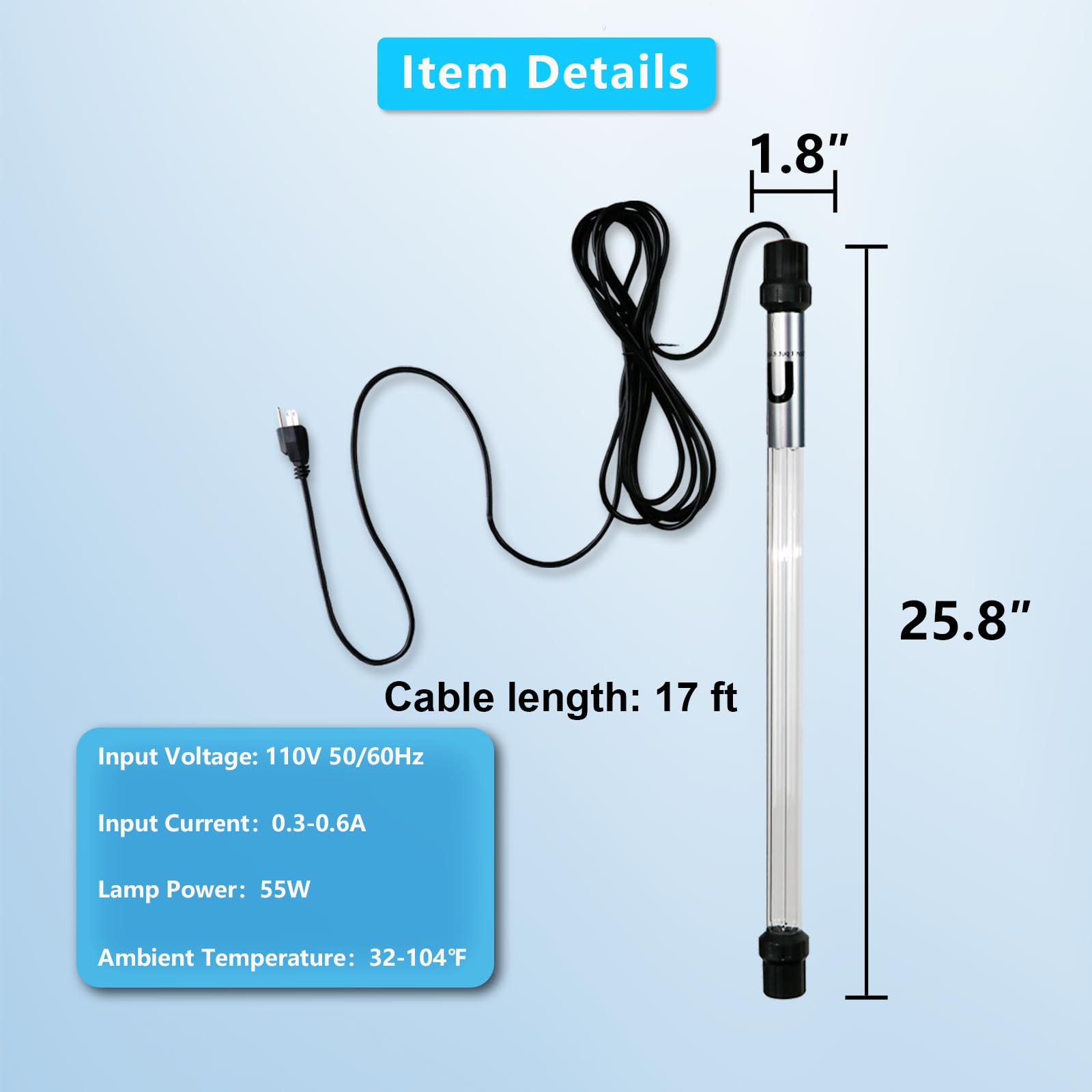
A heating rod—also known as an immersion heater, heating stick, heating element, or submersible heater—is designed to convert electrical energy into heat, warming water or maintaining a stable temperature in a tank or system. During winter, the primary goals are:
-
Preventing water from freezing
-
Maintaining operational temperature for machinery
-
Protecting plumbing and pipelines
-
Reducing the stress on pumps and valves
-
Ensuring water availability for daily use or livestock
-
Maintaining aquatic habitats at safe temperatures
In cold climates, a frozen water system can cause major damage: burst pipes, cracked tanks, broken pumps, and even full system shutdowns. Heating rods act as the first line of defense.
But like all electrical heating devices, they require thoughtful use—especially during extreme cold spells.
2. The Science of Freeze Prevention: Why Water Systems Fail
Before diving into the precautions, it helps to understand why water freezes unevenly and why some users experience freezing even when a heating rod is installed.
2.1 Uneven Heat Distribution
Water freezes first on the surface, edges, or areas farthest from the heating rod. If the rod is placed poorly, some regions of the tank may not get enough heat.
2.2 Insufficient Power or Wattage
A common mistake is choosing a rod with too low wattage. The colder the environment and the larger the water volume, the more heating power you need.
2.3 Poor Insulation
Even the strongest heating rod struggles when heat continuously escapes through uninsulated tank walls.
2.4 Rod Activates Too Slowly
Thermostat-controlled rods may turn on only at freezing temperatures, leaving little buffer during extreme cold.
2.5 Mineral Buildup on the Rod
Lime scale deposits insulate the heating element, reducing heating efficiency dramatically.
Understanding these causes helps you optimize your winter heating strategy and avoid unnecessary failures.
3. Winter Heating Rod Usage: Essential Precautions
3.1 Choose the Right Wattage
Bigger isn’t always better—but too small is always worse.
General wattage recommendation per gallon:
-
1–2 watts per gallon for mild winter freezes
-
3–5 watts per gallon for moderate freezes
-
5–10 watts per gallon for harsh or windy environments
Outdoor, uninsulated tanks need higher wattage than indoor or insulated systems.
3.2 Always Ensure the Rod Is Fully Submerged
Running a heating rod “dry” or partially exposed is dangerous and can cause:
-
Overheating
-
Meltdown of internal components
-
Electrical shorting
-
Fire risk
Water should always cover the minimum water level line indicated by the manufacturer.
3.3 Use a Rod Designed for Winter Environments
Look for features such as:
-
Freeze-resistant housing
-
Fully sealed waterproof structure
-
Anti-corrosion stainless steel or titanium
-
Low-temp thermostatic control
-
Overheat protection
-
Shock-proof and moisture-proof design
Never use indoor aquarium heaters outdoors unless their specifications explicitly allow it.
3.4 Avoid Direct Contact With Plastic Surfaces
Most heating rods get hot—even when temperature-controlled. Direct contact may cause:
-
Warping
-
Melting
-
Cracking
-
Micro-leaks
Use a protective guard, a mounting clamp, or suspension hooks to keep distance from surfaces.
3.5 Keep the Rod Clean
Mineral buildup is a silent killer. It increases power consumption and reduces heat transfer.
Clean regularly with:
-
White vinegar
-
Lime remover (safe for metals)
-
A soft brush
Avoid scratching the heating surface; scratches reduce lifespan.
3.6 Use a GFCI Outlet
Safety is top priority. A Ground Fault Circuit Interrupter prevents electrical shock in wet environments.
If your outlet isn’t GFCI-protected, use a portable GFCI plug.
3.7 Don't Use Extension Cords Outdoors (Unless Rated for Outdoor Use)
Cheap indoor cords can cause:
-
Overheating
-
Insulation melt
-
Water intrusion
-
Electric fires
Choose:
-
Heavy-duty outdoor-rated cords
-
12–14 AWG wiring
-
Weatherproof connectors
4. How to Position the Heating Rod for Maximum Freeze Protection
Placement matters more than most people realize.
4.1 Keep the Rod Low
Heat rises. Placing the rod at the bottom ensures:
-
Even temperature distribution
-
Slow and consistent warming
-
Freeze prevention rather than surface melting
4.2 Keep it Away From Inlets and Outlets
Fast-moving water can “steal” heat, preventing proper temperature stabilization.
4.3 Use Multiple Rods for Large Tanks
For big livestock tanks, industrial tanks, or water reservoirs, using two or more smaller rods provides:
-
Heat redundancy
-
More uniform warming
-
Faster freeze protection
4.4 Consider Adding a Small Water Circulation Pump
Slow water movement keeps temperature even and prevents ice hotspots.
Look for:
-
Low-wattage pump
-
Outdoor-safe
-
Energy-efficient
Even a tiny current can dramatically reduce icing.
5. Winter Energy-Saving Strategies for Heating Rods
Heating rods are effective but can be energy-intensive. Fortunately, there are many ways to reduce power consumption without compromising freeze safety.
5.1 Insulate Everything
Insulation is the #1 biggest energy saver.
Recommended options:
-
Foam tank covers
-
Insulated wraps
-
Reflective thermal blankets
-
Underground or partially buried tanks
-
Foam boards around the tank perimeter
Even a thin layer of insulation can reduce heat loss by 30–60%.
5.2 Add a Thermostat Controller
Instead of having the rod run constantly—especially in mild freeze conditions—use a thermostat controller with adjustable setpoints.
Benefits:
-
Saves up to 50% energy
-
Prevents overheating
-
Extends heater lifespan
Set a temperature that is safe but not excessive:
-
40–45°F (4–7°C) for freeze prevention
-
50–55°F (10–12°C) for livestock drinking water
-
68–78°F (20–26°C) for aquariums
5.3 Choose Rods With Automatic Shutoff
Overheat protection keeps the rod safe and avoids wasted energy.
5.4 Cover the Water Surface
Heat escapes rapidly through the surface.
Add:
-
Floating insulation discs
-
Foam boards
-
Partial lids (leave some space for gas exchange if used for animals)
A covered surface can save up to 40% energy.
5.5 Maintain the Rod Regularly
A dirty rod requires significantly more power to maintain the same temperature.
A clean rod:
-
Heats water faster
-
Uses less electricity
-
Operates safely at lower wattage
5.6 Use the Lowest Necessary Wattage for the Job
More wattage = faster heating, but also higher bills.
Choose wattage based on:
-
Tank size
-
Outdoor temperature
-
Insulation quality
5.7 Reduce Exposure to Wind
Wind dramatically increases heat loss through evaporative cooling.
Use wind barriers such as:
-
Fences
-
Hay bales
-
Wooden boards
-
Tank shelters
Small barriers can cut energy usage by 20–35%.
5.8 Elevate Tanks Off Frozen Ground
Frozen ground pulls heat downward. A simple insulating platform improves efficiency.
Use:
-
Wood pallets
-
Foam boards
-
Rubber mats
5.9 Use Timer Control in Mild Climates
In regions where nighttime temperatures dip but daytime temperatures rise above freezing, use a timer.
Example:
-
ON from 10 PM – 7 AM
-
OFF during the day
This simple trick saves significant energy.
6. Troubleshooting: Why Your Heating Rod Isn’t Working in Winter
Below are common symptoms and solutions.
6.1 Water Still Freezes
Possible causes:
-
Rod too small (upgrade wattage)
-
Poor insulation
-
Incorrect placement
-
Thermostat set too low
-
Heavy mineral scale
6.2 Heater Runs Constantly
Likely causes:
-
Heat escaping from uninsulated tank
-
Heating rod failure
-
Thermostat malfunction
-
Extreme weather beyond wattage limits
6.3 Rod Feels Hot but Water Stays Cold
Symptoms of:
-
Mineral buildup
-
Heat trapped in protective guard
-
Faulty internal sensor
Clean or replace the rod.
6.4 Electrical Tripping
Usually caused by:
-
Damaged power cord
-
Water intrusion
-
Bad GFCI outlet
Stop using immediately until repaired or replaced.
7. Long-Term Winter Maintenance Checklist
Here is a seasonal checklist for proactive care:
Before Winter
-
Test the heating rod
-
Check wiring and insulation
-
Clean mineral buildup
-
Add tank insulation
-
Install wind barriers
During Winter
-
Inspect weekly for:
-
Ice buildup
-
Submersion level
-
Overheating
-
Strange noise
-
-
Clean if necessary
-
Verify the thermostat is working
After Winter
-
Deep-clean the rod
-
Dry thoroughly before storage
-
Check for corrosion or cracks
-
Store in a dry, room-temperature place
8. Safety Tips Every User Should Know
8.1 Never Handle the Rod While It’s Plugged In
Always unplug before:
-
Cleaning
-
Adjusting position
-
Removing from water
8.2 Keep Cords Away From Animals
Livestock and pets may chew cords; use protective tubing or run the cord through conduit.
8.3 Avoid Cheap, Uncertified Products
Choose heating rods with:
-
UL or ETL certification
-
High-temperature-resistant cords
-
Sealed electronics
8.4 Monitor Water Levels Frequently
Sudden evaporation or leaks can expose the rod, causing overheating or failure.
8.5 Replace Aging Rods
If your heater is over 3–5 years old, its internal components may start degrading.
Replace proactively rather than waiting for failure during a freeze.
9. Special Use Cases: Applying These Principles
9.1 For Livestock Waterers
-
Place rod at bottom
-
Add insulation around tank
-
Use floating lids
-
Keep animals away from cords
9.2 For Industrial Tanks and Pipelines
-
Combine heating rods with thermal insulation
-
Use multiple heating points
-
Add thermostatic controllers
9.3 For Aquariums
-
Maintain stable temperature range
-
Use guards to protect aquatic animals
-
Don’t allow fish to contact the rod directly
-
Keep the heater submerged at all times
9.4 For RVs and Outdoor Plumbing
-
Use low-wattage freeze-prevention rods
-
Insulate pipes heavily
-
Add heating tape where needed
10. Conclusion: Using Heating Rods Safely and Efficiently All Winter
Winter heating rods are powerful tools that offer essential freeze protection for water systems. However, to use them effectively, you need to combine proper wattage, correct placement, sufficient insulation, and smart energy-saving strategies. By following the precautions outlined in this detailed guide, you can:
-
Prevent catastrophic freezing damage
-
Lower your energy bills
-
Extend the lifespan of your heating equipment
-
Keep livestock, aquariums, and water systems safe
-
Maintain reliable water access even in severe winter conditions
A heating rod is only as good as its installation and maintenance. With good practices, you’ll get dependable, efficient performance all winter long.