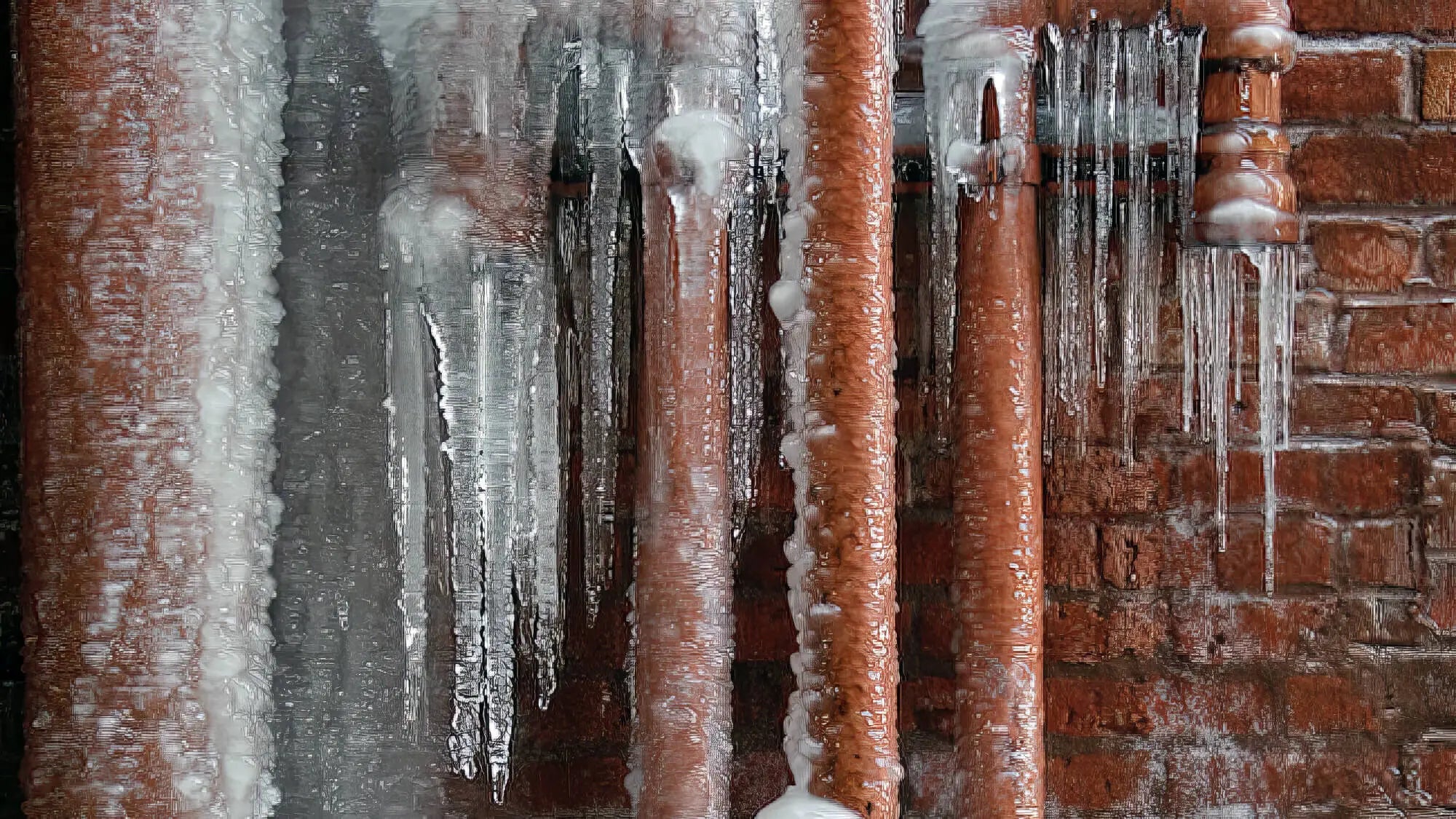
Winter brings the kind of cold that can turn daily utilities into frustrating challenges—frozen water tanks, cracked pipes, malfunctioning pumps, and inconsistent water flow. In such conditions, heating rods (also known as immersion heaters, heating sticks, or heater elements) become essential tools for preventing freeze damage and maintaining water availability.
However, many users underestimate the importance of proper installation, temperature management, safety precautions, and routine maintenance. Even the best heating rod can fail—or become dangerous—if used incorrectly during freezing temperatures.
This comprehensive guide is designed to give you everything you need to know about using heating rods safely and effectively throughout the winter season. Whether you’re heating livestock tanks, industrial containers, aquariums, household water buckets, or RV plumbing systems, the following detailed practices will help you avoid freezing, reduce energy consumption, and ensure long-term reliability.
1. What Is a Heating Rod, and Why Is It Important in Winter?
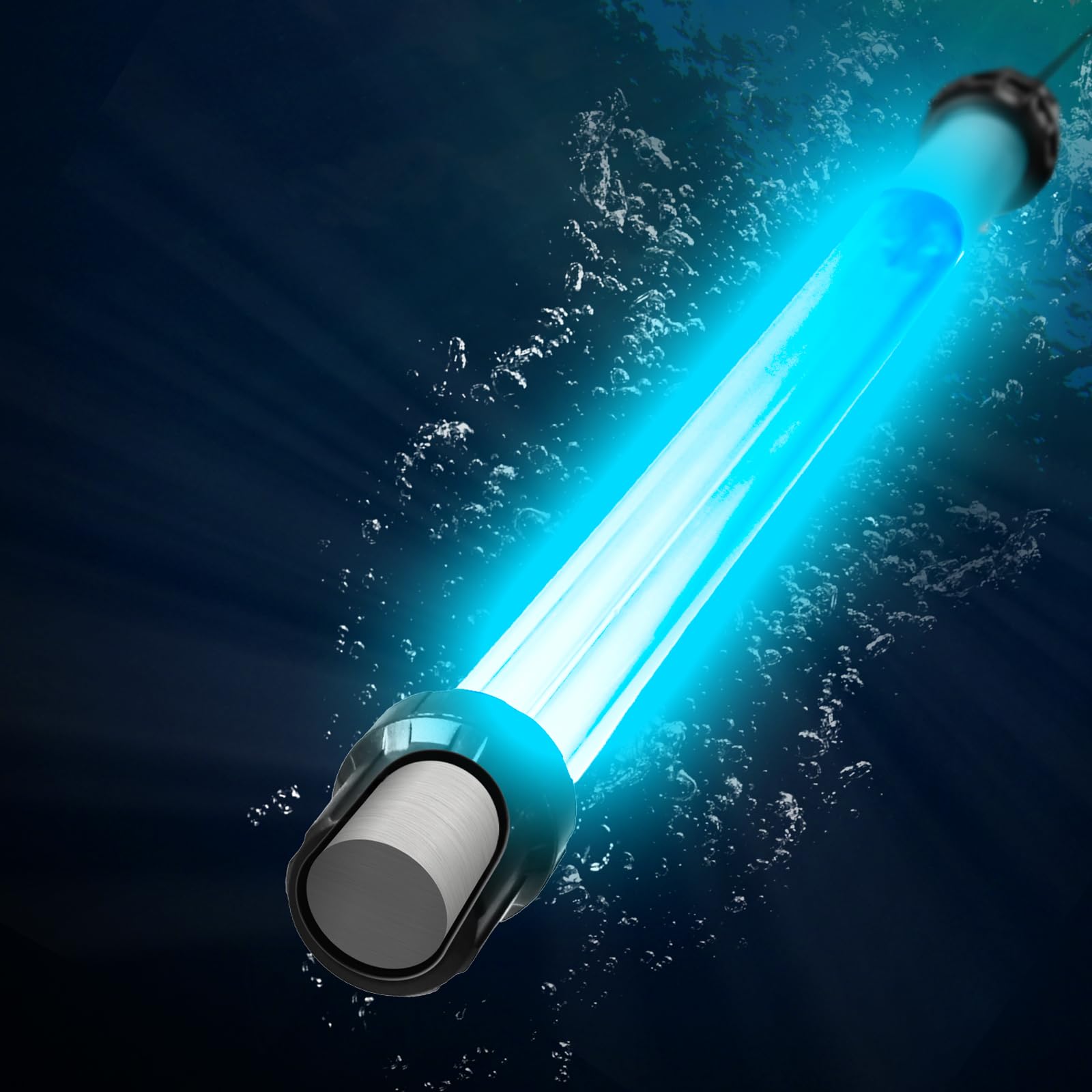
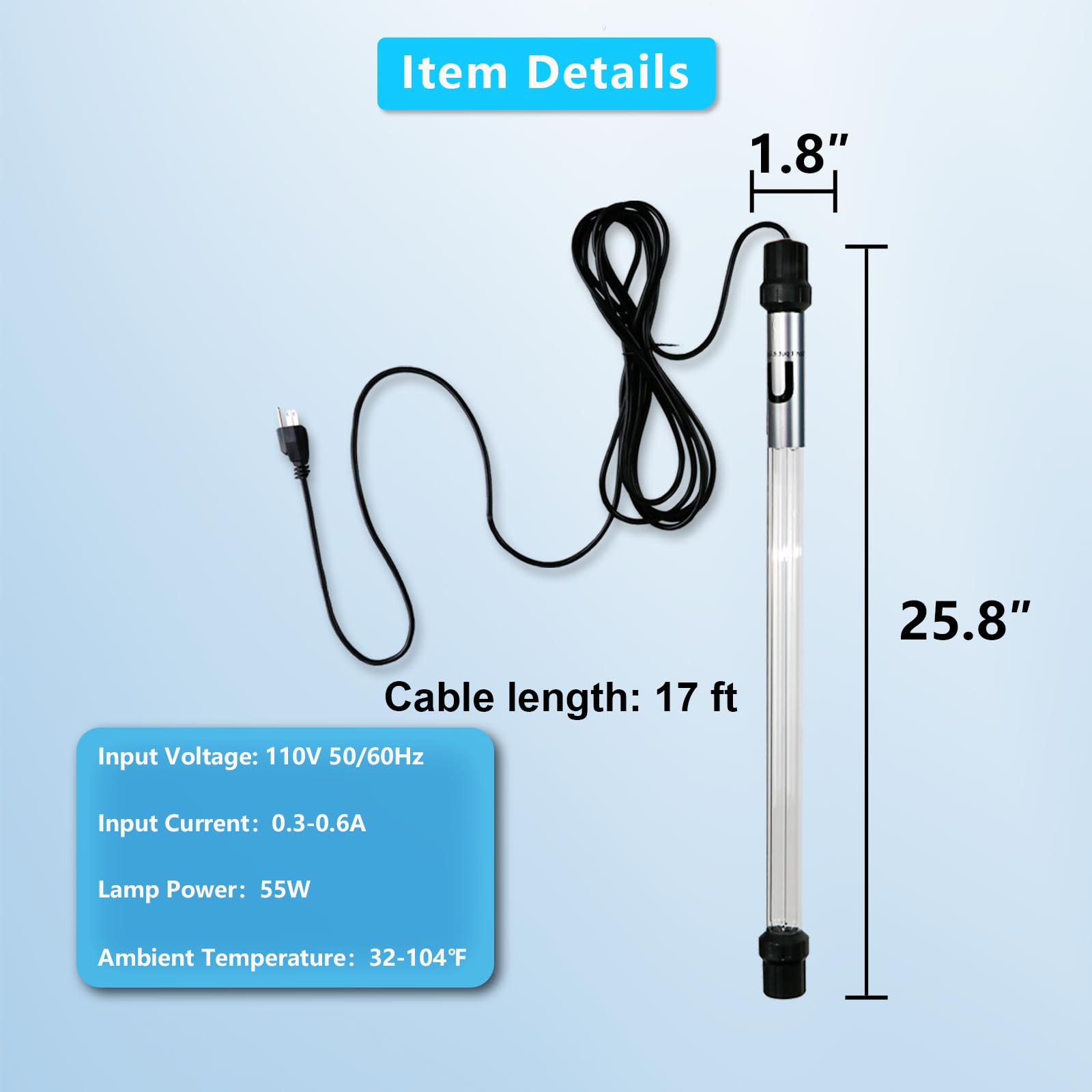
A heating rod is an electrical element that converts electrical energy into heat when submerged in water or other liquids. During winter, the main purpose is:
-
Preventing liquids from freezing
-
Maintaining a stable temperature for animals or fish
-
Protecting plumbing infrastructure
-
Supporting industrial processes that require stable fluid conditions
-
Ensuring continuous water supply
-
Avoiding expensive damage to equipment
Without a properly functioning heating rod, water can freeze rapidly—sometimes within hours—leading to pipe ruptures, tank deformation, pump damage, or system shutdowns.
This is why winter usage demands a more thoughtful and cautious approach compared to warmer seasons.
2. How Heating Rods Work: Understanding Their Principles
Heating rods operate through resistive heating—when electricity passes through a resistive metal core, it generates heat. The metal casing (typically stainless steel or titanium) transfers heat to surrounding water.
Most modern heating rods include features such as:
-
Thermostatic control
-
Automatic shutoff
-
Overheat protection
-
Waterproof sealing
-
Temperature sensors
-
Low-water protection
However, winter conditions place more strain on these components. Cold increases energy demand, while ice formation can interfere with heat distribution.
Understanding these principles is the foundation of safe winter operation.
3. Why Winter Poses Special Risks for Heating Rods
Winter is dangerous not just for water systems, but for the heating rod itself. Extreme cold can cause the rod to run continuously, accelerating wear and raising the risk of failure.
3.1 Increased Energy Consumption
The colder the temperature, the more power the rod draws to maintain water above freezing.
3.2 Temperature Shock
If the heating rod is suddenly exposed to cold air—for example, if water levels drop—the metal casing may crack.
3.3 Mineral Buildup
Heating rods often develop scale faster in winter due to heavier use.
3.4 Freeze Pockets
Ice can form in parts of the tank farther from the heating element, increasing the risk of uneven heating or incomplete freeze protection.
3.5 Electrical Hazards
Snow, moisture, and ice introduce more electrical risks when cords and outlets are not properly insulated or protected.
This is why winter usage requires far stricter safety precautions than summer use.
4. Winter Heating Rod Safety Tips: The Complete Guide
Below are the most important guidelines to follow when using a heating rod in winter. Skipping any of these increases the likelihood of failure or safety hazards.
5. Always Choose the Correct Wattage
Selecting the right wattage is crucial. Too low, and the rod won’t prevent freezing; too high, and it may waste energy or cause overheating.
Recommended wattage guidelines:
-
1–2 watts per gallon for mild winter climates
-
3–5 watts per gallon for moderate freezing conditions
-
5–10 watts per gallon for harsh northern winters or outdoor, uninsulated tanks
Larger tanks or tanks exposed to direct wind need more power. Indoor tanks, especially those insulated, require less.
6. Keep the Heating Rod Fully Submerged at All Times
One of the most dangerous mistakes is allowing the rod to run partially exposed. Exposed rods can:
-
Overheat
-
Melt internal components
-
Crack due to thermal shock
-
Create fire hazards
-
Pose risk of electric shock
A good rule of thumb:
If you can see any part of the rod above water, unplug it immediately.
Check water levels daily in outdoor settings.
7. Install a Rod With Proper Weatherproofing
Choose a heating rod designed specifically for winter environments. Key features include:
-
Waterproof, fully sealed body
-
Anti-corrosion stainless steel or titanium shell
-
Freeze-resistant cable insulation
-
Heavy-duty outdoor power cords
-
Shock protection
-
Moistureproof design
-
Automatic shutoff when water is low
Avoid using indoor aquarium heaters outdoors unless explicitly approved by the manufacturer.
8. Proper Placement: How to Position the Heating Rod for Maximum Effectiveness
Where you place the heating rod determines how effective the heating is.
8.1 Position the Rod at the Lowest Point
Heat rises, so placing the rod at the bottom prevents freezing from building underneath.
8.2 Keep It Away From Inlets and Outlets
Fast-moving or incoming cold water can “steal” heat, reducing efficiency.
8.3 Avoid Direct Contact With Plastic Surfaces
Heating rods can exceed safe plastic temperature limits and may cause:
-
Warping
-
Softening
-
Cracking
Use clamps, hangers, or mounting brackets.
8.4 For Large Tanks, Use Multiple Heating Rods
One heater cannot cover large volumes evenly.
8.5 Add a Circulation Pump
Even a small pump ensures temperature consistency and prevents ice formation at distant points.
9. Insulate Everything for Better Winter Performance
Heating rods work best when heat isn’t continuously escaping.
9.1 Insulate the Tank Walls
Use:
-
Foam boards
-
Rubber insulation
-
Insulated wraps
-
Thermal blankets
-
Straw bales
9.2 Insulate the Top Surface
Heat escapes most rapidly through the water surface. Cover with:
-
Floating insulation discs
-
Foam sheets
-
Partial lids (allow for ventilation if used for animals)
A well-insulated tank can reduce energy consumption by 30–60%.
10. Improve Efficiency With Thermostat Controllers
A thermostat allows the heating rod to turn on only when needed instead of running nonstop. Benefits include:
-
Lower energy costs
-
Reduced wear
-
Improved temperature stability
Recommended winter settings:
-
40–45°F (4–7°C) for basic freeze protection
-
50–55°F (10–12°C) for livestock drinking water
-
68–78°F (20–26°C) for aquariums
11. Use GFCI Outlets and Outdoor-Rated Extension Cords
Water and electricity demand caution.
11.1 Always Use GFCI Protection
A Ground Fault Circuit Interrupter prevents electrocution by cutting power instantly when anomalies occur.
11.2 Outdoor-Rated Extensions Only
Indoor cords can crack or absorb moisture, creating serious hazards.
Choose cords that are:
-
Waterproof
-
Thick gauge (12- or 14-AWG)
-
Rated for subzero temperatures
12. Winter Energy-Saving Tips for Heating Rods
Heating rods can consume significant electricity during extreme cold. Here’s how to reduce costs:
12.1 Insulate Everything
The most effective way to save energy.
12.2 Use a Timer in Mild Climates
Shut off during warm hours, run during freezing nights.
12.3 Use a Lid or Float Cover
Prevent heat loss.
12.4 Maintain the Heating Rod
Scale buildup forces the rod to work harder, consuming more power.
12.5 Use the Lowest Wattage That Can Do the Job
Overpowered rods waste electricity.
12.6 Elevate the Tank Off Frozen Ground
Frozen soil acts like a giant heat sink.
12.7 Shield the Tank From Wind
Wind chill greatly accelerates freezing.
13. Regular Maintenance During Winter
13.1 Weekly Inspection
Look for:
-
Ice formation near the edges
-
Mineral buildup
-
Corrosion
-
Unusual noises
-
Frayed wires
13.2 Clean the Rod Monthly
Use:
-
Vinegar soak
-
Descaling solution
-
Soft brush
13.3 Check the Cord Condition
Cold cracks cords—replace damaged ones immediately.
13.4 Test the Thermostat
Ensure it activates and deactivates correctly.
14. Common Mistakes to Avoid When Using Heating Rods in Winter
Many winter failures are caused by avoidable errors.
14.1 Running the Rod Dry
The most dangerous mistake.
14.2 Using Indoor Heaters Outdoors
Indoor heaters are not waterproof or weather-resistant.
14.3 Using Weak Extension Cords
Thin cords overheat and melt.
14.4 Ignoring Scale Buildup
Scale reduces heating efficiency and can cause the rod to overheat.
14.5 Not Insulating the Tank
Even a strong rod cannot fight against constant heat loss.
14.6 Using the Wrong Wattage
Too low: freezing
Too high: overheating or wasted power
14.7 Letting Snow Accumulate Around Electrical Components
Moisture increases shock risk.
15. Troubleshooting Winter Heating Rod Problems
15.1 Water Freezes Even With the Rod On
Possible causes:
-
Incorrect wattage
-
Poor insulation
-
Wrong placement
-
Thermostat set too low
-
Rod failure
-
Mineral buildup
15.2 Rod Feels Hot but Water Is Cold
The rod may:
-
Be coated with scale
-
Have internal damage
-
Be overheating due to lack of circulation
15.3 GFCI Keeps Tripping
Likely issues:
-
Water intrusion
-
Damaged cord
-
Faulty outlet
15.4 Rod Runs Constantly
Likely causes:
-
Heat loss through tank walls
-
Extreme weather
-
Failing thermostat
15.5 Strange Noises or Clicking
Indicates internal heater damage or water penetration.
16. Special Use Cases During Winter
16.1 Livestock Water Tanks
-
Use heavy-duty outdoor-rated rods
-
Add insulation around tanks
-
Use protective guards to prevent chewing
-
Add windbreaks around the tank
16.2 Aquariums
-
Maintain steady temperature
-
Use two smaller heaters for redundancy
-
Avoid direct heater contact with fish
16.3 RVs
-
Use low-wattage rods
-
Insulate tanks and pipes
-
Combine with heating tape
16.4 Industrial or Commercial Tanks
-
Use multi-zone heating
-
Add external insulation
-
Use programmable controllers
17. Safety Warnings You Should Never Ignore
-
Never touch the rod while plugged in
-
Never plug in a wet cord
-
Never use a damaged or cracked rod
-
Never submerge the cord or plug
-
Never place flammable materials near the rod
-
Always keep children and pets away
-
Always unplug before cleaning or moving the rod
These precautions can prevent serious injury or property damage.
18. End-of-Winter Care for Heating Rods
When winter ends:
-
Remove the rod
-
Clean thoroughly
-
Inspect for corrosion or cracking
-
Dry completely
-
Wrap cords loosely
-
Store in a dry location
Proper off-season care extends the rod’s lifespan significantly.
Conclusion: Safe Heating Rod Use Ensures a Trouble-Free Winter
Heating rods are powerful tools for winter freeze protection, but they demand respect and proper usage. By choosing the right wattage, ensuring full submersion, using insulation, installing thermostatic controls, and following routine maintenance, you can:
-
Prevent water from freezing
-
Save on winter energy costs
-
Avoid equipment damage
-
Ensure safe operation
-
Extend the lifespan of your heating rod
Winter is harsh—but with smart heating rod practices, you can keep your water systems functioning reliably and safely no matter how low the temperature drops.